In This Guide
- Top 5 Tips for RV Rental in Paris
- Before You Book - Class, Dates, Insurance for your Paris RV Rental
- Pre-Trip Prep - Packing Checklist for Paris
- On the Road - Driving, Fueling, Navigation in Paris
- At the Campground - Setup, Hookups and Etiquette in Paris
- RV Rental-Specific Tips for Paris
- Common Mistakes to Avoid in Paris
- What are the new rules for motorhomes in France?
- Is France motorhome friendly?
- Do I need speed stickers on my motorhome in France?
- What is the 3-3-3 rule when RVing?
- What is the 4-4-4 rule for RVing?
- How much does it cost to rent an RV in France?
- What is the rule of 3 with an RV?
Top 5 Tips for RV Rental in Paris
Researching Paris's ZFE (Low Emission Zone) requirements and obtaining a Crit'Air sticker is paramount for any RV journey into the city. All vehicles, including rented motorhomes, need this sticker to legally enter Paris, and failure to display it can result in fines starting from €68. You can pre-book your RV campsites, especially those with public transport links to central Paris like Camping de Paris, as urban parking is extremely limited and strictly regulated. Before driving, familiarize yourself with the Périphérique (Paris ring road) and French road signs to navigate this busy city artery more confidently. Budgeting for additional costs like tolls (péages), fuel (Gazole), campsite fees (ranging from €15-€80+ per night), and potential ZFE fines is crucial for a smooth trip. Finally, consider renting a smaller, more maneuverable Class B campervan or compact Class C motorhome, which typically offer lengths under 7 meters, for easier navigation through French cities and narrow streets.Before You Book - Class, Dates, Insurance for your Paris RV Rental
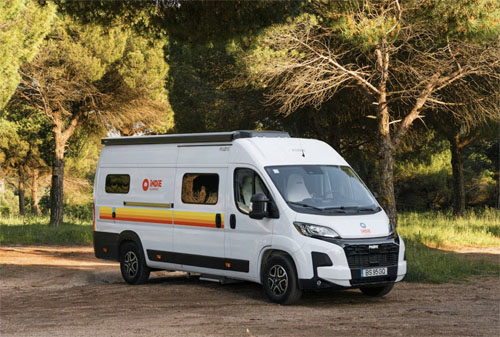
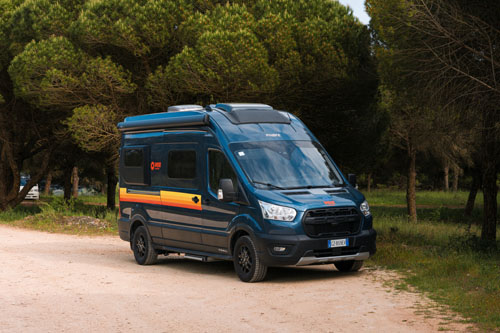
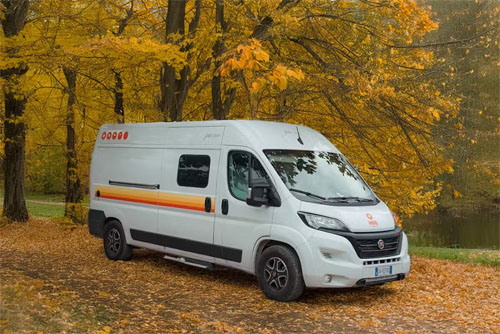
Choosing the right RV for your Paris adventure involves considering the vehicle class, booking dates, and insurance options to ensure a smooth trip. For navigating Paris and its surrounding areas, a smaller Class B campervan or a compact Class C motorhome is generally recommended due to their maneuverability and easier parking. These vehicles, such as a "Category Van" or "Active Classic," are ideal for couples or small families of 2+2 and usually measure under 6.5 meters in length. Booking your RV rental well in advance, especially for high-demand periods like the summer or major events, helps secure availability and better daily rates, which can fluctuate like flight tickets. While basic insurance is always included, you can opt for an optional upgrade to a top-level deductible for extra peace of mind, covering potential damages with minimal out-of-pocket expenses.Pre-Trip Prep - Packing Checklist for Paris
A thoughtful packing checklist ensures your Paris RV adventure is comfortable and hassle-free. Essential clothing includes layers for varying temperatures (Paris weather can be unpredictable, with averages from 10°C in spring to 25°C in summer), comfortable walking shoes for city exploration, a waterproof jacket, and a smart-casual outfit for Parisian dining experiences. For your RV kitchen, reusable water bottles, coffee/tea supplies, basic cooking ingredients (consider the RV-friendly recipes playlist for inspiration), and small shopping bags for local markets are invaluable. Safety and navigation items should cover a first-aid kit, a high-visibility vest and warning triangle (mandatory in France), European adapter plugs (Type E), and offline maps or GPS with RV dimensions to avoid low bridges and narrow streets. Don't forget crucial documents: your standard car driver's license (an International Driving Permit is recommended for non-English speakers but not mandatory), passport, rental agreement, and the pre-obtained Crit'Air sticker.On the Road - Driving, Fueling, Navigation in Paris
Driving an RV in Paris requires careful attention to local rules and traffic patterns. Be aware of French speed limits: 130 km/h on motorways, 110 km/h on dual carriageways, 80 km/h on other roads, and 50 km/h in urban areas. While you can drive almost anywhere without issues, drive slowly and carefully, paying close attention to signs. It is often best to avoid driving directly into central Paris due to narrow streets and limited parking. Ensure your rented RV has the correct Crit'Air sticker for driving within Paris's ZFE (Low Emission Zone) to avoid fines. Plan your fuel stops for diesel (Gazole), which averages €1.80-€2.00 per liter, at major service stations located outside the immediate city center. Use a GPS system that allows input of your RV's dimensions to avoid unsuitable roads and low bridges. Additionally, budget for French motorway tolls (péages), which can significantly add to your trip costs, potentially using a Liber-t tag for electronic payment. For finding campsites and campgrounds during your trip, we recommend using RV PLANET (rvplan.net) - a great resource for locating available spots along your route and tracking your RV PLANET routes expenses.At the Campground - Setup, Hookups and Etiquette
Upon arrival at a Parisian-area campground, check in, collect your assigned pitch number, and inquire about specific campsite rules and available facilities like shower blocks and laundry. Once at your pitch, park your rented motorhome and use leveling blocks to ensure it's stable and comfortable, then connect to electrical and water hookups using appropriate adapters. Managing waste is simple: position your grey water hose for drainage at designated points, and empty your black water cassette at specific chemical toilet disposal stations, often marked "vidange des eaux noires." During your stay, observe quiet hours, typically from 10 PM to 7 AM, keep your camping pitch tidy, and always respect the privacy and space of other campers. Many campgrounds near Paris, like Camping de Paris, offer excellent public transport connections, making daily excursions into the city seamless.RV Rental-Specific Tips for Paris
Tailoring your RV rental choice and travel style to your group type can greatly enhance your Paris adventure. Families with kids should prioritize RVs with separate sleeping areas, such as a Class C motorhome that might offer a "Bed Over Cub - 147/190cm" and a "Double Bed - 128/220cm," and plan drives around nap times to keep young travelers comfortable. Consider campgrounds near family attractions like Disneyland Paris for convenience. Retired couples might prefer low-profile Class B campervans, like the "V3" model, for easy access and seek campgrounds with accessible facilities and robust public transport links into the city center. Budget travelers can save money by opting for smaller, more fuel-efficient campervans, cooking most meals in their RV kitchen, and utilizing 'aires de services' for potential free or low-cost overnight stops outside Paris. Luxury travelers, on the other hand, might prefer premium Class A motorhomes, such as a "Category Large" with "3 double beds," offering advanced features and amenities, along with high-end campsites that provide extensive services. Our "Luxury RV Rental in Paris - Premium Prices 2026" guide can provide more details.Common Mistakes to Avoid in Paris
To ensure a smooth RV rental trip to Paris, several common mistakes can be easily circumvented with a bit of foresight. Instead of risking a fine by neglecting the Crit'Air sticker, ensure your rented RV has the correct one for Paris's ZFE, which applies to central areas like around the Louvre Museum and Eiffel Tower. Instead of attempting to drive into central Paris, which is often congested and has very limited RV parking, it's wiser to park your motorhome at a peripheral campsite (like Camping de Paris or Parc de Loisirs in Jablines-Annet) and use the efficient public transport system (RER and Metro) to reach attractions. For instance, from Camping de Paris, a short bus ride connects you directly to the metro line. Instead of searching for spontaneous parking in Paris, pre-book your RV pitch at a campground or use designated paid RV lots outside the city center. Instead of being surprised by tolls, factor French motorway péages into your budget and consider purchasing a Liber-t tag for electronic payment. Learning basic French phrases for common interactions with locals and services will also make your trip much smoother than relying solely on English. Finally, instead of overpacking, focus on versatile clothing and essentials to maximize space and fuel efficiency in your rented campervan, especially if you plan to enjoy cooking in your RV kitchen.What are the new rules for motorhomes in France?
New rules for motorhomes in France include displaying a Crit'Air vignette (sticker) for Low Emission Zones (ZFEs) in cities such as Paris, affecting vehicles based on their Euro emission standard. Since January 2026, specific speed limits apply for motorhomes over 3.5 tonnes: 90 km/h on motorways, 80 km/h on dual carriageways, and 80 km/h on other roads outside urban areas. Additionally, vehicles over 3.5 tonnes must display 'Angles Morts' (blind spot) stickers on their sides and rear, particularly when operating in urban areas. Winter tires or snow chains are also mandatory in certain mountainous regions during specific periods, from November 1 to March 31, as indicated by road signs. These regulations are designed to improve air quality and road safety across France.Is France motorhome friendly?
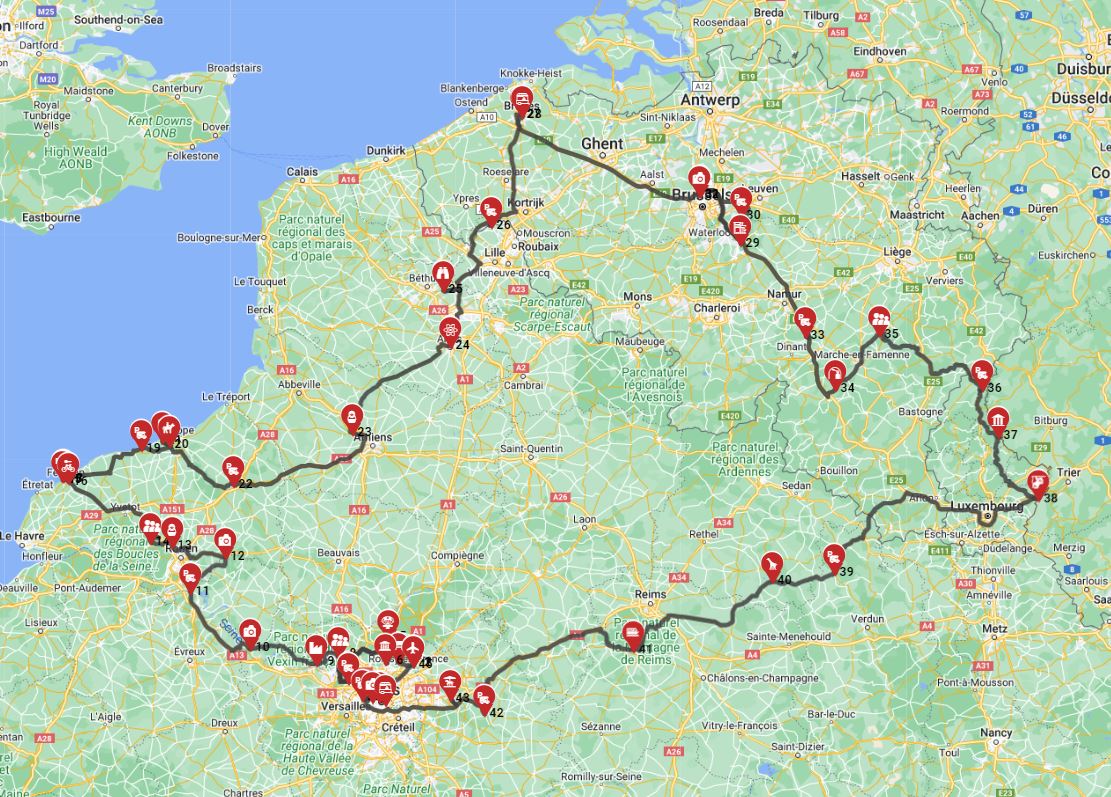
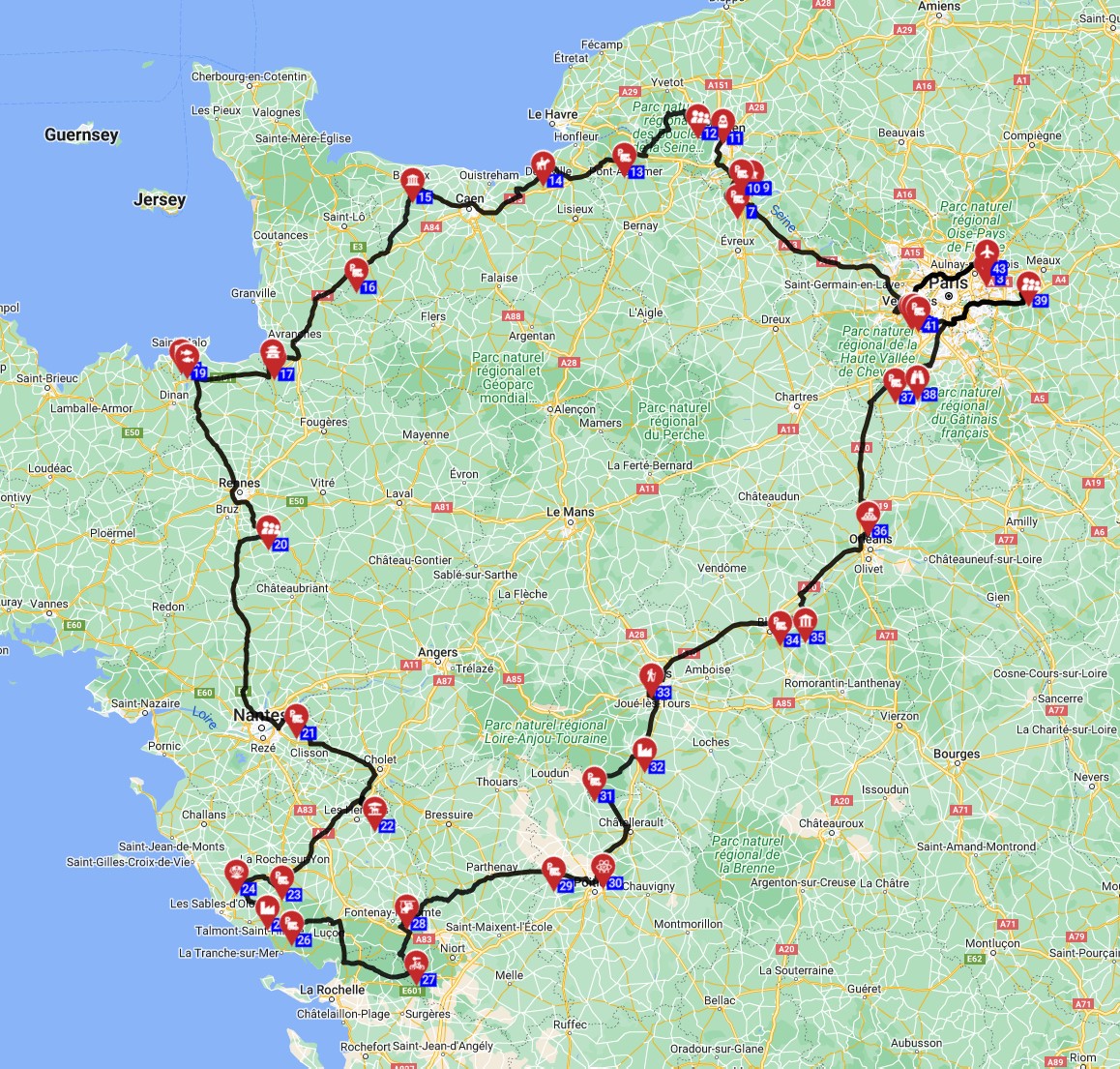
France is highly motorhome friendly, offering an extensive network of campsites and thousands of dedicated 'aires de services' for parking and essential services like water refill and waste disposal. The country boasts excellent road infrastructure suitable for RV travel, including well-maintained motorways (though many are toll roads) and scenic routes through regions like the Loire Valley or Normandy. French culture generally welcomes motorhome tourists, with many villages and towns providing dedicated facilities for RVs. However, specific rules for overnight parking can vary by municipality, especially in popular urban centers and coastal areas. While rural France is very accommodating, navigating major cities like Paris requires careful pre-planning for parking and a thorough understanding of traffic restrictions, including the Crit'Air ZFE system. For more insights on planning your trip, consider our "RV Travel Guide to Paris - Tips and Top Spots 2026" video guide.Do I need speed stickers on my motorhome in France?
Yes, if your rented motorhome's Gross Vehicle Weight (GVW) exceeds 3.5 tonnes, you are legally required to display specific circular speed limit stickers on the rear of the vehicle. These stickers typically indicate maximum speeds of 90 km/h for motorways, 80 km/h for dual carriageways, and 70 km/h for other roads outside urban areas. Motorhomes under 3.5 tonnes generally follow standard passenger car speed limits and do not need these specific speed stickers. Additionally, since January 2026, all vehicles over 3.5 tonnes operating in urban areas must also display 'Angles Morts' (blind spot) stickers to alert other road users, a rule strictly enforced in cities like Paris and Lyon.What is the 3-3-3 rule when RVing?
The 3-3-3 rule in RVing suggests a practical guideline for a relaxed and enjoyable road trip: driving no more than 300 miles (approximately 500 km) a day, arriving at your destination by 3 PM, and staying for at least 3 days at each location. This rule helps prevent driver fatigue, allowing travelers to maintain alertness and enjoy the scenery. Arriving by 3 PM provides ample daylight for setting up your rented motorhome, connecting hookups, and settling into your campsite before dusk. Staying for at least 3 days at each spot encourages slower travel, which is our recommendation for RV exploration, allowing for deeper immersion in local culture, food, and scenery, especially beneficial when exploring a rich area like Paris and its surroundings. For example, a "Weekly RV Rental in Paris - Pricing 2026" trip allows plenty of time for this slow travel approach.What is the 4-4-4 rule for RVing?
The '4-4-4 rule' for RVing is another popular guideline that recommends driving no more than 4 hours a day to minimize driver fatigue and maintain optimal concentration. It also suggests traveling no further than 400 miles (approximately 640 km) daily as a maximum distance, allowing for a more relaxed pace and avoiding rushed journeys. The rule advises aiming to stop and set up your rented campervan by 4 PM each day, which provides sufficient time for campsite preparations, relaxation, and exploring the immediate area before dark. While these guidelines are flexible and can be adjusted based on personal travel preferences, road conditions, and specific itinerary requirements, they promote a safer and more enjoyable RV experience, particularly relevant for an extended road trip from Paris.How much does it cost to rent an RV in France?
RV rental costs in France typically range from €80 to €250+ per day, significantly influenced by the RV class, rental season, and rental duration. For example, a compact campervan like the "Group A" (sleeping 4) might start around €80 per day in the low season, while a larger, more luxurious Class C motorhome like "Group G" (sleeping 7) could easily exceed €250 per day during peak summer or major events. Fuel costs, primarily for diesel (Gazole), should be budgeted at around €1.80-€2.00 per liter, with average consumption for a medium RV being 10-12 liters/100 km. Toll costs (péages) on French motorways can add significantly, potentially over €100 for a long distance round trip. Campsite fees range from €15-€40 per night for basic pitches, increasing to €50-€80+ for premium sites or those strategically located near Paris with good transport links. A mandatory Crit'Air vignette for Paris's ZFE costs €4.76, including postage, which is a small but necessary expense. Comprehensive insurance options, which reduce deductibles, typically add €10-€30 per day to the base rental cost. For detailed pricing, our "RV Rental in Paris - Prices and Best Deals 2026" and "Cheap RV Rental in Paris - Budget Guide 2026" articles provide further breakdown. Remember, prices are dynamic and change daily based on availability and seasonality.What is the rule of 3 with an RV?
The 'rule of 3 with an RV' commonly refers to the 3-3-3 guideline for safe and enjoyable travel, which advises travelers to limit daily driving to 300 miles (approx. 500 km), arrive by 3 PM, and stay for at least 3 days at each destination. This widely adopted rule promotes driver well-being by preventing fatigue and reducing stress associated with long, rushed journeys. It encourages a more immersive travel experience by allowing ample time to explore local culture and attractions, especially beneficial when visiting a bustling city like Paris. The practicality of arriving early (by 3 PM) facilitates easier campsite setup and provides time to resolve any issues before dark, enhancing overall comfort and ensuring you don't miss out on enjoying your surroundings.🎬 Video coming soon
What You Shouldn't Miss
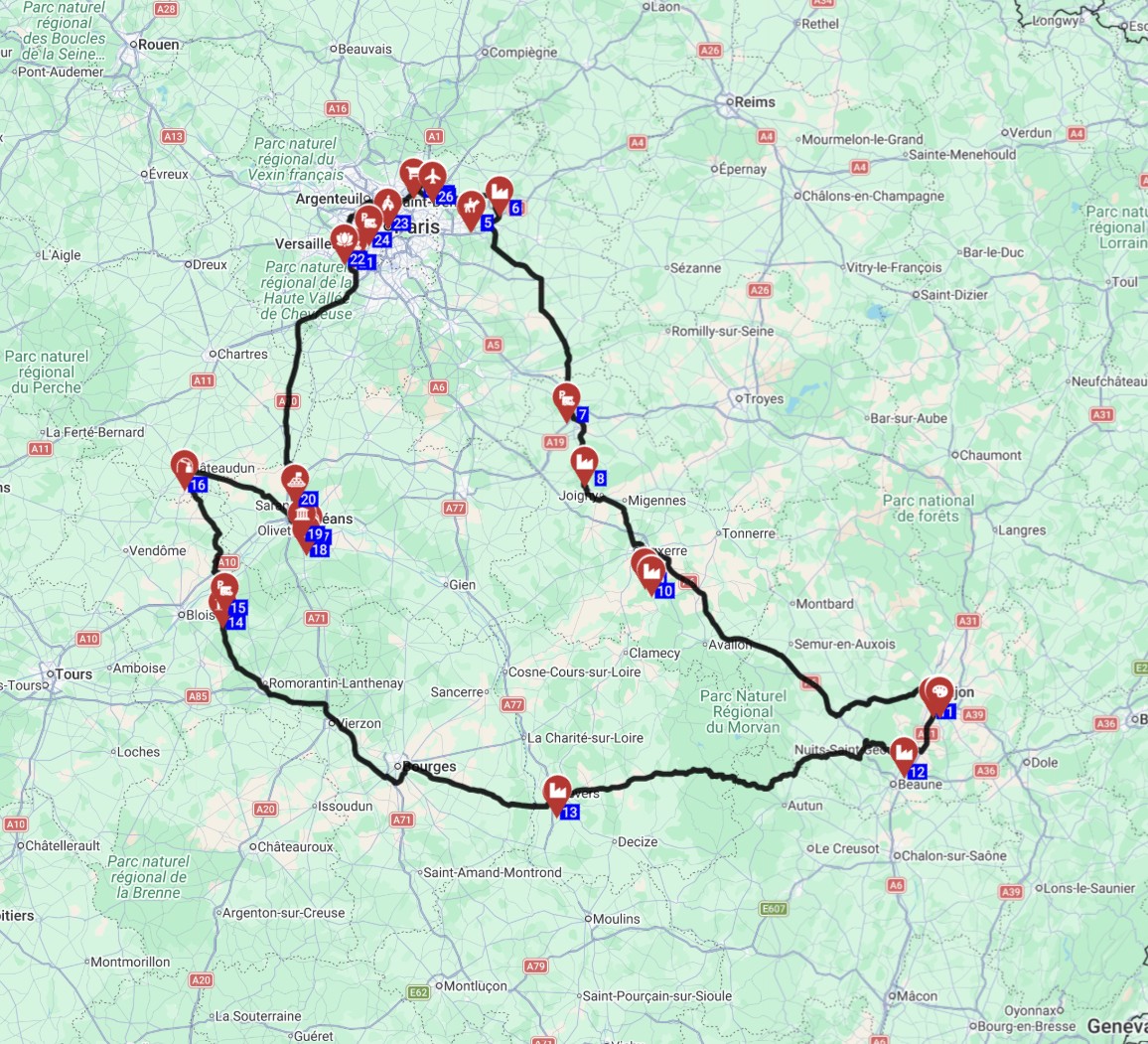
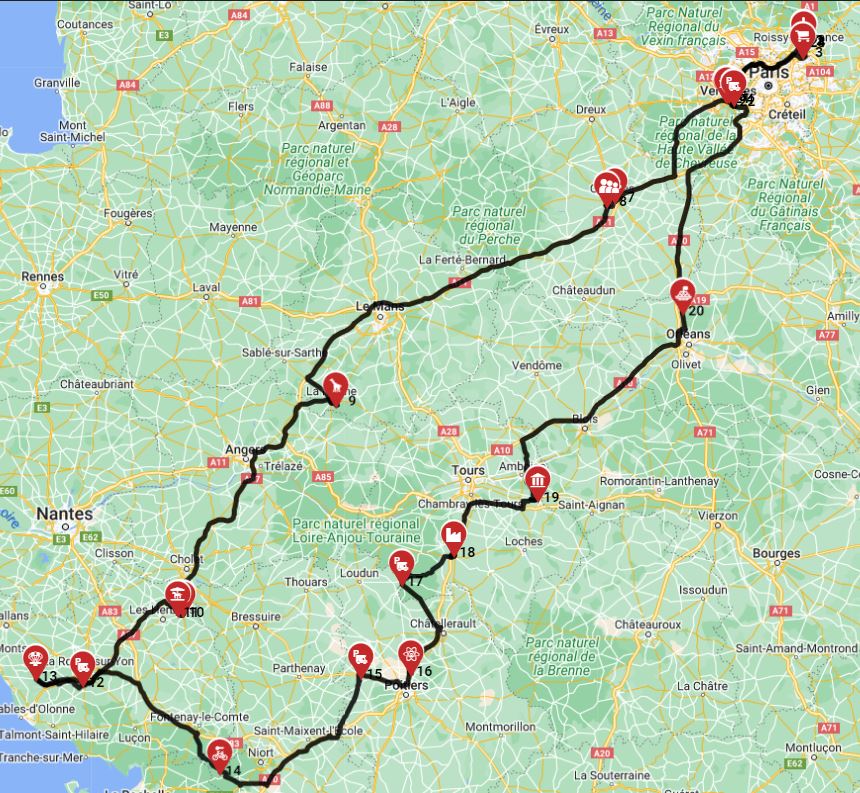
- **Explore the Loire Valley Châteaux**: From your RV base near Paris, take a day trip to the stunning Loire Valley, just a 2-hour drive, to marvel at castles like Château de Chambord or Château de Chenonceau, combining historical grandeur with scenic drives.
- **Discover Versailles**: Park your motorhome at a nearby campsite and use public transport to visit the Palace of Versailles, a UNESCO World Heritage site and a breathtaking example of French Baroque architecture, typically a 45-minute journey from central Paris.
- **Wander Montmartre & Sacré-Cœur**: Dedicate a day to explore the charming cobbled streets of Montmartre, visit the Sacré-Cœur Basilica, and enjoy panoramic views of Paris, easily accessible via metro from your RV park.
- **Picnic by the Seine**: Grab fresh baguettes, cheese, and wine from a local Parisian market and enjoy a delightful picnic along the banks of the Seine River, a quintessential Parisian experience.
- **Visit Fontainebleau**: Drive your RV south of Paris to explore the magnificent Château de Fontainebleau, a former royal residence, and hike or boulder in the surrounding ancient forest, offering a perfect blend of history and nature.
Looking for expert insights from Avi Bandana? Top 5 Adventures - recommendations from Avi Bandana
Final Thoughts
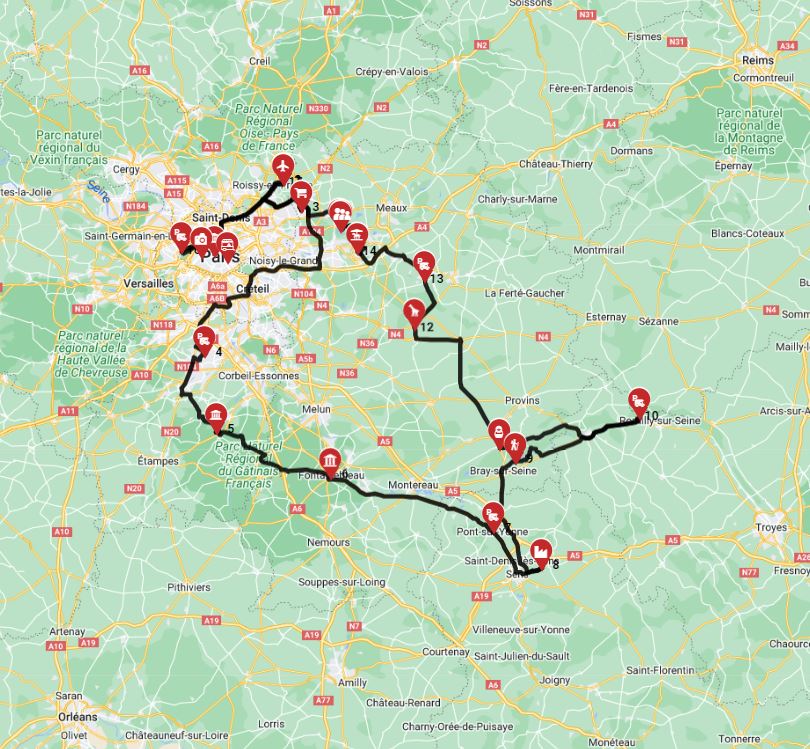
Embarking on a 7-day RV rental adventure in Paris and its surroundings offers unparalleled freedom to explore at your own pace. With careful planning for city navigation, campsite bookings, and awareness of local regulations like the Crit'Air sticker, your trip will be a memorable blend of cultural immersion and scenic beauty. Remember to travel slowly, averaging 100-150 km per day, to truly feel the place, connect to its culture, savor the food, and soak in the breathtaking scenery. Whether you're a family seeking adventure or a couple desiring a unique escape, Bandana RV is here to support you with full transparency and expert advice every step of the way. We want your Paris motorhome experience to be as joyful and stress-free as possible. Find Motorhome Rentals in ParisOn the routes offered through RV PLANET routes, you can itemize and track every expense along the way for easy budgeting.