In This Guide
- Top 5 Tips for weekly rv rental RV Rental in Namibia
- Before You Book - Class, Dates, Insurance
- Pre-Trip Prep - Packing Checklist for Namibia
- On the Road - Driving, Fueling, Navigation
- At the Campground - Setup, Hookups & Etiquette
- weekly rv rental-Specific Tips for Namibia
- Common Mistakes to Avoid in Namibia
- How much does it cost to rent an RV in Namibia for a week?
- What is the best RV for a Namibia trip?
- Do I need a 4x4 RV for Namibia?
- What are the best places to visit in Namibia by RV?
- Is Namibia safe for RV travel?
- Are there specific driving rules for RVs in Namibia?
- How do you dispose of waste in an RV in Namibia?
- Is it easy to find fuel for RVs in Namibia?
- What is the best time of year to RV in Namibia?
- Can you wild camp in Namibia with an RV?
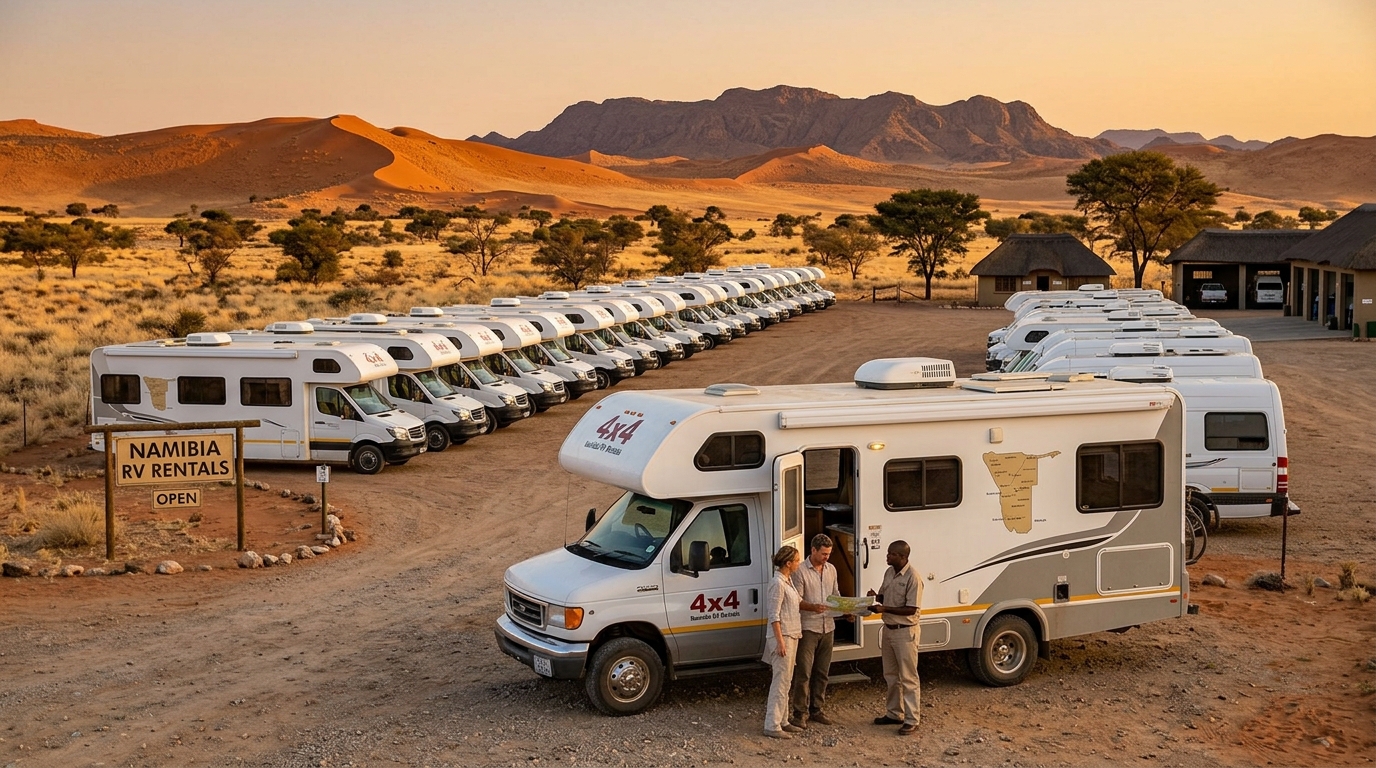
Embarking on a weekly RV rental in Namibia promises an unforgettable journey through breathtaking deserts, abundant wildlife, and dramatic coastlines. Namibia, a country of vast open spaces and incredible natural beauty, is perfectly suited for exploration in a motorhome or campervan. Our RV Rental Namibia - Complete Guide 2026 offers a deeper dive into all aspects of planning your adventure. Imagine the freedom of setting your own pace, stopping wherever a stunning view catches your eye, and waking up to the sounds of the African wilderness right outside your window. With Bandana RV, you get not just a vehicle, but a partner in planning your ultimate week-long or extended road trip, ensuring full transparency and peace of mind from start to finish.
Top 5 Tips for weekly rv rental RV Rental in Namibia
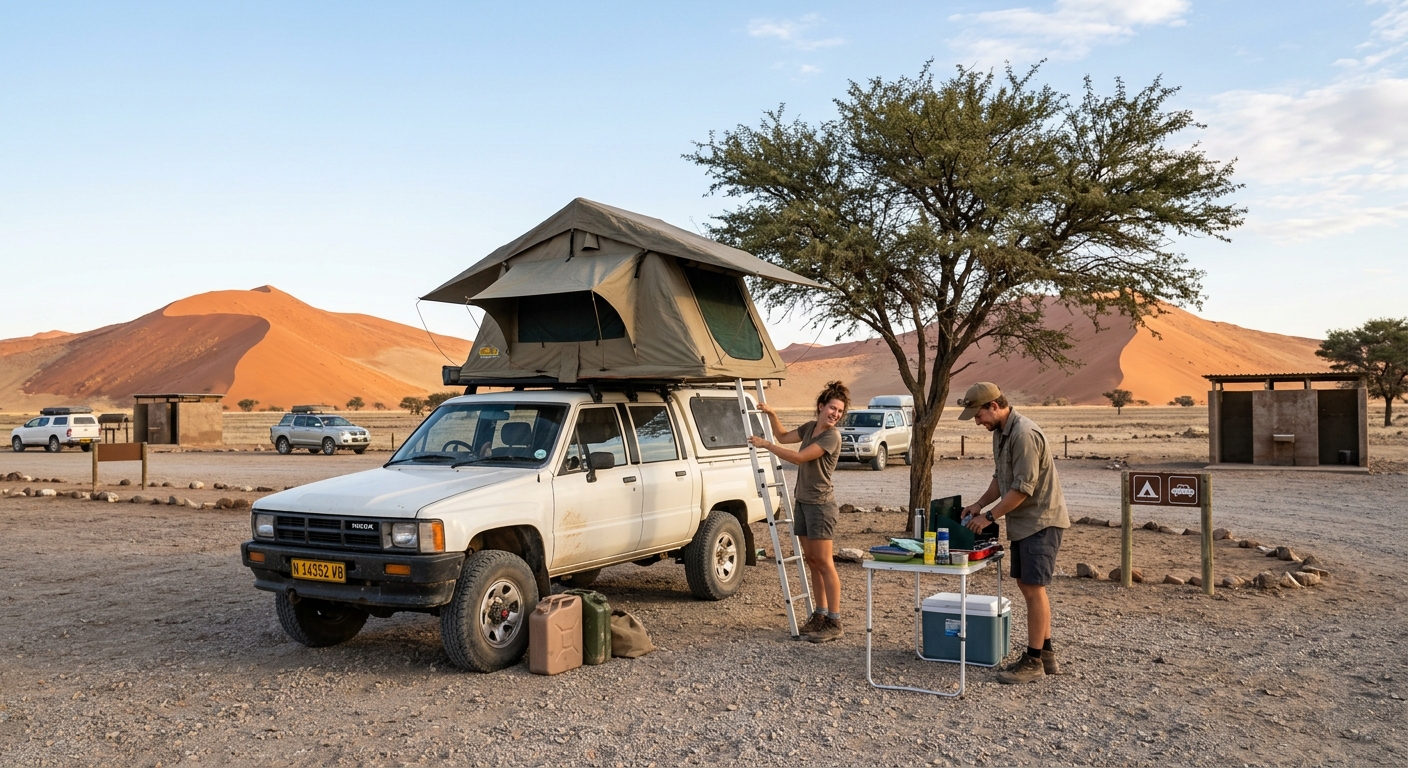
Ensuring a smooth and enjoyable weekly RV rental in Namibia begins with strategic planning and smart decisions.
- Book your RV well in advance, ideally 3-6 months, especially for peak seasons (July-October), to guarantee availability and secure better rates, potentially saving up to 20% on your booking.
- Prioritize a 4x4 camper or motorhome if your itinerary includes challenging gravel roads or remote areas like Kaokoland, as roughly 80% of Namibia's roads are unpaved.
- Factor in a comprehensive budget that includes not only the rental fee but also fuel, national park fees (approx. N$150 per person per day), and potential satellite communication rentals for remote areas. Our RV PLANET routes allow you to itemize and track every expense for easy budgeting.
- Familiarize yourself with basic RV maintenance and emergency procedures due to Namibia's vast, remote landscapes, including tire changing and water/waste management.
- Plan flexible daily itineraries, allowing ample time for unexpected stops and truly savoring the scenery, keeping daily driving to a maximum of 100-150 km. For more route-specific ideas, explore our RV Driving Deals in Namibia - Routes and Savings 2026.
Before You Book - Class, Dates, Insurance
Selecting the appropriate RV class for a weekly rental in Namibia is crucial, often depending on your planned routes and comfort level.
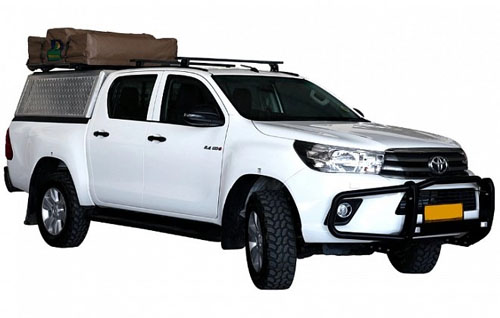
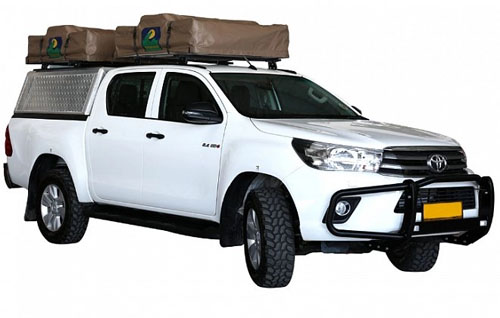
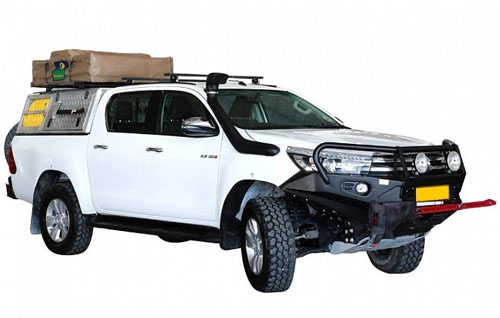
For navigating Namibia's diverse terrain, from paved highways to unpaved gravel roads, consider a Class B campervan like the "Patagonia Camper 4x4 double cab" with its 4x4 capabilities for rougher tracks or a compact Class C motorhome for easier handling and basic amenities. Booking your RV rental dates as early as possible is highly recommended; while it's not strictly 6-12 months in advance as commonly advised for some destinations, aiming for 3-6 months out, especially for peak dry season (May to October), usually secures better pricing and vehicle availability. Spontaneous bookings are sometimes possible, but popular vehicles, particularly 4x4 models, can be scarce. Many national and state parks reserve only 25-30% of their spots, leaving the rest for first-come-first-serve, so you'll find a spot; if not at the first campground, then the next one – just call ahead before driving.
Understanding insurance options is essential for peace of mind when renting an RV in Namibia. Basic insurance is always included with your rental. To see prices including the most comprehensive coverage, select that option during your search on Bandana RV – then all relevant insurance options, including the ability to upgrade to a top-level deductible for extra peace of mind, will be shown. We believe in full transparency, so there are no hidden fees or surprises.
Pre-Trip Prep - Packing Checklist for Namibia
A well-prepared packing list is vital for a comfortable and safe weekly RV adventure in Namibia, considering varied climates and remote travel.
Clothing Essentials:
- Wide-brimmed hat
- Sunglasses
- Sturdy closed-toe shoes for hiking and exploring
- Sandals for campsite comfort
- Quick-drying clothing (layers for cool mornings/evenings and hot days in the desert)
- Warm jacket/fleece for desert nights and early mornings
- Swimwear for lodges with pools
- Gaiters for dusty hikes to protect against sand and small stones
Kitchen & Food Supplies:
- Cooler/portable fridge (if your rental doesn't have a built-in refrigerator)
- Reusable water bottles and a large refillable water container (essential in arid Namibia)
- Coffee/tea, sugar, and basic cooking oil/spices to prepare delicious meals in your RV kitchen.
- Firelighters (for traditional Namibian braai/BBQ at campsites)
- Dish soap/sponge and eco-friendly cleaning supplies
- Zip-lock bags for food storage and waste management
- For ideas on easy meals to prepare in your RV, check out our RV-friendly recipes playlist.
Safety & Emergency Gear:
- Comprehensive first-aid kit with remedies for sun exposure, insect bites, and minor injuries
- Insect repellent, especially for areas near water sources or during the wet season
- High SPF sunscreen, as Namibia boasts over 300 sunny days annually
- Emergency water supply (at least 20-30 liters extra per person) and non-perishable food
- Headlamp/flashlight with spare batteries for navigating campsites at night
- Spare tire, tire repair kit, and a basic toolkit for minor vehicle issues
- Satellite phone or emergency beacon (like SPOT/Garmin inReach) for remote areas where mobile signal is non-existent.
Documents & Navigation:
- Valid car driver's license (a standard license is sufficient for all motorhomes) and an International Driving Permit (IDP) if your license is not in English
- Passport with valid visa (if applicable)
- RV rental agreement and insurance details
- Copy of vehicle registration (often provided by the rental company)
- Proof of vaccinations (check current health advisories)
- National Park permits/reservations, especially for popular parks like Etosha and Sossusvlei, booked in advance.
- Offline maps (e.g., Maps.me, Tracks4Africa) or a reliable GPS device, as mobile signal is intermittent outside major towns.
On the Road - Driving, Fueling, Navigation
Navigating Namibia's diverse terrain in a rented RV requires specific awareness regarding road conditions, fuel stops, and reliable navigation.
Namibia drives on the left-hand side of the road, and while many main arteries between major cities like Windhoek, Swakopmund, and Walvis Bay are tarred, a significant portion of the country's scenic routes, especially within national parks and remote areas, consist of gravel roads. Maintain appropriate speeds on gravel roads, generally below 80 km/h, to prevent loss of control and minimize the risk of tire damage. Driving slowly and carefully, you can drive almost anywhere without issues. No need to stress - just use common sense and pay attention. Be vigilant for wildlife, including large animals like kudus and warthogs, particularly at dawn, dusk, and night; avoiding night driving altogether is strongly recommended due to collision risks.
Always carry sufficient fuel, as distances between towns and fuel stations can be extensive, especially in central and northern Namibia. It is wise to refuel whenever you see a station, even if your tank is half full. Most fuel stations accept credit cards, but carrying Namibian Dollars (NAD) or South African Rand (ZAR) cash is advisable for smaller, rural stations or emergencies. Utilize offline maps (e.g., Maps.me, Tracks4Africa) or a reliable GPS device, as mobile signal is intermittent outside major towns. For instance, traveling from Windhoek to Etosha National Park requires careful fuel planning due to limited services along the route.
At the Campground - Setup, Hookups & Etiquette
Setting up your rented RV at a Namibian campsite involves a systematic approach to ensure comfort and adherence to local etiquette, promoting a harmonious experience with nature and fellow travelers.
Upon arrival, first choose a level spot for your motorhome or campervan, then connect your electrical hookup (if available), followed by water, and finally manage your waste disposal. Many popular campsites, such as those within Etosha National Park or near Sossusvlei, offer electrical points and fresh water taps. It is imperative never to discharge grey or black water directly into the environment; most established campsites and lodges provide designated dump stations for emptying your RV's tanks. Respect quiet hours, typically from 10 PM to 6 AM, and minimize generator use to ensure a peaceful environment for all campers and local wildlife. Practice 'Leave No Trace' principles by packing out all trash, using designated waste disposal points, and avoiding disturbing natural flora and fauna. This responsible approach helps preserve Namibia's pristine landscapes for future visitors. On the routes offered through RV PLANET routes, you can itemize and track every expense along the way for easy budgeting.
weekly rv rental-Specific Tips for Namibia
For a weekly RV rental in Namibia, optimize your itinerary to focus on 1-2 key regions to avoid rushing and maximize enjoyment.
Traveling slowly is paramount in Namibia; aim for a maximum of 100-150 km per day on average. This allows you to truly feel the place, connect to the culture, the food, and the scenery without feeling rushed. Consider renting a fully-equipped RV to minimize packing and maximize convenience for your shorter trip duration. Booking all campsites and activity permits in advance is crucial, especially for popular national parks like Etosha and Sossusvlei, to secure your spots within the limited timeframe of a week. While planning, factor in a buffer day at the beginning or end of your trip for grocery shopping and vehicle familiarization. Prioritize experiences over covering vast distances to truly appreciate Namibia's unique landscapes and wildlife. For those looking for pre-planned routes, RV PLANET (rvplan.net), our sister company, offers 1,300+ pre-planned routes across 5 continents, including specific itineraries for Namibia, with a 25% planning discount for using their service.
Common Mistakes to Avoid in Namibia
To ensure a smooth RV trip in Namibia, it's beneficial to be aware of common pitfalls and plan accordingly.
Instead of underestimating driving times, especially on gravel roads, always add at least 25% to GPS estimates for unexpected stops, photo opportunities, and varying road conditions. Many travelers make the mistake of not carrying sufficient cash (Namibian Dollars or South African Rand); instead of relying solely on credit cards, carry enough for smaller purchases, remote fuel stations, and emergencies. Neglecting daily vehicle checks is another common error; perform daily inspections of tires, oil, and water levels, particularly before long stretches in remote areas. Planning an overly ambitious itinerary for a weekly rental will lead to rushed experiences; instead, focus on a manageable route that allows for relaxation and immersive experiences. Always adhere to 'Leave No Trace' principles by never littering or disturbing wildlife, and observe animals from a respectful distance to preserve Namibia's natural beauty. Lastly, ignoring local advice can be risky; always heed warnings from park rangers and locals regarding road conditions, safety, or wildlife. For more guidance, review our "RV Rental Namibia - Complete Guide 2026".
How much does it cost to rent an RV in Namibia for a week?
The cost to rent an RV in Namibia for a week can range significantly, typically between $1,000 to $2,500 USD (or equivalent in NAD/EUR) depending on the vehicle class, season, and inclusions.
For a realistic breakdown of weekly expenses, budget for the RV rental daily rate, any one-way fees (which can be $150-$500 USD for inter-city drops), comprehensive insurance, fuel (estimated at 11-14 liters per 100 km for most motorhomes, see a model like the "cruise america rv rental example Explorer" with 11 L/100 Km fuel consumption), national park entry fees (approximately N$150 per person per day plus N$50 per vehicle per day for major parks), and campsite fees (ranging from N$200-N$600 per night). Groceries for basic self-catering might add another N$500-N$1000 weekly for a couple or small family. Consider additional costs like satellite phone rental (approx. N$50-N$100 per day), optional activity fees, and gratuities for local guides. Off-peak seasons (January-June, November-December) generally offer lower rental rates and fewer crowds. Remember, prices are dynamic and change daily based on availability, seasonality, and supplier decisions, with the final price set at actual booking time. For managing and tracking all these expenses, RV PLANET routes provide tools to itemize and track every cost along your journey, ensuring you stick to your budget.
What is the best RV for a Namibia trip?
The best RV for a Namibia trip depends heavily on your intended itinerary, comfort preferences, and experience with off-road driving, with 4x4 campers being the most recommended for versatility.
For routes including national parks like Etosha, Damaraland, or the Skeleton Coast, a 4x4 equipped campervan or a robust 4x4 motorhome is ideal due to the prevalence of gravel, sand, and potentially corrugated roads. Vehicles like a "Patagonia Camper 4x4 double cab" or a "4x4 Camper B - TYR" offer higher ground clearance, robust suspension, and often come with essential recovery gear, making them suitable for navigating challenging terrain. If your trip sticks strictly to paved routes between major towns such as Windhoek, Swakopmund, and Luderitz, a 2WD motorhome or campervan (like the "hire campervan example Paradise S/T" or "rv rental denver example Category Van") might suffice. However, their access to many iconic natural attractions will be limited. For those planning a full immersion into Namibia's wilderness, a 4x4 rental is a wise investment in both safety and accessibility, as highlighted in our "Luxury RV Rental in Namibia - Premium Prices 2026" guide for premium options.
Do I need a 4x4 RV for Namibia?
While not strictly mandatory for all routes, a 4x4 RV is highly recommended and often essential for a comprehensive Namibia trip, especially if you plan to venture beyond major tarred roads.
Accessing key attractions such as Sossusvlei's 4x4-only section, parts of Etosha National Park, Damaraland's challenging tracks, or the rugged roads of Kaokoland necessitates a 4x4 vehicle. A 4x4 provides superior traction on sandy tracks and gravel roads, increased ground clearance to navigate rocky sections, and greater stability on corrugations, significantly enhancing safety and accessibility. Even on well-maintained gravel roads, a 4x4 RV offers added peace of mind and resilience against punctures and mechanical stress that 2WD vehicles might struggle with. If your itinerary involves popular sites like Fish River Canyon or Spitzkoppe, a 4x4 campervan ensures you can reach these destinations comfortably. For instance, renting a "5 Person 4WD Camper" would be an excellent choice for a family wanting to explore these diverse areas without limits.
What are the best places to visit in Namibia by RV?
Namibia offers an array of stunning destinations perfectly suited for RV travel, ranging from iconic desert landscapes to abundant wildlife parks.
Popular highlights include Etosha National Park for incredible wildlife viewing, Sossusvlei for its towering red dunes and Deadvlei, and the dramatic Skeleton Coast for its eerie beauty and shipwrecks. For those seeking lesser-known gems and cultural engagement, consider exploring Damaraland for desert-adapted elephants and ancient rock art, the remote Caprivi Strip (Zambezi Region) for riverine safaris, or the Fish River Canyon for breathtaking vistas. The Spitzkoppe mountain offers unique rock formations and unparalleled stargazing opportunities, while the quaint coastal town of Swakopmund provides a refreshing break with adventure activities. Each of these locations offers dedicated campsites perfect for your rented motorhome or campervan. Our "Weekly RV Rental in Namibia - Pricing 2026" offers more details on planning a cost-effective trip to these incredible spots. To compare the best options for your adventure, check out Compare Motorhome Prices for Namibia.
Top Cities for RV Rental in Namibia
Your Namibian RV adventure can begin from several key locations, offering convenience and access to different regions:
- Windhoek: As the capital city, Windhoek is the primary hub for RV rentals, offering the widest selection of vehicles and services. From here, you can easily head north to Etosha, south to Sossusvlei, or west to the coast. You can find detailed options for Windhoek, Namibia.
- Swakopmund: This charming coastal town is a popular tourist destination and a potential pick-up point, offering a gateway to the Skeleton Coast and Damaraland. Check for RV Rental Swakopmund options.
- Walvis Bay: South of Swakopmund, Walvis Bay is another coastal option, known for its lagoon and birdlife, and also serves as an RV rental location. Explore RV Rental Walvis Bay.
These cities, including their respective airports (e.g., Windhoek - Airport, Walvis Bay - Airport, Swakopmund - Airport), serve as excellent starting points for your week-long or extended RV trip in Namibia.
Is Namibia safe for RV travel?
Namibia is generally considered a safe country for RV travel, known for its political stability and friendly population, although standard precautions and preparedness are crucial due to its vast, remote nature.
Safety measures for your rented motorhome or campervan include avoiding night driving to mitigate wildlife collision risks, securing your vehicle, and being aware of your surroundings, especially in urban areas like Windhoek. For remote areas, carrying a satellite phone or emergency communication device is highly advisable, as mobile network coverage is limited outside of major towns. Be prepared for potential encounters with wildlife on roads by driving cautiously and maintaining appropriate distances from animals, especially elephants and large predators. Inform someone of your planned route and expected arrival times when venturing into isolated regions. Bandana RV provides transparent information and support before, during, and after your booking, but local vigilance is key for a safe trip. For a broader perspective on RV travel in the continent, refer to our "RV Rental Africa - Complete Guide 2026".
Are there specific driving rules for RVs in Namibia?
While general Namibian road rules apply to all vehicles, RV drivers should be particularly mindful of specific regulations and practices due to the size and nature of their vehicle, especially on gravel roads.
Namibia drives on the left-hand side of the road. Speed limits are typically 120 km/h on tarred roads, 80 km/h on gravel roads, and 60 km/h in urban areas. However, RVs, particularly on gravel, should often drive slower for safety and vehicle integrity; 60-70 km/h on gravel is a safer speed. Drive slowly and carefully, and you can drive almost anywhere without issues. No need to stress - just use common sense and pay attention. Always give way to livestock and wildlife on the road; animals have the right of way, and collisions can be dangerous. Night driving is strongly discouraged outside of well-lit urban areas due to the high risk of encountering wildlife and the lack of road lighting. Keep headlights on even during the day for increased visibility, especially on dusty gravel roads. Pass slow-moving vehicles only when it is safe and there is ample visibility, being mindful of the dust cloud a larger RV can create. A standard car driver's license is sufficient for all motorhome classes, but an International Driving Permit (IDP) is recommended for visitors from non-English speaking countries. The minimum rental age is 21 years.
How do you dispose of waste in an RV in Namibia?
Proper waste disposal in an RV in Namibia is crucial for environmental protection and adherence to campsite regulations, primarily involving designated dump stations for grey and black water.
Most established campsites and lodges with camping facilities in Namibia provide specific dump stations for emptying your RV's grey water (sink/shower waste) and black water (toilet waste) tanks. These facilities are often well-maintained and clearly marked. It is imperative never to discharge grey or black water directly into the environment, especially in sensitive desert ecosystems or national parks, as this can severely harm the delicate flora and fauna. Solid waste (trash) should be collected in sealed bags and disposed of in designated bins at campsites or recycling centers in larger towns; avoid burning trash at campsites unless explicitly permitted and controlled. Using biodegradable soaps and detergents is recommended to minimize environmental impact when water is used or disposed of in grey water tanks. Maintaining your RV's waste tanks is a fundamental part of responsible RV travel, contributing to the preservation of Namibia's stunning natural beauty.
Is it easy to find fuel for RVs in Namibia?
Finding fuel for RVs in Namibia is generally manageable in towns and along major routes, but drivers must plan carefully for long stretches in remote areas where stations are sparse.
Major towns like Windhoek, Swakopmund, Walvis Bay, and Keetmanshoop have multiple fuel stations, but smaller settlements or routes through national parks might have very limited or no facilities. Always refuel whenever possible, even if your tank is half full, especially before embarking on a long journey through unpopulated regions. For instance, when heading into areas like the Kaokoland or parts of the Skeleton Coast, it's essential to carry extra jerry cans of fuel. Most fuel stations accept credit cards, but it's advisable to carry cash (NAD or ZAR) as a backup, particularly in smaller, rural stations where card machines may be unreliable. Ensure your RV rental includes a long-range fuel tank or inquire about the possibility of carrying extra fuel. Planning your fuel stops meticulously is a key component of a successful RV trip in Namibia, ensuring you don't get stranded in its vast landscapes.
What is the best time of year to RV in Namibia?
The best time of year to RV in Namibia is typically during the dry season, from May to October, offering optimal wildlife viewing, pleasant temperatures, and easier driving conditions.
During these months, wildlife congregates around permanent waterholes, making spotting easier, especially in Etosha National Park. Skies are generally clear with less rain, leading to predictable road conditions, particularly important for navigating gravel tracks in your rented motorhome or campervan. Daytime temperatures are mild, ranging from 20-30°C (68-86°F), though desert nights can be quite cold, requiring warm clothing and proper bedding. The wet season (November to April) brings lush landscapes and migratory birds but also higher temperatures, humidity, occasional heavy rains, and potentially challenging driving conditions on gravel roads, making some areas less accessible. Therefore, for most travelers seeking wildlife and comfortable touring, the dry season is ideal. However, booking during this popular period means you should compare rates early using tools like those found in "RV Rental in Namibia - Prices and Best Deals 2026".
Can you wild camp in Namibia with an RV?
Wild camping (or 'bush camping') with an RV in Namibia is generally not permitted within national parks or private conservancies, and it is discouraged in most other areas due to safety concerns and land ownership.
For safety and to respect private land, it is strongly recommended to utilize established campsites, which are plentiful and offer amenities, often in stunning locations. Namibia boasts a fantastic network of well-maintained campsites, from luxurious lodge campsites to rustic community-run spots. Some remote, designated campsites (e.g., community campsites in Damaraland or around Spitzkoppe, where independent camping *is* permitted with permits) offer a 'wilder' experience without traditional facilities but are still official and managed. Always seek explicit permission from landowners if you are considering camping outside of designated areas, though this is rare for typical RV rental travelers. Adhering to responsible camping practices, including 'Leave No Trace,' is paramount to preserving Namibia's pristine environment and its sensitive ecosystems. You'll find fantastic, safe, and often incredibly scenic spots at designated campgrounds across the country.
What You Shouldn't Miss
Looking for expert insights from Avi Bandana? Top 5 Adventures - recommendations from Avi Bandana
- Sunrise at Sossusvlei and Deadvlei: Witness the iconic red dunes turn ablaze with the morning sun, an absolutely essential stop. Climb Dune 45 for unparalleled views, and explore the ancient, petrified trees of Deadvlei.
- Wildlife Safari in Etosha National Park: Spend several days exploring Etosha's vast salt pan and waterholes, where you can spot elephants, lions, rhinos, giraffes, and countless antelope species from the comfort of your rented motorhome.
- Stargazing in the NamibRand Nature Reserve: Experience the incredible night skies at Africa's first International Dark Sky Reserve, a truly humbling and unforgettable experience that can be enjoyed right from your campsite.
- Exploring the Skeleton Coast and Swakopmund: Drive along the dramatic coastline, dotted with shipwrecks and seal colonies, then enjoy the unique German colonial architecture and adventure activities (like quad biking or sandboarding) in Swakopmund.
- Damaraland's Desert-Adapted Wildlife & Ancient Rock Art: Seek out the incredible desert-adapted elephants and rhinos in Kunene, and visit Twyfelfontein, a UNESCO World Heritage site with thousands of ancient San Bushman rock engravings.
🎬 Video coming soon
Final Thoughts
Namibia truly is a gem for RV travel, offering unparalleled freedom to explore its stunning landscapes and unique wildlife at your own pace. A week-long adventure in a rented motorhome or campervan provides enough time to immerse yourself in a region, creating memories that will last a lifetime. Remember, planning is key, but so is embracing the unexpected joys of the open road.
From the towering dunes of Sossusvlei to the wildlife-rich plains of Etosha, every day in Namibia offers a new discovery. Trust in Bandana RV's transparent pricing, expert knowledge, and dedicated support to make your trip planning as smooth as the tarred roads (and prepare you for the gravel ones!).
Ready to answer the call of the Namibian wilderness? Compare Motorhome Prices for Namibia now and start planning your unforgettable weekly RV adventure!