In This Guide
- Top 5 Tips for weekly rv rental RV Rental in Italy
- Before You Book - Class, Dates, Insurance
- Pre-Trip Prep - Packing Checklist for Italy
- On the Road - Driving, Fueling, Navigation
- At the Campground - Setup, Hookups & Etiquette
- weekly rv rental-Specific Tips for Italy
- Common Mistakes to Avoid in Italy
- How much does a weekly RV rental in Italy cost, including fuel and tolls?
- What is the best time to rent an RV in Italy?
- What are Italy's Aree di Sosta for motorhomes and how do they work?
- How to navigate Italy's ZTLs and narrow city streets in an RV?
- What is RV culture and etiquette like in Italy?
- How to prepare for RV emergencies and ensure connectivity in Italy?
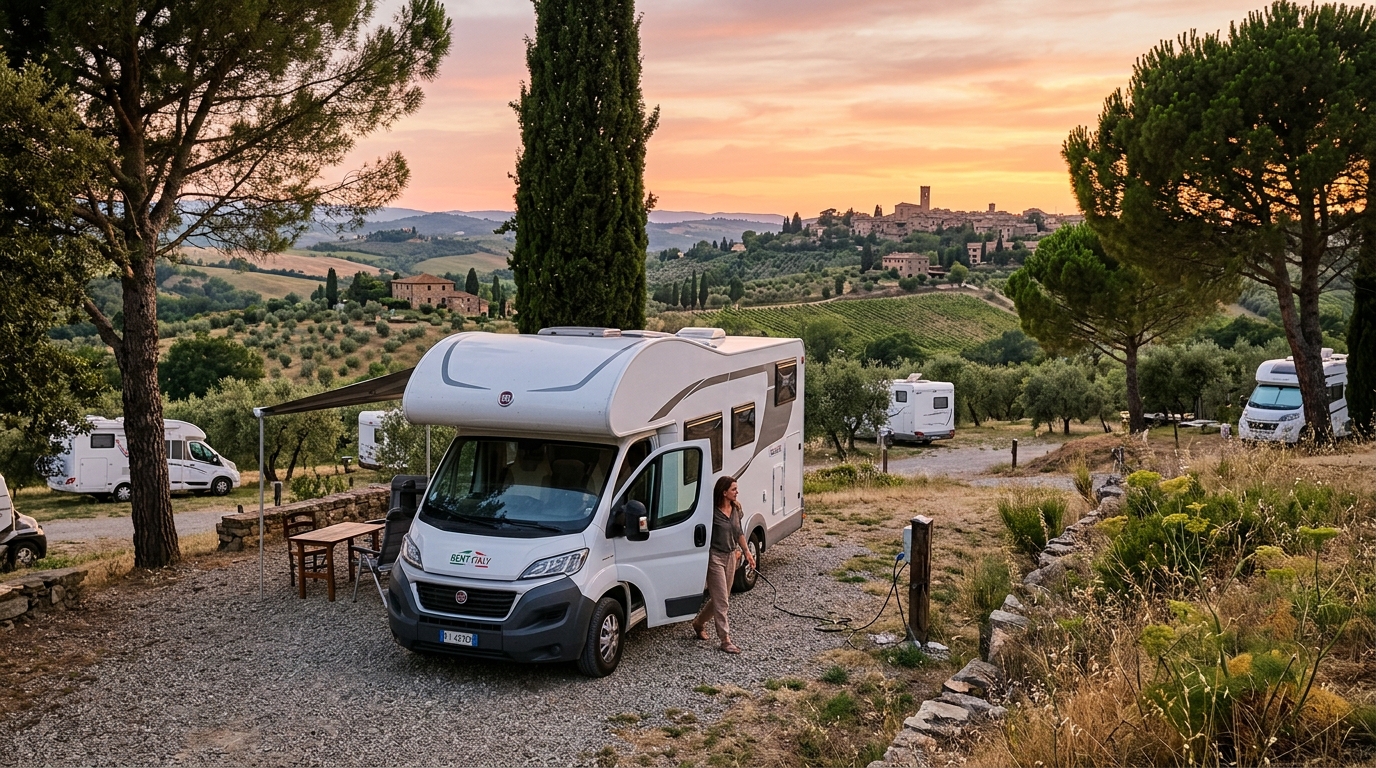
Imagine waking up to the rolling hills of Tuscany, enjoying a freshly brewed Italian coffee right from your rented RV, or parking steps away from a pristine beach on the Amalfi Coast. Italy is an enchanting country that truly comes alive when explored by motorhome. A weekly RV rental in Italy offers an unparalleled sense of freedom, allowing you to discover ancient cities, picturesque villages, and breathtaking natural wonders at your own pace. For live availability and current prices, start with our RV Rental Italy - Complete Guide 2026 guide.
Top 5 Tips for weekly rv rental RV Rental in Italy
Securing your ideal RV model and favorable rates for your weekly RV rental in Italy often requires advance planning. We recommend booking your chosen motorhome or campervan well in advance, especially if you plan to travel during peak seasons like June-August. Secondly, understanding Italy's Zone a Traffico Limitato (ZTLs) is crucial; these restricted traffic zones in city centers can lead to unexpected fines if not carefully avoided.
A smart strategy for overnight stays involves embracing Italy's extensive network of 'Aree di Sosta,' which are designated parking areas for motorhomes, often providing basic services at a minimal cost or for free. Comprehensive budgeting is essential for your weekly RV trip, as ancillary costs like fuel, Autostrada tolls (where a Telepass can be incredibly convenient), and campground fees can add up. Lastly, packing strategically with versatile clothing layers and having all necessary documents, including your driver's license and an International Driving Permit (IDP), will ensure you're prepared for Italy's diverse climates and road requirements. Remember, slow travel is the key to truly experiencing Italy; aim for an average of 100-150 km per day to savor every moment. On the routes offered through RV PLANET routes, you can itemize and track every expense along the way for easy budgeting.
Before You Book - Class, Dates, Insurance
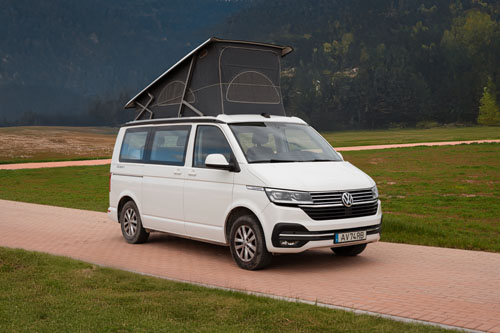
Selecting the right RV class for your weekly rental in Italy is crucial for both comfort and navigability, with a range of options available from Bandana Caravan's direct partnerships with over 50 leading RV suppliers worldwide. For couples, a compact campervan like the "hire campervan example Paradise S/T" with an automatic transmission and dimensions ideal for narrow Italian roads might be perfect, or a slightly larger Class B motorhome offering a shower and toilet. Families of 2+2 or bigger groups might consider a spacious Class C alcove model such as the "rv rentals example Comfort Class" or "6 Berth Deluxe" which features 3 double beds and ample living space, ideal for a week-long adventure through Italy.
When considering your rental dates for a weekly RV trip in Italy, booking 3-6 months in advance is generally recommended for shoulder seasons (April-May, September-October) to ensure availability and potentially better pricing. For peak summer travel (June-August), securing your motorhome 6-12 months ahead is advisable due to high demand. Regardless of when you book, Bandana offers full transparency with no hidden fees or surprises, ensuring you know the final price at the time of booking, which can vary daily based on availability and seasonality.
Regarding insurance for your Italian RV rental, basic third-party liability is legally included. However, for complete peace of mind, we always recommend selecting comprehensive coverage for damages to the rental vehicle or theft. Our top-level deductible reimbursement is an optional upgrade you can purchase to travel with extra confidence. When you search on our platform, you can select options to see prices including the most comprehensive coverage, ensuring all relevant insurance options are clearly presented. As true RV specialists, we ensure you have all the information you need before you commit.
Pre-Trip Prep - Packing Checklist for Italy
Preparing a comprehensive packing checklist tailored for an RV rental in Italy ensures you have all necessities for comfort, safety, and compliance with local regulations. Essential documents should always be at hand, including passports, your national driver's license, an International Driving Permit (IDP) which is highly recommended for non-EU visitors, your RV rental agreement, and European Health Insurance Cards (EHIC) for EU citizens.
For safety on the Italian roads, mandatory items typically include a reflective vest for each occupant and a warning triangle, which should be easily accessible within your rented motorhome. Don't forget basic first-aid supplies. When it comes to everyday items, consider packing versatile layers of clothing to adapt to Italy's diverse climates, from sunny coasts to cooler mountain regions. Comfortable walking shoes are a must for exploring cities and natural sites. For cooking on board your motorhome, a small Moka pot for authentic Italian coffee, reusable shopping bags for local markets, and basic cooking utensils are invaluable for preparing delicious meals using fresh local produce. For more culinary inspiration, check out our RV-friendly recipes playlist. Additionally, a smartphone with an Italian SIM or eSIM plan, or robust international roaming, is crucial for navigation and staying connected.
- Passport & Visa (if applicable)
- Driver's License & International Driving Permit (IDP)
- RV Rental Agreement
- European Health Insurance Card (EHIC) or travel insurance details
- Credit/Debit Cards & some Euros cash
- Smartphone with Italian SIM/eSIM or roaming plan
- GPS device or offline maps (Google Maps, Maps.me)
- Layered clothing (for varying temperatures and modesty in churches)
- Comfortable walking shoes
- Swimsuit & beach towel (if coastal travel)
- Reusable water bottle
- Reusable shopping bags
- Small Moka pot & Italian coffee
- Basic cooking utensils & spices
- First-aid kit
- Reflective safety vest (mandatory in vehicle)
- Warning triangle (mandatory in vehicle)
- Headlamp or flashlight
- Power bank
- Camera & chargers
- Basic toiletries & quick-dry towels
- Biodegradable soap
- Clothesline & pegs
On the Road - Driving, Fueling, Navigation
Driving a rented RV in Italy means adhering to specific local road rules, including driving on the right-hand side, respecting speed limits which vary from 50 km/h in urban areas to 130 km/h on motorways, and understanding specialized systems like ZTLs and tolls. Drive slowly and carefully, and you can drive almost anywhere without issues. No need to stress - just use common sense and pay attention. For instance, navigating Italy's Autostrade (motorways) is straightforward, but most are toll roads. The Telepass system, a small electronic device, offers a convenient way to pay for tolls without stopping, allowing passage through dedicated lanes which can save considerable time for visitors. You can often rent a Telepass device or ask your rental supplier about options.
Fueling your motorhome in Italy is generally simple; diesel ('Gasolio') is the most common fuel type for RVs and is readily available at service stations nationwide. Many stations are self-service, especially outside major towns and after hours, so be prepared to pay with a credit card or cash. Navigation is particularly essential for Italian RV travel, especially when encountering narrow streets and historic city centers. A reliable GPS system, ideally one updated with RV dimensions to help avoid problematic routes, is highly advisable. Offline maps on your smartphone can also be a lifesaver when cellular service is patchy, particularly in mountainous or remote areas. When exploring Italian cities, remember it's often best to park your RV outside the ZTLs and utilize Italy's efficient public transport for a stress-free experience.
At the Campground - Setup, Hookups & Etiquette
Upon arriving at an Italian campground or an 'Area di Sosta', the typical setup sequence involves leveling your RV, connecting to electricity, water, and finally managing waste disposal. Italian campgrounds generally offer standard European electrical hookups (2-pin CEE 7/4 "Schuko" sockets, usually 16 amp), so having appropriate adapters is wise. Fresh water hookup points are also common, making a potable water hose a useful item to bring along. Remember to always use designated 'Camper Service' points for grey and black water emptying; proper waste disposal is a key part of RV etiquette.
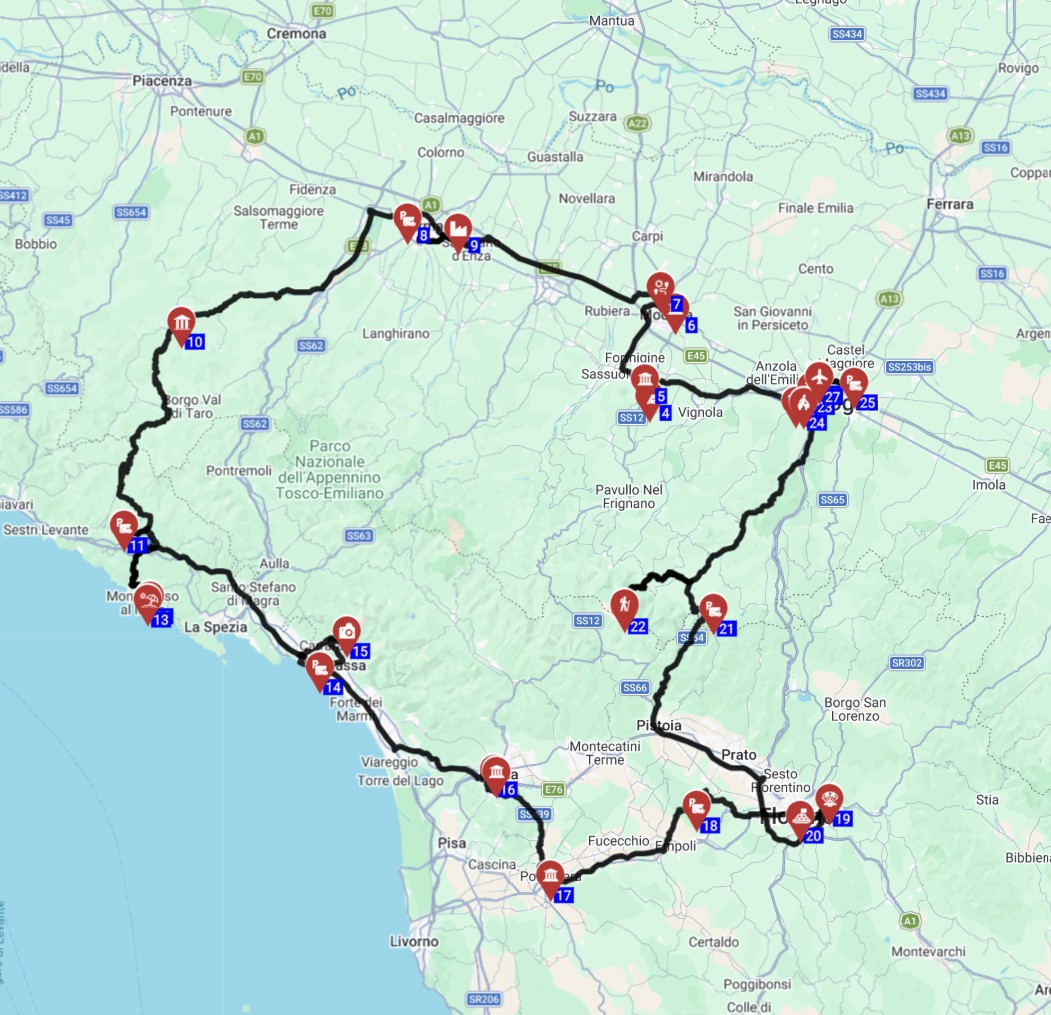
RV etiquette at Italian campgrounds, like much of Europe, emphasizes respect for quiet hours, which are usually observed in the afternoon (siesta, often 1 PM to 3 PM) and overnight (typically 10 PM to 7 AM). This means refraining from loud activities, generator use, or major vehicle movements during these times. Familiarizing yourself with the specific facilities and rules of each site, often posted at reception, will ensure a smooth and respectful stay. For finding campsites and campgrounds during your trip, we recommend using RV PLANET (rvplan.net) - a great resource for locating available spots along your route. For example, our "
🎬 Video coming soon
weekly rv rental-Specific Tips for Italy
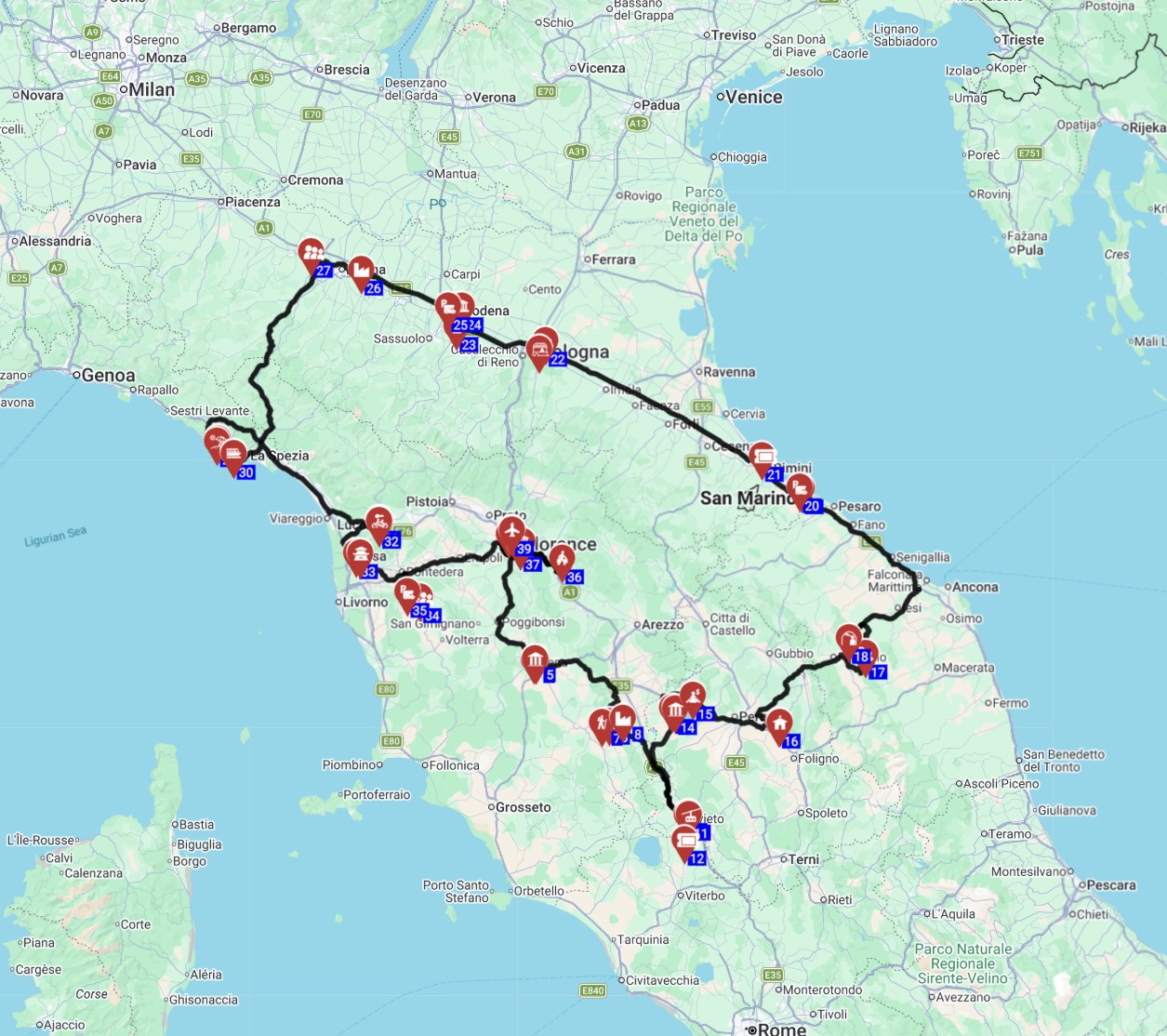
For families embarking on a weekly RV rental in Italy, planning kid-friendly activities and choosing routes with frequent, scenic stops can make the trip much more enjoyable. Consider a Class C motorhome like the "Category Family 5 AT" which offers automatic transmission and ample sleeping for 4-6 people, ensuring enough downtime for naps and play. Including destinations with amusement parks, water parks, or beaches, as found in our "Ljubljana Roundtrip - Adriatic sea Round -> Slovenia, Croatia & Italy" route with 2 amusement parks and 1 water park, provides diverse entertainment for all ages.
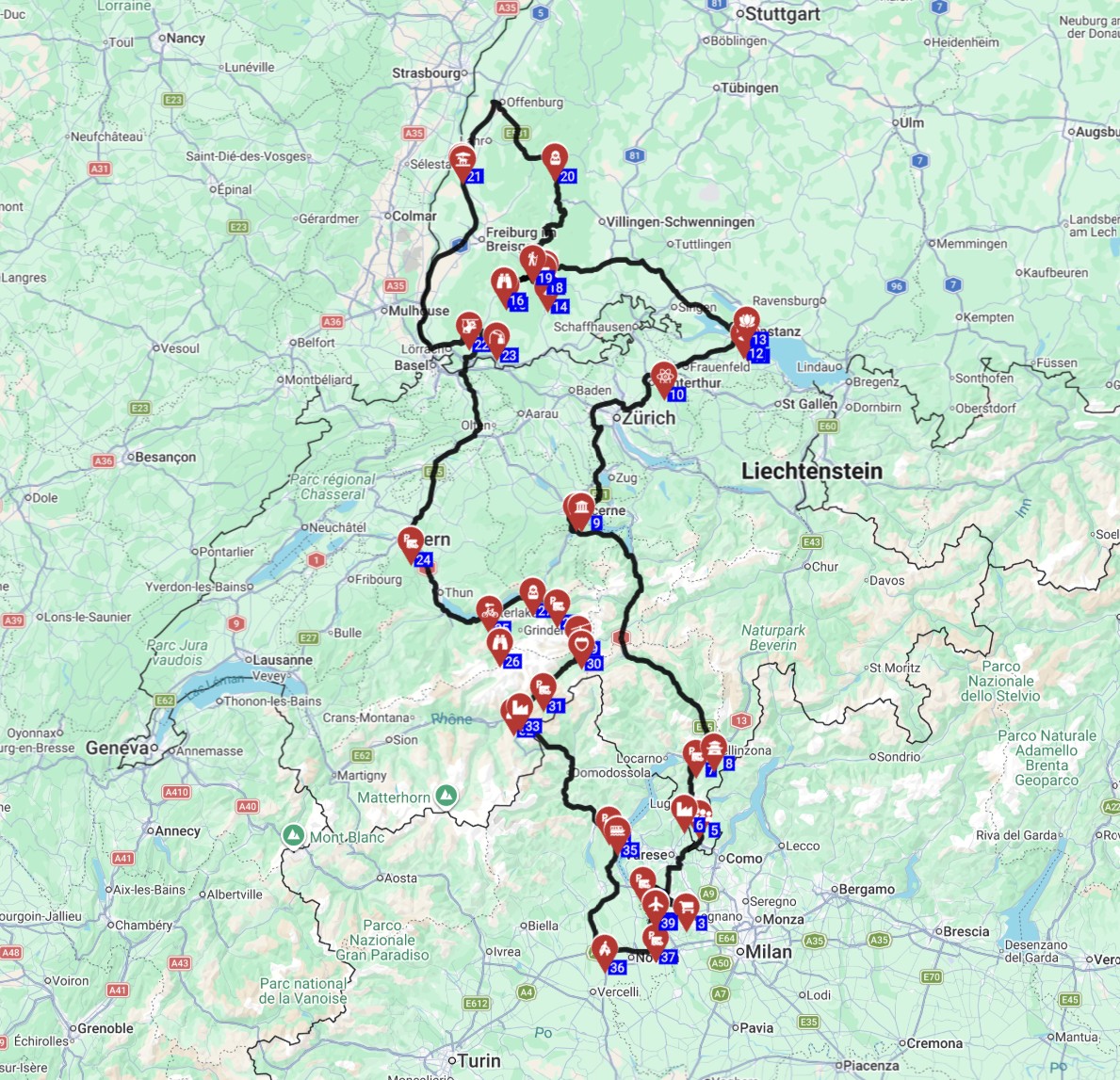
Seniors might find their weekly Italian adventure enhanced by selecting an ergonomic RV class, perhaps a compact Class C or a semi-integrated motorhome with automatic transmission and easily accessible beds, prioritizing comfort and ease of movement. For instance, the "2 Berth Tamar" offers automatic transmission and is ideal for a couple. Budget-conscious travelers can significantly reduce costs on a weekly RV rental in Italy by utilizing the extensive network of free or low-cost 'Aree di Sosta' and preparing meals using fresh produce from local markets, rather than always eating out. This approach allows more flexibility for your total trip costs, which you can itemize and track along RV PLANET routes. Luxury weekly RV renters in Italy can elevate their experience with premium add-ons like Wi-Fi hotspots, high-end kitchen appliances, or even pre-booked private tours at destinations, such as those found around the French Riviera in our "Nice Roundtrip - French Riviera toward North Italy, Switzerland, and the French Alps" itinerary, which includes 2 traditional restaurants and fine dining options.
Common Mistakes to Avoid in Italy
One common mistake weekly RV renters in Italy make is ignoring Zone a Traffico Limitato (ZTLs), which are restricted traffic zones in historic city centers. Instead, always research city access rules and park your rented motorhome outside these restricted areas, utilizing public transport for city exploration to avoid hefty fines that can arrive months later. Attempting illegal wild camping is ill-advised; instead, leverage Italy's designated 'Aree di Sosta' or official campgrounds for safe, legal, and often serviced overnight stays, providing fresh water and waste disposal. Many national and state parks only reserve 25-30% of spots online, with the rest being first-come-first-serve, so calling ahead before driving can save you a detour.
Underestimating the challenge of narrow roads in historic towns is another frequent error. While you can drive almost anywhere without issues if you drive slowly and carefully, it's often more pleasant to choose a smaller RV class or plan routes that completely avoid highly congested or constrained areas. For instance, driving a larger Class A motorhome like the "Elite Traveller" on the Amalfi Coast is generally discouraged due to extremely narrow, winding roads and very limited parking. Failing to budget adequately for tolls and fuel can lead to unpleasant surprises; always account for these significant costs, and consider using a Telepass for efficiency on Italy's Autostrade. Finally, overpacking can make even a medium-sized RV feel cramped; pack light, utilize the RV's storage creatively, and plan for laundry stops if needed during your extended road trip.
How much does a weekly RV rental in Italy cost, including fuel and tolls?
A weekly RV rental in Italy typically ranges from €700 to €1500 for the base rental of a standard Class C motorhome, with total costs significantly influenced by factors like RV class, season, fuel, tolls, and campground fees. For instance, a compact campervan for a couple might start at €100 per day in the low season, while a large 6-berth Class C motorhome could be €250+ per day during peak summer. Prices are dynamic and change daily based on availability, seasonality, and supplier marketing decisions, so checking current prices for Italy is always recommended.
Fuel costs, predominantly for diesel ('Gasolio') which most motorhomes use, can add €200-€400 for a weekly trip covering moderate distances (around 1000-1500 km), depending on mileage and current prices at the pump. Autostrada tolls, which can be paid with cash, card, or via the convenient Telepass system, might accumulate €50-€150 over a week for typical routes such as traveling from Milan to Rome. Daily campground fees usually fall between €20-€50 per night for a pitch with electricity and water, totaling €140-€350 for a full week, with 'Aree di Sosta' often providing more budget-friendly or free options. Budgeting for groceries, dining, and activities can range from €50-€100 per day, allowing for a mix of self-catering from your RV's kitchen and sampling local cuisine. To help manage these variable costs, RV PLANET routes allow travelers to itemize and track every expense along the way for easy budgeting.
What is the best time to rent an RV in Italy?
The best time to rent a motorhome in Italy generally falls during the shoulder seasons-April-May and September-October-offering mild weather, fewer crowds, and more favorable rental prices. Spring (April-May) provides pleasant temperatures (15-25°C) for exploring diverse regions from the blooming landscapes of Tuscany to the snow-capped Dolomites, with fewer tourists before the summer rush and many national/state parks starting to open their full services.
Autumn (September-October) offers a similar inviting climate (15-25°C), ideal for vineyard visits, coastal drives, and experiencing local harvest festivals, though some campsites may begin to close towards late October. Summer (June-August) is peak season, characterized by hot weather (25-35°C), crowded attractions, and significantly higher prices for rentals and campsites, particularly in popular coastal and lake regions, which can be bustling with local and international travelers. Winter (November-March) is suitable for specific adventures like skiing in the Dolomites or exploring southern Italy's milder climate, though many campsites and services may be limited or closed, and some mountain roads might be inaccessible due to snow. Flexible travelers who book day-to-day can often find spots even in peak season, as many national and state parks only reserve 25-30% of their spots online, leaving the rest for walk-ins.
What are Italy's Aree di Sosta for motorhomes and how do they work?
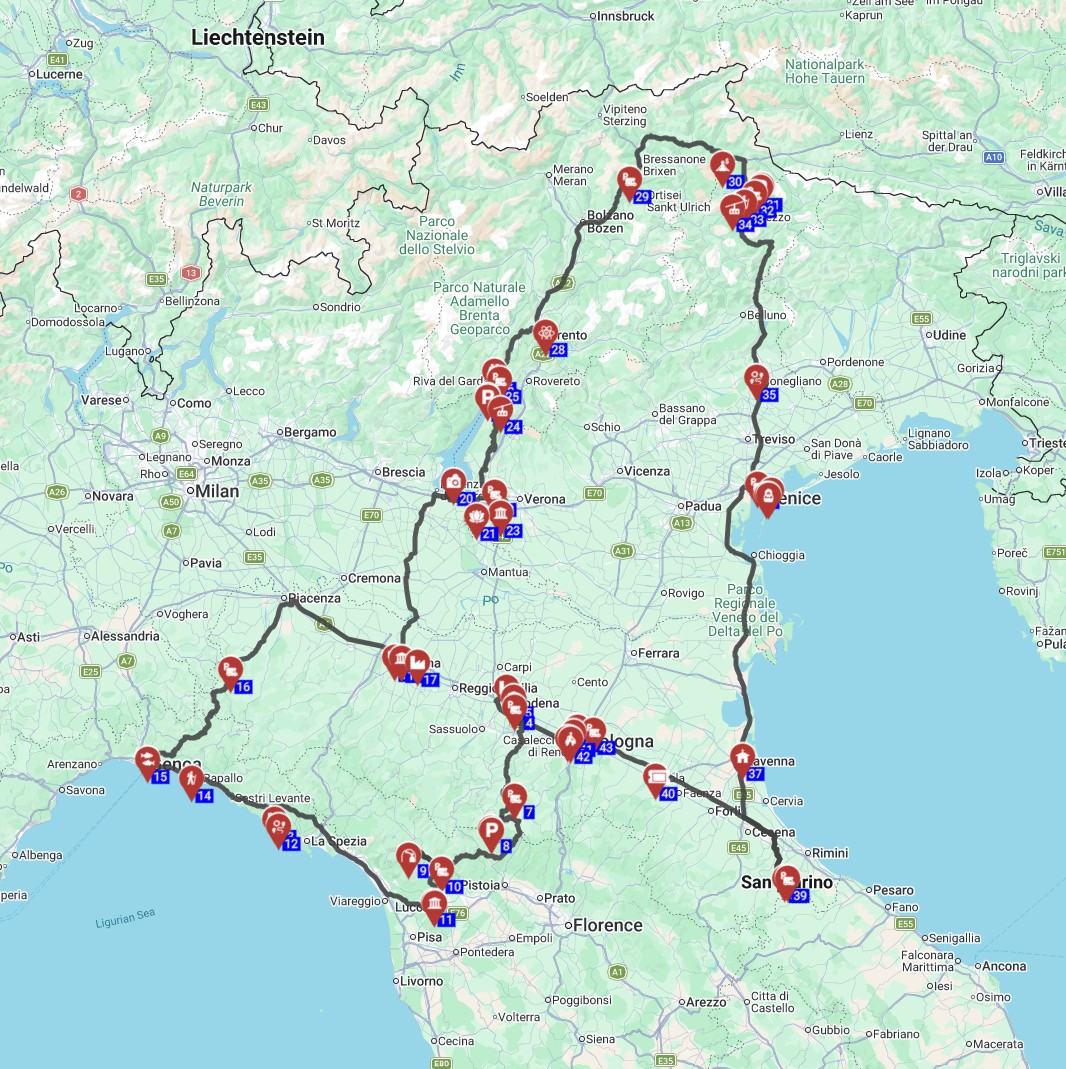
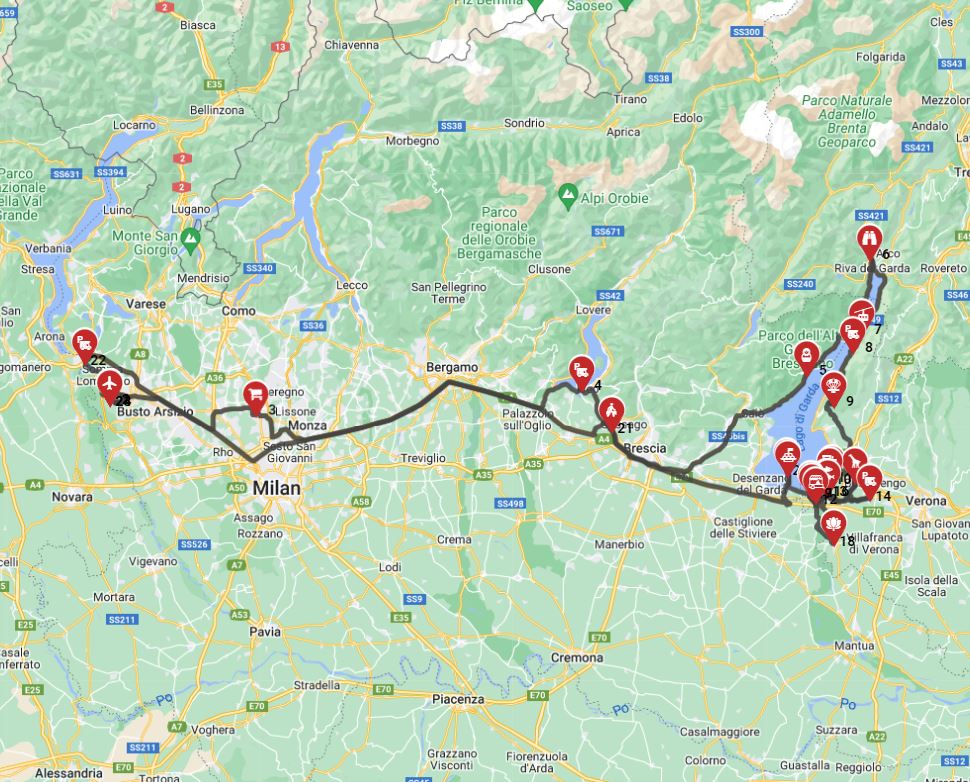
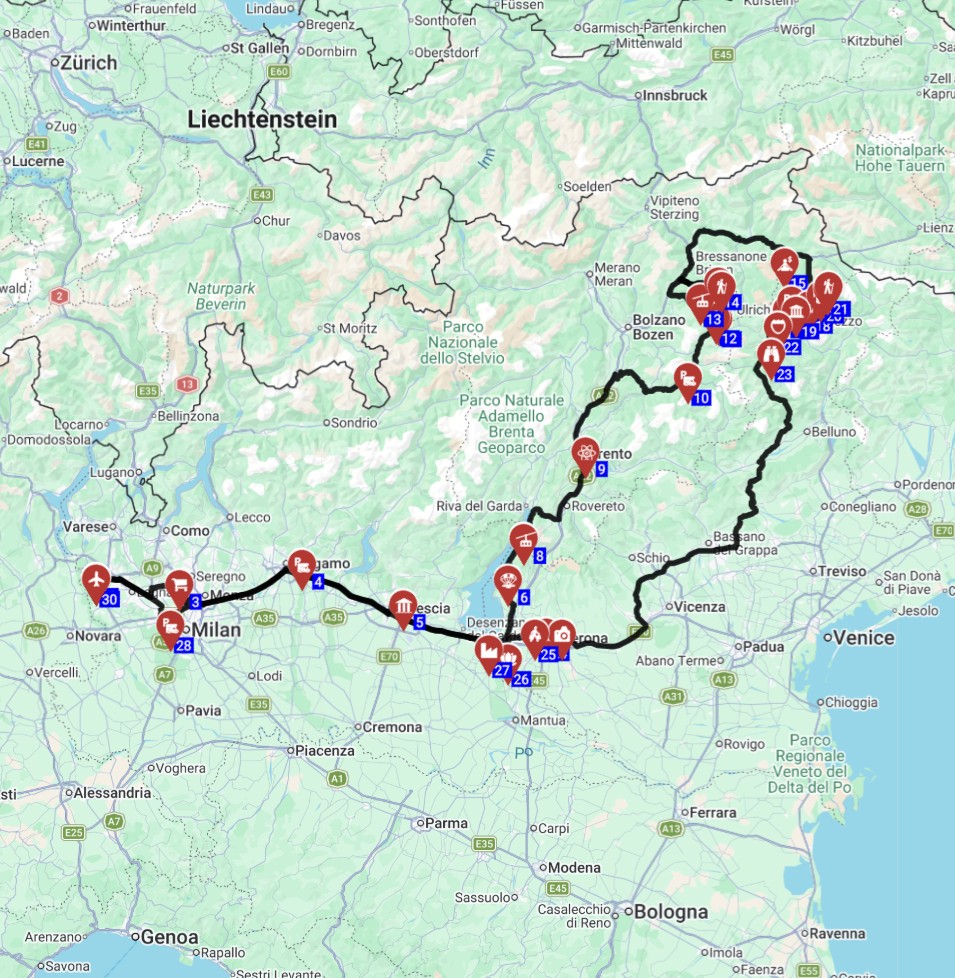
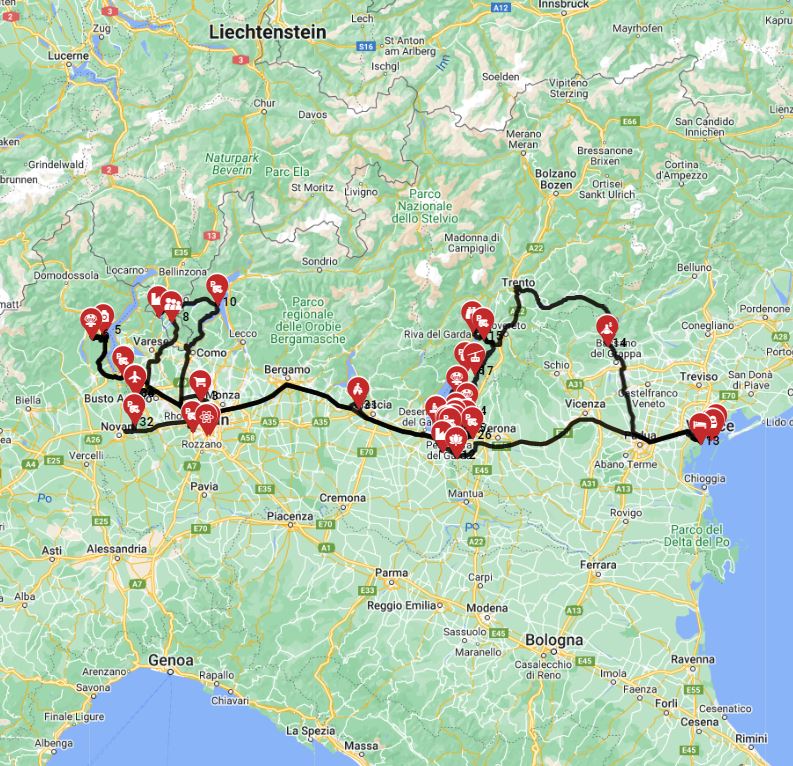
Italy's 'Aree di Sosta' are designated motorhome parking areas specifically designed for RVs, providing a legal and often cost-effective alternative to wild camping, which is generally prohibited throughout the country. These areas vary greatly, from simple parking spots to more equipped sites offering essential services such as fresh water refill, greywater disposal, and blackwater emptying (known as 'Camper Service' points), with some also providing electricity hook-ups for a fee. The "Milan Roundtrip - The Lakes of North Italy" route, for example, features multiple such locations, making it easy to plan stops with full transparency.
Unlike full-service campgrounds that offer extensive facilities like showers, toilets, and recreational amenities, Aree di Sosta are primarily for temporary overnight parking and basic utility services. They are typically located near towns, attractions, or scenic routes, making them incredibly convenient for exploring while still providing the core amenities RVers need. Payment for Aree di Sosta can range from free access to a small fee (often €5-€20) per night, sometimes managed via automated machines or attendants. Details on specific locations and their services are readily available through specialized RV apps and guides like RV PLANET (rvplan.net), ensuring you'll find a spot along your route; if not at the first, then the next one is usually nearby.
How to navigate Italy's ZTLs and narrow city streets in an RV?
Navigating Italy's Zone a Traffico Limitato (ZTLs) and characteristically narrow city streets in a rented RV requires careful planning to avoid fines and ensure a smooth journey. ZTLs are limited traffic zones in historic city centers, common in cities like Rome, Florence, and Siena, often monitored by cameras where access is restricted to authorized vehicles during specific hours; entering an active ZTL without permission will result in a fine. The best approach is to park your motorhome outside the city center in designated parking lots or campgrounds, and then use Italy's efficient public transportation (buses, trams, metro) to explore the historic areas. Drive slowly and carefully, and you can drive almost anywhere without issues. No need to stress - just use common sense and pay attention.
When encountering Italy's famously narrow city streets, particularly in medieval towns and coastal villages, it is often advisable to choose a smaller RV class like a campervan (e.g., "rent a campervan example Category Van") or a compact Class B motorhome. Many historic centers are simply not designed for larger vehicles, and attempting to drive through them can be stressful and risky. For notoriously challenging routes, such as parts of the Amalfi Coast or Cinque Terre, driving a larger RV is highly discouraged due to extremely narrow, winding roads, hairpin bends, and severely limited parking. Instead, park your RV in a larger town further away and utilize local buses, ferries, or smaller tour vehicles to experience these areas, ensuring a more relaxed and enjoyable trip. Consider exploring detailed route plans on RV PLANET to pre-emptively identify areas best suited for smaller vehicles or requiring alternative transport.
What is RV culture and etiquette like in Italy?
RV culture in Italy is generally friendly and community-oriented, with local RVers often welcoming and helpful, though adherence to local etiquette is appreciated and expected. A key aspect of Italian RVing is observing 'siesta' times, typically early afternoon (e.g., 1 PM to 3 PM), for quiet hours at campgrounds and 'Aree di Sosta'; this is a common courtesy alongside respecting overall quiet hours overnight (usually after 10 PM). Engaging with local RVers can often lead to invaluable tips on hidden gems or the best local spots.
Embracing local markets for fresh produce and regional specialties is a cherished part of Italian RVing, offering an authentic culinary experience that supports local economies. With your RV's kitchen, you can enjoy preparing delicious meals using seasonal ingredients. Proper waste disposal is paramount; always use designated 'Camper Service' points for grey and black water emptying, and dispose of trash responsibly, adhering to local recycling rules at campsites. Interacting respectfully with locals, even with limited Italian, can significantly enhance your trip; a simple 'Buongiorno' (Good morning) or 'Grazie' (Thank you) goes a long way in forging connections and showing appreciation. Many local farms, known as Agriturismi, offer overnight parking in exchange for buying their local products like wine or olive oil, providing a unique cultural immersion.
How to prepare for RV emergencies and ensure connectivity in Italy?
Preparing for RV emergencies in Italy involves knowing critical contact numbers and having essential medical and roadside assistance information readily accessible. In case of a breakdown, immediately contact your RV rental agency for specific instructions and roadside assistance details, which are usually included in your rental agreement. Bandana provides robust pre-booking and post-booking coordination support, ensuring you have all necessary contacts. For medical emergencies, dial the pan-European emergency number 112, and ensure you have your European Health Insurance Card (EHIC) for EU citizens or comprehensive private travel insurance details on hand.
Ensuring connectivity on the road is vital for navigation, communication, and emergencies during your weekly RV rental in Italy. Consider purchasing a local Italian SIM card or an e-SIM with a generous data plan upon arrival; major providers like TIM, Vodafone, and WindTre offer good coverage across most of the country. Many campgrounds offer Wi-Fi, but its quality can vary. Therefore, a portable Wi-Fi hotspot or relying on your smartphone's tethering feature can provide more reliable internet access throughout your journey. Having offline maps downloaded is also a smart backup, especially when venturing into more remote regions where cellular signals might be weak. Being prepared allows you to focus on the joy of discovery, knowing you're supported.
What You Shouldn't Miss
- **The Dolomites' Scenic Routes:** Drive through the breathtaking mountain passes of the Dolomites, such as the Great Dolomite Road (Grande Strada delle Dolomiti), offering unparalleled vistas and opportunities for hiking and photography.
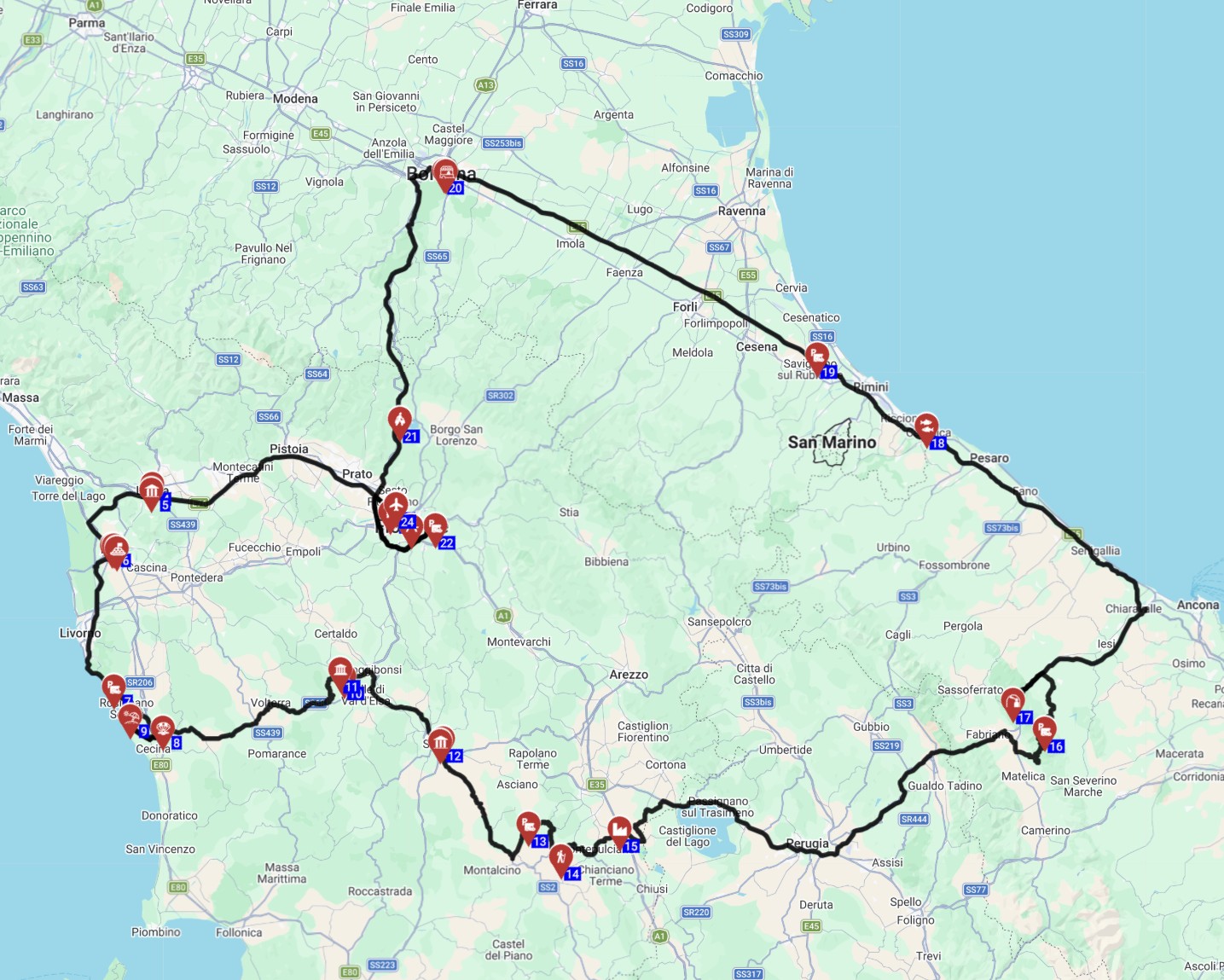
- **Tuscan Hill Towns:** Explore iconic medieval towns like Siena, San Gimignano, and Cortona, parking your RV outside the ancient walls and immersing yourself in their history and culinary delights.
- **Lakes of Northern Italy:** Discover the stunning beauty of Lake Como, Lake Garda, and Lake Maggiore, enjoying lakeside campsites, charming towns, and boat trips.
- **Pompeii and Herculaneum:** Park your RV near Naples and take public transport to these incredible ancient Roman cities, preserved by volcanic ash from Mount Vesuvius, for a profound historical experience.
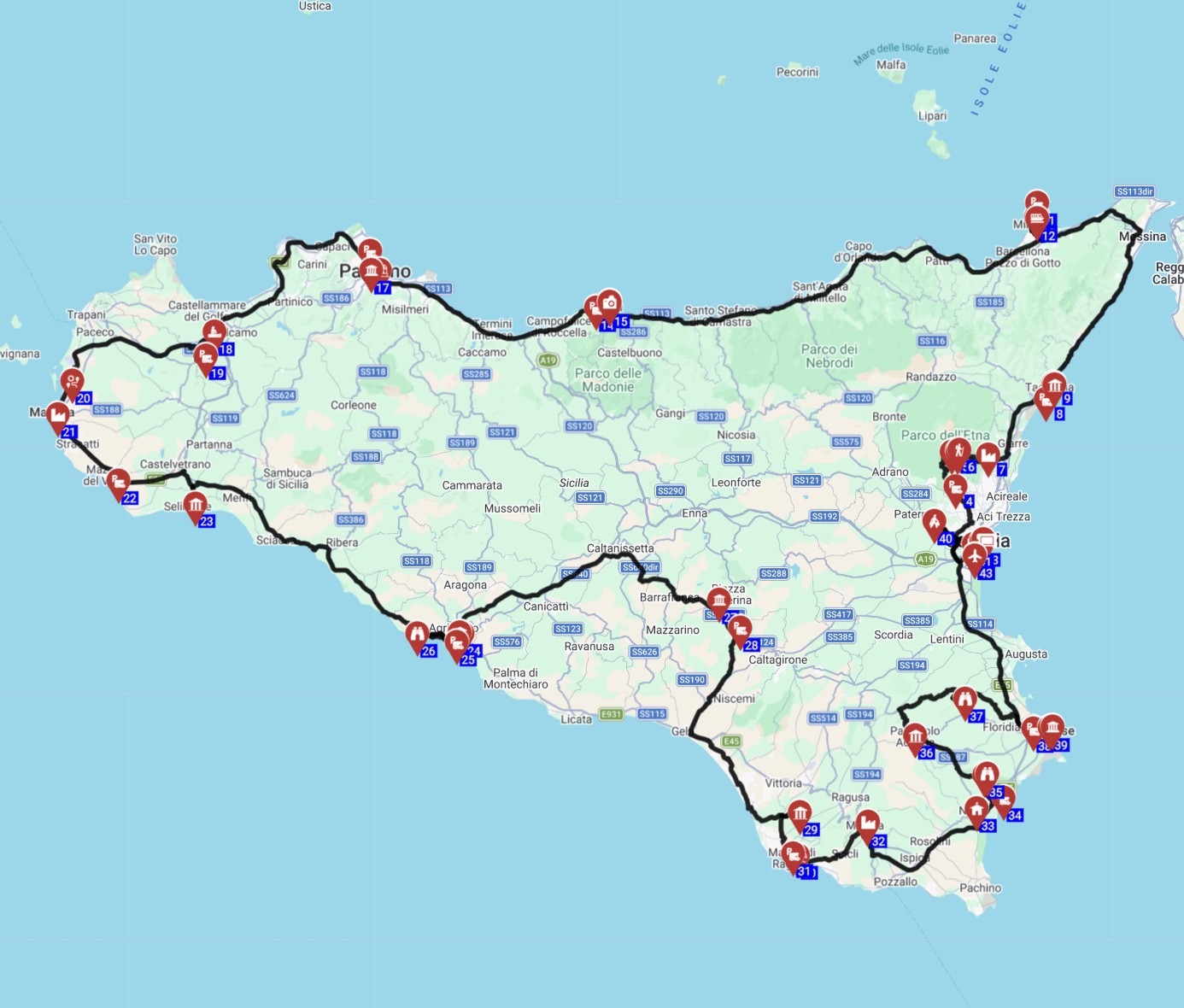
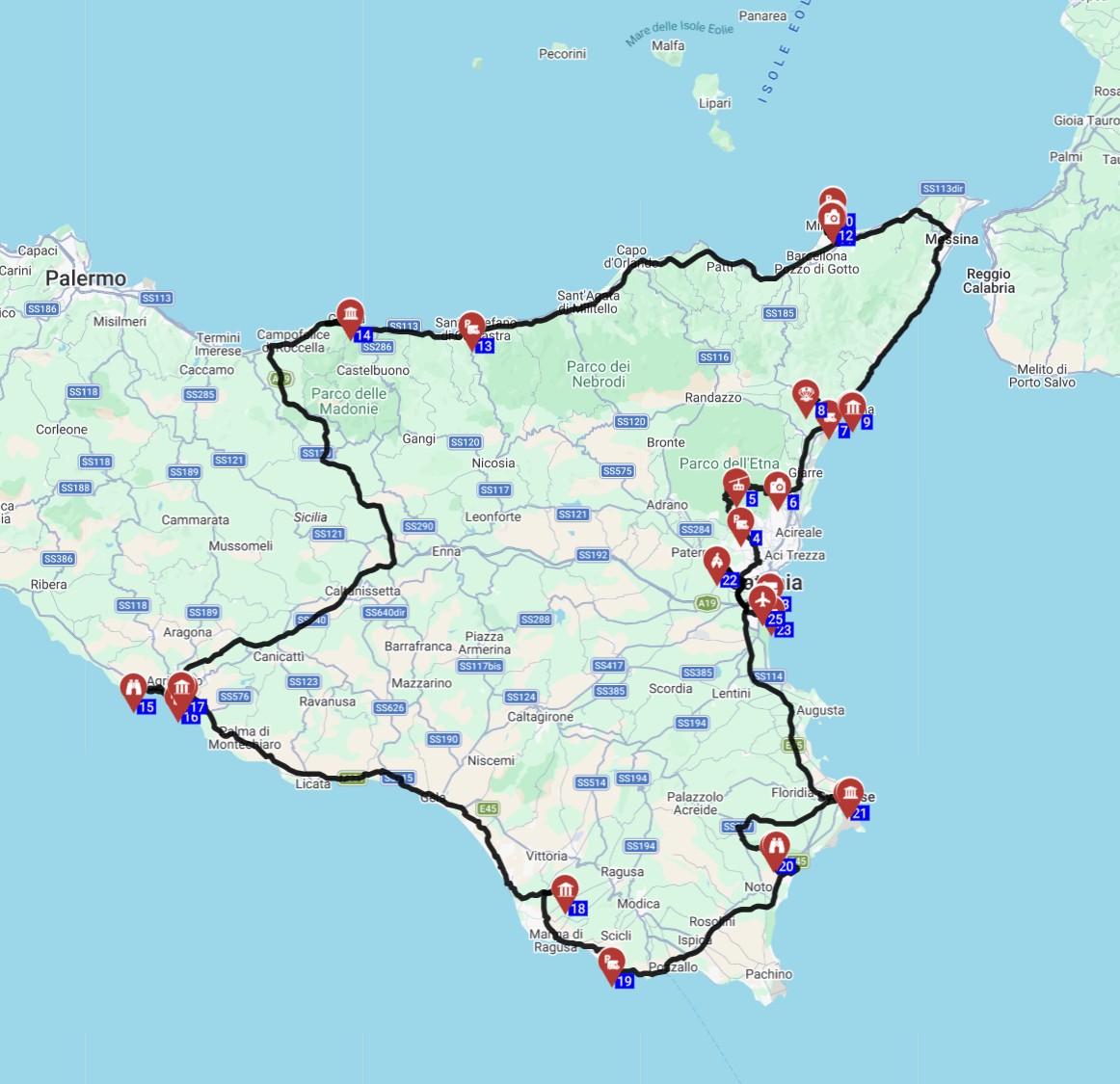
- **Sicilian Coasts & Ancient Sites:** Venture to Sicily for its diverse landscapes, Greek temples in Agrigento, vibrant markets in Palermo, and beautiful beaches, all easily accessible with a rented motorhome.
- **Looking for expert insights from Avi Bandana? Top 5 Adventures - recommendations from Avi Bandana**
Final Thoughts
Embarking on a weekly RV adventure through Italy is more than just a vacation - it's an immersive journey into culture, history, and stunning landscapes. With a rented motorhome or campervan, you hold the keys to a truly flexible and unforgettable experience. Remember to travel slowly, averaging no more than 100-150 km per day, allowing yourself the time to truly feel each place, connect to its unique flavors, and soak in the incredible scenery.
From the bustling markets to the tranquil Aree di Sosta, Italy welcomes RVers with open arms and endless possibilities. By planning ahead, understanding local nuances, and trusting in the transparent support of Bandana Caravan, your 7-day or longer road trip will be filled with joy and discovery. God is in the small details, and we take care of them. That's what makes the big difference for your Italian adventure.
Ready to start planning your perfect Italian escape? Find weekly RV rentals in Italy to discover your ideal motorhome today!