In This Guide
- Top 5 Tips for weekly rv rental RV Rental in Hungary
- Before You Book - Class, Dates, Insurance
- Pre-Trip Prep - Packing Checklist for Hungary
- On the Road - Driving, Fueling, Navigation
- At the Campground - Setup, Hookups & Etiquette
- weekly rv rental-Specific Tips for Hungary
- Common Mistakes to Avoid in Hungary
- Is RVing in Hungary safe?
- What are the challenges of RVing in Hungary?
- Can you wild camp in Hungary?
- How to find authentic local experiences in Hungary by RV?
- Where to find local food markets in Hungary for RVers?
- How to RV responsibly in Hungary?
Top 5 Tips for weekly rv rental RV Rental in Hungary
Booking your RV rental in Hungary well in advance is crucial, particularly if you plan to travel during the popular summer months of July and August, to secure your preferred vehicle and dates. For live availability and current prices, start with our RV Rental Hungary - Complete Guide 2026 guide. This proactive approach helps avoid last-minute availability issues and often results in better rates. Remember to also familiarize yourself with Hungary's e-vignette system for highway tolls before you hit the road; these digital stickers are mandatory for motorways and can be purchased online or at most petrol stations, helping you avoid unexpected fines. As you pack for your adventure, remember that Hungarian summers can be quite warm during the day but evenings might be cooler, so versatile clothing suitable for varying weather is always a smart choice. Embracing a slower pace, perhaps traveling max 100-150 km per day on average, allows you to truly feel the place, connect to the culture, the food, and the scenery. Lastly, learning a few basic Hungarian phrases like "hello" (szia), "thank you" (köszönöm), and "excuse me" (elnézést) will significantly enhance your local interactions, showing respect and often opening doors to warmer welcomes. Planning a flexible itinerary also allows for spontaneous discoveries, which are often the best part of any RV trip.Before You Book - Class, Dates, Insurance
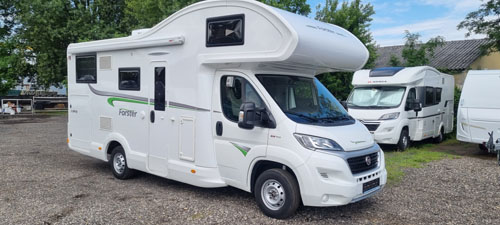
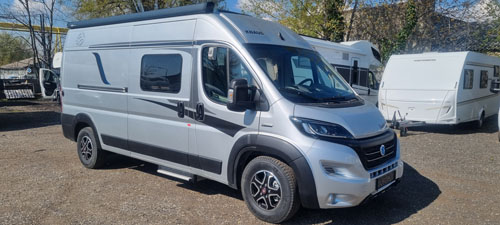
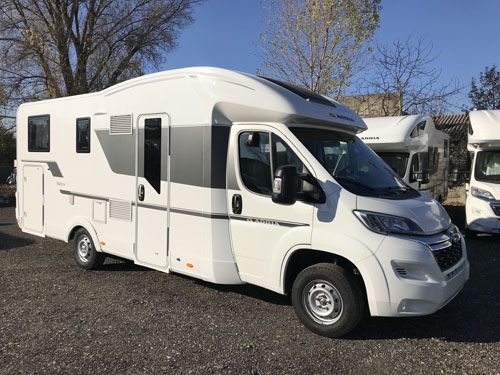
Choosing the right motorhome class for your weekly RV rental in Hungary depends heavily on your group size and desired comfort levels. Smaller campervans like the "Active Classic" or "Group A" models are agile and ideal for couples, making them perfect for navigating charming city streets and smaller villages with ease. For families with 2+2 children or two couples, Class C motorhomes or larger semi-integrated models such as a "Category Family 5" or "Group G" offer more living space, separate sleeping areas like bunk beds, and often come with more extensive kitchen and bathroom facilities. Bandana Caravan partners with over 50 leading RV suppliers worldwide, including trusted names like El Monte, Cruise America, Apollo, and Britz, ensuring a wide selection to fit any need. It's always best to lock in your rental dates as early as possible, especially if your weekly trip falls during peak summer months or around national holidays, to guarantee availability and often secure more favorable rates; while last-minute deals can sometimes be found, popular vehicles are quickly reserved. Regarding insurance, basic coverage is always included with your rental; to view options for the most comprehensive coverage, simply select that feature during your search on our platform, and all relevant insurance details and prices will be clearly displayed, ensuring full transparency with no hidden fees or surprises at pickup.Pre-Trip Prep - Packing Checklist for Hungary
A tailored packing list is essential for a comfortable and convenient weekly RV adventure in Hungary, ensuring you are prepared for both the climate and local regulations. Essential items include lightweight, breathable clothing for warm Hungarian days, along with a warm jacket or fleece for cooler evenings, especially if you plan to visit Lake Balaton or higher elevations. Comfortable walking shoes are a must for exploring historical sites and natural parks, and don't forget a swimsuit for Hungary's famous thermal baths. For safety, reflective vests and a warning triangle are legally required to be carried in your vehicle, so ensure your rental includes these or pack your own. A European electrical adapter will be needed for campground hookups. Navigation is key, so pack a reliable GPS or download offline maps; while mobile connectivity is generally good, having a backup is always wise. Finally, ensure you have your passport or ID, your standard driver's license (an International Driving Permit is recommended but not mandatory for non-English speakers), and all your RV rental documents. Packing a basic first-aid kit is also a smart move for any unexpected minor scrapes.On the Road - Driving, Fueling, Navigation
Navigating Hungary in a rented motorhome is generally straightforward, but understanding local driving rules, fuel availability, and navigation specifics will ensure a smooth journey. All motor vehicles, including your rented RV, must purchase an e-vignette (matricula) for motorways and certain main roads in Hungary; these can be acquired easily online before your trip or at petrol stations upon entering the country, with prices varying by vehicle category and duration. Speed limits are typically 50 km/h in urban areas, 90 km/h outside urban areas, and 130 km/h on motorways, though always pay attention to local signage as limits can change. Drive slowly and carefully, and you can drive almost anywhere without issues. No need to stress - just use common sense and pay attention, even in cities like Budapest. Fuel stations are widely available across Hungary, particularly on major routes, offering both petrol (benzin) and diesel (gázolaj); it is always advisable to refuel before venturing into more remote regions, especially when exploring areas like the Great Plain. While modern GPS systems are highly reliable, having an offline map application or a traditional road atlas provides an excellent backup, particularly in rural areas where mobile signal might be intermittent. For detailed route plans and to itemize and track every expense along the way for easy budgeting, we recommend using RV PLANET routes.At the Campground - Setup, Hookups & Etiquette
Mastering campground setup and etiquette is key to a comfortable and enjoyable RV experience in Hungary, allowing you to fully relax during your weekly trip. Upon arriving at a Hungarian campsite, first select your designated pitch, then carefully position your rented motorhome to ensure easy access to all necessary hookups. Leveling your RV with ramps or blocks is crucial for comfort and the efficient operation of your refrigerator and other appliances. Connect your utilities in a specific order: first, securely attach your electricity cable (using a European adapter if required), followed by your fresh water hose. Finally, connect your grey water hose to a drain if available at your site, but always dispose of black water only at designated dump stations, usually clearly marked within the campground. Respecting quiet hours, typically observed from 10 PM to 7 AM, is essential for a harmonious environment; keep noise to a minimum during these times. Always use designated bins for waste and recycling, maintaining the cleanliness of the campground. Additionally, be mindful of your neighbors, avoiding encroachment onto adjacent pitches, and always keep pets leashed and clean up after them promptly to ensure a pleasant stay for everyone.weekly rv rental-Specific Tips for Hungary
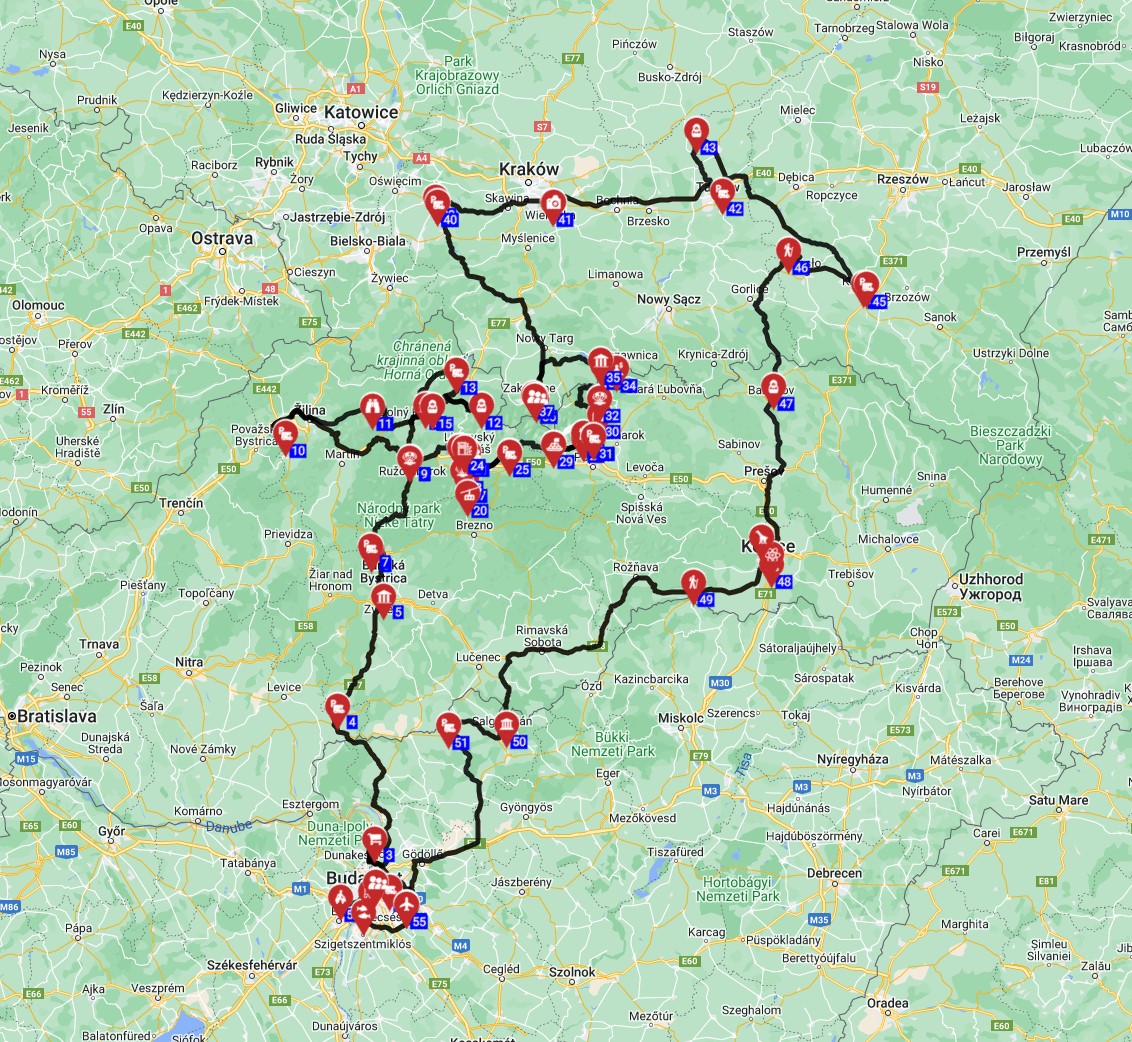
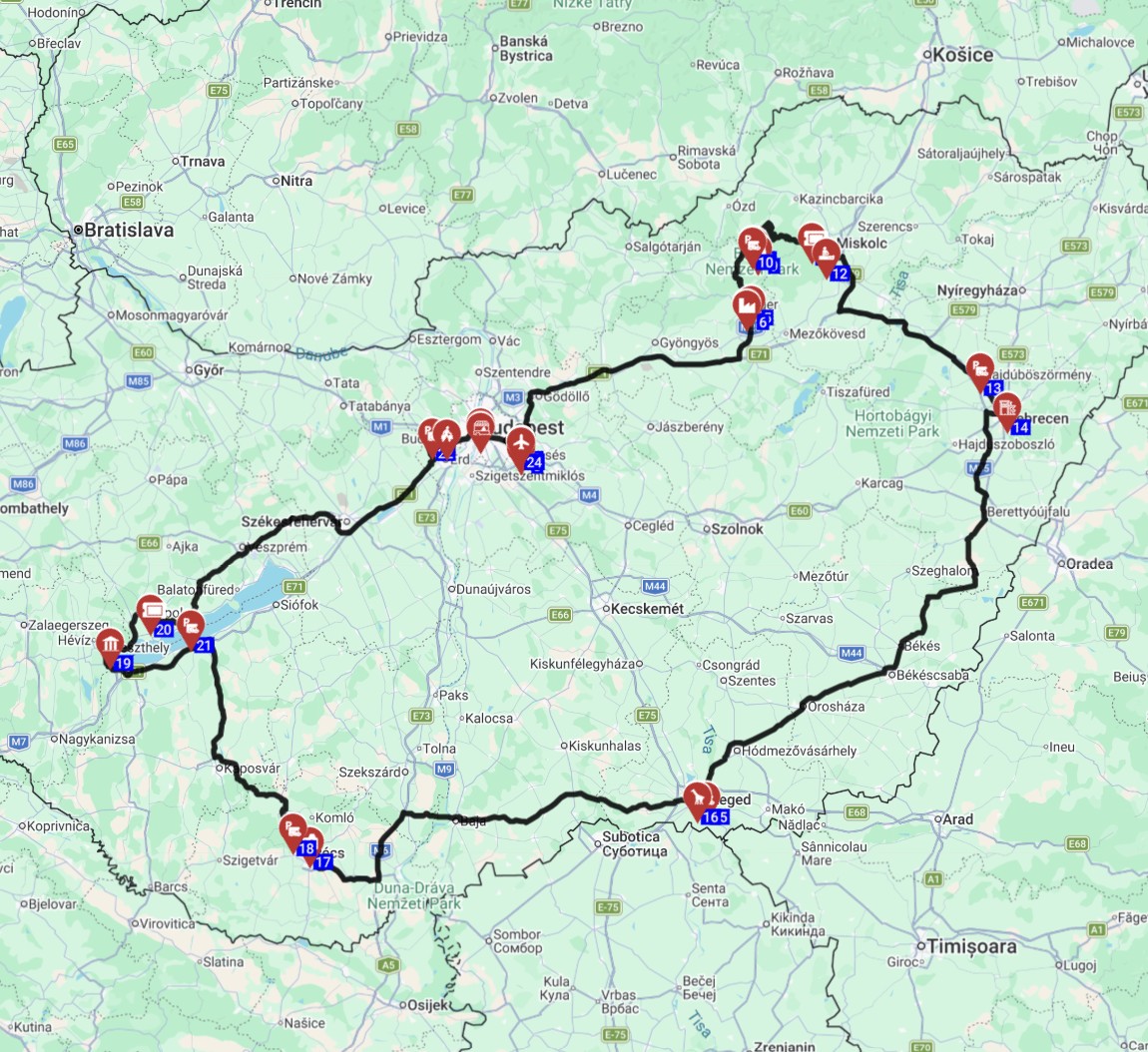
Optimizing a weekly RV rental in Hungary means focusing on efficient planning and embracing the flexibility that a shorter trip offers. With only seven days, it’s best to plan a focused route that allows you to experience a specific region in depth, rather than trying to cover too much ground. For example, you might choose to explore Transdanubia for its stunning Lake Balaton, historical towns, and thermal spas, or delve into the unique cultural immersion offered by the Great Plain. Packing efficiently for just one week is also crucial, bringing only essentials to maximize living space within your campervan and minimize the time spent on setting up and packing down at each stop. Aim to balance popular sights with dedicated downtime to simply enjoy your rented RV and its surroundings. Stocking up on groceries and basic supplies for a few days at a time will reduce frequent supermarket stops, allowing more precious time for exploration and enjoying the local scenery. You can find excellent suggestions for itineraries on RV PLANET (rvplan.net), which offers pre-planned routes designed by professionals, giving you a 25% planning discount when you use their service.Common Mistakes to Avoid in Hungary
Avoiding common pitfalls can significantly enhance your weekly RV rental experience in Hungary, leading to a smoother and more enjoyable journey. One frequent mistake is forgetting to purchase the mandatory e-vignette for highways; always buy it online or at a petrol station immediately upon entering Hungary to avoid substantial fines. Another common oversight is exclusively relying on large, well-known campsites; exploring smaller, family-run campgrounds or even farm stays can offer a more authentic Hungarian experience and often a more peaceful environment. While credit cards are widely accepted, carrying some Hungarian Forint (HUF) cash is advisable, especially when visiting smaller villages or local markets, as card payments might not always be available. Over-scheduling every day is a pitfall that can lead to burnout; instead, allow for spontaneous detours and sufficient time to relax, embracing Hungary's more laid-back pace and the freedom a rented motorhome provides. Don't solely stick to major cities like Budapest; venturing into the countryside will reveal Hungary's rich natural beauty and charming historical towns, offering unique perspectives beyond the usual tourist hotspots. For more detailed insights, you might find valuable advice in RV Rental Europe - Complete Guide 2026.Is RVing in Hungary safe?
RVing in Hungary is generally considered safe, offering a secure and enjoyable way to explore the country with its well-maintained campgrounds and hospitable local population. The country maintains a relatively low crime rate, making it a safe destination for tourists; however, as with any travel, it is always prudent to practice general precautions such as locking your rented RV when unattended and keeping valuables out of plain sight, especially in busy urban areas or popular attractions in cities like Budapest. Campgrounds across Hungary are typically secure, frequently featuring gated entrances, on-site staff, and sometimes even surveillance, providing a safe environment for overnight stays. In case of any emergencies, reliable services for police, ambulance, and fire departments can be easily accessed by dialing 112 from any phone. While English is spoken in major tourist areas, learning a few basic Hungarian phrases for emergencies can be beneficial for communicating outside these hubs. Furthermore, main roads and highways are generally in good condition, contributing to a safe driving experience, although rural roads may sometimes be narrower or less maintained.What are the challenges of RVing in Hungary?
While RVing in Hungary offers immense freedom and stunning scenery, potential challenges for motorhome travelers include navigating narrow village roads, encountering varied road quality in rural areas, and finding suitable parking for larger vehicles in city centers. Some rural roads and routes through smaller, charming Hungarian villages can indeed be narrow and winding, which might require extra caution and slower speeds for larger Class C or Class A motorhomes. While major highways are well-maintained, the quality of minor roads in less-traveled regions can sometimes be inconsistent, occasionally presenting potholes or rough surfaces that necessitate careful driving. Parking a rented RV in the bustling centers of Hungarian cities, particularly in popular tourist areas of Budapest, can be difficult due to limited spaces and size restrictions; often, the best solution is to park on the outskirts of the city and utilize efficient public transport. Although many locals in tourist areas speak English, language barriers can occasionally pose a minor challenge outside of these hubs, so having a translation app or a basic phrasebook can be very helpful. Finding specialized RV services like specific grey/black water disposal points or propane refill stations might require some advance planning, though most well-equipped campgrounds offer these essential facilities. For more specific insights on rental costs and options, check out RV Rental in Hungary - Prices and Best Deals 2026.Can you wild camp in Hungary?
Wild camping, or free camping outside of designated areas, is generally not legally permitted in Hungary, with legal exceptions typically limited to private land with the explicit permission of the landowner or in very specific, sometimes tolerated, informal spots. Hungarian law broadly prohibits camping outside of official campsites or private property without prior consent from the owner, aiming to protect natural environments and ensure public safety. While some unofficial spots might be 'tolerated' for discreet overnight parking, particularly in remote areas or designated rest stops along main roads, this practice comes with no guarantees and potential legal risks such as fines. As a legal and more secure alternative to wild camping, Hungary offers a diverse array of affordable official campsites, charming farm stays, and smaller family-run sites. These options often provide essential amenities like electricity, fresh water, and waste disposal, with nightly rates typically ranging from €20 to €45, and some even offer unique experiences like vineyard camping. Resources like the Park4Night app can be useful for identifying community-shared locations that might be suitable for discreet overnight parking, often with user reviews on safety and legality.How to find authentic local experiences in Hungary by RV?
To discover authentic local experiences while RVing in Hungary, focus your rented motorhome journey on visiting charming, lesser-known villages, actively seeking out regional festivals, and engaging directly with local communities beyond the major tourist routes. Instead of sticking solely to the well-trodden paths of Budapest, consider exploring picturesque towns like Eger with its historic castle and wine cellars, the artistic village of Szentendre, or the cultural city of Pécs, all offering a richer history and more relaxed pace. Keep an eye out for local events and festivals, which frequently occur throughout the year, celebrating everything from wine harvests to traditional crafts and music; local tourist information centers or online calendars are excellent resources for finding these vibrant happenings. Visiting local farmer's markets, known as 'piac,' in smaller towns is a fantastic way to buy fresh produce, local cheeses, handcrafted goods, and engage in direct, friendly interactions with local vendors. Immerse yourself further into Hungarian culture by trying traditional cuisine at a 'csárda' - a rustic, traditional inn often found off the main roads in the countryside, which typically serve hearty, authentic meals and sometimes feature live folk music, making for memorable stops on your route. Our One-Way RV Rental in Hungary - Price Guide 2026 can help you plan an immersive route.Where to find local food markets in Hungary for RVers?
RVers can discover an abundance of authentic Hungarian ingredients and culinary delights by actively seeking out local farmer's markets (piac), bustling roadside stands, and unique vineyard camping opportunities across the country. Most major Hungarian cities, including the iconic Great Market Hall in Budapest, as well as markets in Szeged and Debrecen, host vibrant daily or weekly markets where you can find an array of fresh produce, locally sourced meats, artisan cheeses, and traditional spices. Smaller towns and villages also frequently organize their own local markets on specific days of the week, offering a more intimate shopping experience and unique regional specialties; don't hesitate to ask locals for "piac" times and locations. As you drive your rented motorhome through agricultural regions, keep a keen eye out for roadside stands, which often sell seasonal fruits, vegetables, homemade honey, and jams directly from the producers, providing a fresh taste of the local harvest. Many wineries in Hungary, particularly in regions like Tokaj and Eger, offer vineyard camping or participate in 'Borút' (Wine Road) initiatives, allowing RVers to park overnight, taste exquisite local wines, and often purchase regional delicacies directly from the source. Cooking with these fresh, local ingredients in your RV's kitchen is an authentic culinary experience that also helps save money while savoring the true flavors of Hungary; check out our RV-friendly recipes playlist for inspiration.How to RV responsibly in Hungary?
Practicing responsible RV travel in Hungary involves adhering to local waste management guidelines, actively conserving resources, and showing deep respect for both the natural environment and local communities you encounter. Always dispose of all waste, including grey and black water, exclusively at designated facilities found at official campgrounds or specific service points; never, under any circumstances, dump waste in natural areas, as this can cause significant environmental harm. Make a conscious effort to conserve water and electricity by being mindful of your usage; many Hungarian campgrounds use metered electricity, which encourages responsible consumption and helps keep ancillary costs down. Respect quiet hours at campgrounds, typically observed in the evenings and early mornings, and avoid excessive noise to ensure a peaceful environment for all campers and nearby residents. Support local businesses by purchasing your goods from small shops, local farmer's markets (piac), and traditional restaurants, thereby contributing directly to the Hungarian economy and local livelihoods. Finally, always stay on marked roads and designated trails, especially when traversing national parks and protected areas, to minimize your environmental impact and avoid disturbing wildlife or damaging fragile vegetation. Considering the tips in Cheap RV Rental in Hungary - Budget Guide 2026 can help you plan an eco-friendly trip.What You Shouldn't Miss
- **Buda Castle District, Budapest:** Explore the historic heart of Budapest with its stunning views, Fisherman's Bastion, and Matthias Church. Park your motorhome on the city outskirts and use public transport to easily reach this UNESCO World Heritage site.
- **Thermal Lake Hévíz:** Experience the world's largest natural thermal lake, where you can bathe year-round. Many campsites near Hévíz cater to RVs, offering a unique opportunity to combine thermal relaxation with your RV trip.
- **Lake Balaton's North Shore Vineyards:** Drive along the picturesque North Shore of Lake Balaton, stopping at quaint towns like Tihany and Balatonfüred, and sample local wines directly from vineyards. Many wineries offer overnight parking for RVs.
- **Eger and its Valley of the Beautiful Women:** Discover the charming baroque city of Eger, home to a historic castle and basilica. Afterwards, head to the "Szépasszony-völgy" (Valley of the Beautiful Women) to sample wines from traditional cellar caves.
- **Hortobágy National Park (Puszta):** Venture into the vast Great Hungarian Plain, a UNESCO World Heritage site, to experience traditional Hungarian cowboy culture (csikós shows), unique wildlife, and endless horizons. Look for campsites offering a taste of rural life.
- **Szentendre Artist Village:** Just north of Budapest, this charming riverside town is a hub for artists and offers narrow cobblestone streets, vibrant galleries, and delightful cafes. It’s an easy day trip by rented campervan.
🎬 Video coming soon