In This Guide
- Top 5 Tips for weekly rv rental RV Rental in France
- Before You Book — Class, Dates, Insurance
- Pre-Trip Prep — Packing Checklist for France
- On the Road — Driving, Fueling, Navigation
- At the Campground — Setup, Hookups & Etiquette
- weekly rv rental-Specific Tips for France
- Common Mistakes to Avoid in France
- How much is an RV rental in France per week?
- Is it easy to RV in France?
- Do you need a special license to drive an RV in France?
- Can you park an RV anywhere in France?
- Is it cheaper to rent an RV or stay in hotels in France?
- What is the best time to RV in France?
- What side of the road do they drive on in France?
- Can you live in a campervan in France?
Top 5 Tips for weekly rv rental RV Rental in France
For live availability and current prices, start with our RV Rental France - Complete Guide 2026 guide. Embracing the 'camping-car' culture means understanding that RVing is incredibly popular among French locals, with well-developed infrastructure and a welcoming community. To make the most of your French adventure, book your RV well in advance, especially for peak seasons like June to August or if you have your heart set on a particular popular model, as this ensures availability and can often secure better rates. Plan your route, but always build in flexibility. Spontaneous detours to local markets or charming roadside attractions are part of the French allure. Remember to understand Crit'Air vignettes for Low Emission Zones (ZFEs) if you plan to visit major cities, as these are mandatory for vehicles entering these areas. Finally, leverage helpful apps like Park4Night to discover official overnight parking spots and 'aires de service' beyond traditional campgrounds, which are essential for authentic RV travel in France.
Before You Book — Class, Dates, Insurance
Choosing the right RV class for a weekly rental in France significantly impacts your experience, especially when navigating diverse landscapes. Compact campervans, often referred to as 'vans aménagés', are ideal for couples or small families, particularly for their maneuverability on narrower French roads and in historic villages. For families or those planning extended trips requiring more space and amenities, larger motorhomes offer increased comfort. Locking in your rental dates for a weekly RV trip to France is best done 3-6 months in advance. This timeframe is particularly crucial if you're targeting the popular summer months (July-August) or school holidays, which experience higher demand and consequently, higher prices. Regarding insurance, basic coverage is always included with your rental. To explore options for the most comprehensive protection and to see prices that include it, simply select the relevant insurance options during your search – all applicable choices will then be clearly displayed.
0Pre-Trip Prep — Packing Checklist for France
Packing smart for a weekly RV rental in France requires careful consideration of the country's varied climates, essential travel documents, and practical items for comfort and safety on the road. You’ll want to pack layers for changing weather, comfortable walking shoes for exploring charming villages, swimwear for coastal areas or campsite pools, and a light rain jacket for unpredictable showers. Essential for market visits and reducing waste are reusable shopping bags. Don't forget basic cooking spices to elevate your onboard meals, a compact French press for your morning coffee, and reusable water bottles to stay hydrated. A small cooler bag is perfect for picnic lunches. For safety and legal compliance, a well-stocked first-aid kit is crucial, alongside mandatory items like a reflective vest and a warning triangle. Also pack a headlamp for navigating campsites at night and a multi-tool for various situations. Finally, ensure you have your valid driving license (an international permit is highly recommended for non-EU drivers), passport, rental agreement, Crit'Air vignette if applicable, travel insurance details, and photocopies of all important documents for peace of mind. For ideas you can prep on the road, watch our RV-friendly recipes playlist on YouTube.
On the Road — Driving, Fueling, Navigation
Navigating France in an RV requires a good understanding of local road rules, fuel types, and specific challenges like Low Emission Zones (ZFEs) and the various road classifications. France drives on the right-hand side of the road, and RVs have the steering wheel on the left. Road signs are generally clear, but familiarizing yourself with common signage is crucial for safe navigation, especially at the ubiquitous and sometimes complex French roundabouts. Fueling up involves identifying 'Gazole' (diesel), which powers most RVs. Many stations are self-service, requiring a credit card with a chip and PIN. Fuel prices can vary significantly by department, with hypermarket stations often offering lower rates. For navigation, a GPS system pre-loaded with RV-specific routing (to avoid low bridges or narrow streets) is ideal, complemented by a reliable offline map app, as mobile data coverage can be spotty in rural areas. Be aware of Crit'Air vignettes for major cities and urban areas to comply with Low Emission Zones (ZFEs); planning to park outside city centers and use public transport to visit is a wise strategy if your RV is older or lacks the correct vignette. Mastering the art of navigating narrow village streets and understanding the various French road classifications (A for autoroutes, N for national routes, D for departmental routes) will build your driving confidence.
At the Campground — Setup, Hookups & Etiquette
Setting up your RV at a French campground involves a systematic approach to ensure comfort and adherence to local etiquette, with site pricing varying widely. Upon arrival at your chosen campground, first confirm your pitch location. Once parked, use leveling ramps or blocks to ensure your RV is perfectly level, which is essential for the proper functioning of appliances and for comfortable sleeping. Prioritize hooking up your electricity supply first, followed by your water connection, and finally manage your grey and black waste tanks, emptying them at designated 'vidange' (emptying) points. Observe quiet hours, typically from late evening (around 10 PM) until morning (around 8 AM), and always maintain respectful distances from neighboring campers to ensure everyone enjoys their stay. Familiarizing yourself with the campsite's specific facilities, which can range from basic 'aires de service' to luxurious private sites, will help you make the most of your stay and understand the varied pricing tiers.
weekly rv rental-Specific Tips for France
Optimizing your weekly RV rental experience in France means strategic planning to maximize both cultural immersion and convenience. For families, prioritize routes with shorter driving legs and incorporate stops at local parks or child-friendly attractions, ensuring drives are conducive to naps and that there’s entertainment for the younger travelers. Budget-conscious travelers can significantly enhance their experience by leveraging 'aires de service' for free or low-cost overnight parking, purchasing fresh produce from vibrant local markets ('marchés') instead of relying solely on supermarkets, and preparing most meals in your rented RV. For those seeking a touch of luxury, consider premium RV models with enhanced amenities and pre-book higher-end campsites that often feature swimming pools and on-site restaurants; exploring options for add-ons like e-bikes can also enrich your journey. Most importantly, embrace the French pace of life: don't overschedule your itinerary. Allow ample time for leisurely meals, spontaneous exploration of local villages, and simply savoring the 'art de vivre' – it’s all part of an authentic French travel experience.
Common Mistakes to Avoid in France
Avoiding common pitfalls can transform a potentially frustrating RV rental experience in France into a smoothly flowing adventure. Instead of neglecting to pre-book popular campsites, especially during the peak season from May to September, aim to reserve your desired spots a few weeks or even months ahead to avoid disappointment. Rather than ignoring the requirement for Crit'Air vignettes, which are mandatory for many urban areas, ensure you order and prominently display the correct sticker if your itinerary includes driving into Low Emission Zones (ZFEs). Instead of rushing through regions, allow ample time to truly explore local villages, savor leisurely French meals, and embrace the slower pace of life that is central to the French culture. Rather than relying solely on credit cards for all purchases, always carry some euros for small vendors, local markets, and unexpected situations, as not all establishments accept card payments. Finally, instead of underestimating the complexity of French roads, particularly narrow village streets and specific roundabout rules, take the time to familiarize yourself with common road signs and typical driving etiquette for RVs before you set off.
How much is an RV rental in France per week?
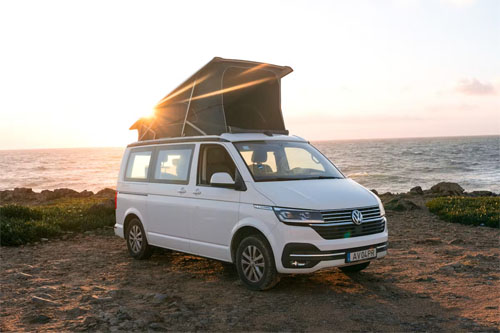
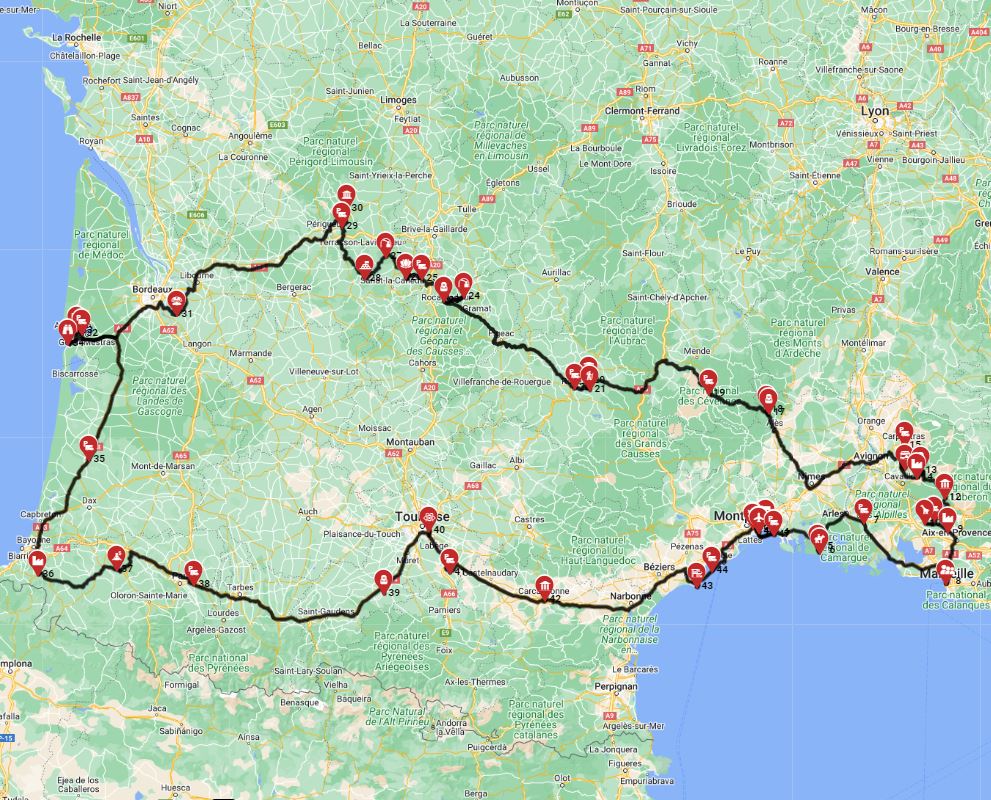
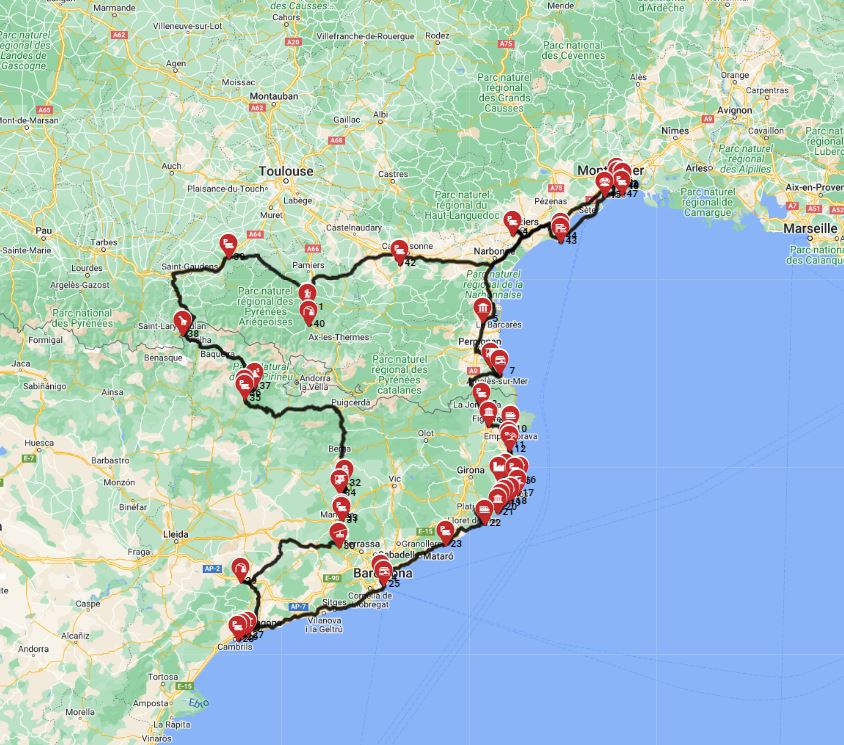
The cost of an RV rental in France per week typically ranges from €700 to €1500, with prices fluctuating significantly based on the RV class, time of year, rental duration, and any included amenities or insurance packages. Budget-friendly campervans, such as those resembling a VW California, might start around €700-€900 per week during the shoulder seasons. Conversely, larger, more luxurious integrated motorhomes can easily exceed €1200-€1500 weekly, particularly during the peak summer months of July and August. Beyond the rental fee, remember to budget for additional expenses. Fuel, primarily 'Gazole' (diesel), is priced around €1.80-€2.00 per liter, with prices varying by department and station, noting that hypermarket stations on town outskirts are often cheaper. Tolls can also be substantial, especially for RVs which are frequently classified as Class 2 on motorways, costing more than standard cars. Campsite fees generally range from €15 to €50 per night, depending on the tier of the site, from basic municipal grounds to private resorts with extensive facilities. For granular budget-saving tips, consider traveling in the shoulder seasons (May-June, September-October), utilizing free or low-cost 'aires de service' for overnight stops, and preparing most of your meals using fresh ingredients from local markets. On the routes offered through RV PLANET routes, you can itemize and track every expense along the way for easy budgeting.
Is it easy to RV in France?
RVing in France is generally considered both easy and highly enjoyable, largely due to the country's excellent road infrastructure, the deeply ingrained 'camping-car' culture, and a widespread network of dedicated facilities. However, it does present unique driving challenges, particularly for larger vehicles navigating certain areas. The 'camping-car' is a well-established part of French travel culture, meaning there's a comprehensive system of campsites, 'aires de service' (dedicated RV service areas, often with overnight parking), and a general societal understanding and acceptance of RV travelers, making the experience popular among locals. Roads are typically well-maintained, but navigating narrow village streets, especially in historic towns or rural areas, can be challenging for larger RVs; precise maneuvering and confidence are key to overcoming these advanced driving challenges. French roundabouts are ubiquitous and can be complex, often featuring multiple exits and specific lane discipline that requires attention. Understanding the different French road classifications—'A' roads for motorways, 'N' for national routes, and 'D' for departmental routes—will aid in route planning and anticipating road conditions; 'A' roads are usually the easiest for RVs but are often tolled.
Do you need a special license to drive an RV in France?
For most standard RVs rented for weekly trips in France, a regular Class B driving license—the common car license in Europe and equivalent to most US state licenses—is sufficient, provided the RV's Gross Vehicle Weight (GVW, or PTAC in France) does not exceed 3,500 kg. If your chosen RV's GVW exceeds this limit, then a specific heavier vehicle license, such as a Class C1 or its equivalent from your home country's regulations, would be required. Fortunately, the majority of rental RVs designed for family or small group vacations fall within the 3,500 kg limit, making them accessible to standard license holders. It is highly recommended for non-EU citizens to obtain an International Driving Permit (IDP) in addition to their national license, as it translates your license into multiple languages and is widely recognized by French authorities. Always confirm the specific weight classification of your chosen RV model with the rental company before booking to ensure you meet all licensing requirements.
Can you park an RV anywhere in France?
While 'wild camping'—the act of parking an RV anywhere unregulated—is generally prohibited or heavily restricted in France, a comprehensive network of regulated overnight parking spots, known as 'aires de service' and specific municipal permissions, offers legal and convenient alternatives. France features an extensive system of 'aires de service' specifically designed for 'camping-cars,' providing designated parking, often for free or a nominal fee, along with essential services like water, waste disposal, and sometimes electricity. Utilizing apps like Park4Night is highly recommended to locate these 'aires,' as well as private campsites, farm stays ('France Passion'), and other permitted overnight locations. These apps often include user reviews and real-time availability, acting as a comprehensive guide to 'almost wild' camping. Many municipalities also permit overnight parking for RVs in specific areas, particularly outside peak tourist zones, but these spots are clearly marked. Always look for signage indicating allowed parking times and vehicle types. Overnight parking is generally not permitted on public roads in urban areas, protected natural sites, or private property without explicit owner permission; prioritizing designated RV parking areas ensures compliance and shows respect for local regulations.
Is it cheaper to rent an RV or stay in hotels in France?
Whether it is cheaper to rent an RV or stay in hotels in France largely depends on your travel style, duration, group size, and how you manage other expenses, but RVing often presents significant savings on accommodation and dining for weekly trips. For families or groups, an RV can be more cost-effective as it consolidates accommodation and transportation into a single rental expense, whereas hotels typically require booking multiple rooms for larger parties. The primary costs for an RV trip include the rental fee itself, fuel (which varies by department and station), tolls (often classified for RVs as Class 2, costing more than cars), and campsite fees, which can range from €15 to €50 per night depending on amenities. Crucially, cooking most meals in your RV dramatically reduces dining-out expenses compared to eating at restaurants daily. Hotel stays, conversely, involve daily room rates that can be higher in prime locations, plus separate transportation costs (rental car, trains, etc.) and all meals consumed externally, which can quickly accumulate. A detailed cost analysis often reveals that while the upfront RV rental cost might appear higher, the cumulative savings on accommodation, food, and the flexibility of travel frequently make RVing the more economical and enriching choice for a memorable weekly trip, particularly for groups aiming to explore multiple regions.
What is the best time to RV in France?
The ideal time to RV in France is during the shoulder seasons, specifically from May to June and September to October. These months offer a delightful combination of pleasant weather, fewer tourist crowds, and often more favorable rental and campsite prices compared to the peak summer months. In May and June, the weather is typically mild and sunny, wildflowers are in bloom across the countryside, and tourist sites are open but not yet overwhelmed with visitors. September and October provide comfortable temperatures for exploring, coinciding with the grape harvest season ('vendanges') in wine regions like Burgundy or the Dordogne, and the stunning display of autumnal colors. Peak summer, from July to August, guarantees warm weather perfect for coastal holidays and offers the longest daylight hours, but it also comes with the highest prices, fully booked campsites, and significant crowds, especially in popular coastal and southern regions. Winter, from November to April, can be suitable for skiing trips in the Alps or Pyrenees, but many campsites close, and driving conditions can be challenging with snow and ice; however, it can be a tranquil time to explore warmer southern regions if you are prepared for colder nights.
What side of the road do they drive on in France?
In France, vehicles drive on the right-hand side of the road, and the steering wheel in RVs is positioned on the left, which is consistent with the driving practices in most European countries. Traffic flow and signage are designed for right-hand driving, requiring a period of adjustment for drivers accustomed to left-hand traffic, such as those from the UK, Australia, or New Zealand. Practicing in quieter areas initially can help build confidence, especially when encountering the ubiquitous roundabouts and mastering lane positioning. Overtaking is performed on the left, and understanding priority rules, particularly at unmarked intersections where priority is generally given to vehicles approaching from the right ('priorité à droite'), is crucial. Familiarizing yourself with common French road signs, many of which are pictorial and internationally recognized, will further assist in smooth and safe navigation throughout your journey.
Can you live in a campervan in France?
While the concept of living permanently in a campervan in France is certainly possible, particularly for EU citizens, non-EU citizens often face visa and residency implications that can make long-term stays (beyond the standard 90 days within a 180-day period) challenging without proper authorization. For extended stays beyond tourist allowances, non-EU citizens typically need to secure a long-stay visa, which can be difficult to obtain if your primary intention is to reside in a vehicle without a fixed address. Accessing essential local services like healthcare, banking, and mail forwarding can also become complex without a stable, registered address. Many RVers seeking to live semi-permanently in France opt to alternate between France and other Schengen countries to reset their tourist visa allowance, or they utilize 'aires de service' and campsites for prolonged periods. It is crucial to thoroughly research specific visa requirements and understand that while France is highly welcoming to RV travelers for tourism, it maintains strict regulations regarding residency and unregistered habitation for those considering long-term or semi-permanent RV living arrangements.
What You Shouldn't Miss
- Explore the Loire Valley: Renting a campervan allows you to discover the magnificent châteaux, vineyards, and charming villages along the Loire River.
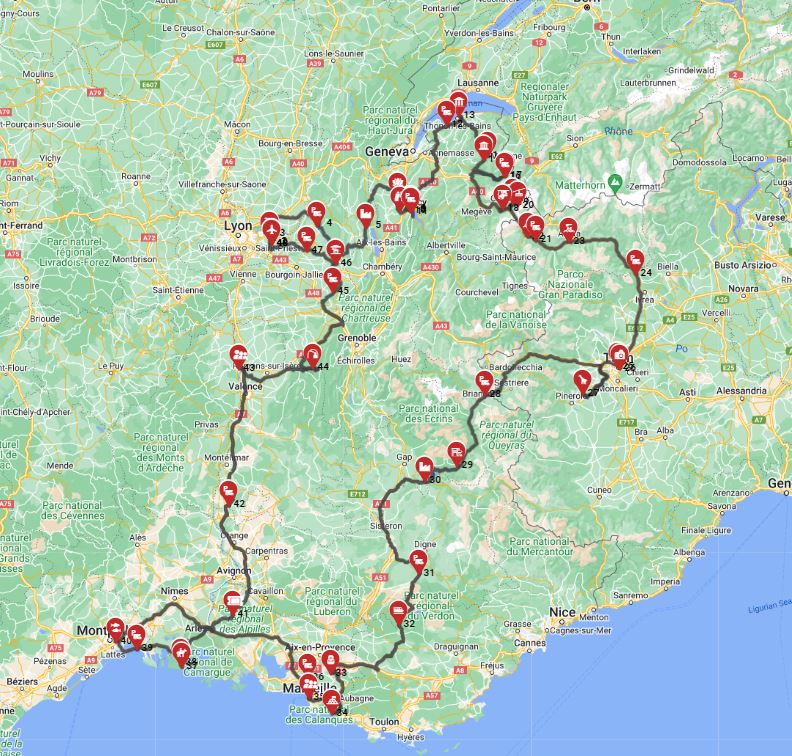
- Drive the Route des Grandes Alpes: For stunning mountain scenery, tackle this iconic route from Lake Geneva to the French Riviera, experiencing breathtaking passes and charming alpine towns.
- Savor Provence's Lavender Fields: Visit during June or July to witness the region's rolling hills blanketed in vibrant purple lavender, a truly unforgettable sensory experience.
- Discover Normandy's D-Day Beaches: Travel through history by visiting the poignant landing beaches, memorials, and museums that commemorate the events of World War II.
- Enjoy the French Riviera's Coastline: Cruise along the Mediterranean coast, stopping in glamorous towns like Nice, Cannes, and Saint-Tropez, enjoying the azure waters and sophisticated atmosphere.
- Experience Alsace's Fairytale Villages: Explore picturesque towns like Colmar and Riquewihr, with their colorful half-timbered houses and unique Alsatian culture, best enjoyed at a leisurely RV pace.
Final Thoughts
Renting an RV in France offers an unparalleled opportunity to explore its diverse landscapes and rich culture at your own pace. From the rolling vineyards of Bordeaux to the dramatic coastlines of Brittany and the historic cities steeped in art and history, a motorhome provides the ultimate freedom and flexibility for your French adventure.
By planning ahead, understanding the local driving and camping customs, and packing wisely, you can ensure a smooth and unforgettable journey. So, pack your bags, chart your course, and get ready to discover the magic of France from the comfort of your own mobile home!
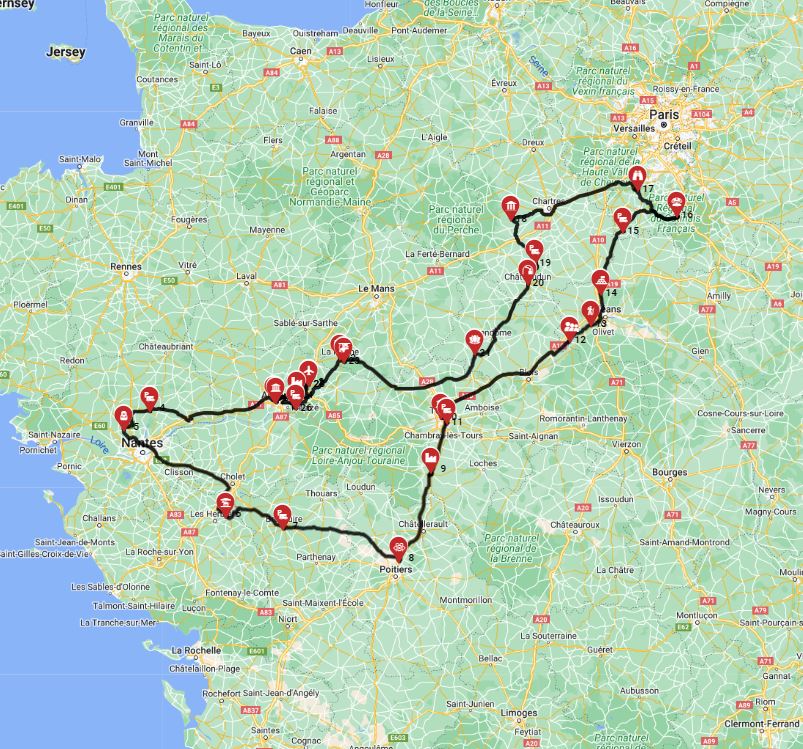
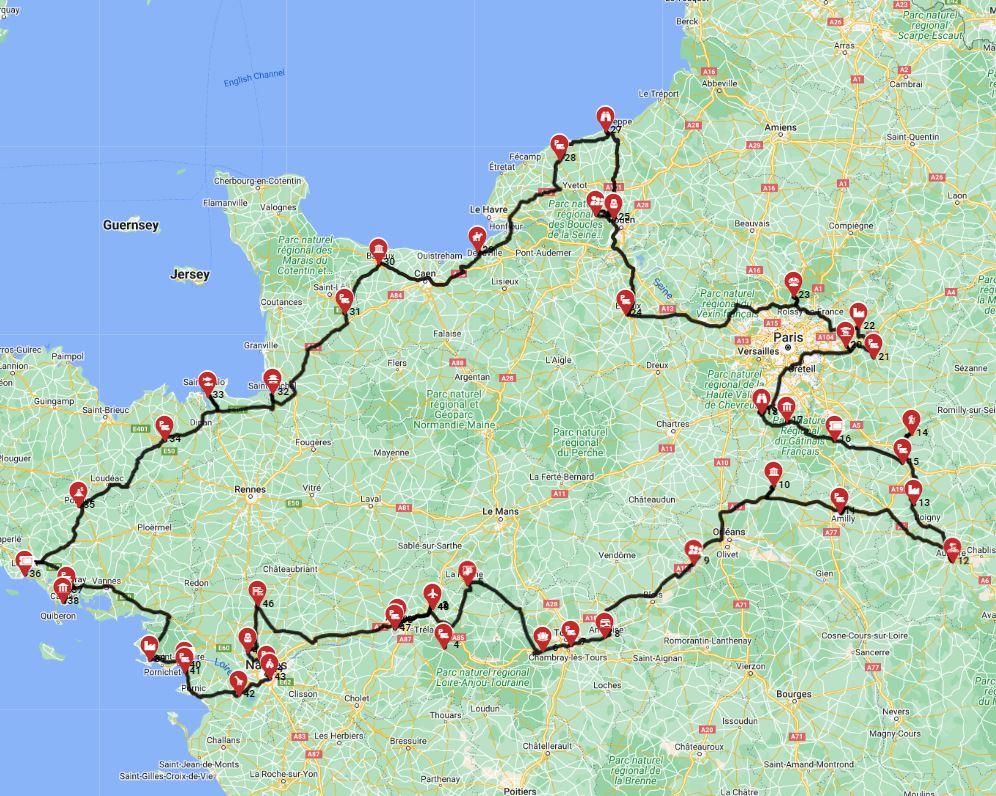
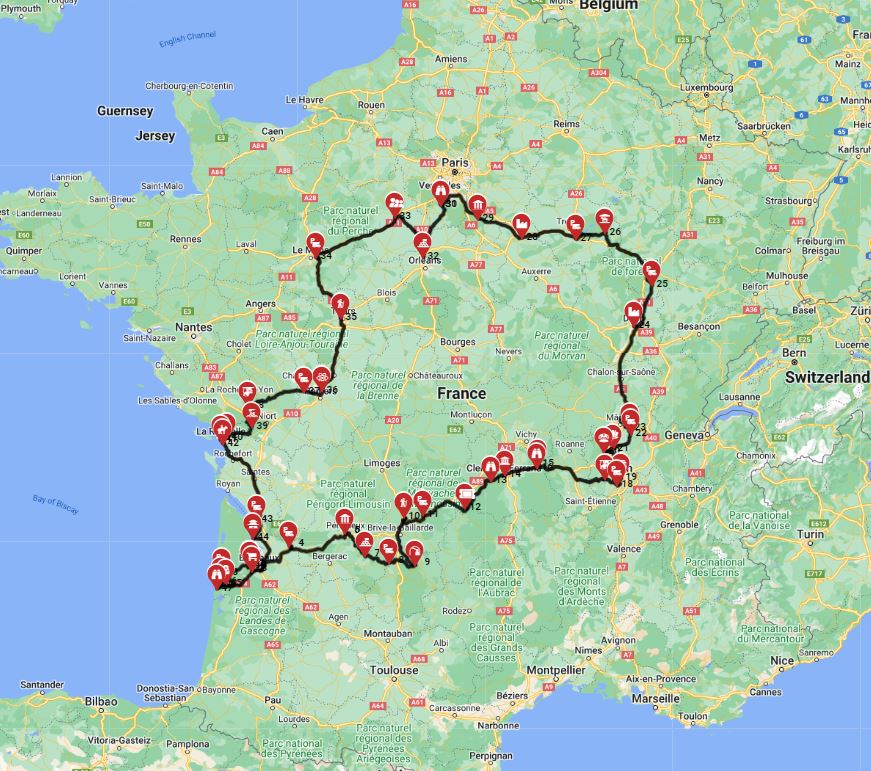
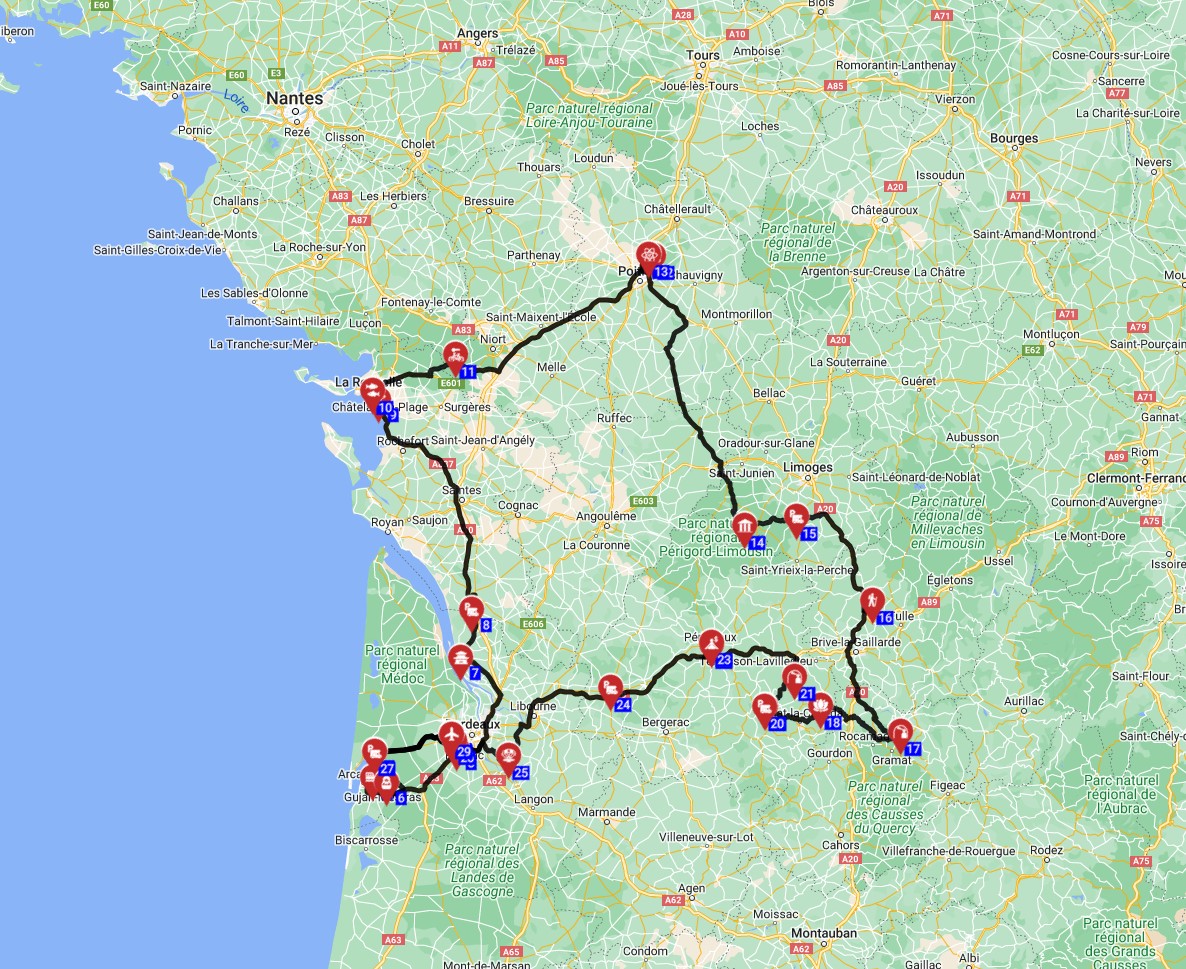
Ready to start planning your French RV escape? Compare RV rental prices and availability across top suppliers to find the perfect motorhome for your needs. Discover top destinations, planning tips, all in one place! Get inspired for your next trip!