In This Guide
- Top 5 Tips for weekly rv rental RV Rental in Chile
- Before You Book - Class, Dates, Insurance
- Pre-Trip Prep - Packing Checklist for Chile
- On the Road - Driving, Fueling, Navigation
- At the Campground - Setup, Hookups & Etiquette
- weekly rv rental-Specific Tips for Chile
- Common Mistakes to Avoid in Chile
- How much does a weekly RV rental in Chile cost
- What type of RV is best for Chilean terrains
- What are Chile's RV regulations for camping and services
- Where can I find RV services in Chile
- Where can I RV travel in Chile besides Patagonia
- What is cell and internet service like for RVers in Chile
- How to practice responsible RV travel in Chile
- How can RVers experience Chilean culture locally
- Is off-season RV travel in Chile recommended
- Top Cities for RV Rental in Chile
- What You Shouldn't Miss
- Why Book with Bandana Caravan
- Final Thoughts
- Frequently Asked Questions
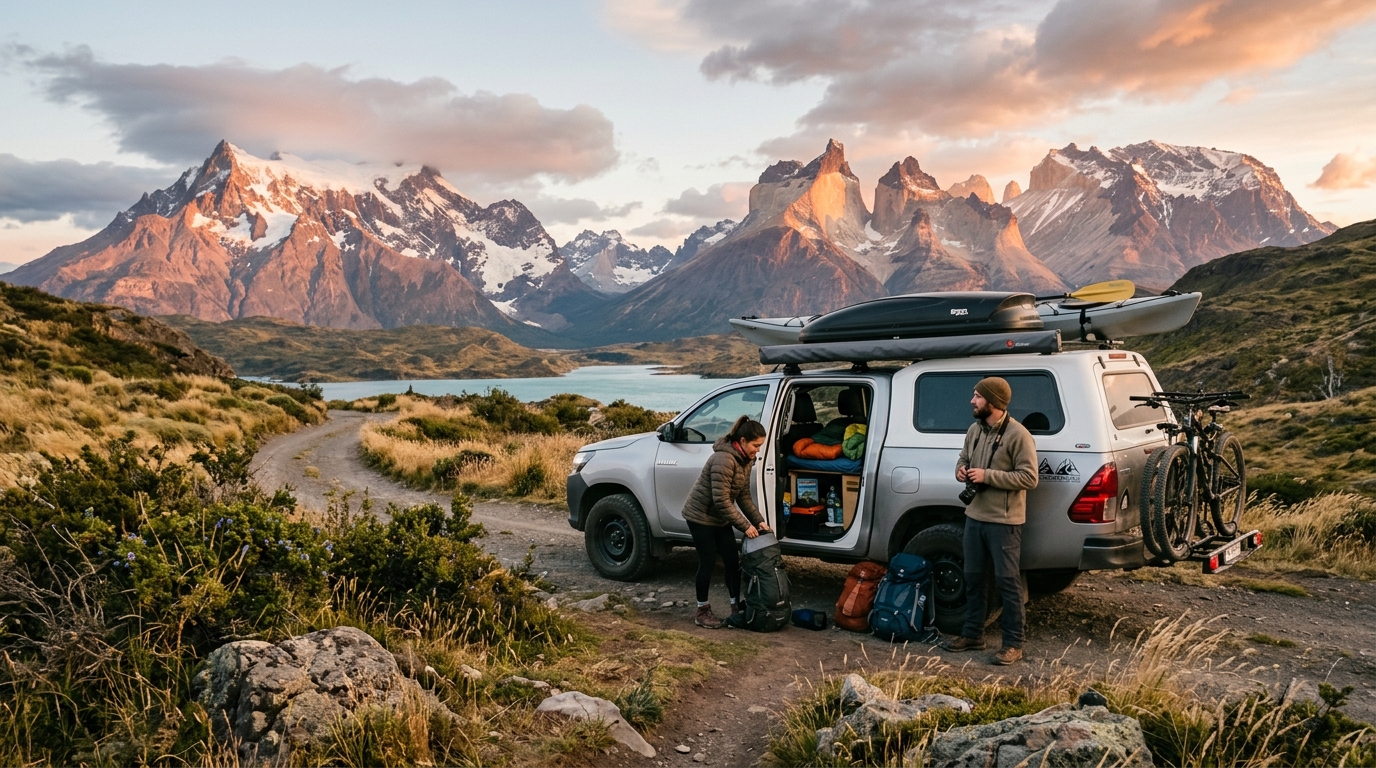
Chile, a land of extraordinary contrasts, is an adventurer's dream, stretching over 4,300 km (2,670 miles) from the arid Atacama Desert to the glacial fjords of Patagonia. Embarking on a weekly RV rental in Chile offers unparalleled freedom to discover its stunning landscapes and vibrant culture at your own pace. Imagine waking up to views of snow-capped Andes, cooking breakfast by a serene Patagonian lake, or watching the stars twinkle in the world's clearest skies from your mobile home. With a rented motorhome, your adventure is truly limitless.
For live availability and current prices, start with our RV Rental Chile - Complete Guide 2026 guide. We’re here to help you navigate everything from picking the perfect campervan to understanding local regulations, ensuring your weekly RV trip in Chile is nothing short of incredible.
Top 5 Tips for weekly rv rental RV Rental in Chile
Booking your RV rental well in advance, especially for Chile's peak travel seasons (December-February), is essential to secure your preferred vehicle and potentially save up to 25% on daily rates. Consider popular campervans like the "hire campervan example Paradise S/T" for couples, which features an automatic transmission and is ideal for navigating diverse terrains, or a robust "Patagonia Camper 4x4 double cab" for those venturing off paved roads.
Choosing an RV class suitable for your planned Chilean terrain is crucial; smaller, high-clearance vehicles or 4x4 options are highly recommended for rugged routes like the Carretera Austral, while larger Class C motorhomes, such as a "rv rentals example Comfort Class" (ideal for families of 2+2, with large RV size), are better suited for well-maintained highways. Preparing for Chile's diverse climates by packing versatile layers is key, as weather conditions can change dramatically between regions like the Atacama Desert, the Central Valley, and Patagonia, often shifting from 30°C (86°F) to near freezing in a single day. Familiarize yourself with local driving regulations, including speed limits (e.g., 100-120 km/h on highways, 50 km/h in urban areas), the mandatory use of headlights on highways 24/7, and what to expect from typical road conditions, particularly the unpaved 'ripio' (gravel) roads. Finally, planning your weekly itinerary around known fuel stations, water fill-up points, and dump stations is vital, especially when exploring more remote areas, as these services can be sparse. On the routes offered through RV PLANET routes, you can itemize and track every expense along the way for easy budgeting.
Before You Book - Class, Dates, Insurance
Selecting your RV class based on your group size, desired comfort level, and the terrain you intend to cover will define your adventure in Chile. Smaller campervans, such as an "rv rental denver example Category Van" with its compact size and features like a shower and toilet, offer flexibility for navigating city streets and winding coastal roads, while larger motorhomes like a "camper for rent example Big Six" provide more spacious amenities for comfortable travel on main highways with a family of 4-6. Booking your rental dates as early as possible is highly recommended, particularly for popular travel periods like the austral summer, to secure the best rates and ensure your preferred vehicle type is available.
Basic insurance is always included with RV rentals in Chile, offering fundamental coverage. To ensure maximum peace of mind, you can upgrade to a top-level deductible reimbursement option, which provides enhanced protection against unforeseen circumstances on your journey. We believe in full transparency, so what you see in terms of insurance options and pricing is what you pay, with no hidden fees or surprises at pickup. Our commitment to you means you’ll always find clear and competitive pricing for all your weekly RV rental needs in Chile.
Pre-Trip Prep - Packing Checklist for Chile
An effective packing checklist for your weekly RV rental in Chile ensures you are prepared for its diverse climates and experiences. Essential clothing items include layers of clothing, such as a thermal base layer, a warm fleece, and a waterproof outer shell, suitable for temperatures ranging from 0°C to 30°C. Comfortable hiking shoes are a must for exploring national parks, alongside sandals for warmer climates or relaxing at campgrounds.
For personal care and convenience, pack a sun hat, sunglasses, and high-SPF sunscreen, as the Chilean sun can be intense, particularly in the Atacama or at higher altitudes. Bring basic cooking spices, coffee or tea, and a reusable water bottle to reduce waste and stay hydrated on the road; many rentals include kitchenware, but personal touches are always welcome. A well-stocked first-aid kit with any personal medications is indispensable. Other practical items include a headlamp or flashlight for nighttime activities, a multi-tool for small repairs, and a portable power bank for charging devices when off-grid. Lastly, ensure you have offline maps downloaded to your phone or tablet, your passport and any required visa, an International Driving Permit (recommended alongside your national license for smooth interactions), and physical copies of your RV rental confirmation and emergency contacts.
On the Road - Driving, Fueling, Navigation
Adhering to posted speed limits is essential when driving a rented RV in Chile; general limits are 100-120 km/h on highways and 50 km/h in urban areas. Drive with your headlights on 24/7 on Chilean highways, a legal requirement that enhances safety, especially when encountering sudden weather changes or dust on unpaved roads. Be prepared for unpaved sections, locally known as 'ripio' or gravel roads, particularly prominent in Patagonia or more remote Andean passes, which require slower speeds (often 30-40 km/h) and careful driving to avoid punctures or damage.
Monitoring your fuel levels closely is critical, as gas stations ('bencineras') can be scarce in remote areas, sometimes with stretches of 200 km or more between fill-up points. Always fill up when the opportunity arises, even if your tank is half full. For navigation, utilize offline maps such as Maps.me or downloaded Google Maps, and consider carrying a physical map as a backup, as cell service can be unreliable or nonexistent on many remote Chilean routes. Remember, driving slowly and carefully allows you to drive almost anywhere without issues, requiring no undue stress, just common sense and attention to your surroundings.
At the Campground - Setup, Hookups & Etiquette
Upon arrival at a campground in Chile, prioritizing the leveling of your rented RV is the first step, using either leveling blocks or an automatic system to ensure comfort and proper functioning of onboard appliances, followed by securing your vehicle with wheel chocks for safety. When connecting hookups, follow the recommended order: attach the sewage hose for the black tank first, then the grey tank, ensuring a watertight seal. Next, connect your fresh water hose, always using a pressure regulator to protect your RV's plumbing, and finally, hook up your electricity, making sure you have the correct voltage adapter if needed.
Observing campground quiet hours, typically from 10 PM to 8 AM, is a sign of respect for fellow campers and part of responsible RV travel. Maintain respectful distances from other campers, and always adhere to Leave No Trace principles by properly disposing of all waste in designated bins, including food scraps and gray water, to preserve Chile's natural beauty. Many national and state parks only reserve 25-30% of their spots, with the rest available first-come-first-serve, so if the first campground is full, you'll find a spot at the next one - just call ahead before driving.
weekly rv rental-Specific Tips for Chile
For a fulfilling weekly RV rental in Chile, focus on exploring one distinct region, such as the Lakes District or a manageable segment of the Carretera Austral (e.g., a 700 km stretch), to maximize immersion without feeling rushed. Traveling slowly, averaging a maximum of 100-150 km per day, allows you ample time to feel the place, connect to the local culture, savor the food, and absorb the stunning scenery.
To optimize your budget, research and utilize designated free overnight parking or wild camping spots, balancing them with paid campgrounds for amenities and security, which can save $15-$40 USD per night on average. Plan a concise, achievable itinerary for your week, considering loop routes or single-direction journeys that minimize extensive backtracking, especially if you opt for a one-way RV rental in Chile. Actively seek out local markets ('ferias') and small eateries in towns to experience authentic Chilean cuisine and support local communities within your limited timeframe. Finally, secure your RV booking and confirm availability at key campsites or attractions well in advance, as a shorter trip leaves less room for last-minute adjustments. Remember, platforms like RVPLANET (rvplan.net) offer pre-planned route itineraries that can streamline your week-long adventure, providing a 25% planning discount when you use them.
Common Mistakes to Avoid in Chile
A common mistake RV renters make in Chile is underestimating driving distances and times; instead, plan realistic daily travel segments, especially on unpaved 'ripio' roads in regions like Patagonia, to prevent exhaustion and allow for unexpected delays, as these can easily double or triple estimated travel times. Do not ignore Chile's varied climate zones; instead, pack versatile clothing layers suitable for everything from the desert heat of the Atacama to the Patagonian cold and frequent rain, as temperatures can fluctuate by 20°C in a single day.
Refrain from relying solely on last-minute bookings; instead, reserve your RV and popular campsites well in advance, particularly during peak seasons (December-February), to avoid disappointment, as some premier spots in national parks fill up 3-6 months ahead. Do not assume constant cell service; instead, download offline maps and consider alternative communication options like a satellite messenger for remote areas where connectivity is unreliable or nonexistent for stretches over 100 km. Avoid overlooking local RV-specific regulations; instead, familiarize yourself with rules regarding wild camping, waste disposal, and unique road laws to ensure a smooth, penalty-free trip. Remember, a standard car driver's license is sufficient for all motorhome classes, but an International Driving Permit (IDP) is recommended for non-English speaking visitors, especially in Chile.
How much does a weekly RV rental in Chile cost
The cost of a weekly RV rental in Chile can vary significantly based on vehicle type, season, and inclusions, generally ranging from $800 to $2,500 USD per week for the rental itself, similar to pricing for a "Cheap RV Rental in Chile - Budget Guide 2026". Prices are dynamic, similar to flight tickets, changing daily based on availability, seasonality, and supplier marketing decisions, so the final price is set at the actual booking time.
Budget for fuel costs, estimating consumption at 8-12 km per liter (or about 23-30 liters per 100 km for a Class C motorhome like a "cruise america rv rental example Explorer"), considering current prices, which fluctuate, and your planned route's mileage. Factor in campsite fees, which typically range from $15-$40 USD per night for paid sites with hookups, while designated wild camping spots are free and widely available in remote areas. Include potential ferry costs, which are essential for accessing regions like Chiloe Island or specific segments of the Carretera Austral, and vary by vehicle length, potentially adding $30-$100 USD per crossing. Allocate funds for other expenses such as national park entry fees ($10-$30 USD per person), propane refills, food (a week's groceries for a family of four might cost $150-$250 USD), and activities. For easy budgeting and tracking of all these ancillary costs, RV PLANET routes allow travelers to itemize every expense along the way.
What type of RV is best for Chilean terrains
The best RV type for Chilean terrains often depends on your planned route and comfort preferences, with 4x4 campervans or smaller, high-clearance RVs generally recommended for rugged or unpaved sections, while larger motorhomes are suitable for well-maintained highways. For adventurous routes like the Carretera Austral and other remote or gravel-heavy ('ripio') roads, a 4x4 campervan, such as a "Patagonia Camper 4x4 double cab" or a "2 Person 4WD Camper," offers superior traction, ground clearance, and durability to handle challenging surfaces.
Smaller, 2WD campervans are ideal for navigating bustling cities like Santiago, coastal routes, and regions with predominantly paved roads like the Central Valley or Lakes District, offering excellent fuel efficiency and easier maneuverability in tighter spaces. Class C motorhomes, like a "rv rentals utah example Sunrise Escape" (sleeping 5 with a 167 Liter fresh water tank), provide more space and amenities for families, best suited for main highways and established campgrounds, but may present challenges on very narrow or rough unpaved roads. Always consider the minimum ground clearance needed for your chosen routes, as even paved roads can have unexpected potholes or speed bumps. For a larger group, a "Group G" motorhome (sleeping 7, with a 140 Liter fresh water tank) offers ample space for family and friends on well-trodden paths.
What are Chile's RV regulations for camping and services
Chilean RV regulations include specific rules for wild camping, waste disposal, and road conduct, requiring travelers to be mindful of local laws regarding public and private land use. Wild camping, or boondocking, is generally tolerated in many remote, non-private, non-national park areas, but it is always advisable to seek local permission or respect clearly marked 'No Camping' signs, especially near towns or private land.
Propane ('gas licuado') refills are widely available in most larger towns and cities, so confirm your rented RV's connection type or bring appropriate adapters if necessary to ensure you can cook your meals. Designated dump stations ('vaciado de aguas negras/grises') are found at many organized campgrounds, larger service stations, and some municipal facilities, and illegal dumping of black or grey water is strictly prohibited and can result in significant fines. Road rules in Chile mandate the use of headlights 24/7 on all highways, strict adherence to posted speed limits, and awareness of unique local signage and right-of-way rules. Most importantly, a standard car driver's license is sufficient for all motorhome classes in Chile, with the minimum rental age being 21, and an International Driving Permit is recommended for non-Chilean residents.
Where can I find RV services in Chile
RV services in Chile, including water fill-up stations, dump stations, and repair facilities, are primarily located in larger towns and established campgrounds along major tourist routes. Water fill-up stations are typically available at organized campgrounds, some gas stations ('bencineras'), and municipal water points in smaller towns, though the potability of water from non-campground sources should always be confirmed before consumption.
Dump stations ('vaciado de aguas negras/grises') are less common in very remote regions but can be found at larger campsites and specialized RV parks; planning your waste disposal route in advance is crucial, especially when traveling the Carretera Austral. General automotive repair shops in larger cities can often address basic RV mechanical issues, though specialized RV-specific parts or services might be harder to find outside major hubs. For finding campsites and campgrounds during your trip, we recommend using RV PLANET (rvplan.net), which is also a great tool for locating available spots and essential services along your route, including user-contributed locations for water, dump stations, and potential overnight spots.
Where can I RV travel in Chile besides Patagonia
Beyond the popular Patagonia and Carretera Austral, Chile offers diverse RV travel experiences in regions such as the Atacama Desert, the Central Valley wine regions, the picturesque Lakes District, and the unique Chiloe Island. The Atacama Desert in the north provides otherworldly landscapes, including lunar valleys, geysers, and high-altitude lagoons, demanding careful preparation for extreme temperatures (up to 40°C in the day, below 0°C at night) and high elevation (over 4,000 meters). The Central Valley wine regions, easily accessible from Santiago, offer opportunities to tour vineyards, sample local gastronomy, and explore Chile's agricultural heartland, with plenty of charming towns to park your rented motorhome.
The Lakes District, centered around cities like Pucón and Puerto Varas, boasts stunning volcanoes, pristine lakes, and numerous opportunities for outdoor activities like hiking and rafting, with many well-equipped campgrounds for your Class C motorhome like a "Category Family 5" (sleeping 6, with a 100 Liter fresh water tank). Chiloe Island, reached by a short ferry ride (factor in costs), is known for its distinctive wooden churches (16 of which are UNESCO World Heritage sites), colorful palafitos (stilt houses), and rich folklore, offering a unique cultural experience that is perfect for a week-long RV adventure. Other regions include the coastal Coquimbo region, famed for its astronomical observatories and pisco distilleries, providing varied landscapes and cultural insights well worth exploring with your rented campervan.
What is cell and internet service like for RVers in Chile
Cell and internet service for RVers in Chile is generally reliable in populated areas and along major highways, but connectivity becomes sporadic or nonexistent in remote regions, particularly in parts of the Atacama Desert and the Carretera Austral. Major cell providers like Entel, Movistar, and Claro offer decent 4G coverage in cities and towns; purchasing a local SIM card upon arrival, costing around $10-$20 USD for a data package, is advisable for data and calls.
Expect significant stretches with limited to no cell service in national parks, mountainous terrain, and the more isolated sections of the Carretera Austral, often for hundreds of kilometers at a time. For truly remote adventures or emergencies, consider bringing or renting a satellite communication device (e.g., InReach, Spot) as a vital backup, which can cost $300-$500 USD for the device and $15-$50 USD monthly for service. Wi-Fi access is commonly available at most organized campgrounds, hotels, restaurants, and cafes in towns, providing convenient opportunities to get online when not on the road. Despite occasional lack of signal, it's generally manageable to stay connected for a weekly RV trip in Chile if you plan ahead.
How to practice responsible RV travel in Chile
Practicing responsible RV travel in Chile involves adhering strictly to Leave No Trace principles, respecting the country's diverse and often fragile ecosystems, and engaging respectfully with local communities to minimize environmental and cultural impact. Always pack out all trash, including organic waste, and dispose of human waste properly at designated facilities; never leave anything behind in natural areas.
Utilize designated dump stations for all black and grey water, ensuring no pollutants enter Chile's pristine rivers, lakes, or coastal waters, especially crucial in regions like Patagonia where glacial water sources are vital. Conserve water diligently, particularly when traveling through arid regions like the Atacama Desert where water resources are extremely scarce; a 100 Liter fresh water tank can go quickly without conscious effort. Observe wildlife from a respectful distance, never feed animals, and secure all food items to prevent attracting local fauna. Engage with local communities respectfully, learn basic Spanish phrases, and support local businesses by purchasing goods and services, fostering positive cultural exchange and economic benefit. By doing so, you contribute to preserving Chile's beauty for future RV rental adventurers.
How can RVers experience Chilean culture locally
RVers can immerse themselves in Chilean culture by actively seeking out local markets, participating in regional festivals, engaging with community members, and exploring authentic culinary experiences beyond major tourist centers. Visiting local markets ('ferias') in towns provides a fantastic opportunity to purchase fresh produce, regional delicacies like 'pebre' (a spicy salsa), and handcrafted goods, offering direct interaction with vendors and a vibrant glimpse into daily life.
Research and attend regional festivals ('fiestas costumbristas') or community events, which are excellent opportunities to experience traditional music, dance (like the cueca), and food specific to that area. Make an effort to engage with local Chileans by learning a few basic Spanish phrases; friendly interactions can lead to unique recommendations and invaluable cultural insights. Seek out small, family-run restaurants ('picadas') or street food vendors to sample authentic Chilean dishes like 'pastel de choclo' (corn pie), 'empanadas' (savory pastries), and regional seafood specialties. Preparing meals in your rented RV's kitchen with local ingredients is also a fantastic way to deepen your cultural connection; check out our RV-friendly recipes playlist for inspiration. Venture into smaller, lesser-known towns to discover unique local customs and gain a more intimate understanding of Chilean life away from mainstream tourist hubs, which is often the most rewarding aspect of RV travel.
Is off-season RV travel in Chile recommended
Off-season RV travel in Chile, generally during autumn (March-May) and spring (September-November), can be highly recommended for those seeking fewer crowds, lower prices, and unique experiences, though it requires careful planning for weather and service availability. During shoulder seasons, you can enjoy popular destinations like the Lakes District or the Central Valley with significantly less tourist traffic, often finding RV rental deals in Chile with prices up to 20-30% lower than peak season rates.
Expect varied weather conditions: shoulder seasons offer milder temperatures and vibrant landscapes (e.g., autumn foliage in Patagonia, spring blooms in the Central Valley), while winter (June-August) brings snow to mountainous regions and colder conditions to Patagonia. Be aware that road accessibility, especially in the high Andes or remote areas of Patagonia, may be limited by snow or inclement weather during winter, necessitating regular checks on 'estado de rutas' (road conditions) before setting out. While major attractions typically remain open, some smaller campgrounds, tourist services, or restaurants might operate on reduced schedules or be closed during the absolute low season. The benefits of off-season travel include greater solitude at popular sites, more flexible booking options for RVs and campsites, and often significantly lower rental costs, making it an excellent choice for a "Cheap RV Rental in Chile - Budget Guide 2026".
Top Cities for RV Rental in Chile
Chile offers several key cities where you can pick up your rented motorhome or campervan, strategically located to launch your adventure into different regions. Santiago, the capital, is the primary hub for RV rentals, offering the widest selection of vehicles, from compact campervans suitable for couples to larger Class C motorhomes ideal for families. Many international flights arrive at Santiago - Airport, making it a convenient starting point for trips heading north to the Atacama Desert or south towards the Central Valley and Lakes District.
Further south, Puerto Montt serves as a gateway to the stunning Lakes District and the legendary Carretera Austral, making it an ideal pickup location for those eager to explore the heart of Chilean Patagonia. For the intrepid traveler, Punta Arenas, located in the deep south, is the perfect starting point for exploring Tierra del Fuego, Torres del Paine National Park, and other Patagonian wonders. In the far north, Arica and Calama - Airport offer access to the unique landscapes of the Atacama Desert, connecting you to ancient cultures and surreal natural beauty. These cities provide excellent facilities and a range of rental options to suit your desired weekly RV adventure in Chile.
What You Shouldn't Miss
Looking for expert insights from Avi Bandana? Top 5 Adventures - recommendations from Avi Bandana:
- Drive a Section of the Carretera Austral: Experience Chile's legendary Route 7, a mix of paved and gravel roads with stunning fjords, forests, and remote towns. Plan for at least a few days of this iconic 1,240 km route in a 4x4 campervan.
- Stargaze in the Atacama Desert: Head to San Pedro de Atacama, where the world's driest desert offers unparalleled dark skies for astronomical observation, with several observatories offering tours.
- Explore Torres del Paine National Park: In Patagonia, this UNESCO Biosphere Reserve boasts dramatic granite peaks, glaciers, and diverse wildlife. Reserve campsites in advance or plan for first-come-first-serve availability.
- Soak in Natural Hot Springs in the Lakes District: Discover numerous geothermally heated springs, such as Termas Geométricas, often nestled in lush forests, perfect for relaxing after a day of driving.
- Discover the Mystical Chiloe Island: Take a ferry to this unique island archipelago, famous for its colorful wooden churches, stilt houses (palafitos), and rich cultural folklore, offering a different side of Chile.
Final Thoughts
Chile is a country that truly comes alive when explored by rented RV, offering a spectrum of experiences from the celestial wonders of the Atacama to the wild frontiers of Patagonia. A week-long motorhome adventure provides just enough time to truly immerse yourself in a chosen region, savoring its unique landscapes, flavors, and local charm. Remember to embrace slow travel, allowing 100-150 km per day on average, to fully appreciate the journey and create lasting memories.
We're here to support you every step of the way, from comparing prices and booking your ideal campervan to offering expert route plans. So, pack your bags, prepare for an unforgettable road trip, and let the incredible beauty of Chile unfold before you. Your next great adventure is waiting!
Compare weekly RV rental prices for Chile now and discover your perfect home on wheels!