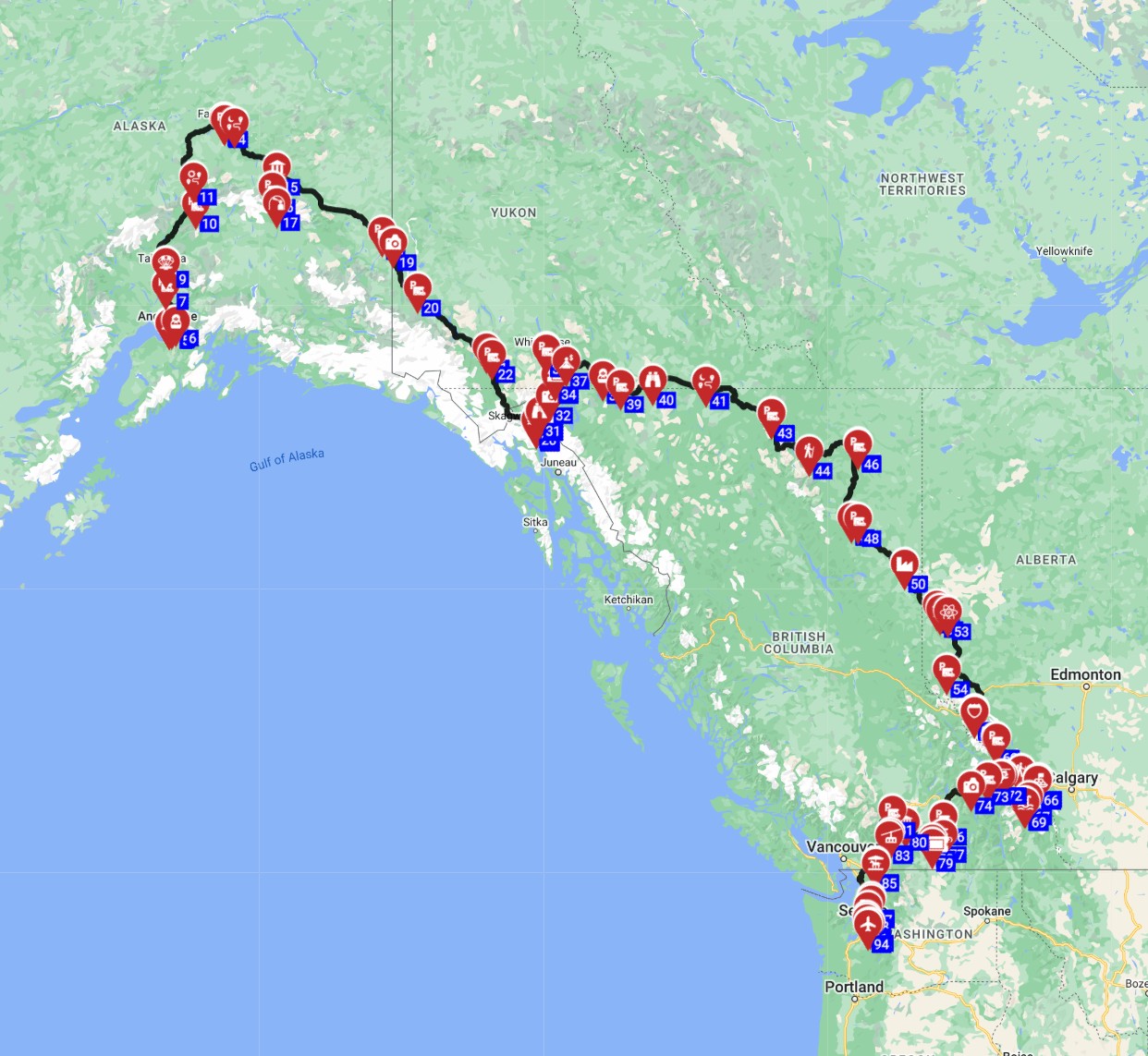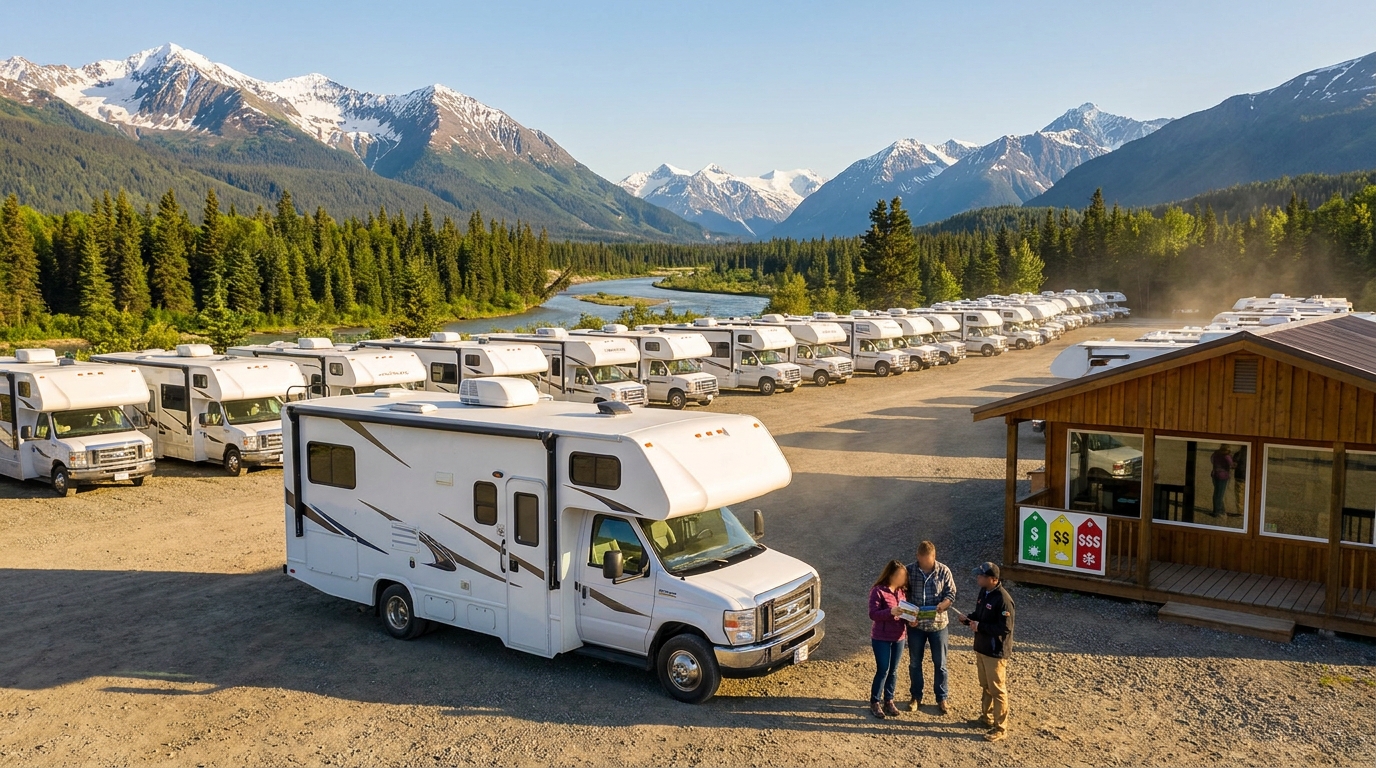
In This Guide
- Top 5 Tips for rv rental RV Rental in Alaska
- Before You Book - Class, Dates, Insurance
- Pre-Trip Prep - Packing Checklist for Alaska
- On the Road - Driving, Fueling, Navigation
- At the Campground - Setup, Hookups & Etiquette
- rv rental-Specific Tips for Alaska
- Common Mistakes to Avoid in Alaska
- What is the 3-3-3 rule for RVs?
- What is the 4-4-4 rule for RV travel?
- Should I rent an RV in Alaska?
- What do I need to know before renting an RV?
- How much rent RV in Alaska average cost?
- Is it cheaper to rent an RV or stay in a hotel?
- What is the best time of year to RV to Alaska?
- What not to forget on an RV trip?
Top 5 Tips for rv rental RV Rental in Alaska
Planning an RV rental adventure in Alaska requires careful consideration, as the Last Frontier presents unique challenges and unparalleled rewards. To help you prepare for your journey, we've compiled five essential tips that seasoned Alaskan RV travelers swear by. For live availability and current prices, start with our RV Rental Alaska - Complete Guide 2026 guide.- Book your RV and campgrounds well in advance: Securing your rented motorhome and campsites is crucial, especially for peak summer travel from mid-June to mid-August, when popular spots fill up quickly. Many travelers aim to book 3-6 months ahead to ensure availability and potentially save on rates.
- Familiarize yourself with Alaska's unique driving conditions: Alaskan roads can vary greatly, from smoothly paved highways to stretches of gravel or unpaved surfaces, particularly on routes like the Denali Highway. Drive slowly and carefully, and you can drive almost anywhere without issues. No need to stress - just use common sense and pay attention, especially when encountering wildlife or navigating frost heaves.
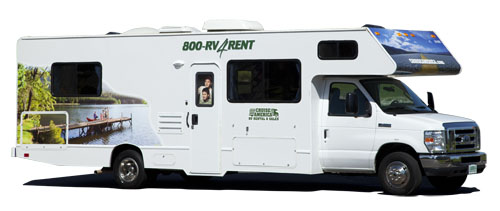
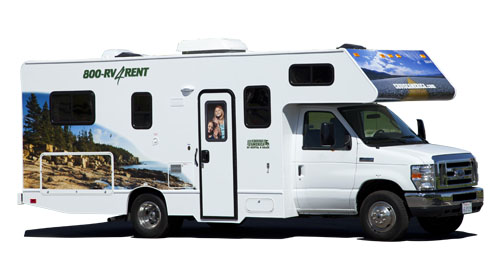
- Budget generously for fuel: Distances between towns and services are vast in Alaska, and fuel prices often increase significantly in remote areas. A Class C motorhome, such as the Cruise America Explorer, typically has a fuel consumption of about 11 liters per 100 km, meaning frequent fill-ups will be necessary on longer routes.
- Plan your itinerary with realistic driving times: The sheer scale of Alaska means covering fewer kilometers per day than you might expect elsewhere. We highly recommend slow travel, aiming for a maximum of 100-150 km per day on average, allowing ample time to soak in the scenery, connect with local culture, and experience the abundant wildlife.
- Prepare for variable weather: Alaska's weather can change dramatically and quickly, even in summer. Pack plenty of layers, including waterproof and windproof outer shells, fleece, and moisture-wicking base layers, along with essential safety gear like a first-aid kit, insect repellent, and bear spray.
Before You Book - Class, Dates, Insurance
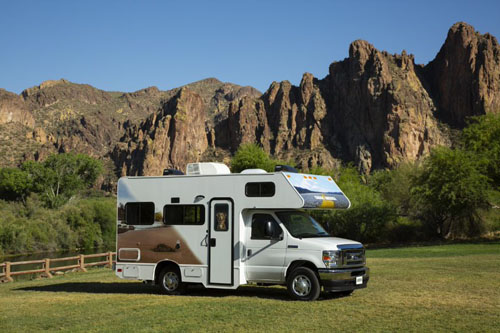
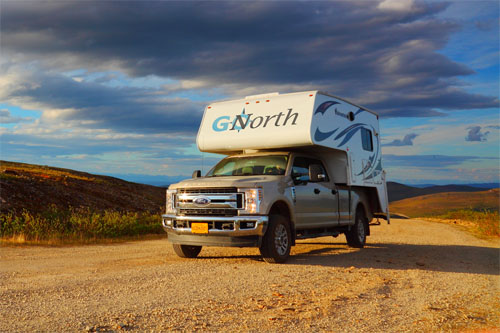
Choosing the right rented RV class for an Alaska trip depends on your group size, comfort preferences, and desired maneuverability, ensuring your adventure meets your expectations. Smaller Class B campervans, like a "rental campervan example Paradise S/T", offer more flexibility on some winding or unpaved roads, while larger Class C motorhomes, such as a "rent rv example D2" with bunk beds, provide more amenities and space for families. Class A motorhomes, like an "rent rv example E3" or a "motorhome hire example Comfort Luxury", are also available for those seeking a truly spacious and luxurious experience, often featuring extensive living areas. Locking in your RV rental dates and campgrounds as early as possible is crucial for an Alaska trip, particularly for the popular summer season from June through August. While some travelers prefer to book day-to-day, many national and state parks reserve only 25-30% of spots for last-minute arrivals, with the majority bookable far in advance. If you're a pre-planner who likes everything organized, securing your spot 3-6 months out is ideal. Don't stress too much if you're more spontaneous; you'll find a spot, and if not at the first campground, then at the next one. Just remember to call ahead before driving. When it comes to insurance, basic coverage is always included with your rental. For extra peace of mind, you can upgrade to a top-level deductible reimbursement option, which provides more comprehensive coverage. During your search on Bandana RV, you can select options to see prices including the most comprehensive coverage, ensuring all relevant insurance options are transparently displayed without hidden fees or surprises. This full transparency is one of our core differentiators, making sure you always know exactly what you're paying for.Pre-Trip Prep - Packing Checklist for Alaska
A comprehensive packing checklist tailored for an Alaska RV trip ensures you are ready for any weather and situation in the wilderness. The varied climate demands smart layering and essential safety gear, making for a comfortable and prepared journey.- Waterproof and windproof outer shell (jacket & pants)
- Fleece or down layers for warmth
- Moisture-wicking base layers
- Sturdy waterproof hiking boots
- Warm hat, gloves, and wool socks
- Binoculars for wildlife viewing
- Bear spray (know how to use it safely and legally)
- Headlamp or flashlight
- First-aid kit
- Insect repellent (DEET recommended)
- Roadside assistance contact information
- Physical maps or GPS (cell service is spotty)
- Copies of important documents (driver's license, passport, rental agreement, insurance)
- Reusable water bottles and coffee mugs
- Basic cooking essentials (spices, oil, non-perishables) - check out our RV-friendly recipes playlist for meal ideas.
- Cooler for extra food/drinks
- Camera and extra batteries/memory cards
- Sunscreen and sunglasses (long daylight hours)
On the Road - Driving, Fueling, Navigation
Driving a rented RV in Alaska requires awareness of long distances, potentially unpaved or gravel roads like sections of the Denali Highway, and limited services between towns. Even on paved roads, expect "frost heaves" that can make for unexpectedly bumpy rides, so maintaining a safe, slower speed is always recommended. Drive slowly and carefully, and you can drive almost anywhere without issues. No need to stress - just use common sense and pay attention to road conditions and wildlife. Fueling up whenever possible is essential, as gas stations can be sparse in remote Alaskan regions, and prices often increase the further you are from major cities. A mid-size motorhome, such as an "alaska rv rental example Category C", with a fuel tank capacity of around 208 liters, will cover considerable distance but requires proactive refueling. When considering your total trip costs including fuel, tolls, and campground fees, remember that RV PLANET routes allow you to itemize and track every expense for easy budgeting. Navigation is best handled with a combination of GPS devices and physical maps, as cellular service is unreliable across much of Alaska's vast wilderness. Downloading offline maps before your journey is a smart move, ensuring you can always find your way even when off-grid.At the Campground - Setup, Hookups & Etiquette
Setting up your rented RV at an Alaskan campground typically involves leveling the vehicle, connecting to utility hookups if available, and observing local wildlife precautions. Many campgrounds, especially in national and state parks, offer varying levels of hookups, from full (water, sewer, electric) to dry camping (no hookups), so check your reservation details carefully. The standard hookup order for an RV involves connecting the sewer hose first, then the fresh water hose, and finally the electricity, ensuring proper sanitation and preventing contamination. Reverse this order when breaking camp: disconnect electric, then water, then sewer. Always ensure your fresh water hose is potable-water safe and your sewer hose is properly sealed. For finding campsites and campgrounds during your trip, we recommend using RV PLANET (rvplan.net) - a great resource for locating available spots along your route, with detailed information on hookups and amenities. Observing campground etiquette, such as adhering to quiet hours (often 10 PM to 7 AM), keeping campsites clean, and properly storing food to deter wildlife, contributes to a pleasant experience for everyone. Always dispose of trash in bear-resistant containers and never leave food or scented items outside your RV. Respect wildlife by maintaining a safe distance of at least 25 yards (23 meters) from most animals, and 100 yards (91 meters) from bears.rv rental-Specific Tips for Alaska
Tailoring your RV rental choice and travel style to your group's needs can greatly enhance your Alaskan adventure. For families with children, consider a motorhome like the "alaska rv rental example Category C" which offers bunk beds and dedicated sleeping areas, providing comfort and space for up to 6 people. Planning shorter driving days, around 100 km, allows for frequent stops and kid-friendly activities, preventing travel fatigue. Senior travelers might prefer a Class B campervan, like a "rv rental denver example Category Van" with its compact size and easy maneuverability, or a semi-integrated Class C for slightly more space, focusing on well-maintained routes and accessible attractions. These vehicles often come with automatic transmissions for effortless driving. Budget-conscious travelers can save by opting for smaller campervans or older models, though Bandana offers full transparency on pricing, ensuring no hidden fees, so you always get the best value. Utilizing free or low-cost overnight parking options where available, and cooking most meals in the RV, significantly reduces expenses. For instance, a "rent motorhome example Jackpot" might offer a more budget-friendly option for couples. Luxury-minded renters might explore premium Class A motorhomes, often equipped with slide-outs and ample living space, such as those from El Monte or Apollo suppliers. These larger vehicles, including "Motorhome MC6 Gold" models, provide expansive interiors, perfect for extensive exploration and comfort, perhaps even with additional amenities like a larger refrigerator and gas stove for gourmet meals on the go.Common Mistakes to Avoid in Alaska
Underestimating driving distances and times is a common error for first-time RV renters in Alaska; instead, factor in slower speeds due to wildlife, frequent scenic stops, and potential road construction. An "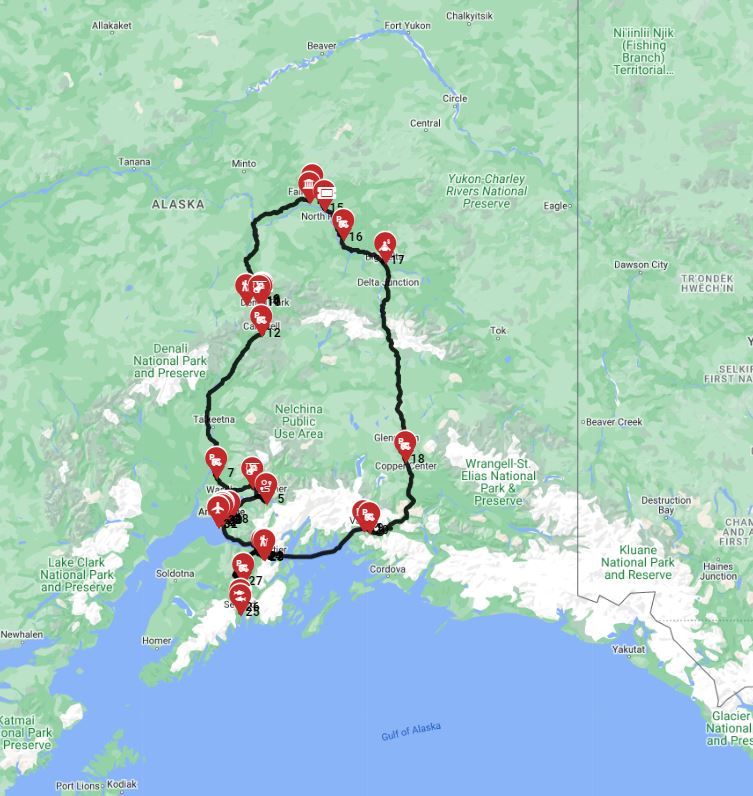
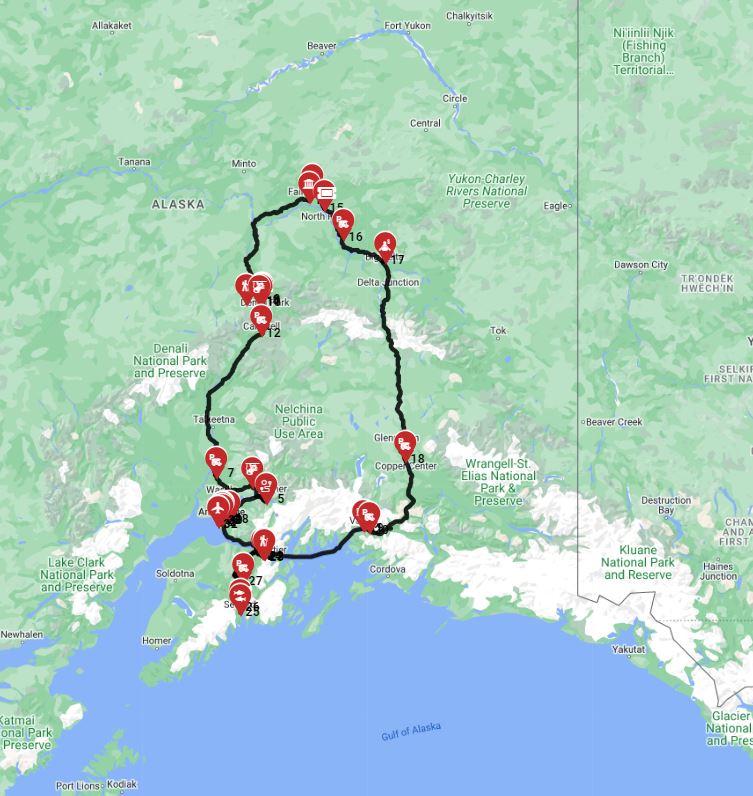
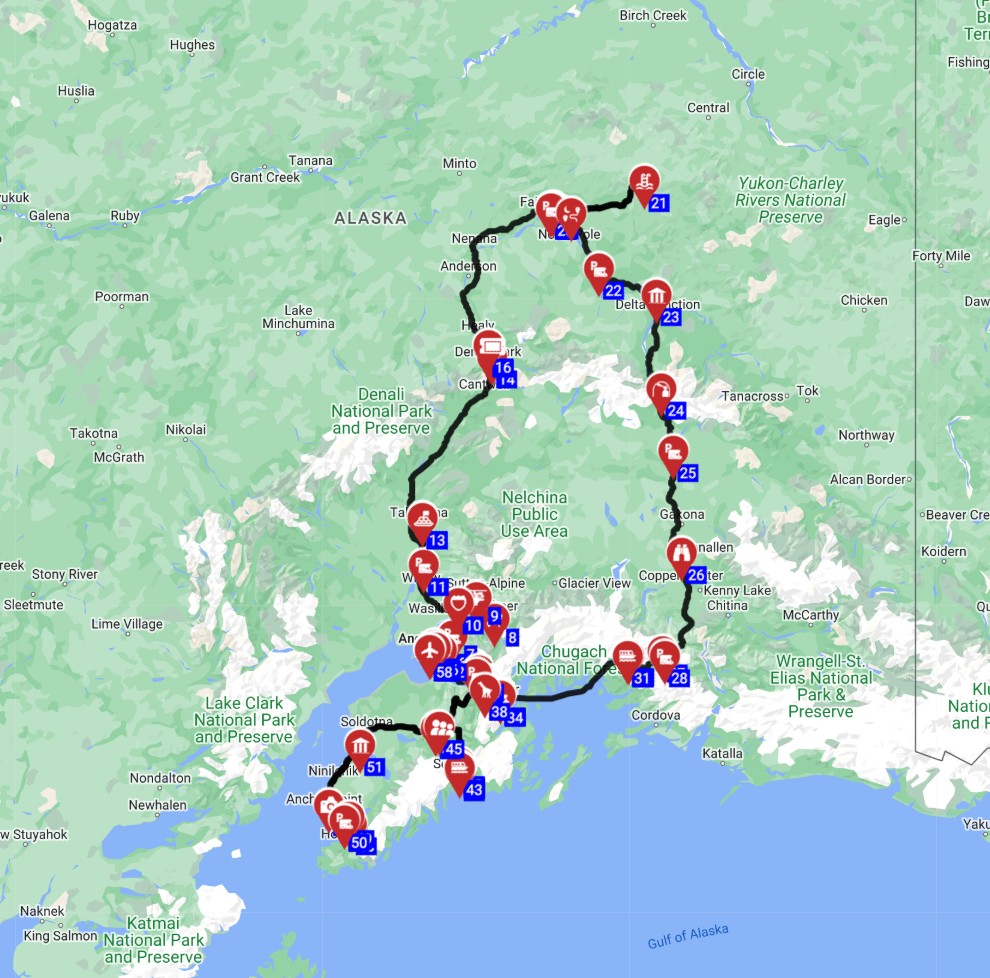
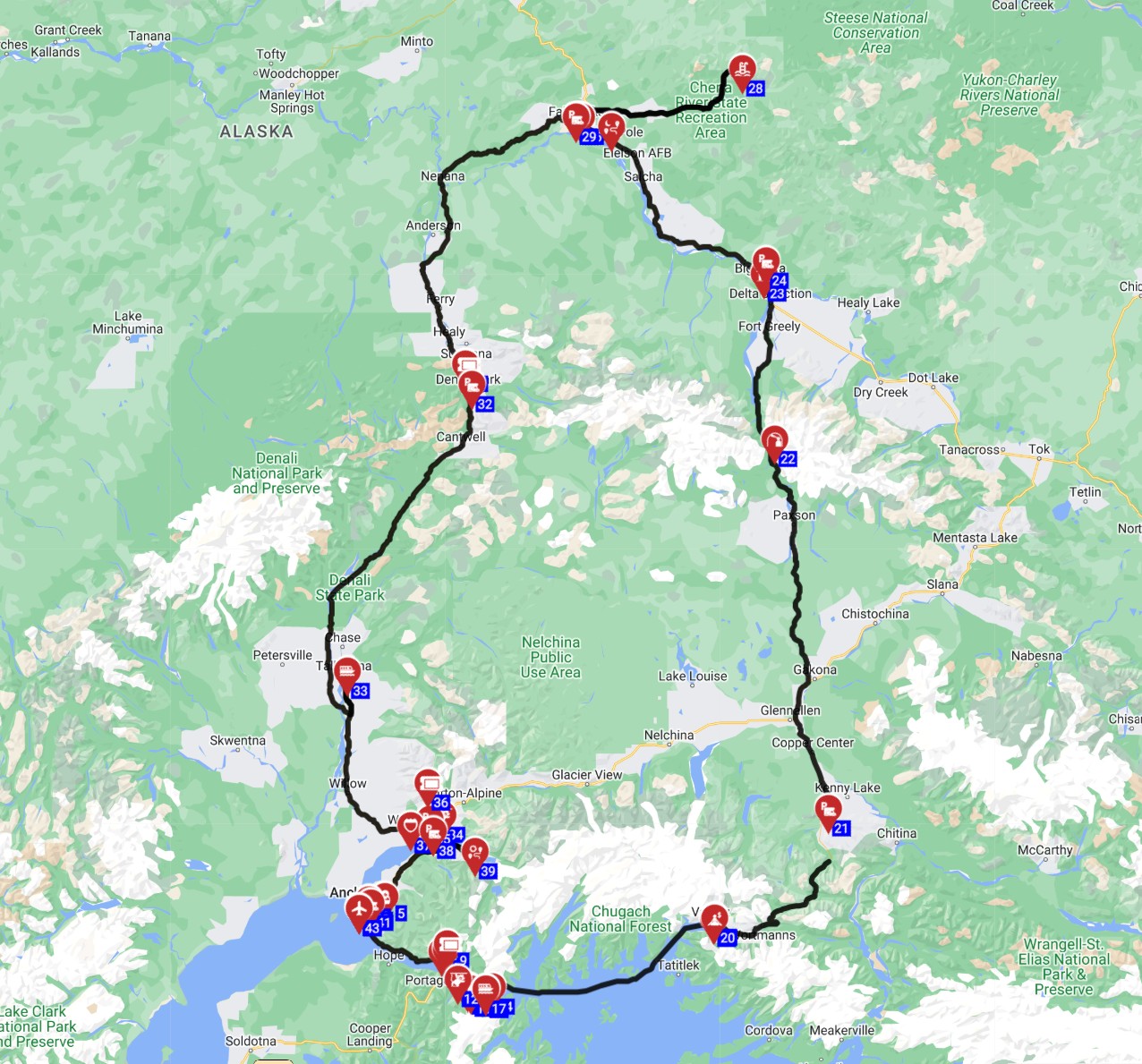
Anchorage Roundtrip - Alaska
What is the 3-3-3 rule for RVs?
The 3-3-3 rule for RVs suggests driving no more than 300 miles (approximately 480 km) a day, arriving at your campground by 3 PM, and staying for at least 3 nights to allow for relaxation and exploration. Applying this rule to Alaska is particularly beneficial due to the enormous driving distances between attractions, the slower pace often necessitated by scenic views and abundant wildlife, and the critical importance of securing campground spots early, especially during peak season. Adhering to the 3-3-3 rule helps prevent driver fatigue on long stretches of Alaskan road, allows ample time for setting up camp and enjoying destinations like Denali National Park, and significantly reduces stress associated with rushed travel.What is the 4-4-4 rule for RV travel?
The 4-4-4 rule for RV travel is a variation of the 3-3-3 rule, recommending driving no more than 400 miles (approximately 640 km) a day, arriving at your destination by 4 PM, and staying for at least 4 nights. While offering more ground coverage, the 4-4-4 rule might be too ambitious for many Alaskan routes, which often feature winding roads, lower speed limits, and frequent wildlife crossings that demand a more relaxed driving pace. For an Alaskan RV adventure, prioritizing scenic stops and allowing extra time for unexpected delays often makes the more conservative 3-3-3 rule a more practical guideline, ensuring you truly experience the state's natural beauty without feeling rushed.Should I rent an RV in Alaska?
Renting an RV in Alaska is highly recommended for travelers seeking flexibility, immersive nature experiences, and the ability to explore the state's vast landscapes at their own pace. An RV offers the unparalleled convenience of having your accommodation and kitchen always with you, which can be particularly advantageous in remote areas with limited hotel options or dining choices. Imagine waking up to views of Denali or cooking fresh catch by a riverside campground, a freedom unmatched by traditional travel. While offering unique freedom, RV travel in Alaska requires careful planning for routes, fuel stops, and campground reservations due to the state's remote nature and seasonal tourism.What do I need to know before renting an RV?
Before renting an RV for your Alaska trip, it's crucial to understand the rental requirements, review insurance options, and clarify what's included in the rental price versus additional fees. A standard car driver's license is sufficient for all motorhome classes (Class A, Class B, and Class C), with the minimum rental age typically 21 years old across our partner suppliers. An International Driving Permit (IDP) is recommended for visitors from non-English-speaking countries but is not mandatory in most cases for RV rentals in Alaska. Familiarize yourself with the different RV classes and select one that matches your comfort level for driving, your group's size, and your desired amenities for an Alaskan trip. We ensure full transparency with our pricing, so you won't encounter hidden fees or surprises at pickup. You can compare various options and see final prices in our "RV Rental in Alaska - Prices and Best Deals 2026" overview. Ask about mileage limits, generator usage policies, cleaning fees, and roadside assistance coverage to avoid surprises and ensure a smooth rental experience in Alaska's unique environment.How much rent RV in Alaska average cost?
The average cost to rent an RV in Alaska typically ranges from $200 to $500 per night, depending on the RV class, rental season, duration of the trip, and included amenities, excluding fuel and campground fees. For example, a compact Class C "alaska rv rental example Category B" might start at around $250/night in shoulder season, while a larger, newer Class A motorhome could exceed $450/night in peak July. Prices are dynamic and change daily based on availability and supplier decisions, similar to flight tickets. Total costs for an Alaskan RV trip can be significantly influenced by fuel prices, which are generally higher in Alaska than the national average, along with daily campground fees ranging from $20-$70. Additional costs include optional mileage packages, insurance upgrades (like the top-level deductible reimbursement), and provisions. Booking during the shoulder seasons (May, September) can sometimes reduce rental rates by 15-20%, but overall costs for an Alaska RV trip should be budgeted conservatively due to the higher operational expenses in the state. For details on one-way journeys, refer to our "One-Way RV Rental in Alaska - Price Guide 2026" for more information.Is it cheaper to rent an RV or stay in a hotel?
For an Alaskan vacation, renting an RV can often be more cost-effective than staying in hotels, especially for families or groups of 4-6 people, as it cleverly combines accommodation and transportation costs. A family in a "rv rentals utah example Sunrise Escape" 5-berth motorhome can save considerably on dining out by preparing meals in their onboard kitchen. Considering the cumulative expense of multiple hotel rooms, daily restaurant meals, and separate rental car fees over a week-long or extended road trip, an RV often presents better value. However, the total cost comparison should include RV-specific expenses like substantial fuel costs (Alaska's remoteness means higher prices), nightly campground fees which typically range from $20 to $70, and potential mileage charges if you plan an extensive tour like the "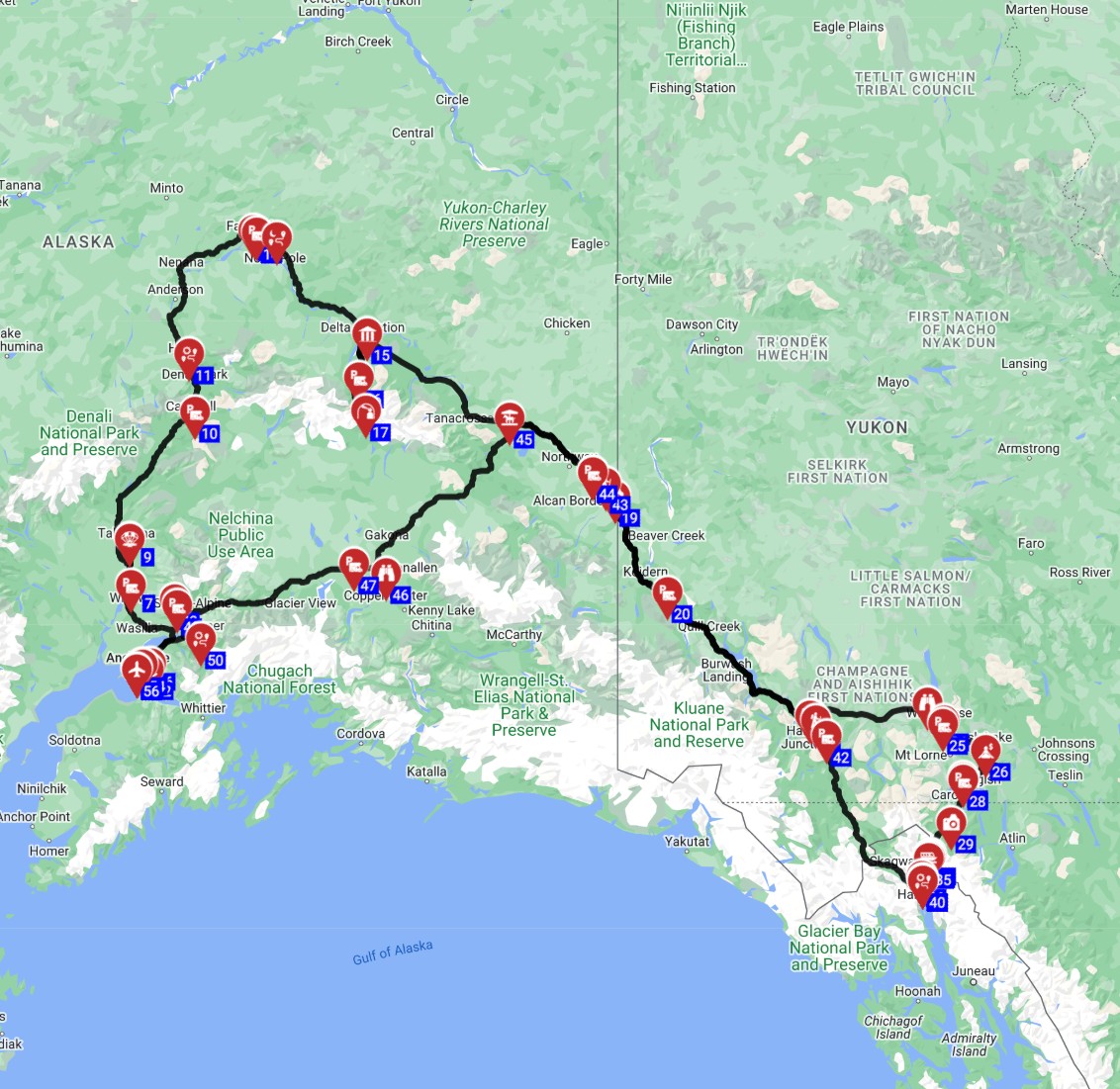
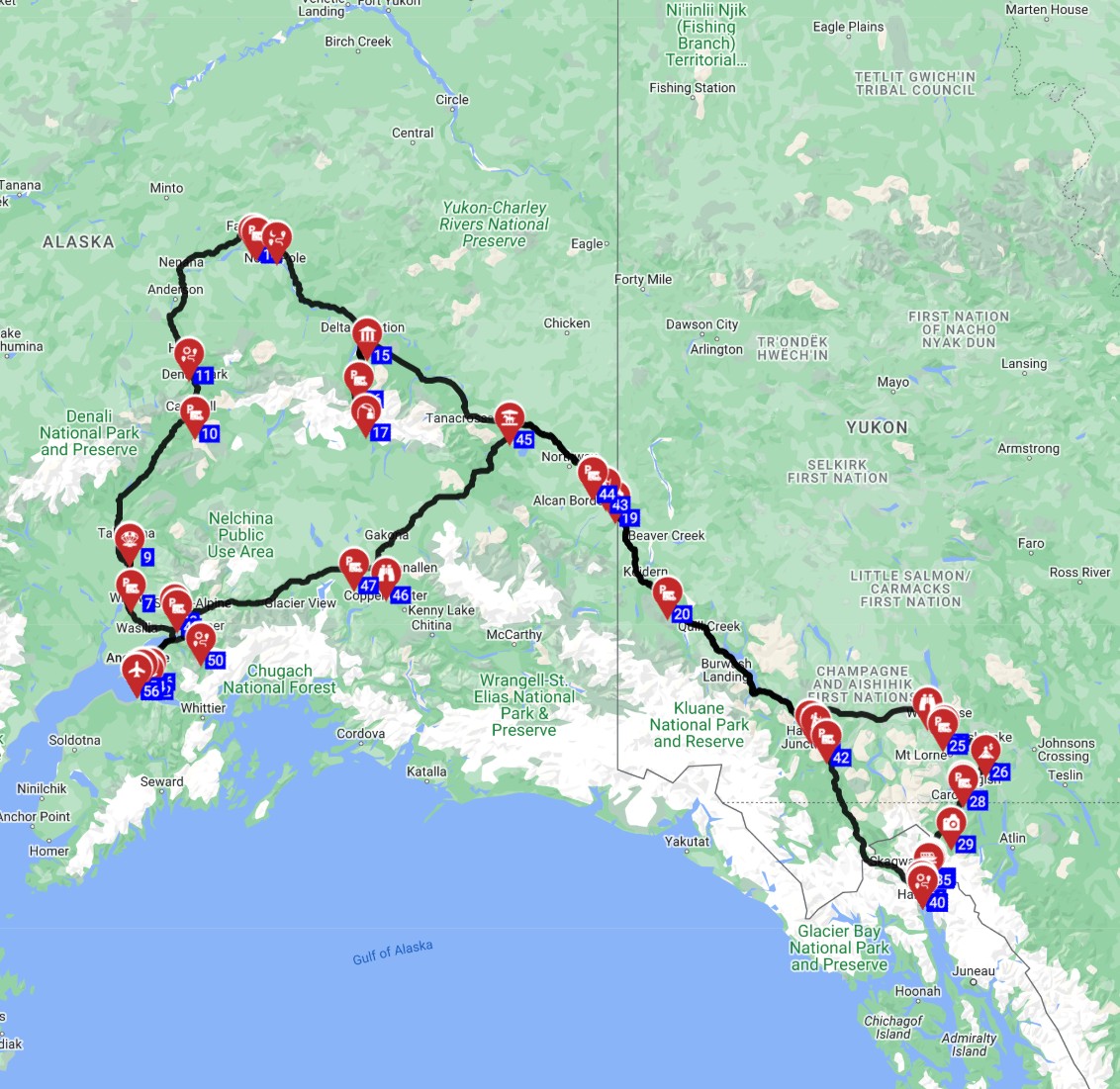
Anchorage Round Trip - Alaska-Yukon Discovery Trail
What is the best time of year to RV to Alaska?
The best time of year to RV to Alaska is generally between mid-June and mid-August, offering the warmest weather, longest daylight hours (up to 20 hours around the summer solstice), and full accessibility to most attractions and services. This peak season is ideal for national park visits, wildlife viewing, and enjoying activities like kayaking or hiking in places such as Denali National Park or Kenai Fjords National Park. The shoulder seasons of May and September also provide excellent RV opportunities with fewer crowds and potentially lower prices, though some services might be limited, and weather can be cooler with shorter daylight hours. May is ideal for spring wildlife viewing, particularly bears emerging from hibernation, and offers a chance to see the late-season aurora borealis if you head north. September, often referred to as "local's summer," offers stunning fall foliage and fewer insects, but both months carry a higher chance of encountering adverse weather conditions like rain or early snow. For an in-depth look at seasonal specifics, consult our "RV Travel Guide to Alaska - Tips and Top Spots 2026".What not to forget on an RV trip?
Beyond standard travel essentials, an Alaskan RV trip necessitates remembering critical items like a comprehensive first-aid kit, bear spray (and knowledge of its proper, legal use), high-quality insect repellent, and physical maps or a reliable GPS given spotty cell service. A Class C motorhome like the "Cruise America Explorer" has a fresh water tank capacity of 82 liters, so be mindful of water consumption in remote areas. It's easy to forget essentials for self-sufficiency in remote areas, so include extra water, non-perishable food, a basic tool kit for minor repairs, a tire pressure gauge, and a method for satellite communication if venturing far off main roads. Consider a "Patagonia Camper 4x4 double cab" for enhanced off-road capability in more rugged areas. Don't overlook small comforts that enhance the experience, such as binoculars for wildlife viewing, sturdy waterproof hiking shoes, layers of clothing for fluctuating temperatures, and a good camera to capture Alaska's stunning scenery. For a wider perspective on RV travel in the region, explore our "RV Rental USA - Complete Guide 2026".What You Shouldn't Miss
- **Drive the Seward Highway:** Experience one of America's most scenic byways, stretching 127 miles from Anchorage to Seward, offering stunning coastal views, glacier vistas, and opportunities for wildlife spotting. It's an unforgettable drive, perfect for your rented motorhome.
- **Explore Denali National Park:** Witness the majesty of North America's tallest peak. While private RVs can only access the first 15 miles of the park road, the hiking, bus tours, and visitor centers offer unparalleled wilderness experiences.
- **Visit Kenai Fjords National Park from Seward:** Take a boat tour from Seward to see tidewater glaciers calving into the ocean, and observe abundant marine wildlife including whales, sea otters, and puffins. It's an iconic Alaskan experience.
- **Discover Fairbanks and the Arctic Circle:** Journey north to Fairbanks, the gateway to the Arctic. From here, you can take a guided tour to cross the Arctic Circle, a truly unique accomplishment for any adventurer.
- **Hike to Exit Glacier:** Near Seward, this accessible trail offers a chance to walk right up to a glacier, part of the vast Harding Icefield. The short hike provides breathtaking views and a tangible connection to Alaska's icy giants.
Looking for expert insights from Avi Bandana? Top 5 Adventures - recommendations from Avi Bandana
🎬 Video coming soon
Final Thoughts
An RV trip through Alaska is more than just a vacation; it's an immersive journey into one of the world's last great wildernesses. By preparing well, understanding the unique conditions of the state, and embracing the spirit of slow travel, you're set to create memories that will last a lifetime. Imagine yourself surrounded by towering peaks, pristine glaciers, and abundant wildlife, all from the comfort and flexibility of your own rented motorhome or campervan. We at Bandana RV are here to support you every step of the way, from comparing prices across over 50 trusted suppliers to helping you plan your perfect route with RV PLANET. Our goal is to make your Alaskan RV adventure as seamless and enjoyable as possible, ensuring you focus on the breathtaking scenery and unique experiences rather than logistics. So, pack your bags, prepare for adventure, and get ready to discover the wild heart of Alaska. Are you ready to embark on your Alaskan adventure? Discover top destinations, planning tips, all in one place!On the routes offered through RV PLANET routes, you can itemize and track every expense along the way for easy budgeting.