In This Guide
- The 5 RV Families Compared for South Europe
- Class A (Integrated) - Best For
- Price Comparison by RV Class in South Europe
- Class SI (Semi-Integrated) - Best For
- Class C (Alcove) - Best For
- Class B (Campervan) - Best For
- Class TC (Truck Camper) - Best For
- Side-by-Side Comparison Table
- Our Recommendation for weekly rv rental Travelers in South Europe
- Is a 7-day RV rental worth it in South Europe?
- What are the best countries in South Europe for RVing?
- What is the best month to RV in South Europe?
- Can you wild camp in an RV in Europe?
- What is the cheapest way to RV in Europe?
- How much does it cost to rent an RV in Spain for a week?
- Which RV is best for traveling Europe?
- How much does it cost to tour Europe in an RV for 3 months?
- Top Cities for RV Rental in South Europe
- Practical Information for RV Travel in South Europe
- What You Shouldn't Miss
Planning a weekly RV rental in South Europe offers unparalleled freedom to explore stunning coastlines, ancient cities, and charming villages at your own pace. Whether you're a couple seeking a romantic escape or a family embarking on an adventure, understanding the different motorhome classes and how they compare is key to a smooth journey. For live availability and current prices, start with our RV Rental South Europe - Complete Guide 2026 guide.
The 5 RV Families Compared for South Europe
RV choice significantly impacts your travel experience on South Europe's diverse roads, from wide highways to narrow, historic village streets. When considering a weekly RV rental in South Europe, factors such as vehicle size, sleeping capacity, and fuel efficiency become important for an enjoyable trip. Thinking about a trip with varying climates? You'll want to consider the insulation and air conditioning needs, especially during warmer months. Remember, for those longer trips, we always recommend slow travel, averaging a maximum of 100-150 km per day to truly immerse yourself in the culture, food, and scenery.Class A (Integrated) - Best For
Class A motorhomes offer ultimate luxury and space, making them ideal for longer trips or larger groups who prioritize comfort above all else. Bandana's fleet of Class A vehicles typically averages 7.5 meters in length, providing sleeping space for about 4.4 people. These larger motorhomes commonly consume around 11-12 Liters per 100 km, which is reasonable given their size and amenities. They excel on major highways and offer excellent load capacity, often averaging 209.5 kg, allowing for extensive gear. While Class A motorhomes provide a spacious "home-away-from-home" feel, navigating South Europe's narrower, historic routes and finding city parking can be more challenging. Drive slowly and carefully, and you can drive almost anywhere without issues. No need to stress - just use common sense and pay attention.Price Comparison by RV Class in South Europe
RV rental prices in South Europe are dynamic, reflecting changes daily based on availability, seasonality, and specific supplier marketing decisions, much like flight tickets. The final price for your weekly RV rental is always set at the actual booking time. While exact fixed prices cannot be guaranteed, this section provides an overview of typical cost ranges for different RV classes. For a more detailed breakdown of costs, including various seasonal prices, explore our "RV Rental in South Europe - Prices and Best Deals 2026" guide. You might also find great value by checking out "Cheap RV Rental in South Europe - Budget Guide 2026".| RV Class | Typical Weekly Price Range (Low Season) | Typical Weekly Price Range (High Season) | Best For |
|---|---|---|---|
| Class B (Campervan) | €500 - €900 | €900 - €1,500 | Couples, solo travelers, city exploration |
| Class SI (Semi-Integrated) | €700 - €1,200 | €1,200 - €1,800 | Couples, small families, balanced comfort |
| Class C (Alcove) | €800 - €1,400 | €1,400 - €2,200 | Families, larger groups, ample space |
| Class A (Integrated) | €1,200 - €2,500+ | €2,500 - €4,000+ | Luxury, large groups, long trips |
| Class TC (Truck Camper) | €600 - €1,100 | €1,100 - €1,700 | Adventurous couples, off-road exploration |
Class SI (Semi-Integrated) - Best For
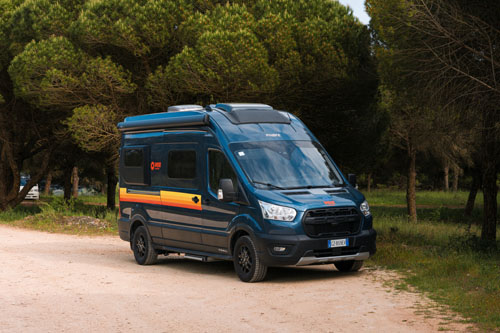
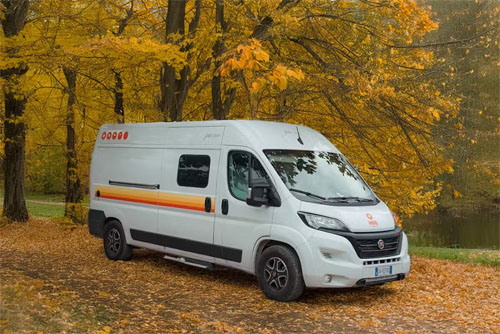
A Class SI, or Semi-Integrated, motorhome offers a balanced choice, providing comfort and amenities without the larger bulk of a Class A vehicle, making it ideal for couples or small families on a weekly RV rental in South Europe. Bandana's fleet of these caravans typically averages 6.9 meters in length, comfortably accommodating approximately 3.8 sleepers. These vehicles commonly consume about 10-11 Liters per 100 km, offering good fuel efficiency for touring. They are designed for easier maneuverability than Class A motorhomes, making them suitable for navigating a mix of highways and the charming, yet sometimes narrower, secondary roads found throughout South Europe. You get more living space and amenities than a campervan, hitting a sweet spot for many travelers.Class C (Alcove) - Best For
Class C, or Alcove, motorhomes are an excellent choice for families due to their permanent sleeping area located above the cab, which ensures additional privacy and space. Bandana's Class C fleet typically measures around 7.5 meters, designed to comfortably sleep approximately 5.8 people. These motorhomes usually consume between 10-12 Liters per 100 km, offering a good balance of size and efficiency for family adventures. With ample living and storage space, they are well-suited for longer stays or larger groups exploring South Europe. While they might be more challenging on very narrow South European roads compared to smaller options, they are generally manageable with careful driving.Class B (Campervan) - Best For
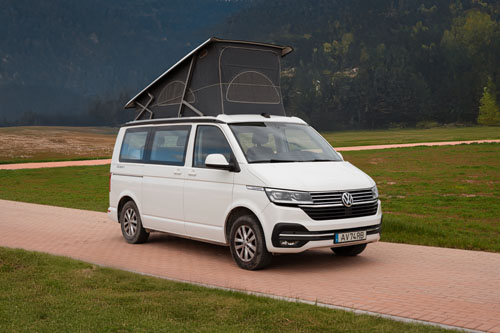
Class B campervans are the most nimble and fuel-efficient option, making them perfect for couples or solo travelers who want to explore the diverse landscapes and intimate towns of South Europe. Bandana's campervan fleet typically averages 5.8 meters in length, comfortably sleeping around 3.2 people. These compact vehicles commonly consume about 10 Liters per 100 km, offering excellent value for your fuel budget. Campervans are ideal for navigating narrow city streets, finding parking in smaller spaces, and reaching remote locations often inaccessible to larger RVs. They provide a minimalist travel experience with essential amenities, making them easy to set up and pack for weekly rentals and spontaneous adventures.Class TC (Truck Camper) - Best For
Class TC, or Truck Campers, offer unique flexibility as a detachable unit, allowing the truck to be used independently for exploring rugged or off-the-beaten-path areas. Bandana's Truck Camper fleet typically measures 5.5 meters, suitable for approximately 2.4 sleepers. Fuel consumption can be higher, averaging 12-17 Liters per 100 km, due to the robust nature of the truck chassis. These rentals are best for adventurous travelers seeking greater off-road capability and varied exploration opportunities, particularly in regions with unpaved roads. Truck Campers have limited load capacity, primarily for passengers and minimal gear, requiring careful packing to ensure a safe and comfortable trip.Side-by-Side Comparison Table
This table directly compares key specifications of different RV classes, aiding in quick decision-making for your weekly RV rental in South Europe. Understanding these differences helps travelers select a motorhome that best fits their group size, desired level of comfort, and travel style across South Europe's varied terrain. Bandana is a true RV specialist, focused exclusively on RV travel, providing unmatched personal experience to help you choose the right fit.| RV Class | Average Length | Sleeping Capacity (Avg.) | Fuel Consumption (Avg. L/100km) | Ideal Use Cases |
|---|---|---|---|---|
| Class A (Integrated) | 7.5m | 4.4 people | 11-12 | Luxury, large groups, highways, longer trips |
| Class SI (Semi-Integrated) | 6.9m | 3.8 people | 10-11 | Couples, small families, balanced comfort and maneuverability |
| Class C (Alcove) | 7.5m | 5.8 people | 10-12 | Families, larger groups, ample space, easy driving |
| Class B (Campervan) | 5.8m | 3.2 people | 10 | Couples, solo travelers, city navigation, fuel efficiency |
| Class TC (Truck Camper) | 5.5m | 2.4 people | 12-17 | Adventurous couples, off-road, remote exploration |
Our Recommendation for weekly rv rental Travelers in South Europe
For most weekly RV rental travelers in South Europe, a Class SI (Semi-Integrated) motorhome is our primary recommendation. It strikes an excellent balance between comfort, essential amenities, and a relatively manageable size, averaging 6.9 meters, which is crucial for navigating South Europe's diverse roads. The runner-up recommendation, particularly for couples or solo adventurers prioritizing maneuverability and fuel efficiency on a shorter trip, is a Class B (Campervan). Campervans excel in accessing smaller villages and finding parking with ease, while semi-integrated motorhomes provide more spacious living areas for a truly comfortable week-long journey. Both options offer a strong fit for the typical South European weekly rental experience.Is a 7-day RV rental worth it in South Europe?
A 7-day RV rental in South Europe is highly worthwhile for concentrated regional exploration, offering a perfect blend of freedom and discovery. This duration is ideal for focused itineraries within a specific country, such as exploring the stunning Portuguese coast or immersing yourself in the rolling hills of Tuscany, rather than attempting to cover vast distances across multiple countries. A week provides ample flexibility to adapt to local weather, linger longer in a captivating town, or make spontaneous discoveries, fostering a deeper immersion in local cultures and off-the-beaten-path experiences. It also offers a cost-effective way to combine accommodation and transport for a memorable trip.What are the best countries in South Europe for RVing?
Portugal, Spain, Italy, and Greece are widely recognized as top destinations for RVing in South Europe, each presenting distinct advantages and unique challenges for travelers. **Portugal** offers stunning coastlines, a growing network of motorhome parks, and generally RV-friendly policies, though caution is advised on narrow village roads. **Spain** boasts incredibly diverse landscapes, from sun-drenched beaches to rugged mountains, with extensive service areas and a welcoming 'pernocta' (overnight parking) culture in designated spots, but strict wild camping rules apply in many regions. **Italy** provides an unparalleled blend of history, exquisite food, and picturesque countryside, supported by numerous 'aree di sosta' (designated motorhome parking areas), though city driving and very narrow mountain passes can be demanding. **Greece** is unique, presenting ancient ruins, beautiful islands accessible via RV ferries, and incredible hospitality, although RV infrastructure can be less developed outside major tourist hubs. When choosing your destination, carefully consider road infrastructure challenges, local driving customs, and the availability of essential services. You might also find invaluable resources in "RV Travel Guide to South Europe - Tips and Top Spots 2026".What is the best month to RV in South Europe?
The optimal time to RV in South Europe is during the shoulder seasons-April to early June and September to October-as these months offer the most pleasant weather and significantly reduced crowds. Spring (April-June) provides blooming landscapes, moderate temperatures generally ranging from 15-25°C, and lower rental prices compared to peak summer. Autumn (September-October) offers comfortably warm seas for swimming, vibrant grape harvests, and excellent touring conditions with temperatures similar to spring, plus fewer tourists. Conversely, summer (July-August) can be extremely hot, crowded, and considerably more expensive, especially in popular coastal areas and major cities, often requiring strategic planning for shaded campsites and early morning explorations. Winter (November-March) brings cooler temperatures and quieter destinations with limited services in some areas, but can be an ideal period for sun-seekers exploring southern Spain or Portugal.Can you wild camp in an RV in Europe?
Wild camping or overnight parking an RV in South Europe is generally restricted and varies significantly by country, with explicit prohibitions common in most popular tourist areas. In **Spain**, while full wild camping is largely prohibited, 'pernocta' (overnight parking without engaging in traditional camping activities like setting out awnings or chairs) is often tolerated in permitted areas, usually away from protected zones; travelers should always check local signs and use apps like Park4Night for designated spots. **Portugal** recently tightened its legislation, making wild camping generally illegal outside designated areas, with potentially significant fines, so relying on official campsites or motorhome service areas is crucial. In **Italy**, wild camping is mostly illegal, particularly near coasts and in national parks; however, numerous 'aree di sosta' (designated free or low-cost overnight parking areas for motorhomes) are widely available and should be utilized. For **Greece**, explicit wild camping is prohibited; isolated spots might be tolerated in very remote areas, but it carries a risk of fines; always opt for official campsites or seek informal agreements with local landowners where possible. Enforcement varies greatly by region, but travelers should be aware that ignorance of local laws is not an excuse for non-compliance.What is the cheapest way to RV in Europe?
The cheapest way to experience RV travel in Europe involves strategic planning around rental choices, travel times, and daily expenditures, with prioritizing a Class B Campervan for its superior fuel efficiency. Opting for a smaller, more compact campervan, which averages 10 Liters per 100 km in Bandana's fleet, also significantly reduces costs for tolls and ferry crossings. Traveling during the shoulder seasons (April-June, September-October) is highly recommended to secure lower rental rates and cheaper campsite fees. Booking your rented RV several months in advance allows access to early bird discounts and better vehicle availability, a key aspect discussed in "Weekly RV Rental in South Europe - Pricing 2026". To further save money, minimize eating out by cooking most meals in your RV's onboard kitchen (check out our RV-friendly recipes playlist for inspiration); groceries from local markets are always more affordable than restaurant dining. Additionally, utilize free or low-cost overnight parking spots, like Spain's 'pernocta' or Italy's 'aree di sosta', and consider campsite memberships for discounts on longer stays.How much does it cost to rent an RV in Spain for a week?
Renting an RV in Spain for a week can range from approximately €500 for a compact campervan in the low season to over €1500 for a larger Class C motorhome during peak summer, heavily influenced by the RV class, season, and how far in advance you book. For example, a "cruise america example EX-Group A" campervan might start around €76 per day in low season, making a week roughly €532. Seasonality is a major factor: peak summer (July-August) sees the highest prices and demand, while shoulder seasons (spring and autumn) offer significantly better value. Base rental prices typically cover basic insurance and a set amount of mileage, but often exclude additional drivers, extra mileage packages, comprehensive insurance upgrades, and optional extras like bedding or kitchen kits. Ancillary costs for a weekly rental in Spain also include fuel (with most motorhomes averaging 10-12L/100km), tolls, and campsite fees, which typically range from €15-€45 per night. For a practical one-week trip, budgeting an additional €300-€600 for these variable expenses, depending on your itinerary and driving habits, is a realistic estimate. Don't forget to explore "One-Way RV Rental in South Europe - Price Guide 2026" if your plans involve different pick-up and drop-off locations.Which RV is best for traveling Europe?
The best RV for traveling Europe ultimately depends on individual travel preferences, group size, budget, and the specific regions you plan to explore. For couples or solo travelers prioritizing maneuverability, fuel efficiency, and ease of parking in South Europe's charming cities and small villages, a Class B Campervan (with Bandana's fleet averaging 5.8m in length and 10L/100km fuel consumption) is often the superior choice. Families or groups of 3-4 seeking a comfortable balance of living space and manageable size for varied terrains will find Class SI (Semi-Integrated) motorhomes highly suitable (averaging 6.9m). Larger families or those desiring maximum interior space and separate sleeping areas might opt for a Class C (Alcove) motorhome (around 7.5m), acknowledging its larger footprint. For rugged, off-grid adventures or accessing very remote areas, a Class TC (Truck Camper) offers unique flexibility due to its detachable nature and 4x4 capabilities. Always consider the average dimensions and fuel consumption of your chosen rental, as these factors significantly impact the overall European travel experience, especially when navigating winding roads or historic centers.How much does it cost to tour Europe in an RV for 3 months?
Touring Europe in an RV for 3 months typically costs between €8,000 and €20,000+, with the final amount heavily depending on the chosen RV class, the detailed itinerary, your travel style, and daily expenditures. For instance, long-term RV rentals often come with discounted weekly or monthly rates, but a full 3-month rental can still range from €4,000 to €12,000+ for mid-range motorhomes. Fuel will be a major ancillary expense for extensive travel, potentially adding €2,000-€5,000+ to your budget, based on mileage and fuel efficiency (most motorhomes average 10-12L/100km). For campsites and overnight parking, budget approximately €1,000-€2,500+ for a mix of official campgrounds, motorhome parks, and occasional free spots over 90 nights. Self-catering by preparing meals in your RV can significantly reduce food costs, budgeting €800-€1,500 for groceries, with extra allocated for occasional restaurant meals. Additionally, account for miscellaneous expenses such as tolls, ferry crossings (especially if island hopping in Greece or Italy), tourist attractions, and a contingency for minor repairs or unexpected costs, which can easily add another €1,000-€3,000+. Choosing a smaller, more economical RV and consistently cooking your own meals are the most effective strategies to manage costs for an extended European RV adventure.Top Cities for RV Rental in South Europe
South Europe offers numerous vibrant cities perfect as starting points or key stops for a weekly RV rental adventure, each providing a unique cultural and historical experience.- Lisbon, Portugal: As the vibrant capital, Lisbon is an excellent gateway to explore Portugal's Atlantic coast and the charming towns of the Algarve. RV rental pickups are typically available near the airport or city outskirts.
- Barcelona, Spain: This Catalonian gem combines stunning architecture with beautiful beaches, serving as a prime starting point for journeys into the Pyrenees or along the Costa Brava.
- Rome, Italy: Imagine parking your rented motorhome near the Eternal City and exploring millennia of history on foot. Rome provides easy access to Tuscany's rolling hills or the dramatic Amalfi Coast.
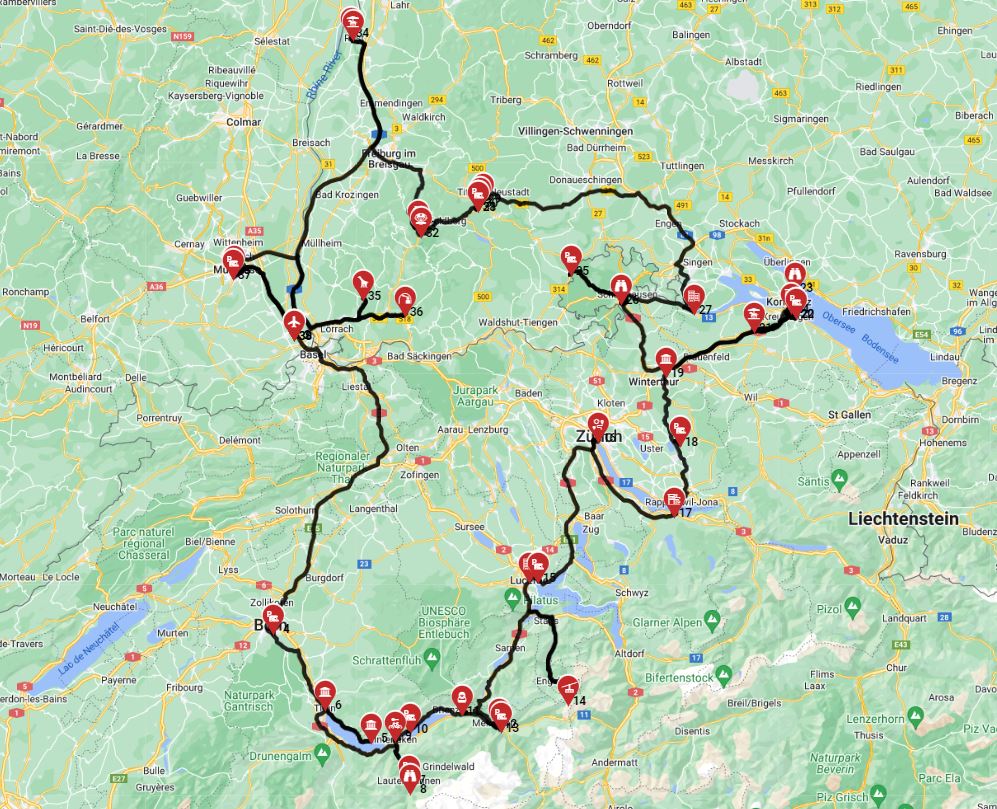
- Milan, Italy: A hub of fashion and finance, Milan is a great starting point for RV excursions into the Italian Lakes District, the Alps, or even a cross-border trip into Switzerland.
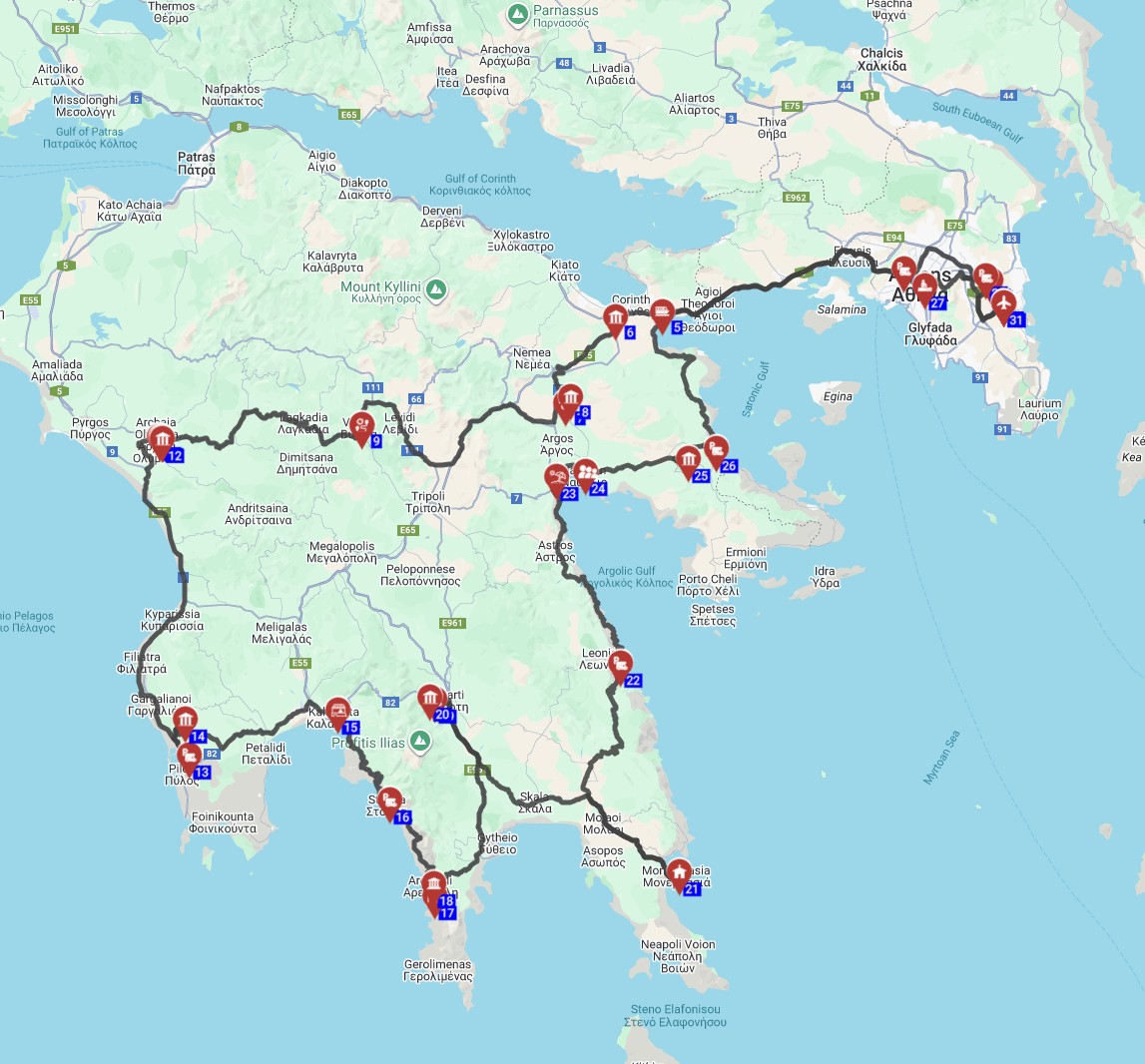
- Athens, Greece: The birthplace of democracy, Athens offers ancient wonders and a vibrant modern atmosphere, perfect for beginning an RV trip to the Peloponnese or catching a ferry to the Greek islands.
- Seville, Spain: Experience the heart of Andalusia with its flamenco, tapas, and Moorish architecture. Seville is a fantastic base for exploring southern Spain's whitewashed villages and national parks.
- Porto, Portugal: Famous for its wine and historic Ribeira district, Porto is an ideal starting point for discovering northern Portugal's Douro Valley by rented campervan.
- Palermo, Italy (Sicily): For a distinct island adventure, Palermo offers rich history and culinary delights, providing a unique base to explore Sicily's ancient ruins and volcanic landscapes.
Practical Information for RV Travel in South Europe
Embarking on an RV adventure in South Europe means encountering a mix of familiar and unique road rules and customs. Road rules generally mandate driving on the right side of the road, similar to most of continental Europe. Speed limits typically range from 50 km/h in urban areas to 90-110 km/h on main roads and 130 km/h on motorways, though these can vary by vehicle type and country, so always observe local signage. For international visitors, an International Driving Permit (IDP) is recommended for easier communication with authorities and rental agencies, although a standard car driver's license is sufficient for all motorhome classes (Class A, Class B, Class C). Toll roads are common in countries like Portugal, Spain, and Italy; consider purchasing an electronic toll device or planning your routes to minimize costs, as some roads only accept electronic payments. Emergency numbers across the EU are standardized with 112 for all services. Staying connected is easy with prepaid SIM cards available at airports or local stores, offering affordable data packages for navigation and communication.What You Shouldn't Miss
- Coastal Drives of Portugal: Rent a campervan and traverse the stunning N2 highway or the Algarve's scenic coastal roads, stopping at hidden beaches and charming fishing villages like Cascais and Lagos.
- Andalusian White Villages in Spain: Explore the "Pueblos Blancos" (white villages) of Andalusia, such as Ronda and Grazalema, driving winding mountain roads and experiencing authentic Spanish culture.
- Tuscan Countryside and Vineyards, Italy: Park your motorhome amidst the rolling hills of Tuscany, sampling local wines and exquisite Italian cuisine. Imagine cooking dinner with fresh produce right at your campsite overlooking a vineyard.
- The Acropolis and Beyond in Greece: Discover the ancient wonders of Athens, then drive your rented RV to the Peloponnese to visit Mycenae, Olympia, and Epidaurus, combining historical exploration with scenic coastal drives.
- Sardinia's Emerald Coast: Take an RV-friendly ferry to Sardinia, Italy, and explore the Costa Smeralda's turquoise waters and pristine beaches, finding secluded spots with your mobile home.
- The Douro Valley, Portugal: Drive your mobile home through the terraced vineyards of the Douro Valley, a UNESCO World Heritage site, and indulge in world-renowned Port wine tasting experiences.
Final Thoughts
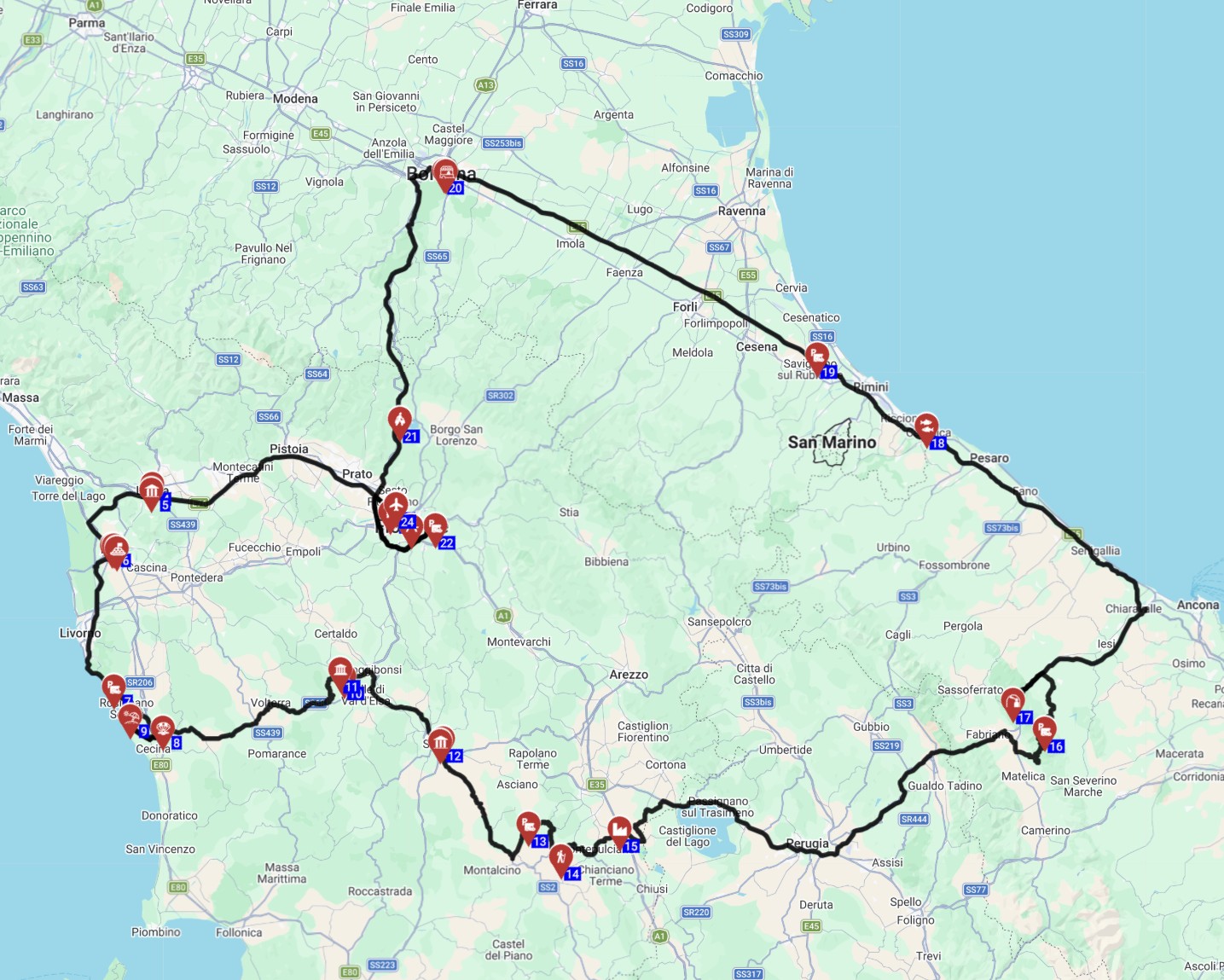
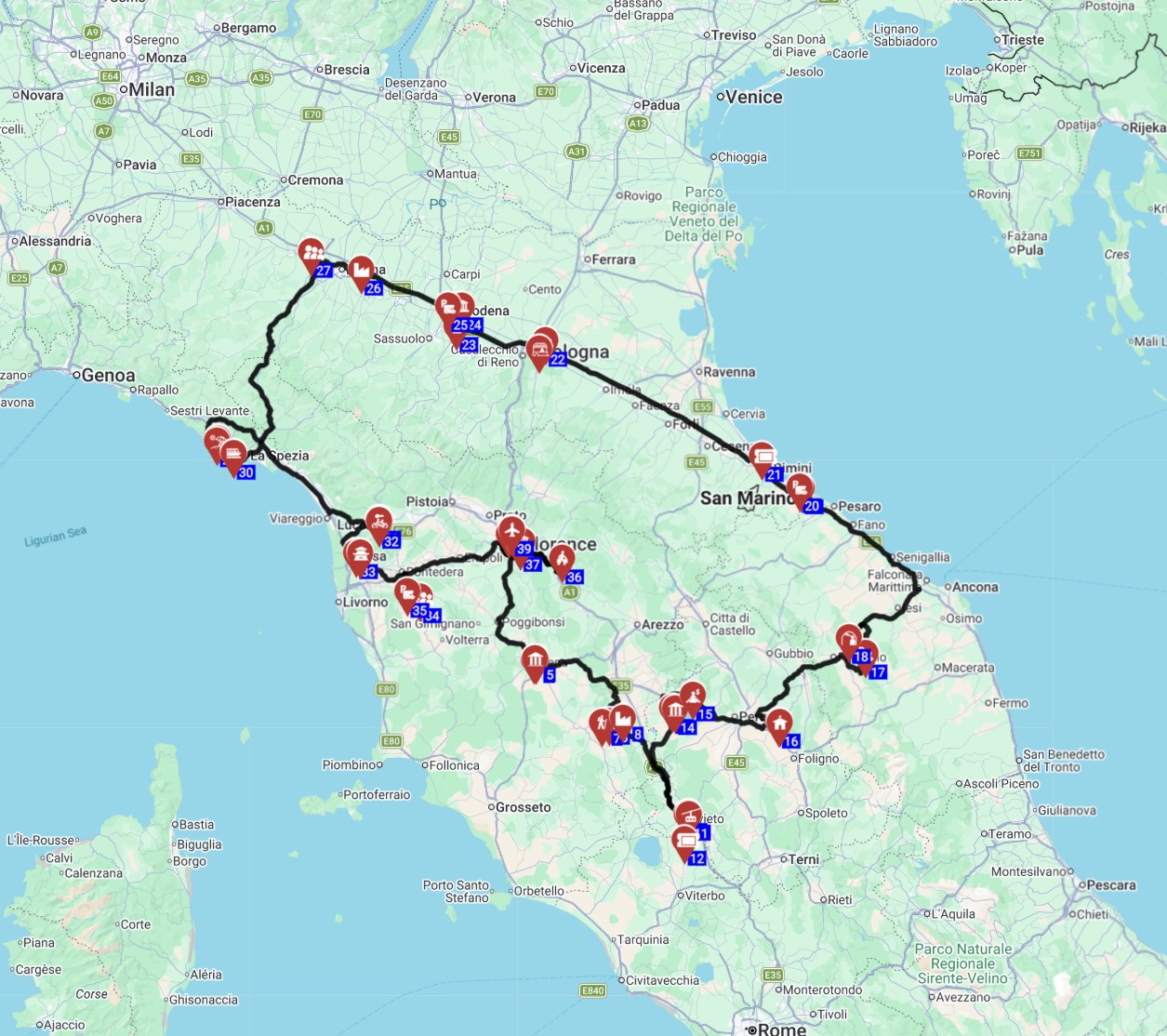
A weekly RV rental in South Europe is more than just a trip; it's an invitation to explore a region rich in history, culture, and breathtaking landscapes at your own pace. Imagine the freedom of waking up to a new view every day, with your comfortable mobile home as your base. Whether you're navigating the coastal roads of Portugal or the historic heart of Italy, a rented motorhome offers a unique and intimate way to experience everything South Europe has to offer. Choosing the right RV for your adventure is a big part of the fun, and we're here to make that process as easy and transparent as possible. With our expert advice, clear pricing, and dedicated support, you can plan a trip itinerary in advance with minimal effort and maximum enjoyment. Get inspired for your next trip, and discover top destinations, planning tips, all in one place with Bandana Caravan. Ready to start your unforgettable journey? Compare Weekly RV Rentals in South Europe and find your perfect mobile home for an incredible adventure.On the routes offered through RV PLANET routes, you can itemize and track every expense along the way for easy budgeting.