In This Guide
- The 5 RV Families Compared for Scotland
- Class A (Integrated) - Best For
- Price Comparison by RV Class in Scotland
- Class SI (Semi-Integrated) - Best For
- Class C (Alcove) - Best For
- Class B (Campervan) - Best For
- Side-by-Side Comparison Table
- Our Recommendation for weekly rv rental Travelers in Scotland
- What is the best time of year to RV in Scotland
- How much does it cost to RV Scotland for a week
- Can you wild camp in an RV in Scotland
- Where can you RV wild camp in Scotland
- Can you take an RV on Scottish ferries
- Is the North Coast 500 suitable for RVs
- Are there tolls for RVs in Scotland
- What are the best less crowded RV routes in Scotland
- What do you need to know about driving an RV in Scotland
- Do you need a special license to drive an RV in Scotland
- How to dispose of RV waste in Scotland
- What about connectivity and emergencies in a Scottish RV rental
- What You Shouldn't Miss
- Why Book with Bandana Caravan
- Final Thoughts
- Frequently Asked Questions
Exploring Scotland in a rented motorhome or campervan offers an unparalleled sense of freedom, allowing you to immerse yourself in its dramatic landscapes, historic castles, and vibrant culture at your own pace. For live availability and current prices, start with our RV Rental Scotland - Complete Guide 2026 guide. Whether you're planning a week-long journey along the lochs or an extended road trip through the Highlands, choosing the right RV for your weekly rental in Scotland is key to a comfortable and memorable adventure. With Bandana Caravan, you're partnering with true RV specialists who understand the nuances of motorhome travel, ensuring full transparency with no hidden fees and dedicated support before and after your booking.
The 5 RV Families Compared for Scotland
Choosing the right RV family significantly impacts your weekly RV rental experience in Scotland due to its diverse terrain, often narrow roads, and variable climate. When considering a rented campervan or motorhome, travelers should assess their group size, desired comfort level, ease of driving on single-track roads, and whether they plan to venture off the main routes. Your vehicle choice will directly influence factors like fuel consumption, maneuverability through charming villages, and overall suitability for Scotland's unique landscapes, from the bustling central belt to the remote Highlands. We compare final prices across 50+ suppliers worldwide, ensuring you find the best vehicle for your Scottish adventure.
Class A (Integrated) - Best For
Class A (Integrated) motorhomes are best suited for larger groups or families seeking maximum comfort and luxury on a weekly RV rental in Scotland, especially if sticking to main roads. These impressive vehicles, with an average length of 7.5 meters and sleeping capacity for around 4 adults (or up to 6 with additional sleeping arrangements), offer spacious living areas and premium amenities like large kitchens and separate sleeping quarters. While providing a home-like experience, their significant size can pose challenges on Scotland's famously narrow roads and single-track routes, potentially leading to higher stress for drivers and an average fuel consumption of 11-12 liters per 100 km. Drive slowly and carefully, and you can drive almost anywhere without issues. No need to stress - just use common sense and pay attention.
Price Comparison by RV Class in Scotland
Pricing for weekly RV rentals in Scotland is dynamic and flexible, meaning prices update daily based on availability, demand, and season, much like flight tickets. The table below illustrates example prices pulled from Bandana's live search for various RV classes, though these are not guaranteed and can change. For the most current and accurate numbers for your specific dates, we encourage using our search box.
Live April Price Comparison — RV Class × Trip Length
| Trip length | Class A | Class B | Class C | Class SI | Class TC |
|---|---|---|---|---|---|
| 1 week 15/04 → 22/04 | [Price_ClassType-A_PickupID-97_DropoffID-97_PickupDate-15/04_DropoffDate-22/04] | [Price_ClassType-B_PickupID-97_DropoffID-97_PickupDate-15/04_DropoffDate-22/04] | [Price_ClassType-C_PickupID-97_DropoffID-97_PickupDate-15/04_DropoffDate-22/04] | [Price_ClassType-SI_PickupID-97_DropoffID-97_PickupDate-15/04_DropoffDate-22/04] | [Price_ClassType-TC_PickupID-97_DropoffID-97_PickupDate-15/04_DropoffDate-22/04] |
| 2 weeks 15/04 → 29/04 | [Price_ClassType-A_PickupID-97_DropoffID-97_PickupDate-15/04_DropoffDate-29/04] | [Price_ClassType-B_PickupID-97_DropoffID-97_PickupDate-15/04_DropoffDate-29/04] | [Price_ClassType-C_PickupID-97_DropoffID-97_PickupDate-15/04_DropoffDate-29/04] | [Price_ClassType-SI_PickupID-97_DropoffID-97_PickupDate-15/04_DropoffDate-29/04] | [Price_ClassType-TC_PickupID-97_DropoffID-97_PickupDate-15/04_DropoffDate-29/04] |
| 1 month 01/04 → 30/04 | [Price_ClassType-A_PickupID-97_DropoffID-97_PickupDate-01/04_DropoffDate-30/04] | [Price_ClassType-B_PickupID-97_DropoffID-97_PickupDate-01/04_DropoffDate-30/04] | [Price_ClassType-C_PickupID-97_DropoffID-97_PickupDate-01/04_DropoffDate-30/04] | [Price_ClassType-SI_PickupID-97_DropoffID-97_PickupDate-01/04_DropoffDate-30/04] | [Price_ClassType-TC_PickupID-97_DropoffID-97_PickupDate-01/04_DropoffDate-30/04] |
Estimates only — flex-rate prices change daily based on availability and season.
Remember that the final price is set at the actual booking time. Bandana Caravan ensures full price transparency, so what you see is what you get, with no hidden fees or surprises.
Class SI (Semi-Integrated) - Best For
Class SI (Semi-integrated) motorhomes are often the balanced choice for weekly RV rental travelers in Scotland, ideal for couples or small families (averaging 3-4 sleeping places) who desire comfort without the bulk of a Class A. These units, with an average length of 6.9 meters, offer a good compromise between interior space and maneuverability on Scottish roads, typically consuming 10-11 liters per 100 km. Semi-integrated RVs often outperform Class A in ease of navigation on winding routes and are generally more fuel-efficient, while also providing more amenities and dedicated living space than a Class B campervan. This makes them suitable for extensive touring across diverse Scottish landscapes, from coastal roads to national parks. For budget-conscious travelers, considering a Cheap RV Rental in Scotland - Budget Guide 2026 can help find economical options in this class.
Class C (Alcove) - Best For
Class C (Alcove) motorhomes are best suited for families with children or larger groups on a weekly RV rental in Scotland, primarily due to their characteristic over-cab sleeping area. These RVs, averaging 7.5 meters in length, typically offer the most sleeping places (around 5-6) for their size, accommodating 4-5 adults comfortably and making them a cost-efficient option for bigger parties. Their robust build and generous interior space are well-suited for varied Scottish road conditions, providing ample room for gear and a comfortable base for exploring, albeit with an average fuel consumption of 10-12 liters per 100 km. With a rented RV like this, cooking meals can be a joy. Check out our RV-friendly recipes playlist for inspiration!
Class B (Campervan) - Best For
Class B (Campervan) rentals are ideal for couples, solo adventurers, or small groups seeking maximum maneuverability and fuel economy during a weekly RV trip in Scotland. These compact vehicles, averaging 5.8 meters in length and sleeping around 2-3 people, are perfect for navigating Scotland's narrow country roads, charming villages, and even some city streets, with an efficient fuel consumption of about 10 liters per 100 km. Campervans are particularly favored for scenarios like exploring the North Coast 500, island hopping, or accessing remote areas where larger RVs might struggle, offering a more immersive and flexible travel experience. Our Weekly RV Rental in Scotland - Pricing 2026 guide can help you compare options in this popular category. Drive slowly and carefully, and you can drive almost anywhere without issues. No need to stress - just use common sense and pay attention.
🎬 Video coming soon
Side-by-Side Comparison Table
This table provides a concise side-by-side comparison of the key features for each RV family, aiding your decision for a weekly RV rental in Scotland. Remember, these are averages, and specific models may vary.
| Family | Avg Length (m) | Sleeps (Avg) | Fuel Use (Avg Liter/100km) | Best Use Case in Scotland |
|---|---|---|---|---|
| Class A (Integrated) | 7.5 | 4-6 | 11-12 | Luxury, spacious touring for larger groups on main roads. |
| Class SI (Semi-Integrated) | 6.9 | 3-4 | 10-11 | Balanced comfort & maneuverability for couples/small families. |
| Class C (Alcove) | 7.5 | 5-6 | 10-12 | Families with children, maximum sleeping capacity, cost-effective. |
| Class B (Campervan) | 5.8 | 2-3 | ~10 | Couples/solo, maximum maneuverability, fuel economy, remote access. |
Our Recommendation for weekly rv rental Travelers in Scotland
For most weekly RV rental travelers in Scotland, especially those keen to explore both popular routes and hidden gems, a Class B (Campervan) is our primary recommendation due to its unparalleled maneuverability and fuel efficiency. Its compact size makes navigating Scotland's narrow, winding roads, single-track routes, and tight village streets significantly less stressful, allowing access to more remote and picturesque locations. As a runner-up, a Class SI (Semi-integrated) offers an excellent balance, providing more living comfort and amenities than a campervan while remaining more manageable than larger Class A or C models. This makes it ideal for small families or couples desiring a bit more space without sacrificing too much agility. Ultimately, your choice will depend on your group size, budget, and travel style, but both options offer a fantastic way to experience Scotland. For finding campsites and campgrounds during your trip, we recommend using rvplan.net - a great resource for locating available spots along your route, and a handy way to itemize and track every expense with RV PLANET routes.
What is the best time of year to RV in Scotland
The best time of year to RV in Scotland largely depends on your priorities, with late Spring (April-May) and early Autumn (September-October) generally offering the most favorable conditions for a weekly RV rental. These shoulder seasons provide milder weather, fewer midges than summer, and less crowded roads and campsites, making for a more relaxed touring experience. Summer (June-August) offers the warmest temperatures and longest daylight hours (up to 18 hours in the far north) but is peak tourist season, bringing higher prices, greater crowds, and the prevalence of midges, especially in damp areas. Winter RV travel is possible but brings challenges like shorter days (as little as 6 hours of daylight in December), potential road closures due to snow and ice, and limited campsite availability, though it offers unique opportunities like aurora borealis viewing and quiet, dramatic landscapes.
How much does it cost to RV Scotland for a week
The cost to RV Scotland for a week can vary significantly, typically ranging from £400 to over £1200, depending on the RV class, rental company, season, and how far in advance you book. Beyond the rental fee itself, a comprehensive budget should account for ancillary costs such as fuel (especially with typical consumption of 10-12 liters/100km), campsite fees (average £25-£45 per night), ferry fees for RVs to the islands (which can be substantial, from £50 to over £200 for a return, and depend on vehicle length), and attraction entry costs (e.g., £15-£30 per person for major castles). Additionally, factors like optional insurance upgrades, propane, and groceries for your trip will contribute to the overall expenditure. Remember, prices are dynamic and set at the time of booking, but we offer full transparency on all costs, with no hidden fees. On the routes offered through RV PLANET routes, you can itemize and track every expense along the way for easy budgeting.
Can you wild camp in an RV in Scotland
While Scotland's Scottish Outdoor Access Code generally permits wild camping for tents, RVs and motorhomes operate under different and generally more restrictive regulations, making true 'wild camping' in an RV largely prohibited or discouraged. Overnight parking in a rented RV is often restricted in sensitive or popular areas, with clear 'No Overnight Parking' or 'No Overnight Stays' signs. Local bylaws in towns and popular tourist spots may also explicitly prohibit it, with fines sometimes exceeding £100 for non-compliance. Responsible access for vehicles typically means using designated motorhome stops, paid campsites, or obtaining explicit permission from private landowners. Improper waste disposal (both grey and black water) is illegal and can result in significant fines and environmental damage.
Where can you RV wild camp in Scotland
Legally designated motorhome stops, known as 'Aires' or 'Stopovers,' and some private landowners are the primary places where RVs can typically wild camp or stay overnight in Scotland. These designated spots, often found in more remote areas or smaller communities, sometimes require a small fee of £5-£15 and provide a safe and permitted place to park for the night, often with basic services like waste disposal. Resources like the Park4Night app can help locate these permitted overnight spots and service points, though it is crucial to always respect local signage, seek permission on private land, and ensure all waste is disposed of responsibly at proper facilities, never in the wild. Many National and State Parks also offer a portion of their campsites on a first-come, first-served basis, especially during off-peak seasons, so you'll always find a spot, even if it's not the first campground you try.
Can you take an RV on Scottish ferries
Yes, RVs can generally be taken on Scottish ferries to the islands, but it is essential to pre-book well in advance, especially during peak seasons from June to August, as space for larger vehicles is often limited. Ferry operators like CalMac (Caledonian MacBrayne) assess fares based on vehicle length and height, meaning RVs will incur higher costs (typically 2-3 times more than a standard car) than standard cars, and accurate measurements are crucial when booking to avoid issues at the port. Checking specific route availability and booking many months ahead (up to 6-12 months for popular routes) is highly recommended to secure a spot and ensure your itinerary for popular destinations like Skye, the Outer Hebrides, or Orkney and Shetland runs smoothly. For example, a return ferry to Mull for a 7m motorhome can cost around £120-£150 in peak season.
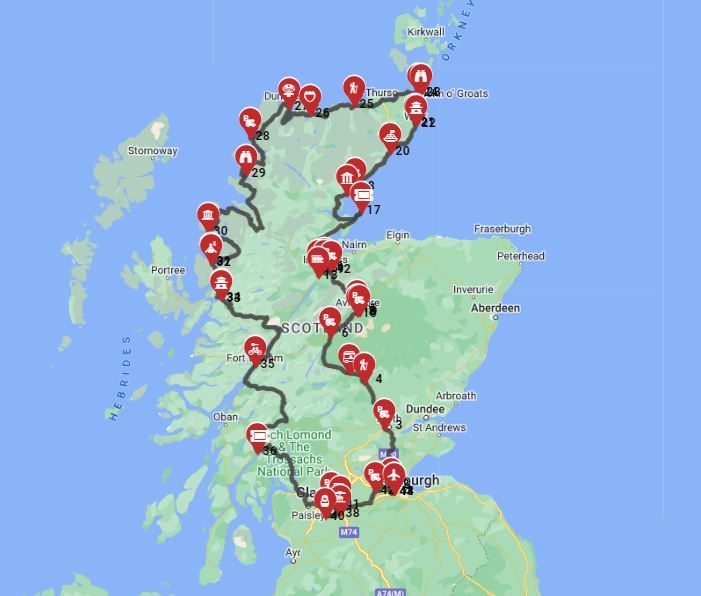
Is the North Coast 500 suitable for RVs
The North Coast 500 (NC500) is a popular and scenic route that is largely suitable for RVs, but drivers of larger vehicles should be prepared for numerous single-track roads, sharp bends, and specific etiquette for passing. Smaller RVs or campervans (Class B and SI) are generally more suitable and offer a less stressful journey on the NC500, especially on sections like the Bealach na Bà Pass (Applecross) which is strictly unsuitable for vehicles over 5.5m (18ft) in length. Essential tips for RVers on the NC500 include utilizing passing places correctly (pulling over to let faster traffic pass), planning fuel stops every 100-150 km, and considering traveling during the shoulder seasons (April-May or September-October) to avoid the busiest times and larger vehicle traffic. Remember to travel slowly, max 100-150 km per day on average, to truly take time to feel the place, connect to the culture, the food, and the scenery.
Are there tolls for RVs in Scotland
Generally, there are very few road tolls for RVs or any vehicles in Scotland, with the vast majority of roads, including motorways and major routes like the A9 and A82, being free to use. Historically, the Forth Road Bridge and Skye Bridge had tolls, but these have since been abolished, making almost all public roads accessible without charge. While traditional road tolls are rare, some private estates or car parks might charge a fee (e.g., £5-£10 for day parking) for entry or overnight parking, and ferry services to the islands (as mentioned previously) do have vehicle charges. So, when planning your RV Rental in Scotland - Prices and Best Deals 2026, you can largely exclude road tolls from your budget.
What are the best less crowded RV routes in Scotland
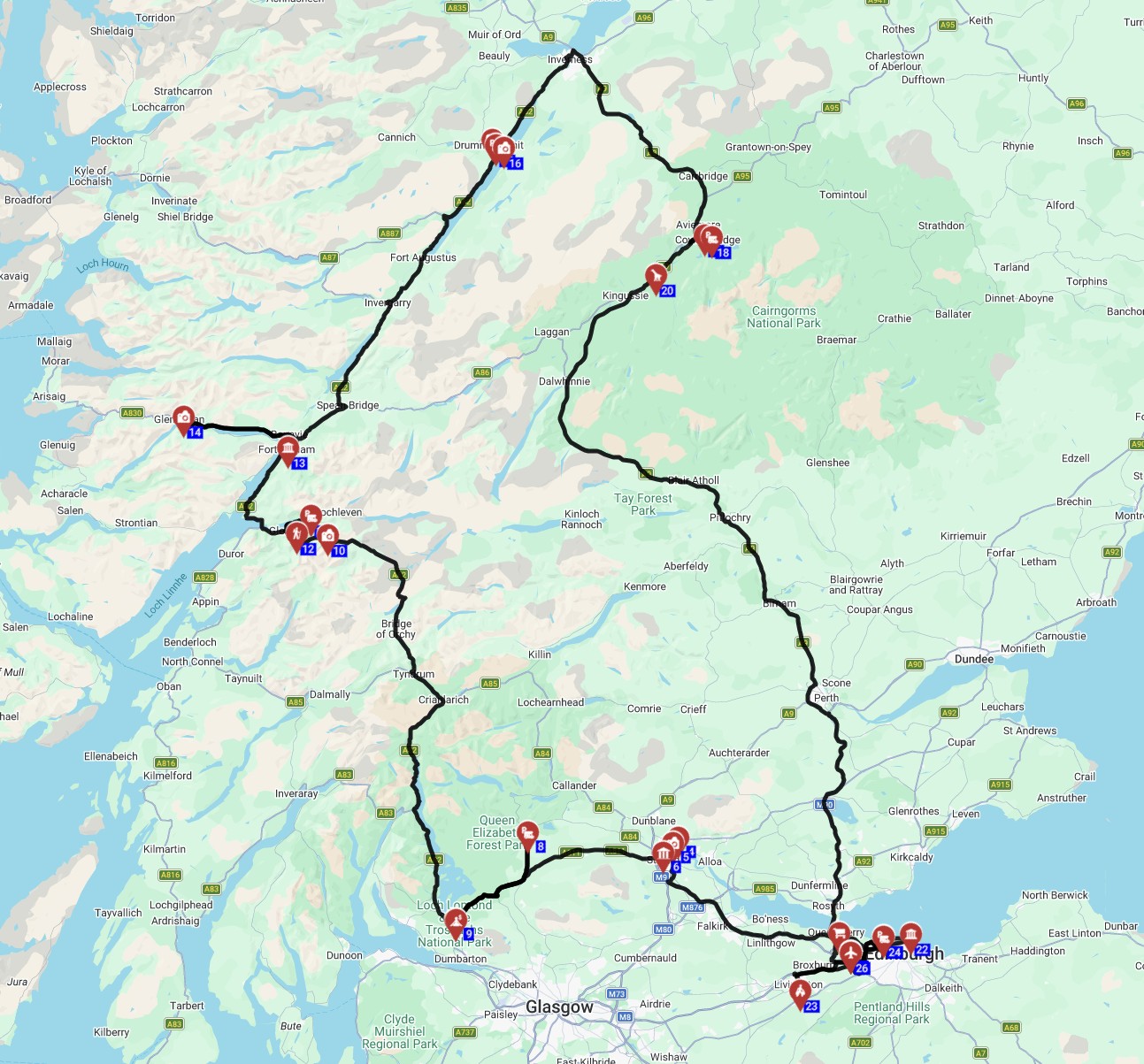
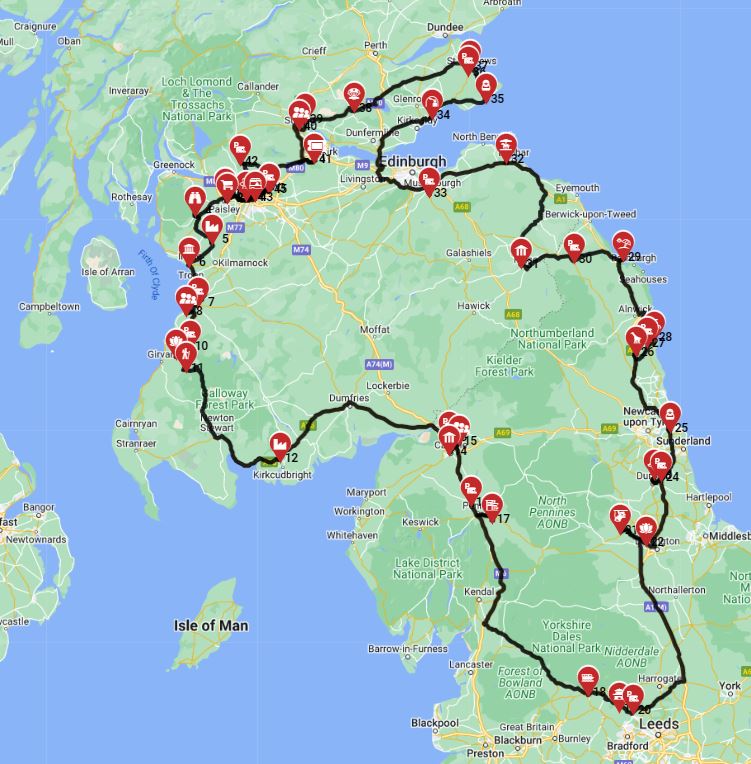
To experience Scotland's stunning landscapes without the intense crowds, especially during peak season, RVers should consider less-trafficked routes such as the Argyll Coastal Route (A83/A815) or the Borders Historic Route (A68/A7). The Argyll Coastal Route offers dramatic scenery, charming coastal towns like Inveraray and Oban, and access to islands like Mull and Iona without the heavy traffic of the NC500, and features numerous smaller campsites. Exploring the Cairngorms National Park away from its busiest hubs, or venturing into areas like Galloway Forest Park in the southwest, can provide truly off-the-beaten-path experiences with ample opportunities for quiet wild camping (where permitted in designated areas) and scenic drives on quieter B-roads. These routes allow for slow travel, letting you connect to the culture and scenery more deeply, often only covering 80-120 km per day. Our professionals offer 1,300+ pre-planned routes across 5 continents via RV PLANET (rvplan.net), which can give you a 25% planning discount.
What do you need to know about driving an RV in Scotland
Driving a rented RV in Scotland requires familiarity with left-hand traffic, navigating often narrow and single-track roads, understanding specific passing place etiquette, and being highly mindful of local regulations concerning overnight parking and waste disposal. Key aspects include adjusting to driving on the left, being prepared for winding and sometimes unpaved roads in rural areas (especially in the Highlands), and always using designated passing places to allow oncoming traffic or faster vehicles to pass safely. Drive slowly and carefully, and you can drive almost anywhere without issues. No need to stress - just use common sense and pay attention. Additionally, knowing the relevant speed limits (e.g., 60 mph for cars, 50 mph for motorhomes over 3.05 tonnes on single carriageways), respecting local communities by parking considerately, and adhering strictly to laws regarding grey and black water disposal are crucial for a smooth and responsible trip. We help tens of thousands of travelers explore the world by RV, and our True RV Specialists can provide practical advice.
Do you need a special license to drive an RV in Scotland
For most standard RV rentals in Scotland, a regular Category B driving license (for cars) is sufficient, provided the maximum authorized mass (MAM), also known as Gross Vehicle Weight (GVW), of the RV does not exceed 3,500 kg. This applies to all Class A, Class B, and Class C motorhomes typically available for rent. If the RV's MAM is between 3,500 kg and 7,500 kg, drivers who passed their test before 1 January 1997 typically retain the C1 entitlement, allowing them to drive these heavier vehicles without further testing. For those who passed after this date, a Category C1 license is usually required for RVs exceeding 3,500 kg, and it's essential to check the specific weight of your chosen RV against your license entitlements to ensure legal compliance. An International Driving Permit (IDP) is recommended for visitors from non-English-speaking countries but is not mandatory in most cases. The minimum rental age is 21 years old, with no young driver surcharges.
How to dispose of RV waste in Scotland
Proper disposal of RV waste in Scotland is critical for environmental protection and involves exclusively using designated waste points found at official campsites, some public facilities, and specific motorhome service points. Both grey water (from sinks and showers) and black water (from toilets) must be emptied at these specified facilities, which are designed to handle chemical toilet waste safely and prevent pollution. Never dispose of any waste, including grey water, directly into ditches, drains, or wild areas, as this can severely harm the environment and lead to substantial fines, often starting from £50 and increasing for repeat offenses. Using apps like Park4Night can help locate these essential disposal points throughout your journey, ensuring you travel responsibly and sustainably. Always leave no trace and respect Scotland's pristine natural beauty.
What about connectivity and emergencies in a Scottish RV rental
Connectivity can be a significant challenge in remote Scottish areas, where mobile signal is often patchy or non-existent, while emergency preparedness requires carrying essential supplies, knowing local emergency numbers, and having a plan for unexpected situations given the unpredictable weather. While Wi-Fi is generally available at larger campsites and in towns, don't rely on consistent mobile data coverage in the Highlands or on islands; consider purchasing a local SIM card with a major provider like EE or Vodafone for better coverage in populated areas, and download offline maps and entertainment. For emergencies, always have the local emergency number (999) readily available, ensure your RV rental includes comprehensive breakdown cover (which Bandana offers as a top-level deductible reimbursement upgrade for peace of mind), pack for all weather conditions, and inform someone of your itinerary, especially when venturing into truly remote locations. We provide 24/7 support for pre-booking inquiries and booking coordination, ensuring you're well-prepared before you even hit the road.
What You Shouldn't Miss
- Explore the Isle of Skye: Drive the iconic routes of Skye, visiting the Old Man of Storr, the Fairy Pools, and the colourful harbour town of Portree.
- Drive the Aberdeenshire Coastal Trail: Discover dramatic cliffs, historic fishing villages, and impressive castles like Dunnottar Castle on this lesser-known but stunning coastal journey.
- Visit Edinburgh and Glasgow: Immerse yourself in the rich history and vibrant arts scenes of these two major cities. Consider parking your RV at an edge-of-city campsite and using public transport to explore. Many travelers find great value in RV Rental in Edinburgh 2026 or RV Rental in Glasgow 2026.
- Hike in the Cairngorms National Park: Experience Britain's largest National Park, offering incredible walking trails, wildlife spotting, and serene lochs away from the crowds.
- Whisky Distillery Tours: Embark on a tour of a renowned Scotch whisky distillery, particularly along the Speyside Whisky Trail, to learn about and sample Scotland's national drink.
- Loch Lomond & The Trossachs National Park: Enjoy the stunning beauty of Scotland's first National Park, with picturesque lochs, forests, and charming villages perfect for leisurely drives and short hikes.
Final Thoughts
A weekly RV rental in Scotland promises an unforgettable journey, offering the flexibility to chase sunshine, delve into history, and soak in breathtaking scenery at your own pace. With the right motorhome or campervan, chosen for your group size and travel style, Scotland's magnificent roads and welcoming campsites are yours to explore. Remember to travel slowly, allowing yourself ample time to truly connect with each destination, from the bustling cities to the tranquil Highlands.
Planning your adventure is part of the fun, and with Bandana Caravan's transparent pricing, expert advice, and robust support, you can embark on your Scottish road trip with complete confidence. Get inspired for your next trip and discover top destinations and planning tips, all in one place. Your Scottish RV adventure awaits!
Find weekly RV Rentals in Scotland with ease and confidence. Compare Motorhome Prices for Scotland today!