In This Guide
- The 5 RV Families Compared for Boston
- Class A (Integrated) - Best For
- Price Comparison by RV Class in Boston
- Class SI (Semi-Integrated) - Best For
- Class C (Alcove) - Best For
- Class B (Campervan) - Best For
- Class TC (Truck Camper) - Best For
- Side-by-Side Comparison Table
- Our Recommendation for weekly rv rental Travelers in Boston
- How much is it to rent an RV in Boston?
- Planning Your Boston RV Adventure: Campgrounds and Commuting
- Navigating Boston with an RV: Challenges and Solutions
- Optimal Boston RV Itineraries: City and Beyond
- Best Time to Rent an RV in Boston
- What You Shouldn't Miss
- Why Book with Bandana Caravan
- Final Thoughts
- Frequently Asked Questions
Embarking on a weekly RV rental in Boston promises an unforgettable adventure, blending historic city exploration with picturesque New England landscapes. As true RV specialists with experience helping tens of thousands of travelers since 2001, we know the ins and outs of motorhome travel in this iconic region. For live availability and current prices, start with our RV Rental Boston - Complete Guide 2026 guide, which provides comprehensive insights for your trip.
The 5 RV Families Compared for Boston
Choosing the right RV family is crucial for a successful weekly rental in Boston, as it significantly impacts maneuverability, fuel efficiency, and overall comfort. When selecting a motorhome or campervan, consider Boston's urban landscape, the availability of nearby camping options, your group size, and your desired trip style. Are you focusing on city exploration, or do you dream of nature escapes to the Massachusetts coastline or charming New England towns? This guide compares five primary RV classes, detailing their suitability for navigating Boston's unique challenges and maximizing your weekly rental experience. Bandana RV partners with over 50 leading RV suppliers worldwide, including trusted names like El Monte, Cruise America, Apollo, and Britz, ensuring a diverse and well-maintained fleet to choose from.Class A (Integrated) - Best For
Class A integrated motorhomes are ideal for groups and families seeking spacious luxury and extensive amenities during a weekly rental near Boston. These large RVs, typically averaging 7.5 meters in length, comfortably sleep 4 to 6 people (Bandana's fleet often shows an average of 4.4 sleepers) and offer a significant load capacity, often around 209.5 kg. While they provide a plush "home away from home" experience with full kitchens and multiple living areas, navigating Boston's historic streets and dense traffic in such a large vehicle can be challenging. For city visits, these vehicles are best suited for parking at a suburban campground or a park-and-ride facility and using public transportation, rather than attempting urban driving directly into Boston. Their fuel consumption typically ranges from 11-12 Liters/100 km, a consideration for longer routes like the Salt Lake City to Boston - Mountains, Monuments, and Memories itinerary available on RV PLANET, a route that spans over 5,500 km.Price Comparison by RV Class in Boston
RV rental prices in Boston are dynamic, influenced significantly by the RV class, rental duration, season, and how far in advance you book. Early reservations, especially for popular travel times, are always beneficial for securing the best rates and selection. Pricing for a weekly RV rental is not fixed and changes daily based on real-time availability and supplier marketing decisions. This flexibility is similar to flight tickets, ensuring you get the most current pricing at the time of your actual booking. To illustrate, here's an example of how daily rates might vary for a 7-day trip in Boston during mid-April:Live April Price Comparison — RV Class × Trip Length
| Trip length | Class A | Class B | Class C | Class SI | Class TC |
|---|---|---|---|---|---|
| 1 week 15/04 → 22/04 | Check prices | Check prices | 1,147.98 $ US | 1,244.79 $ US | Check prices |
| 2 weeks 15/04 → 29/04 | Check prices | Check prices | 1,932.79 $ US | 2,136.72 $ US | Check prices |
| 1 month 01/04 → 30/04 | Check prices | Check prices | 3,771.95 $ US | 4,036.22 $ US | Check prices |
Estimates only — flex-rate prices change daily based on availability and season.
Class SI (Semi-Integrated) - Best For
Class SI semi-integrated motorhomes offer a well-balanced blend of comfort and maneuverability, making them an excellent choice for weekly RV renters in Boston aiming to explore both the urban outskirts and surrounding natural beauty. These versatile RVs, typically averaging 6.9 meters in length, usually sleep 2 to 4 people (Bandana's fleet shows an average of 3.8 sleepers) and have a load capacity of around 72.2 kg. They consume approximately 10-11 Liters/100 km of fuel, providing better economy than larger Class A models while still offering more amenities like a compact kitchen and a private bathroom compared to smaller campervans. Class SI motorhomes are often preferred for easier driving on Massachusetts roads, offering a comfortable yet practical solution for couples or small families embarking on a Boston-area adventure. Many come with features like an automatic transmission and front air conditioning, ensuring a pleasant driving experience.Class C (Alcove) - Best For
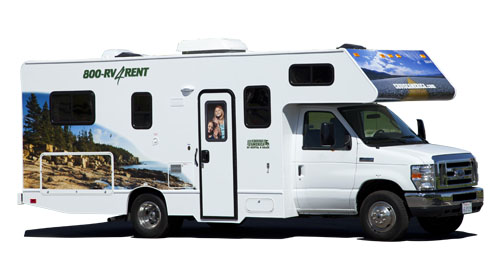
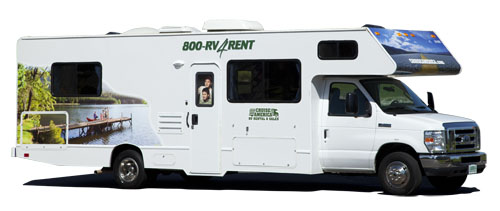
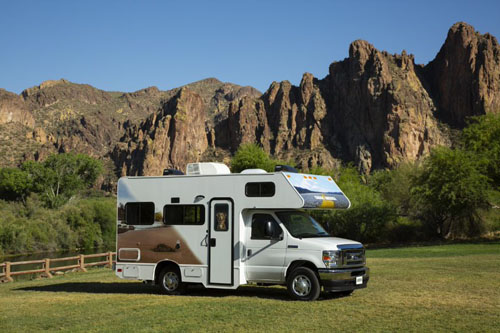
Class C alcove motorhomes are a popular choice for families or larger groups seeking a cost-efficient weekly RV rental in Boston, primarily due to their ample sleeping capacity and good balance of features. These motorhomes, often around 7.5 meters in length, are designed to accommodate more travelers, typically sleeping 4 to 6 people (Bandana's fleet averages 5.8 sleepers) with a load capacity of approximately 42.4 kg. Their distinctive over-cab bunk offers extra sleeping space, making them ideal for families with kids who want separate sleeping areas. Class C RVs generally consume 10-12 Liters/100 km, which is reasonable for their size. They are well-suited for families exploring Boston's historical sites from a nearby campground, and while larger, they are still manageable on suburban roads and highways. Our "Family RV Rental in Boston - Pricing Guide 2026" delves deeper into options perfect for family adventures. For finding campsites and campgrounds during your trip, we recommend using RV PLANET (rvplan.net) - a great resource for locating available spots along your route and planning meals. Don't forget to check out our RV-friendly recipes playlist for easy meal ideas on the road!Class B (Campervan) - Best For
Class B campervans are perfectly suited for weekly RV renters in Boston who prioritize maneuverability, fuel efficiency, and ease of parking, especially for couples or solo travelers. These compact recreational vehicles average 5.8 meters in length, typically sleep 2 to 3 people (Bandana's fleet shows an average of 3.2 sleepers), and offer a load capacity of around 37 kg. With excellent fuel economy, often around 10 Liters/100 km, campervans are ideal for agile exploration. Their smaller size allows for easier navigation through narrower roads around Boston's historic districts (though parking directly in downtown is still best avoided) and quicker access to smaller, more intimate campgrounds. If your adventure involves frequent stops and a desire for a nimble vehicle that can blend into traffic more seamlessly, a campervan is an excellent choice for your weekly rental in Boston.Class TC (Truck Camper) - Best For
Class TC truck campers provide an unparalleled blend of flexibility and off-grid capability for weekly RV renters in Boston seeking adventure beyond traditional campsites or those with specific towing needs. These units, typically averaging 5.5 meters in length, generally sleep 2 to 3 people (Bandana's fleet averages 2.4 sleepers) with variable load capacity depending on the pickup truck chassis. Truck campers consume more fuel, usually 12-17 Liters/100 km, due to their robust design and typically 4x4 capabilities. Their detachable nature allows the truck to be used independently for day trips and navigating challenging terrain, making them suitable for exploring Massachusetts' more rugged areas and providing unique base camp options near Boston. Imagine driving your truck camper to a remote state park near Boston, detaching the camper, and then exploring local trails in your pickup.Side-by-Side Comparison Table
This table offers a quick reference for comparing key specifications and best use cases for different RV families available for weekly rentals in Boston, aiding you in making an informed decision. These averages are based on our extensive fleet and supplier partnerships, including major providers like El Monte and Cruise America.| Family | Avg Length (m) | Sleeps | Fuel Use (L/100km) | Best Use Case in Boston |
|---|---|---|---|---|
| Class A (Integrated) | 7.5 | 4.4 | 11-12 | Luxury trips, base camping outside city, large groups |
| Class SI (Semi-integrated) | 6.9 | 3.8 | 10-11 | Balanced comfort and maneuverability, small families/couples, exploring region |
| Class C (Alcove) | 7.5 | 5.8 | 10-12 | Family-friendly, cost-effective, good amenities, suburban/regional travel |
| Class B (Campervan) | 5.8 | 3.2 | 10 | Couples/solo, maneuverability, fuel economy, urban-adjacent camping |
| Class TC (Truck Camper) | 5.5 | 2.4 | 12-17 | Off-grid adventure, flexible base camp, exploring rugged areas |
Our Recommendation for weekly rv rental Travelers in Boston
For most weekly RV renters exploring Boston and its surroundings, we primarily recommend the Class SI (Semi-integrated) motorhome due to its optimal balance of comfort, amenities, and relatively manageable size for Massachusetts roads. The Class SI, typically around 6.9 meters long, offers sufficient space for small families or couples (sleeping an average of 3.8 people) while being more agile than larger Class A or C models for navigating suburban areas and accessing regional campgrounds. This makes it a fantastic choice for combining urban sightseeing with easy access to New England's natural beauty. As a strong runner-up, the Class B (Campervan) is ideal for couples or solo travelers prioritizing maximum maneuverability and fuel efficiency. Its compact size, averaging 5.8 meters long and achieving around 10 Liters/100 km, makes it perfect for blending into traffic and finding parking more easily when commuting from an RV base camp to Boston's public transport hubs.How much is it to rent an RV in Boston?
The cost to rent an RV in Boston for a week typically ranges from approximately $100 per day for a compact campervan to $300 or more per day for a larger, luxury Class A integrated motorhome, with prices fluctuating based on season, RV class, and specific features. For a 7-day rental, this could mean a base cost between $700 and $2,100, not including add-ons. Beyond the base rental fee, budgeting for your Boston RV trip should also account for additional expenses such as campground fees, which can range from $40-$80 per night at popular parks near the city like Wompatuck State Park or Harold Parker State Forest. Highway tolls, especially on major routes like the Massachusetts Turnpike and through tunnels leading into Boston, are also significant. Public transportation fares for accessing Boston's city center from your RV base camp are another consideration. Fuel costs, optional insurance upgrades (like our top-level deductible reimbursement for peace of mind), and potential parking fees for day trips (e.g., MBTA park-and-ride lots like those near the Braintree or Salem commuter rail stations) are also significant factors. Comprehensive budgeting, itemizing every expense with tools like those found on RV PLANET routes, is essential for a stress-free weekly RV rental experience in the Boston area. You can compare different options by looking into a "Weekly RV Rental in Boston - Pricing 2026" guide.Planning Your Boston RV Adventure: Campgrounds and Commuting
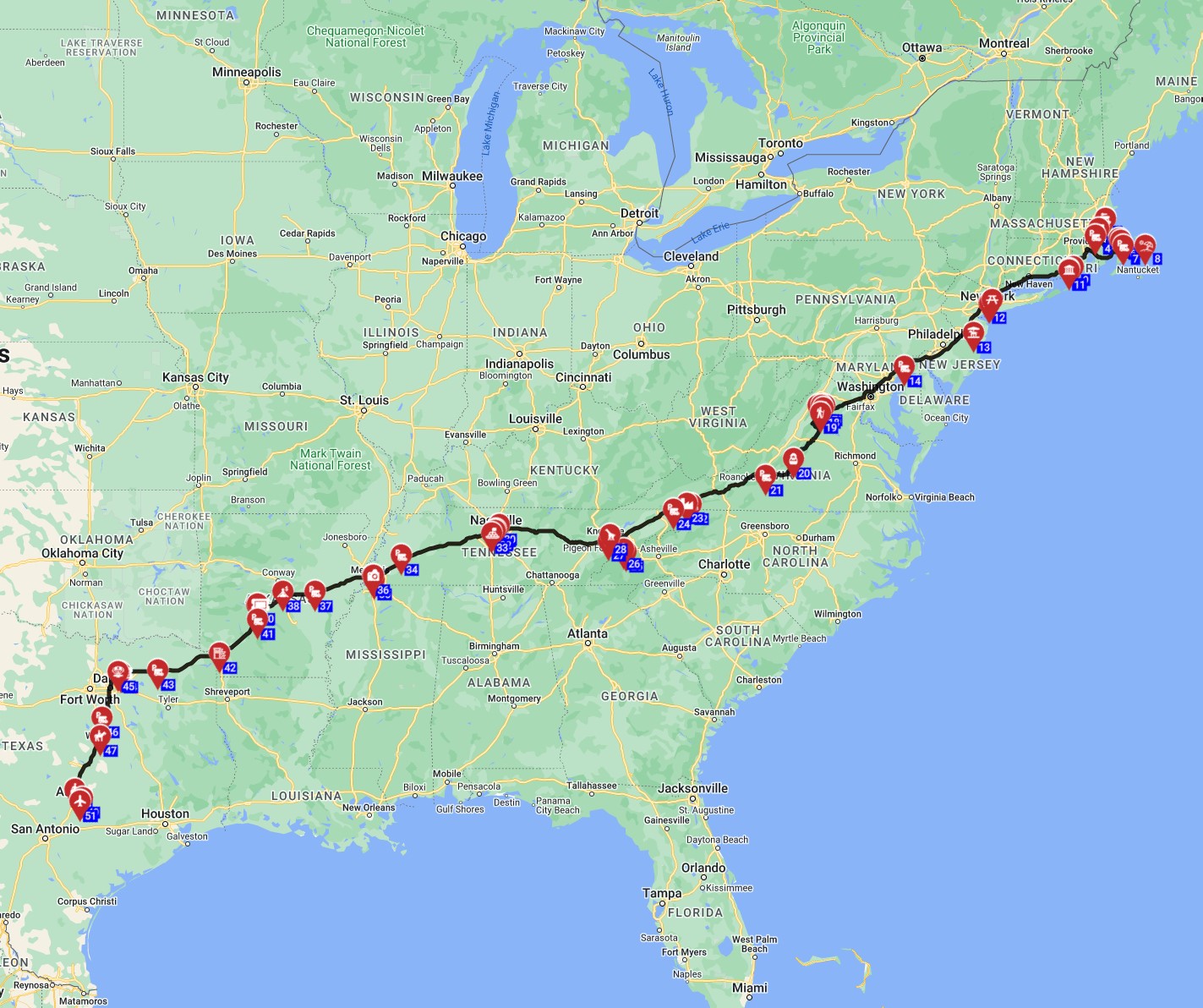
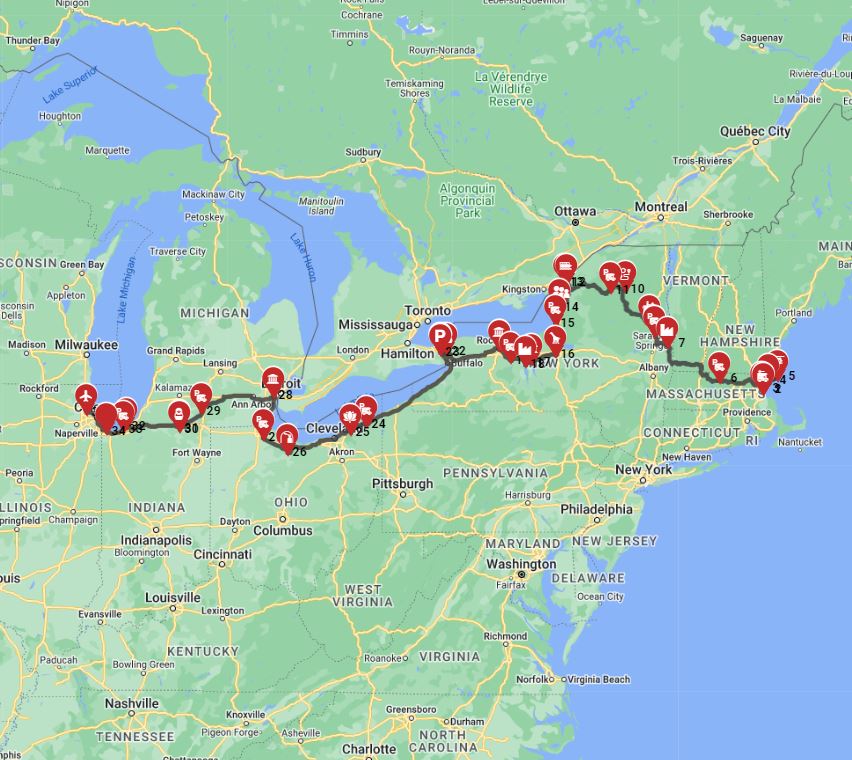
Since direct RV camping within Boston is generally impractical and largely unavailable, securing an RV-friendly campground *near* the city is the cornerstone of a successful weekly rental experience. Popular options include Wompatuck State Park in Hingham, about 20 miles south, or Harold Parker State Forest in North Andover, about 30 miles north. These parks offer a peaceful retreat while still providing reasonable access to the city. Detailed strategies for visiting Boston from your RV base camp involve leveraging the MBTA commuter rail, subway (the 'T'), or ferry services. Many campgrounds offer convenient access to park-and-ride stations, allowing you to avoid driving your RV into urban congestion entirely. For example, you could park your rented motorhome near the Hingham or Hull ferry terminals and enjoy a scenic ferry ride directly into downtown Boston's Long Wharf, a fantastic way to arrive. For pet owners, researching pet-friendly RV parks, such as Normandy Farms Family Camping Resort in Foxborough, and identifying nearby parks and trails for dog walking (like Borderland State Park in North Easton) ensures a comfortable trip for all family members. For pre-planned routes that account for these considerations, explore options like the
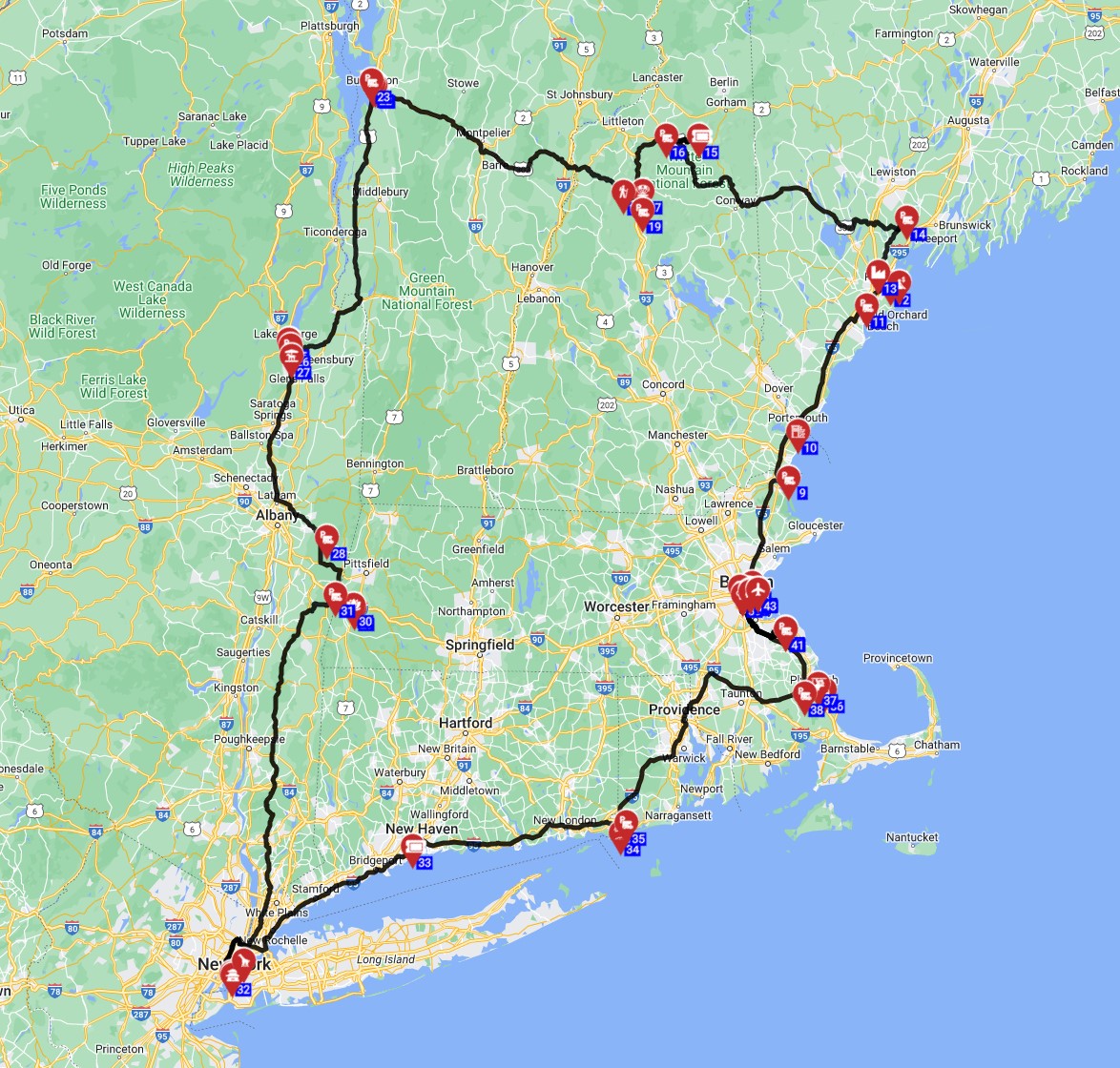
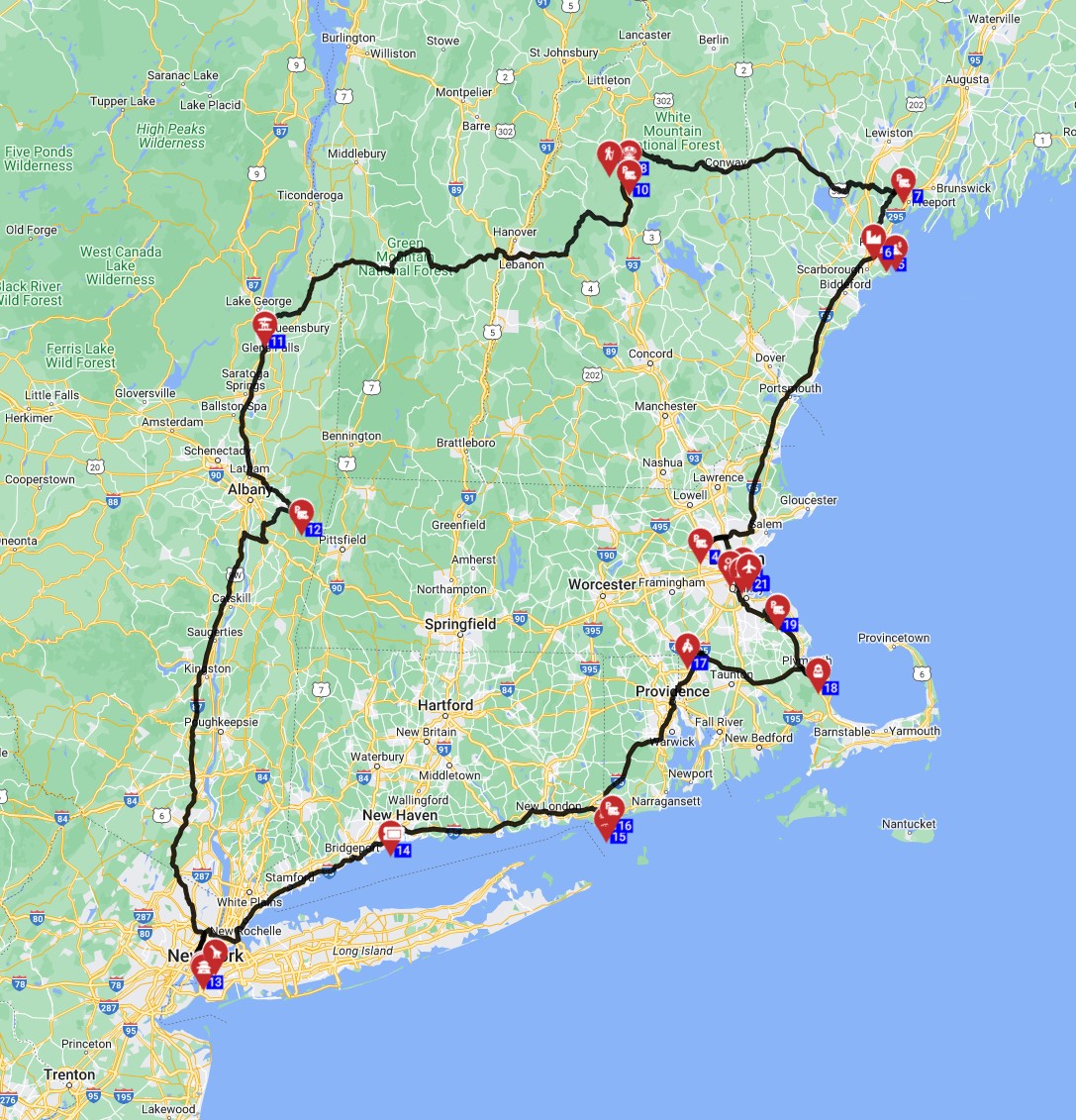
Chicago to Boston - The Rust Belt to Revolution Route
Explore this route
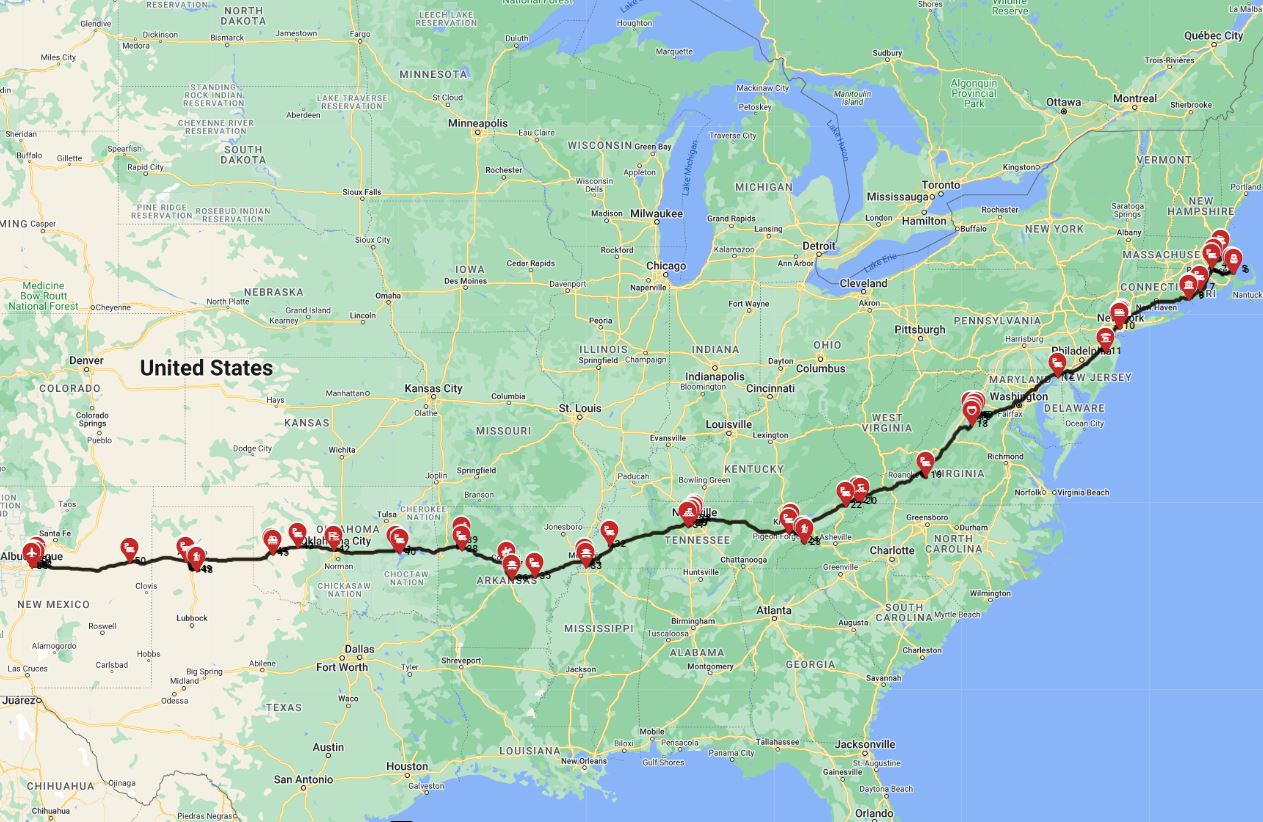
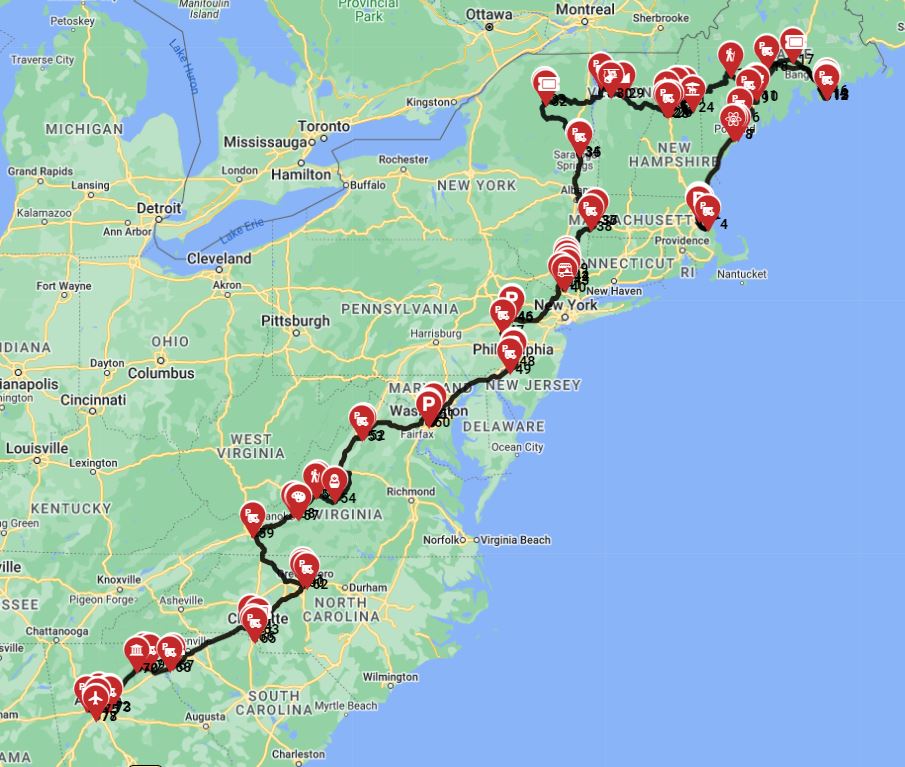
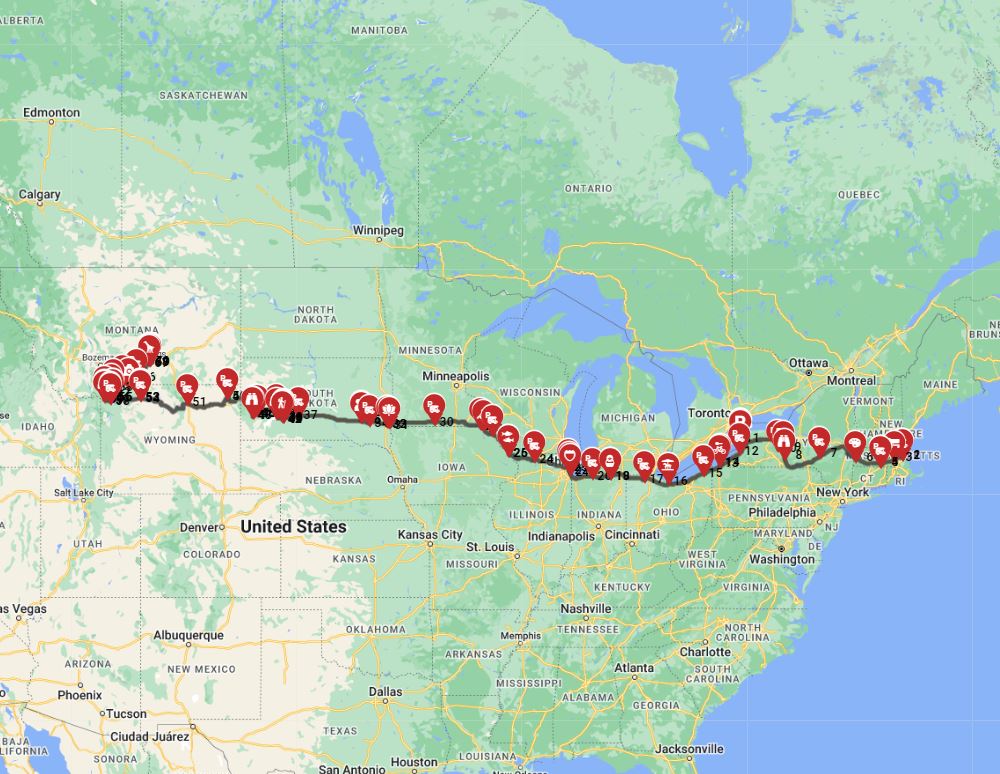
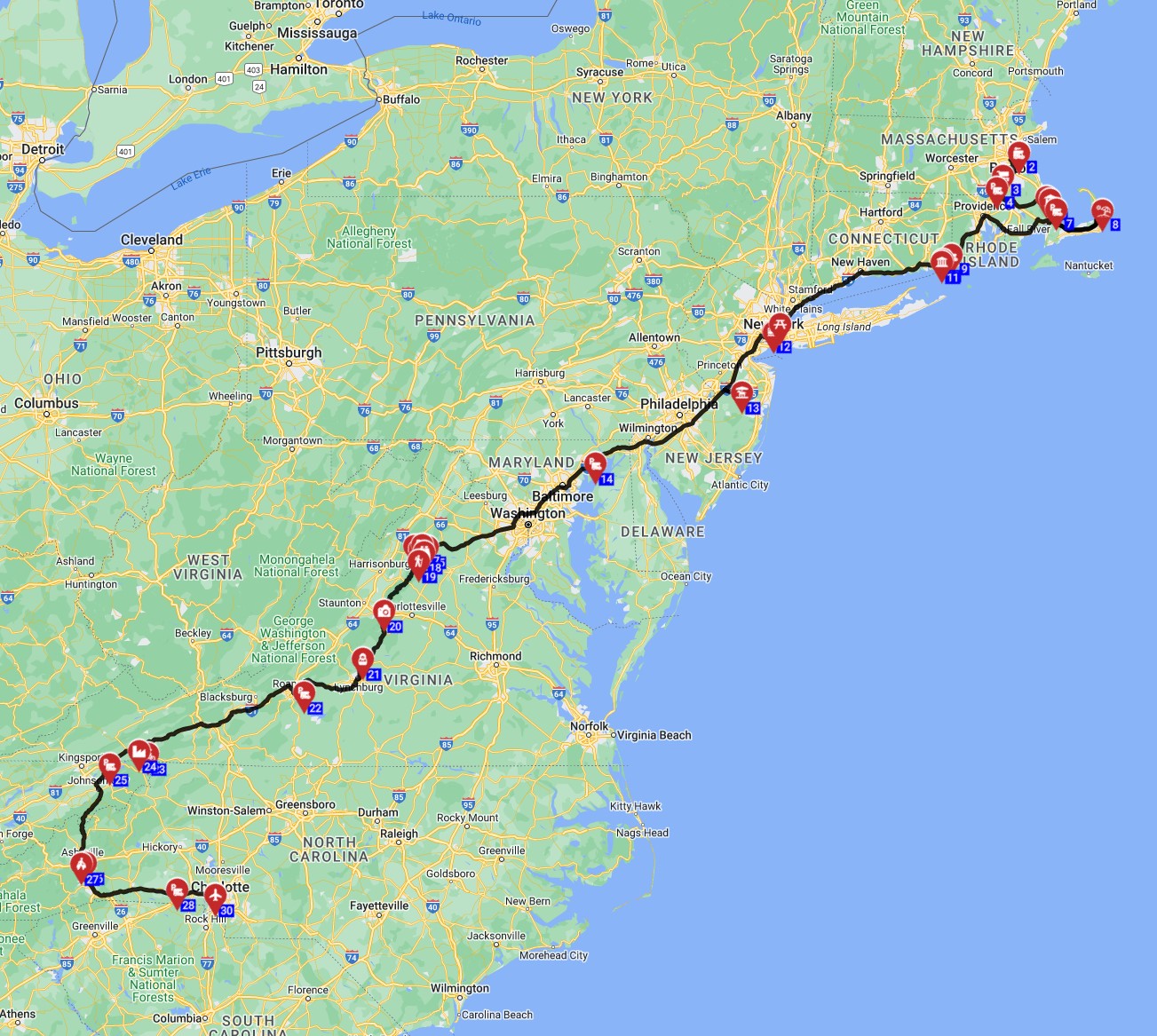
Another great option is the Salt Lake City to Boston - Mountains, Monuments, and Memories itinerary, a 29-day, 5,567 km adventure that includes 3 animal shows/wildlife watch opportunities and 5 museums.
Explore this route
Navigating Boston with an RV: Challenges and Solutions
Navigating Boston and its immediate surroundings with a rented RV requires careful planning to avoid specific challenges such as notoriously low bridges and heavy traffic. Notably, Storrow Drive and Memorial Drive, which run along the Charles River, have extremely low overpasses (some as low as 10 feet), regularly ensnaring trucks and RVs. RV drivers should meticulously plan routes using GPS apps that allow for height and weight restrictions to steer clear of these problematic areas. Be aware of the numerous tolls on major highways and tunnels leading into the city, including the Ted Williams Tunnel and the Massachusetts Turnpike. Driving a motorhome or campervan in cities doesn't have to be stressful; just drive slowly and carefully, use common sense, and pay attention, and you can drive almost anywhere without issues. For city exploration, the best solution is to park your RV at a designated suburban park-and-ride lot (like the Alewife station for the Red Line) and utilize Boston's robust public transportation network. This approach allows you to experience Boston's historical landmarks without the stress of urban driving and parking a large vehicle. For a broader overview of regional driving, consult our "RV Driving in Boston for Seniors - Comfort Routes 2026" guide.Optimal Boston RV Itineraries: City and Beyond
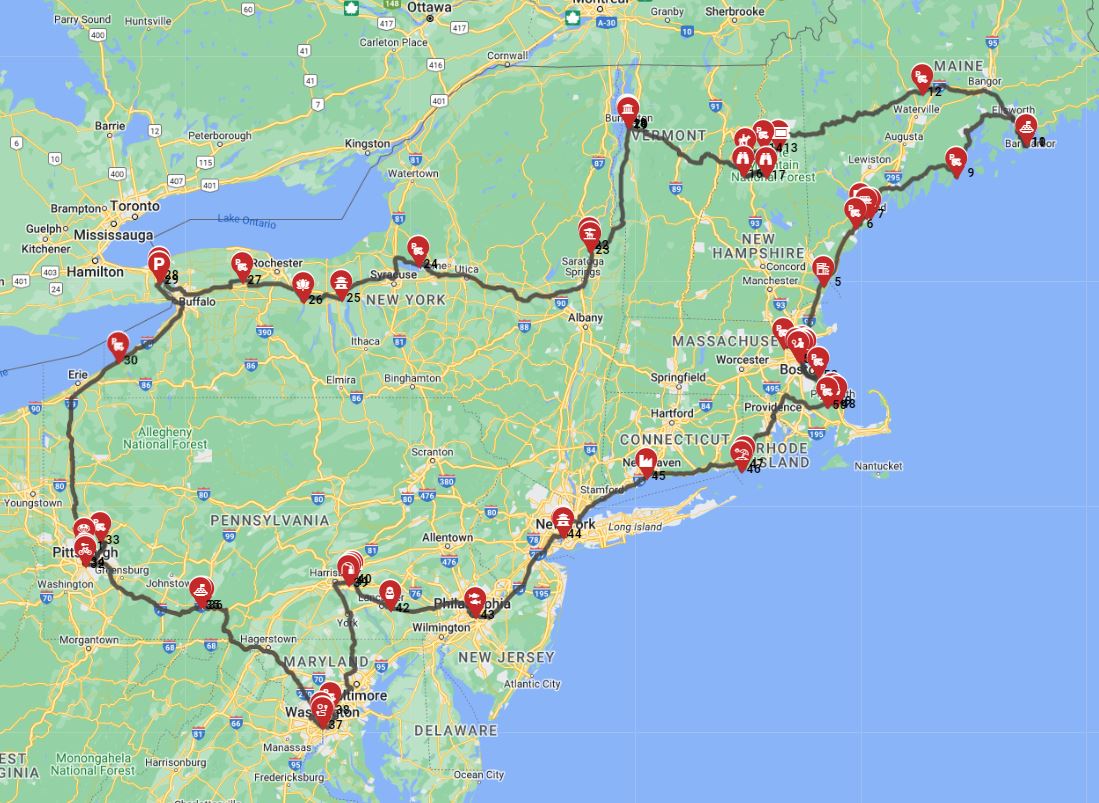
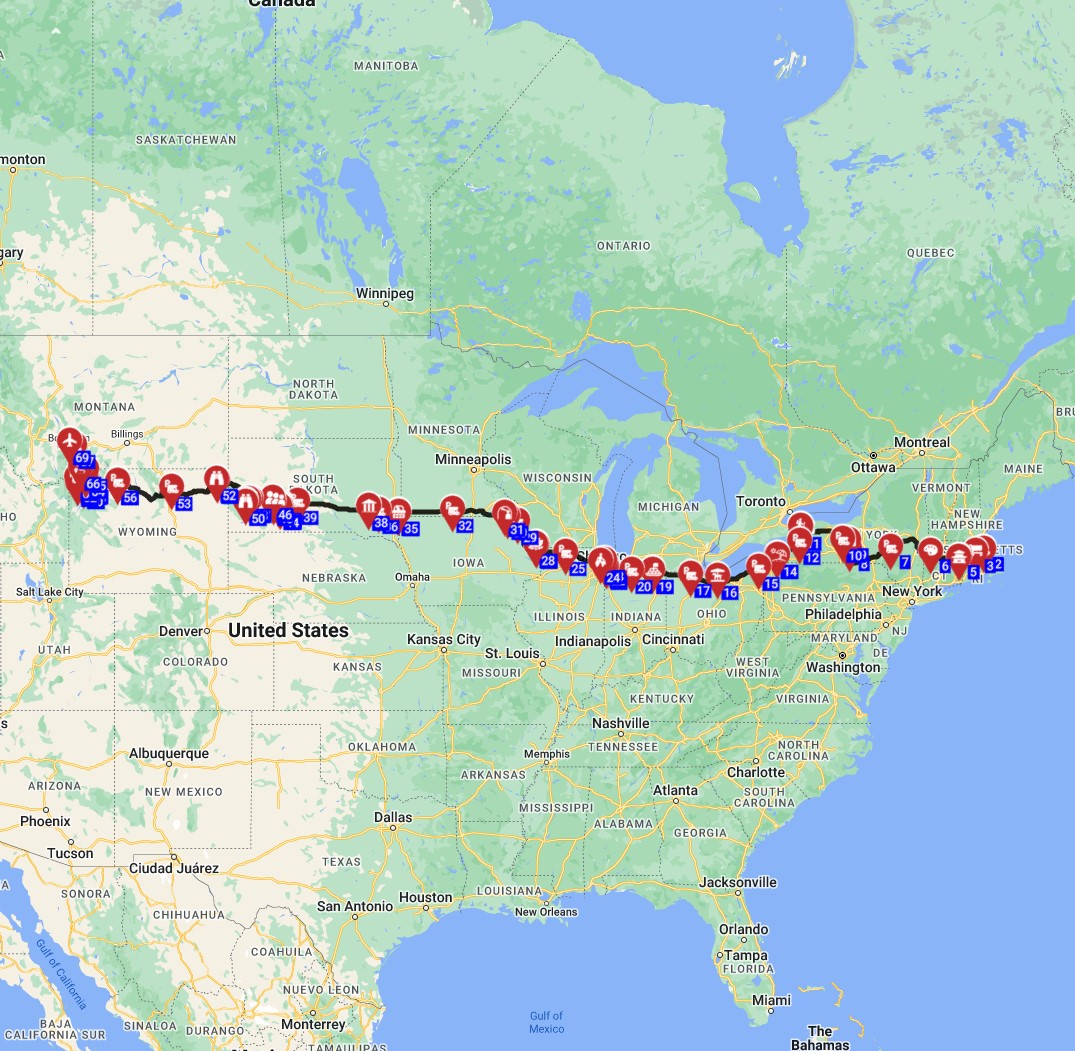
RV-specific itineraries for a weekly Boston rental should strategically balance city exploration with the inherent advantages of RV travel, often suggesting a comfortable base camp outside the city with daily commutes into Boston. A typical 7-day itinerary might include 3-4 days dedicated to immersing yourself in Boston's rich historical sites, such as the Freedom Trail, Quincy Market, and world-class museums, accessed conveniently via public transport. The remaining 2-3 days can be spent exploring charming coastal towns like Salem or Plymouth, or enjoying the scenic beauty of the North Shore or South Shore of Massachusetts. Consider an itinerary that alternates city days with outdoor activities, such as hiking in nearby state parks (e.g., Blue Hills Reservation, just south of Boston) or a day trip to explore the beaches of Cape Cod, to break up urban visits and leverage your rented motorhome's mobility. Remember to travel slowly, averaging a maximum of 100-150 km per day, to truly feel the place, connect to the culture, the food, and the scenery. For comprehensive trip planning and detailed itineraries, including specific points of interest and RV-friendly stops, explore the professional routes offered through RV PLANET. A great example for extended trips is the Billings to Boston - Mountains, Falls & Freedom Trail: A Family RV Adventure Across 9 States, a 27-day journey spanning 5,928 km that includes 10 natural features and 3 scenic routes, ensuring a diverse family experience.
Explore this route
Best Time to Rent an RV in Boston
The best times of year to visit Boston with a rented RV are generally late spring (May-early June) and early fall (September-October), as these seasons offer pleasant weather, vibrant foliage, and typically fewer crowds compared to the peak summer months. Late spring brings blooming landscapes and comfortable temperatures ranging from 50-70°F (10-21°C), making it ideal for outdoor activities and city walks before the intense summer heat and tourist influx. Early fall is particularly appealing for its stunning New England foliage, with temperatures usually between 50-65°F (10-18°C), creating perfect conditions for scenic drives and comfortable exploration. Summer (July-August) provides warm weather for beach trips and water activities, but also brings higher RV rental prices, increased traffic congestion, and fully booked campgrounds, especially around major holidays like the Fourth of July. Winter RV travel is possible but requires preparedness for cold temperatures and potential snow, which can limit accessibility to some campgrounds and attractions. For a broader overview, consider checking out "RV Rental Massachusetts - Complete Guide 2026".What You Shouldn't Miss
When planning your weekly RV adventure in Boston, there are a few must-do experiences that truly capture the spirit of the region. These recommendations are designed to be RV-friendly, focusing on accessible attractions and scenic drives that complement your motorhome journey.- Freedom Trail Walking Tour: Immerse yourself in Boston's rich history by walking the 2.5-mile Freedom Trail. Park your RV at an MBTA station like Quincy Adams or Braintree and take the Red Line directly into downtown Boston to access the start of the trail at Boston Common.
- Coastal Drives on the North Shore: After exploring the city, take your rented motorhome for a scenic drive north along Route 127 to charming towns like Rockport and Gloucester. Enjoy fresh seafood and stunning ocean views.
- Day Trip to Plymouth: Drive your RV south to Plymouth, about an hour away, to visit Plymouth Rock, Plimoth Patuxet Museums, and experience the birthplace of American history. Numerous RV parks are available in the wider Cape Cod area for overnight stays.
- Exploring the Arnold Arboretum: As part of Harvard University, the Arnold Arboretum in Jamaica Plain offers 281 acres of beautiful plant collections and walking trails. It's a peaceful escape easily accessible from suburban RV parks, and a great place to enjoy nature.
- Lexington and Concord Battlefields: For another dose of history, drive your RV (a Class SI or Class C is ideal here) to Lexington and Concord, where the American Revolution began. Parking is generally more accommodating than in central Boston, allowing you to easily visit the historic battlefields and Minute Man National Historical Park.
🎬 Video coming soon
Final Thoughts
A weekly RV rental in Boston offers a unique way to experience the blend of historic charm and modern vibrancy of this incredible city, along with the natural beauty of New England. With options ranging from nimble campervans to spacious Class A motorhomes, there's a perfect rented RV for every type of traveler, whether you're a couple on a romantic getaway or a family seeking an adventure. Remember to embrace the slow travel philosophy, allowing yourself to truly soak in the culture, food, and stunning scenery. Navigating a city like Boston with an RV requires smart planning, especially concerning parking and driving routes, but with excellent public transport options and nearby RV-friendly campgrounds, it's easily manageable. We’re here to support you before, during, and after your booking, ensuring you have the best possible experience. Get inspired for your next trip and discover top destinations and planning tips all in one place! Find Motorhome Rentals in BostonOn the routes offered through RV PLANET routes, you can itemize and track every expense along the way for easy budgeting.