In This Guide
- Best Zambia RV Itinerary for weekly rv rental — Overview
- 7-Day Classic Route in Zambia
- 14-Day Extended Journey in Zambia
- Recommended RVPlan Trip for Zambia
- Must-See Stops Along the Way (Avi Bandana Picks)
- Daily Driving Distances & Drive Times in Zambia
- Best RV Class for This Itinerary — Couple & Family Picks
- How much does it cost to rent an RV in Zambia for a week
- Do you need a 4x4 for RV rental in Zambia
- What are the must-see attractions for a weekly RV rental in Zambia
- What are the common challenges of an RV trip in Zambia
- Can you drive an RV across borders from Zambia
Best Zambia RV Itinerary for weekly rv rental — Overview
A weekly RV rental in Zambia offers an immersive journey through diverse landscapes, typically covering around 1,000-1,200 km over 7 days, with the optimal travel season being the dry months from May to October. For live availability and current prices, start with our RV Rental Zambia - Complete Guide 2026 guide. This overview focuses on a classic 7-day loop encompassing the natural beauty of Lake Kariba, the adventure hub of Livingstone (Victoria Falls), and returning to Lusaka. The recommended duration is a minimum of 7 days, allowing for a relaxed pace and significant exploration. The best season for RV travel in Zambia is the dry season (May to October) due to more accessible roads and comfortable weather for wildlife viewing.
7-Day Classic Route in Zambia
This classic 7-day RV itinerary focuses on southern Zambia, starting from Lusaka and culminating in the majestic Victoria Falls area, offering a blend of natural wonders and cultural immersion before looping back to the capital. For a deeper dive into pricing, consider our RV Rental in Zambia - Prices and Best Deals 2026 guide.
Day 1: Lusaka → Siavonga (Lake Kariba) (approx. 180 km / 112 miles). Highlight: Scenic drive to the Zambezi Escarpment and the vast Lake Kariba. Sleep: Waterfront campsite in Siavonga.
Day 2: Siavonga (Lake Kariba). Highlight: Relaxing by the lake, enjoying water activities, or visiting the impressive Kariba Dam wall. Sleep: Same campsite in Siavonga.
Day 3: Siavonga → Choma (approx. 190 km / 118 miles). Highlight: Experience the rural heartland of Southern Province, passing through local towns and villages. Sleep: Campsite near Choma.
Day 4: Choma → Livingstone (Victoria Falls) (approx. 190 km / 118 miles). Highlight: Arrival in Livingstone, the adventure capital, and anticipation of the mighty Victoria Falls. Sleep: Campsite near Victoria Falls.
Day 5: Livingstone (Victoria Falls). Highlight: Exploring the magnificent Victoria Falls, optional activities such as a Zambezi River sunset cruise, bungee jumping, or visiting a local market. Sleep: Same campsite near Victoria Falls.
Day 6: Livingstone → Mazabuka Area (approx. 250 km / 155 miles). Highlight: A slightly longer, yet manageable, return leg, traversing agricultural landscapes and rural communities. Sleep: Campsite near Mazabuka.
Day 7: Mazabuka Area → Lusaka (approx. 150 km / 93 miles). Highlight: An easy morning drive back to the capital, ideal for vehicle return and departure preparations.
14-Day Extended Journey in Zambia
An extended 14-day RV adventure in Zambia allows for a comprehensive exploration of the country's diverse southern and central regions, combining the grandeur of Victoria Falls with the rich wildlife of Kafue National Park at a leisurely pace. For more route options, explore our RV Rental Deals in Zambia - Latest Offers 2026 for inspiration.
Days 1-2: Lusaka → Siavonga (Lake Kariba) (approx. 180 km / 112 miles each way). Day 1: Lusaka to Siavonga, settling into a lakeside camp. Day 2: Exploring Lake Kariba, dam visit, water activities. Sleep: Siavonga campsites.
Days 3-5: Siavonga → Livingstone (Victoria Falls) (approx. 380 km / 236 miles, split over two driving days). Day 3: Siavonga to Choma (190 km). Day 4: Choma to Livingstone (190 km), arriving at the falls. Day 5: Full day exploring Victoria Falls and adventure activities. Sleep: Choma and Livingstone campsites.
Days 6-7: Livingstone → Kafue National Park (Southern Entrance) (approx. 300 km / 186 miles, split over two driving days). Day 6: Livingstone to Kalomo/Choma area (approx 100-150 km). Day 7: Kalomo/Choma to Kafue National Park (via Hook Bridge Gate or Dundumwezi Gate) (approx. 150-200 km), entering the park. Sleep: Kalomo/Choma area and inside Kafue NP.
Days 8-11: Kafue National Park Exploration (internal park driving, 50-100 km/day). Day 8-11: Dedicated time for extensive game drives, exploring different sectors of one of Africa's largest parks, birdwatching, and river activities. Sleep: Various campsites within Kafue NP to experience different zones.
Days 12-14: Kafue → Lusaka & Departure (approx. 200 km / 124 miles). Day 12: Drive from Kafue NP's northern exit back towards Lusaka, settling into a campsite nearby. Day 13: Relaxation or exploration of Lusaka city, including markets or cultural sites. Day 14: Departure from Lusaka or RV return to the rental depot.
Recommended RVPlan Trip for Zambia
While no specific RVPlan trip is currently matched for a 'weekly RV rental in Zambia,' we encourage exploring RVPlan's diverse itineraries tailored by travel experts to discover your perfect adventure. Our sister company, RV PLANET (rvplan.net), offers over 1,300 pre-planned routes across 5 continents, designed to simplify your journey.
RVPlan offers expertly crafted routes designed to maximize your experience while minimizing planning headaches, often including points of interest, campsites, and activity suggestions.
Must-See Stops Along the Way (Avi Bandana Picks)
Avi Bandana recommends focusing on Zambia's breathtaking natural wonders and engaging with local culture for an authentic and memorable RV experience, even without a specific RVPlan data match. For couples, a Bandana Class B Camper Van (around 5.8 meters) offers excellent maneuverability and fuel economy. For families, our Class C Alcove RVs (averaging 7.5 meters) provide ample space for up to 5.8 people, making them ideal for comfort on Zambian routes.
Victoria Falls (Livingstone): Beyond the awe-inspiring cascade, take time to visit the bustling local craft markets in Livingstone for unique souvenirs and a glimpse into Zambian artistry (traditional_market).
Kafue National Park: Explore the diverse ecosystems, but also inquire about community-based tourism initiatives on the park's periphery to interact respectfully with local communities (traditional_visit).
Lake Kariba (Siavonga): Relax by the massive man-made lake and consider visiting local fishing villages or the Kariba Dam viewpoint to appreciate the scale of this engineering feat and its impact (local_industry).
Lusaka's Soweto Market: Experience the vibrant energy of Zambia's capital by exploring Soweto Market, a hub of local commerce where you can find everything from fresh produce to traditional crafts (traditional_market).
Daily Driving Distances & Drive Times in Zambia
For an optimal and enjoyable RV journey through Zambia, Avi Bandana strongly recommends maintaining a relaxed pace with a maximum average of 100 miles (approximately 150 km) per driving day to account for varying road conditions and allow for spontaneous stops. Traveling slowly is key to appreciating Zambia's landscapes and safely navigating its roads, which can range from well-maintained tarmac to unpaved, corrugated, or sandy tracks, especially en route to national parks.
Example 1: Lusaka to Siavonga (Lake Kariba) is approximately 180 km (110 miles) and typically takes 3-4 hours, accounting for potential road works and scenic pull-offs.
Example 2: Livingstone to Choma is around 190 km (118 miles) and can realistically take 3-4.5 hours due to speed limits, traffic through towns, and occasional gravel sections.
Example 3: Driving within a national park like Kafue for even shorter distances, such as 50-100 km, can easily take 3-5 hours or more due to speed restrictions, frequent stops for game viewing, and challenging unpaved tracks.
Best RV Class for This Itinerary — Couple & Family Picks
Choosing the right RV class for your Zambian adventure depends significantly on your group size and desired level of comfort and maneuverability on the country's diverse terrains, with a Class B Camper Van ideal for couples and a Class C Alcove perfect for families. For families, Bandana's Class C RVs, like the "29' Class C Motorhome" or "32' Class C Motorhome", offer ample space and sleeping capacity. For couples, the nimble "Class B - Camper Van" models are excellent choices, providing a more intimate and fuel-efficient way to explore.
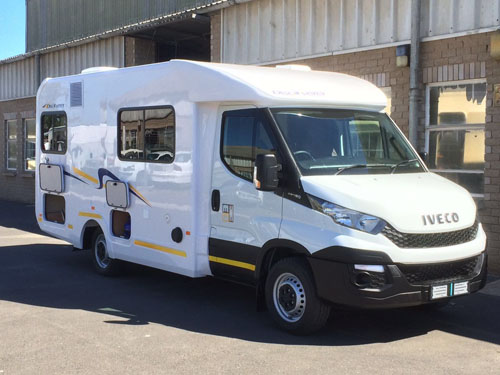
Ideal for Couples: Class B - Camper Van
Bandana's Class B Camper Vans are highly recommended for couples traveling in Zambia due to their excellent maneuverability on varied roads and more economical fuel consumption. These units typically average 5.8 meters in length, offering cozy accommodation ideal for an average of 2.7 adults (comfortably fitting a couple). Their common fuel consumption, globally averaging 8-10 Liters/100 km, makes them an economical choice for longer journeys and managing fuel stops in remote areas.
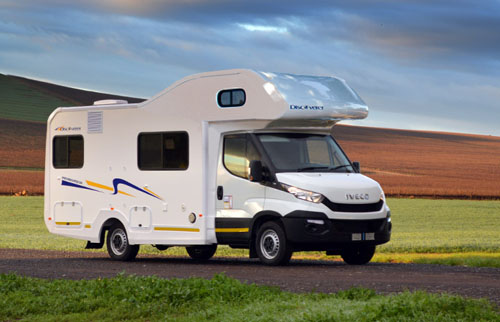
Ideal for Families: Class C - Alcove
For families exploring Zambia, Bandana's Class C Alcove RVs provide ample space and comfort for a memorable adventure. These RVs average 7.5 meters in length and are designed to sleep up to 5.8 people, making them perfect for an average of 4.4 adults. While larger, their robust design is well-suited for family comfort on Zambian routes, providing separate sleeping areas and often better storage for family gear. Their common fuel consumption typically ranges from 10-12 Liters/100 km.
Consider rent-motorhome's 'Rent & Plan' service, which combines your RV rental with a ready-made itinerary crafted by travel experts, providing full access to trip-planning software and removing the headache of organizing your Zambian adventure.
How much does it cost to rent an RV in Zambia for a week
The cost of renting an RV in Zambia for a week typically ranges from $1,000 to $2,500 USD, though this estimate can vary significantly based on the RV class, rental season, included mileage, and crucial additional services and permits. For the most accurate pricing, always check current availability and quotes directly at booking time. Remember to factor in ancillary costs such as fuel, campground fees, and park permits, which can be easily itemized and tracked on the RV PLANET routes for straightforward budgeting. On the routes offered through RV PLANET routes, you can itemize and track every expense along the way for easy budgeting.
Base Rental Cost: The primary factor is the type of RV; smaller camper vans will be on the lower end, while larger 4x4-equipped models or fully integrated RVs will be higher.
Insurance: Comprehensive insurance is often mandatory and can add a significant amount, varying based on coverage levels and deductible options.
Mileage Limits: Be aware of daily or weekly mileage allowances; exceeding these can incur extra charges.
Hidden Costs & Permits (Realistic & Granular Budgeting Gap):
National Park Entry Fees: These are typically per person and per vehicle per day, adding up significantly over a week. Budget for these in advance.
Specific Permits: Access to certain areas or activities may require additional permits (e.g., fishing permits, special conservation levies).
Fuel Prices: Fuel is a major expense. Prices can fluctuate and may be higher in remote areas; always factor in significant fuel costs for RV travel.
Cross-Border Levies: If you plan to visit neighboring countries (e.g., Botswana), anticipate various road taxes, temporary import permits, and carbon taxes at each border.
Camping Fees: Most designated campsites, especially within national parks, charge a nightly fee.
Vehicle Maintenance & Recovery Gear: While the rental includes basic maintenance, consider the cost of essentials like cooking gas, and potentially renting specialized recovery gear if not included.
Cost-Saving Tips: Cooking your own meals can significantly reduce expenses compared to eating out. Travel during the shoulder season (e.g., May or November) for potentially lower rental rates. Plan your route to minimize excessive fuel consumption.
Do you need a 4x4 for RV rental in Zambia
While not all main routes in Zambia strictly require a 4x4, it is highly recommended and often necessary for a weekly RV rental to safely access popular national parks, remote campsites, and to confidently navigate unexpected or challenging road conditions, especially during the rainy season. Many of our rental partners offer robust motorhomes that are well-equipped for adventurous terrain, including some Class C models that provide higher ground clearance.
Why a 4x4 is Crucial (Comprehensive Vehicle Specifics & Preparation Gap):
Access to National Parks: Many of Zambia's most coveted national parks, such as Kafue and South Luangwa, feature extensive networks of unpaved, sandy, or muddy tracks that are impassable without a 4x4, particularly after rainfall.
Remote Campsites: Many of the most picturesque and secluded campsites are located off main roads on tracks that demand higher ground clearance and 4x4 capability.
Varying Road Conditions: Even paved roads can have large potholes, and gravel roads can be heavily corrugated. A 4x4 provides better stability and reduces the risk of getting stuck or damaging the vehicle.
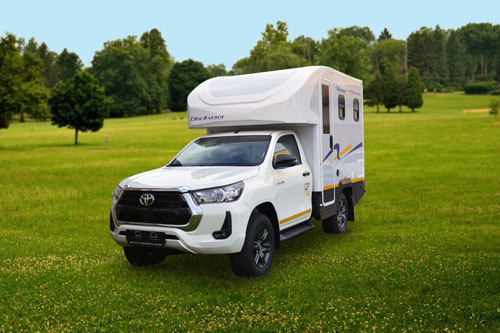
Essential Modifications & Gear: Look for RVs (or 4x4 vehicles with integrated campers) that come with high ground clearance, robust all-terrain (A/T) or mud-terrain (M/T) tires, and preferably two spare tires. Essential recovery gear such as a high-lift jack, recovery boards (Maxtrax), a snatch strap, and a basic toolkit are invaluable.
Pre-Trip Mechanical Checks: Before departure, ensure all tires are in excellent condition and correctly pressured for the terrain, all fluids are topped up, and you understand how to engage the 4x4 system and use any differential locks if present. Familiarity with basic recovery techniques is also beneficial.
What are the must-see attractions for a weekly RV rental in Zambia
For a weekly RV rental in Zambia, the absolute must-see attractions revolve around the unparalleled natural grandeur of Victoria Falls and the abundant wildlife experiences offered in premier national parks like Kafue or the Lower Zambezi. When planning your route, consider consulting RVPlan's curated itineraries for Zambia to maximize your experience.
Victoria Falls (Livingstone): As a UNESCO World Heritage Site, 'Mosi-oa-Tunya' (The Smoke That Thunders) is an essential stop. Beyond viewing the falls, Livingstone is an adventure hub offering activities like white-water rafting, bungee jumping, and helicopter flights. Experience the local markets for cultural interaction.
Kafue National Park: One of Africa's largest national parks, it offers diverse ecosystems from floodplains to woodlands, making it excellent for spotting a wide range of wildlife, including big cats, elephants, and various antelope species. The remote Busanga Plains (seasonal) are particularly renowned.
Lower Zambezi National Park: Known for its breathtaking river-based safaris, including canoeing and boat trips, which offer unique perspectives on elephants, hippos, and crocodiles, alongside land-based game drives.
Lake Kariba (Siavonga): This massive man-made lake provides a serene contrast to the wildlife parks. Enjoy fishing, relaxing by the water, or taking a boat cruise while appreciating the vastness of the lake and the impressive Kariba Dam.
Lusaka: While primarily a starting point, Zambia's bustling capital offers markets (like Soweto Market) and cultural centers that provide a glimpse into urban Zambian life and local craftsmanship.
Cultural Nuances & Respectful Interactions: While visiting these attractions, Avi Bandana encourages travelers to seek opportunities for respectful engagement with local communities. This includes supporting local businesses, learning a few basic phrases like 'Muli Bwanji?' (How are you?), and understanding local customs to ensure a positive and enriching interaction. This contributes positively to local economies.
What are the common challenges of an RV trip in Zambia
An RV trip in Zambia, while incredibly rewarding and an unforgettable adventure, presents common challenges including variable and often demanding road conditions, limited access to fuel and services in remote areas, communication difficulties, and the critical need for robust safety and health preparedness. For travelers seeking to mitigate these, our sister site, RV PLANET (rvplan.net), offers detailed route plans that highlight service availability.
Road Conditions: Many roads, especially those leading to or within national parks, are unpaved, deeply rutted, sandy, or heavily corrugated. Potholes are a common feature even on some main tarmac routes. This necessitates slower driving speeds and constant vigilance.
Fuel & Services: Fuel stations can be scarce outside of major towns; it is crucial to fill up whenever possible. RV repair services are extremely limited in remote areas, so a degree of self-sufficiency for basic repairs and carrying spare parts is essential.
Safety & Emergency Preparedness (Detailed Safety & Emergency Preparedness Gap):
Wildlife Encounters: Animals, including large game, can be on roads, particularly at dawn, dusk, or night. Drive cautiously and avoid night driving outside fenced areas.
Security: While generally safe, be vigilant, especially in remote camping areas. Secure your vehicle and valuables at all times. Familiarize yourself with local emergency contact protocols.
Breakdown Procedures: Know how to change a tire, carry a comprehensive recovery kit, and have a clear communication plan for breakdowns in areas without cell service.
Access to Medical Care: Medical facilities are limited outside major cities. A robust first-aid kit is essential, and understanding evacuation procedures for serious incidents is critical.
Connectivity & Communication (Connectivity & Communication in Remote Areas Gap): Cell phone service is unreliable or non-existent in many remote areas and most national parks. Consider renting a satellite phone, carrying a reliable two-way satellite messenger (like an inReach or SPOT device), or informing family/friends of your detailed itinerary and check-in points.
Health & Wellness on the Road (Health & Wellness on the Road Gap):
Comprehensive First-Aid Kits: Essential for treating cuts, bites, stomach issues, and pain relief. Include anti-malarials, insect repellent, and any personal medications.
Managing Heat & Dust: Stay hydrated, protect yourself from direct sun exposure, and consider dust masks on dusty roads.
Food and Water Safety: Stick to bottled or filtered water. Exercise caution with street food and ensure all meals are freshly prepared and well-cooked in remote areas.
Vaccinations: Ensure all recommended vaccinations (e.g., Yellow Fever, Hepatitis A/B, Tetanus, Typhoid, Rabies) are up-to-date and consult a travel doctor prior to your trip.
Environmental Responsibility (Environmental Responsibility & Sustainable Travel Gap): Adhere strictly to 'Leave No Trace' principles. Pack out all trash, dispose of greywater responsibly at designated points, use water sparingly, and always maintain safe distances from wildlife. Support local conservation efforts where possible.
Can you drive an RV across borders from Zambia
Driving an RV across borders from Zambia is possible but necessitates extensive prior planning, specific vehicle documentation, pre-approved permits, and the payment of various fees, which can vary significantly depending on the destination country. For advice on border crossings and logistics, it's always best to consult directly with your rental provider and the relevant consulates.
Popular Crossings: Common border crossings for RVers include those into Botswana (e.g., Kazungula Bridge for access to Chobe National Park), Zimbabwe (e.g., Victoria Falls Bridge or Kariba Dam), and occasionally Namibia (e.g., Katima Mulilo Bridge in the Caprivi Strip).
Essential Paperwork (Intricate Border Crossing & Transit Logistics Gap):
Vehicle Registration: You must have the original vehicle registration papers (not copies).
Authorization Letter: A crucial letter of authorization from your RV rental company explicitly granting permission to take the vehicle across specified borders, often detailing the countries and dates.
Driver's Documentation: A valid driver's license (an International Driving Permit is highly recommended) and your passport with any required visas for the destination country.
Insurance: Proof of valid third-party liability insurance that is recognized in the destination country is typically mandatory. Confirm with your rental company that their insurance covers cross-border travel.
Fees & Levies: Be prepared for a variety of charges at the border, including carbon taxes, temporary import permits for the vehicle, road access fees, and potentially council levies. These fees are usually payable in local currency or USD cash.
Logistics & Tips for Smooth Crossings:
Pre-Arrangement: Inform your rental company well in advance (weeks, even months) of your cross-border plans so they can prepare the necessary vehicle documentation.
Border Wait Times: Crossings can be lengthy, especially with a larger RV. Allocate several hours, particularly for busy borders or during peak seasons.
Multiple Posts: Be prepared to stop at several different offices (immigration, customs, police, vehicle permits, road tax) on both sides of the border.
Local Currency: Carry small denominations of local currency for minor fees, unofficial 'helpers,' or unexpected charges.
Patience: Border officials may operate at a slower pace; maintaining a polite and patient demeanor is crucial for a smooth process.
What You Shouldn't Miss
- Victoria Falls: Experience the sheer power and spray of "The Smoke That Thunders" from multiple viewpoints. Consider a guided tour to learn about its formation and significance.
- Zambezi River Sunset Cruise: Enjoy a relaxing cruise on the Zambezi, spotting hippos, crocodiles, and diverse birdlife while savoring the African sunset, often with included drinks and snacks.
- Kafue National Park Game Drive: Embark on a self-drive safari within Kafue, one of Africa's largest parks, to witness its rich biodiversity, including lions, leopards, cheetahs, and a vast array of antelopes and birds. Remember to plan your internal park routes carefully.
- Lake Kariba Lakeside Camping: Park your RV at a scenic campsite along Lake Kariba in Siavonga. Enjoy fishing, boat trips, or simply soaking in the expansive views of this vast man-made lake.
- Livingstone Museum & Craft Markets: Immerse yourself in local culture by visiting the Livingstone Museum for historical insights and exploring the vibrant craft markets for unique Zambian souvenirs.
- Soweto Market, Lusaka: For a taste of urban Zambian life, wander through Lusaka's bustling Soweto Market, experiencing its lively atmosphere and diverse offerings.
Final Thoughts
Renting an RV in Zambia is an incredible way to experience its natural beauty and vibrant culture up close. While the journey presents unique challenges, careful planning and choosing the right vehicle, perhaps with the help of RVPLAN's detailed itineraries, will ensure a smooth and unforgettable adventure.
We're here to support your planning every step of the way. Our commitment to full transparency means you'll always know the costs upfront, and our 24/7 support ensures you have peace of mind. Let us help you craft the perfect Zambian RV expedition!
Ready to explore Zambia by RV? Get inspired for your next trip by comparing options and planning your route with us!
For ideas you can prep on the road, watch our RV-friendly recipes playlist on YouTube.