In This Guide
- Best Namibia RV Itinerary for weekly rv rental - Overview
- 7-Day Classic Route in Namibia
- 14-Day Extended Journey in Namibia
- Recommended RVPlan Trip for Namibia
- Must-See Stops Along the Way (Avi Bandana Picks)
- Daily Driving Distances & Drive Times in Namibia
- Best RV Class for This Itinerary - Couple & Family Picks
- What RV types are best for Namibia's terrain?
- How much does a weekly RV rental in Namibia cost?
- How do you prepare for remote RV travel in Namibia?
- How can I be a responsible tourist when RVing in Namibia?
- What are the best ways to stay connected in remote Namibia?
- How do RVers manage food and water in Namibia?
- Are there less-traveled RV routes in Namibia beyond Etosha and Sossusvlei?
- What mental preparation is needed for isolated RV travel in Namibia?
- What permits are required for restricted RV areas in Namibia?
Embarking on a weekly RV itinerary in Namibia promises an unparalleled adventure through some of Africa's most breathtaking and diverse landscapes. With a rented motorhome, you're free to explore dramatic deserts, coastal towns, and abundant wildlife at your own pace, creating a truly personal journey. For live availability and current prices, start with our RV Rental Namibia - Complete Guide 2026 guide. We at Bandana RV have been helping tens of thousands of travelers explore the world by RV since 2001, and we're here to share our expertise so you can experience the magic of Namibia with full transparency and confidence.
Best Namibia RV Itinerary for weekly rv rental - Overview
A typical weekly RV rental in Namibia offers an exhilarating journey covering approximately 1,000-1,500 km (620-930 miles) through stunning desert and coastal regions. For a comprehensive weekly RV itinerary in Namibia, planning at least 7 days is recommended, though extending your trip to 10-14 days allows for a more relaxed pace and deeper exploration of this vast country. The optimal time for RV travel in Namibia is during the dry months from May to October, which provides pleasant temperatures for outdoor activities and easier wildlife spotting as animals congregate around fewer water sources.
Our featured itineraries are designed by professionals to maximize your experience. This suggested route focuses on the iconic sights of Sossusvlei, known for its towering red dunes, and the charming coastal town of Swakopmund, with flexible options for extending your adventure deeper into the country's wonders. Remember that prices for RV rentals in Namibia are dynamic and change daily based on availability, seasonality, and supplier decisions, so securing your rental in advance can offer better rates.
7-Day Classic Route in Namibia
This 7-day classic RV itinerary in Namibia provides a focused yet immersive experience, highlighting some of the country's most famous natural attractions. Drive slowly and carefully, covering approximately 100-150 km per day on average, to truly absorb the diverse landscapes and unique culture.
- Day 1: Windhoek to Sossusvlei Region (approx. 350 km) - Begin your journey by traveling southwest from Windhoek, the capital, towards the dramatic Sossusvlei region. Aim for a campsite near Sesriem Canyon, the gateway to the magnificent dunes. A popular choice is Sossus Oasis Camp Site, offering facilities and a convenient location.
- Day 2: Sossusvlei Exploration (approx. 120 km round trip) - Dedicate your day to exploring the breathtaking Sossusvlei. An early morning drive to Deadvlei and the iconic Dune 45 allows you to witness the sunrise over the red dunes. Later, explore Sesriem Canyon, a natural gorge carved by the Tsauchab River. You'll sleep again at Sossus Oasis Camp Site.
- Day 3: Sossusvlei Region to Swakopmund (approx. 350 km) - Head west through the ever-changing desert landscapes towards the Atlantic coast and the charming town of Swakopmund. This drive showcases Namibia's vastness. Settle in for the night at a well-equipped spot like Alte Brücke Holiday Resort.
- Day 4: Swakopmund Activities (approx. 50 km) - Enjoy a day of coastal adventures around Swakopmund. Options include thrilling quad biking or dune boarding on the vast sand dunes, or a marine cruise from nearby Walvis Bay to spot seals and dolphins. Alte Brücke Holiday Resort will be your base again.
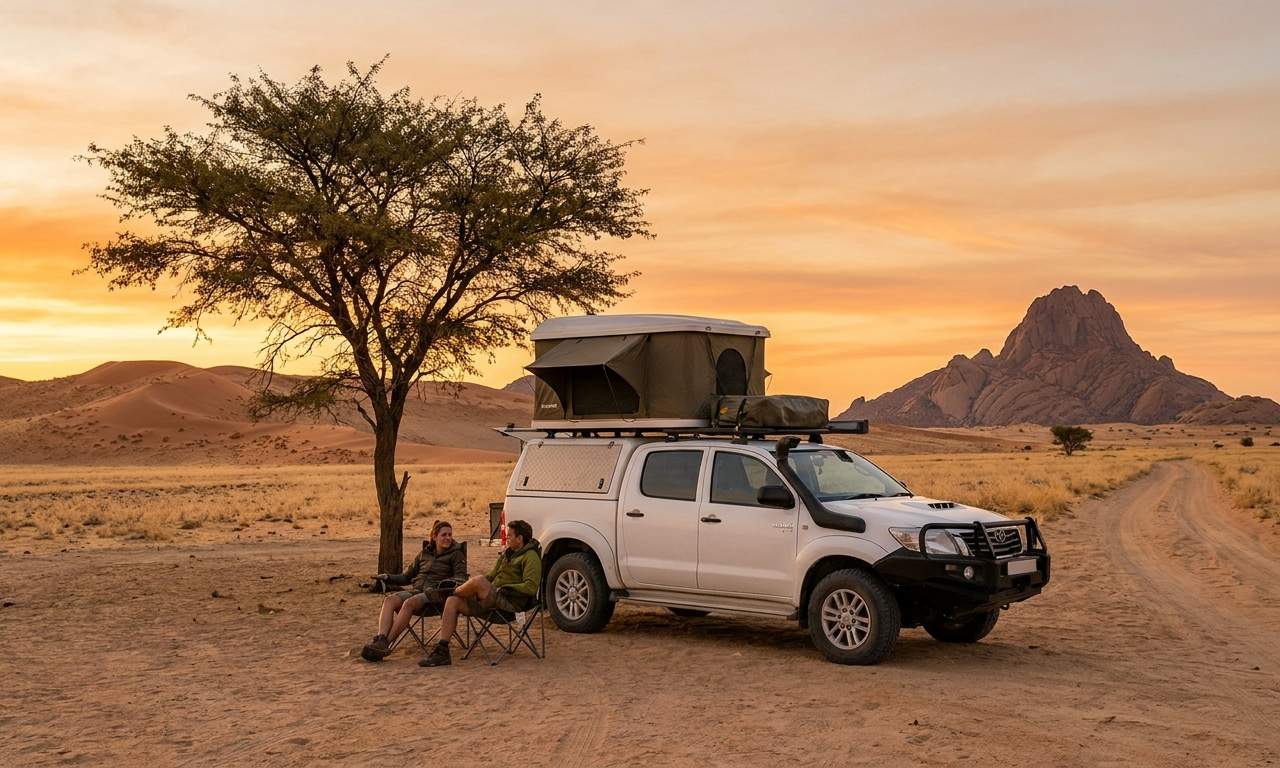
- Day 5: Swakopmund to Spitzkoppe (approx. 160 km) - Drive inland from the coast to the majestic granite peaks of Spitzkoppe, often called the "Matterhorn of Namibia." Arrive in time for sunset views painting the rocks in vibrant hues and discover ancient rock art sites. Camp directly at Spitzkoppe Campsite for an unforgettable night under the stars.
- Day 6: Spitzkoppe to Erongo Mountains (approx. 100 km) - A relatively short drive brings you to the scenic Erongo Mountains. This area offers excellent opportunities for hiking, birdwatching, and exploring unique geological formations. Consider Ai-Aiba Lodge & Campsite for your overnight stay.
- Day 7: Erongo Mountains to Windhoek (approx. 250 km) - Conclude your weekly rv adventure by returning to Windhoek for your RV drop-off. This journey allows for reflection on the incredible experiences and diverse beauty you've encountered. If you're considering a One-Way RV Rental in Namibia - Price Guide 2026 to another city, remember that drop-off fees usually apply.
14-Day Extended Journey in Namibia
For those with more time to immerse themselves in Namibia's wonders, a 14-day RV journey allows for a deeper and more comprehensive exploration. The longer duration means you can truly embrace the slow travel philosophy, averaging 100-150 km per day and taking time to connect with the culture, food, and scenery.
- Days 1-7: Follow the '7-Day Classic Route in Namibia' as outlined above, ensuring a relaxed pace with ample time at each captivating stop.
- Days 8-9: Swakopmund to Damaraland & Twyfelfontein (approx. 330 km) - From the coast, head north into the rugged beauty of Damaraland. Spend these days exploring Twyfelfontein, a UNESCO World Heritage site renowned for its ancient rock engravings, and keep an eye out for the elusive desert-adapted elephants. Madisa Camp offers a unique desert camping experience.
- Days 10-11: Damaraland to Etosha National Park (southern gate) (approx. 250 km) - Continue your adventure north to Etosha National Park, one of Africa's premier wildlife destinations. Enter through the southern Andersson's Gate and enjoy prime wildlife viewing at waterholes. Okaukuejo Rest Camp is famous for its floodlit waterhole, offering spectacular nighttime wildlife sightings.
- Day 12: Etosha National Park (across the park) (approx. 150 km) - Drive across Etosha National Park, stopping at various waterholes and viewing points, heading towards the eastern side of the park. Halali Rest Camp or Namutoni Rest Camp offer excellent facilities within the park for your overnight stay, enhancing your safari experience.
- Day 13: Etosha to Otjiwarongo/Waterberg Plateau (approx. 250 km) - Depart Etosha, heading south towards Otjiwarongo or the scenic Waterberg Plateau. This area provides a different ecological experience with hiking trails and opportunities for birdwatching. Waterberg Plateau Park Campsite is a great option for your final full night.
- Day 14: Otjiwarongo/Waterberg Plateau to Windhoek (approx. 250 km) - Conclude your extended Namibian adventure back in the capital, Windhoek, for your RV drop-off. This journey offers a fantastic overview of Namibia's diverse landscapes and wildlife. For detailed insights on costs, consult our "Weekly RV Rental in Namibia - Pricing 2026" guide.
Recommended RVPlan Trip for Namibia
While specific pre-designed RVPlan trip itineraries for Namibia are always evolving on the platform, we highly recommend exploring the diverse range of expert-curated routes available on RV PLANET. These professional route plans provide detailed daily schedules, recommended stops, and even allow you to itemize and track every expense along the way for easy budgeting, offering a seamless planning experience for your Namibian adventure. The 25% planning discount for using rvplan.net is a fantastic bonus for any pre-planner. On the routes offered through RV PLANET routes, you can itemize and track every expense along the way for easy budgeting.
🎬 Video coming soon
Using RV PLANET means you benefit from itineraries crafted by seasoned travelers who understand the unique aspects of RV travel in Africa. This takes the guesswork out of planning, letting you focus on the excitement of the journey. For additional insights on cost-saving strategies, refer to our "Cheap RV Rental in Namibia - Budget Guide 2026" to make the most of your budget.
Must-See Stops Along the Way (Avi Bandana Picks)
Avi Bandana recommends prioritizing traditional visit opportunities that offer unique natural beauty and profound cultural insights when RVing in Namibia. These are the moments that truly make your journey unforgettable and help you connect with the heart of the country.
- Sossusvlei Dunes: Absolutely essential. Climbing Dune 45 at sunrise or exploring the ghostly trees of Deadvlei offers photographic opportunities and a sense of awe that few places on Earth can match.
- Swakopmund's Unique Charm: Beyond the adventure activities, take time to appreciate the town's German colonial architecture and coastal atmosphere. The Jetty provides great views and fresh seafood.
- Spitzkoppe: The dramatic granite inselberg is a must-visit for its stunning rock formations, ancient bushman rock art, and incredible stargazing opportunities, making it a favorite for many.
- Etosha National Park: For wildlife enthusiasts, Etosha is non-negotiable. Its vast salt pan and numerous waterholes provide exceptional chances to see elephants, rhinos, lions, and countless antelope species.
- Himba Village Visits in Damaraland: Look for local industry experiences such as Himba village visits in Damaraland to gain respectful insight into one of Namibia's indigenous cultures. Always arrange these through reputable local guides.
- Gemstone Markets in Swakopmund: Seek out these markets for unique local handicrafts and souvenirs, supporting local artisans directly.
- Traditional Restaurant Experiences: In towns like Swakopmund, indulge in fresh seafood, and in Windhoek, sample local Namibian cuisine like game meat. For those who enjoy cooking on board, a rented RV kitchen is perfect for preparing meals with fresh local ingredients. Be sure to check out our RV-friendly recipes playlist for inspiration.
- Local Market Stalls: Don't miss the chance to explore these vibrant markets for handcrafted souvenirs and a taste of everyday life, fostering genuine connection with the local community.
Daily Driving Distances & Drive Times in Namibia
Avi Bandana consistently recommends a maximum of 100 miles or 150 km per day on average to truly savor your RV journey in Namibia and allow for spontaneous stops. This approach to travel ensures you have ample time to appreciate Namibia's vast landscapes, diverse wildlife, and cultural nuances without feeling rushed. Driving slowly and carefully, you can navigate almost anywhere without issues, without needing to stress-just use common sense and pay attention to road conditions.
For instance, driving from Windhoek to Sesriem (Sossusvlei area) typically covers around 350 km (217 miles) and can take 4-5 hours due to extensive gravel roads. Another example is the journey from Swakopmund to Spitzkoppe, approximately 160 km (100 miles), which usually takes 2-3 hours, again, largely dependent on varying road conditions. Always factor in extra time for photo opportunities, wildlife sightings, and rest stops, as these are often the most memorable parts of an RV adventure. Our "RV Driving Deals in Namibia - Routes and Savings 2026" guide offers more detailed driving advice.
Best RV Class for This Itinerary - Couple & Family Picks
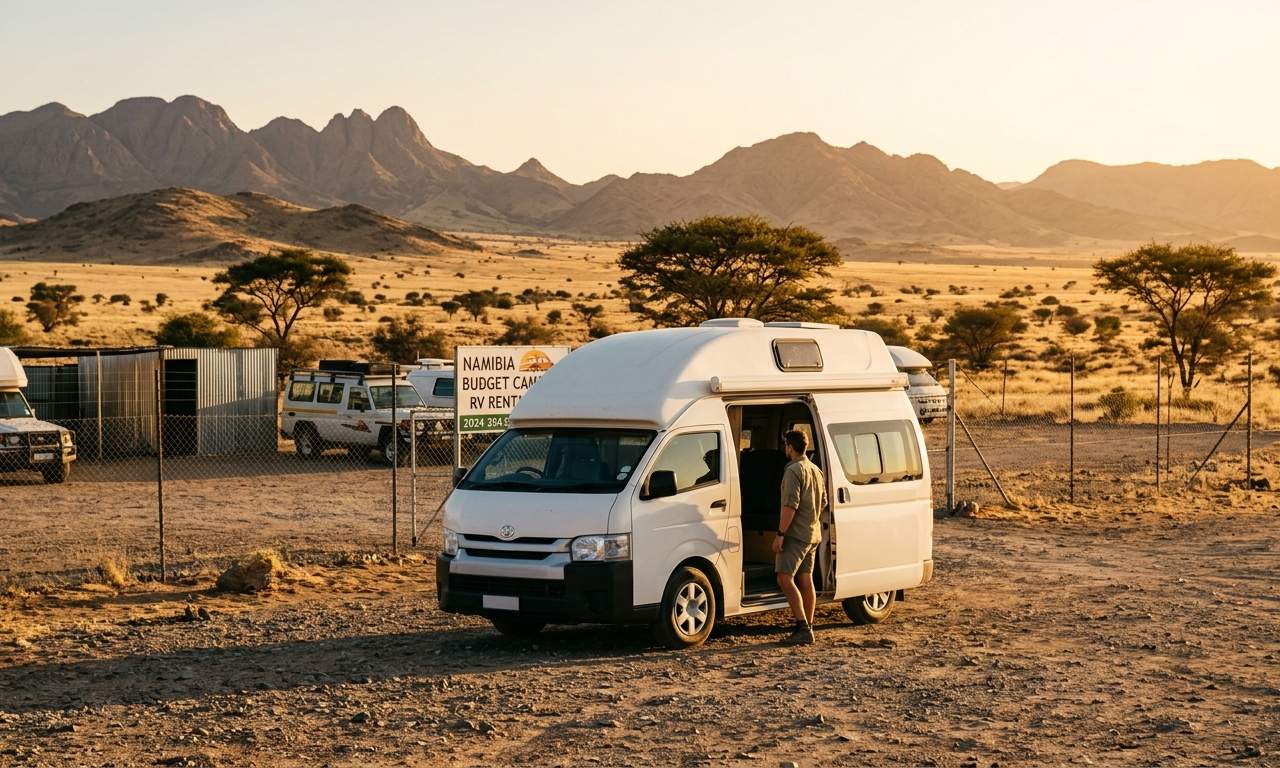
Choosing the right rented RV class for your Namibia itinerary is crucial for comfort and accessibility, catering to both couples and families. For couples, the Class B - Camper Van is an ideal choice, offering agility for Namibia's diverse roads with an average length of 5.8m and comfortably sleeping 2.7 adults, based on Bandana's global fleet averages. These campervans, like the "rv rental denver example Category Van" are compact, easy to maneuver, and perfect for two adventurers seeking flexibility and a cozy home on wheels with features like a shower and toilet. Another popular option for couples is the "2 Berth Hi Top" which is automatic and also comes with a front and roof air condition.
For families traveling in Namibia, the Class C - Alcove motorhome is highly recommended, providing ample space and sleeping capacity for 4.4 adults on average, with an average length of 7.5m. A Class C, such as a "24' Class C Motorhome", offers a comfortable living area, a larger kitchen, and often bunk beds, making it suitable for longer journeys and more passengers. These vehicles, like the "cruise america rv rental example Explorer", usually have a Fresh Water Tank of 82 Liters and a Fuel Tank of 75 Liters, providing good self-sufficiency for remote travel. Bandana's 'Rent&Plan' service combines your RV rental with a ready-made itinerary by travel experts, giving you full access to trip-planning software and removing the headache of detailed planning. For those seeking premium comfort, our "Luxury RV Rental in Namibia - Premium Prices 2026" guide showcases top-tier options.
What RV types are best for Namibia's terrain?
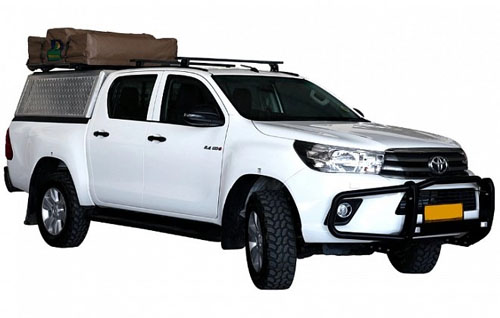
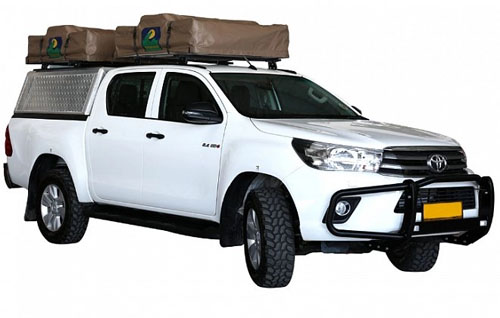
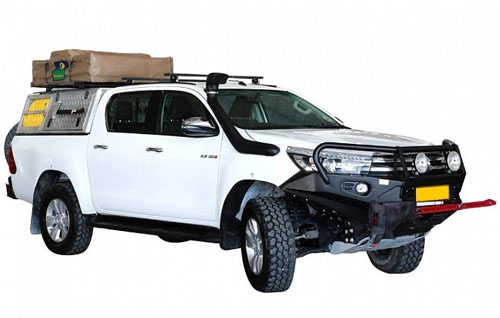
For Namibia's varied terrain, particularly the extensive gravel and sand roads, 4x4 capable RVs or pop-top 4x4 campers are highly recommended for their enhanced ground clearance and durability. These specialized vehicles, like a "4x4 Truck Camper Gold" or "Patagonia Camper 4x4 double cab", are built to handle challenging conditions and are crucial for accessing many of the country's most remote and beautiful areas. Pop-top 4x4 campers, which are essentially Class TC - Truck Campers, offer excellent off-road capabilities and are ideal for reaching more secluded campsites and wilderness areas that larger vehicles cannot. They often feature 4 Wheel Drive and automatic transmission, ensuring a smoother drive on uneven surfaces.
Larger motorhomes, such as Class C - Alcove or Class SI - Semi-integrated, are generally suitable for main paved roads and well-maintained gravel roads. However, they may struggle or even be restricted on more challenging, sandy, or deeply corrugated tracks common in certain national parks and remote regions. Therefore, consider vehicle suitability based on your specific itinerary; if venturing beyond primary routes into true wilderness, a 4x4 motorhome or campervan is essential for safety, accessibility, and peace of mind. A standard car driver's license is sufficient for all motorhome classes, including these 4x4 options.
How much does a weekly RV rental in Namibia cost?
A comprehensive budget for a weekly RV rental in Namibia includes several key components beyond just the vehicle rental rate, which typically varies by RV type and season. Expect weekly RV rental rates to range from €1,000 to €2,500+ depending on the RV class (e.g., a nimble Camper Van versus a robust 4x4 Off-road Camper) and the time of year, with peak season (May to October) generally seeing higher prices. Our "RV Rental in Namibia - Prices and Best Deals 2026" guide offers more detailed seasonal pricing.
Fuel costs represent a significant portion of the budget, with common consumption for a Class SI - Semi-integrated RV around 10-11 Liter/100 km, and fuel prices generally higher in remote areas. National park entry fees average approximately N$200-N$500 per person per day, and camping site charges range from N$150-N$400 per night. Additionally, allocate a budget for groceries and activities, and always include an emergency buffer of at least 15-20% for unforeseen expenses. On RV PLANET routes, travelers can itemize and track every expense along the way for easy budgeting, helping you stay on top of your total trip cost.
How do you prepare for remote RV travel in Namibia?
Preparing for remote RV travel in Namibia involves ensuring your rented motorhome is well-serviced, carrying at least one spare tire and basic repair tools, and packing an advanced first-aid kit. Given Namibia's vast and sparsely populated landscapes, self-sufficiency is paramount. Prioritize checking your vehicle's fluid levels, tire pressure, and lights before embarking on long stretches of road.
Essential communication tools for emergencies in remote regions include a satellite phone or a satellite messenger, as mobile phone reception is often nonexistent outside major towns. Familiarize yourself with breakdown procedures for isolated areas, including how to clearly signal for help and what critical spare parts to carry (e.g., fuses, fan belts, tire repair kits). It is also vital to educate yourself on wildlife safety protocols, especially regarding nocturnal animals at campsites and maintaining safe viewing distances. Finally, research medical evacuation options or ensure your travel insurance includes comprehensive coverage for such scenarios, giving you true peace of mind on your adventure.
How can I be a responsible tourist when RVing in Namibia?
Practicing responsible RV tourism in Namibia means adhering strictly to 'Leave No Trace' principles by packing out all waste, avoiding littering, and using designated disposal sites for grey water and trash. Namibia's fragile ecosystems and pristine wilderness demand extra care from visitors. It's crucial to minimize your environmental impact by conserving water, managing waste effectively, and always staying on marked roads to prevent damage to delicate desert flora and fauna.
Respect local cultures and communities by dressing appropriately, especially when visiting traditional villages, and always asking permission before taking photos of people. Supporting local businesses and craft markets directly contributes to the local economy and fosters positive interactions. Engage in ethical wildlife viewing by maintaining a respectful distance from animals, never feeding them, and refraining from disturbing their natural behaviors or habitats. Being a mindful traveler ensures that Namibia's natural beauty and cultural heritage are preserved for future generations.
What are the best ways to stay connected in remote Namibia?
Staying connected in remote Namibia typically requires a multi-pronged approach, as cellular coverage is very limited outside of major towns and along primary routes. Purchasing a local SIM card (from providers like MTC or TN Mobile) upon arrival in Windhoek is essential for maximizing connectivity where available. These cards provide data and call services that work best in populated areas and along the main tar roads.
While Wi-Fi is often available at larger lodges and some private campsites, it can be slow, unreliable, and sometimes expensive, so it should not be depended upon for critical communication. For truly isolated regions or emergencies, renting a satellite phone or carrying a satellite messenger is crucial for reliable communication. Be prepared for extended periods without internet or phone service; many RVers embrace this as an opportunity for intentional disconnection and to fully immerse themselves in the tranquility of the Namibian wilderness.
How do RVers manage food and water in Namibia?
Effective food and water logistics for RVers in Namibia are paramount due to the country's vast distances and sparse amenities, requiring careful planning and preparation. Travelers should carry ample water in their rented RV's fresh water tanks and supplementary containers, along with purification tablets or a high-quality water filter for refilling from less reliable sources when necessary. For example, a "cruise america rv rental example Explorer" has an 82 Liter Fresh Water Tank, but having extra containers is always wise.
Sourcing fresh produce and supplies is best done in larger towns such as Windhoek, Swakopmund, and Otjiwarongo, as grocery options become extremely limited or nonexistent in remote areas. Planning meals that utilize non-perishable items and ensuring your RV's refrigerator or freezer is functioning efficiently for perishables is key. For those who love cooking on the road, remember to utilize your RV's kitchen to prepare delicious meals with local ingredients; check out our RV-friendly recipes playlist for ideas. Finally, manage waste effectively by segregating recyclables and disposing of all trash responsibly at designated sites, especially avoiding leaving food waste that could attract wildlife or disturb the ecosystem.
Are there less-traveled RV routes in Namibia beyond Etosha and Sossusvlei?
Beyond the highly popular Etosha National Park and Sossusvlei, Namibia offers several less-traveled RV routes and hidden gems for adventurers seeking deeper immersion. These routes often require more robust vehicles, such as 4x4 campervans or motorhomes, due to varying road conditions.
- Kaokoveld: Explore the rugged beauty of Kaokoveld in the northwest, a wild and remote region known for its dramatic landscapes, unique Himba culture, and desert-adapted wildlife.
- Caprivi Strip (Zambezi Region): Venture to the wildlife-rich Caprivi Strip in the northeast, offering lush riverine environments, diverse birdlife, and opportunities for boat safaris in national parks like Bwabwata and Mudumu.
- Community Conservancies: Seek out community conservancies in Damaraland and Kunene, which provide unique opportunities for cultural immersion with local communities and tracking desert-adapted wildlife such as rhinos and elephants in their natural, unfenced habitats.
- Fish River Canyon: Consider visiting the dramatic Fish River Canyon in the south, the world's second-largest canyon, offering spectacular viewpoints and challenging hiking trails (seasonal).
- Skeleton Coast Wilderness: While large parts are restricted, certain remote wilderness camps of the Skeleton Coast can be accessed with required permits, offering an unparalleled sense of solitude and stark beauty.
These routes offer a chance to experience Namibia's vastness and solitude away from the main tourist hubs, connecting with local communities and lesser-known natural wonders. Our "RV Rental Africa - Complete Guide 2026" can provide a broader context for exploring this incredible continent.
What mental preparation is needed for isolated RV travel in Namibia?
Mental preparation for long-distance RV driving and camping in Namibia's extremely remote and sparsely populated landscapes requires cultivating patience, resilience, and a deep appreciation for solitude. Travelers must be prepared for long stretches without other vehicles or human settlements, which can be both awe-inspiring in its vastness and potentially unnerving for those accustomed to more populated areas. Embracing the quiet and the sheer scale of the landscape is part of the unique Namibian RV experience.
Fostering self-reliance is crucial; knowing basic vehicle maintenance, having a plan for unexpected challenges, and understanding that help might be hours or even a day away are essential aspects of readiness. Drive slowly and carefully, and you can drive almost anywhere without issues. No need to stress - just use common sense and pay attention to your surroundings. Embrace the vastness and silence, allowing time for reflection and enjoying the unique experience of being truly disconnected and immersed in nature, making for a profoundly rewarding and introspective adventure.
What permits are required for restricted RV areas in Namibia?
Specific permits are required for RV travel into certain restricted regions of Namibia, most notably parts of the Skeleton Coast National Park and the Sperrgebiet (Forbidden Zone). These areas are highly protected and regulated to preserve their unique ecosystems and historical significance. Access to the northern Skeleton Coast typically requires special concessions and permits, which are usually obtained through authorized tour operators, as self-drive is often restricted to maintain its pristine wilderness.
The Sperrgebiet, a former diamond mining area along the southern coast, has highly restricted access, usually requiring specific permits and guided tours departing from towns like Lüderitz. It is crucial to always check the latest permit requirements with Namibia Wildlife Resorts (NWR) or relevant local authorities well in advance of your trip, as regulations can change. Being informed and prepared ensures a smooth and legal RV adventure in these sensitive and protected areas.
What You Shouldn't Miss
- Climb Dune 45 in Sossusvlei at sunrise for iconic red desert views.
- Take a scenic drive through the otherworldly Moon Landscape near Swakopmund.
- Explore the ancient rock engravings at Twyfelfontein in Damaraland.
- Experience an unforgettable wildlife safari at the floodlit waterholes of Etosha National Park, especially at night.
- Visit the mystical Quiver Tree Forest near Keetmanshoop for unique photographic opportunities and stargazing.
- Drive through the dramatic granite formations of Spitzkoppe, discovering bushman art and stunning sunsets.
- Looking for expert insights from Avi Bandana? Top 5 Adventures - recommendations from Avi Bandana.
Final Thoughts
Namibia offers an incredible canvas for a weekly RV adventure, brimming with dramatic landscapes, unique wildlife, and rich cultural experiences. Whether you choose the classic 7-day route or an extended 14-day journey, the freedom of a rented motorhome allows you to create truly unforgettable memories at your own pace. With Bandana RV, you're not just booking a vehicle; you're gaining a partner who understands RV travel and is committed to making your trip seamless and transparent from start to finish.
So, imagine waking up to the shifting colors of the Sossusvlei dunes or spotting desert-adapted elephants from your mobile home. These are the moments that define a Namibian RV experience. We're here to support you before, during, and after your booking, ensuring every detail is handled with care. Get inspired for your next trip and plan a journey of a lifetime with Bandana RV.
Discover top destinations, planning tips, all in one place! Find your perfect Weekly RV Rentals in Namibia now.