For live availability and current prices, start with our RV Rental France - Complete Guide 2026 guide.
In This Guide
- Best France RV Itinerary for weekly rv rental — Overview
- 7-Day Classic Route in France
- 14-Day Extended Journey in France
- Recommended RVPlan Trip for France
- Must-See Stops Along the Way (Avi Bandana Picks)
- Daily Driving Distances & Drive Times in France
- Best RV Class for This Itinerary — Couple & Family Picks
- What RV size is best for navigating France's roads?
- How do I find 'Aires de Service' for RVs in France?
- What essential apps should I use for an RV trip in France?
- What are specific legal requirements for RVs in France?
- Can I travel with pets in an RV in France?
- What are unique seasonal RV experiences in France?
- How should I prepare for RV emergencies in France?
Best France RV Itinerary for weekly rv rental — Overview
For an unforgettable French adventure, consider a 7-day weekly RV rental that focuses on a specific region. This approach allows for deeper immersion and a more relaxed pace. Popular choices include the picturesque Loire Valley, the sun-drenched landscapes of Provence, or the historic shores of Normandy. Planning for approximately 700-1050 kilometers (435-650 miles) in total, averaging 100-150 km per day, ensures you have ample time to explore. While a minimum of 7 days is recommended for a fulfilling experience, longer durations offer even greater flexibility. The optimal seasons for RV travel in France are spring (April-May) for blooming landscapes and pleasant temperatures, or autumn (September-October) for harvest festivals and vibrant foliage. Embrace the inherent flexibility of RV travel to adapt your itinerary daily, discovering hidden gems and savoring spontaneous moments.
7-Day Classic Route in France
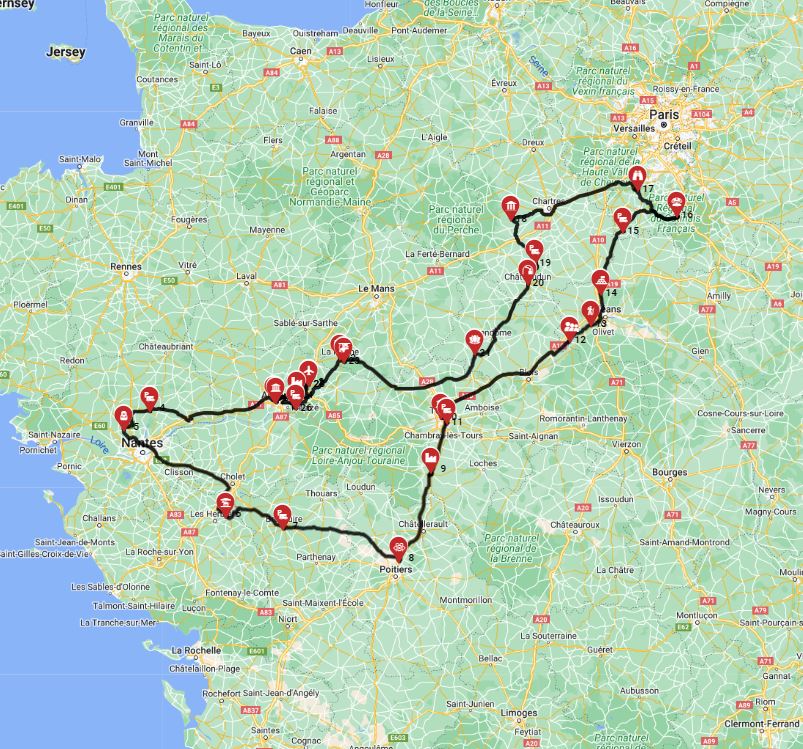
Embark on a classic 7-day itinerary through France's stunning Loire Valley, a region renowned for its châteaux, vineyards, and charming villages. This route is designed for a relaxed pace, averaging around 100-150 km per day, allowing you to truly soak in the scenery and culture.
Day 1: Paris pick-up → Chartres (approx. 90 km): Begin your journey by picking up your rented RV in Paris. Your first destination is Chartres, famous for its magnificent cathedral. Spend the afternoon exploring this historic city before settling into a local campsite or 'aire'.
Day 2: Chartres → Tours (approx. 140 km): Today, you'll drive through scenic countryside to Tours, a vibrant city on the Loire River. Discover its charming old town and lively Place Plumereau. Your overnight stay will be at a campsite near Tours.
Day 3: Tours → Amboise (approx. 25 km): A short, pleasant drive brings you to Amboise, a town steeped in royal history. Visit the stunning Château d'Amboise and Clos Lucé, the last residence of Leonardo da Vinci. Park your RV at a local aire or campsite.
Day 4: Amboise → Chenonceaux & Villandry (approx. 50 km): Prepare to be awestruck by the Château de Chenonceau, which gracefully spans the River Cher. Afterward, explore the meticulously manicured gardens of Villandry. Find a peaceful aire near Azay-le-Rideau for the night.
Day 5: Villandry → Saumur (approx. 50 km): Continue your westward journey along the Loire to Saumur, a town celebrated for its château and equestrian heritage. Consider a vineyard tour to sample local wines before resting at a riverside aire.
Day 6: Saumur → Le Mans (approx. 90 km): Head north to Le Mans, a city famed for its car racing circuit and its beautifully preserved historic quarter, the Cité Plantagenêt. Explore its medieval streets and motor racing history.
Day 7: Le Mans → Paris drop-off (approx. 200 km): Conclude your week-long Loire Valley exploration with the drive back to Paris for your RV drop-off, filled with memories of French charm and history.
14-Day Extended Journey in France
For those with more time, a 14-day journey offers the chance to experience the diverse beauty of France, from the southern allure of Provence to the glamorous French Riviera. This itinerary balances cultural exploration with stunning natural landscapes.
Week 1: Provence Exploration
Day 1: Marseille pick-up → Aix-en-Provence (approx. 30 km): Collect your RV in Marseille and drive to the elegant city of Aix-en-Provence, known for its tree-lined Cours Mirabeau and association with artist Paul Cézanne. Stay overnight at an aire or campsite.
Day 2: Aix-en-Provence → Luberon Villages (Gordes, Roussillon) (approx. 70 km): Immerse yourself in the quintessential Provençal countryside by visiting charming hilltop villages like Gordes and Roussillon, famous for its ochre cliffs. A convenient aire near Bonnieux awaits.
Day 3: Luberon → Avignon (approx. 60 km): Travel to Avignon, a city dominated by the impressive Palais des Papes and the iconic Pont d'Avignon. Find a comfortable campsite nearby.
Day 4: Avignon → Arles (approx. 40 km): Journey south to Arles, a city rich in Roman heritage, including its magnificent arena, and famously associated with Vincent van Gogh. Overnight at an aire or campsite in Arles.
Day 5: Arles → Camargue Regional Nature Park (approx. 50 km): Explore the unique wetlands of the Camargue, a haven for wildlife, including pink flamingos and wild white horses. Camp overnight in Saint-Maries-de-la-Mer.
Day 6: Camargue → Nîmes (approx. 80 km): Visit Nîmes to marvel at its well-preserved Roman architecture, including the Arena of Nîmes and the nearby Pont du Gard aqueduct. Stay at a campsite near Nîmes.
Day 7: Nîmes → Verdon Gorge (approx. 140 km): Experience a scenic drive to the Verdon Gorge, Europe's largest canyon, offering spectacular views and opportunities for water activities and hiking. Your overnight spot will be a campsite near Lac de Sainte-Croix.
Week 2: French Riviera & Alpes Maritimes
Day 8: Verdon Gorge → Grasse (approx. 80 km): Head towards the coast to Grasse, the perfume capital of the world. Visit a perfumery to learn about its fragrant industry. Overnight at a campsite near Grasse.
Day 9: Grasse → Nice (approx. 50 km): Drive along the stunning Mediterranean coast to Nice. Enjoy the famous Promenade des Anglais and explore the charming Old Town. Consider parking outside the city and using public transport for convenience.
Day 10: Nice → Eze & Monaco (approx. 30 km): Discover the breathtaking hilltop village of Eze before crossing into the opulent principality of Monaco. Your overnight stop could be in Menton or near the Italian border.
Day 11: Monaco → Antibes & Cannes (approx. 50 km): Explore the glamorous coastal towns of Antibes, home to the Picasso Museum, and Cannes, famous for its film festival and La Croisette promenade. Find a campsite near Antibes.
Day 12: Antibes → Saint-Tropez (approx. 80 km): Continue along the spectacular coastline to the iconic Saint-Tropez. Enjoy the Riviera lifestyle and park at a campsite nearby.
Day 13: Saint-Tropez → Cassis & Calanques National Park (approx. 100 km): Visit the picturesque fishing port of Cassis and explore the stunning Calanques National Park, a series of dramatic limestone cliffs and turquoise waters. Camp near Cassis.
Day 14: Cassis → Marseille drop-off (approx. 40 km): Conclude your extensive French RV journey with the short drive back to Marseille for your RV drop-off.
Recommended RVPlan Trip for France
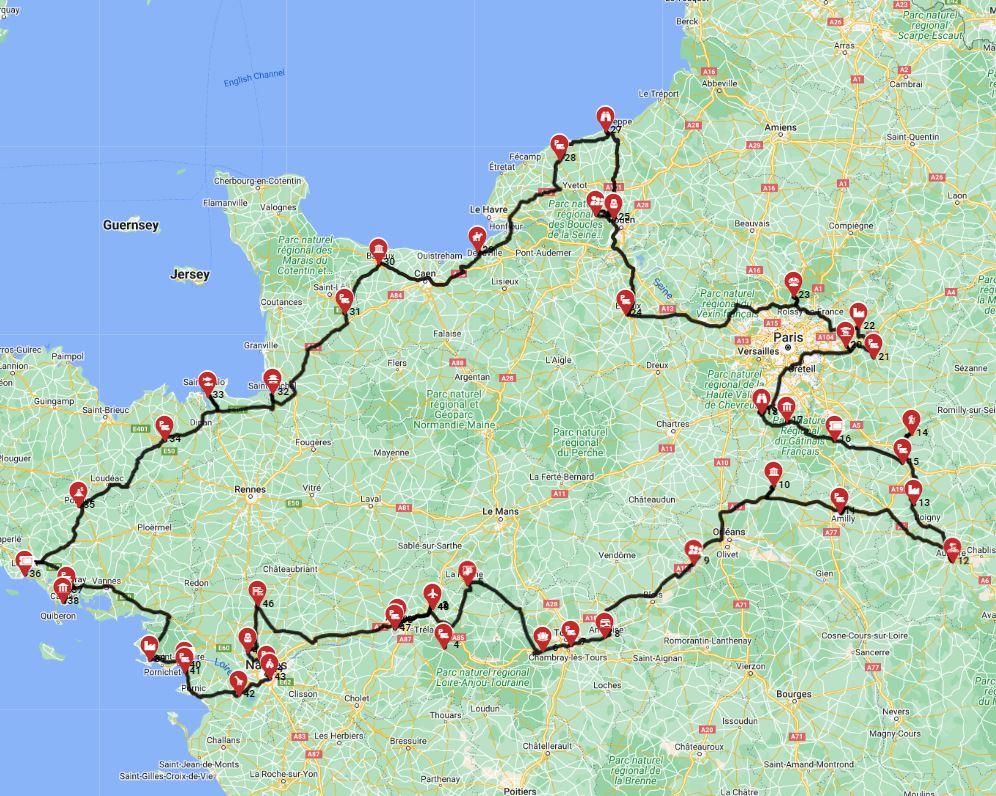
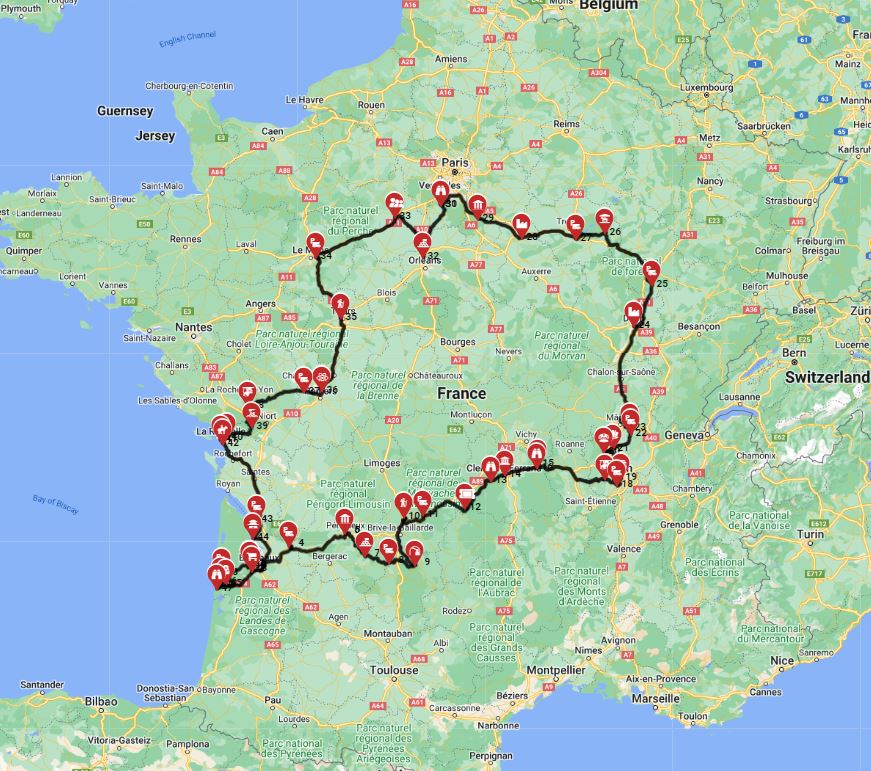
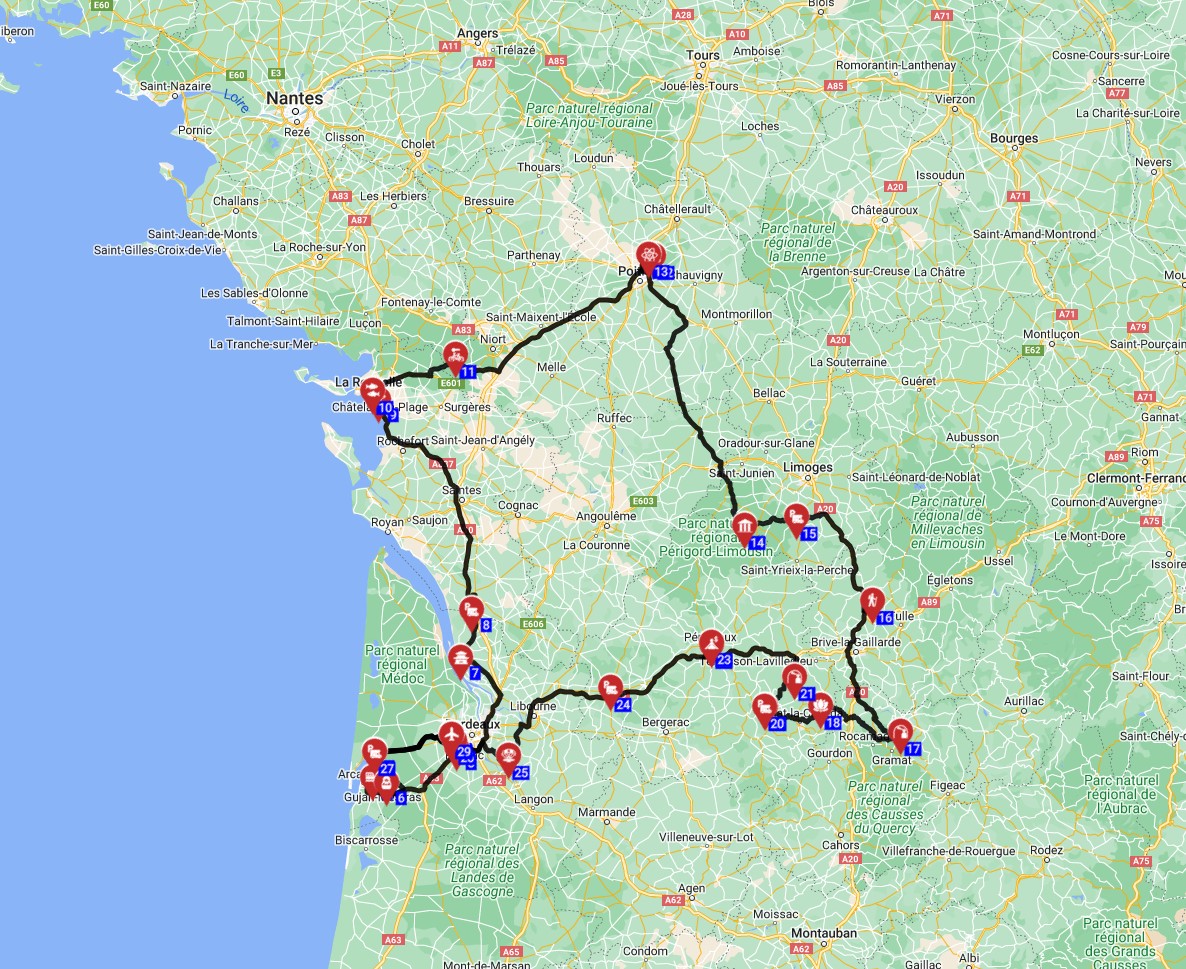
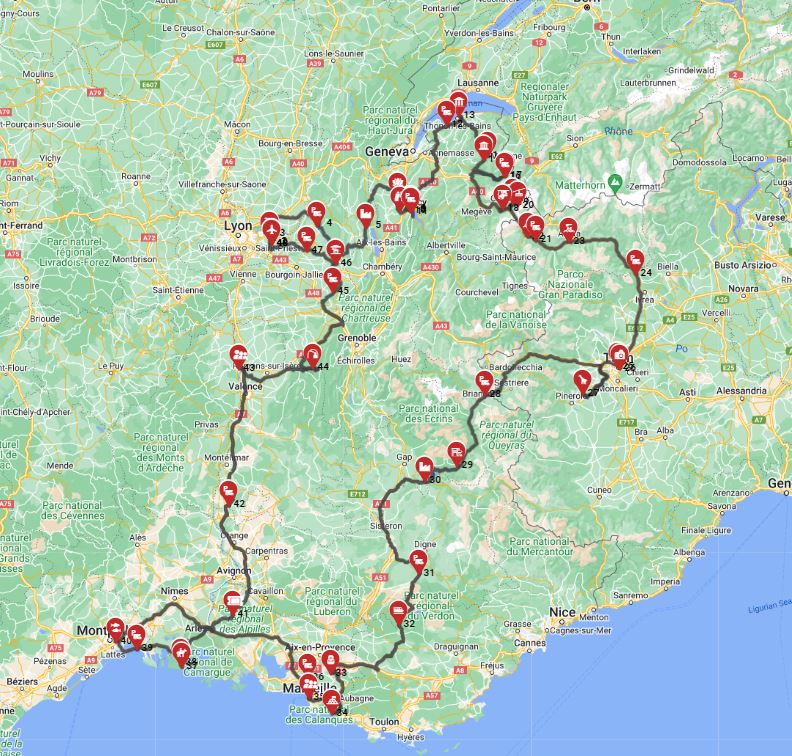
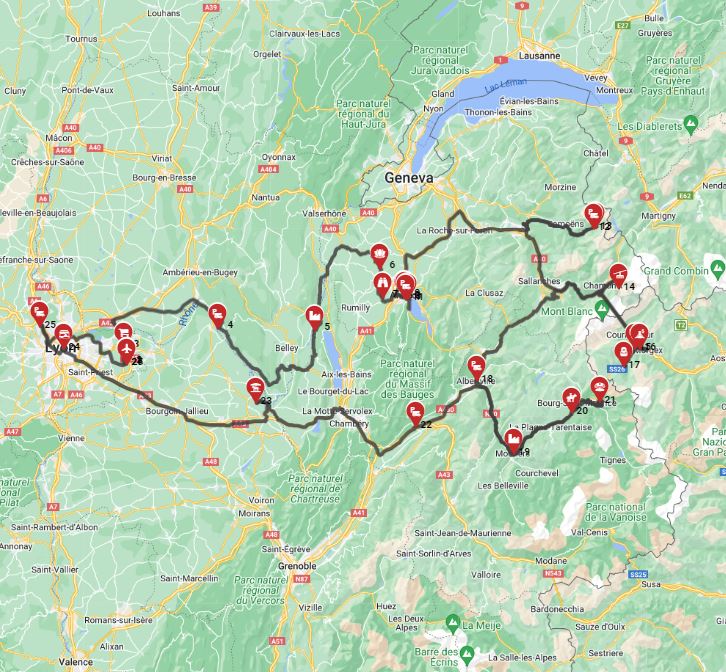
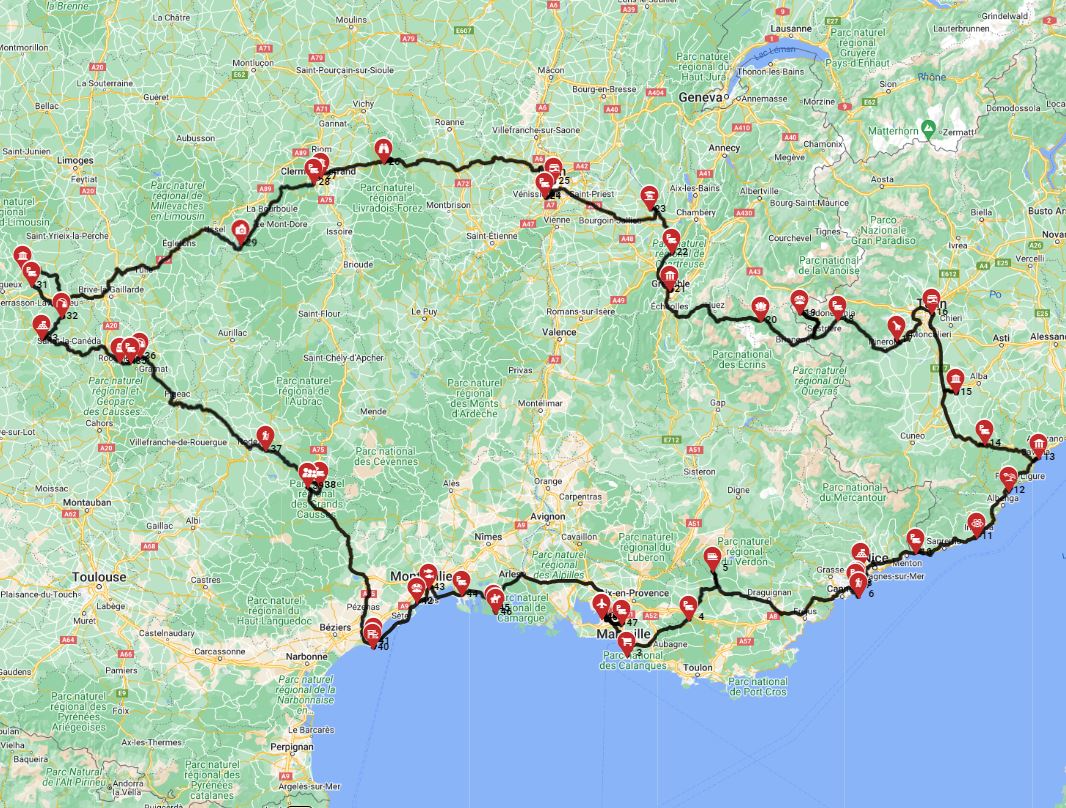
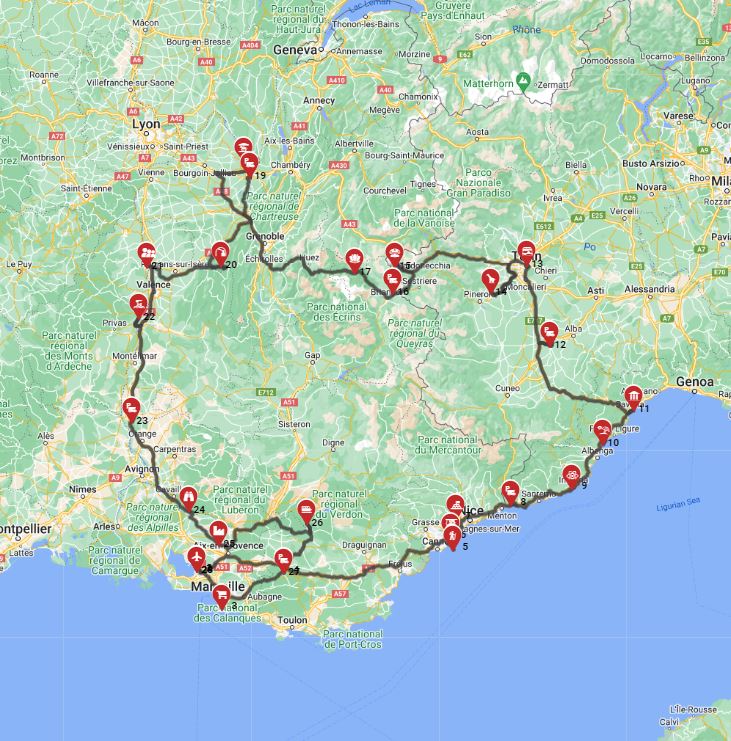
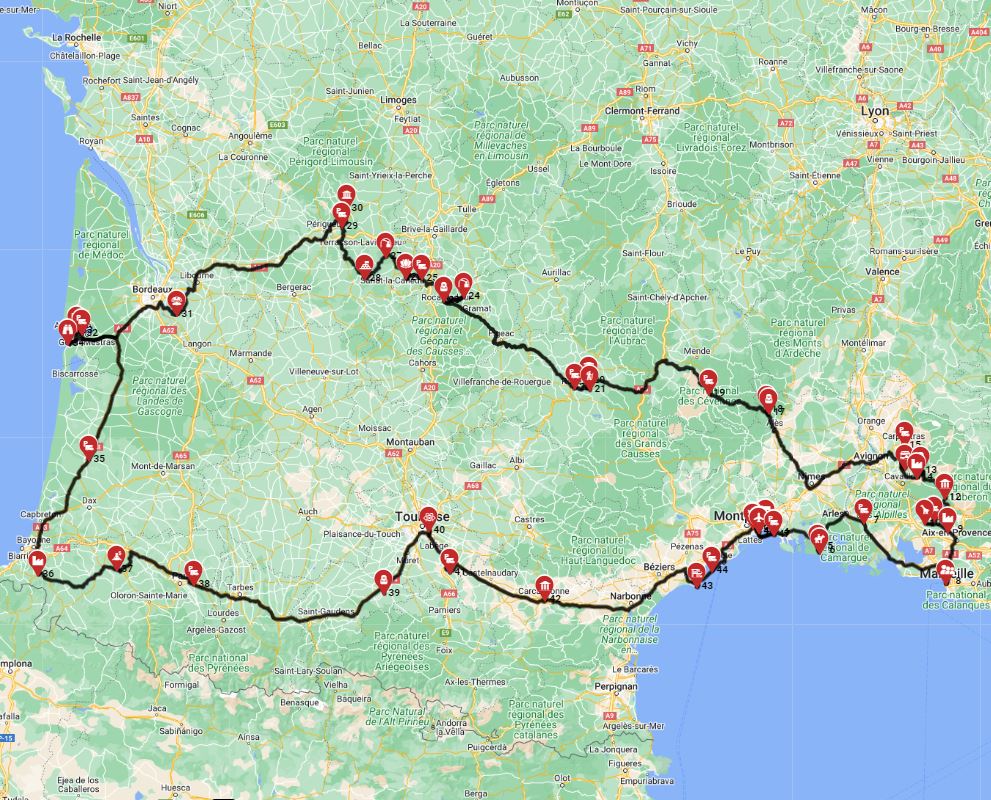
For a comprehensive and well-planned adventure, consider the "Milano Roundtrip - West - Italian alps, France alps" itinerary from RVPlan. This extensive 21-day journey covers approximately 1734.1 kilometers, offering significant exploration within the French Alps and beyond. While designed for a longer trip, segments can be adapted for shorter explorations into France. This pre-planned route, accessible via RVPlan's motorhome road trip with an RV from Milano, simplifies logistics significantly.
Bandana's Rent & Plan service, in conjunction with RVPlan, combines your chosen RV rental with a ready-made itinerary and full access to trip-planning software, taking the stress out of planning and allowing you to focus on the journey itself.
Must-See Stops Along the Way (Avi Bandana Picks)
To truly capture the essence of France, Avi Bandana recommends incorporating authentic cultural experiences into your RV journey. This means seeking out vibrant local markets, savoring traditional cuisine, exploring significant historical sites, and engaging with local industries that define the regional character.
- Traditional Market (Marché Traditionnel): Visiting a local market is a feast for the senses. Here, you can experience everyday French life, sample fresh regional produce, and find unique artisanal goods and souvenirs.
- Traditional Restaurant / Fine Dining (Restaurant Traditionnel): Indulge in authentic French cuisine. Whether it's rustic regional dishes or elegant gastronomic experiences, tasting the local food is essential to understanding the culture.
- Local Industry (Industrie Locale): Gain insight into regional craftsmanship by visiting a local industry. Think of a wine tasting at a renowned vineyard in Bordeaux, a fragrant lavender farm in Provence, or a traditional cheese producer in Normandy.
- Historical Site (Site Historique): France's past is palpable. Explore ancient Roman ruins in Arles, formidable medieval castles in the Loire Valley, or historically significant battlefields and monuments that tell the story of the nation.
- Natural Feature (Caractéristique Naturelle): Don't miss France's diverse natural beauty. Appreciate the dramatic gorges and sparkling lakes of the Verdon, the majestic peaks of the Alps, or the pristine coastlines of Brittany.
Daily Driving Distances & Drive Times in France
For an enjoyable weekly RV rental in France, maintaining a relaxed pace is key. Avi Bandana strongly recommends keeping daily driving distances to a maximum of 100 miles or 150 km. This approach prioritizes slow travel, allowing you to truly savor each destination and discover hidden gems without feeling rushed. Factor in that travel times can be longer on scenic rural roads and when navigating around major cities. For instance, a drive from Bordeaux to Biarritz (approx. 200 km) might take 2.5-3 hours, while the coastal route from Nice to Marseille (approx. 160 km) could take around 2 hours, depending on traffic and specific routes taken. Similarly, the drive from Avignon to Lyon (approx. 230 km) can take about 2.5-3 hours.
Best RV Class for This Itinerary — Couple & Family Picks
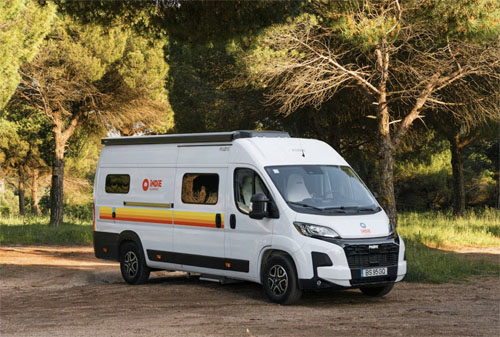
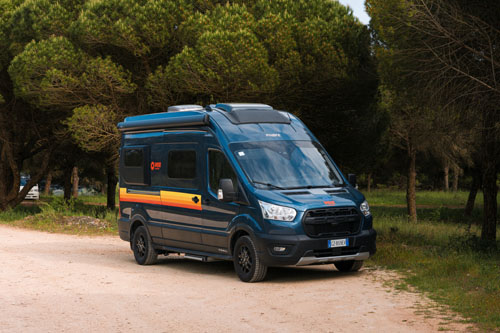
Choosing the right RV class for your weekly rental in France is crucial for comfort and convenience. For couples seeking agility and ease of movement, a Class B Camper Van is often the ideal choice. For families, a Class C Alcove motorhome provides more living and sleeping space.
For Couples: Class B - Camper Van
- Why: Bandana's fleet typically features Class B Camper Vans averaging 5.8 meters in length. These are exceptionally agile for navigating narrow French village streets and finding parking. With an average of 3.2 sleeping places, they are perfect for two adults who value flexibility.
- Specs: Average length 5.8m, average sleeping places 3.2, average adults accommodated 2.7.
For Families: Class C - Alcove
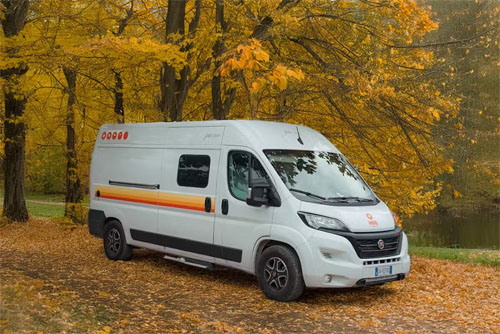
- Why: For families, Bandana's Class C Alcove motorhomes, averaging 7.5 meters in length, offer significantly more living and sleeping space. With an average of 5.8 sleeping places and generous load capacity, these are ideal for 4-5 adults and children, ensuring comfort on longer trips.
- Specs: Average length 7.5m, average sleeping places 5.8, average adults accommodated 4.4, average load capacity 42.4 kg.
Consider using Bandana's "Rent & Plan" service to combine your chosen RV rental with a curated itinerary and trip-planning software, simplifying your entire travel experience.
What RV size is best for navigating France's roads?
Navigating France's diverse road network, particularly in historic village centers and rural areas, favors smaller to medium-sized RVs. Class B Camper Vans, averaging around 5.8 meters in length, are highly maneuverable for charming but often tight village streets and simplify city parking. Semi-integrated Class SI RVs, typically around 6.9 meters, offer a good balance of interior space and external manageability, suitable for both highways and smaller roads. While larger Class A Integrated or Class C Alcove RVs provide more comfort, they can present challenges in very old towns, narrow rural lanes, or finding suitable parking in urban areas. Be mindful that larger vehicles may incur higher toll costs (Péages) and require specific city access planning, such as obtaining a Crit'Air sticker for low-emission zones. On the routes offered through RV PLANET routes, you can itemize and track every expense along the way for easy budgeting.
How do I find 'Aires de Service' for RVs in France?
The most effective way to locate 'Aires de Service' in France, which are dedicated motorhome parking areas offering essential amenities like water, waste disposal, and sometimes electricity, is through specialized RV mobile applications and online databases. Apps like Park4night and Campercontact are invaluable, featuring user-generated locations, photos, and reviews. The France Passion scheme, a membership program, also grants free overnight stays at hundreds of vineyards, farms, and artisan producers across France, requiring the purchase of their annual guide. These resources are crucial for flexible and cost-effective RV travel, providing excellent alternatives to traditional campsites.
What essential apps should I use for an RV trip in France?
Beyond RV-specific site locators like Park4night and Campercontact, several essential apps enhance an RV trip in France. Navigation and traffic apps such as Google Maps or Waze are vital for real-time updates and optimal routing, while offline map apps like Maps.me or Sygic are indispensable for areas with limited mobile signal. Language translation apps like Google Translate or DeepL are invaluable for deciphering signs and menus. For finding fuel and services, apps like Fuelio or European equivalents help locate the cheapest fuel stations. TripAdvisor or Google Reviews are great for finding local restaurants and attractions. Consider purchasing a local French SIM card from providers like Orange, SFR, or Bouygues Telecom for reliable data, or check your home provider's roaming options.
What are specific legal requirements for RVs in France?
Navigating France in an RV involves adhering to specific legal requirements. All occupants must have easy access to a reflective safety vest and a warning triangle. While the fine for not carrying a breathalyzer kit has been removed, it is still advisable to have one. For non-EU citizens, an International Driving Permit is often required, alongside your national license. Ensure you carry vehicle registration documents and proof of insurance, including a Green Card for vehicles registered outside the EU/EEA/Switzerland. If your RV's headlights are designed for left-hand traffic (e.g., from the UK), beam deflectors are mandatory. Many French cities have designated low-emission zones (ZFE) requiring a Crit'Air sticker, which must be purchased online in advance. RVs over 3.5 tonnes may face different speed limits and toll categories.
Can I travel with pets in an RV in France?
Traveling with pets in an RV throughout France is generally well-supported, provided your pet meets specific entry requirements. This includes possessing an up-to-date EU Pet Passport, being microchipped, and having current rabies vaccinations. Many French campsites and 'aires de service' welcome pets, but it's always wise to confirm their policies, especially for larger animals. Be aware that pets are typically restricted from public transport and many indoor attractions, so always check local signage. Researching local vets along your route in advance is also recommended for any potential needs. Crucially, never leave pets unattended in the RV during warm weather; ensure adequate ventilation, shade, and constant access to fresh water.
What are unique seasonal RV experiences in France?
France offers a rich tapestry of unique seasonal RV experiences, allowing travelers to immerse themselves in diverse activities throughout the year. In spring (March-May), explore the blossoming countryside, witness early vineyard growth, or attend local spring festivals celebrating agriculture and flowers. Summer (June-August) is ideal for coastal RV trips to the French Riviera or Atlantic beaches, exploring the French Alps for hiking and cycling, or enjoying numerous regional music and art festivals. Autumn (September-November) is the time to experience the Grape Harvest (Vendanges) in renowned wine regions like Burgundy or Bordeaux, delve into the Truffle Season in Provence, or take scenic drives through forests ablaze with fall foliage. Winter (December-February) is perfect for enjoying ski resorts in the Alps or Pyrenees (check specific RV park regulations) or visiting charming Christmas Markets in cities like Strasbourg and Colmar in Alsace.
How should I prepare for RV emergencies in France?
Effective preparation for RV emergencies in France involves key knowledge and readiness. Memorize the primary European emergency number, 112, which connects to ambulance, fire, and police services. Also, note the French-specific numbers: 15 for SAMU (medical emergencies), 17 for Police, and 18 for the Fire Brigade. Ensure your RV rental includes comprehensive breakdown assistance and insurance. Personal travel insurance is also vital for medical emergencies and other unforeseen events. In case of a breakdown, immediately deploy your warning triangle and put on your reflective vest for safety, and keep the rental company's roadside assistance contact details readily accessible. For theft prevention, always lock your RV, close windows, and keep valuables out of sight, opting for well-lit, populated campsites or 'aires' for overnight parking.
What You Shouldn't Miss
- Drive through the stunning Loire Valley, visiting iconic Châteaux like Chambord and Chenonceau.
- Explore the vibrant markets and Roman heritage of Provence, from Aix-en-Provence to Arles.
- Experience the dramatic beauty of the Verdon Gorge, perhaps with a kayak or hike.
- Wander through the charming hilltop villages of the Luberon region, such as Gordes and Roussillon.
- Enjoy the coastal glamour of the French Riviera, from the promenades of Nice to the principality of Monaco.
- Savor authentic French cuisine and local wines at traditional restaurants and vineyards along your route.
Renting an RV in France opens up a world of possibilities, allowing you to explore its diverse landscapes and rich culture at your own pace. From the charming villages of the Loire Valley to the stunning coastlines of the French Riviera, a motorhome provides the ultimate freedom and flexibility for your journey.
With Bandana Caravan, you benefit from our expertise and commitment to transparency. We make the booking process seamless, ensuring you find the perfect RV for your French road trip. Don't just dream about it – start planning your unforgettable RV adventure in France today!