For live availability and current prices, start with our RV Rental East Canada - Complete Guide 2026 guide.
In This Guide
- Best East Canada RV Itinerary for weekly rv rental — Overview
- 7-Day Classic Route in East Canada
- 14-Day Extended Journey in East Canada
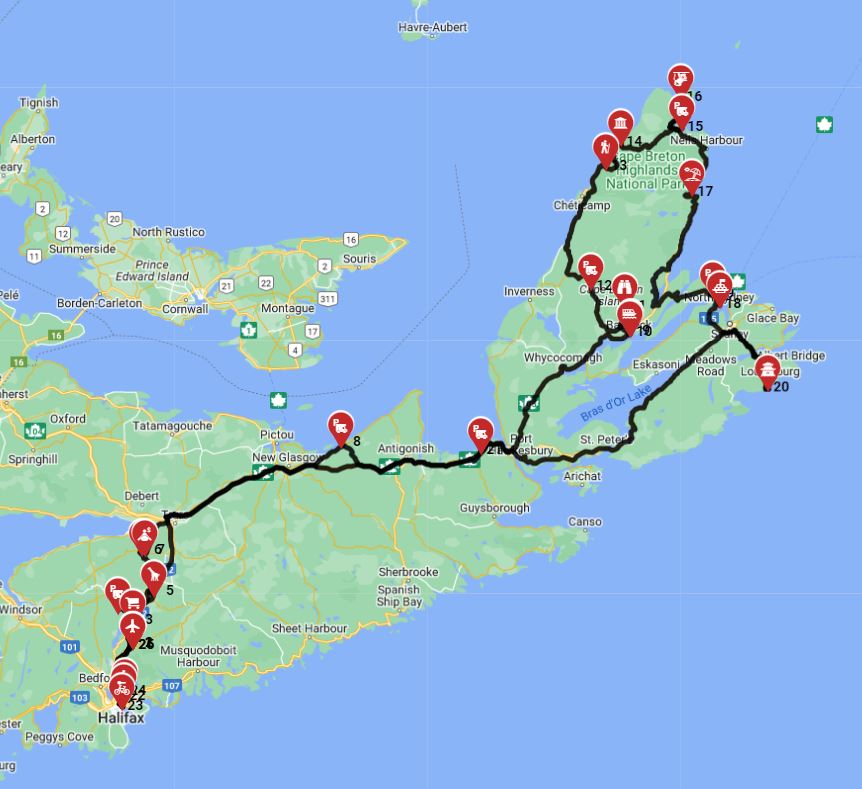
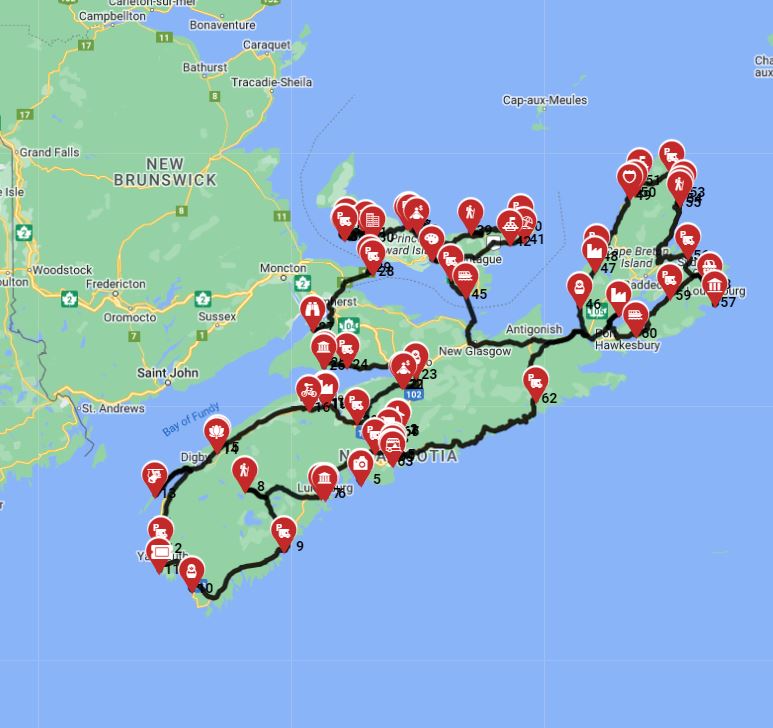
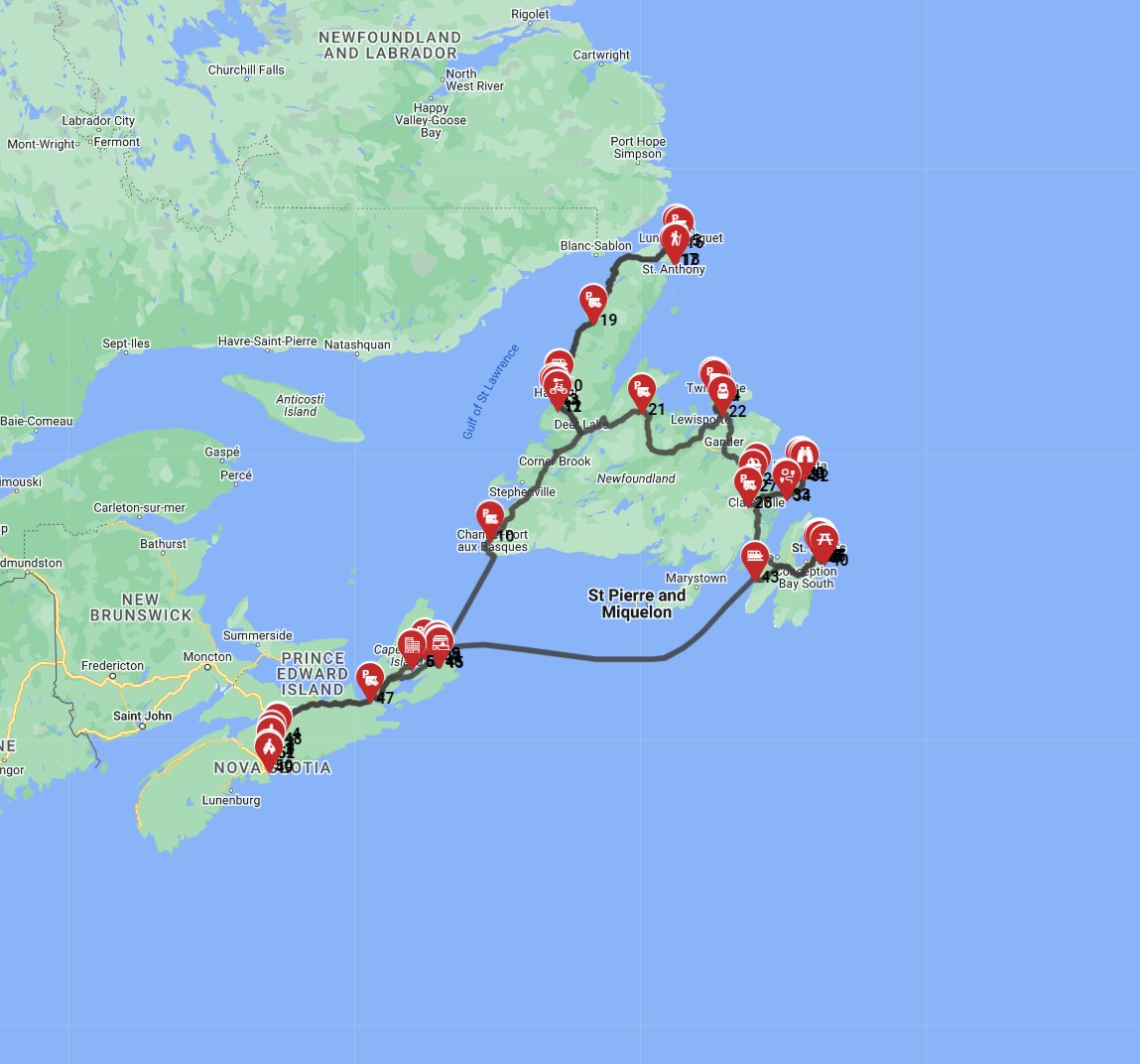
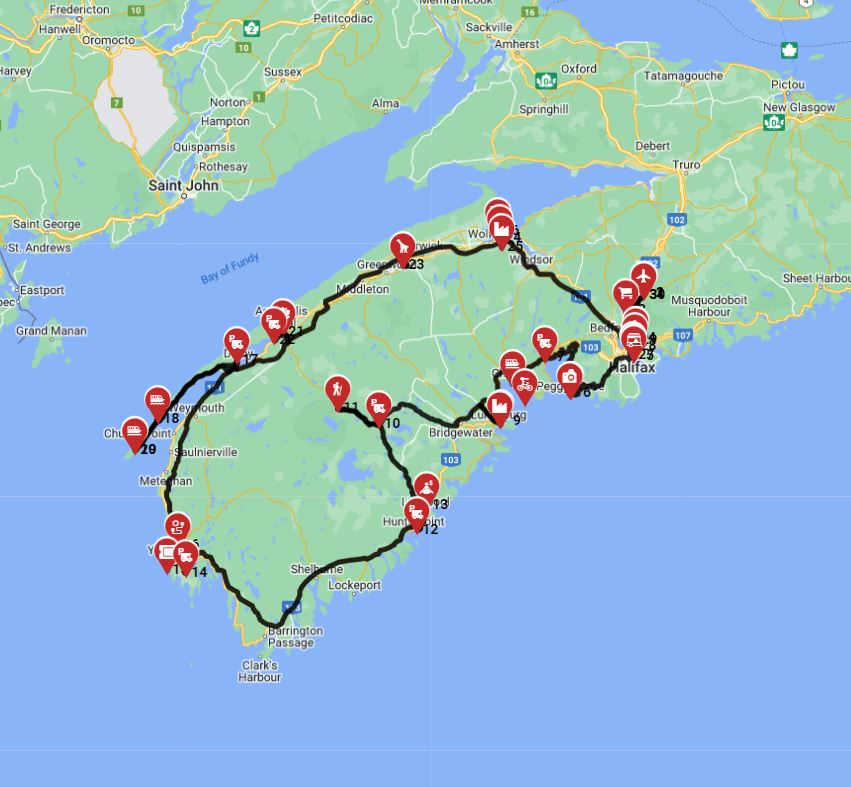
- Recommended RVPlan Trip for East Canada
- Must-See Stops Along the Way (Avi Bandana Picks)
- Daily Driving Distances & Drive Times in East Canada
- Best RV Class for This Itinerary — Couple & Family Picks
- What is the 3-3-3 rule for RV travel?
- How many days do you need for East Coast, Canada?
- What is the best RV route planner in Canada?
- What is the best time of year to visit Eastern Canada?
- What are the best campgrounds on the East Coast of Canada?
- What are the best RV road trips on the East Coast?
- What is the best month to visit the Maritimes?
- What is the 4 4 4 rule for RV?
- What is the best place to visit in Eastern Canada?
Best East Canada RV Itinerary for weekly rv rental — Overview
A 7 to 14-day RV adventure in Eastern Canada allows for deep exploration of its scenic coastlines, charming towns, and rich history, typically covering 700-1500 km. The ideal time for an RV trip is from late May to early October, a period that allows you to avoid the peak summer crowds while still ensuring generally good weather and that most services and attractions are open. This itinerary specifically focuses on the core Maritime provinces—Nova Scotia, Prince Edward Island, and parts of New Brunswick—offering a classic weekly rental experience that encapsulates the region's charm and natural beauty.
7-Day Classic Route in East Canada
Day 1: Halifax, Nova Scotia → Peggy's Cove (approx. 50 km / 30 miles). Start your East Canada RV journey from Halifax, where you'll pick up your rental and stock up on any essential supplies. Then, drive the scenic coastal route to the iconic Peggy's Cove lighthouse, taking time to explore the unique granite landscape and charming fishing village. For your overnight stay, consider the Peggy's Cove Campground (private) or explore nearby provincial parks for bookings that typically include dump stations and potable water. On the routes offered through RV PLANET routes, you can itemize and track every expense along the way for easy budgeting.
Day 2: Peggy's Cove → Lunenburg (approx. 80 km / 50 miles). Continue your journey along the picturesque Lighthouse Route to Lunenburg, a UNESCO World Heritage site renowned for its colorful waterfront and deep seafaring history. Be sure to explore the Fisheries Museum of the Atlantic and, if you're lucky, spot the Bluenose II schooner in port. Popular campgrounds include Lunenburg Family Campground or nearby provincial parks like The Ovens Natural Park, both offering good RV facilities.
Day 3: Lunenburg → Bay of Fundy (Annapolis Royal area) (approx. 130 km / 80 miles). Head towards the majestic Bay of Fundy, famous for the world's highest tides and the unique tidal bore experiences. Visit Annapolis Royal, a historic town boasting beautiful gardens and Fort Anne National Historic Site. Excellent RV accommodations can be found at Upper Clements Park & Campground or other private campgrounds offering tidal views and full hookups.
Day 4: Bay of Fundy (Annapolis Royal) → Cavendish, PEI (approx. 150 km / 90 miles). Today involves crossing to Prince Edward Island. You can opt for the ferry from Digby, NS to Saint John, NB (always check schedules for RV length restrictions) or drive to the impressive Confederation Bridge. Once on PEI, explore Cavendish Beach, Green Gables Heritage Place, and the stunning red cliffs. The Prince Edward Island National Park Campground (Cavendish Campground) or private sites are good options; remember to check pet regulations if applicable.
Day 5: Cavendish → Charlottetown, PEI (approx. 40 km / 25 miles). Enjoy a leisurely drive to Charlottetown, the charming capital city and birthplace of Canadian Confederation. Explore the historic downtown, Province House, and the vibrant waterfront. For overnight stays, consider Red Point Provincial Park for a coastal experience or a city-proximate private RV park with good connectivity.
Day 6: Charlottetown, PEI → Moncton, New Brunswick (approx. 160 km / 100 miles). Drive back to New Brunswick via the Confederation Bridge, enjoying the panoramic views. In Moncton, you can visit Magnetic Hill and explore the city's urban attractions, perhaps enjoying a meal at a local restaurant. The Greater Moncton RV Park & Campground is a well-equipped option, or look for municipal parks with accessible dump stations. For ideas you can prep on the road, watch our RV-friendly recipes playlist on YouTube.
Day 7: Moncton → Halifax (return RV) (approx. 260 km / 160 miles). Dedicate your final day to the return drive to Halifax for RV drop-off. Ensure you allow ample time for potential traffic, a final propane refill, and locating a dump station to empty tanks as required by rental agreements.
14-Day Extended Journey in East Canada
A two-week RV trip offers a more comprehensive exploration, including the stunning Cabot Trail in Cape Breton and more of New Brunswick's coastline, all while adhering to a slower, more immersive pace. For RVers prioritizing genuine cultural immersion and unique local experiences, this extended itinerary allows for deeper exploration.
Days 1-3: Nova Scotia South Shore (Halifax, Peggy's Cove, Lunenburg). Follow the initial 7-day route for Days 1-3, immersing yourself in the charm of the Lighthouse Route. This segment provides ample opportunities for genuine cultural immersion and discovering local industries. Provincial and private campgrounds with full hookups and convenient dump stations are readily available.
Days 4-6: Bay of Fundy & Annapolis Valley, Nova Scotia (Annapolis Royal, Digby, Wolfville). Explore the dramatic high tides of Fundy, visit picturesque vineyards in the Annapolis Valley, and savor local farm-to-table dining experiences. Consider a tidal bore rafting adventure and keep an eye out for wildlife while driving, especially at dusk. Campgrounds near Grand Pré National Historic Site or coastal RV parks offer excellent bases, and it’s wise to ensure reliable cellular service for any last-minute planning.
Days 7-9: Cape Breton Island, Nova Scotia (Cabot Trail). Drive the legendary Cabot Trail, dedicating 2-3 days to fully appreciate its dramatic coastal views, hiking trails, and rich Gaelic culture. Be aware that parts of the Cabot Trail can be winding with steep grades and low clearances; larger RVs, particularly Class A motorhomes, should drive with extra caution and plan routes meticulously. Cape Breton Highlands National Park Campgrounds, such as Broad Cove or Chéticamp, offer essential amenities like potable water fill-ups and dump stations.
Days 10-11: Prince Edward Island (Cavendish, Charlottetown, Eastern Shores). Take the ferry from Caribou, NS to Wood Islands, PEI (check RV restrictions and schedules in advance). Explore PEI's iconic red sand beaches, the beloved Anne of Green Gables sites, and its diverse culinary scene, seeking out local markets for fresh produce. Lakeside Provincial Park or charming private campgrounds near the coast are recommended; always review specific park pet regulations.
Days 12-14: New Brunswick Coastal & Fundy National Park (Shediac, Alma, Hopewell Rocks). Cross the Confederation Bridge back to New Brunswick. Visit Shediac, the 'Lobster Capital of the World,' then explore Fundy National Park, known for its extensive trail network and unique ecosystems. Hike, kayak, and witness the incredible tides at Hopewell Rocks, remembering to observe all wildlife safety protocols. Fundy National Park campgrounds or private RV parks in Alma are good choices, and knowing the nearest RV repair services is always prudent.
Day 14 (Late): Return to Halifax (approx. 350 km / 220 miles). Allow a full day for the return drive to Halifax for RV drop-off. This includes final propane refills and dump station stops, offering a moment to reflect on your unforgettable East Canada RV adventure.
Recommended RVPlan Trip for East Canada
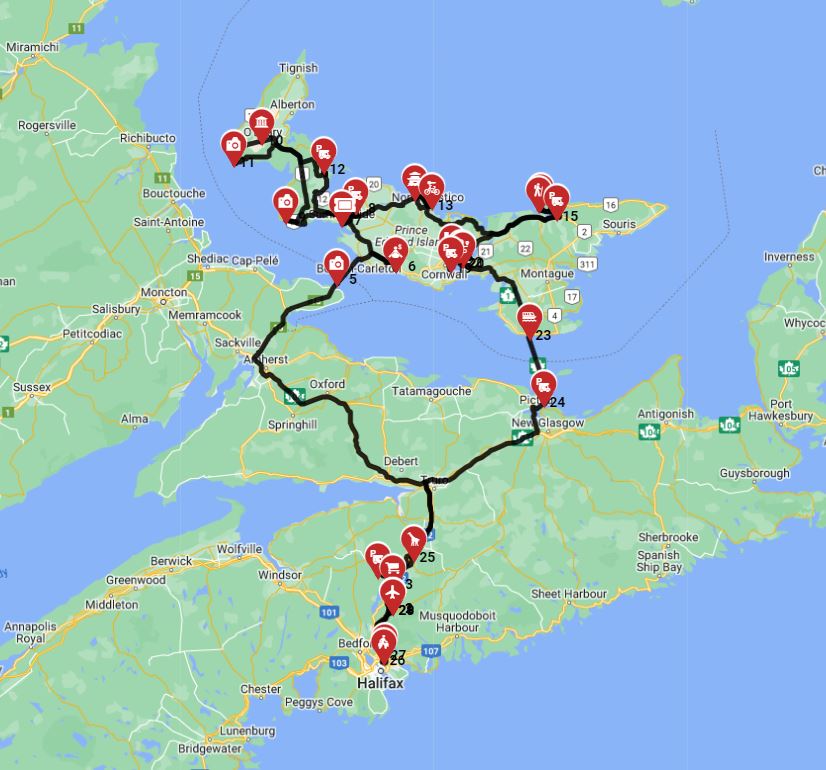
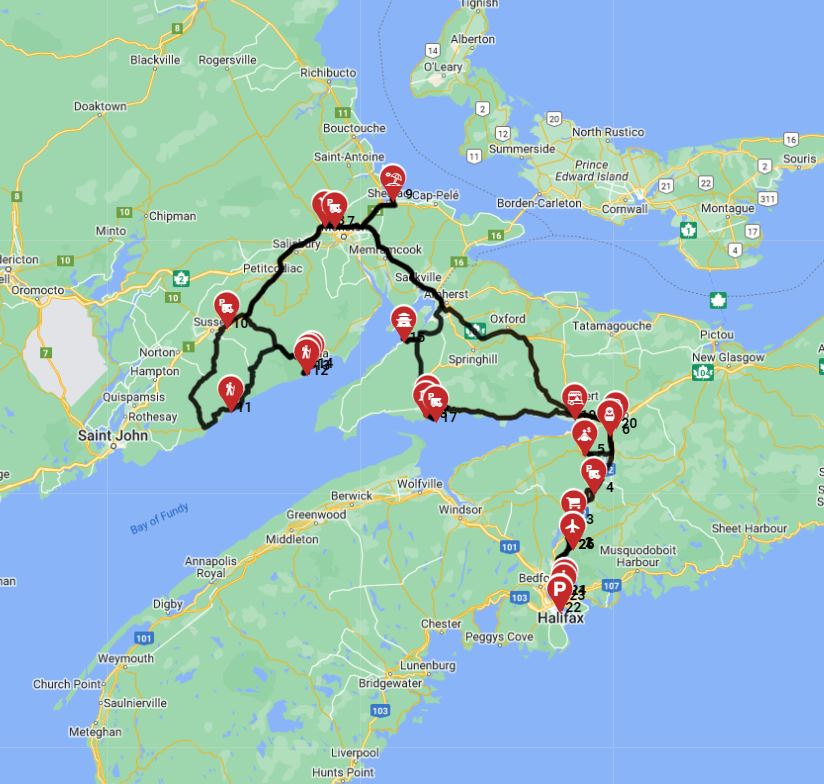
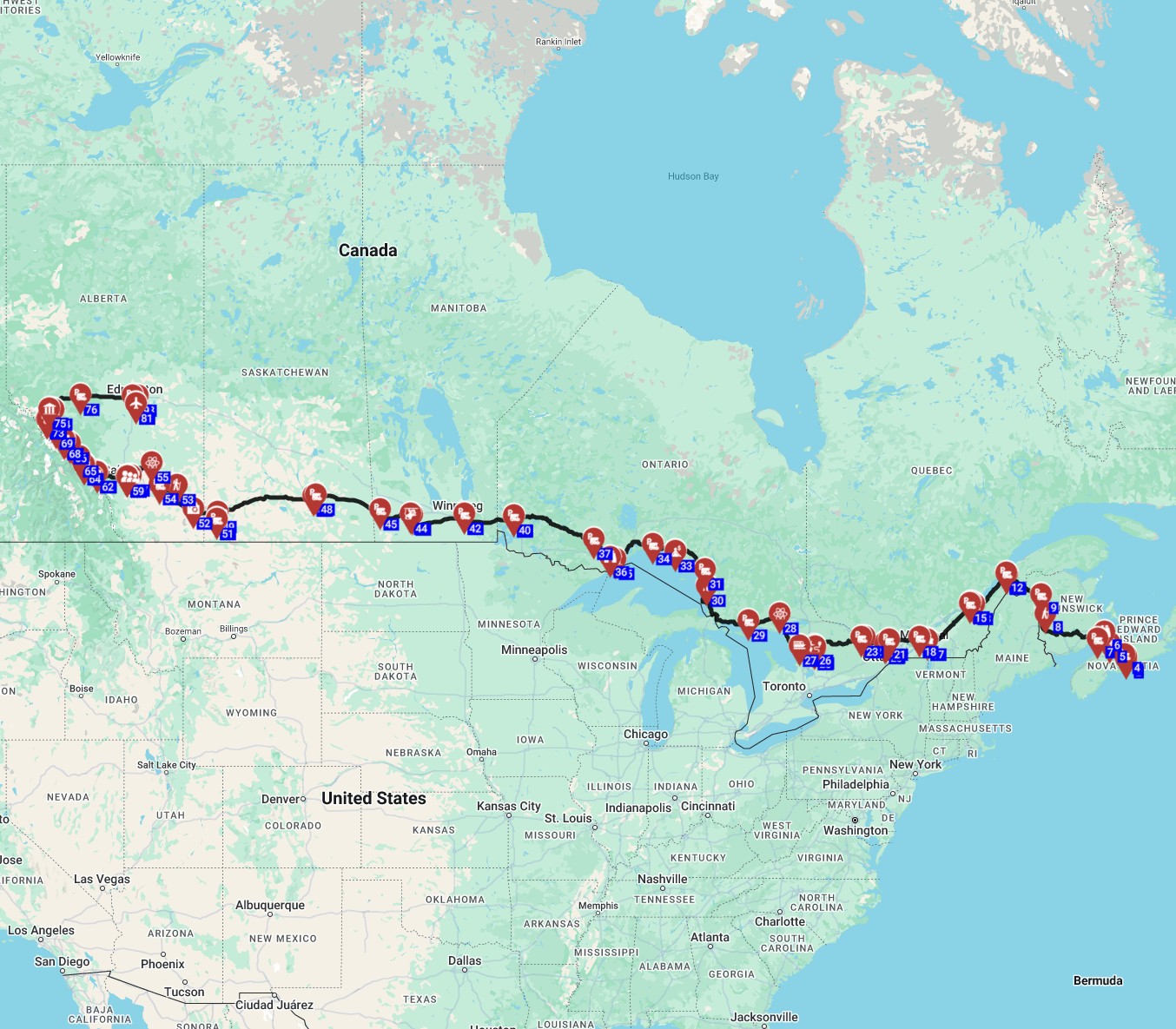
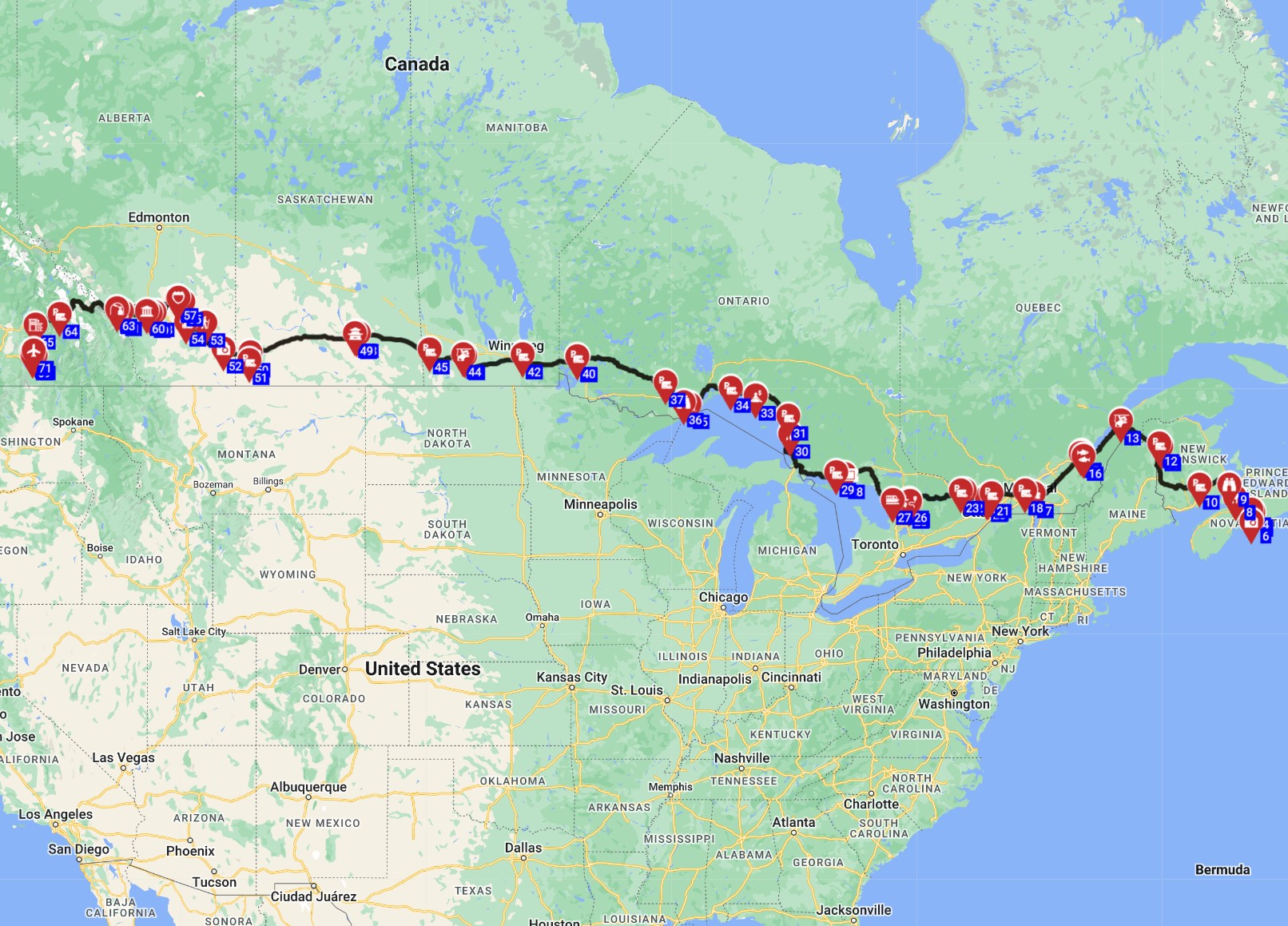
While a specific RVPlan trip for East Canada isn't detailed here, we highly recommend exploring Bandana Caravan's comprehensive trip planning resources through our sister company, RV PLANET (rvplan.net). Our platform offers a variety of ready-made itineraries, often crafted by seasoned travel experts, designed to maximize your RV adventure while minimizing planning stress. These curated trips provide detailed routes, points of interest, and campground suggestions, ensuring a seamless and memorable journey through destinations like East Canada. They address key value gaps by offering detailed logistics beyond just campground information, making your planning efficient and enjoyable.
Must-See Stops Along the Way (Avi Bandana Picks)
Avi Bandana, our founder and a seasoned RV traveler, has curated a selection of must-see spots that truly capture the essence of East Canada. These locations offer genuine cultural immersion and insights into local industries:
- Fisherman's Cove (Nova Scotia): A charming, authentic 200-year-old fishing village just outside Halifax, perfect for experiencing traditional Maritime life, enjoying fresh seafood, and discovering local artisan shops. This is a fantastic example of a traditional visit and offers a genuine taste of local markets.
- J. Willy Krauch & Sons Smoked Salmon (Nova Scotia): A local industry gem near Tangier, offering delicious, traditionally smoked salmon that's a true taste of the region. It’s an excellent example of experiencing a local industry and its traditional markets.
- Rustico Harbour Lobster Suppers (Prince Edward Island): A quintessential PEI experience, offering communal lobster suppers that embody local culture and cuisine. This provides genuine cultural immersion and highlights a key local industry.
- Acadian Village of New Brunswick (Village Historique Acadien): Immerse yourself in the history and culture of the Acadian people with costumed interpreters, preserved buildings, and traditional crafts. This offers a unique historical and cultural visit, providing deep cultural immersion.
- Wolfville Farmers' Market (Nova Scotia): A vibrant community hub, especially on Saturdays, showcasing local produce, crafts, and food artisans. It's a great way to connect with local life and find unique regional flavors, representing a true traditional market experience.
- Alexander Graham Bell National Historic Site (Baddeck, Nova Scotia): Explore the life and innovations of the famous inventor in the village where he conducted many experiments. This offers a fascinating traditional visit, focusing on local ingenuity and history.
Daily Driving Distances & Drive Times in East Canada
Avi Bandana recommends a maximum of 100 miles or 150 km per day on average when RVing in East Canada. This approach ensures an enjoyable, stress-free trip, allowing ample time for spontaneous stops, exploring charming small towns, and simply relaxing at your campsite, rather than rushing through the stunning landscapes. Prioritizing slow travel helps to avoid 'windshield time' fatigue, especially when navigating larger motorhomes on winding coastal roads, some of which may present specific road conditions or challenges.
Example Drive Times (approximate, without significant stops):
- Halifax to Lunenburg, NS: Approx. 1 hour 15 minutes (100 km / 62 miles).
- Charlottetown, PEI to Moncton, NB: Approx. 2 hours (160 km / 100 miles) via the Confederation Bridge.
- Baddeck to Ingonish Beach (Cabot Trail portion), NS: Approx. 1 hour 30 minutes (80 km / 50 miles), but packed with scenic pull-offs and requiring careful navigation for large RVs.
Always factor in extra time for fuel stops, locating essential RV services like dump stations and potable water fill-ups, and be mindful of potential wildlife crossings (such as moose) on less traveled routes, particularly during dawn and dusk.
Best RV Class for This Itinerary — Couple & Family Picks
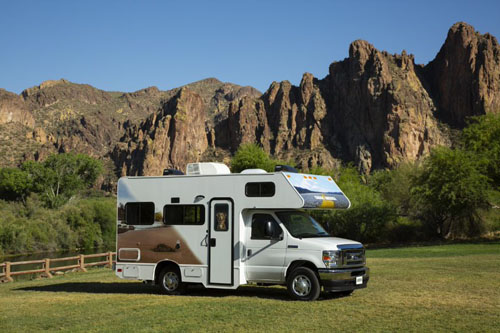
Selecting the right RV class significantly impacts your East Canada experience, balancing comfort, maneuverability, and cost. For couples, the Class B - Camper Van is an excellent choice, offering agile driving and easy parking while providing essential amenities for a compact, efficient adventure. Bandana's global fleet data indicates Class B Camper Vans typically average 5.8 meters in length and sleep 3.2 people, comfortably accommodating 2.7 adults, making them ideal for navigating charming, often narrow, coastal roads and fitting into smaller provincial park sites with ease.
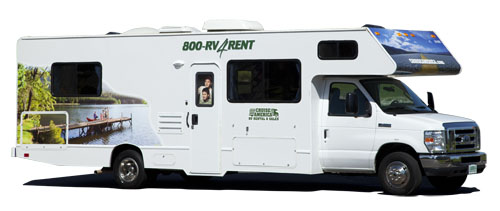
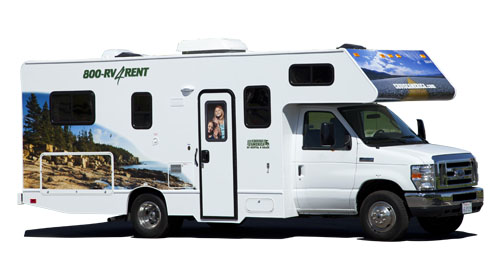
For families, the Class C - Alcove motorhome provides more space, separate sleeping areas, and enhanced storage for a comfortable journey with children or larger groups. Our data shows Class C Alcove models generally average 7.5 meters in length, sleeping 5.8 people and accommodating 4.4 adults, making them perfect for families seeking more room. The extra space is invaluable for longer trips, accommodating gear, and ensuring comfort during varied weather conditions. However, drivers should be mindful of its larger footprint and handling on winding roads like parts of the Cabot Trail or during strong winds.
To simplify your planning, consider Bandana Caravan's 'Rent & Plan' service, which combines your RV rental with a curated itinerary. This service provides full access to trip-planning software and addresses specific RV operational guidance, removing much of the guesswork from your journey.
What is the 3-3-3 rule for RV travel?
The 3-3-3 rule for RV travel is a practical guideline recommending that RVers aim to travel no more than 300 miles (approx. 480 km) in a day, arrive at their destination by 3 PM, and stay for at least 3 days. This rule is designed to prevent driver fatigue, allow for more relaxed travel, and provide ample time to explore each location thoroughly, fostering genuine cultural immersion rather than just passing through. Adhering to this operational guidance ensures you have daylight hours to set up camp, locate essential RV logistics like dump stations and potable water fill-ups, and address any unexpected RV repair needs before dark.
While the 3-3-3 rule might be ambitious for a weekly rental aiming to cover significant ground, its core principle of slowing down is highly applicable to enjoying East Canada's scenery, reducing stress, and being prepared for varied road conditions with a large motorhome.
How many days do you need for East Coast, Canada?
To adequately experience the highlights of East Coast, Canada, by RV, a trip of at least 7 to 10 days is recommended for a focused regional tour. For those seeking a more comprehensive exploration of multiple provinces, 14 days or more allows for a more relaxed pace. A 7-day trip typically covers one or two provinces, like Nova Scotia and a glimpse of Prince Edward Island, concentrating on major attractions and scenic drives. For a deeper dive that includes the full Cabot Trail, more of PEI, and significant parts of New Brunswick, 10-14 days provides a more leisurely pace, aligning better with suggested daily driving limits.
Budgeting strategies are crucial for longer trips. Consider grocery shopping at local markets to save money on dining out, look for free or low-cost activities like hiking in provincial parks, and research potential boondocking opportunities where legally permitted. Extended trips also offer greater flexibility to manage unpredictable weather or explore unique local experiences off the main tourist path, which is key to enhancing cultural immersion.
What is the best RV route planner in Canada?
For RV travel in Canada, the best route planners combine detailed mapping with RV-specific considerations. RVLIFE Trip Wizard and dedicated GPS units with RV profiles are among the top contenders. RVLIFE Trip Wizard is highly recommended for its RV-specific features, including filters for low clearances, steep grades, propane refill locations, dump stations, potable water fill-ups, and even cellular service reliability, directly addressing key logistical value gaps.
While Google Maps is excellent for general navigation, RVers must manually check for suitability for large rigs (e.g., narrow, winding roads on parts of the Cabot Trail) and complement it with other resources for RV-specific points of interest and services. Always cross-reference your chosen route with provincial road condition reports, especially for seasonal considerations like spring mud or early fall closures. Also, be aware of potential wildlife crossings (like moose) on less traveled routes, particularly at dawn and dusk.
What is the best time of year to visit Eastern Canada?
The best time of year to visit Eastern Canada by RV is typically from late May to early October, offering the most favorable weather, fully open services, and vibrant cultural events. Late Spring (late May to June) provides lush landscapes and fewer crowds, though some services or campgrounds in more remote areas might still be in shoulder-season operation, with potential for cooler temperatures and earlier park closures. Summer (July to August) is peak season with the warmest weather and all attractions open, but it also brings the highest crowds and prices, necessitating advance bookings for campgrounds and popular attractions.
Fall (September to early October) is stunning for its fall foliage, comfortable temperatures, and fewer crowds, though some remote attractions and campgrounds may begin to close after Canadian Thanksgiving. Visitors should also be aware it falls within the Atlantic hurricane season, requiring monitoring of weather forecasts for preparedness. RVing in the shoulder seasons often provides a more relaxed experience, but always check specific park and attraction opening/closing dates, and be prepared for variable weather conditions.
What are the best campgrounds on the East Coast of Canada?
The best campgrounds on the East Coast of Canada often combine stunning natural beauty with essential RV amenities. Highly recommended options include campgrounds within National and Provincial Parks, as well as top-rated private RV resorts. National Parks like Cape Breton Highlands (NS), Fundy (NB), and PEI National Park offer incredible scenic locations, often with wildlife viewing opportunities—remembering bear safety protocols for food storage—and typically provide hookups, dump stations, and potable water.
Provincial Parks, such as The Ovens Natural Park (NS) or Red Point Provincial Park (PEI), provide excellent value, often with beautiful beach access and hiking trails. For more comprehensive facilities and resort-style amenities, private campgrounds like KOA locations or independent RV parks (e.g., Lunenburg Family Campground) are excellent choices. These often feature laundromats, reliable Wi-Fi (critical for connectivity in remote areas), and clear pet-friendly policies—though it’s always best to confirm specific park pet rules and restrictions before booking.
What are the best RV road trips on the East Coast?
The East Coast of Canada boasts several world-class RV road trips, celebrated for their unique blend of coastal scenery, history, and culture. The Cabot Trail, Lighthouse Route, and Fundy Coastal Drive stand out as particularly rewarding experiences.
- The Cabot Trail (Cape Breton Island, Nova Scotia): A legendary 300-kilometer loop renowned for its dramatic ocean vistas, highland wilderness, and Gaelic culture. This route requires 2-3 days for an RV and features steep grades and winding roads that larger motorhomes should navigate with care and pre-planning.
- The Lighthouse Route (Nova Scotia South Shore): Stretching from Halifax to Yarmouth, this route showcases charming fishing villages like Peggy's Cove, the UNESCO town of Lunenburg, and numerous lighthouses, perfect for a slower-paced RV journey and exploring genuine cultural immersion.
- The Fundy Coastal Drive (New Brunswick): This drive explores the Bay of Fundy's incredible tides, including the iconic Hopewell Rocks and Fundy National Park, offering opportunities for unique experiences like tidal bore rafting.
For true cultural immersion, seek out local festivals, small artisan shops, and traditional restaurants in these regions, which often provide more unique local experiences than major tourist traps and are excellent for discovering unique local industry products.
What is the best month to visit the Maritimes?
The best months to visit the Maritimes (Nova Scotia, Prince Edward Island, New Brunswick) by RV are September for its stunning fall foliage and fewer crowds, or July/August for the warmest weather and peak activity. September is often considered ideal for RVers due to crisp, clear weather and vibrant autumn colors, with significantly reduced tourist numbers making campground availability easier and experiences more tranquil. However, visitors in September should be aware that some smaller attractions or remote services might begin to close after Labour Day or Canadian Thanksgiving.
July and August offer the warmest temperatures, perfect for swimming and beach activities, with all attractions, restaurants, and tours operating at full capacity. This is also peak season, meaning popular campgrounds, especially coastal ones, require advance booking, and attractions will be more crowded. Budgeting strategies like booking activities in advance and packing picnic lunches can help manage costs during these months.
What is the 4 4 4 rule for RV?
The 4-4-4 rule for RV travel is an operational guideline suggesting RVers aim to stop traveling by 4 PM, stay at least 4 nights at each location, and limit daily driving to 4 hours. This rule is a more relaxed variation of the 3-3-3 rule, specifically designed for those who prefer an even slower pace, ensuring ample time to enjoy the destination, set up camp without rush, and handle any unexpected RV logistics like maintenance or finding amenities. It minimizes driving fatigue, maximizes relaxation, and allows for deeper engagement with the local environment and culture, directly addressing the desire for genuine cultural immersion and discovering unique local experiences.
For a weekly RV rental in East Canada, while staying 4 nights at every stop might limit the ground covered, applying the 'stop by 4 PM' and 'drive no more than 4 hours' aspects can greatly enhance the overall experience, especially when navigating unfamiliar roads with a large motorhome and being prepared for varied road conditions.
What is the best place to visit in Eastern Canada?
While 'best' is subjective and depends on personal preferences, Cape Breton Island, Nova Scotia, particularly its iconic Cabot Trail, is frequently cited as a premier RV destination in Eastern Canada due to its breathtaking scenery and rich cultural heritage. Cape Breton Highlands National Park on the island offers dramatic coastal cliffs, lush forests, extensive hiking trails, and abundant wildlife—requiring awareness and safety protocols—providing unparalleled opportunities for outdoor adventure and genuine cultural immersion.
Lunenburg, Nova Scotia, a UNESCO World Heritage site, is another top choice for its well-preserved colonial architecture, vibrant waterfront, and deep maritime history, offering unique local experiences beyond typical tourist traps, including traditional markets and insights into local industries. Prince Edward Island as a whole is highly recommended for its picturesque red sand beaches, charming small towns, and culinary delights, particularly for those seeking a relaxed pace and pet-friendly attractions (always verify specific park regulations). These locations provide ample opportunities for genuine cultural immersion through local festivals, traditional music, and authentic cuisine, which are key to understanding the unique character of Eastern Canada.
What You Shouldn't Miss
- Drive the iconic Cabot Trail on Cape Breton Island for unparalleled coastal vistas and hiking.
- Explore the colorful waterfront and maritime history of Lunenburg, Nova Scotia, a UNESCO World Heritage site.
- Witness the dramatic, world's highest tides of the Bay of Fundy and visit the unique Hopewell Rocks.
- Experience the charm of Prince Edward Island's red sand beaches and the world of Anne of Green Gables in Cavendish.
- Stroll through historic towns like Annapolis Royal in Nova Scotia's Annapolis Valley, known for its gardens and heritage sites.
- Discover the cultural heart of Acadian heritage at the Village Historique Acadien in New Brunswick.
Final Thoughts
Embarking on an RV adventure through East Canada promises an unforgettable journey filled with stunning landscapes, rich history, and warm maritime hospitality. Whether you choose the classic 7-day route or opt for a more extensive 14-day exploration, the freedom and flexibility of RV travel allow you to truly connect with the heart of this beautiful region.
Remember, the key to a successful RV trip lies in careful planning, which includes choosing the right vehicle for your needs and embracing a slower pace of travel. With Bandana Caravan, you have a partner dedicated to making your RV rental experience smooth and enjoyable from the moment you start planning until you return home, filled with memories.
So, pack your bags, chart your course, and get ready to discover the magic of East Canada at your own pace. We're excited for you to experience the unparalleled joy of RV travel!