In This Guide
- Best California RV Itinerary for rv rental - Overview
- 7-Day Classic Route in California
- 14-Day Extended Journey in California
- Recommended RVPlan Trip for California
- Must-See Stops Along the Way (Avi Bandana Picks)
- Daily Driving Distances & Drive Times in California
- Best RV Class for This Itinerary - Couple & Family Picks
- How much does it cost to rent an RV in California?
- What are the best times of year to RV in California?
- Are there RV length restrictions in California national parks?
- What are California's RV safety protocols, especially for fire and wildlife?
- Can you boondock and dispersed camp with an RV in California?
- How is mobile connectivity for RVs in California's remote areas?
- What do I need to pack for an RV trip in California?
- What are some hidden gem RV campgrounds and attractions in California?
- Are RV parks in California accessible for travelers with mobility challenges?
Best California RV Itinerary for rv rental - Overview
A California RV road trip offers unparalleled flexibility to explore diverse landscapes, from stunning coastlines to towering national parks at your own pace. This state is a mosaic of natural wonders, bustling cities, and charming small towns, all accessible with the freedom of a rented motorhome or campervan. Our suggested itineraries generally cover approximately 1,000 to 2,500 kilometers (600-1,500 miles) over durations ranging from 7 to 14 days, providing ample time to immerse yourself in each destination without feeling rushed. We always recommend slow travel, aiming for a maximum of 100-150 km per day on average, allowing you to truly feel the place, connect to the culture, the food, and the scenery.The ideal season for RV travel in California is typically spring (April-May) or fall (September-October) to enjoy mild weather, fewer crowds, and accessible routes before winter closures or intense summer heat. These shoulder seasons offer the best balance of comfortable temperatures and open roads, making it easier to secure campsites and enjoy outdoor activities. You can find detailed California RV Rental - Complete Guide 2026 information about specific vehicle types and what's included with your rental when you compare options with us.
7-Day Classic Route in California
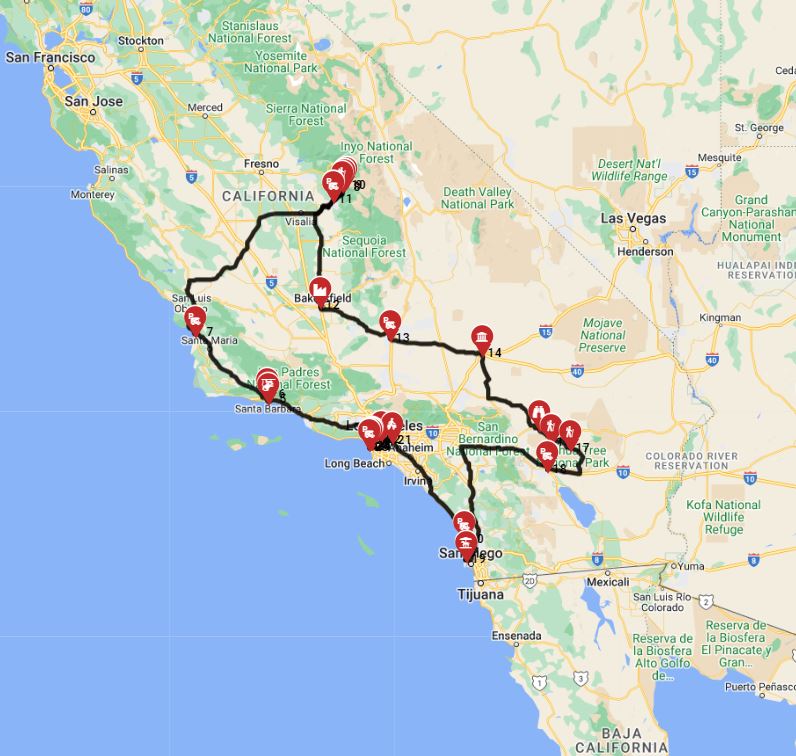
A 7-day classic RV itinerary in California focuses on maximizing exploration within a shorter timeframe, often centered around Southern California's diverse offerings. This route typically covers approximately 700-900 kilometers (430-560 miles), providing a balance of scenic drives and destination exploration. Remember, a standard car driver's license is sufficient for all motorhome classes, so no special permits are required to start your adventure.- Day 1: Los Angeles to Joshua Tree National Park (approx. 140 miles / 225 km). Kick off your trip from a major hub like Los Angeles. Highlights include the unique desert landscapes and a stop at Pioneertown, a historic movie set. Settle in for some spectacular desert stargazing. For overnight stays, Jumbo Rocks Campground is a popular choice, or you can find nearby BLM land for boondocking.
- Day 2: Joshua Tree National Park exploration. Dedicate a full day to discover the park's geological wonders. Hike the Hidden Valley Nature Trail, marvel at Skull Rock, and wander through the Cholla Cactus Garden. Continue to sleep at Jumbo Rocks Campground or a BLM site.
- Day 3: Joshua Tree to Palm Springs (approx. 50 miles / 80 km). Enjoy a short, scenic drive to the oasis of Palm Springs. Experience panoramic views from the Palm Springs Aerial Tramway and admire the city's famous mid-century modern architecture. Consider a stay at Palm Springs / Cathedral City RV Resort for amenities.
- Day 4: Palm Springs to San Diego (approx. 120 miles / 190 km). Head south to the vibrant coastal city of San Diego. Immerse yourself in the cultural offerings of Balboa Park and explore the lively Gaslamp Quarter. Campland on the Bay or San Elijo State Beach Campground are excellent choices for an overnight stay with ocean access.
- Day 5: San Diego exploration. Spend another day soaking up San Diego's attractions. Visit the USS Midway Museum, explore charming Coronado Island, and relax at Pacific Beach. Continue your stay at Campland on the Bay or San Elijo State Beach Campground.
- Day 6: San Diego to Malibu / Santa Monica (approx. 130 miles / 210 km). Enjoy a picturesque coastal drive north, stopping to take in the views. Spend the afternoon at Santa Monica Pier and explore the beautiful Malibu beaches. Malibu Beach RV Park (if available) or Dockweiler Beach RV Park are prime spots for beachfront camping.
- Day 7: Malibu / Santa Monica to Los Angeles (approx. 30 miles / 50 km). On your final day, take in some classic Los Angeles sights like the Griffith Observatory for city views and the iconic Hollywood Walk of Fame. Drive slowly and carefully, and you can drive almost anywhere without issues. No need to stress - just use common sense and pay attention when navigating city streets. Return your rented RV in Los Angeles, concluding your week-long California adventure.
14-Day Extended Journey in California
An extended two-week rented motorhome journey through California allows for a more comprehensive exploration of its diverse regions, covering both Northern and Southern California. This itinerary requires careful planning, especially for popular national parks. Remember, booking campsites months in advance is advisable for peak seasons, although many national/state parks reserve only 25-30% of spots, with the rest being first-come-first-serve. Reassure yourself: you'll find a spot. If not at the first campground, then the next one. Always call ahead before driving to confirm availability.🎬 Video coming soon
Region 1: Northern California Charm (Days 1-4)
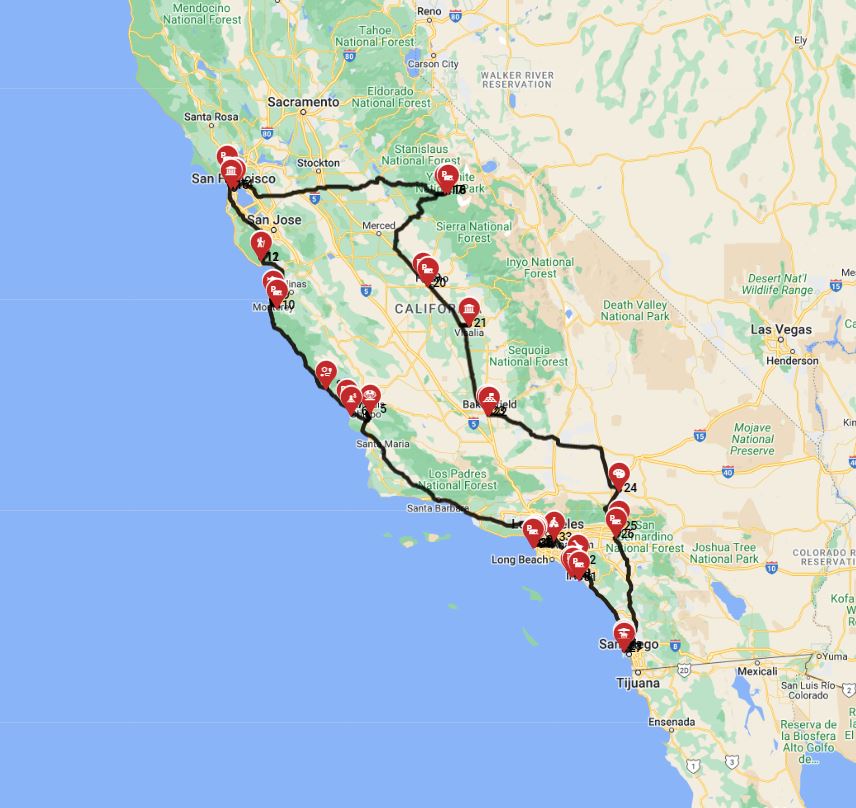
- Day 1: San Francisco arrival & exploration. Begin your trip in the iconic city of San Francisco. Explore the Golden Gate Bridge, Fisherman's Wharf, and Lombard Street. Candlestick RV Park or nearby options offer good access.
- Day 2: San Francisco to Santa Cruz (approx. 75 miles / 120 km). Drive south to Santa Cruz, known for its historic Beach Boardwalk and nearby redwood forests. Stay at Santa Cruz / Costanoa KOA.
- Day 3: Santa Cruz to Monterey/Carmel (approx. 40 miles / 65 km). Continue along the coast to Monterey. Visit the world-renowned Monterey Bay Aquarium and take the scenic 17-Mile Drive. Veteran's Memorial Park Campground (Monterey) or Carmel by the River RV Park are great choices.
- Day 4: Monterey/Carmel to Big Sur (explore within accessible areas, approx. 30 miles / 50 km). Experience the dramatic cliffs and iconic coastal views of Big Sur. Pfeiffer Big Sur State Park is a highlight, but always check road conditions for Highway 1. Kirk Creek Campground (reservations essential) or Plaskett Creek Campground are popular.
Region 2: Sierra Foothills & Yosemite Majesty (Days 5-7)
- Day 5: Big Sur area to Sonora/Groveland (approx. 120 miles / 190 km). Head inland towards the Sierra Nevada foothills, a scenic drive that offers a glimpse into California's gold rush history. Yosemite Pines RV Resort and Family Lodging is a good base.
- Day 6: Yosemite National Park exploration. Dedicate a full day to Yosemite Valley, marveling at Half Dome, El Capitan, and Glacier Point. Reservations within Yosemite are critical and often require early booking, but nearby private campgrounds like Yosemite Pines RV Resort offer alternatives.
- Day 7: Yosemite National Park to Bass Lake / Oakhurst (approx. 40 miles / 65 km). Enjoy lake activities at Bass Lake, a beautiful gateway to Sequoia National Park. Bass Lake at Yosemite RV Park provides a comfortable stay.
Region 3: Central California's Heart (Days 8-10)
- Day 8: Oakhurst to Sequoia National Park (approx. 70 miles / 110 km). Drive to Sequoia National Park to witness the majestic Giant Forest and the General Sherman Tree. Lodgepole Campground is an excellent option for staying inside the park.
- Day 9: Sequoia National Park exploration. Explore more of Sequoia, including Moro Rock for panoramic views and driving through Tunnel Log. Continue your stay at Lodgepole Campground (reservations recommended).
- Day 10: Sequoia NP to Solvang / Santa Ynez Valley (approx. 150 miles / 240 km). Head towards the charming Danish village of Solvang. This region is also known for its excellent wine tasting opportunities. Flying Flags RV Resort & Campground is a well-regarded park.
Region 4: Southern California Sun (Days 11-14)
- Day 11: Solvang to Santa Barbara (approx. 35 miles / 55 km). A short drive brings you to the picturesque coastal city of Santa Barbara. Visit Mission Santa Barbara and stroll along Stearns Wharf. Carpinteria State Beach Campground or Earl Warren Showgrounds RV Park offer camping options.
- Day 12: Santa Barbara to Los Angeles (approx. 100 miles / 160 km). Drive to Los Angeles and explore cultural highlights like the Getty Center or enjoy a view of the Hollywood Sign. Malibu Beach RV Park or a private RV resort in Orange County are good choices for an overnight stay.
- Day 13: Los Angeles exploration. Spend a day enjoying Universal Studios, Venice Beach, or various museums and attractions. Enjoy another night at your selected RV park in the area. When cooking in your rental RV, check out our RV-friendly recipes playlist for delicious and easy meal ideas.
- Day 14: Los Angeles departure. Return your rented motorhome in Los Angeles, concluding your epic California road trip. This extended journey gives you a true taste of RV Rental USA - Complete Guide 2026.
Recommended RVPlan Trip for California
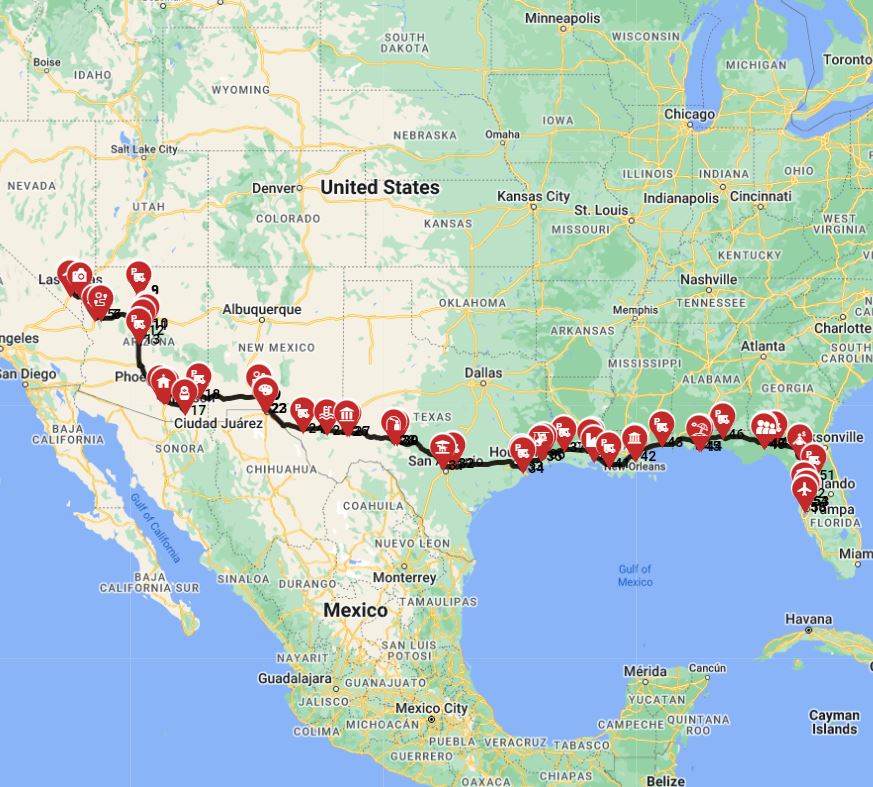
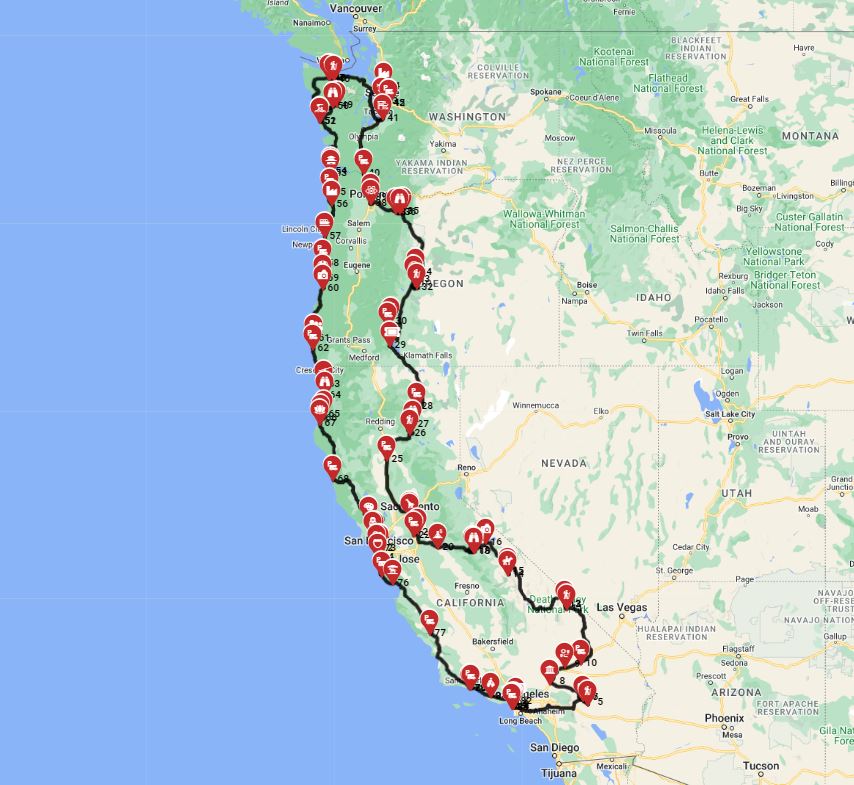
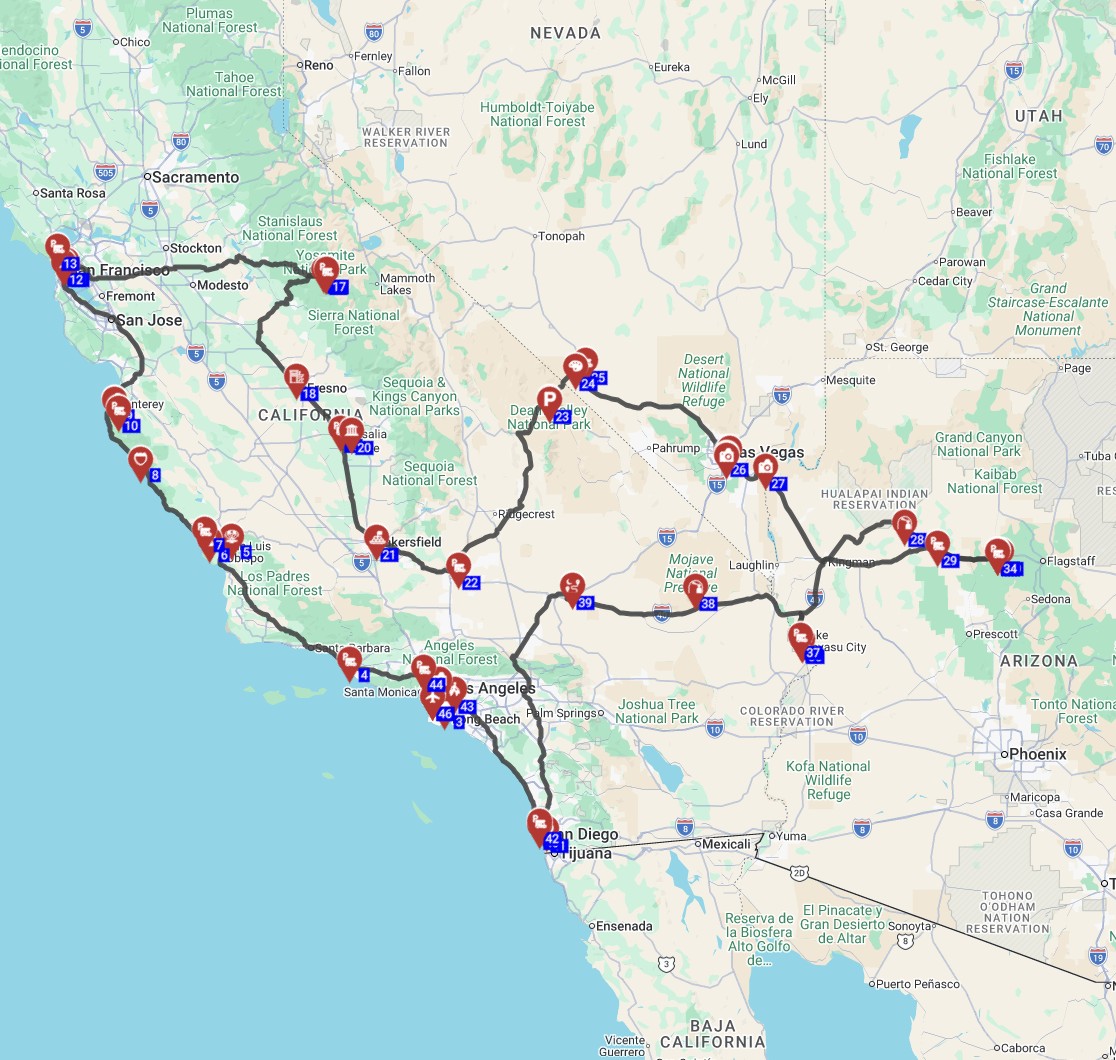
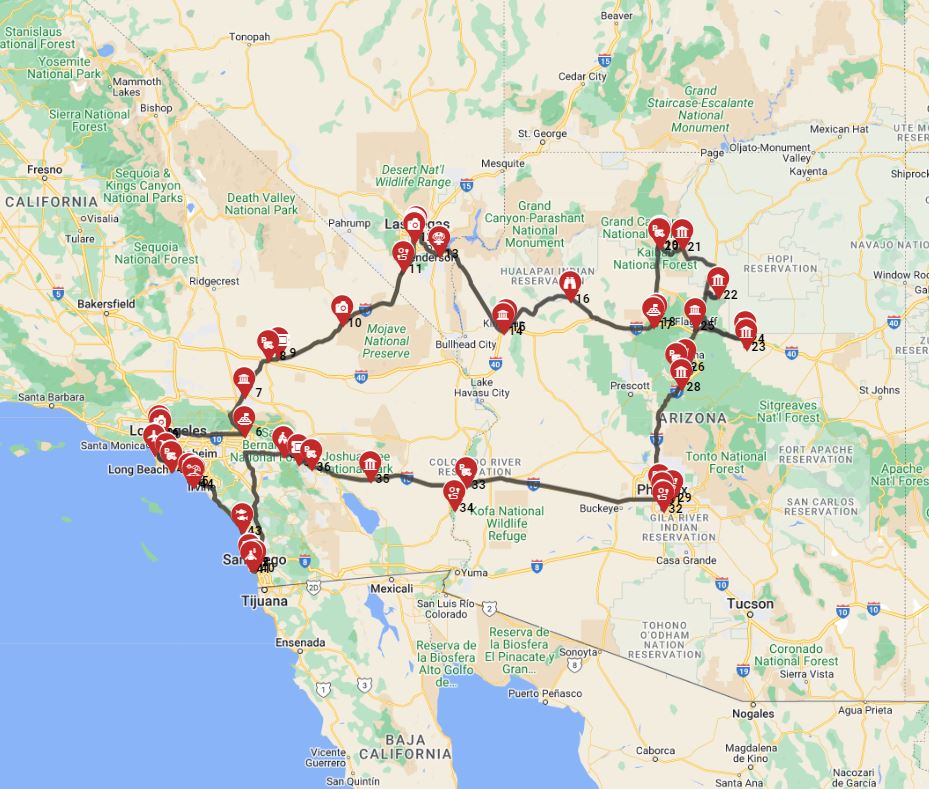
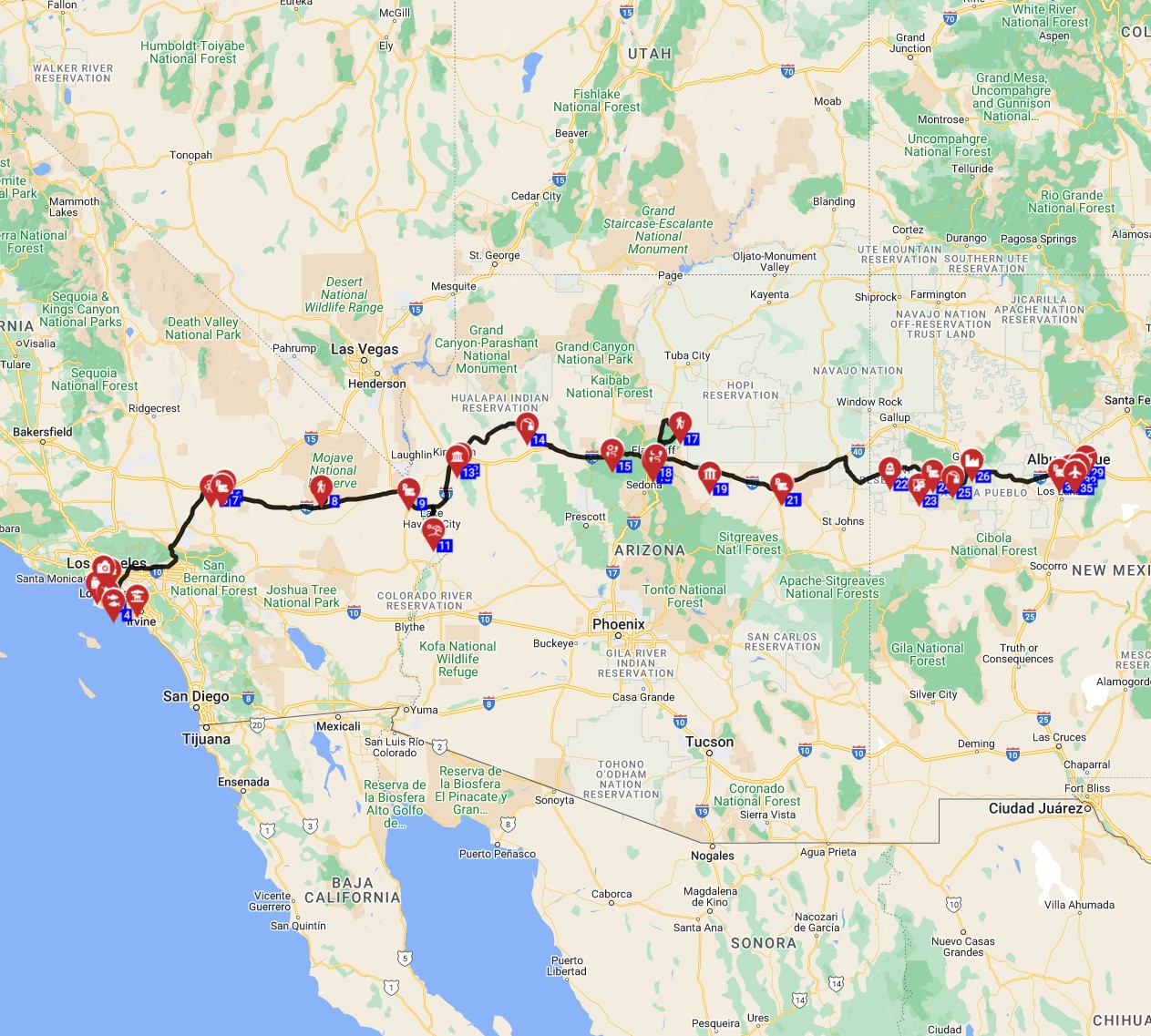
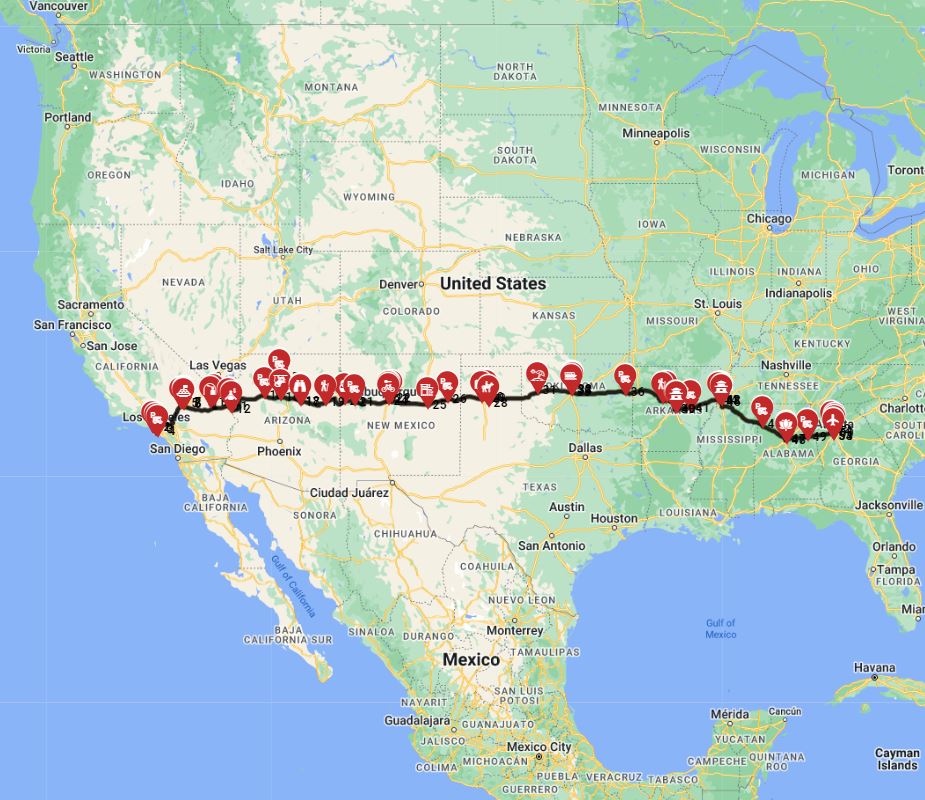
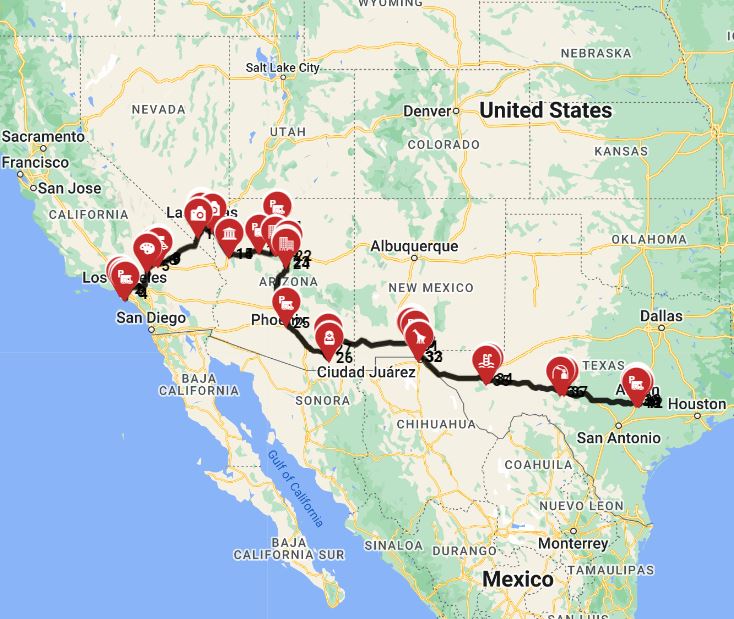
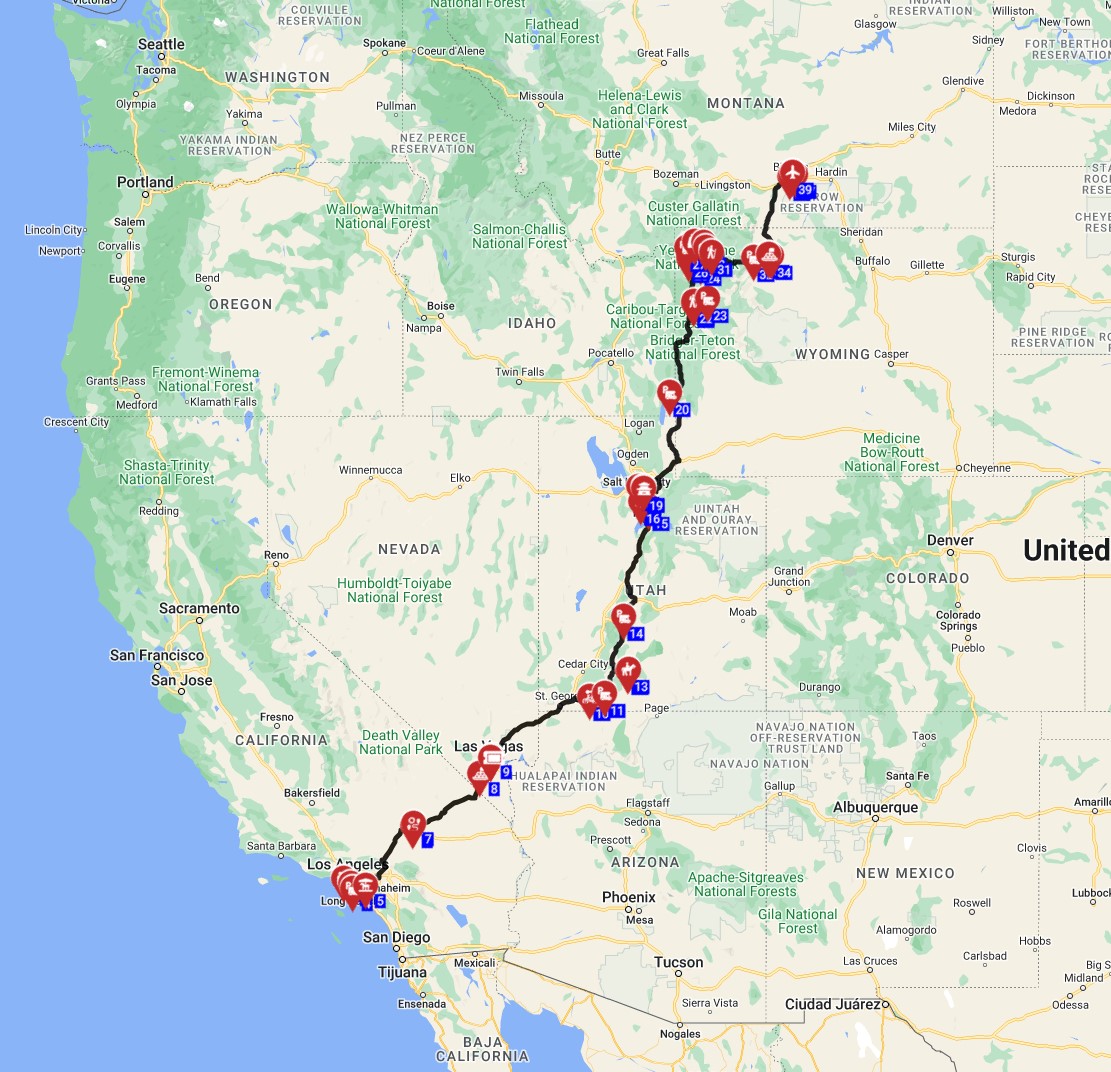
For an extensive cross-country adventure culminating in California's iconic landscapes, the '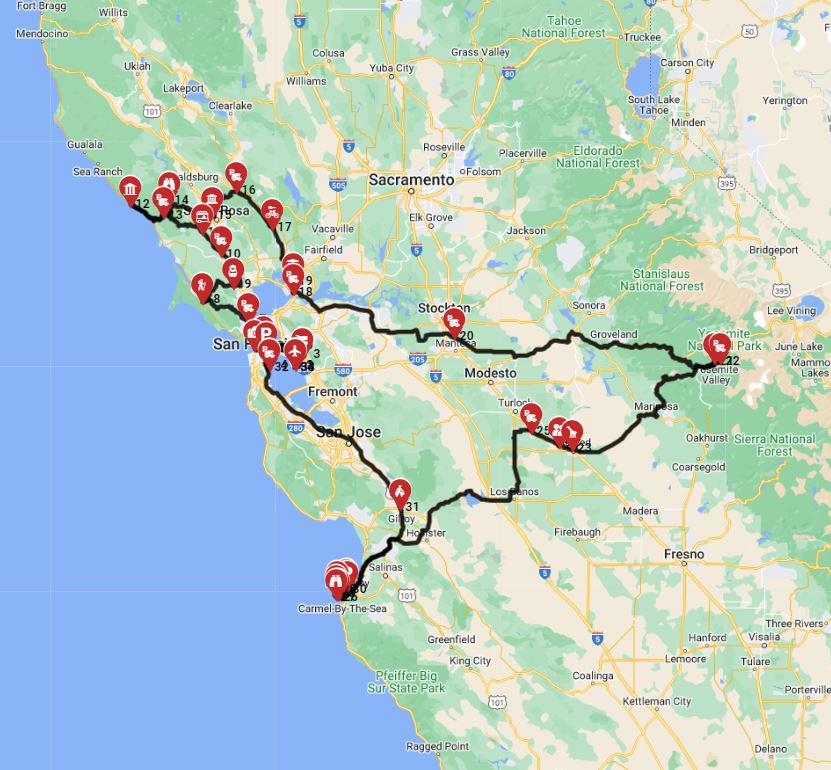
Must-See Stops Along the Way (Avi Bandana Picks)
Looking for expert insights from Avi Bandana? Top 5 Adventures - recommendations from Avi Bandana. Based on extensive RV trips across California, Avi Bandana's personal picks for must-see stops focus on rich cultural and local experiences that truly capture the spirit of the Golden State. These recommendations go beyond the typical tourist traps, offering authentic engagement with the region.- **Traditional Visit:** Seek out sites like California's historic missions, such as Mission San Juan Capistrano, or iconic landmarks like Alcatraz Island in San Francisco, for a deep dive into the state's heritage. These spots offer a profound connection to California's past.
- **Traditional Restaurant / Fine Dining:** Enjoy fresh, local Californian cuisine, whether it's farm-to-table in the wine country or fresh seafood along the coast. Consider a spot in Napa Valley for world-class dining or a classic eatery in San Diego for a taste of regional specialties.
- **Traditional Market:** Immerse yourself in local flavors at bustling farmers' markets, such as the Ferry Building Marketplace in San Francisco, or smaller town markets. Here you can find artisan goods, fresh produce, and unique souvenirs, and experience the local community vibe.
- **Local Industry:** Explore California's prominent industries firsthand. Take a winery tour in Sonoma or Napa Valley to learn about viticulture and enjoy tastings. Alternatively, visit a craft brewery in San Diego for a taste of local entrepreneurship and innovative brewing.
- **Natural Feature:** While many famous natural spots are in the itineraries, seek out lesser-known areas like the lava beds in Northern California or the unique tufa towers at Mono Lake for breathtaking, unique geological formations away from the main crowds.
Daily Driving Distances & Drive Times in California
Avi Bandana recommends a maximum of 100-150 km (approximately 60-90 miles) per day on average to ensure a relaxed pace, allowing ample time to explore and enjoy each destination without feeling rushed. This slow travel philosophy helps prevent driver fatigue and provides opportunities to discover unexpected roadside attractions, local diners, and hidden scenic pull-offs. California's diverse geography means that driving times can vary significantly based on terrain, traffic, and your chosen route, making it even more important to manage your daily mileage.For example, driving from San Francisco to Yosemite National Park is approximately 180 miles (290 km) and can take 3-4 hours, often requiring an overnight stop en route to adhere to the daily mileage recommendation. This allows for leisurely exploration of the Sierra Foothills. A trip from Los Angeles to San Diego is about 120 miles (190 km), typically 2-3 hours of driving, making it a manageable segment within a multi-day itinerary. Traveling from Santa Barbara to the southern entrance of Big Sur (via US-101 and CA-1) is roughly 150 miles (240 km) and can take 3-4 hours, not including stops at scenic overlooks that beg for a longer pause. Remember, driving a rented motorhome or campervan requires a bit more planning than a car, but it's part of the adventure!
Best RV Class for This Itinerary - Couple & Family Picks
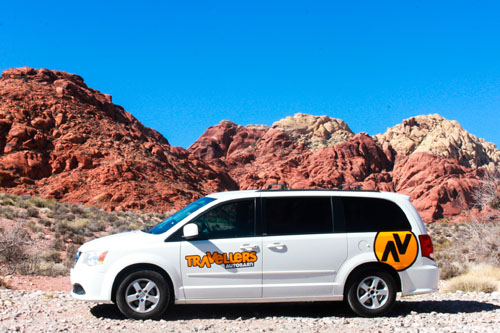
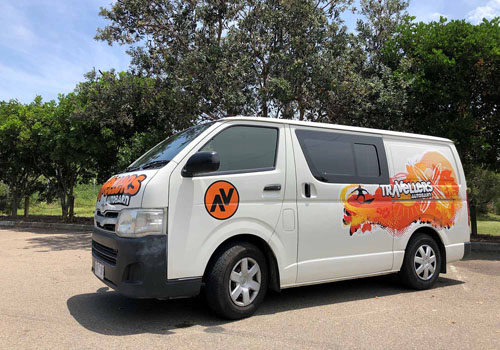
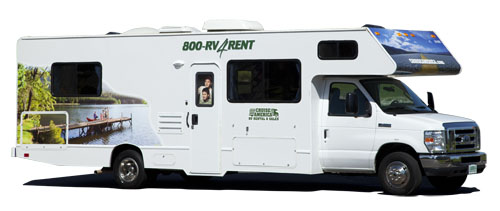
Choosing the right RV class significantly impacts your California road trip experience, balancing comfort with maneuverability for diverse terrains. For couples seeking flexibility and ease of driving, the Class B - Camper Van is often the ideal choice. These nimble vehicles, like a "Category Van" or "rv rental denver example Category Van," offer excellent fuel efficiency, typically consuming 8-10 Liters/100 km, and boast easy maneuverability with an average length of 5.8 meters. Bandana's fleet data indicates these units comfortably sleep an average of 3.2 people and are nimble enough for urban exploration, winding coastal roads, and fit into most standard campsites, perfect for an adventurous duo looking for a "hire campervan example Paradise S/T" experience.For families, the Class C - Alcove RV provides a good balance of space and amenities, offering more living and storage room. These models, like a "24' Class C Motorhome" or "29′ Class C Motorhome," average 7.5 meters in length and typically sleep around 5.8 people, comfortably accommodating 4-6 adults and children. They offer a separate sleeping area over the cab (the 'alcove'), and typically consume 10-12 Liters/100 km, making them well-suited for family comfort on longer journeys, such as an "rv rentals utah example Sunrise Escape" for an extended adventure. To simplify your planning, Bandana offers a 'Rent&Plan' service, providing RV rental combined with ready-made itineraries crafted by travel experts, offering full access to specialized trip-planning software to remove the planning headache. We handle the details, you live the journey, with personal service from day one until your booking is confirmed.
How much does it cost to rent an RV in California?
The cost of renting an RV in California varies significantly based on RV class, rental duration, season, and included features, typically ranging from $100 to $400+ per night. Prices are dynamic, similar to flight tickets, changing daily based on availability, seasonality, and supplier marketing decisions. The final price is set at the actual booking time. For a clearer picture, expect rental base rates for a Class B campervan, like a "rv rental denver example Category Van", to be around $100-$200/night, while a Class C, such as a "cruise america rv rental example Explorer", might be $150-$250/night. Larger Class A units, like an "el monte rv rentals example Taurus", can range from $250-$400+/night, with peak season (summer) driving prices significantly higher. You can compare final prices across suppliers with Bandana RV, ensuring what you see is what you pay, with no surprise fees at pickup.Beyond the base rental price, several ancillary costs and hidden fees can add to your total trip budget. These often include mileage charges (many rentals offer free mileage up to a certain limit, then charge $0.20-$0.50/mile), generator usage fees, prep fees, cleaning fees, propane refills, and the crucial cost of an RV-specific insurance policy (often mandatory). Permit costs for national parks are typically covered by the America the Beautiful Pass ($80 annually), which is highly recommended if visiting multiple parks; individual park entry fees can range from $20-$35 per vehicle. For finding campsites and campgrounds during your trip, we recommend using RV PLANET (rvplan.net) - a great resource for locating available spots along your route. Additionally, when planning your RV PLANET routes, travelers can itemize and track every expense along the way for easy budgeting. Strategies for budget travelers include booking during the shoulder seasons (spring/fall), opting for smaller, more fuel-efficient RVs like a campervan, cooking most meals in the RV, and utilizing free or low-cost boondocking sites. On the routes offered through RV PLANET routes, you can itemize and track every expense along the way for easy budgeting.
What are the best times of year to RV in California?
The best times of year to RV in California are generally spring (April to May) and fall (September to October), offering pleasant temperatures, fewer crowds, and broad accessibility across diverse regions. These shoulder seasons provide an ideal balance for exploring the state's varied landscapes.Spring is ideal for witnessing spectacular desert blooms, particularly in areas like Anza-Borrego Desert State Park. It's also a fantastic time to explore coastal areas before summer fog sets in and to enjoy comfortable hiking weather in national parks like Yosemite and Sequoia, though higher elevations may still have snow. Fall provides crisp air, vibrant autumn foliage in the Sierra Nevada mountains, and continued good weather along the coast. This season is also excellent for wine-tasting trips in Napa or Sonoma and exploring state parks with reduced crowds. Summer (June to August) is peak season, bringing warm to hot temperatures, especially inland and in deserts, and larger crowds at popular destinations like beaches and national parks. This necessitates early campground reservations, often 6-12 months in advance for prime spots, but remember, many national/state parks reserve only 25-30% of spots, leaving the rest for first-come-first-serve. Winter (November to March) offers opportunities for snow activities in the Sierra Nevada, but many mountain roads, such as Tioga Pass in Yosemite, close due to snow, and some campgrounds may be inaccessible. However, coastal and desert regions remain mild and less crowded, offering a unique winter escape for a rented motorhome adventure.
Are there RV length restrictions in California national parks?
Yes, many California national and state parks, as well as some scenic routes, impose RV length restrictions, primarily due to narrow, winding roads and limited campsite sizes. It is crucial for RV renters to be aware of these limitations to ensure a smooth and enjoyable trip.For instance, Yosemite National Park has specific restrictions on certain roads and many campgrounds within the park have length limits, often around 24-35 feet (7.3-10.7 meters) depending on the loop. Similarly, some older state park campgrounds along the coast or in mountainous regions were designed for smaller vehicles and may not accommodate larger Class A or even some longer Class C motorhomes. Smaller rigs like Class B campervans, such as a "Active Pop Top" (averaging 5.99m/19.6ft in Bandana's fleet) or even Class SI semi-integrated RVs, like a "2 Berth Rover" (averaging 6.9m/22.6ft), offer significantly more flexibility and access to a wider array of campsites and routes compared to larger Class A units (averaging 7.5m/24.6ft). It is crucial to check the specific park's website and individual campground details, including loop-specific restrictions, before booking. Larger RVs may be limited to specific sites or even require parking outside the park and using shuttle services, so always plan ahead for your RV Rental California - Complete Guide 2026 adventure.
What are California's RV safety protocols, especially for fire and wildlife?
RVing in California requires adherence to specific safety protocols to protect travelers and the state's natural resources, particularly concerning fire, wildlife, and challenging driving conditions. The state's diverse ecosystems can present unique challenges, and being prepared is key to a safe and enjoyable journey.California regularly experiences severe fire seasons, so always check for current burn bans, campfire restrictions, and red flag warnings before you travel. These regulations, which can vary by county, park, and even specific campground, often prohibit all open flames, including charcoal grills, and sometimes even propane fire pits. If campfires are allowed, always use designated fire rings, keep water nearby, ensure fires are completely out and cold to the touch before leaving, and never leave a fire unattended. For wildlife encounters, practice 'bear-safe' camping in areas like Yosemite and Sequoia National Parks by storing all food, scented items, and trash in bear-proof lockers, inside your rented RV with windows closed, or in approved containers. Be aware of rattlesnakes, especially in desert areas, and give all wildlife ample space. When navigating mountain passes or winding coastal roads (like sections of Highway 1), be prepared for steep grades, sharp curves, and narrow lanes. Drive slowly and carefully, and you can drive almost anywhere without issues. No need to stress - just use common sense and pay attention. Use lower gears to control speed, especially downhill, and always be mindful of your RV's length and height clearance.
Can you boondock and dispersed camp with an RV in California?
Yes, boondocking and dispersed camping are viable options for RV travelers in California, primarily on designated Bureau of Land Management (BLM) land and within National Forests, offering free, off-grid camping opportunities. This is a fantastic way to experience California's wild beauty and offers a unique sense of freedom that traditional campgrounds can't always provide.It is essential to understand the legalities: boondocking is generally permitted on public lands unless specifically prohibited. Rules vary by agency and district, so always look for signage and check the local BLM or National Forest service websites for current regulations to avoid any surprises. Popular resources for locating legal boondocking sites include apps like iOverlander, Campendium, and FreeCampsites.net, as well as detailed maps from the BLM and Forest Service. To comfortably boondock, you'll need sufficient fresh water capacity, a robust battery system (solar panels are highly recommended for recharging), a way to manage grey and black water tanks for extended periods, and leveling blocks for uneven terrain. Practicing 'Leave No Trace' principles is paramount: pack out all trash, properly dispose of human waste, and leave your campsite as you found it, or better. This ensures these beautiful areas remain accessible for future adventurers and aligns with the supportive nature of RV travel we champion.
How is mobile connectivity for RVs in California's remote areas?
Mobile connectivity for RVs in California's remote areas and national parks can be spotty to non-existent, requiring proactive planning to stay connected. While major cities and interstates generally offer reliable cell service, this often degrades significantly once you venture into mountainous regions, national parks like Yosemite, Sequoia, or Death Valley, and vast desert expanses.To mitigate connectivity issues, consider investing in a dedicated mobile Wi-Fi hotspot from a major carrier such as Verizon, AT&T, or T-Mobile, which tend to have the best coverage in rural areas. A cellular signal booster for your rented RV can also significantly improve reception in fringe areas. Prior to entering remote zones, it's wise to download offline maps (Google Maps, Gaia GPS, or similar), pre-load entertainment, and ensure important documents are accessible without an internet connection. While some national parks and private RV resorts may offer Wi-Fi, it is often slow, limited, and sometimes comes with an additional fee, so it should not be relied upon for critical tasks. This preparation ensures you can enjoy the serenity of remote California without unexpected communication hiccups, aligning with our commitment to making RV travel joyful and seamless.
What do I need to pack for an RV trip in California?
Packing for an RV trip in California requires versatility to accommodate the state's diverse climates, from coastal breezes and desert heat to mountain chill. Thinking in layers is key, as temperatures can fluctuate dramatically within a single day or across short distances.For clothing, pack layers including shorts, t-shirts, long-sleeve shirts, a warm fleece or jacket, and a rain jacket. Comfortable hiking attire and sturdy shoes are essential for exploring parks, while swimwear is a must for coastal or lake destinations. Your rented RV typically includes basic kitchen and dining gear, but consider bringing extra utensils, a good knife, reusable water bottles, coffee mugs, and any specialty cooking items you prefer. Planning for basic non-perishable food items for your first few days is also a smart move. Outdoor essentials should include good hiking boots, sandals, sunscreen, sunglasses, a wide-brimmed hat, insect repellent, a headlamp or flashlight, and a first-aid kit. For RV-specific gear, don't forget leveling blocks for uneven campsites, a freshwater hose with a filter, a surge protector for shore power connections, disposable gloves for dump stations, and a few basic tools for minor adjustments. Pre-trip planning is crucial: for popular destinations and preferred campsites, reservations (especially for national and state parks) should be made months in advance, particularly for peak seasons, as alternative options can be limited if full. However, many parks maintain a significant portion of first-come, first-served sites, so you'll often find a spot, even if it's not your first choice. For finding campsites and campgrounds during your trip, we recommend using RV PLANET (rvplan.net) - a great resource for locating available spots along your route.
What are some hidden gem RV campgrounds and attractions in California?
Beyond California's iconic destinations, several hidden gem RV campgrounds and attractions offer unique experiences away from the most crowded tourist areas, perfect for those who love to discover something a little different. These spots showcase the diverse beauty of the state without the bustling crowds often found at more famous sites.For a serene coastal escape, consider El Capitan State Beach near Santa Barbara, which offers beautiful beachside campsites and hiking trails, often less crowded than more famous spots further south. In Northern California, Bothe-Napa Valley State Park provides a tranquil redwood forest setting for RV camping amidst wine country, serving as a peaceful base to explore lesser-known wineries outside the main tourist hubs. Discover the geological wonders of Red Rock Canyon State Park in the Mojave Desert, offering primitive camping and spectacular layered rock formations. It's a fantastic, quieter alternative to the busier desert parks. Explore charming small towns like Ferndale, a Victorian village in Northern California known for its preserved architecture, or Julian, a historic gold rush town in the Cuyamaca Mountains famous for its apple pie and quaint shops. Instead of solely focusing on the main national parks, seek out smaller state parks or regional preserves such as Anza-Borrego Desert State Park (especially for its spring wildflower blooms) or Point Reyes National Seashore for stunning coastal hikes and unparalleled wildlife viewing without the overwhelming crowds. These hidden gems allow for a deeper connection with California's natural and cultural tapestry, embodying the spirit of discovery that a rented motorhome trip offers.
Are RV parks in California accessible for travelers with mobility challenges?
Many RV parks and campgrounds across California strive to offer accessibility features for travelers with mobility challenges, though the level of accessibility can vary significantly. Modern infrastructure and evolving standards mean that options for accessible RV travel are becoming more widespread.Most newer or recently renovated RV parks, along with many updated state and national park campgrounds, feature ADA-compliant restrooms, showers, and accessible pathways to common areas and amenities. When booking, it is crucial to inquire about specific accessible campsites, which often include paved, level pads, wider access, and proximity to accessible facilities. Beyond campgrounds, many California attractions also offer accessibility. Look for visitor centers with ramps, paved trails, accessible viewing platforms, and specialized equipment or tours for mobility aid users. Always contact the specific RV park or attraction directly before your trip to confirm their current accessibility offerings and ensure they meet your individual needs. This proactive approach ensures a comfortable and inclusive RV experience for everyone, reflecting our commitment to supportive service before, during, and after your booking.
What You Shouldn't Miss
- Looking for expert insights from Avi Bandana? Top 5 Adventures - recommendations from Avi Bandana
- **Drive Highway 1 through Big Sur:** Experience one of the most scenic drives in the world with dramatic coastal views, iconic bridges like Bixby Bridge, and opportunities for breathtaking overlooks.
- **Explore Yosemite Valley:** Marvel at the granite cliffs of El Capitan and Half Dome, the towering Yosemite Falls, and the serene meadows, all from within the unparalleled beauty of Yosemite National Park.
- **Wander through Joshua Tree's Unique Landscape:** Discover the otherworldly desert scenery, unique Joshua Trees, and stunning rock formations perfect for hiking and stargazing in Joshua Tree National Park.
- **Immerse in San Francisco's Charm:** Walk across the Golden Gate Bridge, ride a cable car, visit Alcatraz Island, and enjoy the vibrant culinary scene in one of America's most beloved cities.
- **Relax on San Diego's Beaches and Bays:** From the family-friendly shores of Coronado to the lively atmosphere of Pacific Beach, San Diego offers diverse coastal experiences, along with its rich cultural attractions like Balboa Park.
- **Visit Sequoia National Park's Giant Forest:** Stand in awe among the world's largest trees by volume, including the General Sherman Tree, in the majestic Sequoia National Park.
Final Thoughts
California truly is a wonderland meant for exploration by a rented RV or campervan. From the stunning coastal drives to the serene desert landscapes and the awe-inspiring national parks, every mile offers a new discovery. We hope these itinerary ideas and practical tips inspire you to embark on your own unforgettable California adventure. Remember, the journey is just as important as the destination, so take your time, embrace the unexpected, and let the open road lead you.At Bandana RV, we're here to support you every step of the way, from comparing prices and finding the perfect vehicle to helping with post-booking coordination. Our commitment to full transparency and genuine RV expertise means you can plan your trip with confidence. So, what are you waiting for? Get inspired for your next trip and discover the endless possibilities of RV travel in California!