In This Guide
- Best Alaska RV Itinerary for rv rental - Overview
- 7-Day Classic Route in Alaska
- 14-Day Extended Journey in Alaska
- Recommended RVPlan Trip for Alaska
- Daily Driving Distances & Drive Times in Alaska
- Best RV Class for This Itinerary - Couple & Family Picks
- Navigating Alaska: Road Conditions & Driving Tips
- RV Camping and Boondocking in Alaska
- Seasonal Considerations for Your Alaska RV Trip
- Essential Prep for Your Alaska RV Adventure
- What You Shouldn't Miss
- RV Travel Rules: Understanding the 3-3-3 and 4-4-4 Guidelines for Alaska
- Frequently Asked Questions
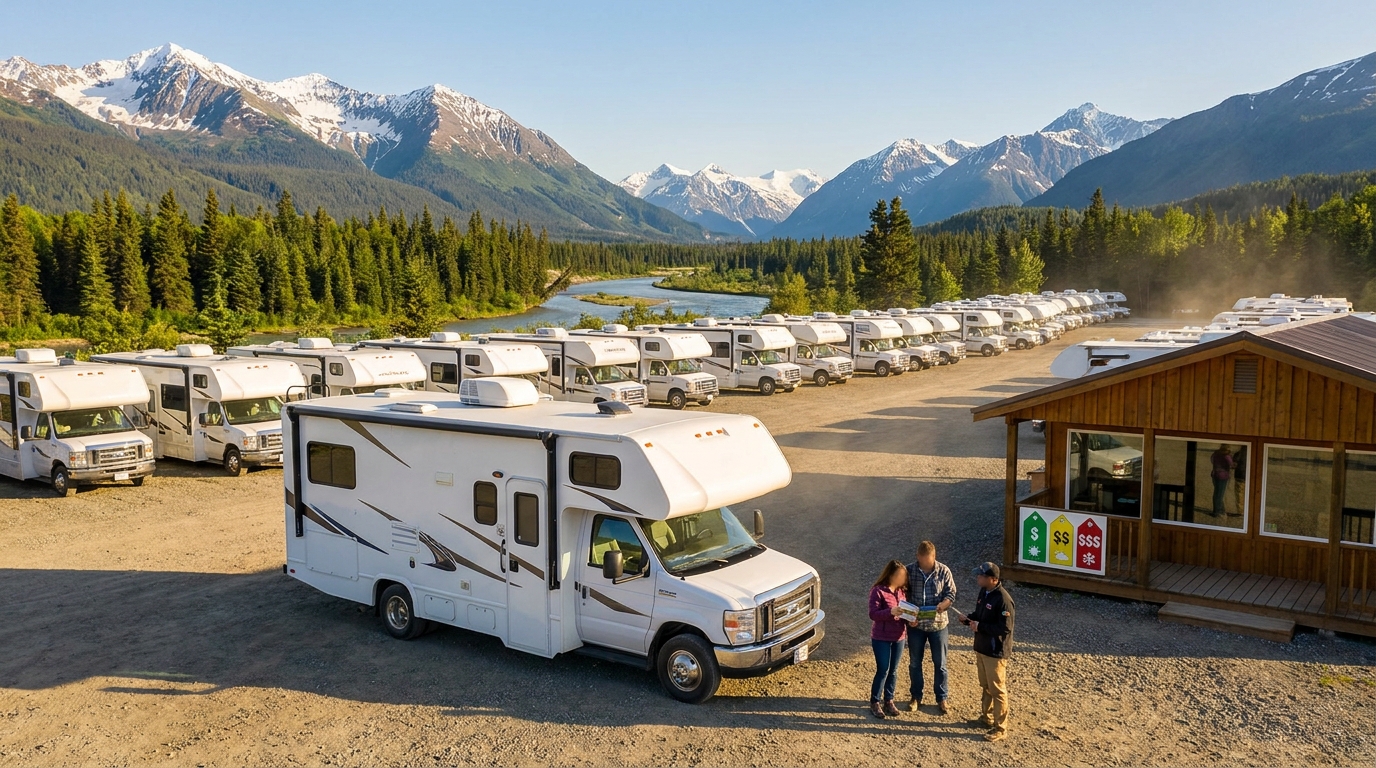
Exploring Alaska by rented RV offers an unparalleled sense of freedom and adventure, allowing you to immerse yourself in the Last Frontier’s breathtaking landscapes and vibrant culture. Whether you have a week or more, a motorhome provides the perfect mobile headquarters for discovering everything from towering glaciers to abundant wildlife. For live availability and current prices, start with our RV Rental Alaska - Complete Guide 2026 guide.
Best Alaska RV Itinerary for rv rental - Overview
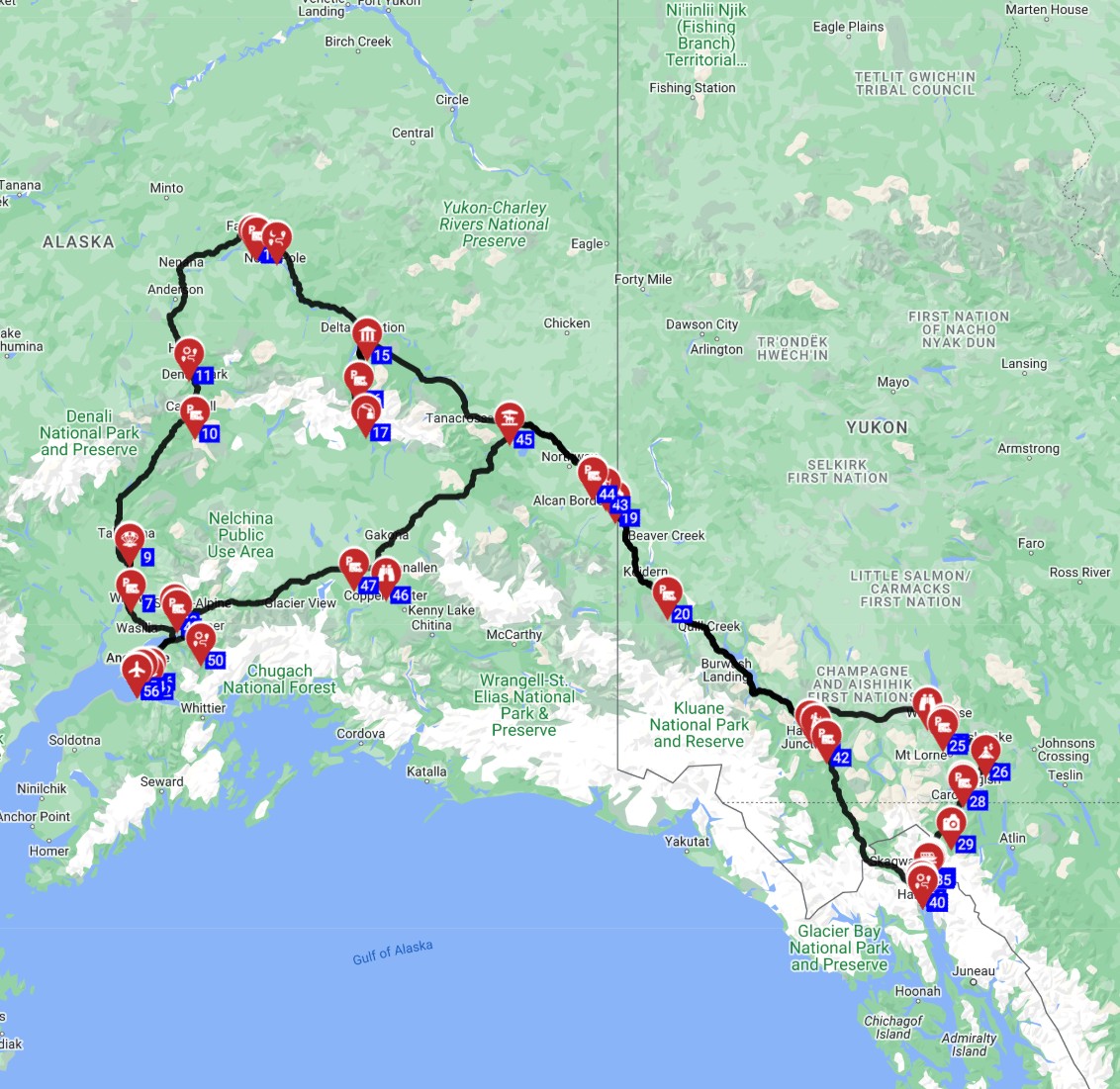
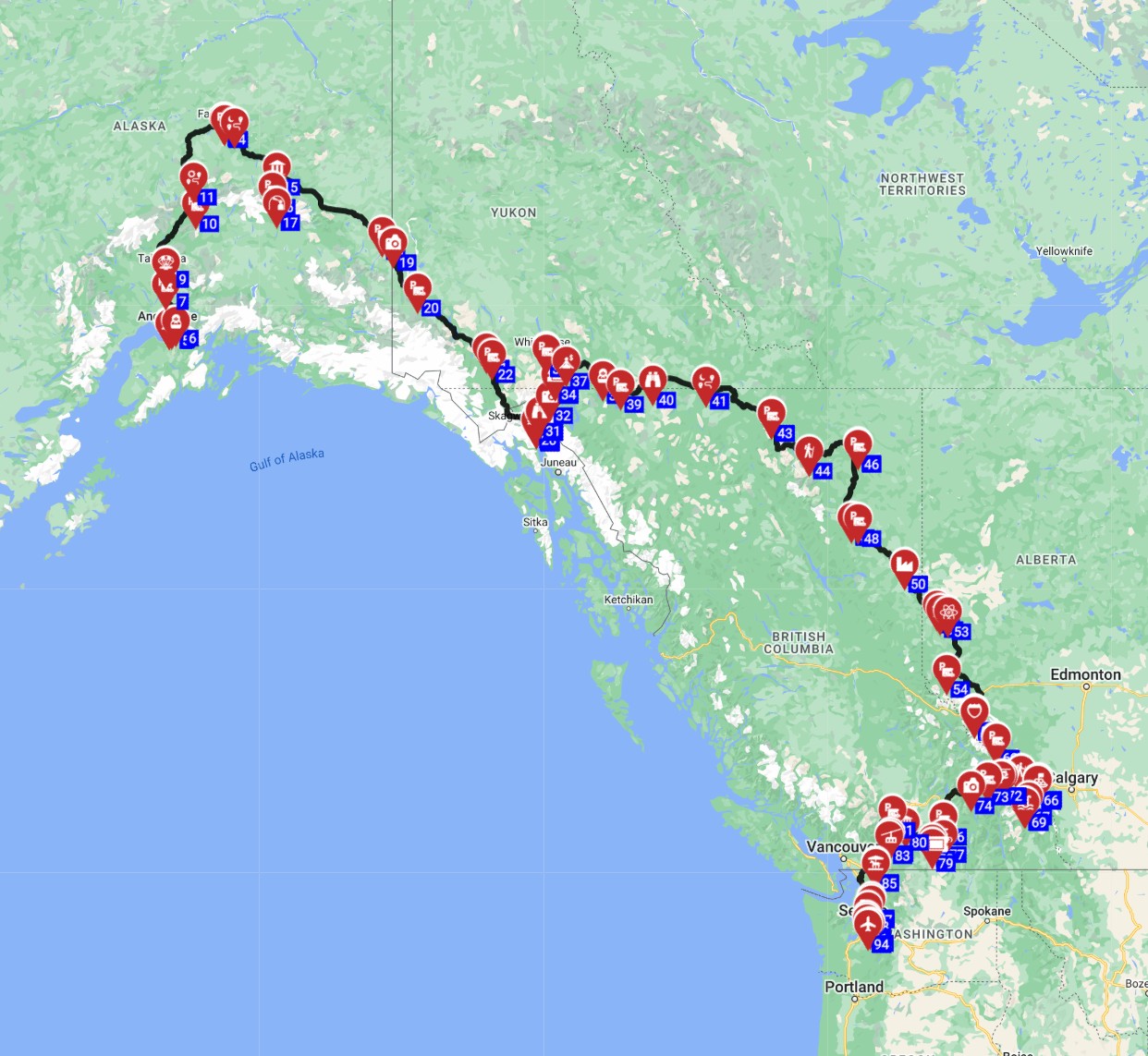
A typical Alaska RV journey should span a minimum of 7 days to truly appreciate its vast wilderness, though extended trips like the 'Anchorage Round Trip - Alaska-Yukon Discovery Trail' offer 23 days of exploration covering 3,539.2 km. The ideal season for RV travel in Alaska is from late May to early September when temperatures are mildest and daylight hours are longest. We always recommend focusing on slow travel, averaging no more than 100-150 km per day, to fully appreciate the Alaskan wilderness, connect with the local culture, savor the food, and soak in the scenery without feeling rushed. This approach ensures you discover hidden gems and unexpected delights along your chosen route.7-Day Classic Route in Alaska
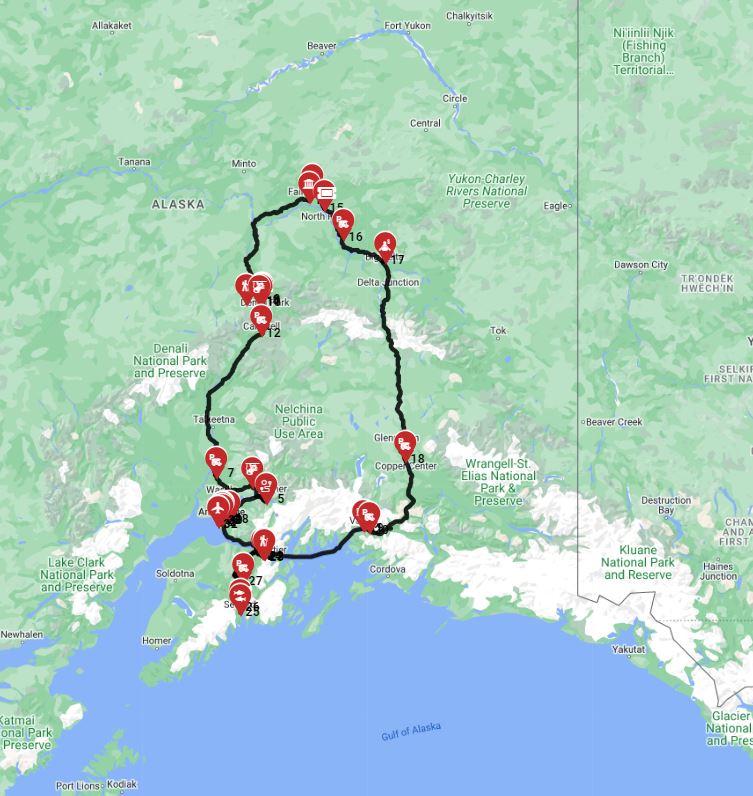
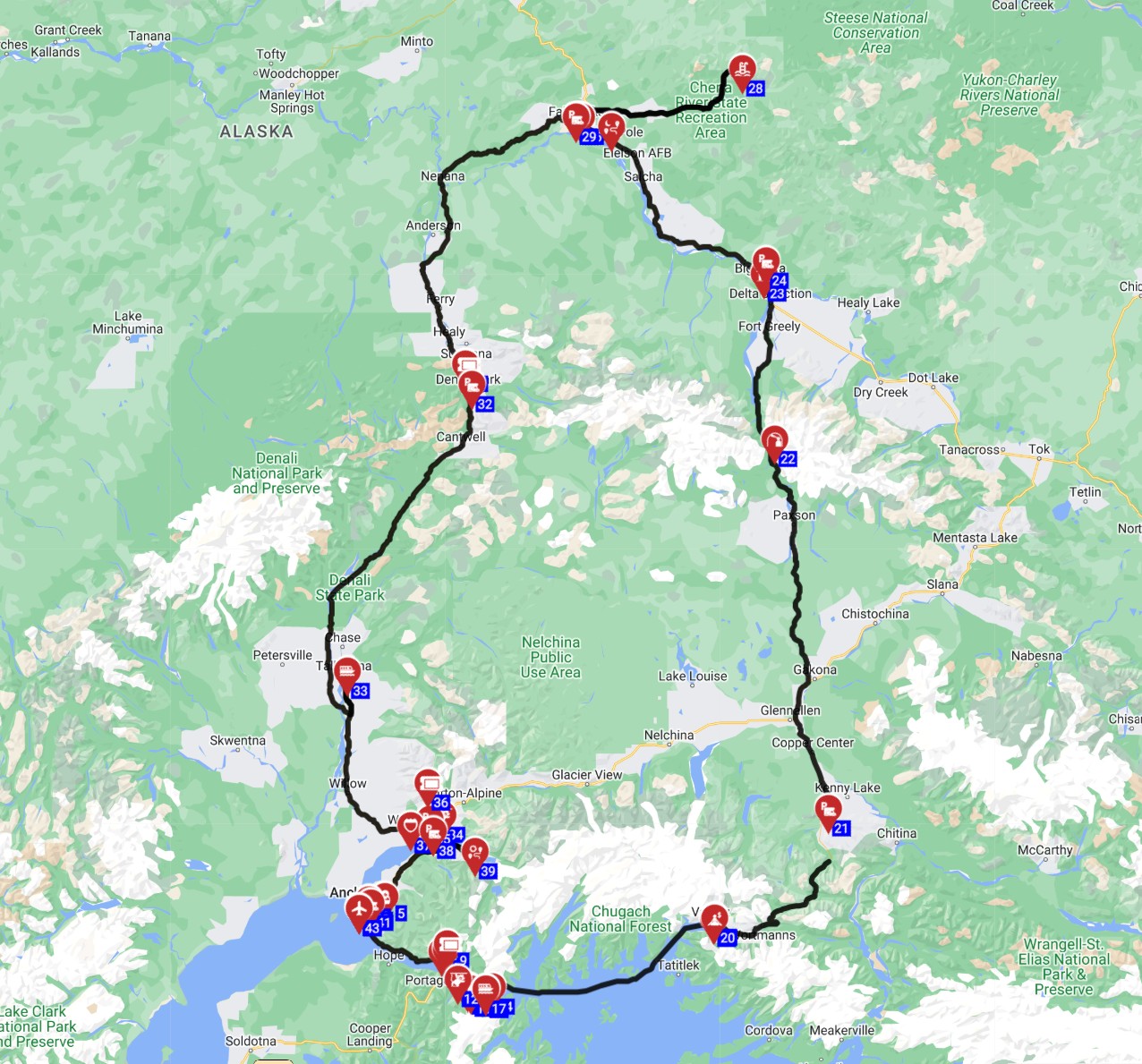
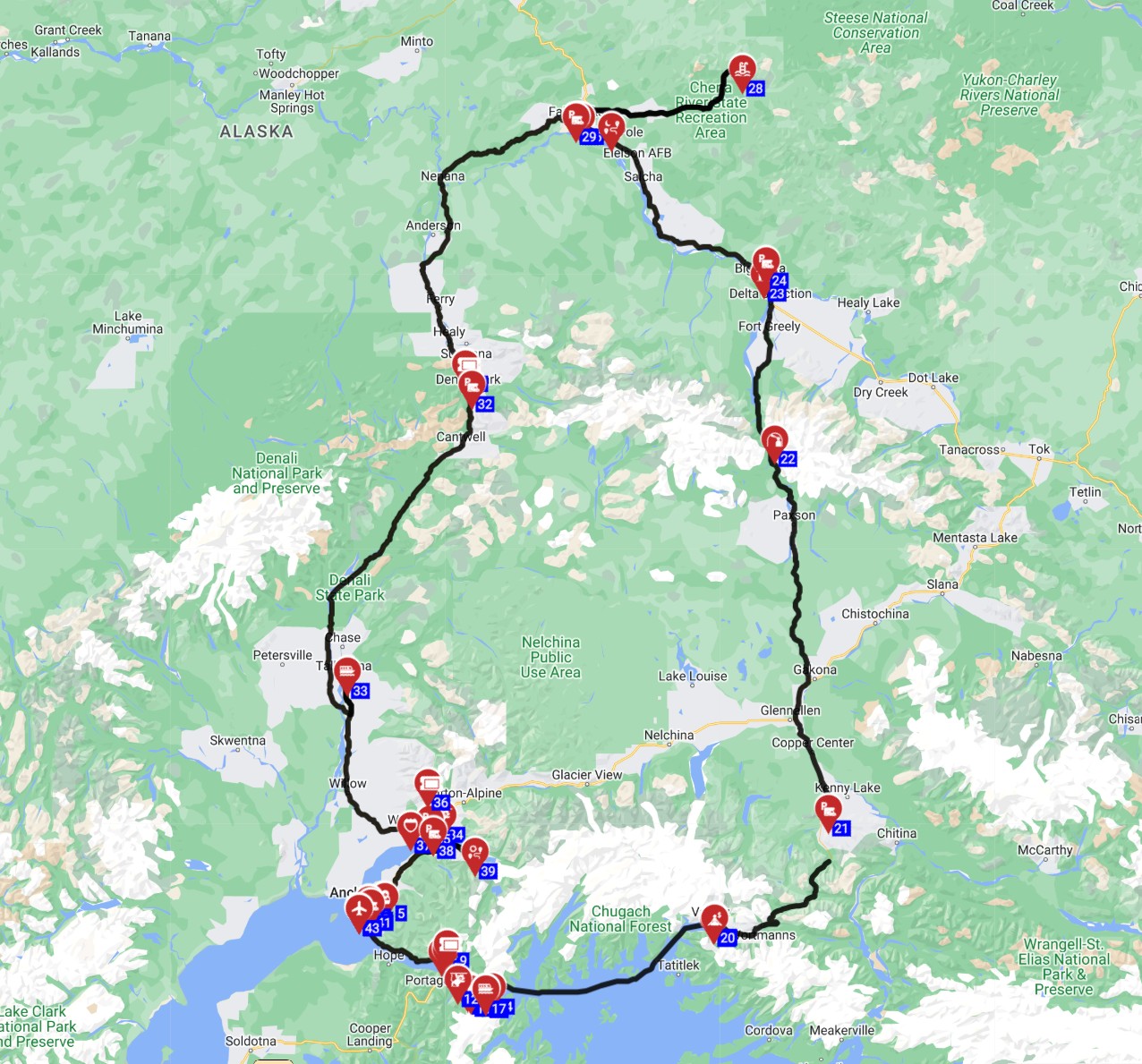
A 7-day RV itinerary in Alaska focuses on a loop from Anchorage, offering a perfect blend of natural beauty and charming towns, covering approximately 1300 km (800 miles) in total. This route allows you to experience some of Alaska's most iconic sights at a relaxed pace, with enough time to enjoy activities and local flavors.Day 1: Anchorage → Talkeetna (180 km / 112 mi): Pick up your motorhome in Anchorage, stock up on groceries, and head north to Talkeetna. This quirky town offers stunning views of Denali on clear days and is a hub for flightseeing tours. You can settle in at Talkeetna Alaskan Lodge RV Park. Remember, preparing your own meals in your rented RV's kitchen is a great way to save money and enjoy fresh local ingredients, so check out our RV-friendly recipes playlist for inspiration. On the routes offered through RV PLANET routes, you can itemize and track every expense along the way for easy budgeting.
Day 2: Talkeetna → Denali National Park (240 km / 149 mi): Continue your journey north to the entrance of Denali National Park, one of the crown jewels of the USA. Spend the afternoon exploring the visitor center and book a shuttle bus tour deep into the park for wildlife viewing. You can stay at Riley Creek Campground, which allows RVs for the first 15 miles into the park.
Day 3: Denali National Park → Fairbanks (200 km / 124 mi): Enjoy an early morning wildlife viewing or a short hike within Denali before driving to Fairbanks, Alaska's Golden Heart City. Visit the University of Alaska Museum of the North to learn about the region's natural and cultural history. River's Edge RV Park is a popular spot for overnight stays.
Day 4: Fairbanks → Delta Junction (150 km / 93 mi): Drive south on the scenic Richardson Highway, which marks the official start of the Alaska Highway. Explore historical sites along the way and enjoy the vast Alaskan scenery. Find a suitable campground near Delta Junction for the night.
Day 5: Delta Junction → Glennallen (180 km / 112 mi): Your route takes you through the majestic Wrangell-St. Elias National Park, the largest national park in the US, offering breathtaking mountain views. Tolsona Lake Resort & RV Park provides a comfortable spot to rest.
Day 6: Glennallen → Palmer (200 km / 124 mi): Head towards the Matanuska-Susitna Valley, known for its fertile farms and the impressive Matanuska Glacier. Consider an optional glacier hike to experience its icy beauty up close. Palmer/Wasilla KOA Journey is a great option for camping.
Day 7: Palmer → Anchorage (80 km / 50 mi): Enjoy a short, scenic drive back to Anchorage. Return your rented RV and take some time to enjoy any last-minute city sights or souvenir shopping before concluding your memorable Alaskan adventure.
14-Day Extended Journey in Alaska
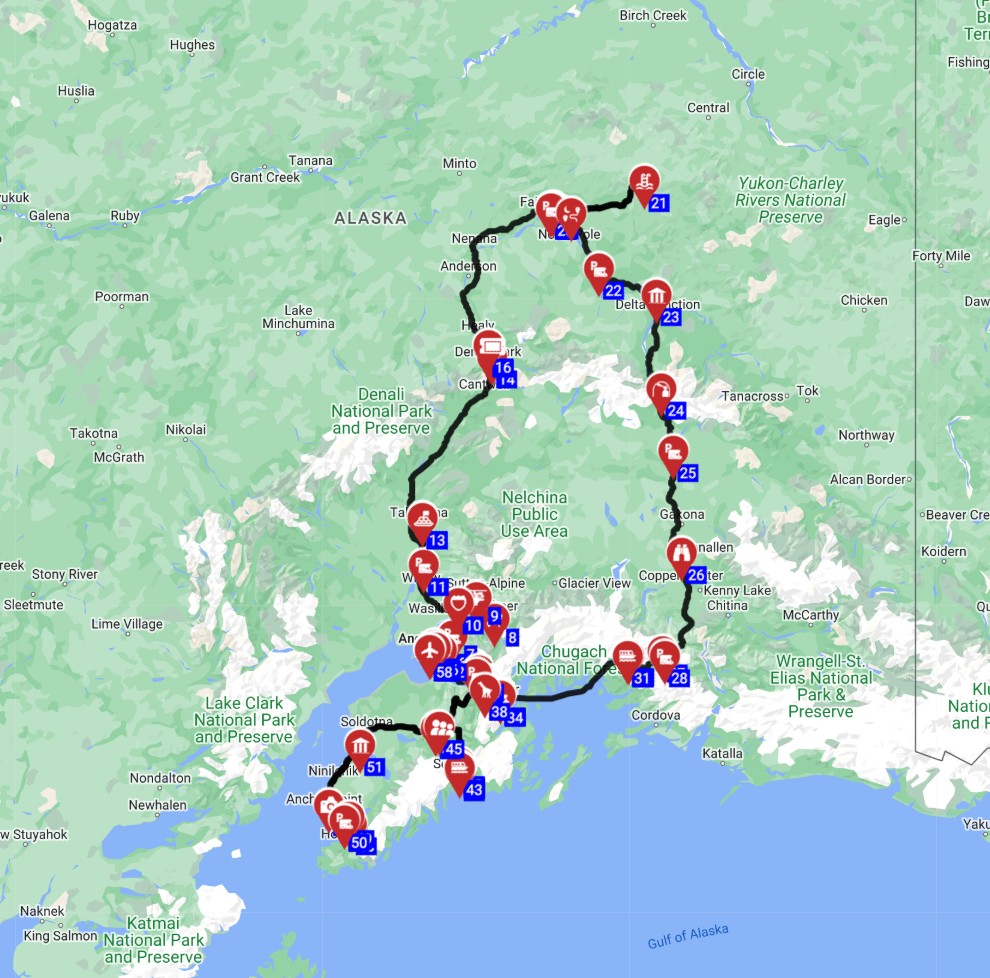
For those with more time, a 14-day RV adventure in Alaska allows for deeper exploration of its diverse regions, including the coastal wonders of the Kenai Peninsula and the rugged beauty of Prince William Sound, totaling approximately 1900 km. This itinerary expands on the classic route, ensuring you experience more of what the Great Land has to offer. The "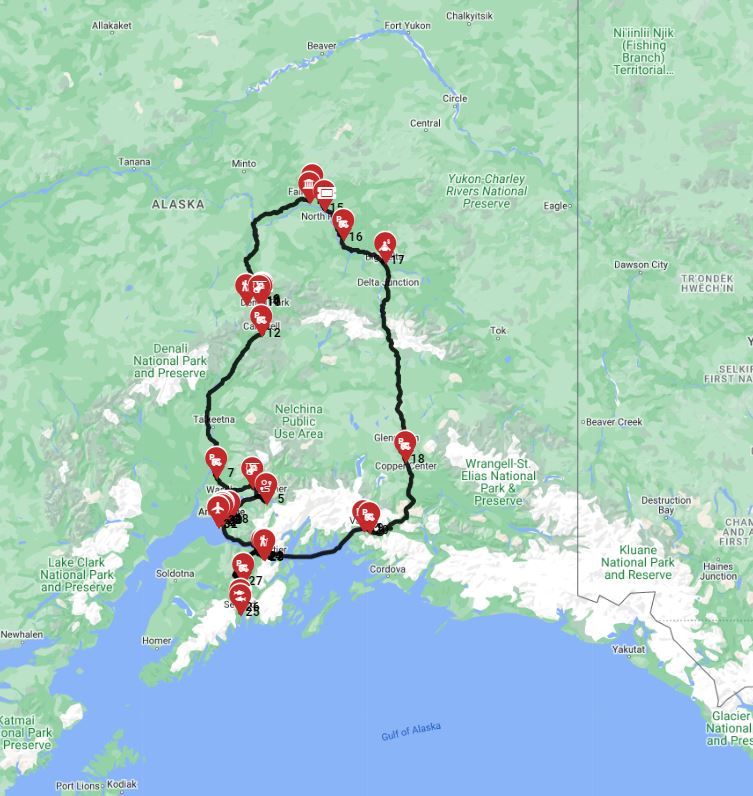
Days 1-3: Anchorage & Kenai Peninsula (Approx. 350 km / 217 mi total): Begin your journey in Anchorage, picking up your rented motorhome. Spend a day exploring the city before heading south. Day 2 takes you to Seward for glacier cruises into Kenai Fjords National Park and marine wildlife viewing. Day 3 continues to Homer, the 'Halibut Fishing Capital of the World,' famous for its scenic 'Spit' and vibrant arts community. This segment includes a chance to see 2 animals shows / wildlife watches and 2 cruise terminal / sailing experiences.
Days 4-6: Prince William Sound & Valdez (Approx. 250 km / 155 mi total): Drive east from Anchorage to Valdez, a picturesque port town often called the 'Switzerland of Alaska,' via the incredibly scenic Glenn Highway and Richardson Highway. Consider taking a ferry through Prince William Sound or exploring glaciers by boat, truly appreciating Alaska's dramatic coastal landscapes. This offers 3 opportunities for cruise terminal / sailing and 1 cave exploration.
Days 7-9: Interior Alaska - Denali & Fairbanks (Approx. 400 km / 248 mi total): Head north from Valdez towards Denali National Park for Days 7-8, providing unparalleled wilderness and wildlife viewing, including 2 dedicated hiking areas. Continue to Fairbanks on Day 9 to delve into Alaska's Gold Rush history and, depending on the season, potentially witness the mesmerizing midnight sun or the aurora borealis. Visit at least one museum, such as the University of Alaska Museum of the North.
Days 10-12: The Alaskan Frontier - Delta Junction & Paxson (Approx. 300 km / 186 mi total): Journey south from Fairbanks, tracing the historic Alaska Highway from Delta Junction on Day 10. Explore remote areas around Paxson for solitude, stunning landscapes, and opportunities for fishing or hiking on Day 11. These days offer a true taste of the Alaskan frontier, with long stretches of scenic driving.
Days 13-14: Mat-Su Valley & Return to Anchorage (Approx. 200 km / 124 mi total): Circle back through the Matanuska-Susitna Valley on Day 13, visiting Palmer and the magnificent Matanuska Glacier. Your adventure concludes on Day 14 with the return of your RV in Anchorage. This extended trip allows for a comprehensive experience of Alaska's diverse regions and is ideal for those seeking an unforgettable adventure.
Recommended RVPlan Trip for Alaska
For an in-depth Alaskan adventure that extends beyond state borders, consider the expertly curated RV PLANET trip named 'Anchorage Round Trip - Alaska-Yukon Discovery Trail'. This comprehensive itinerary spans 23 days and covers an impressive 3,539.2 kilometers, guiding travelers through both the natural wonders of Alaska and the historical landscapes of the Canadian Yukon. It's an ideal choice for those seeking a rich blend of natural beauty and cultural experiences.This route, starting and ending in Anchorage, includes a vast array of activities, from visiting 1 amusement park and 1 botanical garden, to enjoying 1 canoe/kayak/rafting experience, exploring 1 cave, and taking 3 different cruises. It features 3 hiking areas for active travelers and delves into history with 1 historical site and 3 museums. The itinerary also covers 2 natural features, offers 1 night tour, explores 1 park, highlights 3 points of interest, includes 1 science site, and covers 1 tourist attraction. You'll also have a chance to try local cuisine at 1 traditional restaurant and engage in 1 traditional visit. For detailed day-by-day plans, maps, and budgeting tools, RV PLANET routes allow you to itemize and track every expense along the way.
Another popular option is the '
Daily Driving Distances & Drive Times in Alaska
Avi Bandana, the founder of Bandana Caravan, strongly recommends a maximum of 100 miles or 150 km per day on average when RVing in Alaska. This recommendation allows ample time for sightseeing, relaxation, and adapting to unexpected road conditions. Traveling slowly maximizes enjoyment of Alaska's scenic beauty, which can be easily missed when rushing between destinations. For example, the drive from Anchorage to Seward (approx. 200 km / 125 miles) can take around 2.5-3 hours of pure driving, but with scenic stops like Portage Glacier and the Alaska Wildlife Conservation Center, plan for 4-6 hours. Similarly, Anchorage to Denali National Park Entrance (approx. 385 km / 240 miles) typically requires 4.5-5 hours of driving, but travelers should allocate an entire day to account for wildlife viewing opportunities and stops in charming towns like Talkeetna. Remember, driving slowly and carefully is key to navigating any RV size in cities or on winding Alaskan roads without issues. No need to stress - just use common sense and pay attention.Best RV Class for This Itinerary - Couple & Family Picks
Choosing the right RV for your Alaska adventure depends heavily on your group size and desired level of comfort and maneuverability. Bandana Caravan, a true RV specialist founded in 2001, has over 20 years of experience helping tens of thousands of travelers find their perfect rental. We offer direct partnerships with over 50 leading RV suppliers worldwide, including trusted names like El Monte and Cruise America, ensuring you find the ideal vehicle for your journey.For a couple, Avi Bandana suggests a **Class B - Camper Van** due to its compact size and fuel efficiency, making it ideal for navigating smaller roads and remote areas while still providing essential amenities. These vehicles, like the "Active Classic" or "Juliette 2-3", typically average 5.8 meters in length, sleeping 3.2 places, and comfortably accommodating 2.7 adults, with common fuel consumption around 8-10 Liters/100 km. This smaller size can offer greater flexibility and ease of parking.
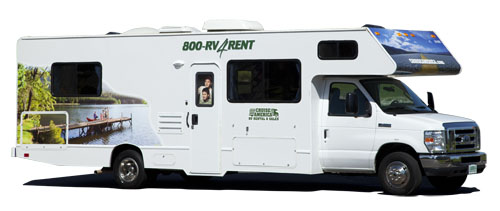
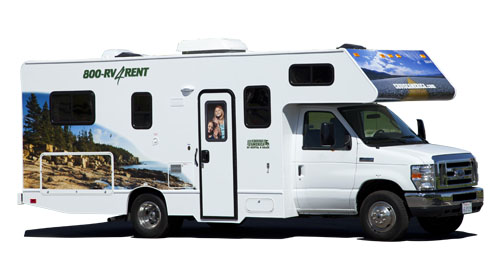
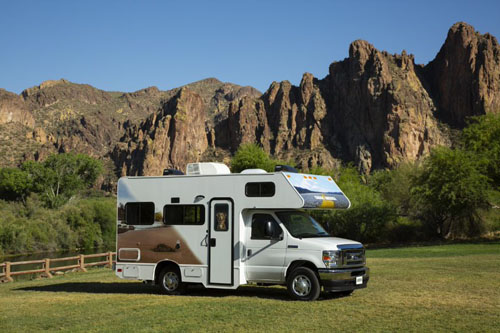
For a family or a group of friends, the **Class C - Alcove** is an excellent choice, offering more living space and dedicated sleeping areas, ensuring comfort for multiple travelers. A Class C motorhome such as the "24' Class C Motorhome" typically averages 7.5 meters in length, sleeping 5.8 places, and comfortably accommodating 4.4 adults, with common fuel consumption of 10-12 Liters/100 km. These models often come equipped with a shower and toilet, providing a self-contained travel experience. For instance, the "cruise america rv rental example Explorer" is a 4-berth motorhome with a 82-liter fresh water tank and averages 11 L/100km fuel consumption.
To simplify your trip planning, consider Bandana's 'Rent&Plan' service, which combines an RV rental with a ready-made itinerary crafted by travel professionals. This service provides full access to trip-planning software, removing the headache of detailed organization. You can even find specific vehicle options and compare motorhome prices for Alaska directly through our platform.
RV Camping and Boondocking in Alaska
No, you cannot park your RV just anywhere in Alaska; overnight parking is generally restricted to designated campgrounds, RV parks, or specific public lands where boondocking (dispersed camping) is explicitly permitted. Alaska's vast wilderness does offer numerous boondocking opportunities on federal lands managed by the Bureau of Land Management (BLM) or national forests, but it is crucial to research specific regulations for each area, as rules vary significantly. Always adhere to 'Leave No Trace' principles, camp at least 200 feet from water sources, and be prepared for limited or no cell service, which necessitates offline maps and potentially a satellite communicator for safety.Ignoring regulations can lead to fines, environmental damage, or unpleasant encounters with wildlife. Always prioritize established sites or verify the legality of your chosen spot through local visitor centers or online resources before parking overnight. Many state and national parks reserve only 25-30% of their spots in advance, leaving the rest for first-come, first-served. This means you’ll find a spot; if not at the first campground, then the next one. It’s always a good idea to call ahead before driving a long distance.
For finding campsites and campgrounds during your trip, we recommend using RV PLANET (rvplan.net), a great resource for locating available spots along your route and planning your stops efficiently. This tool is invaluable for navigating the Alaskan landscape, ensuring you always have a place to rest your head. With 24/7 support from Bandana in case you need assistance with your booking or coordination, you can travel with confidence.
Seasonal Considerations for Your Alaska RV Trip
The best time of year to RV to Alaska is generally from **late May to early September**, as this period offers the warmest temperatures, longest daylight hours (including the famous midnight sun), and full accessibility to most roads, campgrounds, and attractions. During this peak season, visitors should be prepared for the omnipresent Alaskan mosquito population, making effective repellents and screened areas essential. While the summer months provide optimal conditions, be aware that weather can change rapidly, and packing layers for diverse conditions is crucial for comfort and safety.Early spring (May) and late fall (September) can offer fewer crowds and vibrant fall foliage, respectively, but also come with cooler temperatures and potential for early snow or limited service availability in some remote areas. Planning your trip for these shoulder seasons might be appealing for the solitude, but always check current road and weather conditions before heading out. Keep an eye on local forecasts and adjust your plans as needed. Travel slowly, max 100-150 km per day on average, to account for changing conditions and fully enjoy the shifting scenery.
Essential Prep for Your Alaska RV Adventure
Preparing for your Alaska RV adventure involves a few key steps to ensure a smooth and enjoyable trip. First, create a comprehensive packing list: beyond clothes and personal items, include insect repellent, bear spray (and knowledge on how to use it safely), layers for varying weather, a first-aid kit, and plenty of water. Most rented motorhomes, like the "alaska rv rental example Category B", come with essential kitchenware, bedding, and basic toiletries, but always confirm with your supplier.For traveling with pets, ensure all necessary documentation is in order, especially for Canadian border crossings if you plan to drive the Alaska Highway (Alcan Highway). Research pet-friendly campgrounds and attractions in advance, and always be mindful of wildlife; keep pets leashed and close by to prevent dangerous encounters. Regarding costs, remember that prices are dynamic like flight tickets, changing daily based on availability, seasonality, and supplier marketing decisions. For pre-planners who like everything organized, booking 3-6 months in advance often secures better rates, but spontaneous travelers will find last-minute availability, too.
A standard car driver's license is sufficient for all motorhome classes (Class A, Class B, and Class C) in Alaska. An International Driving Permit (IDP) is recommended for visitors from non-English-speaking countries but is not mandatory in most cases. The minimum rental age is 21 years, and there are no young driver surcharges or vehicle class restrictions based on age. You can also upgrade to a top-level deductible for extra peace of mind, an optional add-on that offers significant protection. Bandana Caravan provides full transparency with no hidden fees, ensuring what you see is what you pay.
What You Shouldn't Miss
Avi Bandana recommends focusing on authentic local experiences and natural wonders during your Alaska RV trip to make it truly unforgettable. Here are some of his top picks:- Traditional Visit to the Alaska Native Heritage Center in Anchorage: Gain profound insights into Alaska's eleven major Native culture groups through engaging exhibits, performances, and demonstrations. It's a powerful way to connect with the rich history of the land.
- A Glacier Cruise from Seward: Experience the awe-inspiring beauty of the Kenai Fjords National Park, witnessing calving glaciers, abundant marine wildlife like whales and sea otters, and dramatic coastal landscapes up close.
- Exploring Denali National Park: While in Denali, take a shuttle bus tour deep into the park's interior for unparalleled opportunities for wildlife viewing, including grizzlies, caribou, and Dall sheep, against the backdrop of North America's tallest peak. Don't miss a 'hiking area' for immersive nature experiences.
- Savoring Local Alaskan Cuisine in Talkeetna or Homer: Seek out a 'Traditional Restaurant / Fine Dining' spot in charming towns like Talkeetna or Homer to indulge in fresh, locally sourced seafood, such as wild Alaskan salmon or halibut.
- Visiting the University of Alaska Museum of the North in Fairbanks: This museum offers a fantastic overview of Alaska's unique natural and cultural history, from ancient artifacts to contemporary art and a fascinating collection of Alaskan wildlife.
RV Travel Rules: Understanding the 3-3-3 and 4-4-4 Guidelines for Alaska
The 3-3-3 rule for RV travel is a widely recommended guideline advising RVers to drive no more than 300 miles (480 km) a day, arrive at their campground by 3 PM, and stay for at least 3 nights. This rule promotes safer travel by preventing driver fatigue and allowing ample time to set up camp and relax, which is crucial in remote areas of Alaska where emergency services can be distant. Adhering to the 3-3-3 rule also enables travelers to fully immerse themselves in each location, reducing the stress of constant packing and unpacking while allowing for better wildlife encounter preparedness and enjoying slower paced activities. This approach is particularly beneficial in Alaska, where vast distances between towns and unique driving conditions (like gravel roads or wildlife crossings) can make long driving days more taxing. By adhering to this rule, RVers ensure they have time to check for any minor maintenance issues and scout out cell service availability, enhancing overall trip safety and enjoyment.The 4-4-4 rule for RV travel is a less common but similar guideline, suggesting that RVers drive no more than 400 miles (640 km) a day, arrive at their destination by 4 PM, and stay for at least 4 nights. This rule offers a slightly more aggressive travel pace than the 3-3-3 rule, suitable for those who prefer to cover more ground, but still emphasizes arriving early enough to set up camp in daylight and allowing multi-day stays for deeper exploration. When traveling in Alaska, applying the 4-4-4 rule might be challenging on certain remote routes with limited services, and it requires even greater attention to vehicle maintenance, tire pressure, and carrying adequate supplies in case of breakdowns far from service stations. Always remember that the spirit of these rules is to encourage slow travel and maximize your enjoyment of the journey, rather than simply rushing to the next destination.
🎬 Video coming soon
Final Thoughts
An RV adventure through Alaska offers an unparalleled opportunity to explore its vast and wild landscapes at your own pace. With careful planning, a well-chosen route, and the right motorhome rental, you'll create memories that last a lifetime. Imagine waking up to mountain views, spotting wildlife from your window, and cooking delicious meals in the heart of nature.Whether you opt for a week-long immersion or an extended journey, the key is to embrace the spirit of slow travel. Take your time, soak in every vista, and let the magic of Alaska unfold around you. At Bandana Caravan, we're here to support you in finding the perfect vehicle and itinerary, ensuring your trip is as seamless and enjoyable as possible.
Ready to answer the call of the wild? Your Alaskan motorhome adventure awaits! Find RV Rentals in Alaska and start planning your escape today.