For live availability and current prices, start with our RV Rental Zambia - Complete Guide 2026 guide.
In This Guide
- Where to Camp in Zambia — Top Options
- Campground Types in Zambia (National, Private, Wild)
- Featured RV Park or Campground in Zambia
- Hookups & Amenities — What to Expect
- Booking Windows & Reservations in Zambia
- Nearby Supermarkets & Resupply Points
- Class SI - Semi-integrated RVs for Zambia
- Class C - Alcove RVs for Zambia
- Class B - Camper Vans for Zambia
- Class A - Integrated RVs for Zambia
- Class TC - Truck Campers for Zambia
- Best RV Class for Camping in Zambia
- How to Save on Campgrounds in Zambia
- How much does it cost to rent an RV for a week in Zambia
- What is the best time of year to RV in Zambia
- What are the requirements for driving an RV in Zambia
- Is it safe to RV in Zambia
- Can you just park an RV anywhere in Zambia
- Are there RV hookups in Zambia
- What do you need to bring for an RV trip in Zambia
- Do you need a 4x4 RV for Zambia
- How do I manage water and waste in an RV in Zambia
- How do I get internet and communication in Zambia
- Where can I get mechanical support or spare parts for an RV in Zambia
- How do you deal with border crossings with an RV in Zambia
- What cultural etiquette should I know for RV travel in Zambia
Where to Camp in Zambia — Top Options
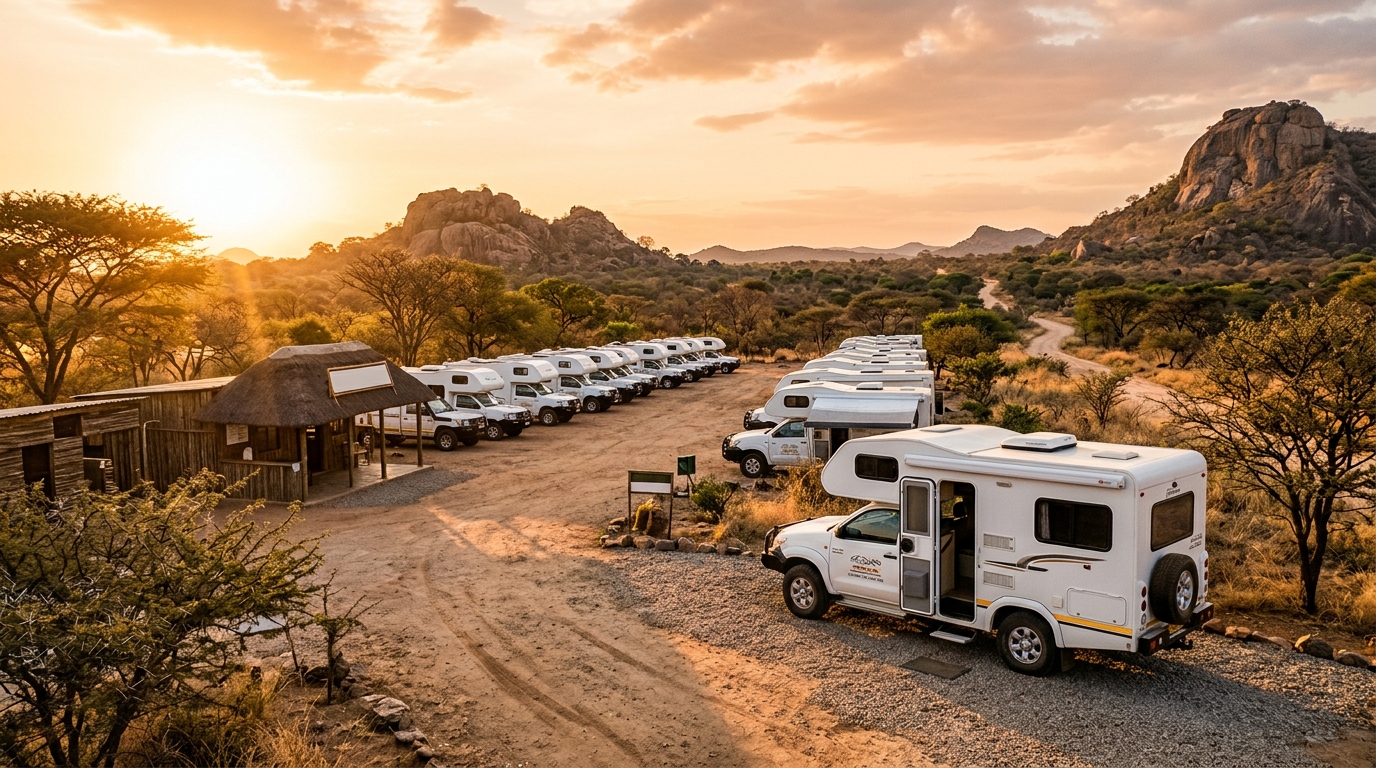
Zambia offers diverse camping experiences for RV travelers, ranging from well-equipped private campgrounds to more basic national park sites and opportunities for remote bush camping. Key regions for RV camping include areas near popular tourist destinations like Livingstone, the gateway to Victoria Falls, and within or adjacent to major national parks such as South Luangwa and Lower Zambezi. While specific named campgrounds can vary, RV travelers should look for sites with secure perimeters, access to essential amenities, and proximity to wildlife viewing areas or cultural attractions. Considering community-run campsites can also provide an authentic experience and support local conservation efforts.
Campground Types in Zambia (National, Private, Wild)
Zambia features three primary types of RV camping: national park sites, private campgrounds, and limited opportunities for wild or bush camping. National park campgrounds often provide basic facilities, prioritizing an immersive nature experience, and may require self-sufficiency regarding power and water. Private campgrounds, particularly those located near tourist hubs, typically offer more amenities like reliable electricity, running water, hot showers, and sometimes Wi-Fi. Wild or bush camping, while adventurous, is generally not legally permitted within national parks or on private land without explicit prior consent; it is usually tolerated in very remote, non-protected areas with strict adherence to 'leave no trace' principles.
Featured RV Park or Campground in Zambia
When selecting an RV park in Zambia for your weekly rental, prioritizing secure facilities, reliable water sources, and convenient access to local attractions is essential. Many popular tourist destinations, especially around Livingstone near Victoria Falls, feature well-equipped sites that cater to RV travelers, often including options for powered stands and ablution blocks. It's crucial to look for campgrounds that explicitly mention RV-friendly amenities, have guarded premises, and boast positive reviews regarding safety and guest services. Ensure the chosen site can accommodate your specific RV class, as road accessibility within some parks can be challenging for larger vehicles.
Hookups & Amenities — What to Expect
In Zambia, RV travelers can expect varied availability of hookups and amenities, with full services being more common at private campgrounds than in national parks. Electricity, typically 220-240V with Type G or Type D plugs, is usually available at private sites and some national park main camps, though power outages can occur, making a backup generator or solar setup beneficial. Water hookups are often present at established sites, though it's advisable to carry your own potable water and purification methods, as tap water quality can be inconsistent. Dump stations for grey and black water are less common outside of major private campgrounds, necessitating careful water management and planned disposal points. Wi-Fi is generally limited to higher-end private camps or lodges, while basic facilities like communal ablution blocks with showers (sometimes cold) and laundry services (manual or machine) are more widespread. On the routes offered through RV PLANET routes, you can itemize and track every expense along the way for easy budgeting.
Booking Windows & Reservations in Zambia
For a weekly RV rental in Zambia, planners should book accommodations well in advance, especially for peak season (June-October) and popular national parks, to secure preferred spots. Many national park campgrounds operate on a system where only 25-30% of spots are available for advance reservations, with the remainder allocated on a first-come, first-served basis. Spontaneous travelers, particularly during the shoulder or low seasons, can often find same-day or next-day availability at private campgrounds, though calling ahead before driving long distances is highly recommended. You will almost certainly find a place—if not at your first choice campground, then at a nearby alternative—though your options may be more limited without prior booking.
Nearby Supermarkets & Resupply Points
For RV resupply in Zambia, major supermarket chains like Shoprite and Pick n Pay are prevalent in larger cities such as Lusaka and Livingstone, offering a wide range of groceries and essentials. Smaller towns and villages along main routes will have local markets and smaller shops where fresh produce, basic provisions, and fuel can be purchased, though selection may be limited. It is crucial to plan your route to include stops in these urban centers for comprehensive restocking, especially before venturing into remote areas or national parks where supplies are scarce and more expensive. Always carry sufficient non-perishable food, water, and fuel for several days, particularly when off the main grid.
Class SI - Semi-integrated RVs for Zambia
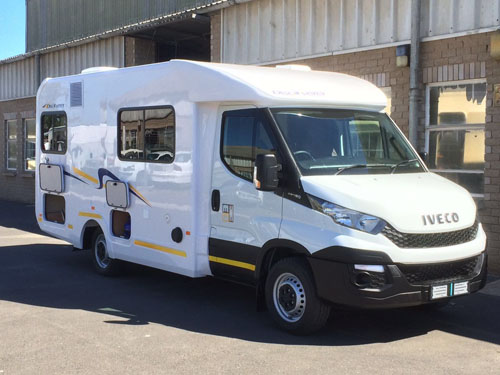
Semi-integrated RVs, with an average length of 6.9 meters, typically offer comfortable sleeping arrangements for around 3.8 people and accommodate 3.4 adults within Bandana's global fleet. These vehicles usually have an average load capacity of 72.2 kg, making them suitable for carrying essential gear for a weekly trip. Fuel consumption for Class SI RVs is commonly around 10-11 Liters per 100 km, providing a good balance between comfort and efficiency for exploring Zambia's better-maintained roads. Their design generally offers a good compromise between interior space and maneuverability, making them a practical choice for couples or small families sticking to established routes.
Class C - Alcove RVs for Zambia
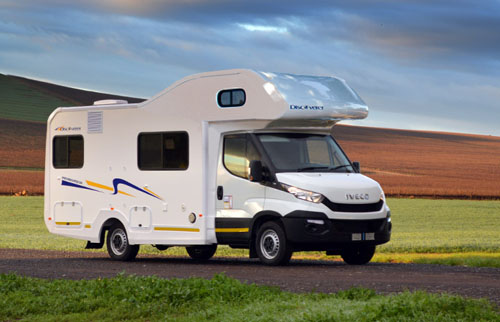
Class C Alcove RVs, averaging 7.5 meters in length, are ideal for larger groups, with typical sleeping places for 5.8 people and comfortably fitting 4.4 adults from Bandana's global fleet. These models offer an average load capacity of 42.4 kg and a common fuel consumption of 10-12 Liters per 100 km. The distinctive alcove design provides extra sleeping space, making them a popular choice for families seeking more room and amenities. While offering greater comfort, their larger size may require more caution on narrower or unpaved Zambian roads, and they are generally better suited for established routes and campsites.
Class B - Camper Vans for Zambia
Class B Camper Vans are excellent for adventurers seeking agility and efficiency in Zambia, averaging 5.8 meters in length with sleeping for 3.2 people and 2.7 adults from Bandana's global fleet. These compact RVs have an average load capacity of 37 kg and boast efficient fuel consumption, typically around 8-10 Liters per 100 km. Their smaller footprint makes them easier to navigate on varied Zambian roads, including some unpaved tracks, and allows for more discreet parking options. Camper Vans are well-suited for couples or small groups prioritizing maneuverability and a more rugged travel style for their weekly rental.
Class A - Integrated RVs for Zambia
Class A Integrated RVs, with an average length of 7.5 meters, offer a luxurious and spacious option for RV travel, typically accommodating 4.4 sleepers and 4 adults from Bandana's global fleet. These larger vehicles provide a substantial average load capacity of 209.5 kg, suitable for extended trips with ample supplies. Fuel consumption for Class A RVs is commonly around 8-18 Liters per 100 km. While providing unparalleled comfort and amenities, their large size and lower ground clearance can make them challenging for Zambia's less-developed roads and national park tracks, best suited for well-maintained routes.
Class TC - Truck Campers for Zambia
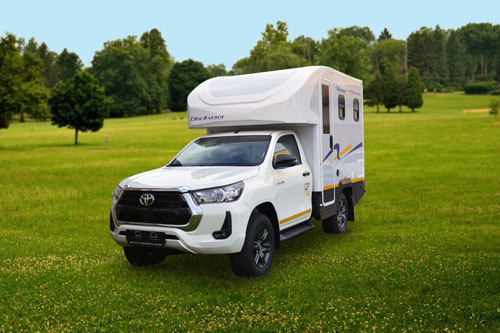
Truck Campers (Class TC) are a robust option for navigating Zambia's diverse terrain, averaging 5.5 meters in length and designed for 2.4 sleepers and 2.1 adults from Bandana's global fleet. The data indicates an average load capacity of 0 kg, which typically refers to the camper unit's capacity as it's mounted on a truck chassis, implying its inherent robustness. These vehicles usually have a fuel consumption range of 12-17 Liters per 100 km, reflecting their powerful engines often paired with 4x4 capabilities. Ideal for adventurous travelers, Truck Campers are excellent for reaching remote areas and national parks, offering high ground clearance and all-terrain capabilities essential for challenging Zambian roads.
Best RV Class for Camping in Zambia
For a weekly RV rental in Zambia, a **Class B Camper Van** or a **Class TC Truck Camper** is generally recommended due to Zambia's varied road conditions and the potential for off-grid camping. Class B Camper Vans, averaging 5.8m in length, offer superior maneuverability and efficiency (8-10 L/100km), making them suitable for a mix of paved and reasonably maintained unpaved roads. Class TC Truck Campers (5.5m average length) are often 4x4 capable, providing the necessary ground clearance and robustness for truly challenging tracks and remote national park access, despite a higher fuel consumption (12-17 L/100km). Larger Class A or C models, while offering more comfort and space, may be less suited for Zambia's extensive network of unpaved and sometimes rough roads, and are best for itineraries focused on major routes and developed campsites.
How to Save on Campgrounds in Zambia
To save on campgrounds in Zambia, leverage discount programs like Bandana's campground discount cards, which can offer significant savings on weekly rentals. Traveling during the shoulder seasons (May-June and October-November) often results in lower campground rates compared to the peak dry season. Opting for municipal or regional campgrounds over luxury private resorts can substantially reduce your nightly expenses while still providing essential amenities. Look for weekly rates by planning longer stays (3+ nights) at a single location, as many establishments offer discounted pricing for extended periods. Consider sharing hookups and campsite fees with fellow travelers if you are part of a group, further reducing individual costs.
How much does it cost to rent an RV for a week in Zambia
The cost to rent an RV for a week in Zambia varies significantly based on the RV class, rental season, and specific inclusions, typically ranging from $800 to $2,000+ per week for a well-equipped model, not including operational expenses. A **comprehensive RV cost breakdown** should factor in fuel, which is a major expense given Zambian distances and the average consumption of 8-17 Liters per 100 km depending on RV class and terrain. Additional costs include national park entry fees for both the vehicle and occupants, varying by park and duration, as well as daily camping fees at private or public sites. Budget for potential vehicle maintenance/repairs, a robust emergency fund for unforeseen issues, visa fees if applicable, and costs for border crossings if planning to visit neighboring countries.
What is the best time of year to RV in Zambia
The best time of year to RV in Zambia is during the dry season, from May to October, when road conditions are most favorable and wildlife viewing opportunities are at their peak. **Seasonal road conditions** significantly impact RV travel; during the dry season, most major roads and even many gravel tracks within national parks are accessible, reducing the risk of getting stuck. The wet season (November to April) brings heavy rains, making many unpaved roads and tracks impassable, particularly in national parks and rural areas, which can severely limit travel routes and options. While the dry season offers easier navigation, the shoulder months of May-June and October-November can provide a good balance of drier roads and fewer crowds, potentially with lower prices.
A standard car driver's license is sufficient for all motorhome classes, with no special license or permits required. If you're looking for the easiest, safest, and most affordable way to rent an RV, we compare final prices across 50+ suppliers so you don't have to.🎬 Video coming soon
What are the requirements for driving an RV in Zambia
Driving an RV in Zambia necessitates possessing a valid international driving permit (IDP) alongside your national driver's license, carrying original vehicle registration documents, and having comprehensive insurance proof. **RV-specific border crossings** require meticulous paperwork, including vehicle ownership documents, a Temporary Import Permit (TIP) for your RV, and often the COMESA Yellow Card for cross-border insurance. Ensure your vehicle meets local **suitability and modification** standards; this includes having mandatory safety equipment such as reflective triangles, a fire extinguisher, and often a high-visibility vest. It's advisable to carry certified copies of all important documents, keeping originals secure, and to understand that requirements can vary slightly at different border posts.
Is it safe to RV in Zambia
RVing in Zambia can be a safe and rewarding experience with diligent planning and adherence to safety protocols, including securing your vehicle, exercising caution with wildlife, and understanding local driving conditions. A **deep-dive into RV safety and security** involves always locking doors and windows, storing valuables out of sight, and potentially using additional anti-theft devices when parked. Be acutely aware of wildlife, especially when camping in or near national parks; secure all food, avoid leaving attractants outside, and strictly adhere to park rules regarding night driving and interactions with animals. Develop emergency protocols for remote breakdowns, which should include carrying a satellite phone or reliable communication device, extra fuel, water, and basic repair tools, and informing someone of your itinerary.
Can you just park an RV anywhere in Zambia
No, you generally cannot just park an RV anywhere in Zambia; it is strongly recommended to use designated campgrounds or obtain explicit permission from landowners to ensure safety and comply with regulations. Respecting **cultural etiquette and local interaction** is paramount; parking randomly in or near villages without permission can be seen as intrusive and disrespectful. In national parks and protected areas, wild camping is strictly prohibited to protect wildlife and enforce conservation efforts, with hefty penalties for non-compliance. Responsible **water and waste management** is also a key consideration; random parking often lacks facilities for grey and black water disposal, making designated sites essential for environmental protection.
Are there RV hookups in Zambia
Yes, RV hookups for electricity and water are available at many private campsites and some national park facilities in Zambia, though their reliability and standards can vary. For a more detailed understanding of what to expect regarding power, water, and dump stations, please refer to our dedicated section on 'Hookups & Amenities — What to Expect' earlier in this guide. While increasingly common, always confirm availability and voltage (typically 220-240V) with your chosen campground in advance, especially for less-developed or remote sites. It's always wise to be prepared for periods without hookups by ensuring your RV has sufficient battery capacity, a water tank, and potentially solar charging capabilities.
What do you need to bring for an RV trip in Zambia
For an RV trip in Zambia, essential packing includes a comprehensive first-aid kit, robust spare tires and tire repair kits, a reliable water filtration system, and accurate navigation tools. Considering **vehicle suitability and modifications**, essential gear also encompasses a heavy-duty jack, a tire pressure gauge, extra fuel canisters, and sturdy recovery equipment like a shovel and tow rope for unpaved roads. For **water and waste management**, bring ample bottled water, purification tablets or a filter, and eco-friendly toiletries, along with containers for proper waste disposal where dump stations are unavailable. Other crucial items include high-quality binoculars for wildlife viewing, insect repellent, sun protection, a robust flashlight or headlamp, and a local SIM card or satellite phone for communication in remote areas.
Do you need a 4x4 RV for Zambia
While not strictly mandatory for main tarred roads, a 4x4 RV is highly recommended for travel in Zambia, especially if planning to explore national parks, remote areas, or venturing off major routes. **Vehicle suitability and modifications** are critical; a 4x4 RV offers superior ground clearance and traction, which are indispensable for navigating Zambia's extensive network of unpaved, gravel, and sandy roads. **Seasonal road conditions** play a significant role; during the wet season (November-April), many roads become muddy and impassable for 2WD vehicles, making a 4x4 nearly essential for most travel outside major towns. Even in the dry season, national park tracks can be challenging with corrugations, sand, and rocky sections, making the added capability of a 4x4 beneficial for safety and accessibility.
How do I manage water and waste in an RV in Zambia
Effectively managing water and waste in an RV in Zambia requires diligent planning, including securing potable water from reliable sources or using purification methods, and disposing of waste responsibly at designated facilities. For **water management for RVs**, always carry sufficient drinking water, and consider equipping your RV with a robust filtration system or purification tablets for refilling from boreholes or approved natural sources. Regarding grey and black water, utilize official dump stations found at established private campgrounds and some larger national park sites; never discharge waste directly into the environment. Practice strict hygiene, using hand sanitizers and eco-friendly, biodegradable soaps, and ensure all solid waste is collected and disposed of in designated bins or carried out of remote areas.
How do I get internet and communication in Zambia
To ensure internet and communication while RVing in Zambia, rely primarily on local SIM cards for mobile network access in populated areas, and consider a satellite phone for truly remote regions lacking mobile coverage. **Connectivity and communication** options include purchasing local SIM cards from providers like MTN, Airtel, or Zamtel, which offer relatively good 3G/4G coverage in cities and along major routes. For national parks and very remote areas where mobile signals are non-existent, a satellite phone is highly recommended as a critical safety device for emergencies. Wi-Fi is typically available at higher-end lodges and some private campgrounds, but it can be slow, expensive, or unreliable, so do not depend on it for consistent connectivity.
Where can I get mechanical support or spare parts for an RV in Zambia
For mechanical support and spare parts for an RV in Zambia, major cities like Lusaka and Livingstone are your best bet, offering more equipped workshops and a broader range of parts. **Mechanical support and spare parts** outside of major urban centers can be challenging; smaller towns along main routes may have local mechanics who are resourceful but might lack specialized RV knowledge or specific parts. It's highly advisable to carry essential spare parts unique to your RV (e.g., specific filters, belts, fuses, fluids) and basic repair tools, as sourcing them quickly in remote areas is unlikely. Before setting off on a weekly rental, ensure your RV is thoroughly serviced, and consider discussing potential common issues and local repair options with your rental provider.
How do you deal with border crossings with an RV in Zambia
Dealing with border crossings with an RV in Zambia requires meticulous preparation of all vehicle and personal documentation, awareness of associated costs, and an understanding of specific procedural nuances at each crossing point. A detailed guide on **RV-specific border crossings** involves having your passport, visa (if required), international driving permit, original vehicle registration, proof of ownership, and a valid COMESA Yellow Card for insurance. Expect to pay various fees, including road access fees, carbon tax, and potentially customs duties, which can vary by border and vehicle type; carry sufficient local currency (Zambian Kwacha) and USD. Be prepared for potential delays, variable processing times, and always maintain a polite and patient demeanor with border officials; popular crossings include Kazungula (to Botswana) and Chirundu (to Zimbabwe).
What cultural etiquette should I know for RV travel in Zambia
For RV travel in Zambia, understanding and respecting local cultural etiquette is fundamental, encompassing polite greetings, modest dress, and seeking permission before engaging in certain activities. **Cultural etiquette and local interaction** starts with greetings; a simple 'Muli bwanji' (how are you) in the local language is greatly appreciated and shows respect. When visiting villages or rural areas, dress modestly, particularly women, to show respect for local customs, and always ask permission before taking photos of individuals or their property. Engage positively with local communities, perhaps by purchasing goods from local markets or supporting community initiatives, and always approach interactions with humility and an open mind.
What You Shouldn't Miss
- Witness the awe-inspiring Victoria Falls, one of the world's largest waterfalls, from various viewpoints and potentially the surrounding national parks.
- Embark on a safari adventure in South Luangwa National Park, renowned for its high concentration of wildlife, particularly leopards, and its exceptional walking safaris.
- Explore the Lower Zambezi National Park for incredible wildlife viewing along the Zambezi River, offering game drives, boat safaris, and canoeing opportunities.
- Visit the Kalimba Reptile Park near Lusaka to see crocodiles, snakes, and other reptiles, offering a fascinating glimpse into Zambia's diverse fauna.
- Experience a traditional village tour to learn about Zambian culture, local crafts, and daily life, providing a deeper connection to the country.
- Take a scenic drive along the Great East Road, connecting Lusaka to the border with Malawi, passing through varied landscapes and local communities.
Final Thoughts
Renting an RV and exploring Zambia offers an unparalleled opportunity to connect with nature, encounter incredible wildlife, and immerse yourself in the vibrant local culture at your own pace. From the majestic Victoria Falls to the untamed wilderness of its national parks, Zambia provides a truly authentic African adventure.
Remember to plan ahead, especially regarding vehicle choice and seasonal road conditions, and always prioritize safety and respect for the environment and local communities. We're here to support you every step of the way, ensuring your weekly RV rental in Zambia is as smooth and memorable as possible. Get inspired for your next trip!
Discover top destinations, planning tips, all in one place! Plan a trip itinerary in advance with minimal effort and maximum enjoyment.
Start planning your Zambian RV adventure today and get ready for an unforgettable journey!