For live availability and current prices, start with our RV Rental West Canada - Complete Guide 2026 guide.
In This Guide
- Where to Camp in West Canada - Top Options
- Campground Types in West Canada (National, Private, Wild)
- Featured RV Park or Campground in West Canada
- Hookups & Amenities - What to Expect
- Booking Windows & Reservations in West Canada
- Nearby Supermarkets & Resupply Points
- Best RV Class for Camping in West Canada
- How to Save on Campgrounds in West Canada
- What Permits and Regulations Do I Need for RV Camping in West Canada?
- What are the Seasonal Specifics for RVing in West Canada?
- How Much Does a Weekly RV Rental Trip to West Canada Cost - A Budget Breakdown?
- What are the Specific Driving Challenges for RVs in West Canada?
- What are the key RV logistics for West Canada - Fuel, Water, and Maintenance?
- How Can I Stay Connected in Remote West Canada RVing?
- How Do I Prepare for Emergencies While RVing in West Canada?
- Where are the Hidden Gems and Off-the-Beaten-Path RV Spots in West Canada?
- What Do I Need to Know for US-Canada Border Crossings with an RV?
Where to Camp in West Canada - Top Options
West Canada boasts a stunning variety of camping experiences, from the breathtaking peaks of the Rockies to the serene coastal landscapes. Popular regions for RV rentals include the iconic Banff and Jasper National Parks in Alberta, the sun-drenched Okanagan Valley in British Columbia, and the picturesque Vancouver Island. Consider booking a spot at the historic Lake Louise Campground in Banff for unparalleled mountain vistas, or opt for the Whistler RV Park for convenient access to year-round activities. Exploring the extensive network of provincial parks across British Columbia and Alberta offers further opportunities to immerse yourself in the natural beauty of Western Canada.
Campground Types in West Canada (National, Private, Wild)
When planning your weekly RV rental in West Canada, understanding the different campground types is key. National Parks and Provincial Parks offer stunning natural settings, often requiring advance reservations and sometimes providing basic or partial hookups. For those seeking more amenities, private campgrounds typically provide full hookups (electric, water, sewer), along with conveniences like Wi-Fi, laundry facilities, and recreational areas. Dispersed camping, also known as boondocking, is legally permitted on designated Crown Land in British Columbia and Alberta. This free, self-sufficient camping experience requires strict adherence to 'leave no trace' principles, observance of maximum stay limits, and awareness of specific local regulations, including fire bans which are common during dry summer months.
Featured RV Park or Campground in West Canada
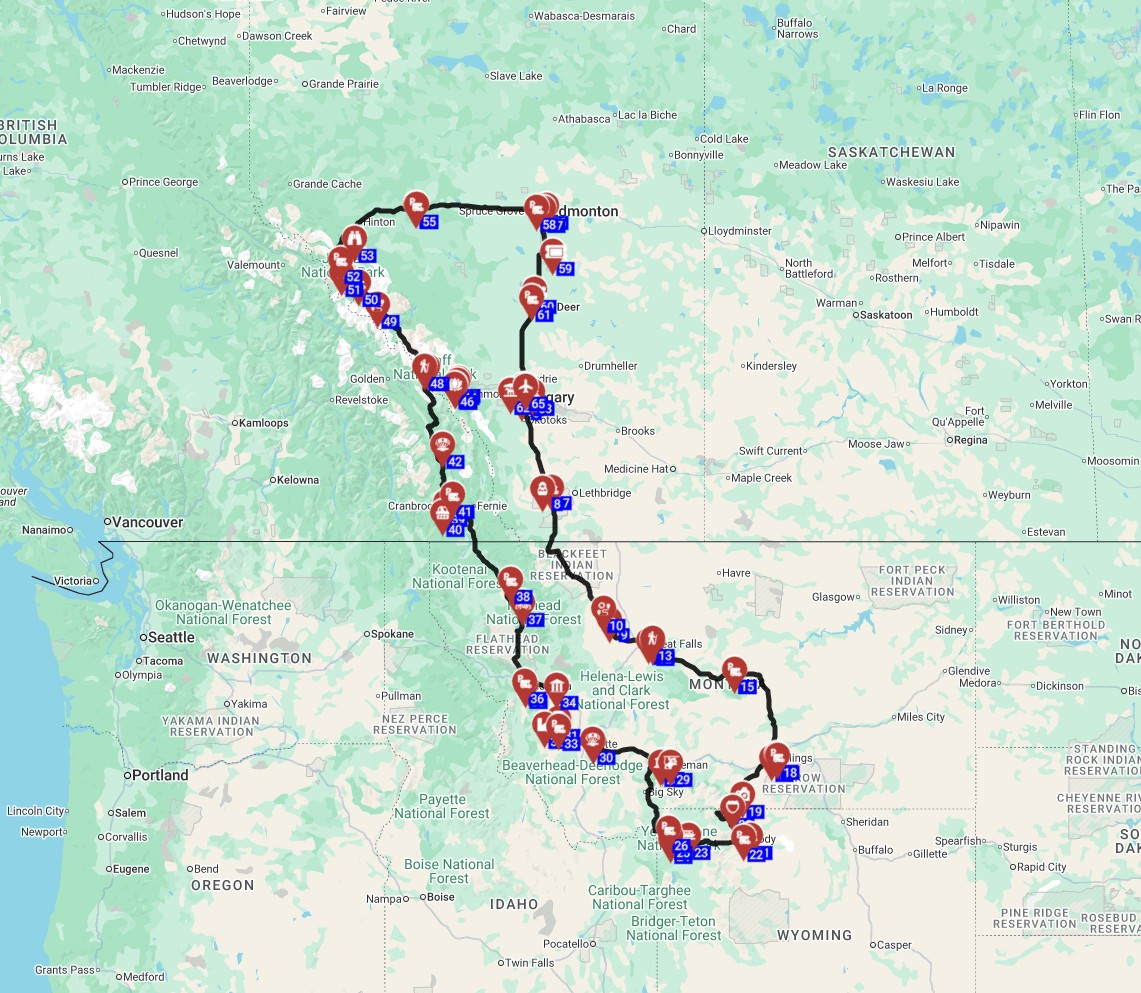
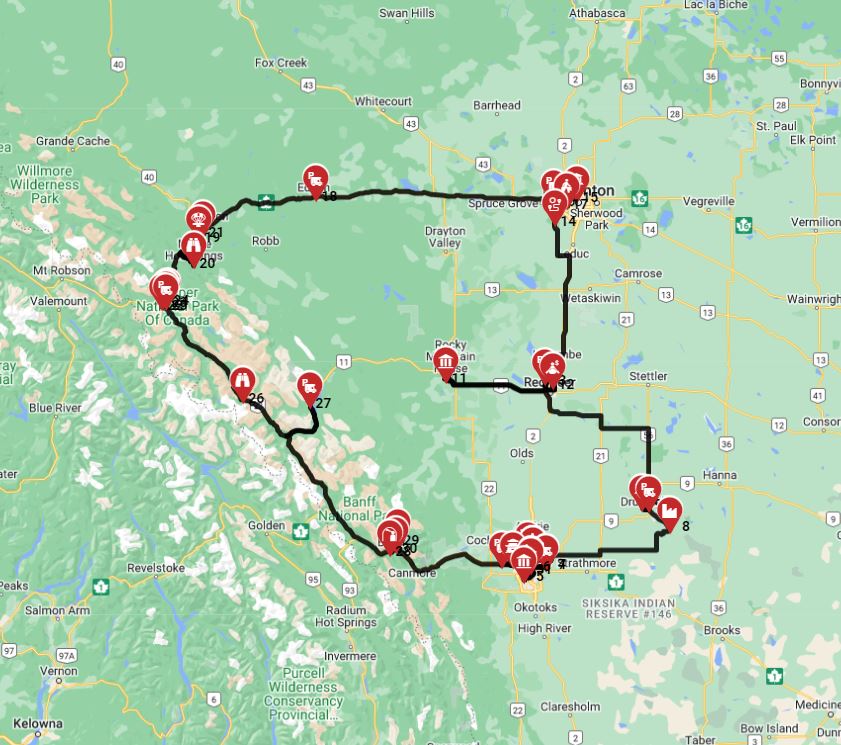
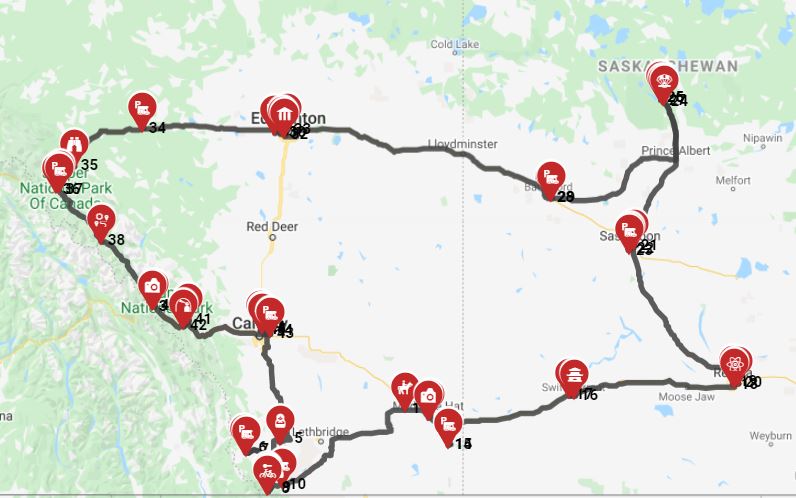
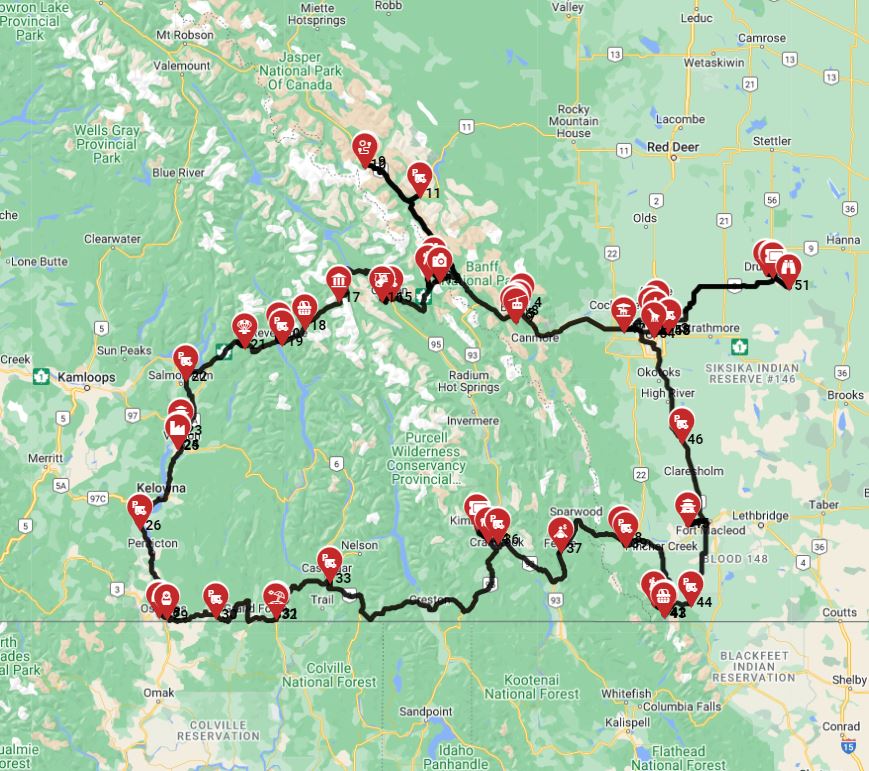
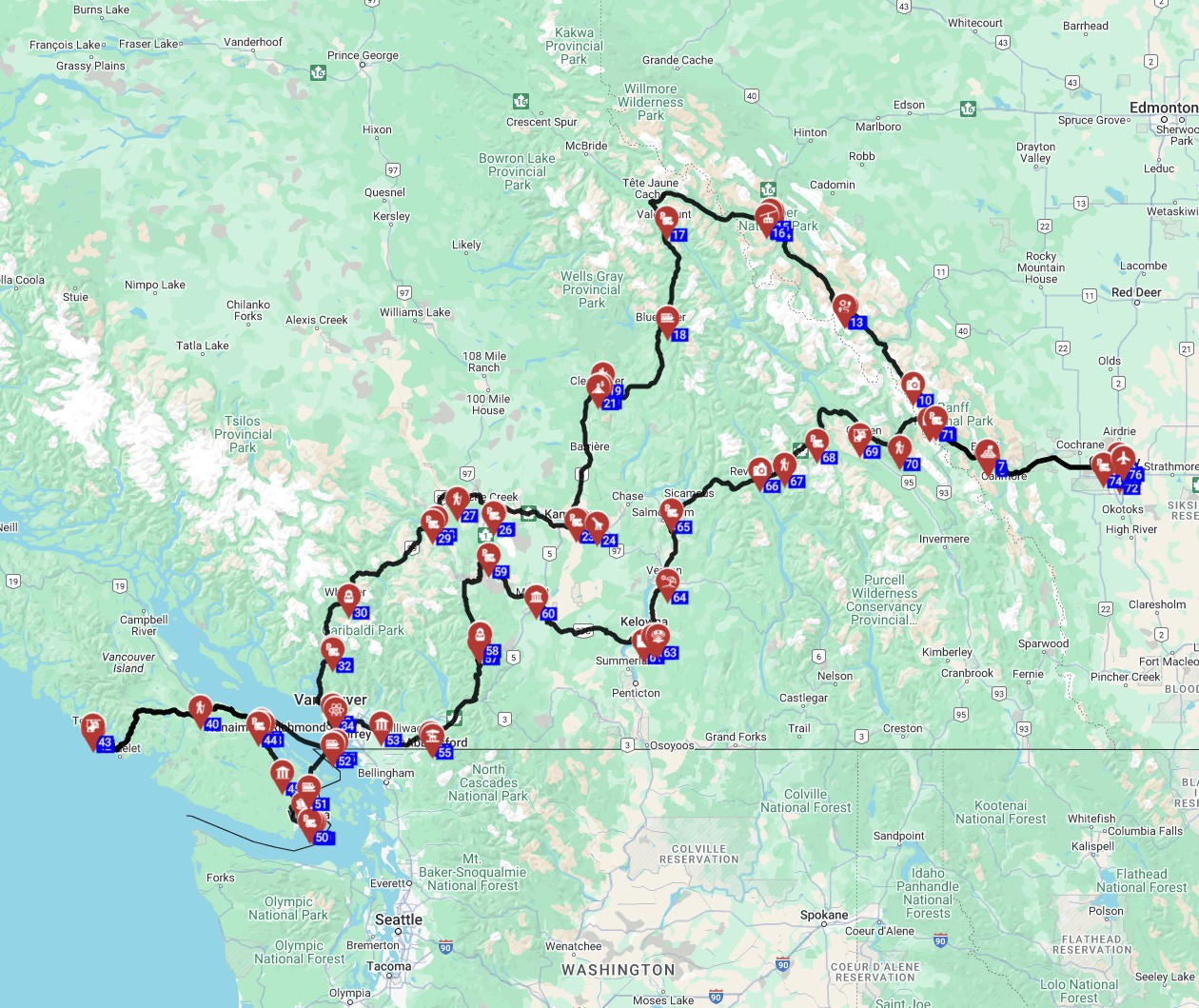
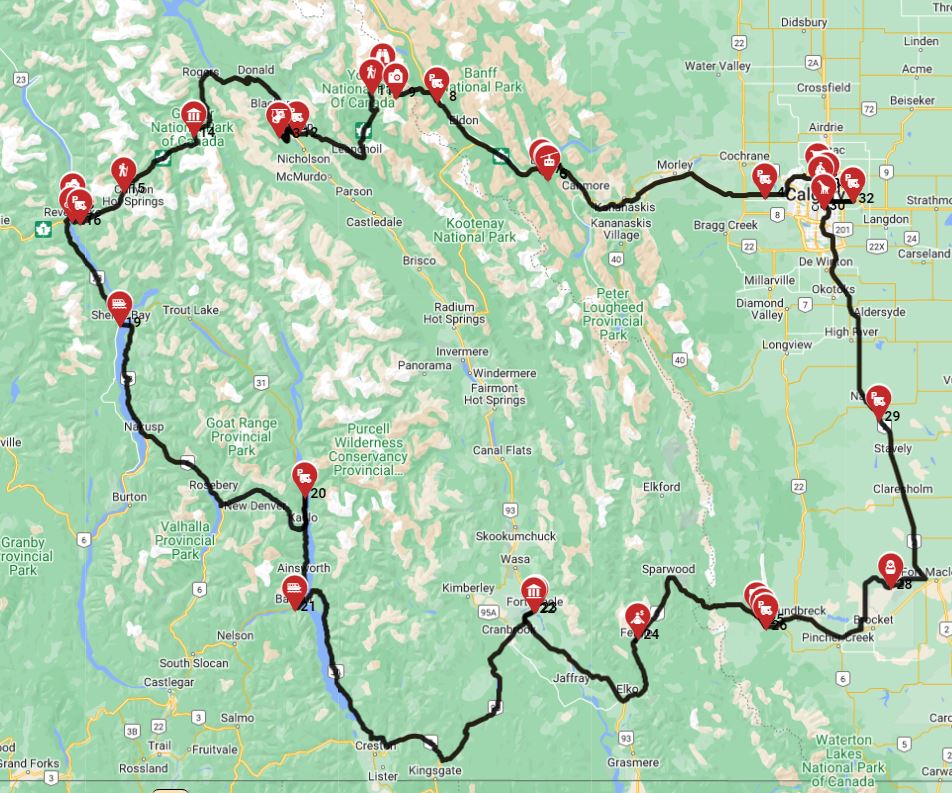
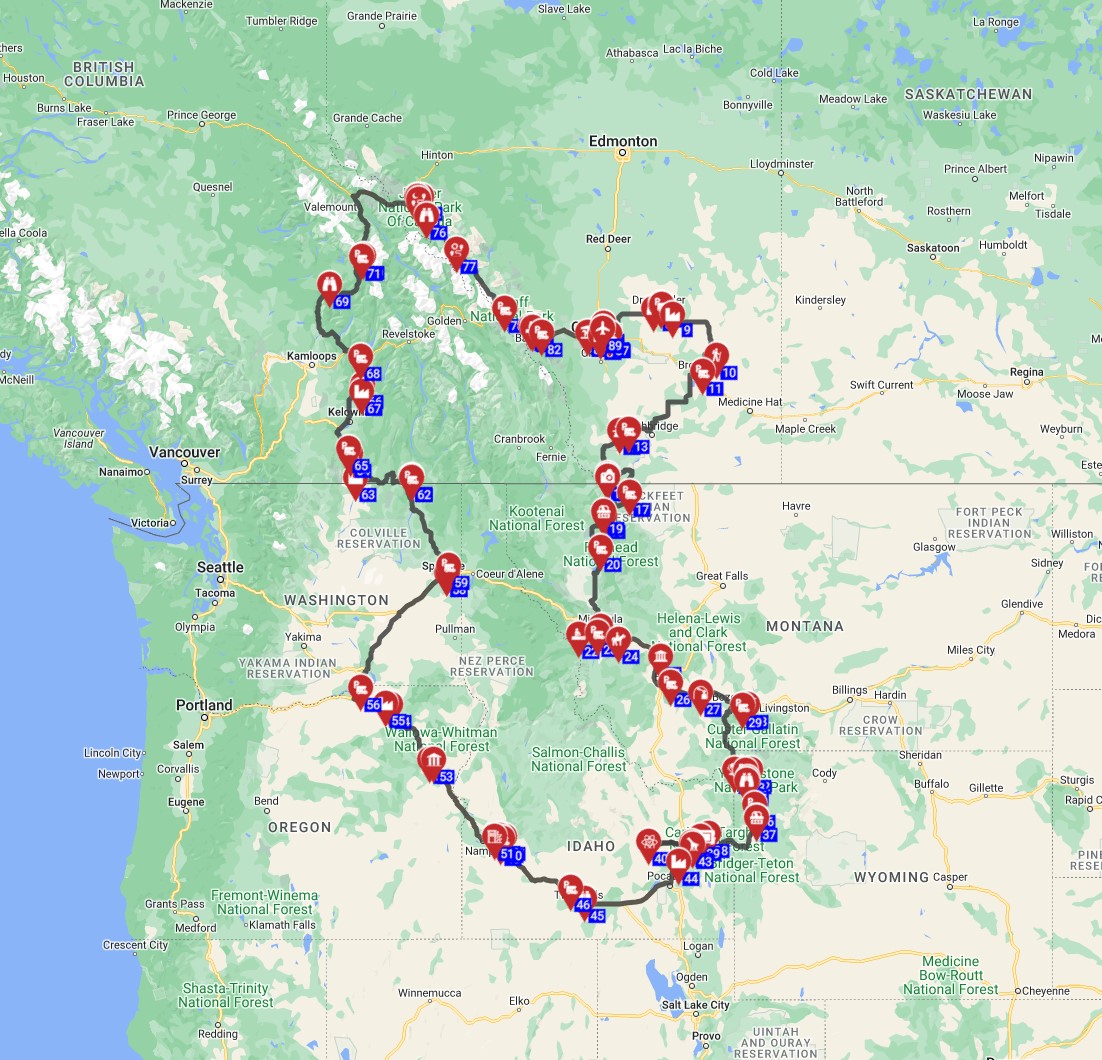
When selecting an RV park for your weekly rental in West Canada, prioritize locations that strike a balance between proximity to your desired attractions and the level of amenities you require. Look for parks that cater to various RV sizes and offer convenient access to outdoor activities like hiking, fishing, or watersports. For example, the Kakwa Provincial Park in Alberta offers rugged beauty and opportunities for backcountry exploration, while many private campgrounds near Victoria, BC, provide full services and stunning ocean views. Ensuring the park has facilities like shower blocks and dump stations will enhance your comfort during your stay. On the routes offered through RV PLANET routes, you can itemize and track every expense along the way for easy budgeting.
Hookups & Amenities - What to Expect
Standard RV hookups in West Canada commonly include 15, 30, or 50 amp electrical service and fresh water connections, with sewer dump stations most frequently found at private campgrounds. National and Provincial Parks often feature more rustic sites, typically equipped with picnic tables and fire rings, with potable water fill-up and central dump stations available. Amenities can vary significantly; expect flush toilets and showers at many private sites, but Wi-Fi connectivity can be inconsistent or entirely absent in more remote areas. This variability is a key consideration for RVers, highlighting potential connectivity challenges outside major centres.
Booking Windows & Reservations in West Canada
For a weekly RV rental in West Canada, securing popular campgrounds, especially those within National Parks like Banff or Jasper, necessitates planning several months in advance. Reservations often open as early as January for the peak summer season (July-August). A strategic option for spontaneous travelers is to target the 25%-30% of national park campground spots released for first-come, first-served (FCFS) arrivals; however, availability can be highly competitive. While you'll almost certainly find a place—if not at your first choice, then at the next one—it's highly recommended to call ahead to confirm availability before driving to a remote site, particularly if you have a fixed weekly rental timeline.
Nearby Supermarkets & Resupply Points
Major grocery chains like Save-On-Foods, Superstore, Safeway, and Thrifty Foods are widely available in larger towns and cities across West Canada, serving as primary resupply points for weekly RV trips. Planning your route to pass through these urban centers or smaller towns with local markets is essential for replenishing groceries, water, and other necessities, especially before heading into more remote natural areas. Larger cities like Vancouver, Calgary, and Edmonton offer extensive shopping options, while smaller communities often have independent markets that provide a taste of local produce.
Best RV Class for Camping in West Canada
For a week-long RV rental adventure in West Canada, both Class B Camper Vans and Class C motorhomes present excellent options, depending on your priorities for maneuverability versus living space. Class B Camper Vans, with Bandana's fleet averaging about 5.8 meters in length and sleeping 3-4 people, are ideal for navigating winding mountain roads and accessing more compact campgrounds or boondocking spots. They typically offer better fuel efficiency, around 8-10 liters per 100 km. Class C motorhomes, often around 7.5 meters long and sleeping 5-6, provide more interior amenities for families, though their larger size requires more attention on steep grades and may limit access to some tighter unpaved roads, with fuel consumption typically around 10-12 liters per 100 km.
How to Save on Campgrounds in West Canada
Several strategies can help you save on campground costs during your weekly RV rental in West Canada. Firstly, consider booking during the shoulder seasons (May/June or September/October) to benefit from lower rates and fewer crowds, which aligns well with in-depth budgeting breakdowns. Secondly, opt for municipal or provincial park campgrounds, which typically offer more affordable rates than private resorts, and always inquire about discounted weekly rates, often available for stays of three nights or more. Further savings can be achieved by selecting sites with fewer hookups, or by sharing full-service sites with another RV if traveling in a group setting.
What Permits and Regulations Do I Need for RV Camping in West Canada?
RV campers in West Canada primarily require a National Park Pass for entry and overnight stays within any of Canada's national parks, alongside specific campground reservations. Each province, namely British Columbia and Alberta, maintains its own provincial park pass and reservation system (e.g., BC Parks Discover Camping, Alberta Parks reservations), which are distinct from national park requirements. For dispersed camping on Crown Land, adherence to 'leave no trace' principles, maximum stay limits, and strict checks for local fire bans are essential. Always consult official provincial and federal park websites for the most current regulations before embarking on your weekly RV rental trip.
What are the Seasonal Specifics for RVing in West Canada?
RVing in West Canada during the shoulder seasons (May/June and September/October) offers the advantage of fewer crowds and often lower prices compared to the peak summer months. However, this also necessitates preparedness for variable weather, including cooler temperatures, rain, or even early/late season snow at higher elevations. Spring (May/June) brings melting snow and blooming wildflowers, but some mountain roads and higher-elevation campgrounds may still be closed or have restricted access due to snowmelt or wildlife activity. Fall (September/October) showcases stunning autumn foliage, fewer insects, and milder daytime temperatures, though nights can be quite cold, and some services or facilities may begin to close after Canadian Thanksgiving. Always check road conditions via DriveBC or 511 Alberta before heading out, especially during shoulder seasons when weather can cause unexpected closures or hazardous conditions.
How Much Does a Weekly RV Rental Trip to West Canada Cost - A Budget Breakdown?
A weekly RV rental trip in West Canada involves several key expenses beyond the rental cost itself. Significant fuel costs are expected, given the common consumption of 8-12 Liters/100 km for typical RVs, alongside campground fees, National and Provincial Park passes, and activity expenses. Campground fees typically range from approximately $20-$30 CAD for basic provincial/national park sites to $50-$100+ CAD per night for private resorts with full hookups and amenities. National Park passes, such as the Discovery Pass, are essential for entry and can be purchased annually or daily, while provincial park fees may apply to specific sites or reservations. Budgeting for approximately $200-$400 CAD per week for fuel is a reasonable starting point, depending on your mileage and RV class, in addition to groceries, attraction entry fees, and any specific tour costs. You can find detailed cost breakdowns for various itineraries through RV PLANET routes, helping you itemize and track expenses for easy budgeting.
What are the Specific Driving Challenges for RVs in West Canada?
Navigating West Canada with an RV presents specific driving challenges. You'll encounter steep mountain passes, such as Rogers Pass and sections of the Coquihalla Highway in British Columbia, which require careful speed control, using lower gears for braking, and awareness of trailer brakes. Unpaved or gravel roads are common access points for many backcountry campgrounds or scenic viewpoints, necessitating reduced speeds, increased following distance, and preparedness for dust or minor rock damage. Ferry logistics for trips to Vancouver Island or other coastal regions in British Columbia demand advance reservations, especially for larger RVs during peak season, due to limited space and high demand. Always check road conditions via DriveBC or 511 Alberta before departing, particularly during shoulder seasons when weather can cause unexpected closures or hazardous conditions.
What are the key RV logistics for West Canada - Fuel, Water, and Maintenance?
Ensuring consistent access to fuel, water/dump stations, and propane refills is crucial for RVers in West Canada, particularly when venturing into remote areas where services can be sparse. Fuel availability may be limited in less populated regions or along scenic routes, so planning stops in larger towns and carrying extra fuel (where legally permitted and safe) is advisable for longer stretches. Water fill-up and dump stations are commonly found at private campgrounds, some provincial/national parks, and dedicated service stations, often indicated on RV-specific apps or maps. Propane refills for heating and cooking are readily available at most gas stations in towns, hardware stores, and larger RV supply centers. For mountain driving, specific vehicle maintenance tips include regularly checking tire pressure and ensuring brakes are in excellent condition. For ideas you can prep on the road, watch our RV-friendly recipes playlist on YouTube.
How Can I Stay Connected in Remote West Canada RVing?
Maintaining connectivity while RVing in remote Western Canada can be challenging, as reliable cell service maps often show significant coverage gaps outside of major highways and populated centers. Major carriers like Telus, Bell, and Rogers offer the most extensive networks, but even they experience dead zones in mountainous or wilderness areas. This has led to the increasing popularity of satellite internet options, such as Starlink or satellite hotspots, for consistent connectivity. Alternatively, many RVers embrace intentional disconnection, utilizing offline maps, pre-downloaded entertainment, and simply enjoying the unplugged experience, while reserving major communication for towns or designated Wi-Fi zones.
How Do I Prepare for Emergencies While RVing in West Canada?
Emergency preparedness for RVing in West Canada involves packing essential supplies, understanding protocols for breakdowns in remote areas, and knowing how to respond to wildlife encounters and access emergency services. Always pack an emergency kit including a first-aid kit, vehicle repair tools, extra water and food, blankets, a flashlight, and a reliable method for signaling for help, such as a satellite messenger or two-way radio for areas without cell service. In case of a breakdown in a remote location, stay with your vehicle, activate hazard lights, and utilize your emergency communication methods; having roadside assistance coverage is highly recommended. Wildlife encounter protocols emphasize never feeding animals, securing food properly, maintaining a safe distance, and knowing how to deter specific animals (like carrying bear spray and making noise when hiking). Remember, dialing 911 is the universal emergency number for police, fire, and ambulance services across Canada.
Where are the Hidden Gems and Off-the-Beaten-Path RV Spots in West Canada?
Beyond the well-trodden tourist hubs, West Canada offers numerous hidden gems and off-the-beaten-path RV-friendly locations that provide unique local cultural experiences and small-town charm. Consider exploring lesser-known provincial parks, such as those in the Kootenay Rockies region of BC or the Crowsnest Pass area of Alberta, which boast stunning scenery without the crowds of more popular national parks. Small towns like Valemount (BC) or Golden (BC), or the village adjacent to Waterton Park (AB), serve as excellent bases for exploring surrounding natural beauty and offer delightful local shops and eateries. Seeking out Indigenous cultural centers or local festivals can provide rich, authentic experiences, often found in smaller communities rather than major cities, greatly enhancing your exploration beyond the main tourist trails.
What Do I Need to Know for US-Canada Border Crossings with an RV?
For smooth border crossings between the US and Canada with your RV, all occupants must have valid passports and potentially visas depending on their nationality. Essential documents include your vehicle registration, proof of insurance (a Canadian Non-Resident Inter-provincial Motor Vehicle Liability Insurance Card, or 'yellow card,' is highly recommended by many suppliers), and your RV rental agreement if applicable. Be aware of prohibited items, which include most firearms, mace/pepper spray (even for self-defense), and specific agricultural products like fresh fruits, vegetables, and meats; these should be declared or consumed before crossing to avoid issues. Pet travel regulations necessitate up-to-date rabies vaccination certificates for dogs and cats, clearly identifying the pet and owner, and ensuring the animal appears healthy; always check the Canadian Food Inspection Agency (CFIA) website for the most precise requirements for a seamless 'US-Canada Border Crossings' experience.
What You Shouldn't Miss
- Drive the iconic Icefields Parkway (Highway 93) between Banff and Jasper, stopping at viewpoints like Peyto Lake and Bow Lake for unforgettable vistas.
- Explore the charming coastal town of Tofino on Vancouver Island, known for its rugged beaches, surfing, and whale watching opportunities.
- Hike amidst the towering peaks and turquoise lakes of Yoho National Park, including a visit to the natural bridge and the Emerald Lake.
- Experience the unique semi-arid desert landscape of the Okanagan Valley in British Columbia, renowned for its wineries and warm lakes.
- Witness the engineering marvel of the Spiral Tunnels in Yoho National Park from designated highway viewpoints.
- Spot wildlife like Bighorn Sheep in Radium Hot Springs, BC, or be mindful of moose and deer on rural roads throughout the journey.
Final Thoughts
Renting an RV for a week in West Canada offers an unparalleled opportunity to explore its vast landscapes at your own pace. From the rugged coastlines to the majestic mountain ranges, the freedom of the open road combined with the comfort of your own mobile accommodation creates truly unforgettable memories.
By planning ahead, considering the seasonal specifics, and understanding the logistics, your RV adventure in West Canada promises to be seamless and spectacular. Remember to travel slowly, embrace the local culture, and savor every moment of your journey.
We encourage you to get inspired for your next trip and discover top destinations and planning tips all in one place! With Bandana Caravan, you can compare final prices across suppliers—what you see is what you pay, with no surprise fees at pickup.