In This Guide
- Where to Camp in Sweden - Top Options
- Campground Types in Sweden (National, Private, Wild)
- Featured RV Park or Campground in Sweden
- Hookups & Amenities - What to Expect
- Booking Windows & Reservations in Sweden
- Nearby Supermarkets & Resupply Points
- Best RV Class for Camping in Sweden
- How to Save on Campgrounds in Sweden
- Is it worth renting an RV in Sweden
- How much does it cost to rent an RV in Sweden for a week
- What is the best month to RV in Sweden
- Is wild camping allowed in Sweden with an RV
- Where can I park my camper van in Sweden
- How long can you stay in a campervan in Sweden
- How long can you wild camp in Sweden
- Do you need a special license to drive an RV in Sweden
- What do I need to know before driving an RV in Sweden
- What are the road rules for RVs in Sweden
🎬 Video coming soon
Where to Camp in Sweden - Top Options
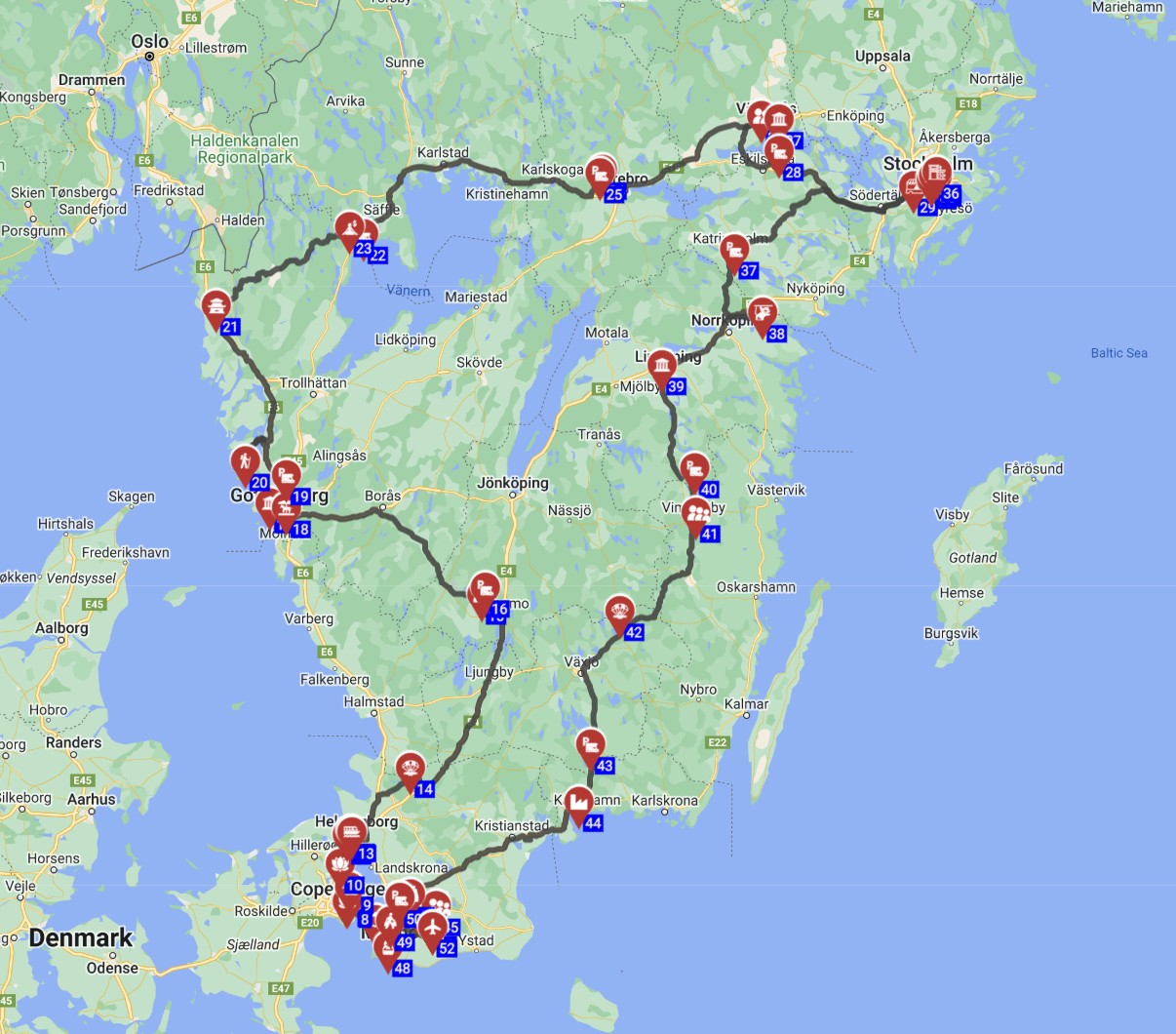
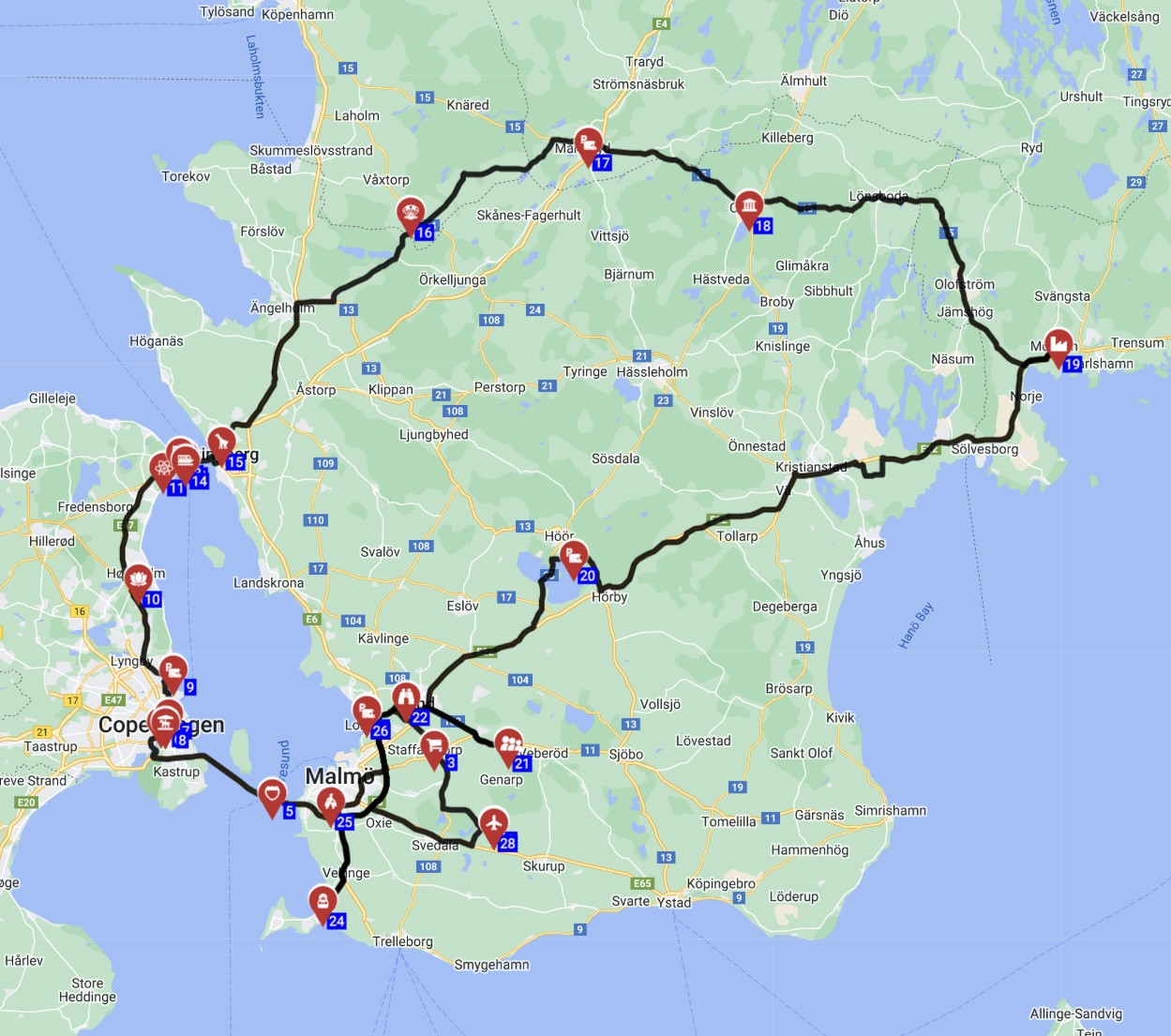
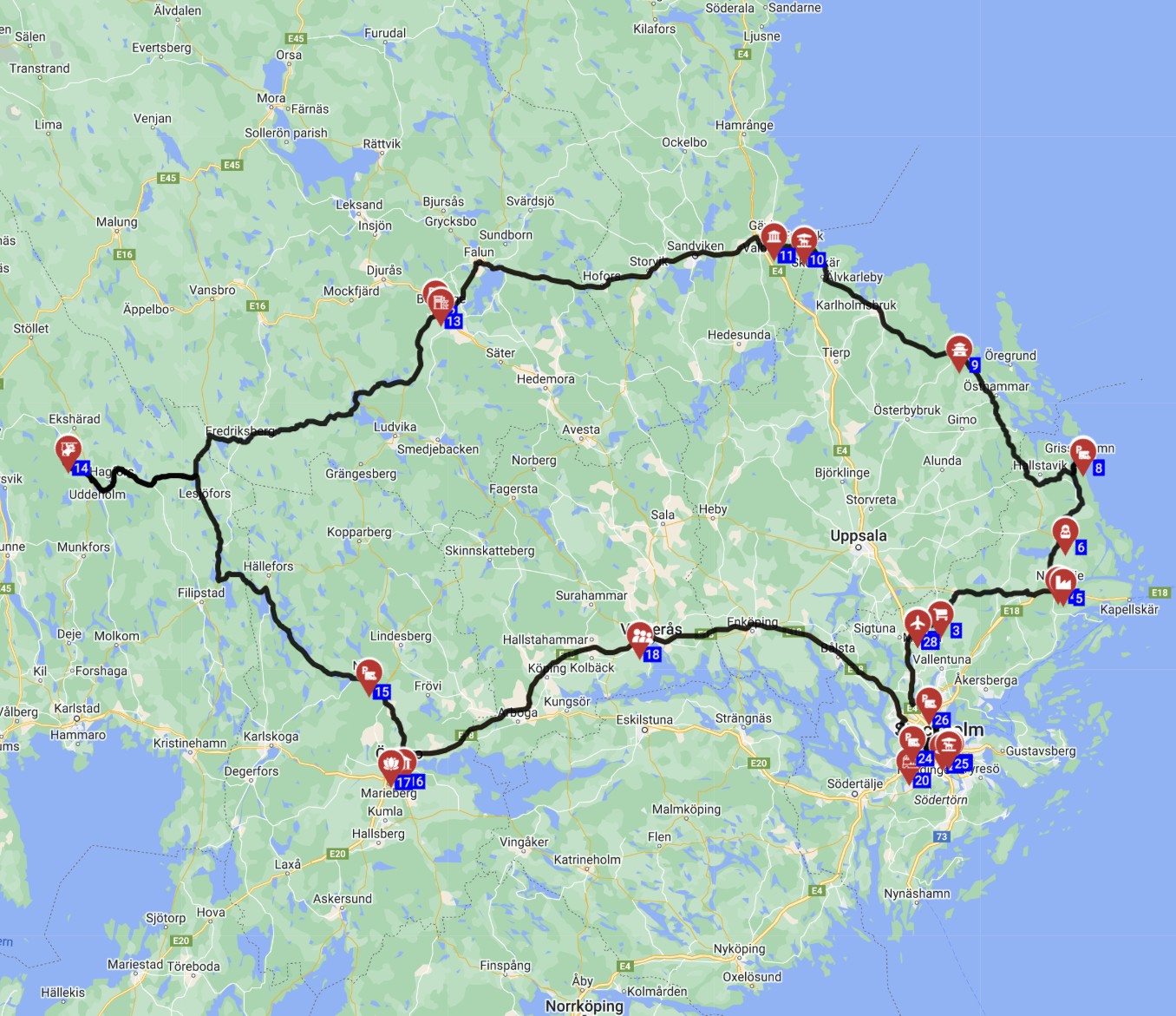
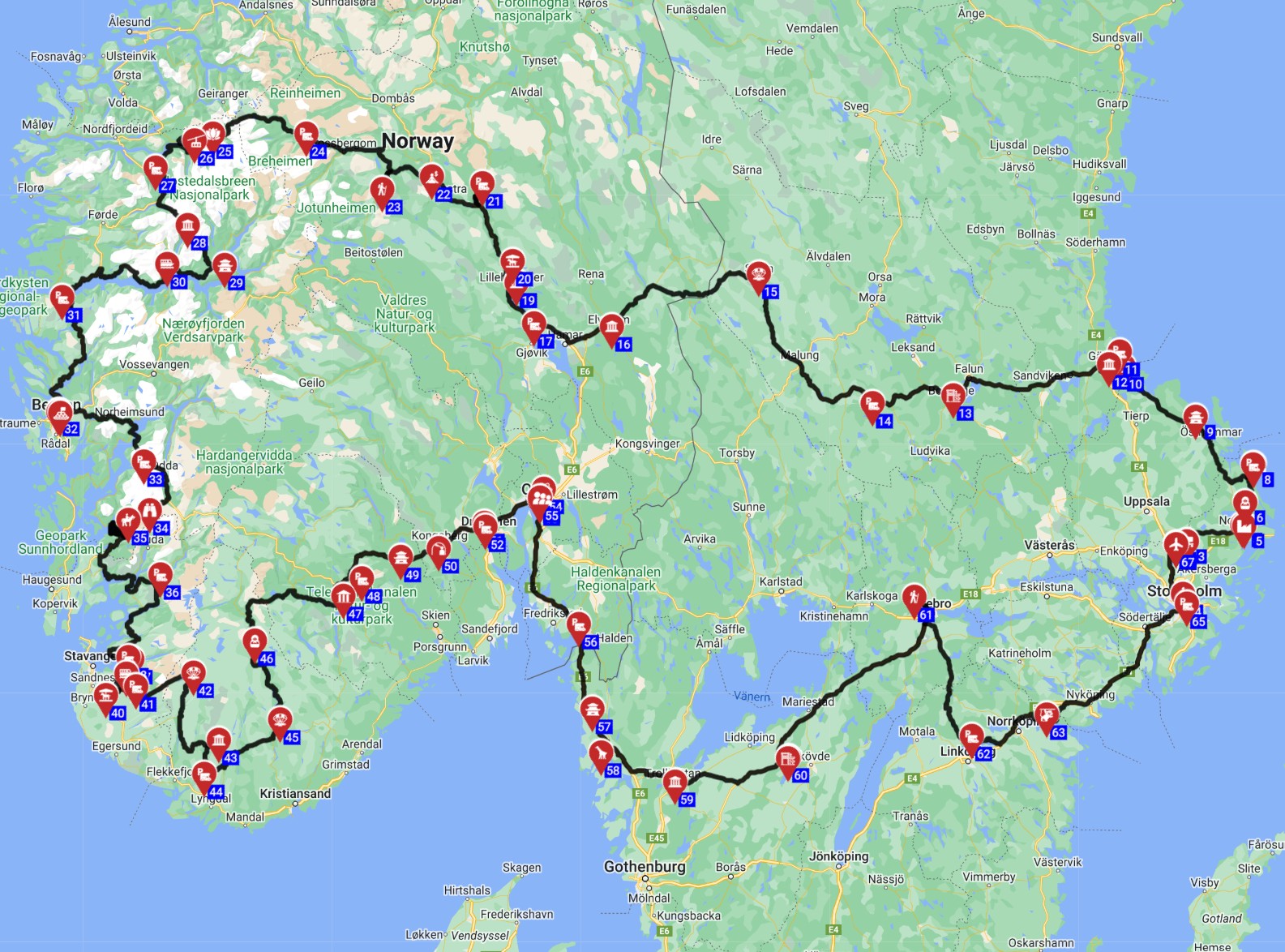
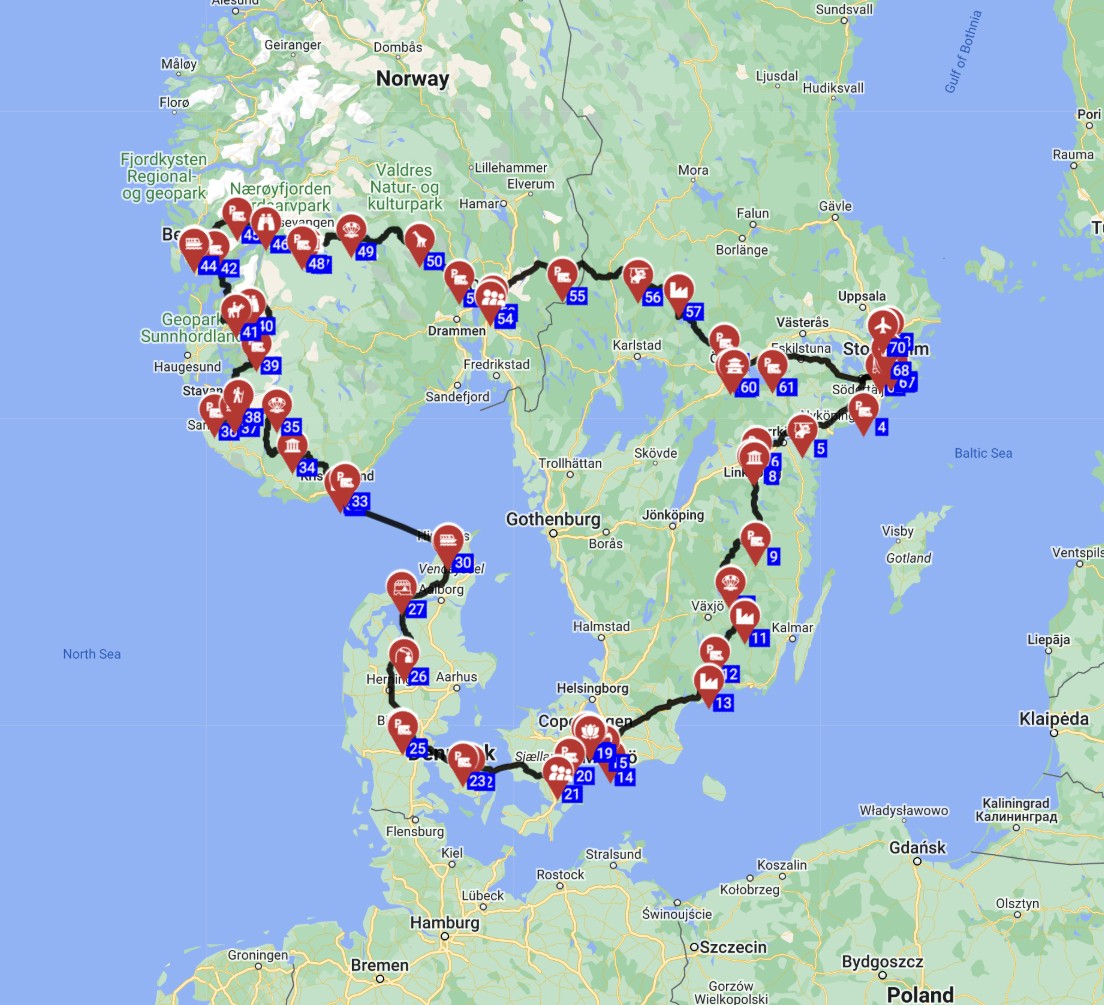
Sweden offers diverse camping options for your weekly RV rental, ranging from well-equipped private resorts to serene national park sites and permitted wild camping spots. Imagine parking your rented motorhome with a breathtaking view of the Baltic Sea, surrounded by the tranquility of a pine forest, or by a crystal-clear lake perfect for a morning dip. Popular regions like the scenic west coast archipelago, the deep forests of Småland, and the majestic mountains of Lapland offer varied experiences tailored to every traveler's preference. For live availability and current prices, start with our RV Rental Sweden - Complete Guide 2026 guide. To truly embrace the Swedish outdoors, consider exploring lesser-known campgrounds, charming farm stays, or region-focused itineraries for a more intimate experience. For instance, you could follow a route like the Stockholm Round trip - Sweden, Denmark and Norway Family Adventure, which covers 3673.6 km over 22 days, taking you through diverse landscapes and cultural highlights including 6 museums and 3 natural features. A unique itinerary like this can help you discover hidden gems and immerse yourself deeply in the local culture. Whether you seek coastal charm, forest solitude, or mountain vistas, Sweden's extensive network of campsites and natural areas provides an abundance of choice for your weekly RV adventure. Remember, with a rented campervan, the freedom to explore is truly yours.Campground Types in Sweden (National, Private, Wild)
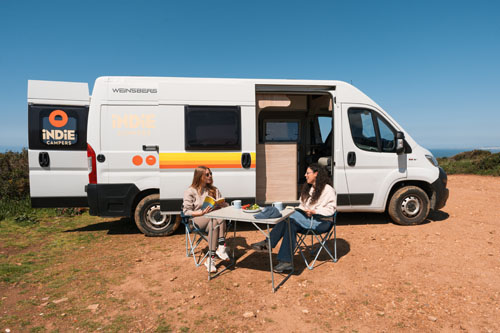
In Sweden, RVers can choose between structured national park campgrounds, amenity-rich private campsites, and the unique opportunity of wild camping under Allemansrätten, the Right of Public Access. Understanding the nuances of each option is key to a rewarding weekly rental experience. National park campgrounds typically offer basic facilities like toilets and sometimes fresh water, providing an immersive experience in pristine nature. These sites are perfect for those who prioritize natural beauty and tranquility, often having designated spots suitable for motorhomes. Private campgrounds, often part of the SCR Svensk Camping network, offer extensive amenities crucial for a comfortable long-stay RV trip. These sites commonly provide 220-240V electric hookups, fresh water access, grey/black water dump stations, modern shower and toilet facilities, and often feature shops, restaurants, and recreational activities. For a comprehensive guide on driving your RV through the country, consult our Driving an RV in Sweden - Complete Guide 2026. Wild camping (fricamping) under Allemansrätten is a cherished Swedish tradition allowing for short, respectful stays in nature, but stricter rules apply to motor vehicles than to tents. Generally, discreet overnight parking is tolerated for 1-2 nights on public land without disturbing landowners or causing environmental damage. It's paramount to practice sustainable and responsible RVing, ensuring proper waste management in remote areas and minimizing your environmental impact to preserve Sweden's beautiful landscapes. This means leaving no trace, not blocking roads, and avoiding private land or cultivated fields unless you have explicit permission.Featured RV Park or Campground in Sweden
While Sweden boasts numerous excellent RV parks, one example offering a blend of natural beauty and essential services is Daftö Resort, located near Strömstad on the west coast. This family-friendly destination typically offers over 250 pitches with electrical hookups, making it suitable for a comfortable weekly RV rental stay. Daftö Resort also provides amenities like modern shower and toilet facilities, laundry services, a grocery store, restaurants, and a dedicated adventure park for children. Campgrounds like Daftö often feature direct access to hiking trails, fishing opportunities, and proximity to cultural attractions like the charming coastal town of Strömstad or the nearby Kosterhavet National Park. Choosing sites with such access can significantly enhance your weekly rental experience, providing opportunities for authentic cultural immersion through local activities or sampling regional food. Look for highly-rated sites that cater to your group's interests, whether it's beachfront relaxation, forest adventures, or cultural excursions.Hookups & Amenities - What to Expect
Most private and many national park campgrounds in Sweden offer essential hookups and amenities for your rented motorhome. You can typically expect 220-240V electric hookups, which require a standard European CEE 7/4 'Schuko' plug or adapter to connect. Fresh water access points are widely available, as are grey and black water dump stations, ensuring you can manage your waste responsibly throughout your weekly trip. Wi-Fi is increasingly common, especially at larger private sites, though coverage and speed can vary, particularly in more remote regions or older campgrounds. Modern shower and toilet facilities are standard at most paid campgrounds, often with hot water included or available for a small fee, which might be activated by a token or code. Laundry facilities are also frequently available at private campgrounds, providing a convenient solution for managing clothes during your extended RV adventure. Always confirm specific amenities directly with the campground when planning your stays, especially if you have particular needs for your rented camper.Booking Windows & Reservations in Sweden
For a weekly RV rental in Sweden, planning ahead is always a good idea, particularly if you aim for specific popular campgrounds during peak summer (June-August) where spots can fill up months in advance. However, rest assured, spontaneous travelers can often find same-day or next-day spots by simply calling ahead to a campground or checking online availability. Many national park campgrounds, for example, reserve only 25-30% of their spots for advance bookings, leaving the majority available on a first-come, first-served basis, offering flexibility for those with less rigid itineraries. You'll find a spot. If not at the first campground, then the next one. It is always recommended to call ahead before driving, especially when arriving late in the day or during busy periods. For your weekly RV adventure, booking a few key destinations in advance can secure your preferred spots, while leaving other nights open for spontaneous exploration. For the latest deals and offers, check out our RV Rental Deals in Sweden - Latest Offers 2026 and our Weekly RV Rental in Sweden - Pricing 2026 guides. Even for last-minute trips, availability can often be found; our Last-Minute RV Rental in Sweden - What to Expect 2026 guide provides more details.Nearby Supermarkets & Resupply Points
Resupplying groceries and essentials during your weekly RV rental in Sweden is incredibly convenient, with major supermarket chains like ICA, Coop, and Willys widely available in towns and cities across the country. These supermarkets are well-stocked, offering a wide range of fresh produce, quality meats, dairy products, and pantry staples, making meal preparation in your rented motorhome straightforward and enjoyable. For those who love to cook while traveling, having a fully equipped kitchen in your RV is a true luxury. For some culinary inspiration on the road, check out our RV-friendly recipes playlist. For a more authentic cultural immersion and to truly embrace the local flavors, consider visiting local farm shops (gårdsbutiker) or weekly markets. These spots are fantastic for finding fresh, regional produce, homemade goods, and local specialties, allowing you to connect with the food culture of Sweden. When budgeting for these ancillary costs, remember that RV PLANET routes allow travelers to itemize and track every expense along the way, making budgeting for groceries, fuel, and campground fees incredibly easy.Best RV Class for Camping in Sweden
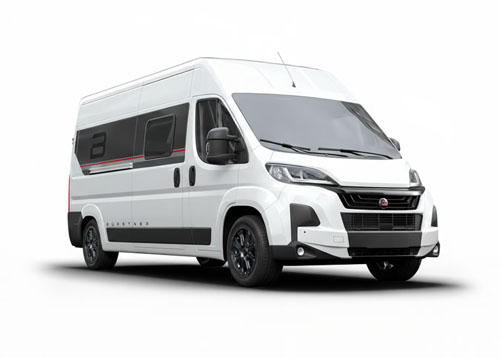
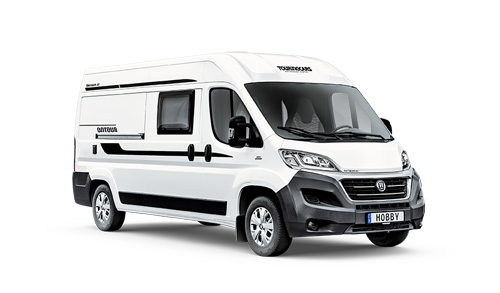
For a weekly RV rental in Sweden, Class B Camper Vans and Class SI Semi-integrated RVs are often the most ideal choices due to their excellent maneuverability on smaller roads and suitability for both structured campground stays and permitted wild camping. Class B Camper Vans, like the "Active Pop Top Select" (Bandana's fleet averages 5.8m in length, sleeping 3.2 adults), are excellent for navigating narrow country roads and city centers, offering good fuel efficiency (typically 8-10 Liters/100 Km) and discretion for wild camping. These smaller vehicles are easy to handle and park, making them a popular choice for couples or small families. Class SI Semi-integrated RVs, such as the "Euro Tourer" (Bandana's fleet averages 6.9m in length, sleeping 3.8 adults), provide a comfortable balance of living space and handling. They offer more interior room and amenities than a campervan while still being manageable on Sweden's varied roads. With common fuel consumption around 10-11 Liters/100 km, they are versatile for longer trips and larger groups. If you're traveling during colder months or planning extensive wild camping, consider a rented RV with good insulation, a reliable heating system, and sufficient battery capacity for self-sufficiency. Always choose a vehicle that comfortably fits your group, like a spacious Class C motorhome such as the "Explorer" model, which typically seats 4 and sleeps 4 with a 160/220cm bed over the cab and a 163/210cm double bed.How to Save on Campgrounds in Sweden
To save on campgrounds during your weekly RV rental in Sweden, strategic planning and flexibility are key. Consider utilizing discount cards, such as those offered by many European camping organizations, which can provide significant savings at participating sites across the country. Traveling in the shoulder seasons (May-early June or late August-September) often means lower rental rates and campground fees, in addition to fewer crowds at popular destinations. Choosing municipal or regional campgrounds over larger, private resorts can also result in lower nightly costs, often without sacrificing essential amenities like fresh water and dump stations. Many campgrounds offer discounted prices for longer stays, so look for weekly rates or commit to staying 3 or more nights at a single location if your itinerary allows. While sharing hookups to split utility costs is generally not an advertised option, focusing on efficiency with water and electricity in your rented motorhome can minimize overall expenses. For pricing insights and strategies, check out our One-Way RV Rental in Sweden - Price Guide 2026 for specific considerations and our general advice in Weekly RV Rental in Sweden - Pricing 2026.Is it worth renting an RV in Sweden
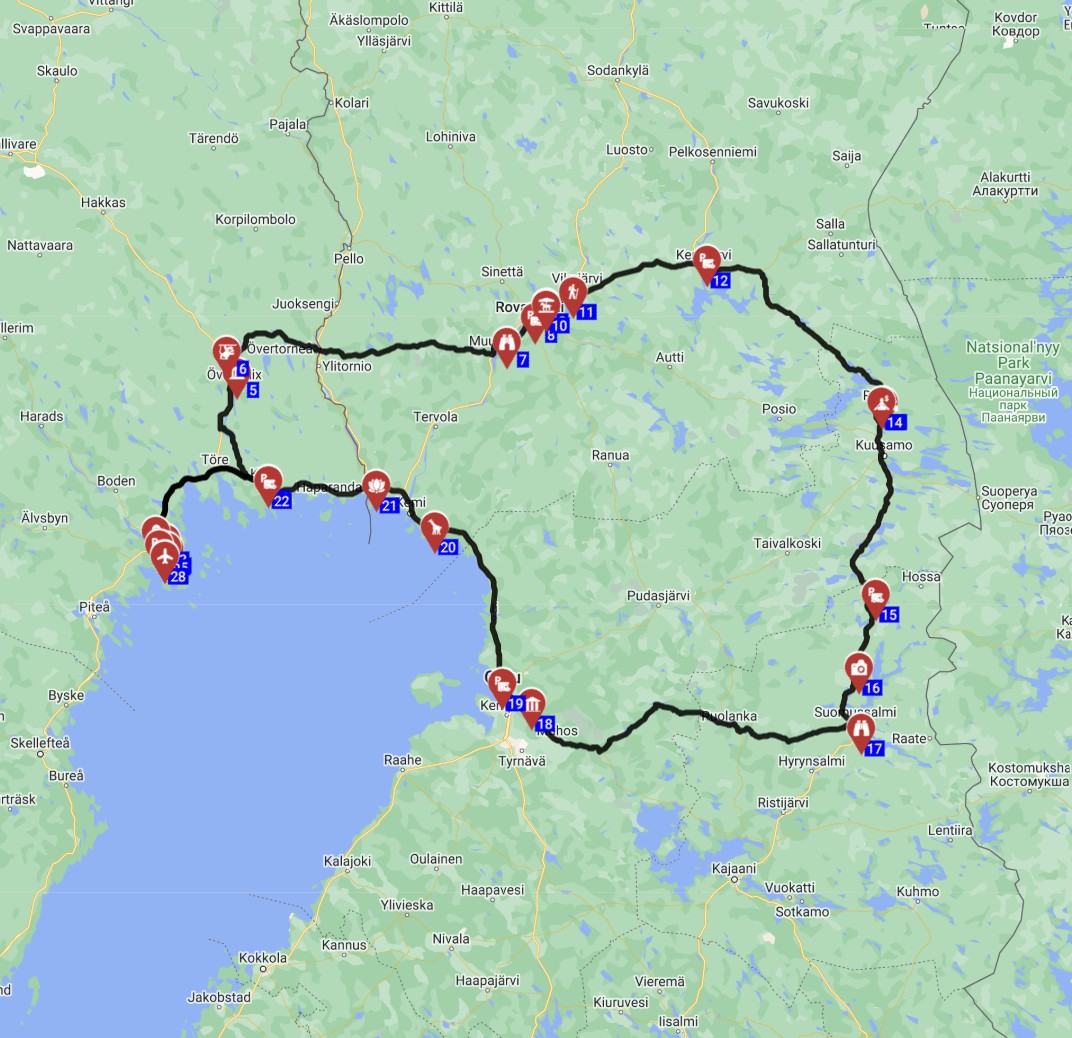
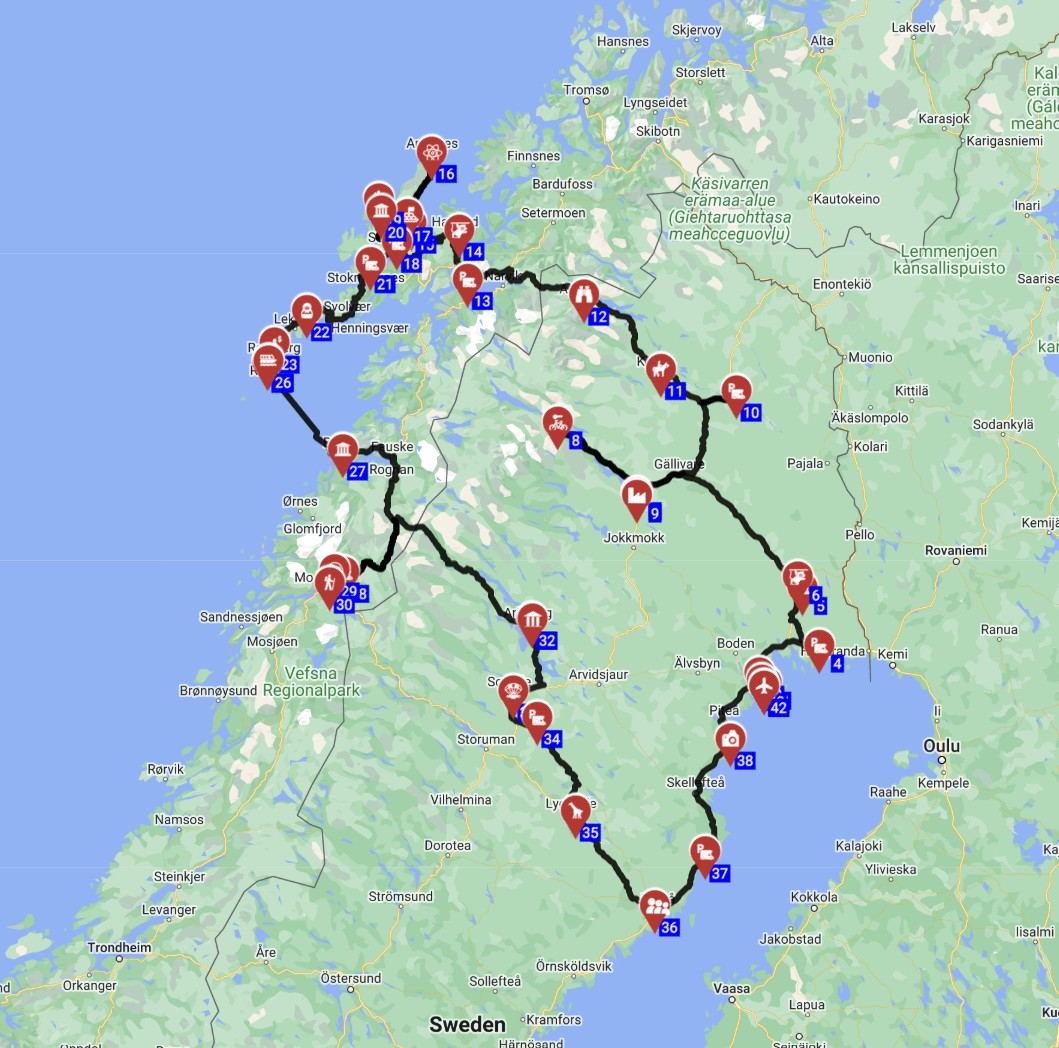
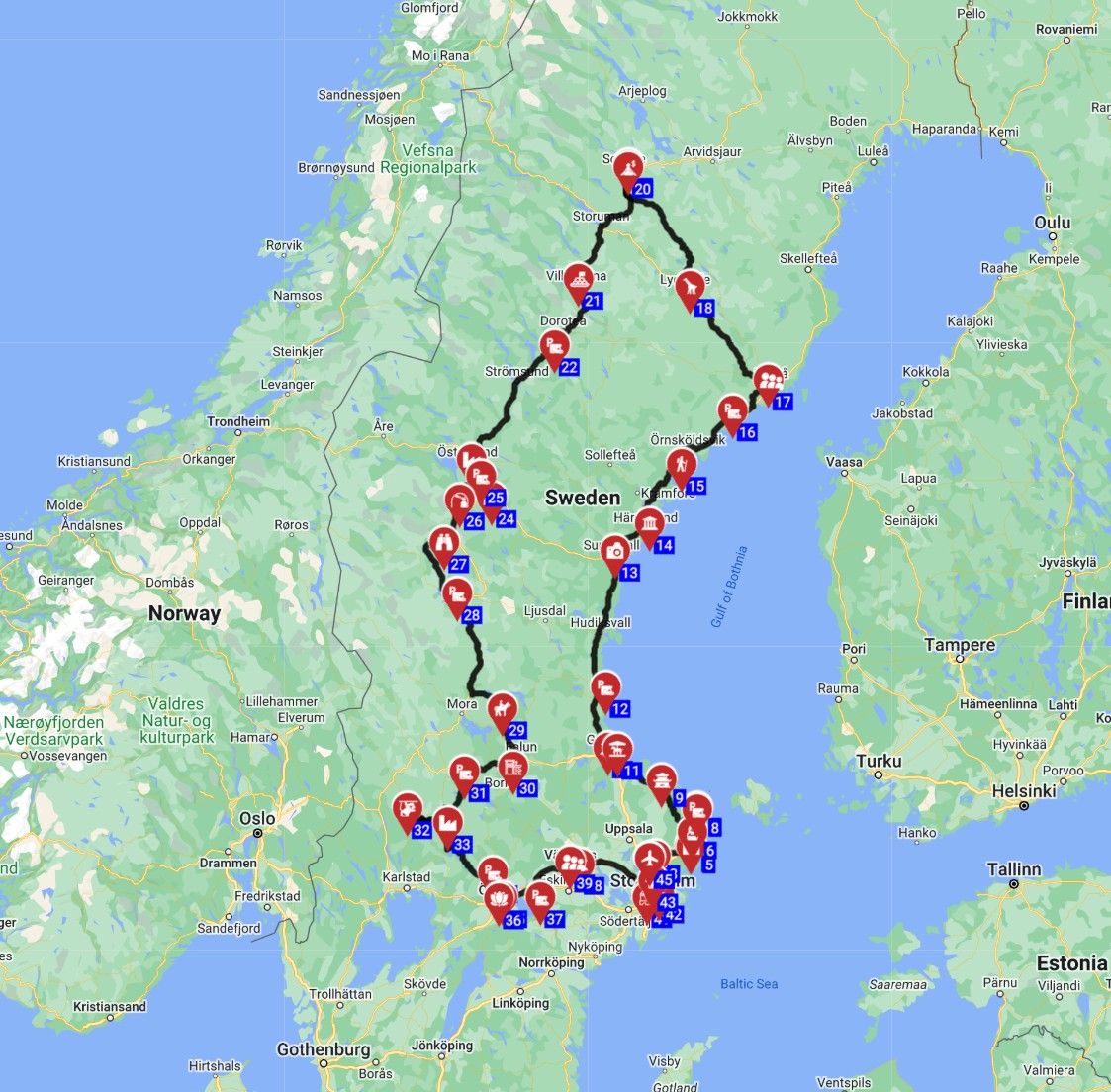
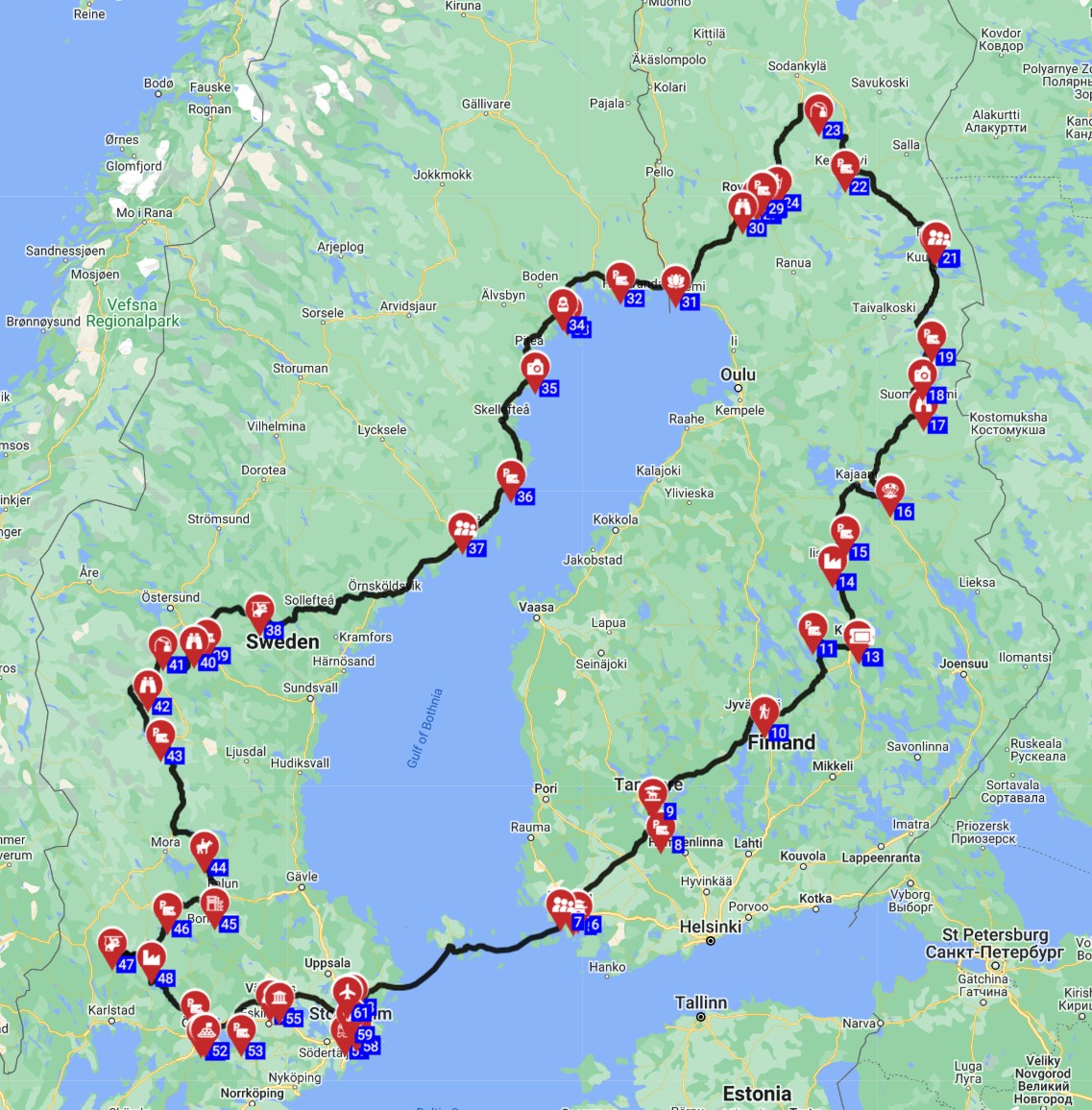
Renting an RV in Sweden is highly recommended for travelers seeking unparalleled flexibility, direct access to stunning natural landscapes, and the unique experience of Allemansrätten. A rented motorhome provides the freedom to craft your own itinerary, stopping at picturesque spots, remote lakes, and charming villages that might be inaccessible by public transport. This travel style offers a cost-effective way to combine accommodation and transport, especially for families or groups, as you can prepare meals in your fully equipped kitchen and reduce dining-out expenses. The ability to discover unique, lesser-known campgrounds or permitted wild camping spots offers a more intimate and adventurous experience than traditional lodging. Imagine waking up to the sounds of nature, enjoying breakfast with a view, and changing your plans on a whim to follow a scenic route. It's a way to truly connect with Sweden's outdoors and its culture, experiencing the "Lagom" philosophy of balanced living firsthand. For instance, the Rovaniemi Round trip - Fjord Dreams: A Northern Road Trip through Finland & Sweden itinerary, stretching 3751.5 km over 18 days, offers 4 natural features and 2 historical sites, showcasing the kind of deep exploration only an RV can provide.How much does it cost to rent an RV in Sweden for a week
The cost to rent an RV in Sweden for a week typically ranges from €800 to €1500, depending on the RV class, season, and specific rental provider. This figure represents the rental fee itself and does not include ancillary expenses like fuel, campground fees, or groceries. Peak season (June-August) generally sees higher rental prices compared to shoulder seasons (May, September), which can offer better value and fewer crowds. Beyond the weekly rental fee, it's essential to budget for additional costs. Fuel is a significant expense, with Bandana's fleet typically consuming 8-12 Liters/100 Km, varying by RV class (e.g., a Class B Camper Van might be 8L/100Km, while a larger Class C could be 12L/100Km). Campsite fees in Sweden can range from €15 to €45 per night for a pitch with electrical hookups. Wild camping under Allemansrätten can significantly reduce accommodation costs, while cooking your own meals in the RV saves on dining expenses, offering substantial cost-saving strategies for your trip. Remember that prices are dynamic and change daily based on availability and demand, similar to flight tickets. The final price is always set at the actual booking time. For managing these expenses, consider utilizing RV PLANET routes to itemize and track every cost along your journey.What is the best month to RV in Sweden
The best month to RV in Sweden largely depends on your desired experiences, with June to August offering the warmest weather, longest daylight hours (including the incredible phenomenon of midnight sun in the north), and full access to all attractions and campgrounds for general touring. This is the peak season for a reason, providing optimal conditions for outdoor activities and cultural events. However, these months also see higher prices and more crowds, so booking well in advance for your weekly RV rental is advisable. Shoulder seasons like May offer vibrant spring bloom, fewer crowds, and milder weather, ideal for nature photography and tranquil hiking without the intense summer bustle. September showcases stunning autumn colors, presenting unique opportunities for foraging wild berries and mushrooms, and a peaceful atmosphere perfect for slow travel. For truly unique experiences, consider late autumn for aurora hunting in the north, or even winter RVing for Arctic adventures. These colder periods require specific gear and RV considerations, such as ensuring your rented motorhome has adequate heating and water management systems suitable for sub-zero temperatures. Travel slowly, aiming for a maximum of 100-150 km per day on average, to truly feel the place, connect to the culture, the food, and the scenery.Is wild camping allowed in Sweden with an RV
Wild camping with an RV in Sweden is generally tolerated under Allemansrätten (the Right of Public Access), provided you adhere to its core principles: 'do not disturb, do not destroy.' While Allemansrätten grants broad access to nature for recreation, it applies differently to motor vehicles than to tents. RVs are generally limited to specific parking areas or discreet overnight stops on public land for a short duration, typically 1-2 nights in any single spot. It is crucial to park respectfully, ensuring you do not disturb landowners, block roads or access points, or cause any environmental damage. Avoid private land or cultivated fields without explicit permission, and remember that national parks and nature reserves often have stricter rules or outright bans on overnight parking for motor vehicles. Practicing sustainable and responsible RVing is paramount to maintain this cherished privilege, including meticulous waste disposal, packing out all trash, and minimizing your environmental footprint. This ethical approach helps preserve Sweden's pristine nature for everyone.Where can I park my camper van in Sweden
In Sweden, rented camper vans can be parked at a variety of locations, including designated campgrounds, stellplatser (motorhome parking areas often found in towns and marinas with basic services), and in many public parking spots. When utilizing public parking, it is essential to always respect local signage and private property regulations to avoid fines. Drive slowly and carefully, and you can drive almost anywhere without issues. No need to stress - just use common sense and pay attention. For short overnight stops, particularly along scenic routes or near natural areas, utilizing Allemansrätten allows for discreet parking on public land, ensuring you do not obstruct traffic or cause nuisance. Always look for "parkering husbil" (motorhome parking) signs or use RV-specific apps and resources like rvplan.net that identify designated RV spots to ensure compliance with local regulations. Many larger supermarkets and roadside rest areas also provide suitable parking for camper vans, offering convenient spots for resupply and short breaks.How long can you stay in a campervan in Sweden
When staying at official campgrounds in Sweden with your rented campervan, duration limits are set by the specific site, often allowing for extended weekly stays or longer, depending on availability and site rules. These facilities are designed for longer visits, providing amenities that support comfortable multi-day camping. Under Allemansrätten for wild camping with a campervan, stays are generally limited to one or two nights in any single spot to avoid disturbing landowners or the environment. This limitation is more stringent for motor vehicles than for tents, reflecting the greater impact of an RV. Moving spots every 24-48 hours is a good practice to ensure compliance with the spirit of Allemansrätten and to avoid over-impacting any single location. Always observe local signage, as some municipalities or nature reserves may have specific restrictions on overnight parking or camping with a rented motorhome.How long can you wild camp in Sweden
Under Sweden's Allemansrätten (Right of Public Access), individuals can typically wild camp with a rented RV for one to two nights in a single spot, provided they are not on private land, do not disturb the landowner, and leave no trace. This duration applies particularly to motor vehicles, which have stricter limitations than traditional tent camping. The core principle is 'don't disturb, don't destroy,' meaning you should leave the spot exactly as you found it, pack out all trash, and ensure your presence has minimal impact on the environment. It is generally not permitted to wild camp in national parks, nature reserves, or within close proximity to residential areas or cultivated fields. Specific restrictions can also vary regionally, so always be mindful of local signage. The goal of Allemansrätten is to allow responsible enjoyment of nature; therefore, choose discreet locations, avoid making a fire unless in a designated area, and be respectful of the local environment.Do you need a special license to drive an RV in Sweden
For most standard RV rentals in Sweden, a regular Class B driving license (the equivalent of a standard car license in many countries) is sufficient. This applies as long as the rented motorhome's total permissible mass (TPM) does not exceed 3,500 kg. This covers the vast majority of campervans and Class C motorhomes popular for weekly rentals. You do not need a special license, CDL, or additional permits for any rental motorhome from our fleet. If a larger RV's TPM exceeds 3,500 kg, you may require a Class C1 or C license, depending on the specific weight. However, these are less common for typical vacation rentals. Always confirm the specific license requirements with your rental company well in advance. For international visitors, an International Driving Permit (IDP) is recommended if your national driving license is not in English, German, or French, but it is not mandatory in most cases for short stays. The minimum rental age for all motorhome classes is 21 years old, and Bandana RV does not impose young driver surcharges or vehicle class restrictions based on age.What do I need to know before driving an RV in Sweden
Before driving a rented RV in Sweden, it is crucial to understand local traffic laws, be aware of speed limits, potential tolls, and prepare for varying road conditions, particularly outside major urban areas and during different seasons. Sweden drives on the right side of the road, and headlights must be on at all times, even during daylight hours, for all vehicles. Seatbelts are mandatory for all passengers, and children must be secured in appropriate car seats. Be prepared for potential encounters with wildlife, especially moose, deer, and reindeer, particularly at dusk and dawn in forested areas; road signs featuring these animals are not just decorative. Some smaller roads might have specific moose fences. Consider specific gear and RV considerations for Nordic climates, such as checking tire types (winter tires are mandatory during specific cold months, typically December to March for vehicles over 3,500 kg) and ensuring your rented motorhome has adequate heating and water management systems if traveling during colder periods. Embrace local customs like 'Fika' (a cherished coffee break with pastries) and enjoy the slow pace of 'Lagom' for an authentic cultural experience on your road trip. Drive slowly and carefully, and you can drive almost anywhere without issues. No need to stress - just use common sense and pay attention.What are the road rules for RVs in Sweden
Key road rules for RVs in Sweden include adhering to posted speed limits, which can vary depending on the vehicle's total permissible mass (TPM). For rented motorhomes over 3.5 tonnes, speed limits are often lower than for standard cars. General limits are typically 110-120 km/h on motorways, 70-90 km/h on rural roads, and 30-50 km/h in urban areas, with specific limits for heavier vehicles clearly signed. Headlights are mandatory at all times, day or night. Parking regulations in urban areas can be strict; always check signage carefully for restrictions on vehicle size or duration, and consider using designated RV parking spots (often indicated by "husbil" signs) or public parking areas. Road tolls are present on some bridges (e.g., Öresund Bridge to Denmark) and in city centers, specifically in Stockholm and Göteborg. These tolls are typically managed automatically via ANPR (Automatic Number Plate Recognition) systems, and you will receive a bill later. Being aware of these rules ensures a smooth and enjoyable weekly RV rental experience. For a wider view of Europe's road rules, consider our RV Rental Europe - Complete Guide 2026.What You Shouldn't Miss
- Explore the West Coast Archipelago: Spend a few days island hopping by ferry or kayak from cities like Göteborg (Gothenburg) or Strömstad, experiencing the rugged beauty, fresh seafood, and charming fishing villages. This area is perfect for a scenic drive with your rented motorhome.
- Hike in Abisko National Park: Venture north to Abisko, especially in late autumn or winter, to witness the spectacular Northern Lights. The park offers excellent hiking in summer and fall, showcasing Sweden's Arctic wilderness.
- Discover Stockholm's Urban Charm: Dedicate time to Sweden's vibrant capital, Stockholm. Explore Gamla Stan (Old Town), visit the Vasa Museum, and enjoy a fika by the waterfront. Cities like Stockholm, Malmö, and Luleå offer a fantastic blend of culture and easy access to nature.
- Cruise the Gota Canal: Drive your campervan along sections of the historic Göta Canal, stopping at picturesque locks and charming towns. It's often called Sweden's "blue ribbon" and offers a unique perspective on the country's engineering and natural beauty.
- Experience Sami Culture in Lapland: Head to Swedish Lapland, near Umeå or Luleå, to learn about the indigenous Sami people, their reindeer herding traditions, and vibrant handicrafts. This is a profound cultural experience only an RV trip can fully facilitate.
- Forage for Berries and Mushrooms: If traveling in late summer or early autumn, take advantage of Allemansrätten to forage for wild blueberries, lingonberries, and mushrooms in Sweden's abundant forests, a true taste of local life.