In This Guide
- Where to Camp in North Europe - Top Options
- Campground Types in North Europe (National, Private, Wild)
- Featured RV Park or Campground in North Europe
- Hookups & Amenities - What to Expect
- Booking Windows & Reservations in North Europe
- Nearby Supermarkets & Resupply Points
- Best RV Class for Camping in North Europe
- How to Save on Campgrounds in North Europe
- What is the 3-3-3 rule for RV travel?
- Can you park a motorhome anywhere in Europe?
- What is the 4-4-4 rule for RV travel?
- Is RVing a thing in Europe?
- Which European country has the best campsites?
- What is the 333 rule for campervan?
- What is the 444 rule for RV?
- How can I book camping in Europe?
- What is the 28 day rule regarding camping?
- What is the best app for camping in Europe?
Where to Camp in North Europe - Top Options
North Europe offers diverse camping experiences from the dramatic fjords of Norway and the archipelagos of Sweden to the serene lakes of Finland and the volcanic landscapes of Iceland. Travelers can consider regional preferences such as Norway for scenic fjord-side campsites like Odda Camping, Sweden for expansive forest and lakeside spots, Finland for its vast Lakeland region, Denmark for coastal and family-friendly sites, and Iceland for unique geothermal area camping often located along the iconic Ring Road. Many popular areas, including the Lofoten Islands in Norway or the extensive network of campgrounds along Iceland's 1,322 km Ring Road, provide excellent, well-equipped facilities, ensuring a comfortable stay during your weekly RV adventure.Campground Types in North Europe (National, Private, Wild)
In North Europe, RV travelers will encounter a variety of campground types, including National or State Park campgrounds (often basic but highly scenic), private campgrounds (offering extensive amenities), and diverse regulations for wild camping or the 'freedom to roam'. National park sites are typically more rustic, focusing on nature access and may have limited facilities, while private campgrounds, often found near towns or attractions, provide full hookups, showers, and sometimes even shops or restaurants. Wild camping, particularly in Scandinavia (Norway, Sweden, Finland) under 'Allemannsretten' (Everyman's Right), generally allows access to uncultivated land for tents, but specific motor vehicle laws usually require parking in designated areas or obtaining permission from landowners, contrasting sharply with stricter rules in Denmark, Iceland, the UK, and Ireland where wild camping in a rented motorhome is largely prohibited outside of designated areas. Always research local regulations for your specific route to avoid issues.Featured RV Park or Campground in North Europe
When selecting a featured RV park in North Europe, look for sites that offer breathtaking natural surroundings combined with essential amenities. Odda Camping in Norway, for instance, provides stunning fjord views and serves as an excellent base for exploring the region's famous Trolltunga hike and other outdoor activities. Ideal campgrounds often feature direct access to hiking trails or fishing spots, and offer basic services like electricity (usually 230V, 16A), fresh water, and waste disposal points. Many top-rated sites, particularly in Norway's fjord region or by Sweden's vast lakes, are known for their quiet atmosphere and direct connection to outdoor activities, serving as excellent bases for exploration and long-stay weekly RV trips.Hookups & Amenities - What to Expect
In North Europe, most private and well-equipped municipal campgrounds offer standard hookups including electricity, fresh water, and waste disposal points for grey and black water. Electrical hookups typically use the CEE blue plug (230V, 16A), so travelers from outside Europe should bring appropriate adapters, while Wi-Fi availability varies, often being a paid extra or limited to common areas. Expect amenities such as coin-operated showers, laundry facilities, and sometimes even kitchen areas, making it easy to prepare meals. Remember that propane refills can be challenging due to different connection types across Europe, necessitating adapters or careful planning for exchanges. For those keen on cooking delicious meals on the go, check out our RV-friendly recipes playlist for inspiration.Booking Windows & Reservations in North Europe
For weekly RV rentals in North Europe, planning travelers should book campsites well in advance, especially during the peak summer months of July and August, often 3-6 months prior to secure popular spots. Spontaneous travelers will find more flexibility during the shoulder seasons (May/June and September/October), where same-day or next-day bookings are often possible. Many national park campgrounds only release 25-30% of their spots for advance reservations, with the remainder being first-come, first-served, offering hope even for last-minute decisions. While you will almost certainly find a place—if not at the first campground, then the next—it is always recommended to call ahead before driving directly to a site, particularly if arriving late or with a larger rented motorhome. For comprehensive planning, explore RV Rental Deals in North Europe - Latest Offers 2026 to find your ideal vehicle and timing.Nearby Supermarkets & Resupply Points
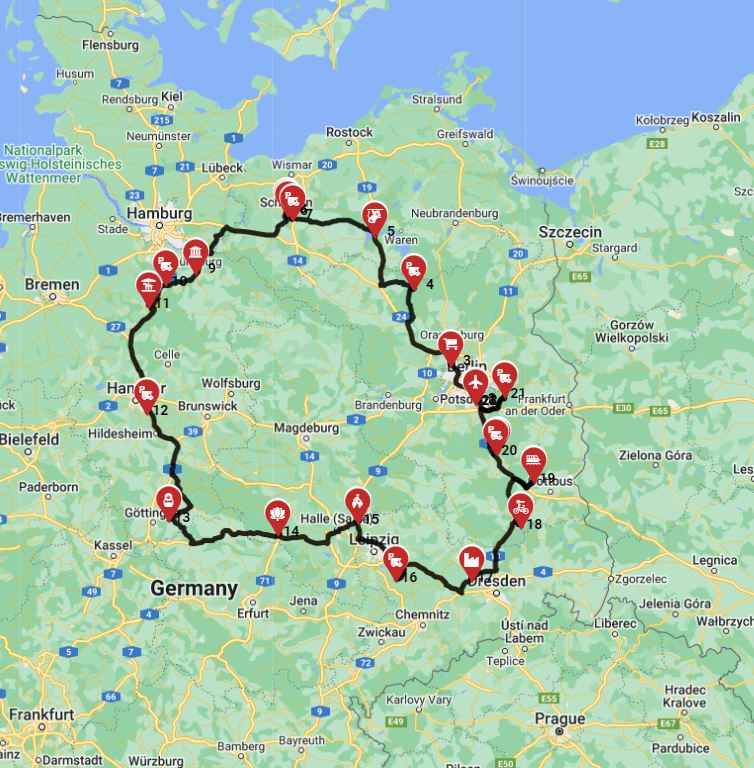
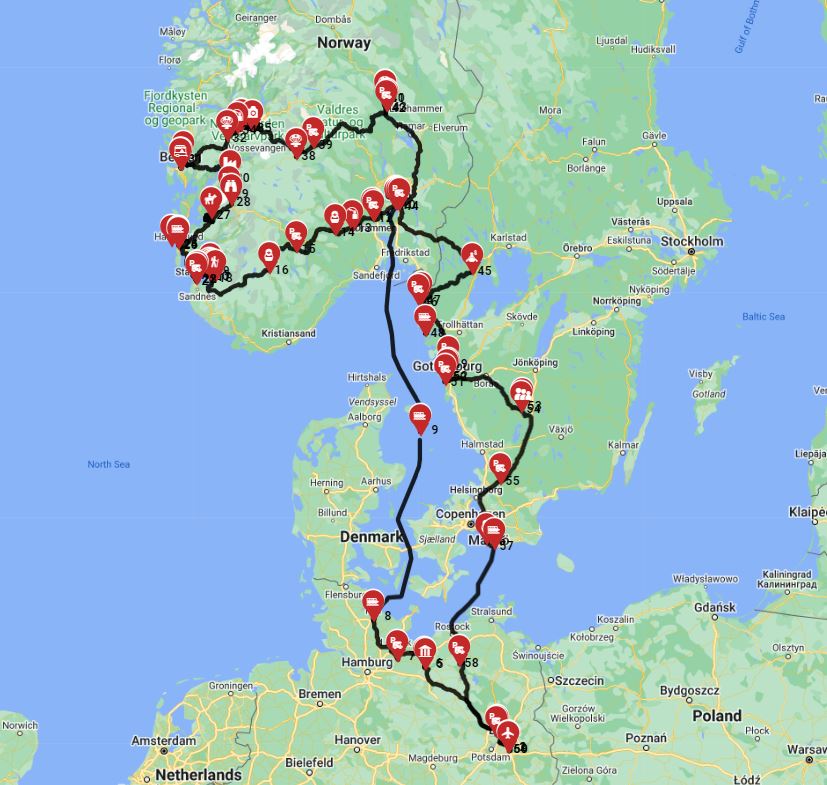
Resupply is generally straightforward in North Europe, with supermarkets frequently found in even smaller towns, though selection and opening hours may be more limited in remote areas. Common supermarket chains to look for across the Nordic countries include Rema 1000, Kiwi, Coop, and Meny in Norway; ICA, Coop, and Willys in Sweden; S-Market, K-Market, and Lidl in Finland; and Netto, Rema 1000, and Fakta in Denmark. Be mindful of Sunday opening hours, which are often shorter or non-existent in some regions, and factor in that groceries, particularly fresh produce and meat, can be more expensive than in other parts of Europe. For help itemizing and tracking every expense along the way for easy budgeting, consult RV PLANET routes.Best RV Class for Camping in North Europe
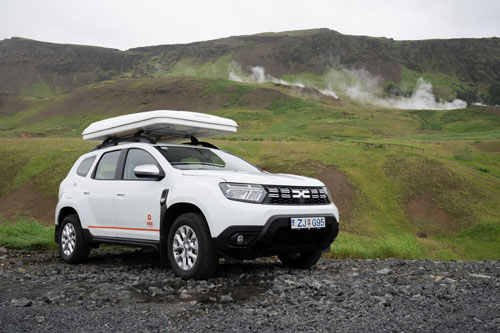
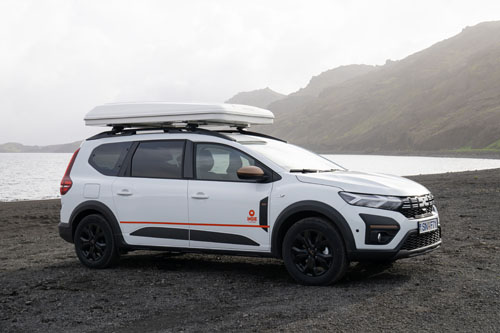
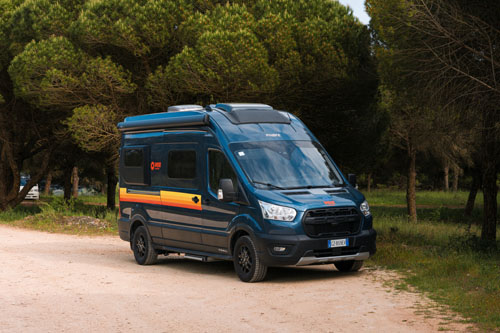
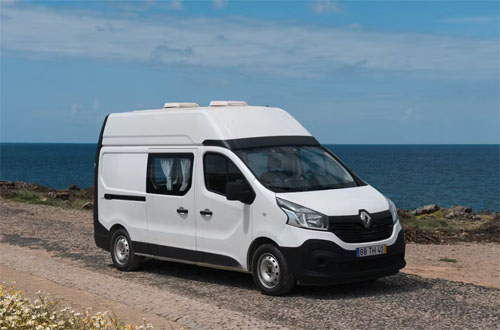
For camping in North Europe, Class B Camper Vans and Class SI Semi-integrated RVs are generally the most suitable due to their maneuverability on narrow roads and varying terrain. Class B Camper Vans, averaging 5.8m in length with 3.2 sleeping places, offer excellent agility for navigating winding fjord roads and are fuel-efficient at around 8-10 Liters/100 km, making them ideal for couples or small families seeking flexibility and easier parking. For example, a vehicle similar to a "luxury rv rentals example Carthago Malibu 600" could offer a rear double bed of 158/195cm, with a 2.3 L / 130 HP engine. Class SI Semi-integrated RVs, typically 6.9m long with 3.8 sleeping places, provide a comfortable balance of space and handling, consuming approximately 10-11 Liters/100 km, which is well-suited for families wanting more amenities without sacrificing too much accessibility. Consider a "2 Berth Rover" or "2 Berth Tamar" model for a comfortable yet manageable size. Our fleet includes a variety of rented motorhomes and campervans to match your specific North Europe adventure, from compact "Category Van" options to more spacious "Comfort Family" models.How to Save on Campgrounds in North Europe
Utilizing campground discount cards, often offered through rental platforms like Bandana, is one of the most effective ways to reduce accommodation costs for weekly RV rentals in North Europe, with some cards offering discounts up to 25% or more. Traveling during the shoulder seasons (spring and autumn) can significantly lower campsite fees compared to peak summer rates, where a night can cost $30-50 USD. Choosing municipal or regional campgrounds over private resorts often presents more budget-friendly options, with basic pitches potentially costing as little as $20 USD. Booking longer stays, such as 3+ nights, frequently qualifies for weekly rates, and practicing legal wild camping where permitted in certain North European countries can eliminate nightly fees entirely, though facilities will be limited or non-existent. For deeper savings and itinerary ideas, check out RV Rental in North Europe - Prices and Best Deals 2026.What is the 3-3-3 rule for RV travel?
The '3-3-3 rule' for RV travel suggests driving no more than 300 miles a day, arriving at your campsite by 3 PM, and staying for at least 3 nights to enhance relaxation and exploration. While the 300-mile driving limit might be ambitious for North European roads, which are often winding, mountainous, or involve ferry crossings, the principles of arriving early to secure a good spot and staying longer to truly experience a region are highly applicable and beneficial. Adhering to the 3-3-3 rule helps prevent driver fatigue, allows ample time to set up your rented motorhome at a campground, and encourages deeper engagement with the unique landscapes and cultures of North Europe rather than constant travel.Can you park a motorhome anywhere in Europe?
No, you cannot park a motorhome just anywhere in Europe; specific regulations for overnight parking and wild camping vary significantly by country and even by local municipality, with North European rules often differing from those in central or southern Europe. While Scandinavia (Norway, Sweden, Finland) famously has 'Allemannsretten' (Everyman's Right) allowing access to uncultivated land, this traditionally applies to tents and hiking, and for motorhomes, it generally restricts overnight parking to designated areas, rest stops, or private land with explicit permission, making truly 'wild' RV camping rare and often illegal. Countries like Denmark, Iceland, the UK, and Ireland have much stricter laws regarding wild camping in rented motorhomes, typically requiring stays only at official campsites, private pitches, or designated overnight parking areas, with fines for illegal parking common, which can easily exceed €100. Drive slowly and carefully, and you can drive almost anywhere without issues. No need to stress - just use common sense and pay attention.What is the 4-4-4 rule for RV travel?
The '4-4-4 rule' for RV travel, similar to the 3-3-3 rule, recommends driving no more than 4 hours a day, arriving at your destination by 4 PM, and staying at least 4 nights. This rule is particularly well-suited for North European RV trips, where shorter driving segments of roughly 100-150 km per day allow travelers to fully appreciate the region's dramatic scenery, manage challenging road conditions (like narrow fjord roads or gravel tracks), and account for frequent stops at scenic viewpoints. The emphasis on longer stays (4 nights) encourages a more immersive experience, reducing the stress of constant packing and unpacking, and allowing more time for activities such as hiking, fishing, or exploring local towns, ultimately enhancing your weekly RV rental experience. For inspiration on longer, pre-planned routes, visit RV PLANET (rvplan.net).Is RVing a thing in Europe?
Yes, RVing, often referred to as caravanning or motorhoming, is a very popular and established mode of travel across Europe, particularly thriving in North European countries like Norway, Sweden, Finland, and Denmark. The culture of RVing in North Europe is deeply ingrained, offering unparalleled access to stunning natural landscapes, national parks, and remote areas, supported by extensive networks of well-maintained campsites and dedicated service points. Travelers frequently utilize rented RVs to explore iconic routes such as Iceland's Ring Road, Norway's scenic fjords, or the vast wilderness areas of Sweden and Finland, benefiting from the freedom and flexibility a rented motorhome provides to adapt to varying weather conditions and spontaneous discoveries.Which European country has the best campsites?
While 'best' is subjective and depends on individual preferences, Norway, Sweden, and Finland are widely recognized for having some of Europe's most beautiful and nature-integrated campsites, offering unparalleled access to unique North European landscapes. Norwegian campsites often boast spectacular fjord-side or mountain views, frequently near popular hiking trails and fishing spots, with many sites offering 230V, 16A power hookups. Swedish and Finnish sites are known for their serene lakeside or forest settings, often equipped with saunas and water access, providing a tranquil escape. Denmark offers numerous high-quality, family-friendly campsites with excellent facilities and proximity to beaches and cultural attractions, and Iceland provides unique opportunities for wilderness camping amidst its volcanic and glacial scenery, often with basic but well-maintained facilities. Each country offers a distinct charm, making the "best" choice truly personal.What is the 333 rule for campervan?
The '333 rule' for campervans is the same guideline as for larger RVs, advising to drive no more than 300 miles, arrive by 3 PM, and stay at least 3 nights, emphasizing a slower, more immersive travel style for your weekly RV rental. For campervan travel in North Europe, the flexibility and smaller size of these vehicles, such as a Class B Camper Van with an average length of 5.8m (Bandana's global fleet average for this class) and a 75L fuel tank, make adhering to the 'arrive by 3 PM' aspect particularly easy, allowing for quick setup in diverse locations. The 'stay 3 nights' component is highly beneficial for campervan users, enabling them to explore specific regions like a Norwegian fjord or a Swedish island more thoroughly, without the constant need to relocate, optimizing the weekly rental experience.What is the 444 rule for RV?
The '444 rule' for RVs suggests limiting daily driving to 4 hours, reaching your campsite by 4 PM, and extending your stay to at least 4 nights, promoting a more relaxed and enjoyable travel pace. This rule is especially pertinent for RV travel in North Europe, where varying road conditions, numerous scenic pull-offs, and often significant ferry schedules can extend travel times beyond mere mileage, making shorter driving days of around 100-150 km more practical and pleasurable. By adhering to the 4-4-4 rule, RVers, whether in a Class SI Semi-integrated (avg. 6.9m length) or a larger Class C Alcove (avg. 7.5m length, with a 150L fresh water tank), can reduce travel fatigue, allow ample time for sightseeing and camp setup, and immerse themselves more deeply in the unique natural and cultural offerings of each North European destination. For longer trips, consider one-way RV rentals in North Europe - Price Guide 2026.How can I book camping in Europe?
Booking camping in Europe can be done through a variety of channels including dedicated online booking platforms, direct campground websites, national tourism portals, and specialized camping apps. Platforms like Pitchup.com, Camping.info, and Eurocampings (ACSI) offer extensive listings and booking functionalities for a wide range of campsites across North Europe, allowing you to filter by amenities, location, and price. For popular destinations or during peak season, booking directly through the campground's official website is often recommended, and national tourism sites (e.g., Visit Norway, Visit Sweden) frequently provide links or booking engines for regional campsites. Remember, many national and state parks reserve only 25-30% of spots for advance booking, with the rest available first-come, first-served.What is the 28 day rule regarding camping?
The '28-day rule' regarding camping primarily refers to planning permission regulations in the UK, allowing landowners to use their land for camping or caravanning for up to 28 days in any calendar year without needing formal planning permission, and is not a general European travel rule for individual RVers across the entire continent. This rule typically applies to temporary commercial camping sites or rally fields rather than dictating the maximum duration an individual can stay in their rented motorhome at a registered campground across North Europe. For non-EU citizens traveling in an RV in the Schengen Area (which includes most North European countries except the UK and Ireland), the relevant rule is the '90/180-day rule,' limiting stays to 90 days within any 180-day period, irrespective of camping duration at a specific site. Always verify local regulations, especially for Winter RV Rental in North Europe - Pricing Guide 2026 to ensure compliance and a smooth trip.What is the best app for camping in Europe?
For finding and navigating camping spots across North Europe, popular and highly-rated apps include Park4Night, Campercontact, and the ACSI Campingführer app, each offering unique features for RV travelers. Park4Night is excellent for its vast community-sourced database, providing details on official campsites, wild camping spots (use with caution and respect local laws), service areas, and reviews from fellow travelers, making it invaluable for both planned and spontaneous stops. Campercontact also offers comprehensive listings of motorhome sites, including service points and campsites, while the ACSI Campingführer app is particularly useful for finding inspected campsites and often includes details on discount card acceptance, which can lead to significant savings on a weekly RV rental. These apps often provide essential information like pricing (average $30-50 USD/night), available hookups (like 230V, 16A electricity), and amenities.What You Shouldn't Miss
- **Cruise Norway's Geirangerfjord:** Experience the UNESCO-listed fjord with towering cliffs and waterfalls, easily accessible from several scenic campsites.
- **Explore Sweden's Archipelagos:** Drive your rented campervan along the coast near Stockholm or Gothenburg, hopping between islands with quaint fishing villages.
- **Witness the Northern Lights in Finnish Lapland:** Book a stay at a winter-ready RV park during the colder months for the best chance to see the aurora borealis, a truly magical experience.
- **Cycle the Danish Coastline:** Denmark offers extensive, flat cycle paths, perfect for exploring charming towns and beaches, with many RV parks catering to cyclists.
- **Hike the Volcanic Landscapes of Iceland:** Park your motorhome near popular trails like those around Landmannalaugar (accessible via F-roads for specific 4x4 capable RVs) or the Skaftafell Nature Reserve.
🎬 Video coming soon
Looking for expert insights from Avi Bandana? Top 5 Adventures - recommendations from Avi Bandana
Final Thoughts
Embarking on a weekly RV camping adventure in North Europe is an incredible way to experience the region's stunning natural beauty and rich culture at your own pace. With a rented motorhome or campervan, you have the freedom to follow breathtaking scenic routes, discover hidden gems, and truly connect with each destination. Remember to travel slowly, aiming for a maximum of 100-150 km per day on average, to savor every moment. Whether you're a seasoned RVer or planning your first trip, Bandana RV is here to support you every step of the way, offering unparalleled personal service from your first inquiry until your booking is confirmed. We pride ourselves on attention to the smallest details, ensuring your North Europe RV rental experience is smooth, safe, and utterly unforgettable. Discover top destinations, planning tips, all in one place! Are you ready to swap daily routines for dramatic fjords and sun-drenched archipelagos? Your North European RV adventure awaits!Compare Motorhome Prices for North Europe
Find Weekly RV Rentals in North Europe
On the routes offered through RV PLANET routes, you can itemize and track every expense along the way for easy budgeting.