In This Guide
- Where to Camp in North Canada - Top Options
- Campground Types in North Canada (National, Private, Wild)
- Featured RV Park or Campground in North Canada
- Hookups & Amenities - What to Expect
- Booking Windows & Reservations in North Canada
- Nearby Supermarkets & Resupply Points
- Best RV Class for Camping in North Canada
- How to Save on Campgrounds in North Canada
- Where can I park my RV for free in Canada?
- What is the 3-3-3 rule for RV travel?
- Can you park up anywhere in an RV in Canada?
- How much does it cost to park an RV in Canada?
- What is the best RV route planner in Canada?
- What is the 3-3-3 rule for RV camping?
- How much is it to rent an RV for a week in Canada?
- Can a US citizen go camping in Canada?
- How to book RV campsites in Canada?
- Do you need to book campsites in Canada?
Where to Camp in North Canada - Top Options
North Canada offers diverse camping experiences from established territorial parks to remote wilderness sites, with popular regions including the Yukon and Northwest Territories. Imagine waking up to panoramic views of mountains or vast tundra in a rented motorhome, ready for a new day's adventure. The best camping options for your weekly RV rental in North Canada often involve exploring iconic routes and natural wonders. For live availability and current prices, start with our RV Rental North Canada - Complete Guide 2026 guide. Consider areas like Kluane National Park and Reserve (Yukon) for its stunning glaciers and wildlife, Tombstone Territorial Park (Yukon) for its dramatic "Patagonia of the North" landscapes, or various territorial campgrounds along the Dempster Highway or Alaska Highway for stunning views and access to unique northern attractions. These locations provide a true immersion into the wild, majestic beauty of Canada’s northern territories. Whether you prefer the structured comfort of a developed campground or the solitude of a remote spot, North Canada delivers unforgettable weekly RV trips.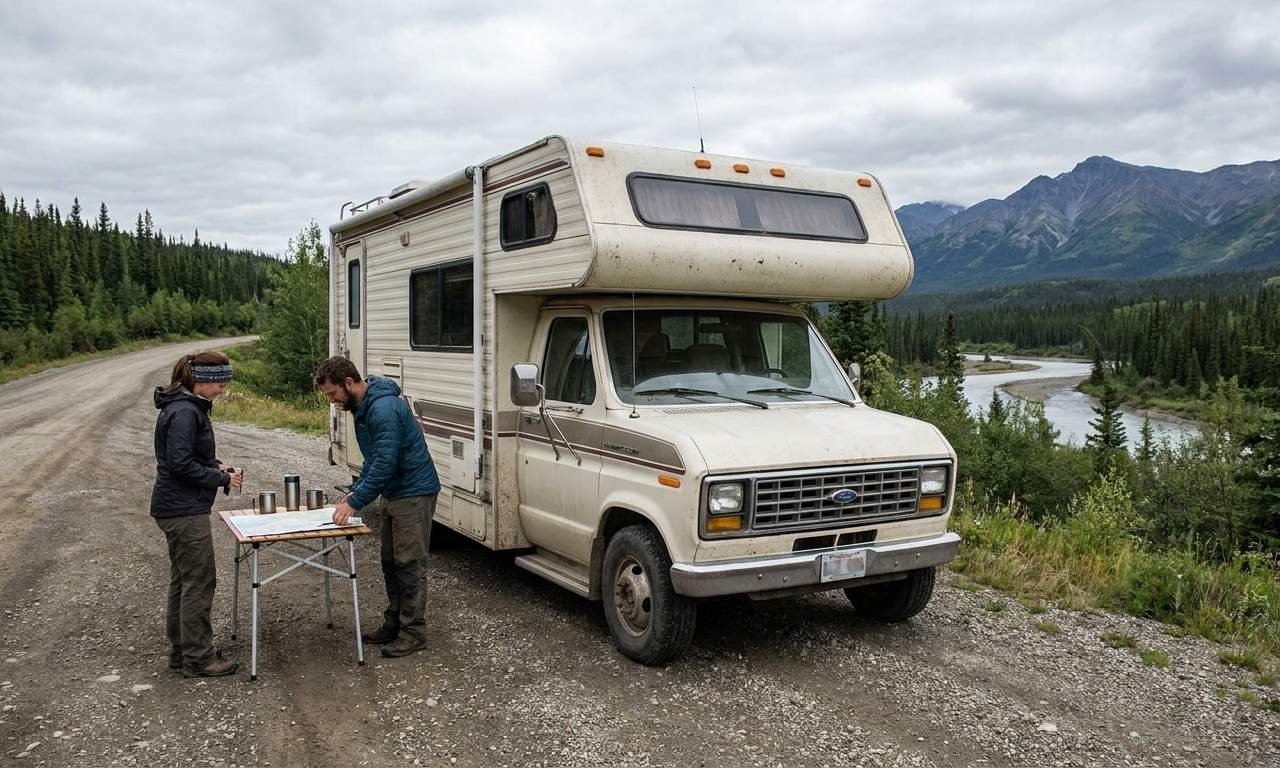
Campground Types in North Canada (National, Private, Wild)
In North Canada, you'll find a mix of national parks like Kluane, territorial parks operated by the Yukon and NWT governments, private campgrounds in larger towns, and extensive opportunities for wild camping (boondocking) on Crown land. National and territorial parks offer amenities and regulated sites, providing a reliable base for your rented RV. They usually have designated campsites, picnic tables, and often outhouses, with some providing potable water and dump stations. Wild camping on Crown land, particularly abundant in the vast northern expanses, requires adherence to 'leave no trace' principles, excellent self-sufficiency, and strong awareness of wildlife safety and waste management in pristine, remote environments. Always research specific provincial or territorial rules for overnight parking before setting up camp in undeveloped areas. This type of camping offers unparalleled solitude and a deep connection with nature, perfectly suiting the adventurous spirit of RV travel. Remember that distances can be vast, so carefully planning your route and knowing where to find services is key, as highlighted in our RV Travel Guide to North Canada - Tips and Top Spots 2026.Featured RV Park or Campground in North Canada
When selecting an RV park in North Canada, look for sites that cater to larger motorhomes, offer pull-through spots, and provide amenities like potable water, dump stations, and potentially laundromats. Prioritize campgrounds that offer local insights into current road conditions, wildlife advisories (especially concerning bears and moose), and access to unique northern experiences such as hiking trails or viewpoints for the Midnight Sun or Aurora Borealis. Many territorial parks, while often more rustic, frequently have knowledgeable staff or hosts who can share valuable information for your weekly RV rental. A prime example is the Congdon Creek Campground in Yukon, along the Alaska Highway, offering 63 campsites, many with views of Kluane Lake and facilities including outhouses and hand-pumped water, and fantastic wildlife viewing opportunities, particularly for Dall sheep. These types of campgrounds provide a blend of convenience and wild beauty, acting as perfect launching pads for your exploration of North Canada.Hookups & Amenities - What to Expect
In North Canada, full hookups (electric, water, sewer) are common in private RV parks and some larger territorial campgrounds, typically offering 15-amp or 30-amp electrical connections. However, the further north you travel with your rented motorhome, especially into more remote territorial parks, you should anticipate fewer amenities. Many such sites focus on dry camping or offer only basic services like shared water pumps and outhouses, making self-sufficiency (with equipment like solar panels, larger fresh water tanks, and portable waste tanks) crucial for a comfortable weekly RV rental. For instance, a typical Class C motorhome like the Cruise America Explorer (7.1m length) usually has an 82-liter fresh water tank and an 82-liter waste water tank, requiring strategic planning for water usage and waste disposal in remote areas. When preparing meals, remember that your RV's kitchen often includes a stove and refrigerator, allowing you to prepare delicious food even without full hookups. For some culinary inspiration, check out our RV-friendly recipes playlist to make the most of your on-board kitchen.Booking Windows & Reservations in North Canada
For popular national parks and key territorial campgrounds in North Canada, booking several months in advance is recommended, especially for peak summer months (July-August) when demand is highest. However, many remote territorial parks and smaller municipal campgrounds often have a significant number of first-come, first-served sites, or can accommodate last-minute bookings. It's always wise to call ahead for availability, particularly when planning a weekly stay. Remember, you'll find a spot. If not at the first campground, then the next one. Call ahead before driving to save time and ensure your rented campervan has a welcoming home for the night. Many RVers prefer to be spontaneous, and North Canada offers plenty of opportunities for that flexibility. Our "RV Rental Deals in North Canada - Latest Offers 2026" might help you find last-minute availability too!Nearby Supermarkets & Resupply Points
Resupply points in North Canada are significantly more sparse than in southern regions, necessitating careful planning and stocking up in larger centers like Whitehorse (Yukon), Yellowknife (Northwest Territories), or Dawson City (Yukon). Expect longer distances between major grocery stores (e.g., chains like Extra Foods, Independent Grocer) and fuel stations, making it crucial to carry extra supplies and monitor fuel levels, especially when exploring more remote routes. It's a different rhythm up North, so plan your provisions for your weekly RV rental carefully. On some of the remote sections, bringing an extra jerry can of fuel can be a smart move, as gas stations might be 200-300 km apart. Budgeting for these ancillary costs like fuel, groceries, and occasional dump fees is crucial, and on RV PLANET routes, travelers can itemize and track every expense along the way for easy budgeting.Best RV Class for Camping in North Canada
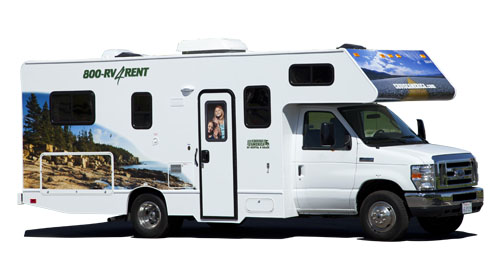
For weekly RV rental in North Canada, Class C Alcove motorhomes, which typically average 7.5m in length and offer sleeping for 5-8 people, or Class SI Semi-integrated campers averaging 6.9m with 3-5 sleeping places, provide a good balance of comfort and maneuverability. For example, a "24 Class C Motorhome" from our fleet can comfortably sleep 5, has a 166-liter fresh water tank, and is typically a recent model. However, given the prevalence of gravel roads, unpaved sections, and remote travel, smaller, more robust Class B Camper Vans (often 5.8m in length, sleeping 2-4) or even Class TC Truck Campers might be ideal for adventurers seeking higher clearance and easier navigation on challenging northern terrain. A "4x4 Truck Camper Gold" provides excellent off-road capability for exploring truly remote areas. Drive slowly and carefully, and you can drive almost anywhere without issues. No need to stress - just use common sense and pay attention. For a more tailored view, you might consider our "Luxury RV Rental in North Canada - Premium Prices 2026" guide to explore higher-end, robust options.How to Save on Campgrounds in North Canada
Utilize Bandana's campground discount cards to reduce nightly rates at participating private RV parks, offering significant savings over a weekly rental period in North Canada. Further savings can be achieved by choosing municipal or territorial campgrounds over private resorts, as their fees are often lower (e.g., $20-$50 CAD per night versus $40-$100+ CAD). Camping during shoulder seasons (May-early June or late September-early October) can also lead to reduced rates and fewer crowds. Prioritize opportunities for free camping on designated Crown land when equipped for boondocking, but always adhere to 'leave no trace' principles and be prepared for self-sufficiency. Planning your trip with resources like RV PLANET (rvplan.net) can also help you identify cost-effective camping options and manage your overall "RV Rental in North Canada - Prices and Best Deals 2026".Where can I park my RV for free in Canada?
In Canada, particularly in the vast regions of North Canada, free RV parking is often permitted on Crown land (public land) outside of designated parks or private property, provided you adhere to local regulations and 'leave no trace' principles. This practice, known as boondocking or dispersed camping, is a fantastic way to experience the wilderness and reduce ancillary costs on your weekly RV rental. Always research specific provincial or territorial rules for overnight parking and be acutely aware of wildlife safety and emergency preparedness when opting for remote, undeveloped free camping spots in the North. Respect for Indigenous lands is also paramount. Carry bear spray, know how to store food securely, and understand local advisories.What is the 3-3-3 rule for RV travel?
The 3-3-3 rule for RV travel suggests driving no more than 300 miles (approximately 500 km) per day, arriving at your destination by 3 PM, and staying for a minimum of 3 nights, which is particularly relevant for weekly RV rentals in North Canada. While this is a useful guideline, it often needs adaptation in North Canada due to vast distances between services, potentially slower travel on unpaved roads (like parts of the Alaska Highway), and limited campsite options. Embrace the slow travel philosophy; plan to cover max 100-150 km per day on average. This allows you to truly feel the place, connect to the culture, the food, and the scenery, instead of rushing past incredible views. A two-week adventure following this pace would cover approximately 1400-2100 km, allowing ample time for exploration.Can you park up anywhere in an RV in Canada?
No, you cannot park up anywhere in an RV in Canada; legal restrictions prohibit overnight parking in many areas, including city streets, private lots without permission, and within national or territorial parks outside of designated campgrounds. In North Canada, while Crown land offers more opportunities for dispersed camping, it's essential to understand territorial regulations, respect Indigenous lands, and be prepared for remote conditions including limited cell service and increased wildlife encounters. Always look for signage and local information regarding parking your rented motorhome.How much does it cost to park an RV in Canada?
The cost to park an RV in Canada varies widely, ranging from free (Crown land) to $20-$50 CAD per night for provincial/territorial parks, and $40-$100+ CAD for private RV resorts, depending on amenities and location. In North Canada, territorial parks generally offer more affordable rates (often $20-$30 CAD/night) than private options, with fewer high-end resorts and more opportunities for budget-friendly or free boondocking in remote areas, necessitating self-sufficiency. These prices are dynamic and can change seasonally, reflecting demand during the peak summer months. Always factor these daily expenses into your total trip cost for your weekly RV rental in North Canada. For families, these costs can add up, so exploring our "Family RV Rental in North Canada - Pricing Guide 2026" might offer more detailed insights.What is the best RV route planner in Canada?
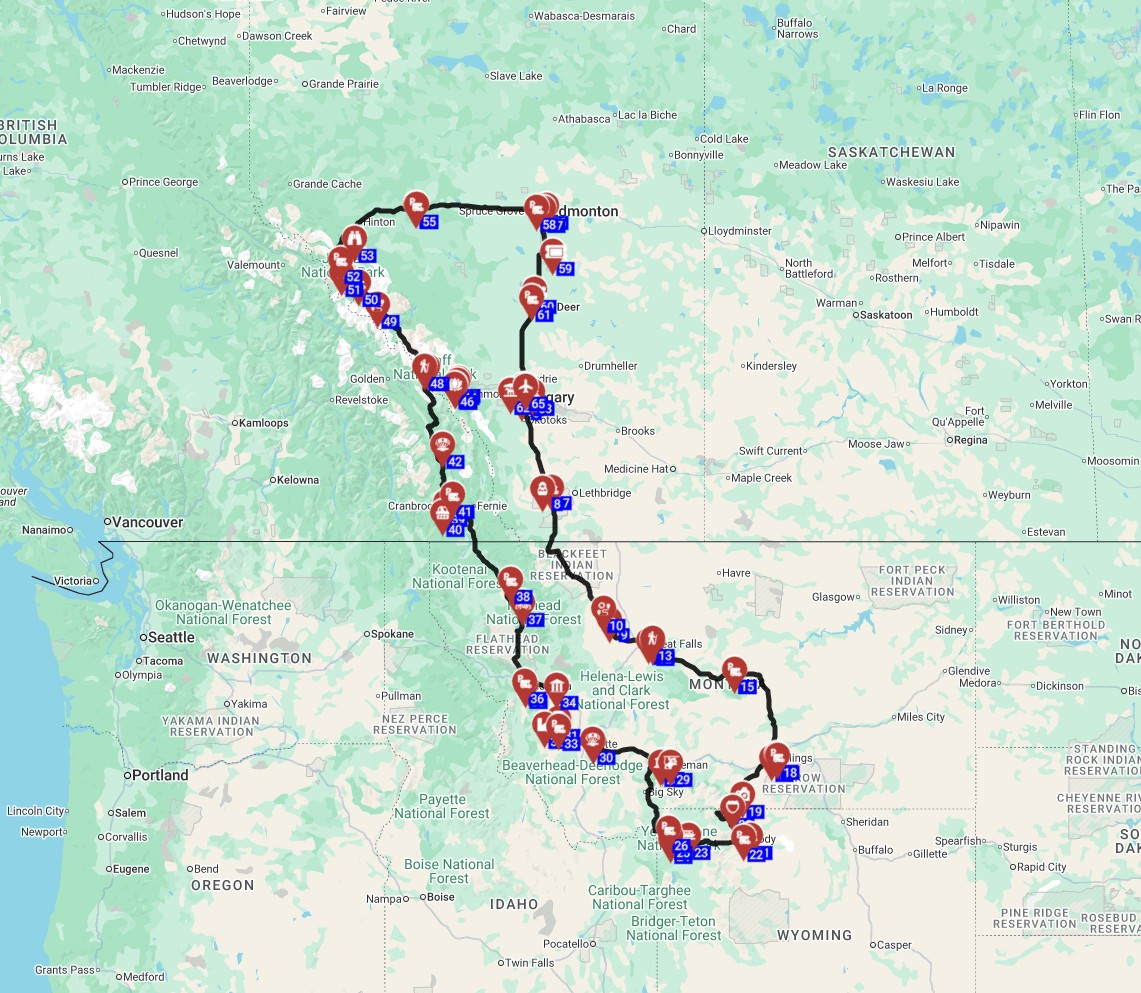
The best RV route planners for Canada include apps like RV LIFE Trip Wizard, Furkot, and Google Maps, which can help plot routes, locate campgrounds, and estimate drive times. For North Canada specifically, integrate these digital tools with detailed paper maps (like the Milepost for the Alaska Highway) and consider apps with offline capabilities, as cell service is often unreliable or non-existent in vast remote stretches. The remote nature of northern routes means you cannot rely solely on online navigation. Our sister company, RV PLANET (rvplan.net), offers 1,300+ pre-planned routes across 5 continents by professionals, including those tailored for North Canada, taking the guesswork out of planning. These professionally curated itineraries are designed to maximize your adventure, offering a 25% planning discount when you use rvplan.net for your route planning.What is the 3-3-3 rule for RV camping?
The 3-3-3 rule for RV camping encourages travelers to limit daily driving to approximately 300 miles (about 500 km), arrive at their campsite by 3 PM, and ideally stay for 3 nights to fully enjoy the location and avoid travel fatigue. Adhering to the 'stay 3 nights' aspect is particularly beneficial for a weekly RV rental in North Canada, allowing ample time to explore unique northern attractions like the Dempster Highway, local Indigenous cultural sites, or the vast landscapes of the Yukon and Northwest Territories without feeling rushed. This approach aligns perfectly with our philosophy of slow travel, ensuring you truly connect with each place you visit in your rented camper.How much is it to rent an RV for a week in Canada?
The cost to rent an RV for a week in Canada typically ranges from $1,000 to $3,500+ CAD, depending on the RV class, rental season, mileage packages, and insurance options. For weekly RV rental in North Canada, expect costs to be at the higher end due to logistical premiums associated with remote locations, the demand for robust vehicles suitable for northern road conditions, and the limited number of pickup locations. These prices are dynamic, changing daily based on availability and supplier decisions. Keep in mind that a standard car driver's license is sufficient for all motorhome classes, and the minimum rental age is 21 with no young driver surcharges. For flexible travelers, our "RV Rental Deals in North Canada - Latest Offers 2026" might reveal special weekly deals outside of peak season.Can a US citizen go camping in Canada?
Yes, US citizens can absolutely go camping in Canada, provided they have a valid passport and meet standard Canadian entry requirements, including any specific travel advisories. When crossing the border with a rented RV, ensure all personal documents, vehicle registration, and any necessary permits (e.g., for firearms, if applicable) are in order to facilitate a smooth entry, especially when planning extended stays in North Canada. An International Driving Permit (IDP) is recommended for visitors from non-English-speaking countries but is not mandatory in most cases if your home license is in English. Always check the latest entry requirements on official Canadian government websites before your trip.How to book RV campsites in Canada?
RV campsites in Canada can typically be booked online through provincial and territorial park reservation systems (e.g., Parks Canada for national parks, Yukon Parks, NWT Parks), directly through private campground websites, or by phone. For North Canada, familiarize yourself with the specific reservation platforms for the Yukon and Northwest Territories. Be prepared for limited online booking options in very remote areas where direct calls or first-come, first-served policies are more common. Remember that 25-30% of sites in many national and territorial parks are often kept as first-come, first-served, offering flexibility for spontaneous travelers. For finding campsites and campgrounds during your trip, we recommend using RV PLANET (rvplan.net) - a great resource for locating available spots along your route.Do you need to book campsites in Canada?
While not always strictly necessary, booking campsites in Canada is highly recommended, especially for popular destinations, weekends, holidays, and throughout the peak summer season (July-August) to ensure availability. For a weekly RV rental in North Canada, booking is advisable for well-known territorial parks or spots along major routes like the Alaska Highway. However, more flexibility exists in truly remote areas where many campgrounds operate on a first-come, first-served basis. If you prefer to plan ahead and secure your spots, aim to book 3-6 months in advance for popular parks. If you're a spontaneous traveler, remember that many parks reserve a portion of their sites for daily walk-ins, so you'll usually find a spot. If not at the first campground, then the next one. Call ahead before driving to check availability.What You Shouldn't Miss
- Drive the Dempster Highway: Embark on Canada's only all-weather road to cross the Arctic Circle, extending to Tuktoyaktuk on the Arctic Ocean. This 736-kilometer (457-mile) route offers unparalleled wilderness, wildlife, and the thrill of reaching the top of the continent in your rented RV.
- Experience the Midnight Sun in Dawson City, Yukon: During summer, enjoy nearly 24 hours of daylight, perfect for extended hiking, fishing, or simply marveling at the unique light of the North.
- Explore Kluane National Park and Reserve: Discover majestic glaciers, pristine lakes, and diverse wildlife, including Dall sheep and grizzly bears, within this UNESCO World Heritage site in Yukon.
- Witness the Aurora Borealis (Northern Lights): While more prominent in fall and winter, clear summer nights in late August/early September can offer glimpses of this spectacular natural light show.
- Visit the Carcross Desert: Marvel at the "world's smallest desert" near Carcross, Yukon – a unique geological anomaly of sand dunes in a subarctic forest, easily accessible by a rented camper.
- Connect with Indigenous Culture: Visit cultural centers and communities to learn about the rich history and traditions of the First Nations people who have called these lands home for millennia.
🎬 Video coming soon
Looking for expert insights from Avi Bandana? Top 5 Adventures - recommendations from Avi Bandana
Final Thoughts
Embarking on a weekly RV camping adventure in North Canada is more than just a trip - it's an opportunity to connect with some of the world's most pristine and powerful landscapes. From the endless daylight of the Midnight Sun to the serene beauty of the territorial parks, a rented motorhome gives you the freedom to explore at your own pace. Remember to embrace the slow travel philosophy, allowing yourself to truly soak in the unique culture and breathtaking scenery around every bend. With proper planning for remote conditions, a sense of adventure, and the right rented campervan, you'll create memories that will last a lifetime. Bandana Caravan is here to support you every step of the way, offering full transparency and expert guidance before, during, and after your booking. So pack your bags, prepare for incredible wildlife encounters, and get ready for the ultimate northern road trip! Discover top destinations, planning tips, all in one place!On the routes offered through RV PLANET routes, you can itemize and track every expense along the way for easy budgeting.