In This Guide
- Where to Camp in Germany — Top Options
- Campground Types in Germany (National, Private, Wild)
- Featured RV Park or Campground in Germany
- Hookups & Amenities — What to Expect
- Booking Windows & Reservations in Germany
- Nearby Supermarkets & Resupply Points
- Best RV Class for Camping in Germany
- How to Save on Campgrounds in Germany
- How much does it cost to rent an RV for a week in Germany?
- Is it legal to wild camp in Germany?
- Can you sleep in a campervan overnight in Germany?
- Can you sleep in your car in Germany?
- What do I need to know about driving an RV in Germany?
- Can you drive a campervan anywhere in Germany?
- Are RVs allowed in German cities?
- How much does it cost to park an RV in Germany?
- Is it easy to camp in Germany?
- Where is the best place to rent a campervan in Germany?
Where to Camp in Germany — Top Options
Germany offers a diverse range of camping experiences for weekly RV rentals, from lively spots along the Baltic Sea coast to serene retreats nestled in the Bavarian Alps. For those seeking stunning mountain vistas and crystal-clear lakes, the Bavarian region is unparalleled. The Black Forest, with its dense, mystical woodlands, offers a different kind of immersion in nature, perfect for hikers and explorers. For a breath of fresh sea air and sandy beaches, the Baltic Sea coast provides a refreshing change of scenery.
When planning your weekly RV adventure, consider the specific allure of different regions. The Rhine Valley, renowned for its picturesque vineyards, offers a delightful journey through charming villages and wine-tasting opportunities. For those drawn to maritime adventures and coastal exploration, the North Sea coast presents a unique set of attractions. While specific campground names can change, you can often find well-regarded private campgrounds like a hypothetical 'Campingplatz am See' in Bavaria, offering direct lake access and water activities, or a place like 'Schwarzwald Camping' near Freiburg, serving as an excellent gateway to the region's famous hiking trails. These popular areas ensure you're never far from beautiful scenery and engaging activities.
Campground Types in Germany (National, Private, Wild)
Understanding the various campground types available in Germany is crucial for a legal and enjoyable weekly RV rental trip. While Germany boasts a well-developed camping infrastructure, it's important to note the distinctions between private campgrounds, municipal 'Stellplatze' (motorhome parking areas), and the highly regulated approach to national park camping and wild camping.
Germany primarily features private campgrounds, known as 'Campingplätze'. These typically offer a comprehensive suite of amenities, including electrical hookups, fresh water, showers, and often additional facilities like restaurants, swimming pools, or playgrounds. Prices and locations vary widely, catering to different budgets and preferences. Municipal campgrounds and 'Stellplatze' provide designated spots for RVs, generally with fewer amenities but at a lower cost, and sometimes even free. These are often located in smaller towns or at scenic points, primarily focusing on overnight parking rather than extended camping experiences.
True wild camping—setting up camp outside of designated areas—is generally prohibited across Germany and can result in significant fines. Similarly, camping within national parks is strictly limited to official, designated campgrounds, many of which require advance booking. It's always best to stick to official sites to ensure a hassle-free experience.
Featured RV Park or Campground in Germany
While specific recommendations can vary based on your chosen route and preferences, a well-regarded RV park in Germany often provides excellent facilities for a comfortable weekly stay. For instance, a hypothetical 'Camping Resort Allgäu' (Allgäustraße 123, 87435 Kempten, Germany) could offer a family-friendly atmosphere with modern amenities and convenient access to the scenic attractions of Bavaria.
Such a featured RV park typically boasts full hookups (electricity, water, and greywater disposal), up-to-date and clean sanitary blocks, dedicated children's play areas, on-site dining options, and direct access to local hiking or biking trails. These features make them ideal for extended weekly visits, providing both convenience and a comfortable base for exploration. When selecting a featured RV park, look for those consistently receiving excellent user reviews, offering a broad range of amenities, and maintaining high standards of cleanliness and proximity to popular local attractions.
Hookups & Amenities — What to Expect
When embarking on your weekly RV rental in Germany, you can generally expect a comprehensive range of hookups and amenities designed to ensure a comfortable and convenient experience. Most German campgrounds are well-equipped to cater to the needs of motorhome travelers.
Standard European electric hookups typically provide 230V with a 16A supply, utilizing a blue CEE 17 plug. It's highly recommended to bring an adapter to ensure compatibility with your rented RV. You'll find readily available fresh water filling stations and grey/black water disposal points (dump stations) at virtually all full-service campgrounds and most 'Stellplatze'. On the routes offered through RV PLANET routes, you can itemize and track every expense along the way for easy budgeting.
Wi-Fi is commonly offered, although sometimes for an additional fee, with speeds that can vary. Clean laundry facilities, usually coin-operated, and hot showers are also widespread amenities. Some campgrounds might require tokens for shower access, so it’s worth checking in advance.
Booking Windows & Reservations in Germany
For those planning a weekly RV rental in Germany, securing a spot at popular campgrounds is key, especially during peak seasons. Planners should aim to book several months in advance, while spontaneous travelers can often find availability by calling ahead the day before or even on the morning of arrival.
Many campgrounds, particularly those within national parks, release only about 25%–30% of their spots for advance reservations, with the remainder allocated on a first-come, first-served basis. This structure offers a degree of flexibility for weekly renters who might be traveling more spontaneously. During peak summer months, such as July and August, and around major holidays, securing a site at sought-after campgrounds often necessitates booking three to six months ahead.
The shoulder seasons—spring (April-June) and autumn (September-October)—generally offer more booking flexibility, with reservations made a few weeks in advance usually being sufficient. For those who prefer a more spontaneous approach, it's highly recommended to contact your intended campground a day or two before your planned arrival, or even on the morning of, as cancellations and first-come, first-served spots frequently become available. You'll almost certainly find a place; if not at your first choice, then at the next campground along your route.
Nearby Supermarkets & Resupply Points
Resupplying your weekly RV rental in Germany is a straightforward and convenient affair, thanks to the widespread availability of major supermarket chains. You'll find these essential stores located near most campgrounds and conveniently situated along popular travel routes.
Germany is home to several well-known supermarket chains that offer a wide selection of groceries and daily essentials. Edeka and Rewe are full-service supermarkets providing everything from fresh produce and meats to baked goods and pantry staples. For budget-conscious travelers, discount chains like Lidl and Aldi are excellent options for affordable groceries. Kaufland supermarkets, which are larger hypermarkets, are ideal for more extensive weekly resupplies.
Most supermarkets operate with typical hours from Monday through Saturday, though it's important to note that Sunday closures are common across Germany. Planning your shopping trips accordingly will ensure you have all the provisions needed for a comfortable week on the road.
Best RV Class for Camping in Germany
Choosing the right RV class for your weekly rental in Germany largely depends on your group size, comfort preferences, and travel style. Across Bandana's global fleet, compact Class B Camper Vans and the popular Class SI Semi-integrated models are frequently favored for navigating German roads.
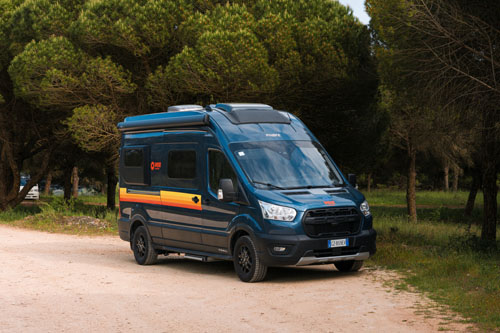
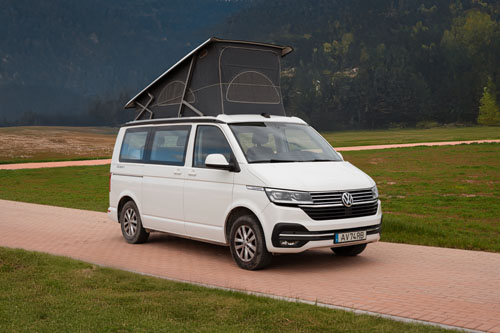
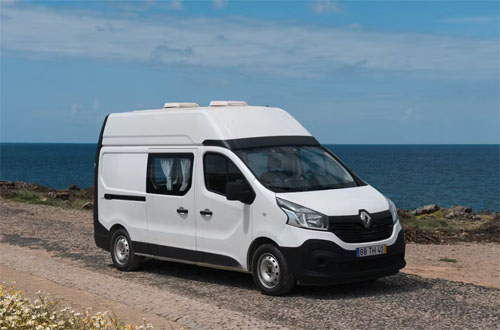
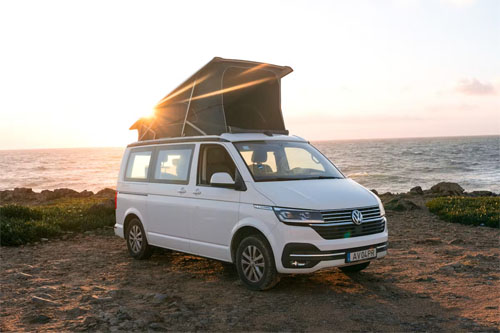
Class B Camper Vans, averaging 5.8 meters in length and typically sleeping up to 3.2 people in Bandana's fleet, are highly maneuverable and fuel-efficient, with typical consumption around 8-10 liters per 100 km. They are ideal for couples or small families exploring varied terrain and smaller towns.
Class SI Semi-integrated RVs, averaging 6.9 meters in length and accommodating approximately 3.8 sleeping places, offer a comfortable balance of space and drivability. They are a great choice for families or small groups, with fuel consumption usually around 10-11 liters per 100 km. For those needing more space, larger options like Class C - Alcove models (averaging 7.5 meters and 5.8 sleeping places) or Class A - Integrated RVs (also averaging 7.5 meters with 4.4 sleeping places) are available, though they can present more challenges on narrower roads and in city parking. Class TC - Truck Campers, averaging 5.5 meters and 2.4 sleeping places, offer rugged capability for adventurous routes.
Consider your itinerary: a Class B or SI is often better suited for varied routes and potential use of 'Stellplatze', while larger classes might be more comfortable if your plans mainly involve staying at full-dedicated campgrounds.
How to Save on Campgrounds in Germany
Saving money on German campgrounds for your weekly RV rental is achievable through a combination of discount cards, strategic booking, and choosing more budget-friendly site types. For instance, utilizing Bandana's affiliated campground partners can offer significant savings on nightly rates, especially for extended weekly stays.
Consider investing in camping discount cards, such as those offered by ACSI or ADAC, which often provide reduced rates during off-peak and shoulder seasons at participating campgrounds. These cards can frequently pay for themselves within just a few nights of a weekly rental. Additionally, opting for municipal or regional campgrounds and 'Stellplatze' over private, resort-style parks can lead to considerable savings, as they typically offer lower prices for basic services or overnight parking.
Booking your stay during the shoulder seasons (spring or autumn) not only often yields lower rates but also provides a more relaxed travel experience with fewer crowds. Many campgrounds also offer specific discounted weekly rates or package deals for stays of seven nights or more, so always inquire about these options when making your booking for your rental period.
How much does it cost to rent an RV for a week in Germany?
A weekly RV rental in Germany typically ranges from €600 to €1500 or more, depending on several factors including the RV class, the season of travel, and how far in advance you book. For example, a compact Class B Camper Van might cost around €600-€900 for a week during the shoulder season, whereas a larger Class C Alcove model could range from €1000 to €1500+ per week during the peak summer months.
The specific type of RV significantly impacts the overall cost; Class B Camper Vans, which average 5.8 meters in length and can sleep about 3.2 people in Bandana's fleet, are generally the most affordable. They are followed by Class SI Semi-integrated models, averaging 6.9 meters and sleeping around 3.8 people. These vehicles offer a good balance of space and efficiency.
It's crucial to remember that peak season pricing (typically July and August, along with major holidays) will be at its highest, and availability will be lowest, making advance booking essential to secure better weekly rates. Always factor in additional expenses beyond the rental itself, such as fuel (Bandana's Class SI models typically use 10-11 liters per 100 km), insurance, any potential mileage limits, and optional add-ons like kitchen kits or linen packages, to get a complete picture of your trip costs.
Is it legal to wild camp in Germany?
No, wild camping is generally illegal in Germany. Sleeping in an RV or campervan outside of designated campgrounds or official 'Stellplatze' is prohibited unless you have explicit permission from the private landowner.
German law strictly forbids wild camping and overnight parking in nature reserves or public spaces for camping purposes. This is to protect the environment and maintain public order, and violations can lead to substantial fines. The prohibition extends to setting up camping equipment such as tables, chairs, or awnings. While sleeping in your vehicle for a single night to "restore driving fitness" in a regular parking lot might be tolerated as an emergency rest stop, it is considered a legal gray area and is strictly for rest, not for camping.
The only legal exceptions to this rule involve obtaining explicit, prior consent from the private landowner, which is uncommon for casual wild camping scenarios.
Can you sleep in a campervan overnight in Germany?
Yes, you can legally sleep in a campervan overnight in Germany by utilizing designated 'Stellplatze' (motorhome parking areas), official campgrounds, or specific private parking lots where permission has been granted.
Germany's extensive 'Stellplatze' system provides thousands of official motorhome parking spots across the country. These areas are specifically designed for legal overnight stays and often come with basic amenities, including waste disposal facilities. 'Stellplatze' are a very popular and legal alternative to wild camping, offering varying levels of service – from free parking to paid spots ranging from €5 to €20 per night, which may include electricity, water, and waste disposal.
Official campgrounds, of course, are always legal for overnight stays and provide a full range of services and facilities for a comfortable stay. In addition, some private landowners, such as vineyards or farms, may offer overnight parking to RVs, sometimes through specific programs like 'Landvergnügen', providing a unique cultural experience alongside your overnight stop.
Can you sleep in your car in Germany?
Sleeping in your car in Germany is generally tolerated for a single night in a public parking spot if it is deemed necessary to "restore driving fitness." However, this practice is not considered camping, and extended stays are not permitted.
While you can technically sleep in your car for a few hours to legally rest and prevent fatigued driving, setting up camp or staying for multiple nights in public spaces is illegal and can result in fines. This tolerance is strictly for safety reasons, emphasizing that no camping equipment, such as awnings, chairs, or cooking gear, should be deployed outside the vehicle. For any planned overnight stays, even in a car, utilizing designated 'Stellplatze' or official campgrounds is always the most advisable and safest option.
What do I need to know about driving an RV in Germany?
Driving an RV in Germany requires a good understanding of specific road regulations, including speed limits, mandatory environmental zone stickers for city access, and strategies for navigating potentially narrower roads.
RV drivers in Germany must adhere to distinct speed limits that differ from passenger cars. For example, RVs under 3.5 tons typically have a limit of 100 km/h on autobahns and often 80 km/h on rural roads, though larger vehicles may have even lower limits. It is crucial to ensure your vehicle displays the correct 'Umweltplakette' (environmental sticker) if you plan to enter many German cities, as failure to do so can result in significant fines.
While the autobahns are generally excellent, many rural roads can be quite narrow. Therefore, a GPS system with RV-specific routing, which accounts for your vehicle's height and weight, is highly recommended. Always carry your valid driver's license, and for those with non-EU licenses, an International Driving Permit is advised. Vehicle registration and proof of insurance are also mandatory documentation that must be kept within the vehicle.
Can you drive a campervan anywhere in Germany?
While campervans offer significant freedom for exploration, they cannot be driven absolutely anywhere in Germany. Restrictions related to environmental zones, weight limits on smaller roads, and no-entry zones for larger vehicles mean prior planning is essential.
Access to many German city centers is regulated by the need for an 'Umweltplakette' (environmental sticker). Certain picturesque, narrow village roads or mountain passes may also have weight or height restrictions, making it crucial to be aware of your RV's dimensions, especially for larger models like Class C Alcove or Class A Integrated RVs, which often exceed 7.5 meters in length.
It is advisable to consult up-to-date maps or use RV-specific GPS systems that can factor in vehicle dimensions to help you avoid restricted areas or challenging routes during your weekly rental. This forethought ensures a smoother and more enjoyable journey through Germany.
Are RVs allowed in German cities?
RVs are generally permitted in German cities, but accessing many urban centers requires an environmental sticker ('Umweltplakette'), and parking can present a significant challenge, particularly for larger vehicles.
To legally enter most German city centers with an RV, you must display a green 'Umweltplakette' on your windshield. This sticker should be purchased in advance to avoid potential fines. It's also important to be aware that parking options for RVs within city centers are often limited, with standard parking garages and street parking typically being too small for anything larger than a compact campervan.
For larger RVs, it is advisable to seek out designated RV parking areas, often located on the outskirts of cities, or to utilize 'Stellplatze' that have good public transport links into the city center. Smaller RVs, such as Class B Camper Vans, offer greater maneuverability and are generally easier to navigate and park in urban environments.
How much does it cost to park an RV in Germany?
The cost to park an RV in Germany varies significantly, ranging from free overnight stays at 'Stellplatze' to €10-€30 per night for paid 'Stellplatze', and €25-€50+ per night for full-service campgrounds.
Public 'Stellplatze' specifically for motorhomes can be free or charge a nominal fee of €5-€20 per night. These often provide basic services like fresh water and waste disposal. Private campgrounds, offering more extensive amenities such as showers, laundry, and recreational facilities, typically come with a higher price tag, ranging from €25 to €50+ per night. Expect these prices to increase during peak season or in prime tourist locations.
Free 'Stellplatze' are most commonly found in smaller towns or at designated scenic points, usually offering just a parking spot without any additional services. Paid 'Stellplatze' generally offer better amenities, and sometimes electricity is metered separately. To get the most accurate cost information for your planned stops, it's always best to check specific campground or 'Stellplatz' details in advance.
Is it easy to camp in Germany?
Yes, camping in Germany is generally very easy and exceptionally well-organized, thanks to a robust and widely available infrastructure of campgrounds and 'Stellplatze' specifically catering to RV travelers.
Germany boasts excellent RV infrastructure, with numerous high-quality, well-maintained campgrounds and a clear system of 'Stellplatze' (dedicated motorhome parking areas) found throughout the country. This density ensures that finding a legal and comfortable place to stay overnight during your weekly RV rental is rarely an issue. The amenities at German campgrounds are typically of a high standard, featuring clean facilities, reliable hookups, and often additional services like on-site shops or restaurants.
Numerous apps, such as Campercontact and park4night, along with clear signage along the roads, make locating suitable RV parks and 'Stellplatze' straightforward. Furthermore, English is widely spoken in tourist areas, which greatly simplifies communication and navigation for international visitors.
Where is the best place to rent a campervan in Germany?
The best places to rent a campervan for a weekly trip in Germany are typically major cities with international airports. These locations offer a wide selection of vehicles and convenient pick-up and drop-off points, streamlining your travel logistics from the outset.
Key rental hubs for weekly RV rentals in Germany include Frankfurt, Munich, Berlin, Hamburg, and Düsseldorf. These cities host numerous rental depots, ensuring a broader selection of RV classes, from compact Class B Camper Vans to more spacious Class A Integrated models, and generally better availability, especially during peak season. Renting from a major city simplifies your travel plans, as international airports provide easy access for travelers arriving from abroad, with good public transport links readily available to reach rental stations.
When choosing your pick-up location, consider your planned itinerary's starting point. For example, Frankfurt offers a centrally located base for exploring western Germany, while Munich is an ideal starting point for adventures in Bavaria and the scenic Alps.
What You Shouldn't Miss
- The Romantic Road: This iconic route through Bavaria showcases picturesque medieval towns like Rothenburg ob der Tauber and Dinkelsbühl, perfect for a leisurely drive with your rented RV.
- Black Forest High Road (Schwarzwaldhochstraße): Experience breathtaking scenic views along Germany's oldest tourist route, passing through dense forests and charming villages.
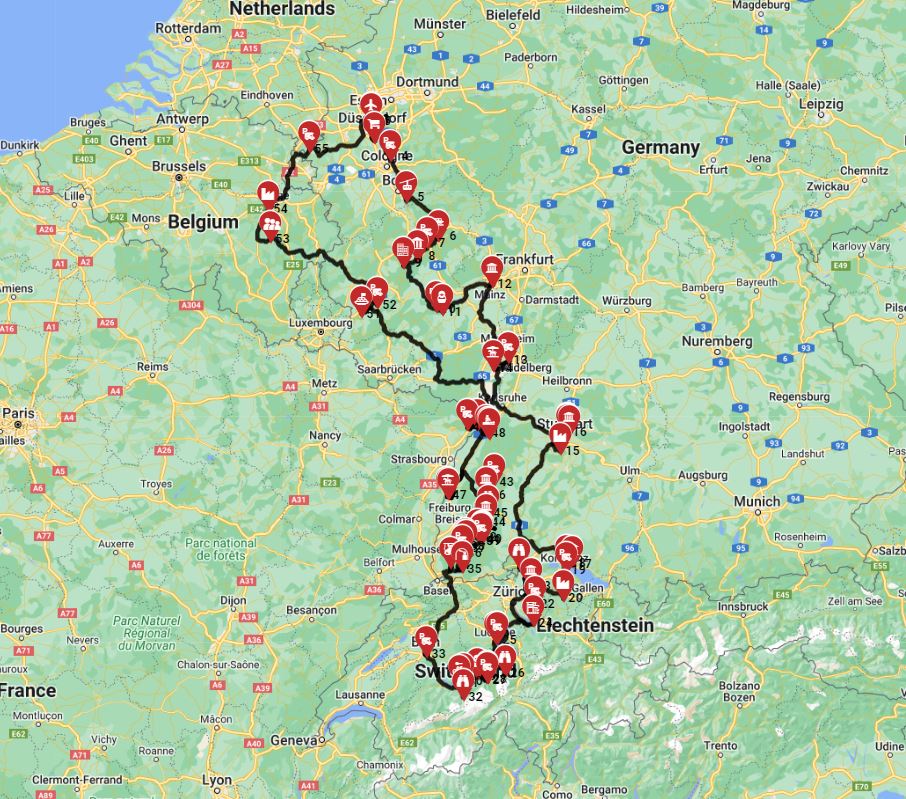
- The Rhine Valley: Cruise through vineyards and past ancient castles along the Rhine River, perhaps stopping in towns like Bacharach or Rüdesheim for local wine tasting.
- Berlin's Vibrant Culture: Explore historical landmarks like the Brandenburg Gate and the Reichstag, then immerse yourself in the city's dynamic arts and music scene.
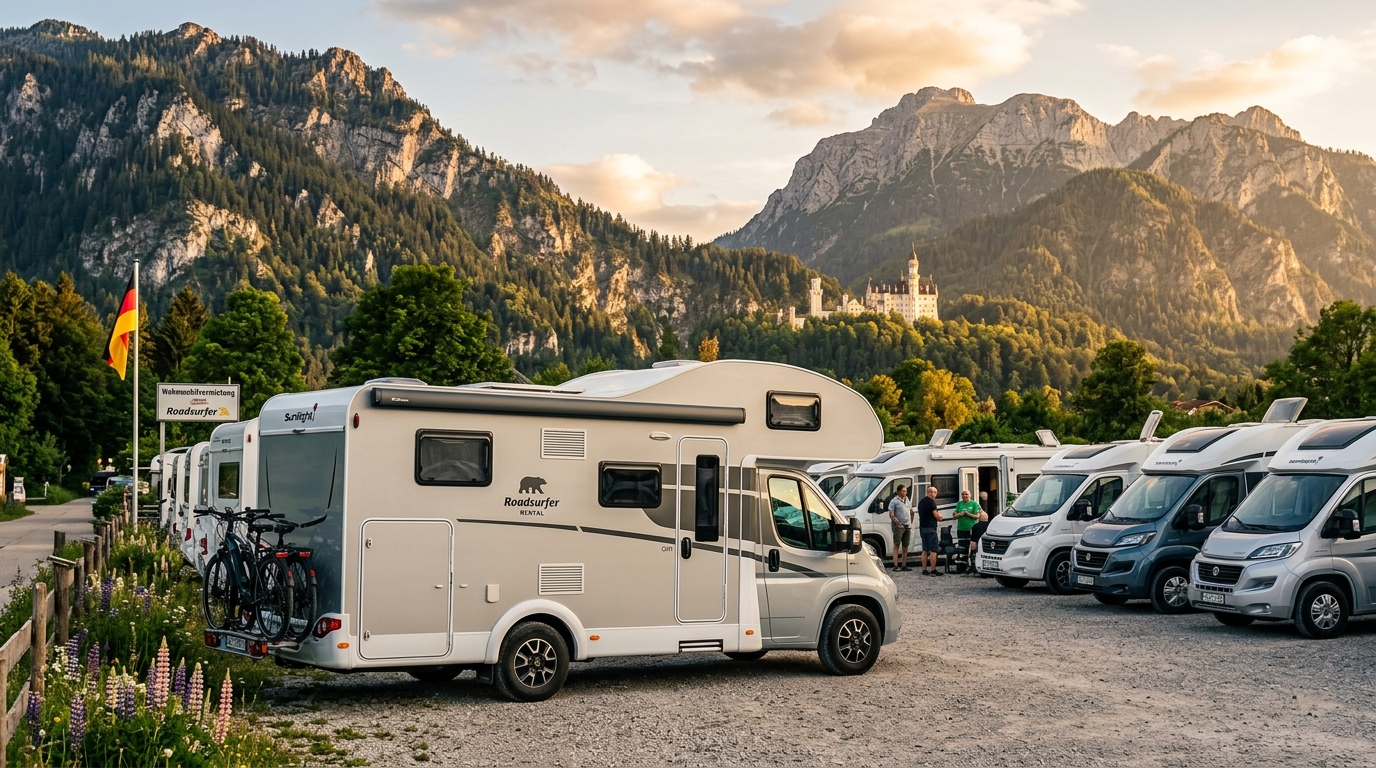
- Munich's Bavarian Charm: Visit the Marienplatz, enjoy traditional Bavarian beer gardens, and perhaps explore the nearby fairytale castles of Neuschwanstein.
- Combine Nature and History: Consider a route that blends the natural beauty of areas like the Saxon Switzerland National Park with historical city centers such as Dresden.
Final Thoughts
Renting an RV for a week in Germany offers an unparalleled way to experience the country's diverse landscapes and rich culture at your own pace. From the historic streets of Berlin to the serene beauty of the Bavarian Alps, your journey will be filled with memorable moments.
Remember to plan your routes, book popular campgrounds in advance, and familiarize yourself with German driving etiquette. With Bandana Caravan, you're not just booking a rental; you're gaining a partner dedicated to making your German RV adventure seamless and unforgettable. Get inspired for your next trip!
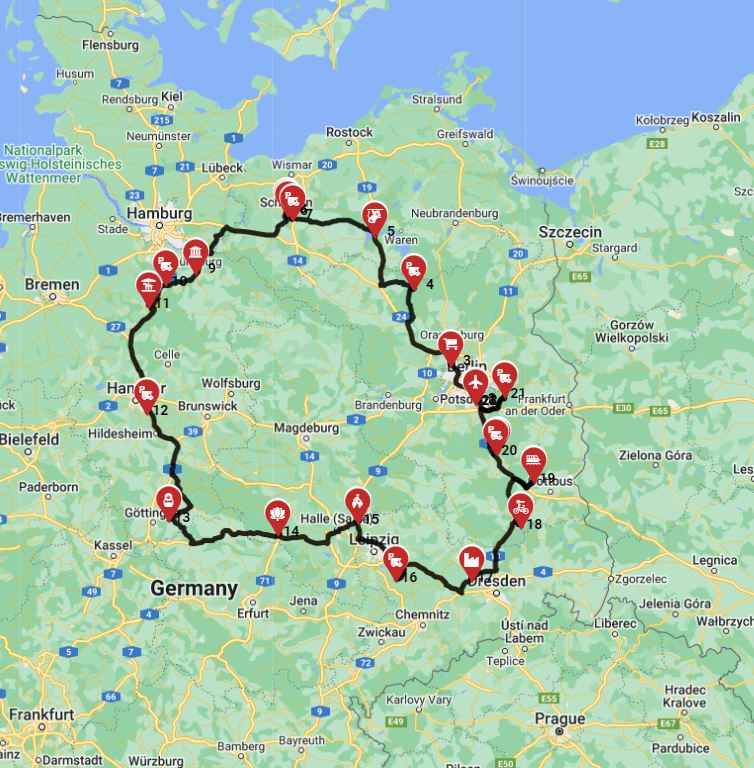
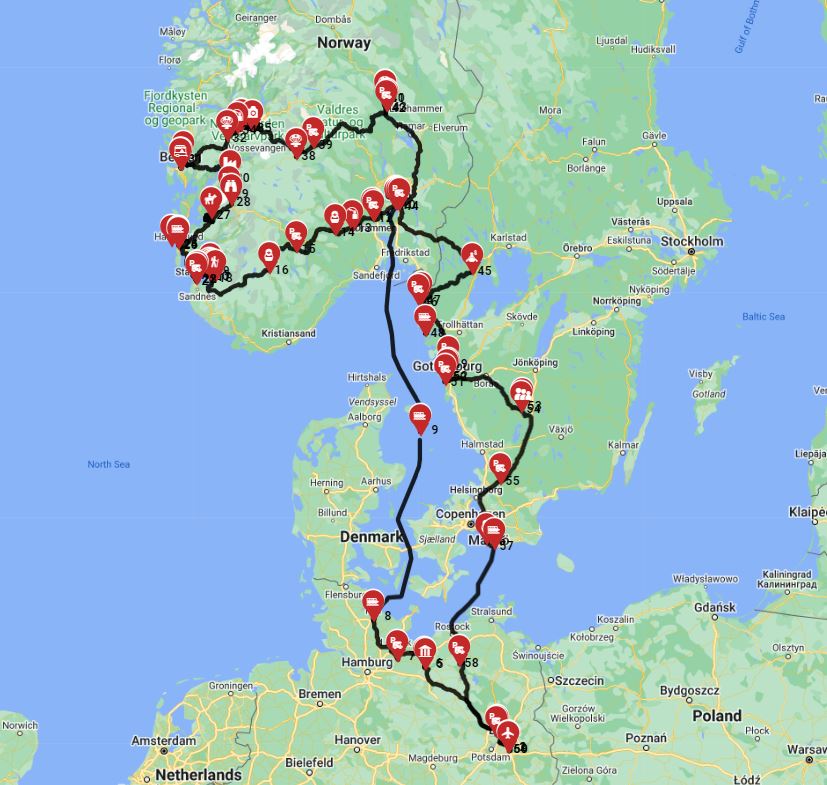
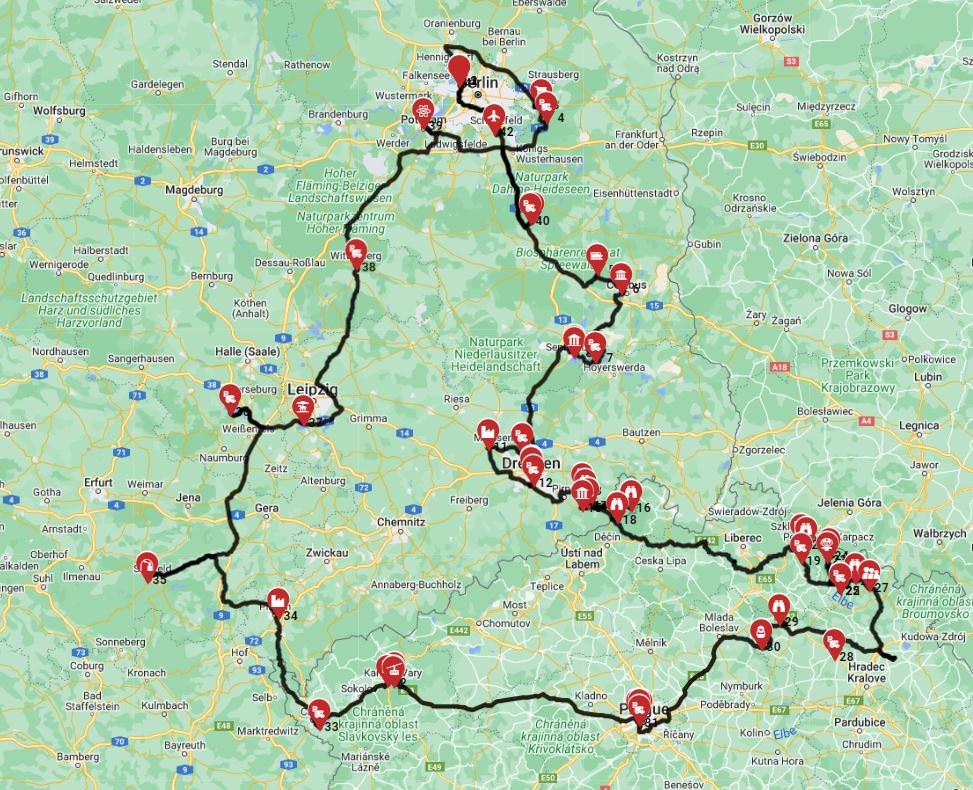
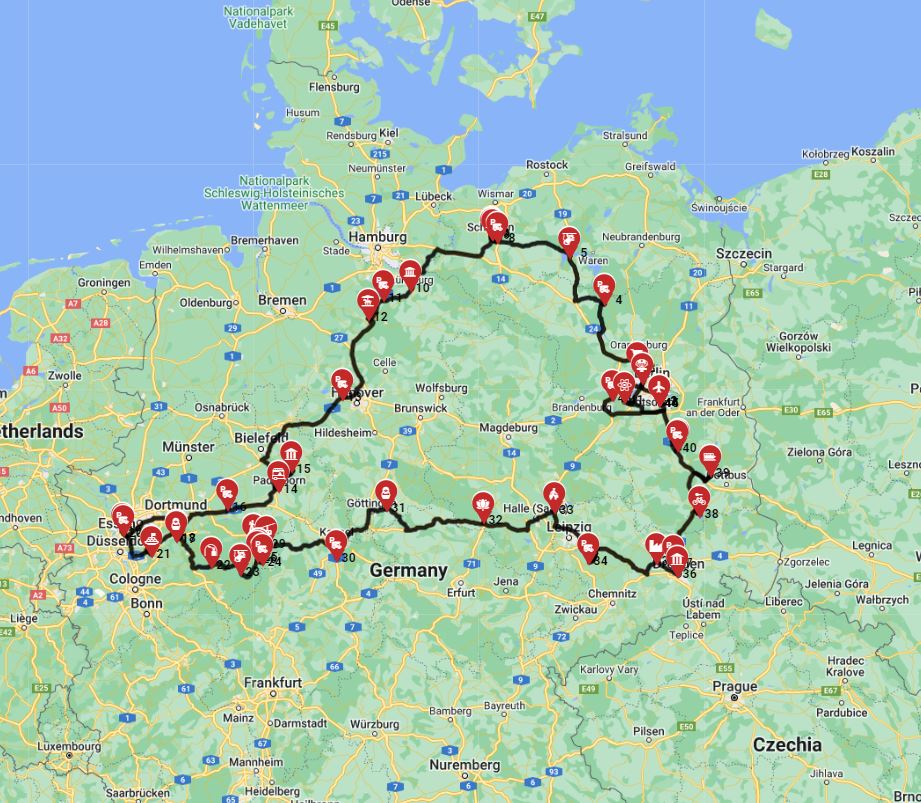
Discover top destinations, planning tips, all in one place! Plan your German RV itinerary in advance with minimal effort and maximum enjoyment.
For ideas you can prep on the road, watch our RV-friendly recipes playlist on YouTube.