For live availability and current prices, start with our RV Rental Europe - Complete Guide 2026 guide.
In This Guide
- Is RVing a thing in Europe?
- Is Europe RV friendly?
- Where to Camp in Europe - Top Options
- Campground Types in Europe (National, Private, Wild)
- Featured RV Park or Campground in Europe
- Hookups & Amenities - What to Expect
- Booking Windows & Reservations in Europe
- Nearby Supermarkets & Resupply Points
- Best RV Class for Camping in Europe
- How to Save on Campgrounds in Europe
- Can you park a motorhome anywhere in Europe?
- What is the 3-3-3 rule for RV travel?
- Where in France can we stop for the night in a campervan?
- Which European country has the best campsites?
- What is the 444 rule for RV?
- Can you sleep anywhere in a campervan in Europe?
Europe, with its diverse landscapes, rich history, and vibrant cultures, is an unparalleled destination for an extended RV adventure. Imagine waking up to a fresh breakfast you've prepared in your rented motorhome, overlooking the snow-capped peaks of the Alps, or perhaps the shimmering coastline of the Mediterranean. A weekly RV camping trip allows you to immerse yourself deeply in a region, truly connecting with the scenery, food, and local way of life. At Bandana RV, we've been helping tens of thousands of travelers explore the world by RV since 2001, and we're here to guide you through planning your perfect European long-stay experience. For live availability and current prices, start with our RV Rental Europe - Complete Guide 2024 guide.
Is RVing a thing in Europe?
Absolutely, RVing is a highly popular and well-established form of travel in Europe, deeply ingrained in the culture of many countries, especially for family holidays and extended tours. Millions of Europeans own and rent motorhomes, with a vast industry supporting rental companies, dealerships, accessory stores, and a comprehensive network of campsites and service points. The European RV lifestyle offers incredible flexibility to explore diverse landscapes, from coastal drives along the Mediterranean to mountain adventures in the Alps and cultural city breaks. Whether you're looking for a peaceful retreat in Albania or an active exploration of the Austrian Alps, a rented RV provides the freedom to follow your own pace, typically suggesting slow travel with a maximum of 100-150 km per day on average to truly savor the experience.
Is Europe RV friendly?
Yes, Europe is generally very RV friendly, with excellent infrastructure tailored to motorhome travel, including a vast network of dedicated campsites, 'aires,' and specialized services. Many European countries, especially France, Germany, Italy, and Scandinavia, have a strong RV culture with well-maintained roads and accessible facilities. However, being 'RV friendly' also means navigating varied road sizes (some historic city centers and mountain passes can be very narrow), diverse driving laws, environmental zones (ZFE/LEZ) in cities, and differing wild camping regulations. Fuel is readily available, but prices can vary significantly by country, and tolls (e.g., in France, Italy, Spain, or requiring vignettes in Switzerland/Austria) are common. Drive slowly and carefully, and you can drive almost anywhere without issues. No need to stress - just use common sense and pay attention. On the routes offered through RV PLANET routes, you can itemize and track every expense along the way for easy budgeting.
Where to Camp in Europe - Top Options
Europe offers diverse camping experiences from coastal views to mountain retreats and urban-fringe parks, ensuring a perfect backdrop for any weekly RV adventure. Consider iconic regions like the French Riviera for sunny beaches, the Bavarian Alps for scenic hikes, or the Italian Lakes for picturesque waterside stays. Many popular destinations feature high-quality private campsites, while national parks provide more rustic, nature-immersed options. For weekly rentals, focus on a specific region or country to minimize travel time and maximize relaxation at a few chosen spots, allowing you to truly connect to the culture, the food, and the scenery.
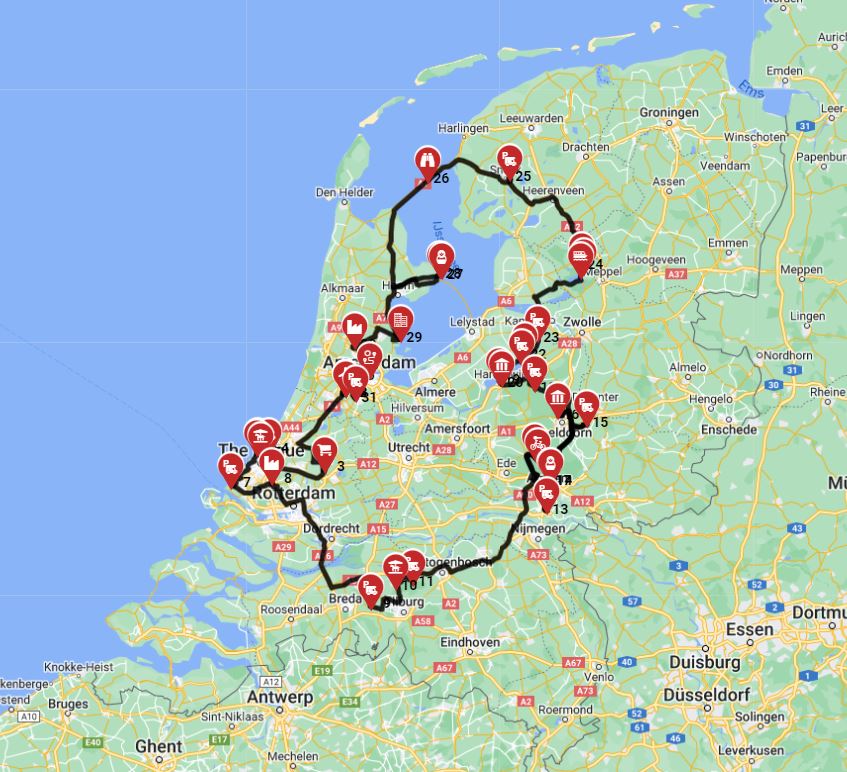
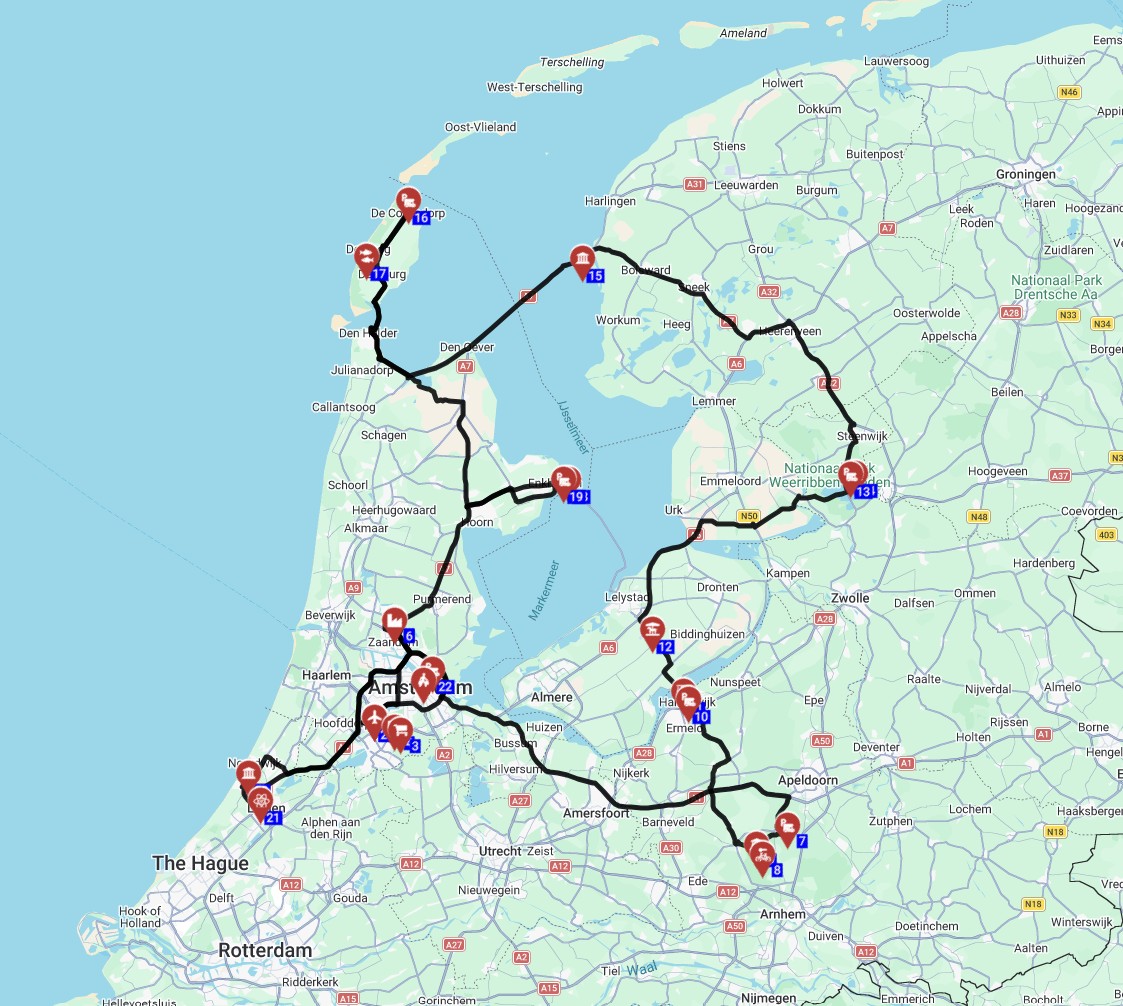
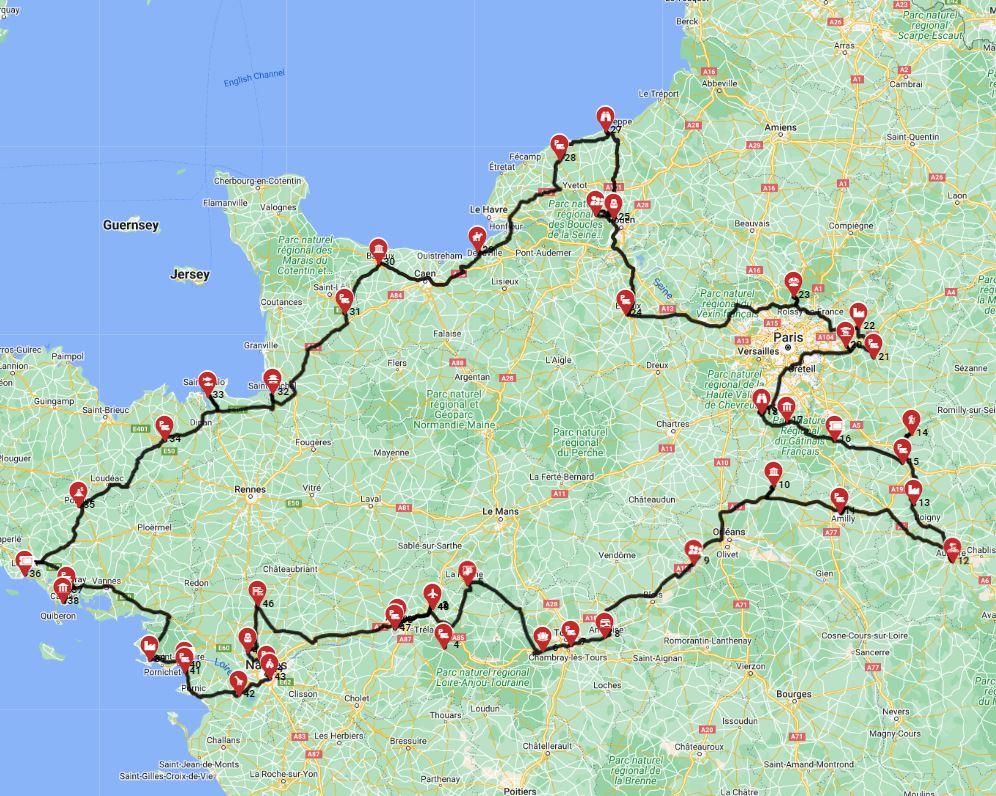
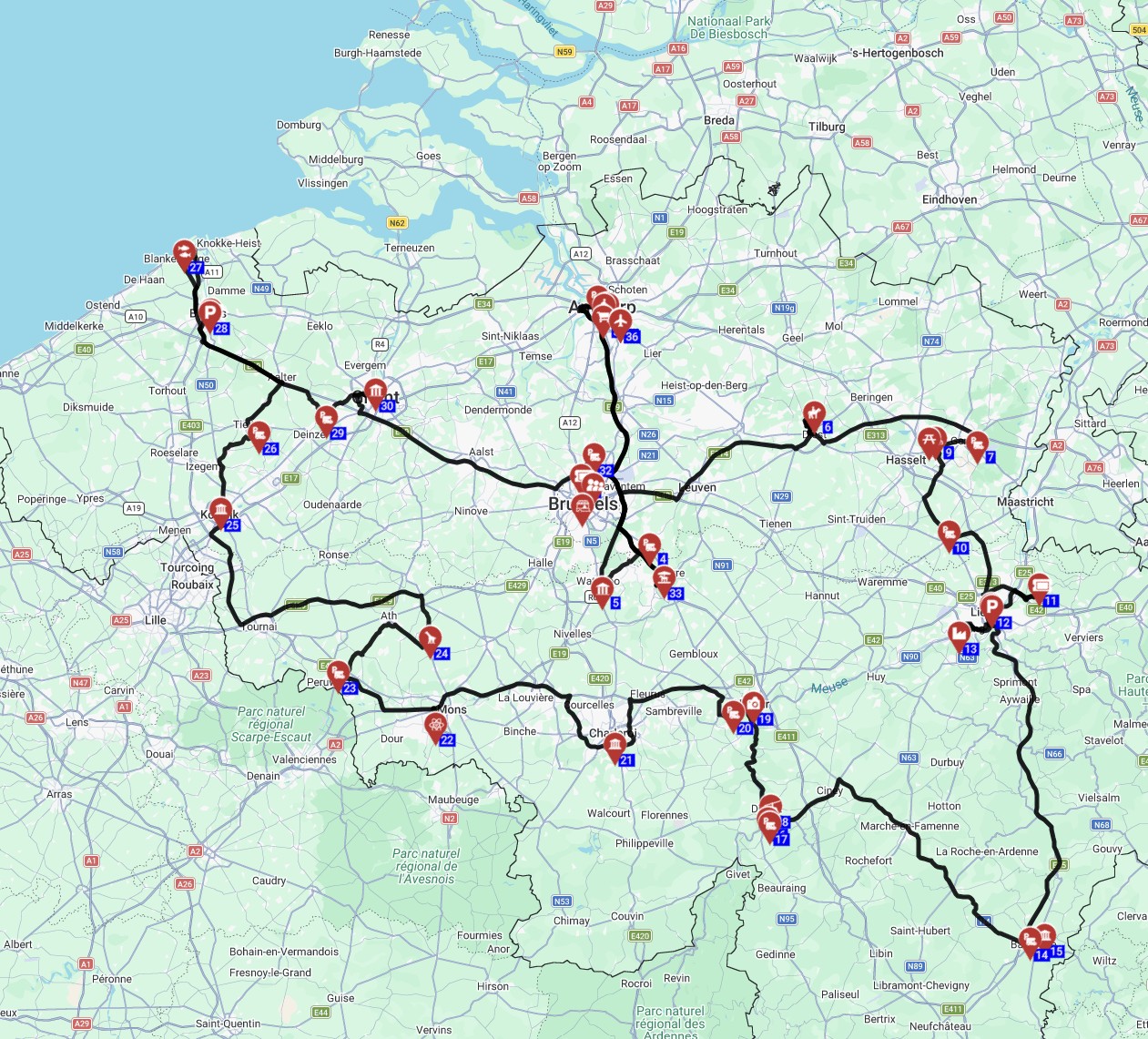
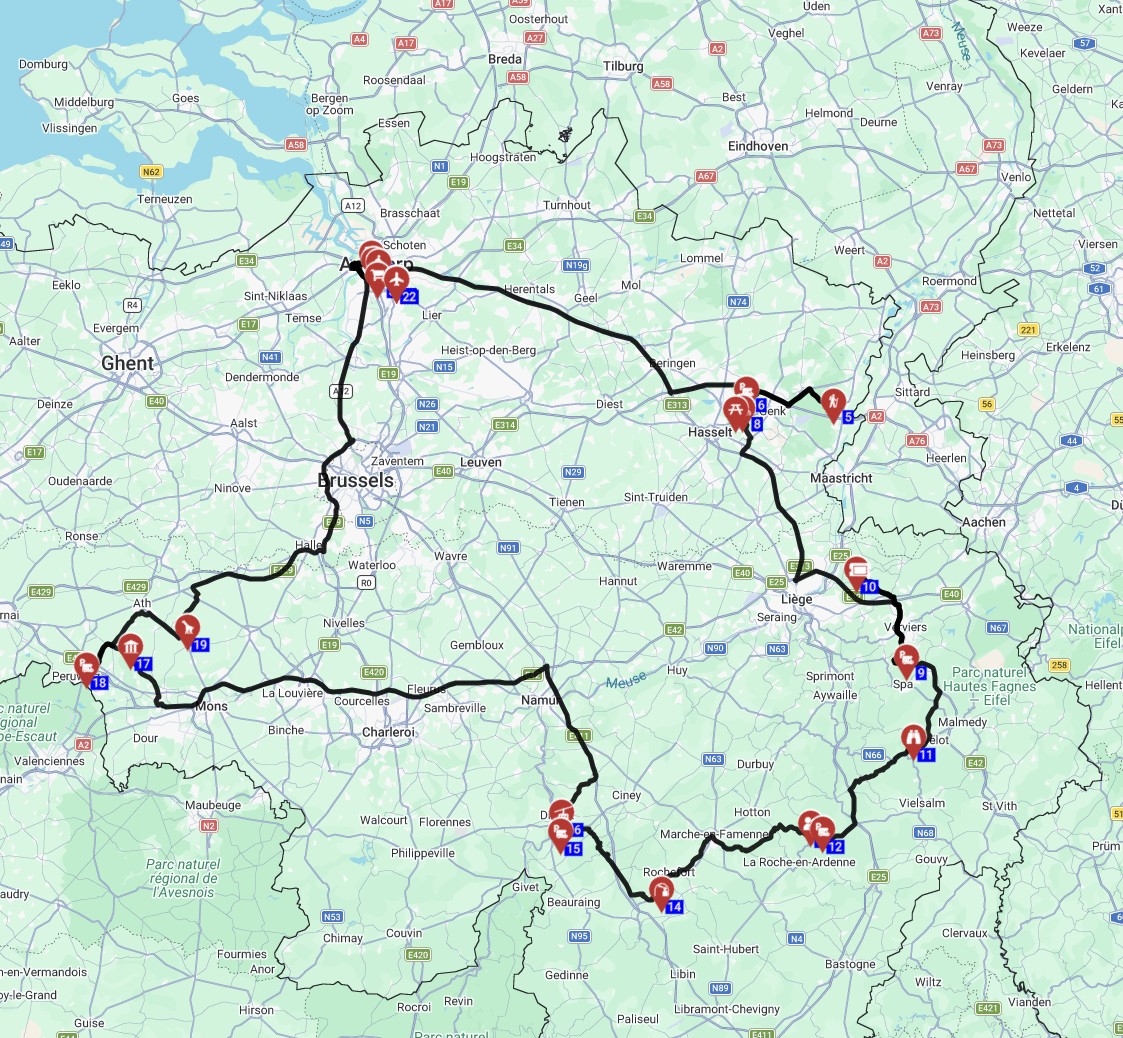
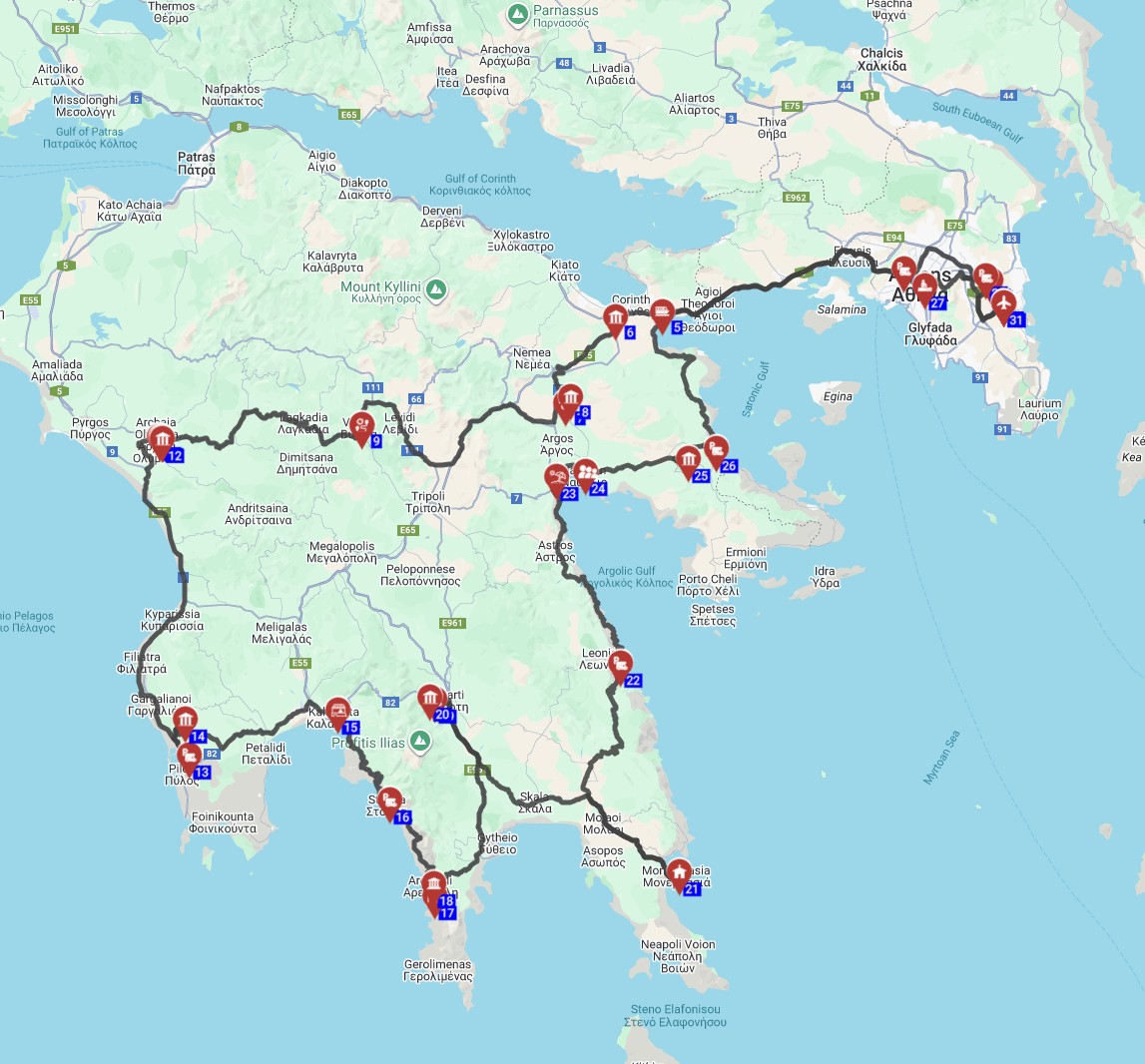
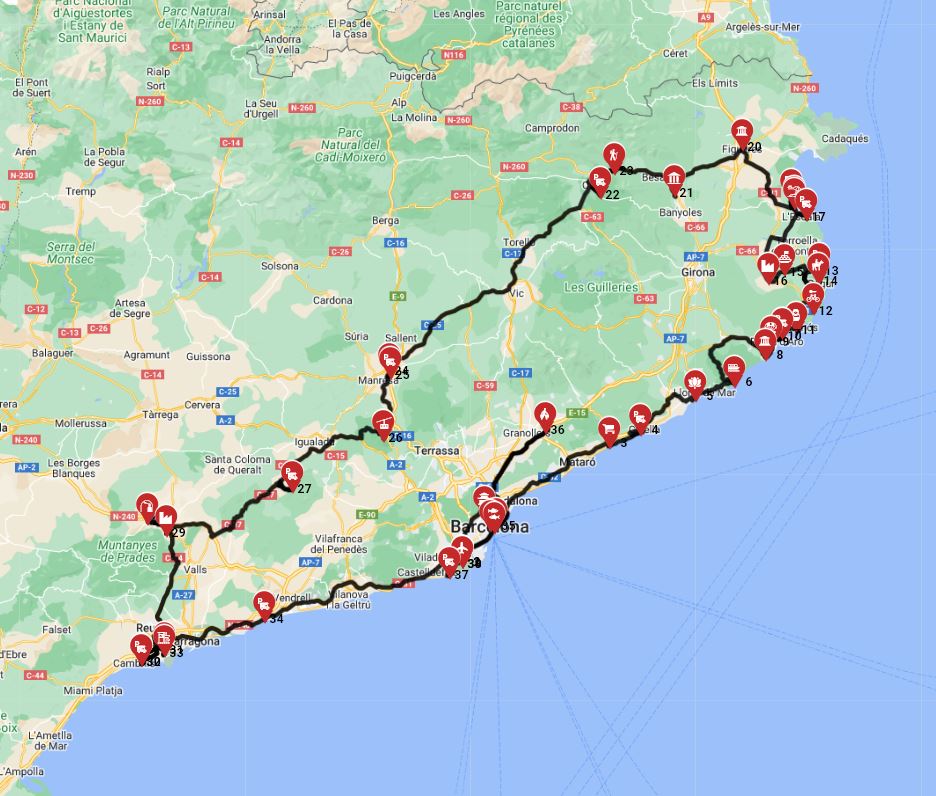
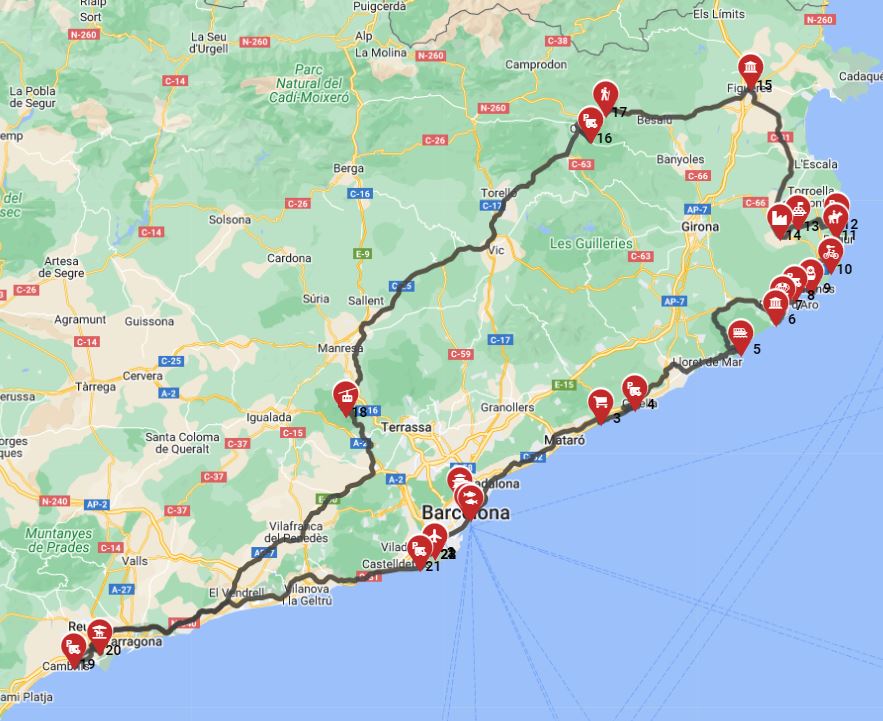
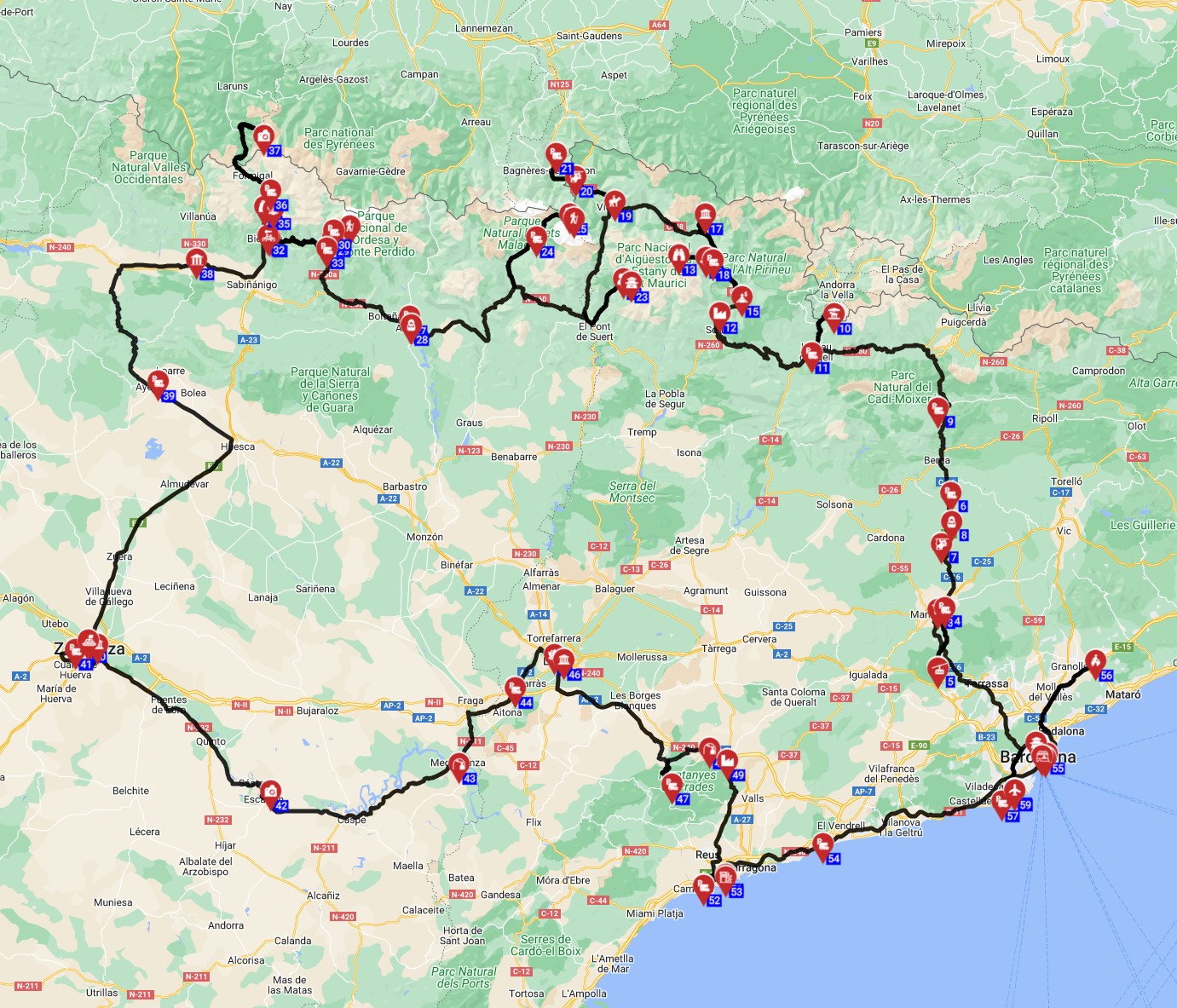
For an example of a comprehensive route that makes the most of long-stay camping, consider the "

Campground Types in Europe (National, Private, Wild)
Europe provides a spectrum of camping options, from fully-serviced private parks to basic national park sites and, in some areas, regulated wild camping. Private campgrounds often offer extensive amenities like electricity, water, waste disposal, showers, laundry, swimming pools, and Wi-Fi, varying significantly in price and luxury. National/Regional Park Sites tend to be more basic, focusing on natural beauty and outdoor access, sometimes with limited hookups but generally lower costs. Wild Camping/Freedom Camping legality varies drastically by country and even region within Europe; generally, it's either strictly prohibited (e.g., Netherlands, Croatia) or tolerated with restrictions (e.g., Scandinavia, Scotland) and almost always illegal in designated nature reserves or private land without permission. Always research local laws thoroughly to avoid fines, especially regarding vehicle restrictions, environmental zones, and overnight parking rules. For finding campsites and campgrounds during your trip, we recommend using RV PLANET (rvplan.net) - a great resource for locating available spots along your route.
Featured RV Park or Campground in Europe
While specific locations vary, an ideal European RV park, such as one might find in the Dolomites or on the Atlantic coast of France, typically offers a blend of comfort and access to nature. Look for parks with full hookups (electric, water, grey/black waste disposal), clean shower and toilet facilities, and often on-site laundry. Many top-rated sites include amenities like Wi-Fi, a small shop for essentials, a restaurant or snack bar, and perhaps even a swimming pool or playground. Location is key, with the best parks offering easy access to hiking trails, beaches, charming towns, or public transport to city centers, balancing convenience with a serene setting.
Hookups & Amenities - What to Expect
Most European campgrounds provide essential hookups, including electricity, fresh water, and waste disposal points for grey and black water. Electricity hookups expect 220-240V, typically requiring a CEE 7/4 (Schuko) or CEE 7/7 (French/Belgian) adapter, and often a long extension cable (25m is standard for many pitches). Fresh water taps are common at pitches or central points; dump stations are standard for emptying tanks. Wi-Fi is available at most private campgrounds, sometimes for an additional fee, but coverage and speed can be inconsistent, especially in more remote areas. On-site laundry facilities are prevalent, often coin-operated; showers and toilets are usually clean and modern, sometimes requiring tokens or a small fee for hot water. Many sites offer bakeries, small supermarkets, restaurants, swimming pools, and recreational areas, especially larger, family-friendly resorts. Having a well-equipped kitchen in your rented motorhome allows you to prepare delightful meals right on board. Check out our RV-friendly recipes playlist for inspiration!
Booking Windows & Reservations in Europe
For a weekly RV rental in Europe, booking campgrounds in advance is highly recommended, especially during peak season (June-August), national holidays, or for popular destinations. Planners should aim to book several months ahead for prime spots, particularly if your itinerary includes specific, high-demand locations or larger RV types. Spontaneous travelers can often find availability, especially outside peak season, by using apps like Park4Night or Campercontact to check same-day or next-day openings, but calling ahead before driving is always wise. Many national park campgrounds release only 25%-30% of spots for reservations, with the rest available first-come, first-served, offering a chance for those without bookings. You will almost certainly find a place-if not at the first campground, then the next one. Just call ahead before driving.
Nearby Supermarkets & Resupply Points
Resupplying your RV in Europe is generally convenient, with supermarkets widely available in most towns and cities. Look for major European chains like Carrefour, Lidl, Aldi, Tesco (UK), E.Leclerc, Rewe, or Intermarché, which often have ample parking suitable for RVs. Many campgrounds, especially larger ones, feature a small on-site shop for immediate necessities like fresh bread and local produce. Utilize navigation apps to locate nearby grocery stores and gas stations to plan your weekly provisions effectively, ensuring you're stocked for your journey. When planning your trip, consider that RV PLANET routes allow travelers to itemize and track every expense, including groceries and fuel, for easy budgeting.
Best RV Class for Camping in Europe
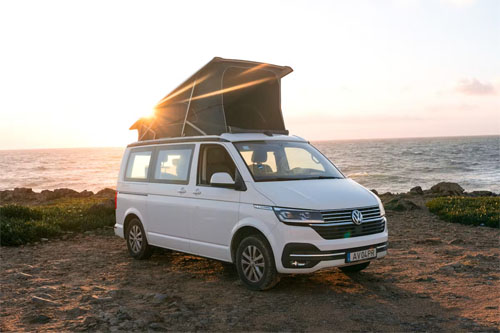
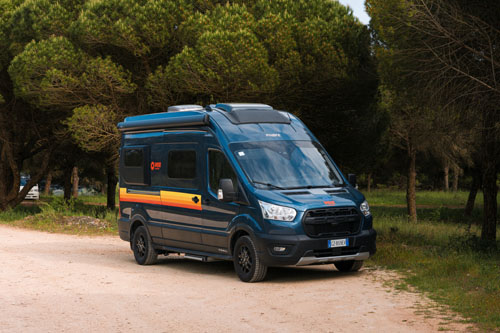
Choosing the right RV class for European camping depends on your travel style and the destinations you plan to visit, balancing comfort with maneuverability. Class B - Camper Vans are ideal for navigating narrow European roads and historic city centers; Bandana's Class B Camper Vans average 5.8 meters in length and are perfect for 2-3 adults with an average load capacity of 37 kg, offering excellent fuel efficiency (8-10 Liters/100 Km). They are best for stealth camping and basic hookups. The "luxury rv rentals example Carthago Malibu 600" is a great example of a compact campervan (5.99m length, 80L fridge, 2-burner stove) that makes European city exploration a breeze. Class SI - Semi-integrated, a popular choice for couples or small families, Bandana's Semi-integrated RVs average 6.9 meters in length, sleeping up to 3.8 people, and provide a good balance of living space and maneuverability, with an average load capacity of 72.2 kg. Fuel consumption is typically 10-11 Liters/100 Km, making them suitable for mixed camping with full hookups. For instance, the "Luxury Small" model, at 6.75m length, offers a 100L fridge and 3-burner stove, perfectly blending space and agility. Larger Class C (Alcove) or Class A (Integrated) motorhomes, averaging 7.5 meters, offer more space (sleeping up to 5.8 people), but can be challenging on smaller roads and in parking, best suited for well-equipped campgrounds and longer stays. Consider the "MHC24" with its 7.3m length, sleeping up to 6 people, 283L refrigerator, and 3-burner gas stove for larger groups seeking comfort at a full-service campground.
How to Save on Campgrounds in Europe
Saving money on European campgrounds is achievable with strategic planning and smart choices, making your weekly RV rental more economical. Campground discount cards like ACSI, ADAC, or CampingCard International, often provided by RV rental companies such as Bandana, can access significant off-season rates or special deals, sometimes offering savings of 10-30%. Booking your weekly rental during the spring or autumn months (shoulder season) typically results in lower campsite fees and fewer crowds. Municipal and Regional Campgrounds are often more budget-friendly than private resorts; they usually offer more basic amenities but at a considerably lower price point. Many campgrounds offer weekly rates that are more cost-effective than booking day by day, encouraging longer stays at a single location. If traveling in a group, inquire about sharing hookups or pitches, which can sometimes reduce individual costs.
Can you park a motorhome anywhere in Europe?
No, you cannot park a motorhome anywhere in Europe, as regulations regarding overnight parking and wild camping vary significantly by country and even local municipality. While short-term parking during the day is generally permitted where other vehicles are allowed, overnight stays in undesignated areas are often restricted or illegal. Countries like Germany, France, and Spain often have 'aires' or 'Stellplätze' – designated free or low-cost overnight parking areas specifically for motorhomes, typically without full hookups. Always check local signage and specific country laws; trespassing on private land or parking in protected natural areas without permission is universally prohibited and can lead to fines of €120 to €600, as seen in Portugal's stricter enforcement.
What is the 3-3-3 rule for RV travel?
The '3-3-3 rule' is a popular guideline for RV travel, particularly in North America, but it's a suggestion rather than a strict European regulation, advising travelers to stop driving after 3 PM, drive no more than 300 miles (or 300 kilometers for Europe), and stay for at least 3 nights. While not a formal rule, it promotes a relaxed pace, reduces travel fatigue, and allows more time to enjoy each destination, which can be beneficial for weekly RV rentals in Europe. However, navigating Europe's diverse geography, smaller countries, and extensive road networks often means daily distances might be shorter, and campsite availability could influence adherence to a 3-night stay. For European travel, a more flexible approach, perhaps focusing on driving for a maximum of 3-4 hours and ensuring you have a booked spot or a plan for overnight parking, might be more practical.
Where in France can we stop for the night in a campervan?
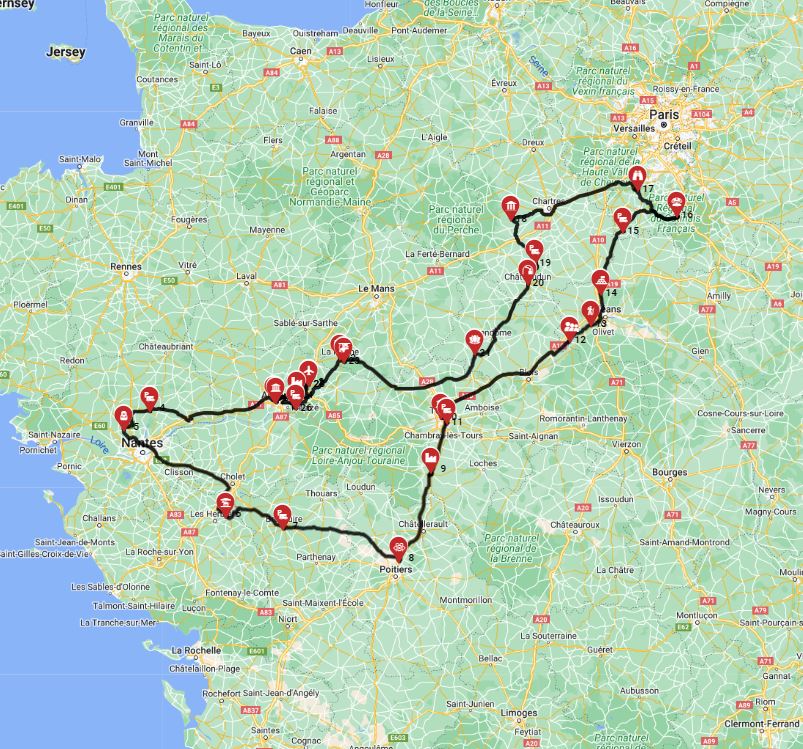
In France, campervan travelers can legally stop for the night in designated 'aires de camping-cars' (motorhome service areas), private campgrounds, and sometimes in municipal parking lots where signs permit. France boasts an extensive network of 'aires,' which range from simple parking spots to areas with basic services like water and waste disposal, many of which are free or very low cost. Using apps like Park4Night or Campercontact is highly recommended to locate legal overnight spots, including private properties that welcome campervans (France Passion is a popular network of farm/vineyard stays). Wild camping, or parking overnight outside designated areas, is generally tolerated but not explicitly legal, and is strictly prohibited in national parks, coastal areas, and private land without owner's permission; always look for signs indicating 'Interdit aux camping-cars' (no motorhomes). If you plan to rent a motorhome in France, consider exploring our "Toulouse Round trip - European Charms & Family Delights" route plan, a 15-day, 2088.7 km adventure that includes 4 traditional visits and 2 family activities, perfect for an immersive experience.
Which European country has the best campsites?
Determining which European country has the 'best' campsites is subjective, as preferences vary, but France, Germany, Italy, and the Netherlands consistently rank high for their quality and quantity of RV facilities. France is renowned for its vast network of 'aires' and high-quality private campsites, many with excellent amenities and picturesque locations, from coastal regions to vineyards. Germany offers 'Stellplätze' (motorhome pitches) that are often well-maintained, providing good value and easy access to natural parks and historic towns. Italy boasts stunning campsite locations, particularly around its lakes, coastlines, and in Tuscany, often with a focus on local food and family-friendly services. The Netherlands may be small, but its campsites are typically immaculately maintained, well-equipped, and family-oriented, reflecting a high standard of service.
What is the 444 rule for RV?
The '444 rule' for RV travel is another informal guideline, often cited in RV communities, suggesting that travelers should aim to stop driving by 4 PM, drive no more than 400 miles, and stay in each location for at least 4 nights. Similar to the 3-3-3 rule, the 444 rule is designed to promote a relaxed and safer travel experience, preventing driver fatigue and allowing ample time to explore destinations. For a weekly RV rental in Europe, adhering strictly to 400-mile days might be challenging or undesirable given shorter distances between attractions and slower speeds on some roads. While the spirit of taking your time is valuable, a flexible approach that prioritizes safe driving hours and enjoying your stops rather than fixed mileage or night counts is generally more practical for European itineraries.
Can you sleep anywhere in a campervan in Europe?
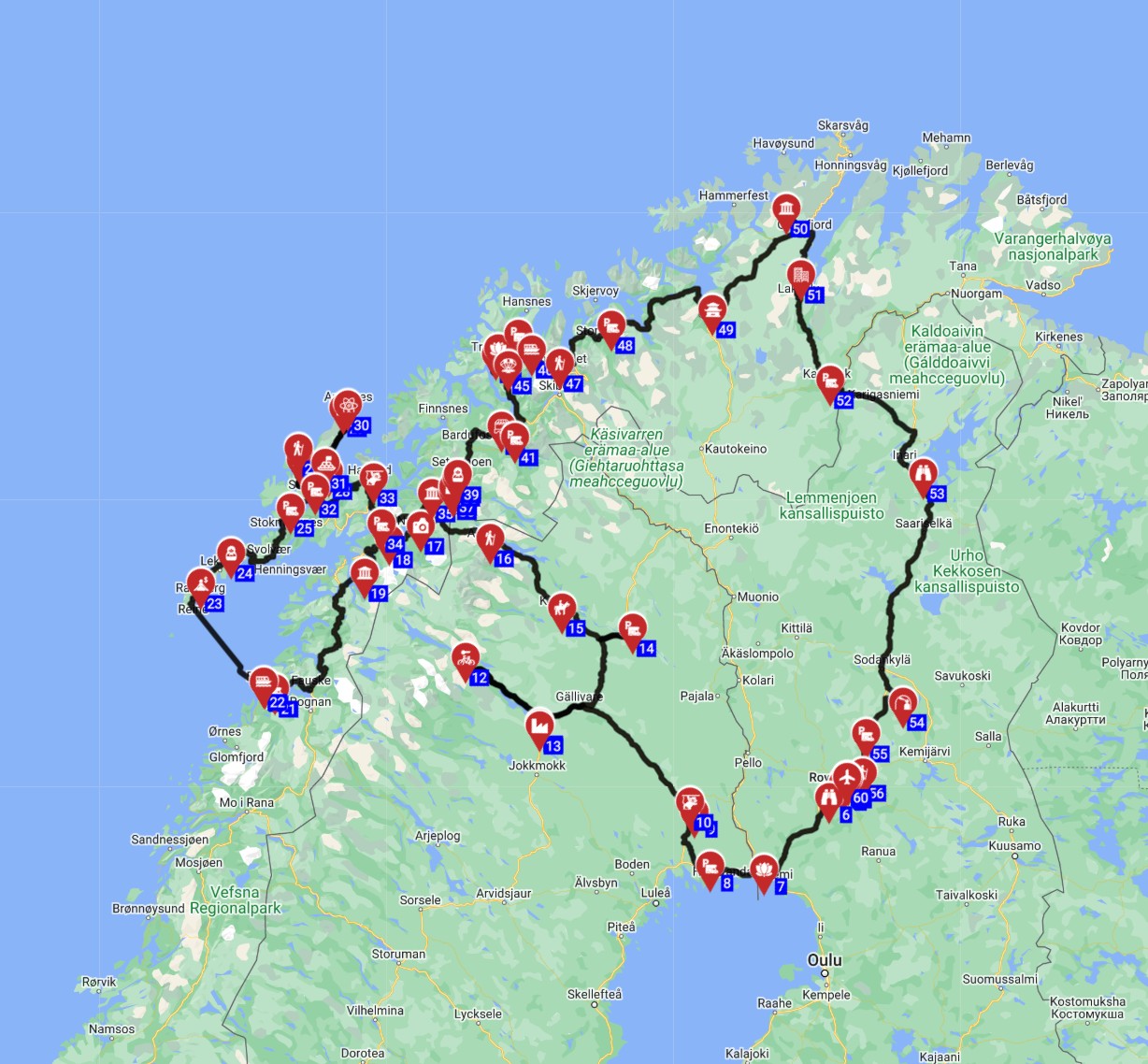
No, you cannot legally sleep anywhere in a campervan in Europe, as specific regulations for overnight stays and 'wild camping' differ significantly from one country to another and within local jurisdictions. While some Northern European countries like Norway, Sweden, and Finland have more permissive 'right to roam' laws that often extend to overnight vehicle stays in unpopulated areas, even there, restrictions apply to private land, national parks, and designated no-camping zones. In many Western and Southern European countries (e.g., Spain, Portugal, Italy, Croatia), wild camping or sleeping overnight outside designated campsites or 'aires' is often illegal or heavily restricted, particularly along coastlines, in tourist hotspots, and in nature reserves. Always rely on official signage, local tourism information, and reputable apps like Park4Night to identify legal and safe overnight parking or camping spots, and be prepared to pay for designated sites to avoid fines or unwelcome encounters. Our "
What You Shouldn't Miss
- **The Dolomites Road Trip, Italy:** Drive through some of Europe's most stunning mountain scenery, stopping at charming alpine villages and taking scenic cable car rides.
- **The Wild Atlantic Way, Ireland:** Experience rugged coastal beauty, ancient ruins, and vibrant traditional music in pubs along this iconic 2,500 km route.
- **Alsace Wine Route, France:** Explore picturesque vineyards and fairytale towns like Colmar and Riquewihr, enjoying local wines and gastronomy.
- **Plitvice Lakes National Park, Croatia:** Marvel at the cascading turquoise lakes and waterfalls, easily accessible with a rented RV, offering breathtaking natural beauty.
- **Norwegian Fjords, Norway:** Cruise through majestic fjords, hike scenic trails, and experience the midnight sun (or northern lights) in a campervan.
- Looking for expert insights from Avi Bandana? Top 5 Adventures - recommendations from Avi Bandana.
Final Thoughts
An extended road trip through Europe in a rented RV or campervan offers an incredible opportunity for discovery and immersion. From the bustling cities to the tranquil countryside and dramatic coastlines, the continent's RV-friendly infrastructure makes long-stay camping not just possible, but genuinely enjoyable. Remember, the key to a successful journey is a balanced approach to planning: secure your vehicle and general route in advance, but leave room for spontaneous detours and local discoveries.
At Bandana RV, we're dedicated to making your RV rental experience in Europe as smooth and transparent as possible. Our commitment to full transparency, 24/7 pre-booking support, and specialist knowledge means you can embark on your adventure with confidence, knowing we're with you every step of the way, from comparing options to confirming your booking. We handle the details, you live the journey - personal service from day one until your booking is confirmed. God is in the small details, and we take care of them. That's what makes the big difference.
So, why wait? Start imagining your perfect week-long or extended RV trip in Europe. The open road, breathtaking scenery, and unforgettable memories are calling!
🎬 Video coming soon