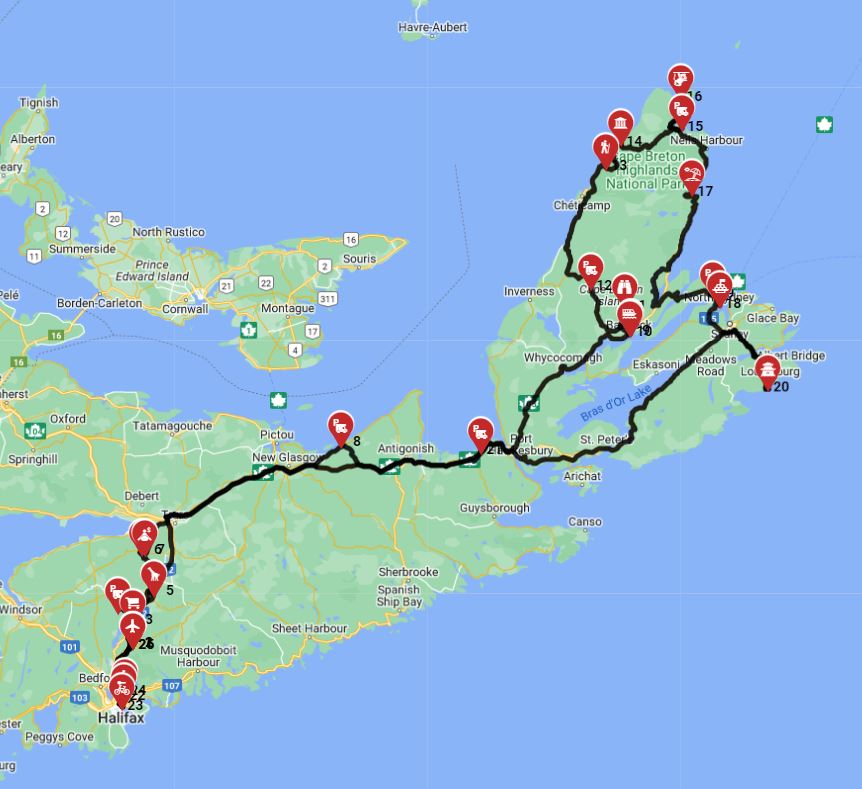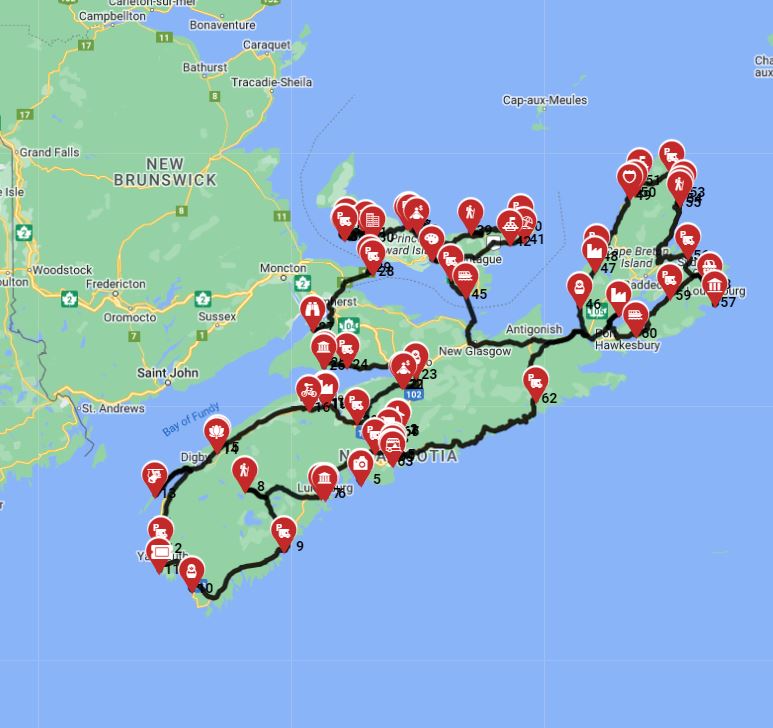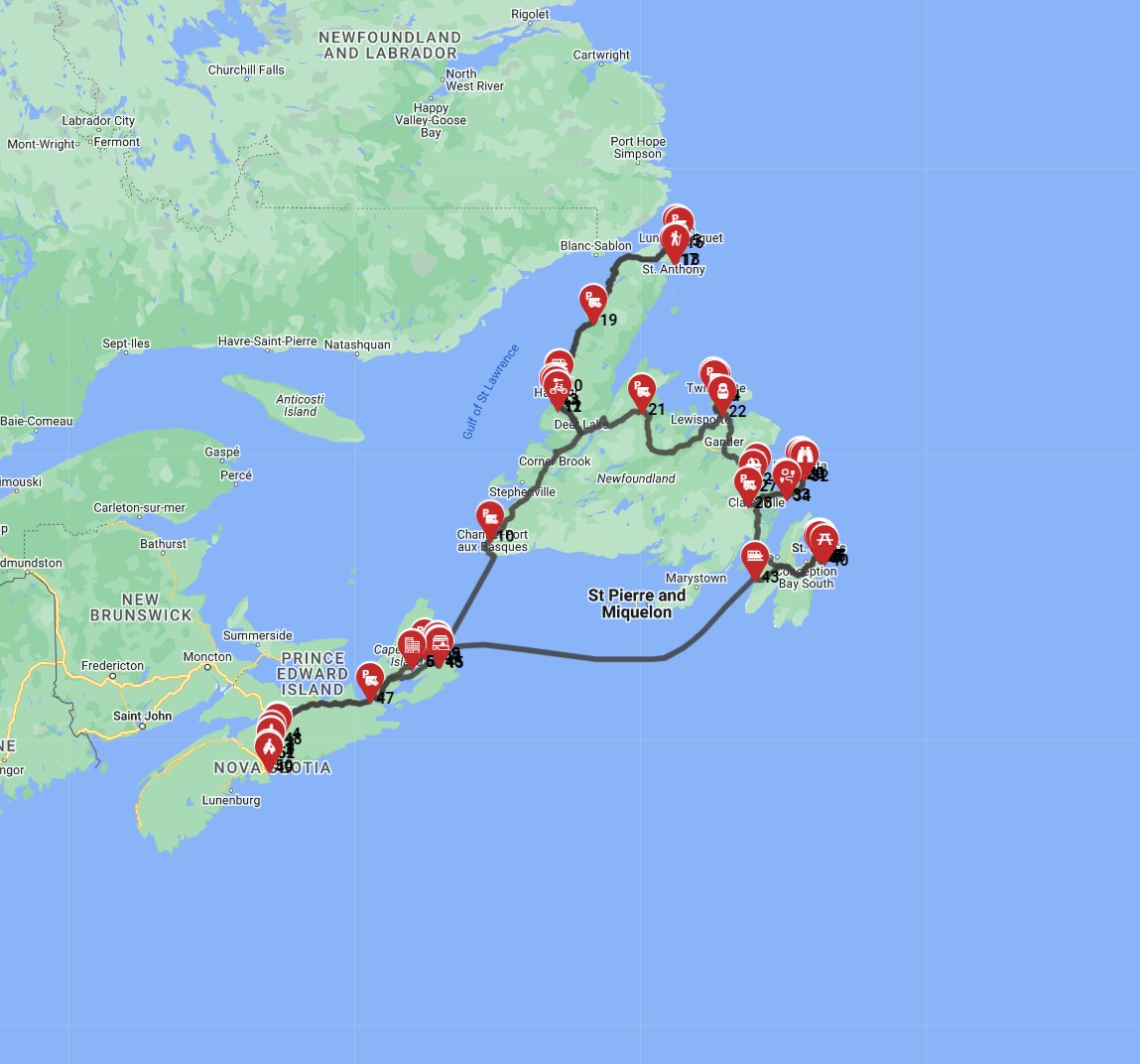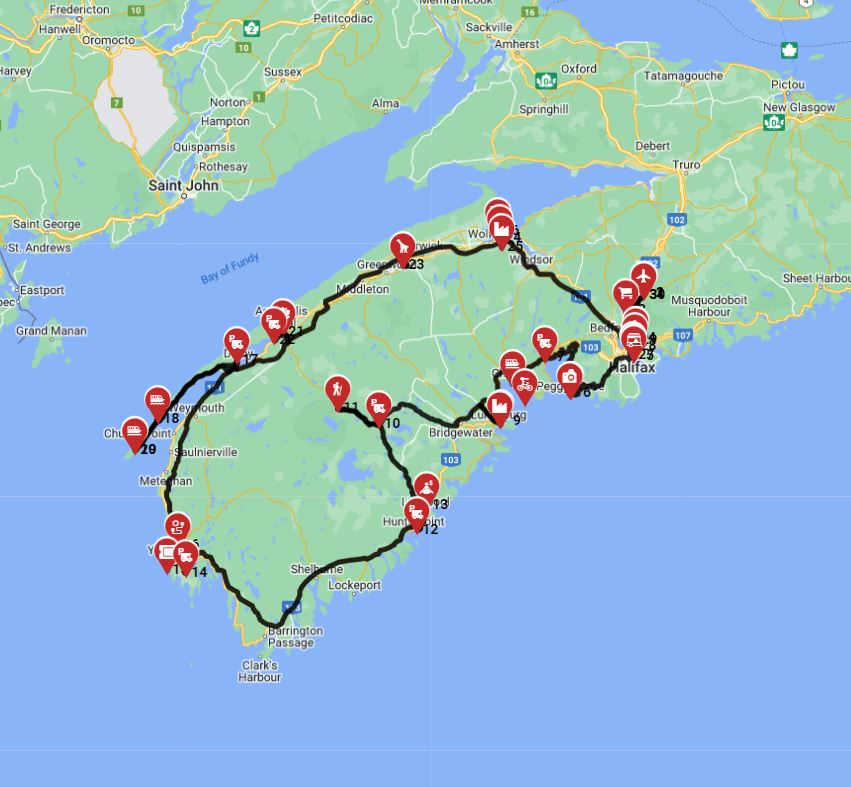
For live availability and current prices, start with our RV Rental East Canada - Complete Guide 2026 guide.
In This Guide
- Where to Camp in East Canada — Top Options
- Campground Types in East Canada (National, Private, Wild)
- Featured RV Park or Campground in East Canada
- Hookups & Amenities — What to Expect
- Booking Windows & Reservations in East Canada
- Nearby Supermarkets & Resupply Points
- Best RV Class for Camping in East Canada
- How to Save on Campgrounds in East Canada
- Where can I park my RV for free in Canada?
- What is the 3-3-3 rule for RV travel?
- Can you park up anywhere in an RV in Canada?
- What are the best campgrounds on the East Coast of Canada?
- Can a US citizen go camping in Canada?
- Wildlife Safety and Emergency Preparedness in East Canada
- What does FF mean in camping?
- What is the 10-year rule for RVs in Canada?
- Do you need to book campsites in Canada?
Where to Camp in East Canada — Top Options
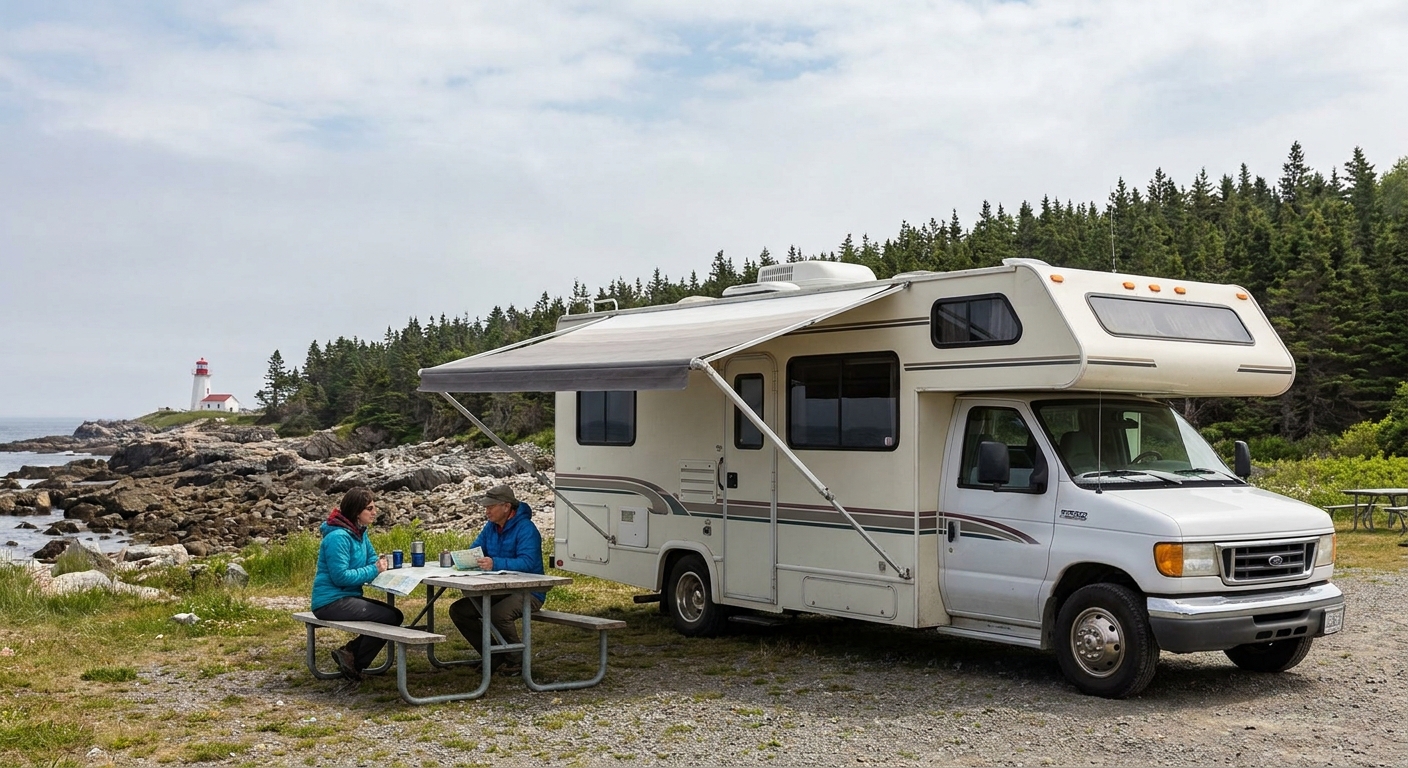
East Canada offers a diverse range of camping experiences, from rugged coastal vistas to serene wilderness retreats. Popular choices for RV travelers include Fundy National Park in New Brunswick, celebrated for its dramatic tidal shifts and extensive forest trails. Cape Breton Highlands National Park in Nova Scotia provides breathtaking ocean panoramas along the iconic Cabot Trail, making it a must-visit for those with a rented RV. Prince Edward Island's provincial parks, such as Cavendish, boast beautiful beaches and family-friendly amenities, perfect for a week-long RV trip. Kouchibouguac National Park in New Brunswick features warm ocean beaches, sheltered lagoons, and a well-developed cycling network, offering a unique blend of relaxation and activity for RV adventurers.
Campground Types in East Canada (National, Private, Wild)
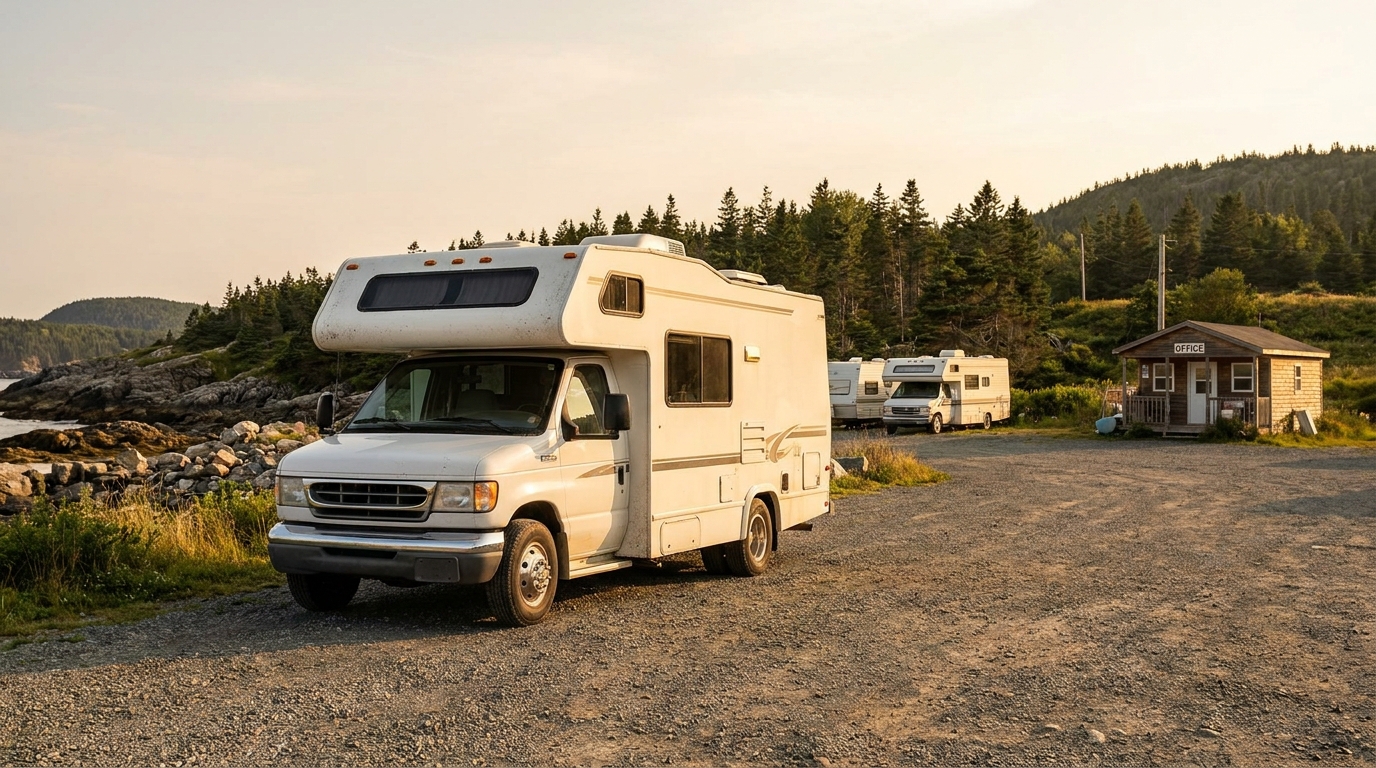
Understanding the different types of campgrounds available is key to planning your East Canada RV adventure. National Parks, managed by Parks Canada, offer meticulously maintained sites, engaging educational programs, and access to unparalleled natural beauty. Due to their popularity, booking well in advance, often starting in January or February for the summer season, is essential for securing a spot in these prime locations. Provincial Parks, operated by each East Canadian province (Nova Scotia, New Brunswick, Prince Edward Island, and Newfoundland & Labrador), provide a varied selection of serviced and unserviced sites, generally at a more accessible price point than national parks. Private Campgrounds typically offer a wider array of amenities, including full hookups, Wi-Fi, laundry facilities, swimming pools, and are often geared towards a resort-style experience. For the more adventurous, 'Wild Camping' or 'Boondocking' on Crown land is permitted in many parts of Canada, including East Canada, where it's not explicitly prohibited. However, it's crucial to research specific provincial land use regulations and always check for 'No Trespassing' signs on private property. Some rest areas or even specific business parking lots may permit overnight RV parking, but always seek permission first.
Featured RV Park or Campground in East Canada
While specific campground recommendations can change with new developments, the ideal featured RV park in East Canada often balances stunning natural surroundings with essential modern amenities. Look for parks that offer spacious sites, are conveniently located near local attractions for easy day trips, and provide necessary services like full hookups, clean washrooms, and recreational facilities to enhance your weekly RV rental experience. Consider the ease of access for your specific RV size, proximity to towns for resupply missions, and any unique features like direct beachfront access or immediate proximity to hiking trails. Reading recent reviews from fellow travelers is invaluable for selecting a featured park that truly matches your expectations for a comfortable and memorable East Canada RV journey.
Hookups & Amenities — What to Expect
Most RV campgrounds across East Canada provide a comprehensive range of hookup options to ensure your comfort. You can typically expect electrical hookups with standard amperage services (15, 30, or 50 amp), direct water connections, and sewer hookups, often collectively referred to as 'full hookups.' Dump stations for managing grey and black water are widely available at most campgrounds and sometimes at dedicated service plazas or truck stops. Potable water access is generally excellent at serviced sites; however, if you plan on boondocking, it's essential to map out your water refill points in advance. Common campground amenities usually include clean restrooms, hot showers, laundry facilities, picnic tables, and fire rings for those classic campfire evenings. Keep in mind that Wi-Fi can be inconsistent in more remote areas of East Canada, particularly within national or provincial parks, so it's advisable not to rely solely on campground Wi-Fi for critical connectivity. Cell service can also be spotty outside of major towns and along highways, especially in wilderness areas of Newfoundland, Labrador, or rural New Brunswick and Nova Scotia. Downloading offline maps and considering an emergency communication device is a wise precaution. For your convenience, Canadian electrical outlets are the same as those in the US (120V), so adapters are usually not needed for US-spec RVs, though specific adapters for 30A or 50A RV pedestals might be necessary. On the routes offered through RV PLANET routes, you can itemize and track every expense along the way for easy budgeting.
Booking Windows & Reservations in East Canada
For a seamless weekly RV rental experience in East Canada, planning well in advance is highly recommended, particularly if your travel dates fall within the peak summer season (July and August) or the popular fall foliage period (September to early October). Many national park campgrounds release their reservations months ahead, often in January or February for the upcoming summer season, and these prime spots can book up within minutes. It's common for national and provincial parks to offer only 25%–30% of their sites for reservations, with the remainder available on a first-come, first-served (FCFS) basis. This provides an opportunity for spontaneous travelers to find a spot, although it might require visiting multiple campgrounds to secure one. Always verify availability by calling ahead before driving to a campground, especially if you are relying on FCFS sites. Additionally, securing ferry reservations to islands like Prince Edward Island or Newfoundland for your RV is critical, especially for larger vehicles and during high season, as space is strictly limited.
Nearby Supermarkets & Resupply Points
When you're out exploring East Canada in your rented RV, you'll find plenty of convenient opportunities to replenish your groceries and other essentials. Major grocery store chains such as Sobeys, Atlantic Superstore, and Walmart are readily available in larger towns and cities, offering a wide selection of products. Smaller communities often have independent grocery stores or general stores, though the variety might be more limited. It’s a wise strategy to stock up on staples and non-perishables when you're in a larger center, especially before heading into more remote or rural areas where options will be significantly scarcer. Don't miss out on farmer's markets, which are excellent sources for fresh, local produce and unique regional items, typically available during the summer and fall months.
Best RV Class for Camping in East Canada
The ideal RV class for your East Canada camping trip largely depends on your travel style, group size, and preferences for comfort versus maneuverability. Class B camper vans, averaging around 5.8 meters in length and accommodating approximately 3.2 people, are fantastic for solo travelers or couples, offering excellent agility on winding coastal roads and making parking in towns and smaller campsites a breeze. They are also quite fuel-efficient, typically consuming 8-10 liters per 100 km. Class C motorhomes, with an average length of 7.5 meters and sleeping capacity for around 5.8 people, are a great choice for families, providing more living space and sleeping arrangements while remaining manageable on most Canadian roads, with fuel consumption typically between 10-12 liters per 100 km. For those seeking the ultimate in luxury and space, Class A motorhomes, also averaging 7.5 meters in length but accommodating around 4.4 people, offer the most spacious and well-appointed experience, though their size might restrict access to some smaller or more remote campgrounds. If you're looking for a balance of comfort and practicality, consider a semi-integrated RV (Class SI), which offers more amenities than a campervan without the bulk of a larger motorhome.
How to Save on Campgrounds in East Canada
Making your East Canada RV trip more budget-friendly is achievable with smart campground strategies, especially when you're renting an RV for a week or more. Utilize campground discount cards if available, as they can offer substantial savings on daily or weekly rates at participating private campgrounds. Traveling during the shoulder seasons, such as May to June or September to October, often means lower rates and fewer crowds, contributing to a more relaxed and economical experience. Consider opting for municipal or regional campgrounds over private resorts or national parks, as they usually provide essential amenities at a more affordable price point. Many campgrounds offer discounted weekly rates, making longer stays (3+ nights or a full week) more economical than booking individual nights. If you're traveling with another RV, investigate campgrounds that permit sharing hookups, as some sites are designed to accommodate multiple vehicles splitting services. Finally, unserviced or partial hookup sites (water and electric only) are typically cheaper than full hookup sites, offering a good way to save if you don't require all the amenities.
Where can I park my RV for free in Canada?
Finding free RV parking in East Canada is possible, primarily through dispersed camping on Crown land where permitted, utilizing certain rest areas, or parking overnight in designated lots of specific businesses. Large tracts of undeveloped Crown land across provinces like Nova Scotia, New Brunswick, and Newfoundland & Labrador are often available for dispersed camping, also known as 'boondocking' or 'wild camping.' It is vital, however, to research the provincial land-use regulations and ensure you are not trespassing on private property or within protected areas. Some provincial rest areas and truck stops may allow overnight RV parking, but policies can vary, so always check signage or inquire locally. Many Walmart locations across Canada are known to permit overnight RV parking as a courtesy to travelers, though this is at the discretion of individual store managers, making it essential to call ahead or ask in person before settling down. Regardless of where you choose to park for free, always practice Leave No Trace principles and be prepared to be entirely self-sufficient without hookups or amenities.
What is the 3-3-3 rule for RV travel?
The 3-3-3 rule is a popular guideline for RV travel that promotes a more enjoyable and safer road trip. It suggests driving no more than 300 miles (approximately 500 km) or for a maximum of 3 hours per day, and aiming to arrive at your campsite by 3 PM. This approach encourages shorter driving days, which helps reduce fatigue and turns the journey itself into a part of the vacation. Arriving by 3 PM allows ample time to set up your rented RV, explore the campground, and relax before dusk, avoiding the stress of navigating and setting up in the dark. While not always strictly followed for weekly rentals, the 'stay for 3 nights' element promotes slower travel, giving you more time to truly experience an area, manage laundry, and avoid constant packing and unpacking. This rule is particularly beneficial for those exploring the diverse and scenic landscapes of East Canada, ensuring a more leisurely pace and enhancing both safety and overall enjoyment for everyone aboard.
Can you park up anywhere in an RV in Canada?
No, you cannot legally park an RV just anywhere in Canada. Overnight parking legality hinges on property ownership (private versus public) and specific municipal or provincial regulations. You cannot park on private land without the owner's explicit permission. While dispersed camping on Crown land is often permitted in East Canada, it's not universal, and specific regulations regarding duration, environmental impact, and prohibited areas apply by province and region. Many cities and towns also have bylaws that prohibit overnight RV parking on public streets or in municipal lots. Overnight parking is strictly limited to designated campsites within national and provincial parks, requiring reservations or a first-come, first-served spot. Always research local rules and look for signs indicating 'No Overnight Parking' or 'No Camping' to avoid potential fines or being asked to move.
What are the best campgrounds on the East Coast of Canada?
The best campgrounds on the East Coast of Canada often impress with a combination of stunning natural beauty and excellent amenities, catering to a wide range of preferences, from rugged wilderness experiences to family-friendly resorts. In New Brunswick, Fundy National Park is renowned for the world's highest tides and offers several campgrounds like Headquarters, Point Wolfe, and Chignecto, providing varied services and access to hiking and tidal exploration. Nova Scotia's Cape Breton Highlands National Park, which features spectacular ocean and mountain views along the Cabot Trail, has campgrounds such as Broad Cove and Chéticamp, offering services and access to trails and cultural experiences. Prince Edward Island National Park's Cavendish Campground is situated near PEI's famous red sand beaches, offering serviced sites, beach access, and proximity to popular family attractions. New Brunswick's Kouchibouguac National Park, known for its warm ocean beaches, lagoons, and extensive cycling network, includes campgrounds like South Kouchibouguac. Finally, Newfoundland & Labrador's Terra Nova National Park offers a blend of forest and marine environments with campgrounds like Newman Sound, ideal for exploring fjords and marine life.
Can a US citizen go camping in Canada?
Yes, US citizens can absolutely go camping in Canada, provided they adhere to Canadian border crossing procedures, customs regulations, and carry the necessary documentation. A valid passport is required for all US citizens entering Canada by land, air, or sea, and it's important to ensure your RV's registration and your driver's license are current. Be prepared to declare all goods, including food, alcohol, and tobacco, as there are strict limits on duty-free importation. Firearms, mace/pepper spray (unless specifically for wildlife deterrents with precise legal criteria), and certain agricultural products or firewood are restricted or prohibited to prevent the spread of invasive species. For pet travel, you'll need proof of rabies vaccination (certificate must be in English or French) and should consider a health certificate from your vet. Be mindful of food restrictions; generally, commercially packaged and sealed foods are safer. If your travel plan includes ferries to islands like PEI or Newfoundland, be aware of specific booking requirements and potential vehicle restrictions, ensuring your RV meets size and weight limits.
Wildlife Safety and Emergency Preparedness in East Canada
Camping in East Canada's diverse natural environments means you'll likely encounter wildlife, making preparedness for both safety and emergencies crucial. Always practice bear-aware protocols by storing food, garbage, and scented items securely in bear-proof containers or locked within your RV, and never feed wildlife. Carrying bear spray and knowing how to use it is essential when venturing into designated wilderness areas. Be extremely cautious when driving, especially at dawn, dusk, and night, as moose and deer are prevalent on roads and can cause serious accidents due to their size; always maintain a safe speed. For emergency preparedness, ensure you have a well-stocked first-aid kit, emergency food and water, a flashlight, blankets, and a reliable way to signal for help, such as a whistle or satellite messenger for remote travel. Remember that cell service can be unreliable in many remote parts of East Canada, so inform someone of your itinerary, particularly if you plan to venture off main routes. Fire safety is paramount; always respect fire bans, keep campfires small and contained, and ensure they are completely extinguished before leaving or going to sleep. Lastly, check yourself and your pets for ticks after hiking in grassy or wooded areas, especially during spring and summer, to prevent potential Lyme disease transmission.
What does FF mean in camping?
In the context of camping, 'FF' is a common abbreviation that typically stands for 'Full Hookups.' This signifies a campsite that provides all three primary utility connections essential for RV convenience: water, sewer, and electricity. Having a water hookup means direct access to potable (drinkable) water at your site, eliminating the need to frequently refill your fresh water tank. A sewer hookup allows you to connect your RV's waste tanks directly to the campground's sewer system, enabling continuous draining of both black and grey water. Finally, an electrical hookup provides a power pedestal at your site, typically offering 15, 30, or 50 amp service to power your RV's appliances and keep batteries charged. Full hookup sites are generally the most sought-after and the most expensive, offering the comforts of home and greatly simplifying extended stays.
What is the 10-year rule for RVs in Canada?
The '10-year rule' for RVs in Canada is a policy implemented by some private campgrounds, particularly those aiming for a more upscale or resort-like atmosphere, which restricts entry to RVs older than 10 years. The primary purpose of this rule is to maintain the aesthetic quality, perceived value, and overall tidiness of the campground, ensuring that all RVs present appear well-maintained. While this rule is not universally applied across all Canadian campgrounds, it is more commonly encountered in popular tourist destinations or private parks. It is always advisable to check a campground's specific policies when booking, especially if your RV is approaching or exceeds the 10-year mark. Some campgrounds may offer exceptions for older RVs that are exceptionally well-maintained, possess vintage charm, or are custom-built; this often requires submitting photos or discussing directly with management. Fortunately, national and provincial parks in East Canada generally do not enforce a '10-year rule,' focusing instead on the general condition of the RV rather than its age.
Do you need to book campsites in Canada?
Yes, booking campsites in Canada is highly recommended, particularly during the peak season which runs from July through August, or if your plans include visiting popular national or provincial parks in East Canada. During these high-demand periods, campgrounds can fill up completely, especially on weekends and holidays. Reserving your spot well in advance—often many months ahead for national parks—is the best way to guarantee your desired location. While many campgrounds do reserve a portion of their sites for first-come, first-served (FCFS) visitors, offering an option for spontaneous travelers, availability is never guaranteed. For private campgrounds, while they might offer more flexibility for last-minute bookings compared to public parks, reservations are still strongly advised, especially if you have specific amenity requirements or are seeking a full hookup site. For a stress-free weekly RV rental trip, securing your campsites ahead of time is the key to a smoother and more enjoyable travel experience.
What You Shouldn't Miss
- Drive the Cabot Trail in Nova Scotia: This world-renowned scenic drive offers unparalleled coastal vistas, charming fishing villages, and access to hiking trails in Cape Breton Highlands National Park.
- Witness the Bay of Fundy Tides: Visit Hopewell Rocks or Fundy National Park in New Brunswick to experience the dramatic rise and fall of the world's highest tides – a truly awe-inspiring natural phenomenon best viewed from your RV base.
- Explore Prince Edward Island's Red Shores: Take your rented RV across the Confederation Bridge to PEI and drive along its iconic red dirt roads, visiting sites like Green Gables Heritage Place and the beautiful beaches.
- Discover Newfoundland's rugged coastlines: Drive your RV along Newfoundland's dramatic coastlines, perhaps venturing into Gros Morne National Park for stunning fjord-like landscapes and opportunities for whale watching.
- Experience the Fall Colors: If traveling in autumn, aim for the foliage season in New Brunswick, Nova Scotia, or Quebec for spectacular RV-accessible drives through forests ablaze with color.
- Visit Historic Halifax: Explore Nova Scotia's capital city, Halifax, with its rich maritime history, vibrant waterfront, and excellent seafood, all easily accessible with your motorhome.
Final Thoughts
Embarking on an RV adventure in East Canada offers an unparalleled opportunity to connect with nature, discover charming coastal towns, and immerse yourself in the region's rich culture. From the dramatic tides of the Bay of Fundy to the scenic beauty of the Cabot Trail, your rented RV becomes your gateway to unforgettable experiences.
Remember that planning is key, especially for popular parks and peak seasons. By booking in advance and utilizing resources like RV PLANET (rvplan.net) for route planning and site selection, you can ensure a smooth and enjoyable journey. We are committed to making your RV rental experience as transparent and stress-free as possible, so you can focus on what truly matters: creating lasting memories on the open road.
Ready to start planning your East Canada RV escapade? Explore our wide selection of motorhomes and campervans to find the perfect fit for your adventure. Discover top destinations, planning tips, and inspiration all in one place! Get inspired for your next trip!