In This Guide
- Where to Camp in Chile - Top Options
- Campground Types in Chile (National, Private, Wild)
- Featured RV Park or Campground in Chile
- Hookups & Amenities - What to Expect
- Booking Windows & Reservations in Chile
- Nearby Supermarkets & Resupply Points
- Best RV Class for Camping in Chile
- How to Save on Campgrounds in Chile
- How much does it cost to rent an an RV in Chile
- Is it easy to drive an RV in Chile
- What do you need to rent an RV in Chile
- Is Chile safe for RV travel
- What is the best month to RV in Chile
- Can you just pull over and sleep anywhere in an RV in Chile
- Do I need a 4x4 for Carretera Austral
Embarking on a weekly RV camping adventure in Chile offers unparalleled freedom to explore one of the world's most geographically diverse countries, from arid deserts to glacial fjords. Imagine waking up to a new, breathtaking view each morning, with your mobile home providing all the comforts you need. Whether you're a seasoned RVer or a first-timer, Chile's vast landscapes are perfectly suited for extended road trips, allowing you to immerse yourself in local culture and stunning nature at your own pace. For live availability and current prices, start with our RV Rental Chile - Complete Guide 2026 guide. We believe in full transparency, which means no hidden fees or surprises throughout your booking process with Bandana RV.
Where to Camp in Chile - Top Options
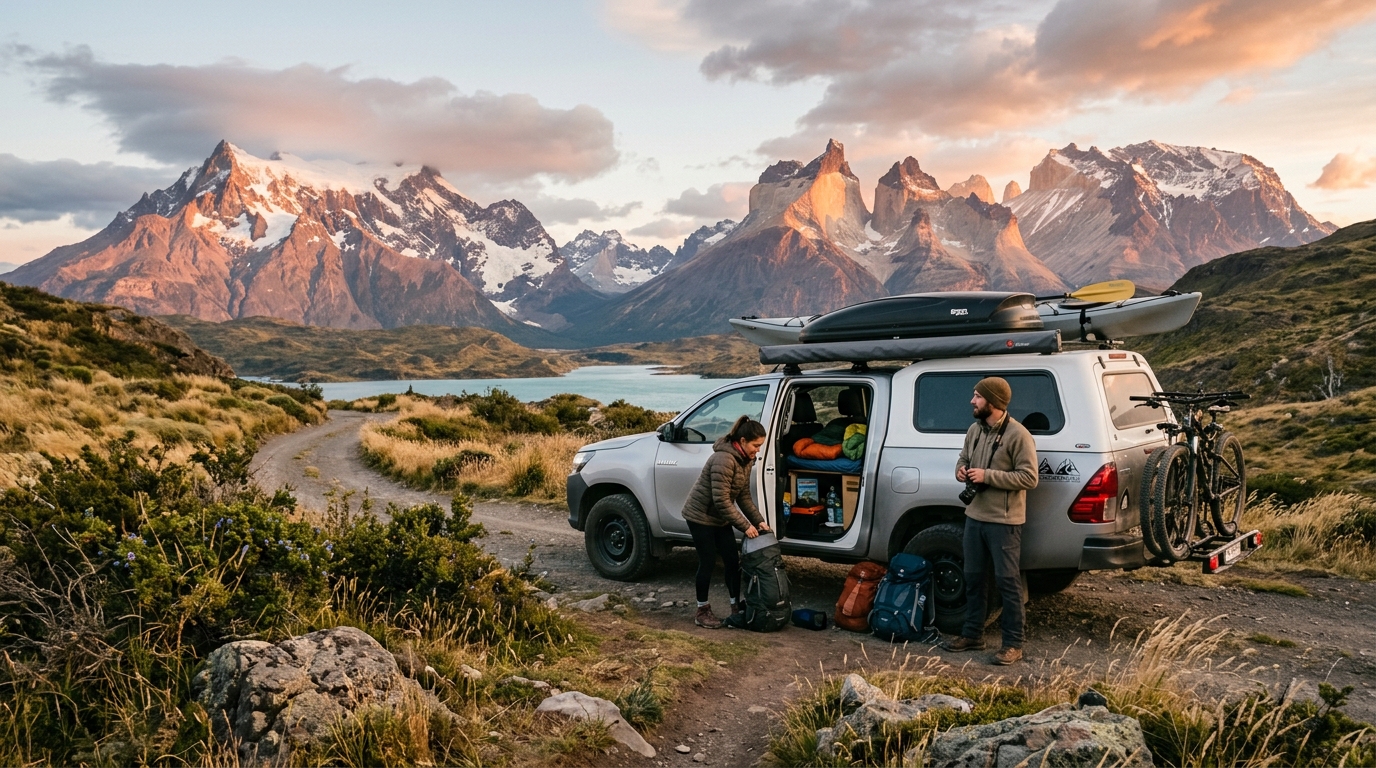
Chile offers diverse RV camping experiences ranging from well-equipped private parks to rustic national park sites and permitted wild camping spots across regions like Patagonia, the Lakes District, and the Atacama Desert. Patagonia, particularly around the Torres del Paine area, provides breathtaking scenery with a mix of national park and private campgrounds, often requiring advance booking during peak season (December to February) due to high demand. Further north, the Lakes District, encompassing popular spots like Pucón or Puerto Varas, boasts abundant private campgrounds with comprehensive amenities, frequently situated near active volcanoes and serene hot springs. Meanwhile, the Atacama Desert region has fewer developed RV parks but offers unique opportunities for permitted wild camping, necessitating a self-sufficient approach from travelers.
For those interested in exploring the southern routes, searching for "Weekly RV Camping in Chile - Long-Stay Sites 2026" on rvplan.net will help you discover suitable long-term camping options that cater to your itinerary. Our direct partnerships with over 50 leading RV suppliers worldwide, including trusted names, ensure you have a wide range of rented motorhomes and campervans to choose from for your Chilean adventure.
Campground Types in Chile (National, Private, Wild)
Chile provides three primary types of camping experiences: national park campgrounds, private campgrounds, and opportunities for wild camping, each with distinct features and regulations to consider for your weekly RV rental. National Park Campgrounds, operated by CONAF, are often basic with limited amenities such as pit toilets and typically no electrical hookups; they emphasize immersion in nature and may require advance reservations, especially for popular parks like Torres del Paine which often reserve only 25-30% of spots. Private Campgrounds, usually found in more populated areas and tourist zones, offer a wider range of amenities like full hookups (electric, water, dump stations), hot showers, laundry facilities, and sometimes Wi-Fi; these are generally more expensive but provide greater comfort for longer stays. Wild Camping or Boondocking, while not explicitly illegal nationwide, is subject to specific local regulations and private property laws; it is generally tolerated in remote, non-private areas with discretion, adhering to leave no trace principles, and prioritizing safety by avoiding highly visible or restricted zones. On the routes offered through RV PLANET routes, you can itemize and track every expense along the way for easy budgeting.
When planning your route, exploring "RV Rental Chile - Prices and Best Deals 2026" can help you budget for different campground types. Remember, our goal is to provide honest and transparent information, ensuring you understand exactly what to expect from various camping options.
Featured RV Park or Campground in Chile
When choosing an RV park in Chile for your weekly adventure, travelers should prioritize locations that balance stunning natural access with essential amenities tailored to their long-stay needs. It is important to look for campgrounds that offer basic hookups such as electricity (expect 220V with Type L/C outlets), potable water, and accessible dump stations, which are crucial for maintaining comfort and hygiene during extended trips. Consider parks that provide amenities like hot showers, clean restrooms, and reliable Wi-Fi, particularly if you plan to stay connected or need to work remotely. Additionally, proximity to grocery stores, fuel stations, and local attractions can significantly enhance the convenience and overall enjoyment of your weekly RV adventure in Chile.
Many pre-planned routes available through RV PLANET (rvplan.net) highlight such campgrounds and offer detailed information on amenities. We handle the details, so you can live the journey, knowing that personal service is there from day one until your booking for your rented motorhome is confirmed.
Hookups & Amenities - What to Expect
RV camping in Chile typically offers a mix of amenities, with private campgrounds providing more extensive hookups and facilities compared to the more rustic national park sites. For electricity, expect 220V power outlets in Chile, primarily using Type L (three round prongs) or Type C (two round prongs) sockets, so ensure your rented RV is equipped with appropriate international adapters. Potable water is generally available at private campgrounds and designated municipal points, but dump stations for grey and black water can be less common outside larger, established RV parks, requiring careful route planning to include these essential stops. Connectivity varies significantly; Wi-Fi is common in private campgrounds in tourist areas but often slow or non-existent in national parks and remote regions, making a local SIM card for cellular data a wise investment. Hot showers and laundry facilities are primarily found in private campgrounds, while national park sites usually offer basic restrooms and no laundry services.
When comparing different options for your weekly RV rental in Chile, always check the specific amenities offered by each campground. Our partners ensure that the RVs themselves are well-equipped, often including kitchens with gas stoves and refrigerators. For cooking up delicious meals on the go, check out our RV-friendly recipes playlist.
Booking Windows & Reservations in Chile
For a weekly RV rental in Chile, planning ahead for campground reservations, especially during peak season (December to February), is crucial, though spontaneous options are also available. Proactive planners should aim to book national park campgrounds several months in advance, as many release only 25%-30% of spots for reservations, with the remainder being available on a first-come, first-served (FCFS) basis. Spontaneous travelers can often find spots at private campgrounds or FCFS sites, especially during the shoulder seasons (October-November, March-April) or by arriving early in the day. It is highly recommended to call ahead to a campground before driving long distances, even for FCFS sites, to confirm availability and current conditions, particularly in remote areas. While popular spots fill quickly, you will almost certainly find a place-if not at the first campground, then at the next one-ensuring your weekly trip can continue smoothly.
You can find helpful route plans and accommodation suggestions through RV PLANET (rvplan.net), which offers 1,300+ pre-planned routes across 5 continents, including many in Chile. We aim to be supportive throughout your journey, helping you plan effectively with transparent booking information.
Nearby Supermarkets & Resupply Points
Resupplying your weekly RV rental in Chile is convenient in most towns and cities, with several major supermarket chains providing a comprehensive range of groceries and essentials. Travelers should look for large supermarket chains such as Jumbo, Lider, and Santa Isabel, which are present in most urban centers and offer extensive selections of fresh produce, pantry staples, and household goods. Smaller towns will feature local markets (ferias) and 'minimarkets' (local convenience stores) for more immediate needs, though selection may be limited. For remote areas, especially when planning an extended trip to Patagonia or the Atacama, it's wise to stock up in larger cities before heading out, as options become significantly scarcer. Cooking in your rented motorhome not only saves money but also enhances the feeling of adventure. Our RV-friendly recipes playlist can provide inspiration for delicious meals on the road.
Remember to plan your route to include regular resupply stops, ensuring you always have what you need for a comfortable trip. This proactive approach helps make your adventure smooth and enjoyable.
Best RV Class for Camping in Chile
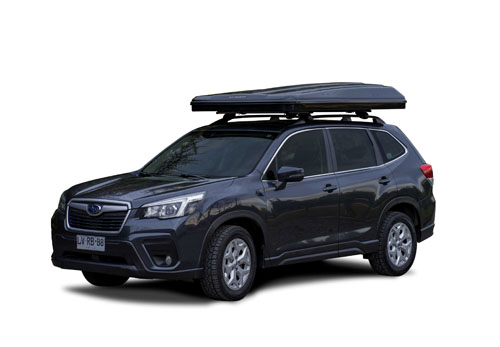
Choosing the best RV class for camping in Chile depends on your travel style, desired comfort level, and the types of terrain you plan to explore. For adventurers seeking agility and ease on varied Chilean roads, a Class B campervan, such as the "rv rental denver example Category Van" or "2 Berth Hi Top" which typically average 5.8m in length, sleep 2-3 people, and consume around 8-10 liters/100 km, are ideal for boondocking and accessing smaller campsites. For those desiring a balance of comfort and maneuverability, Class SI Semi-integrated motorhomes like a "2 Berth Rover" or "A 4 - Comfort Automatic" average 6.9m, sleep 2-4 people, and achieve about 10-11 liters/100 km, suitable for couples or small families needing more amenities. Larger groups or families will appreciate Class C Alcove models such as a "24' Class C Motorhome" or "4 Berth Deluxe," averaging 7.5m in length, sleeping up to 6 people, and consuming 10-12 liters/100 km, providing ample space and amenities for longer trips with campground hookups.
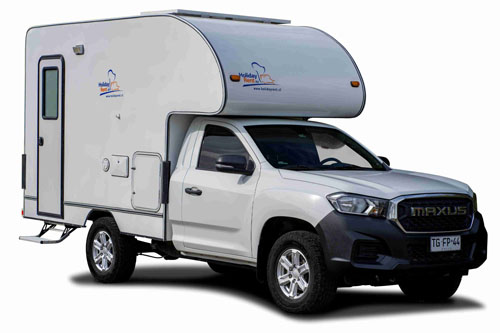
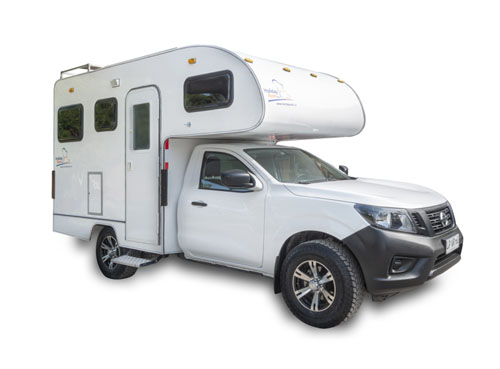
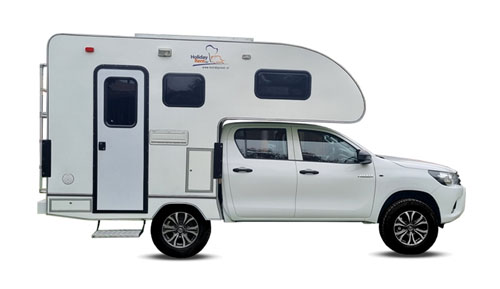
For the most rugged exploration, especially on unpaved side roads, Bandana offers Class TC Truck Campers like a "Patagonia Camper 4x4 double cab" or "4x4 Scout Adventure Truck Camper Gold", which average 5.5m in length, sleep 2-3 people, and consume 12-17 liters/100 km, often with 4x4 capability, perfect for off-the-beaten-path destinations. We are true RV specialists, not a travel agency side department, meaning we understand the nuances of each vehicle class and can help you select the right one for your adventure. You can explore options for "Luxury RV Rental in Chile - Premium Prices 2026" if you seek maximum comfort, or "Cheap RV Rental in Chile - Budget Guide 2026" for more economical choices.
How to Save on Campgrounds in Chile
Savvy RVers can significantly reduce campground expenses during their weekly rental in Chile by employing strategic booking and choosing options wisely. Utilizing any available campground discount cards, sometimes offered by rental suppliers, can provide preferred rates at participating RV parks and campsites nationwide. Opting for shoulder seasons-spring (October-November) and fall (March-April)-will generally lead to lower rates and fewer crowds compared to the peak summer months (December-February). Choosing municipal or regional campgrounds over more luxurious private resorts is another excellent way to save money, as they typically offer more budget-friendly rates, albeit with fewer amenities. Many private campgrounds also provide discounts for extended stays, so inquiring about weekly rates or deals for 3+ nights can reduce your per-night cost. If traveling in a group, sharing hookups with another RV, if permitted, can effectively split the cost of powered sites. By planning your budget carefully with these tips, you'll be able to make your weekly RV adventure in Chile more affordable.
How much does it cost to rent an an RV in Chile
The cost of renting an RV in Chile for a week varies widely based on the RV class, rental season, and included amenities, typically ranging from $800 to $2,000 USD, excluding additional operational expenses. Weekly rental rates fluctuate significantly; smaller Class B campervans will be on the lower end, while larger Class C or A models will cost more, especially during high season (December-February). Fuel will be a major expense, with rented motorhomes consuming between 8-17 liters/100 km depending on RV class; diesel prices in Chile generally hover around $1.00-$1.20 USD per liter. Campsite fees can range from $10-$30 USD per night for basic national park sites to $30-$60+ USD for private campgrounds with full hookups and amenities. Chile has a comprehensive toll road network, particularly near cities and on major highways, which can add up over a week, though rates are generally moderate. If planning cross-border travel to Argentina, budget for potential vehicle import/export fees and additional insurance, which are not typically included in standard rentals. For comprehensive budgeting, RV PLANET routes allow travelers to itemize and track every expense along the way for easy management RV PLANET routes. Finally, allocate a daily budget of $30-$60 USD per person for groceries (cooking in your RV saves money) and entrance fees to national parks or other attractions.
Remember that prices are dynamic like flight tickets-they change daily based on availability, seasonality, and supplier marketing decisions, so the final price is set at actual booking time. For the most up-to-date pricing, always compare options for a "weekly rv rental" in Chile.
Is it easy to drive an RV in Chile
Driving a rented RV in Chile is generally manageable, but it requires an awareness of diverse road conditions, a distinct traffic culture, and specific logistical considerations. Major highways are well-maintained paved roads, but many scenic routes, like sections of the Carretera Austral, feature extensive gravel or "ripio" sections, requiring slower speeds and careful driving; side roads often have unpaved portions. Chilean drivers can be assertive, so expect brisk driving on highways and navigate busy city traffic cautiously, paying close attention to pedestrians and local driving habits. Road signs generally use standard international symbols, but familiarity with Chilean traffic laws, such as speed limits (typically 50 km/h in urban areas, 100-120 km/h on highways), and right-of-way rules, is essential. Tolls are common on major routes and often require cash or a TAG device. Be prepared for steep ascents and descents in mountainous regions, which necessitate careful gear selection and awareness of brake usage. Urban areas, particularly Santiago, can be congested and confusing for larger RVs; consider parking on the outskirts and using public transport where available. Drive slowly and carefully, and you can drive almost anywhere without issues. No need to stress - just use common sense and pay attention. Our 24/7 support means real people are behind you before, during, and after your booking to assist with any questions.
What do you need to rent an RV in Chile
To rent a motorhome or campervan in Chile, you typically need a valid driver's license, an International Driving Permit (IDP), a major credit card, your passport, and often must meet a minimum age requirement. A valid driver's license from your home country is required, and while an IDP is recommended for visitors from non-English speaking countries to ensure smoother interactions with local authorities, it is not mandatory in most cases. Your current, valid passport is essential for identification and rental agreement purposes. A major credit card (Visa, Mastercard, American Express) is necessary for the security deposit and often for payment, ensuring you have sufficient credit available. Most rental companies, including our partners, require drivers to be at least 21 years old, and importantly, there are no young driver surcharges or vehicle class restrictions based on age. Comprehensive RV insurance is mandatory and typically offered by the rental company, though you can upgrade to a top-level deductible for extra peace of mind, a key differentiator of our service.
🎬 Video coming soon
The booking process through Bandana RV is designed to be transparent, ensuring you're fully informed about all requirements and costs, as we pride ourselves on full transparency with no hidden fees.
Is Chile safe for RV travel
Chile is generally considered a safe country for RV travel, though like any destination, it requires common-sense precautions, especially regarding secure parking and awareness of local conditions. Major tourist routes and national parks are typically very safe, with low rates of violent crime against tourists. For secure overnight parking, always opt for official campgrounds or designated safe spots, and avoid isolated or poorly lit areas for wild camping, particularly near urban centers. Be vigilant against petty crime, such as pickpocketing and opportunistic theft, especially in crowded city areas, markets, and bus terminals; keep valuables out of sight in your rented RV and lock doors when leaving it unattended. Familiarize yourself with local emergency numbers (e.g., 133 for police, 131 for ambulance, 132 for fire) and always keep a charged phone. Ensure your rental includes a reliable roadside assistance plan, as breakdowns in remote areas can be challenging. While generally peaceful, civil unrest or road blockades can occasionally occur, particularly in cities; stay informed via local news and adjust your route if necessary. Travel slowly, max 100-150 km per day on average, taking time to feel the place, connect to the culture, the food, and the scenery, which also enhances safety.
What is the best month to RV in Chile
The best month to RV in Chile largely depends on the specific region you plan to visit, but generally, the shoulder seasons of spring (October-November) and fall (March-April) offer ideal conditions across most of the country. For Patagonia in the south, December to February is peak summer, providing the best weather for hiking and exploring, but also attracting the most crowds and highest prices for campgrounds and rentals. Central Chile and the Lakes District experience pleasant temperatures, fewer tourists, and vibrant landscapes during spring (October-November) and fall (March-April), making these periods perfect for RV travel. The Atacama Desert in the north is suitable for RV travel year-round, but spring and fall avoid the extreme heat of summer days and the colder winter nights. Overall, for a comprehensive Chilean RV experience that balances good weather across various regions with more readily available campsites and lower costs, aiming for October, November, March, or April is highly recommended. These months often coincide with better deals for a "Cheap RV Rental in Chile - Budget Guide 2026" or "RV Rental Deals in Chile - Latest Offers 2026".
Can you just pull over and sleep anywhere in an RV in Chile
In Chile, while the concept of wild camping or boondocking exists, it is generally not advised to 'just pull over and sleep anywhere' without prior research or permission, as legality varies and safety can be a concern. There are no explicit nationwide laws broadly permitting or prohibiting wild camping; however, local municipalities, private landowners, and national park regulations often restrict it. Sleeping on private land without explicit permission is illegal and disrespectful. Within national parks and protected areas, wild camping is strictly forbidden unless in designated, usually paid, campsites. For best practices, if considering wild camping in a rented motorhome, look for remote, non-private areas away from residences, adhere strictly to 'leave no trace' principles, and ideally, seek local advice or permission to avoid any issues. For weekly RV renters, using established campgrounds, whether private or national park, is the safest and most reliable option, offering better security and access to essential amenities like water and dump stations. Always call ahead before driving to confirm availability and current conditions.
Do I need a 4x4 for Carretera Austral
While a 4x4 vehicle is not strictly required for the entire Carretera Austral in Chile, it is highly recommended for enhanced comfort, safety, and the ability to explore numerous captivating side roads and remote attractions. The primary Ruta 7 (Carretera Austral) is largely gravel, locally known as "ripio," but it is generally passable by 2WD vehicles, including most rented RVs, particularly during the drier summer months. However, a 4x4 offers superior traction, stability, and ground clearance, making the journey much more comfortable and reducing wear and tear on the vehicle over the often corrugated and potholed gravel surfaces. Many of the most stunning excursions and access points to national parks, glaciers, and remote villages along the Carretera Austral are only reachable via unpaved, rough side roads where 4x4 capability is invaluable. During wet weather, these gravel roads can become muddy and slippery, giving a 4x4 a significant safety advantage. Smaller, more robust RVs like Class B campervans or Class TC truck campers (if 4x4 equipped) are generally more agile on these roads than larger Class C or A models. For adventurous travelers, a 4x4 like the "Patagonia Camper 4x4 double cab" can open up even more breathtaking possibilities.
You can investigate "One-Way RV Rental in Chile - Price Guide 2026" if you plan to drive the Carretera Austral from north to south and pick up your RV in Puerto Montt and drop it off in Punta Arenas.
What You Shouldn't Miss
Looking for expert insights from Avi Bandana? Top 5 Adventures - recommendations from Avi Bandana:
- Drive the Carretera Austral: This legendary route (Ruta 7) stretches over 1,200 km through Chilean Patagonia, offering breathtaking fjords, glaciers, and national parks like Queulat and Pumalín. Budget at least 10 days for this slow-travel route, ideally in a robust Class C or B campervan.
- Stargaze in the Atacama Desert: Head to areas like San Pedro de Atacama, where the world's clearest skies provide unparalleled opportunities for astronomy. Park your RV at a designated spot and witness millions of stars. Consider a "Patagonia Camper 4x4 double cab" for easier access to remote viewing locations.
- Explore the Lakes District: Base your weekly RV rental near cities like Puerto Varas or Pucón, offering stunning views of volcanoes (Osorno, Villarrica), pristine lakes, and access to national parks. Enjoy outdoor activities like kayaking, hiking, and soaking in hot springs.
- Visit Torres del Paine National Park: A highlight of Patagonia, this park demands at least 3-5 days to explore its iconic granite peaks, turquoise lakes, and abundant wildlife. Book campgrounds well in advance, especially from December to February, as popular sites fill up fast.
- Discover Wine Regions in Central Chile: Experience the vibrant culinary and wine scene around Santiago, such as the Maipo or Colchagua valleys. Find comfortable private campgrounds near vineyards, allowing you to enjoy tastings and delicious local food at a leisurely pace.
Final Thoughts
A weekly RV camping trip in Chile promises an unforgettable journey through incredible landscapes and vibrant culture. With the right planning and a reliable rental motorhome, you'll discover the immense joy and freedom that only RV travel can offer. From the stark beauty of the Atacama to the wild expanse of Patagonia, Chile is an RV traveler's paradise.
Remember that we're here to support you every step of the way, providing transparent information and expert assistance for your booking. So, pack your bags, choose your perfect rented RV, and get ready for an adventure of a lifetime on the open roads of Chile. The open road is calling!
Discover top destinations, planning tips, all in one place! Compare Motorhome Prices for Chile and start planning your epic weekly RV adventure today.