In This Guide
- Where to Camp in Alaska — Top Options
- Campground Types in Alaska (National, Private, Wild)
- Featured RV Park or Campground in Alaska
- Hookups & Amenities — What to Expect
- Booking Windows & Reservations in Alaska
- Nearby Supermarkets & Resupply Points
- Best RV Class for Camping in Alaska
- How to Save on Campgrounds in Alaska
- Can I park my RV anywhere in Alaska?
- What is the 3-3-3 rule for RVs and campers?
- Where is the best place to park an RV for free?
- Is boondocking legal in Alaska?
- Can you park an RV anywhere in Alaska?
- What does FF mean in camping?
- What is the best time of year to RV to Alaska?
- How much are campsites in Alaska?
- What is the 3-3-3 rule for camping?
- What is the 200 rule for camping?
- What You Shouldn't Miss
- Why Book with Bandana Caravan
- Final Thoughts
- Frequently Asked Questions
An RV adventure in Alaska offers unparalleled freedom to explore the Last Frontier's vast and stunning landscapes, making a week-long trip or longer an unforgettable experience. Imagine waking up to glacial views, fishing for salmon in a pristine river, or spotting grizzly bears from the comfort of your rented motorhome. This complete guide will walk you through everything you need to know about securing long-stay sites and planning your ultimate Alaskan road trip. For live availability and current prices, start with our RV Rental Alaska - Complete Guide 2026 guide.
Where to Camp in Alaska — Top Options
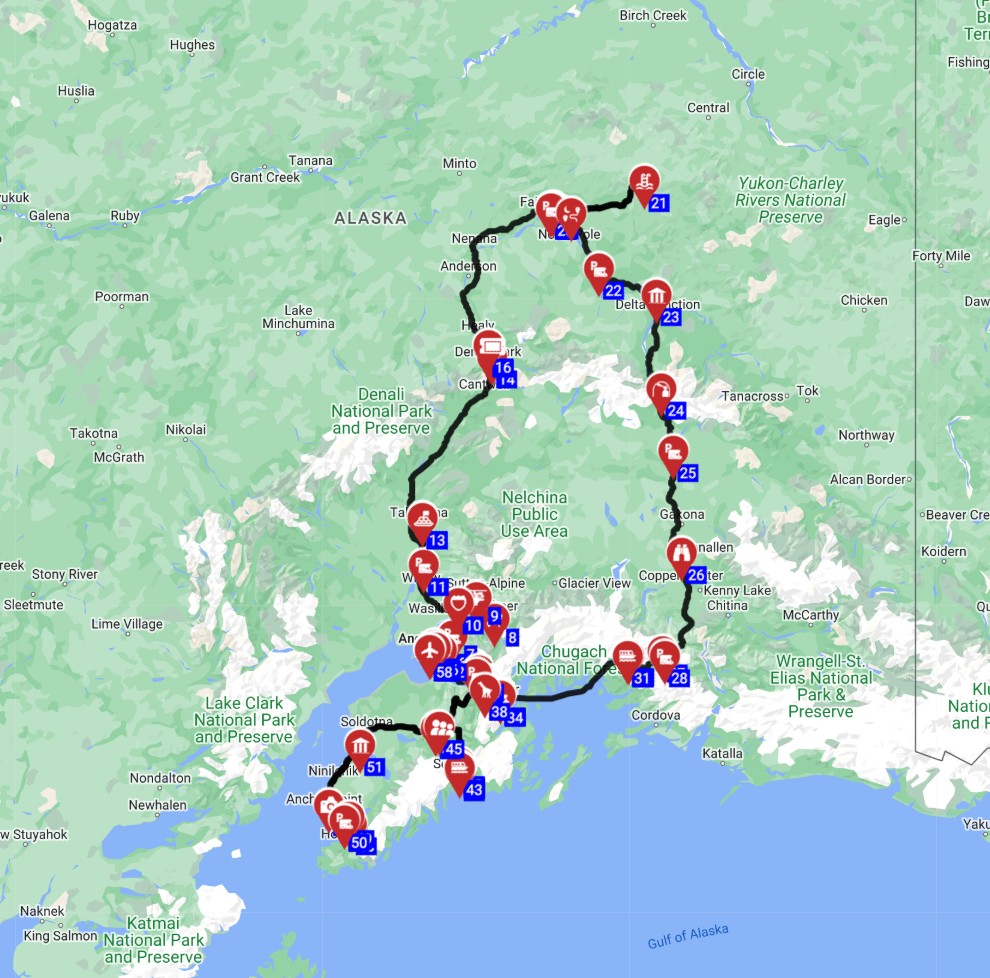
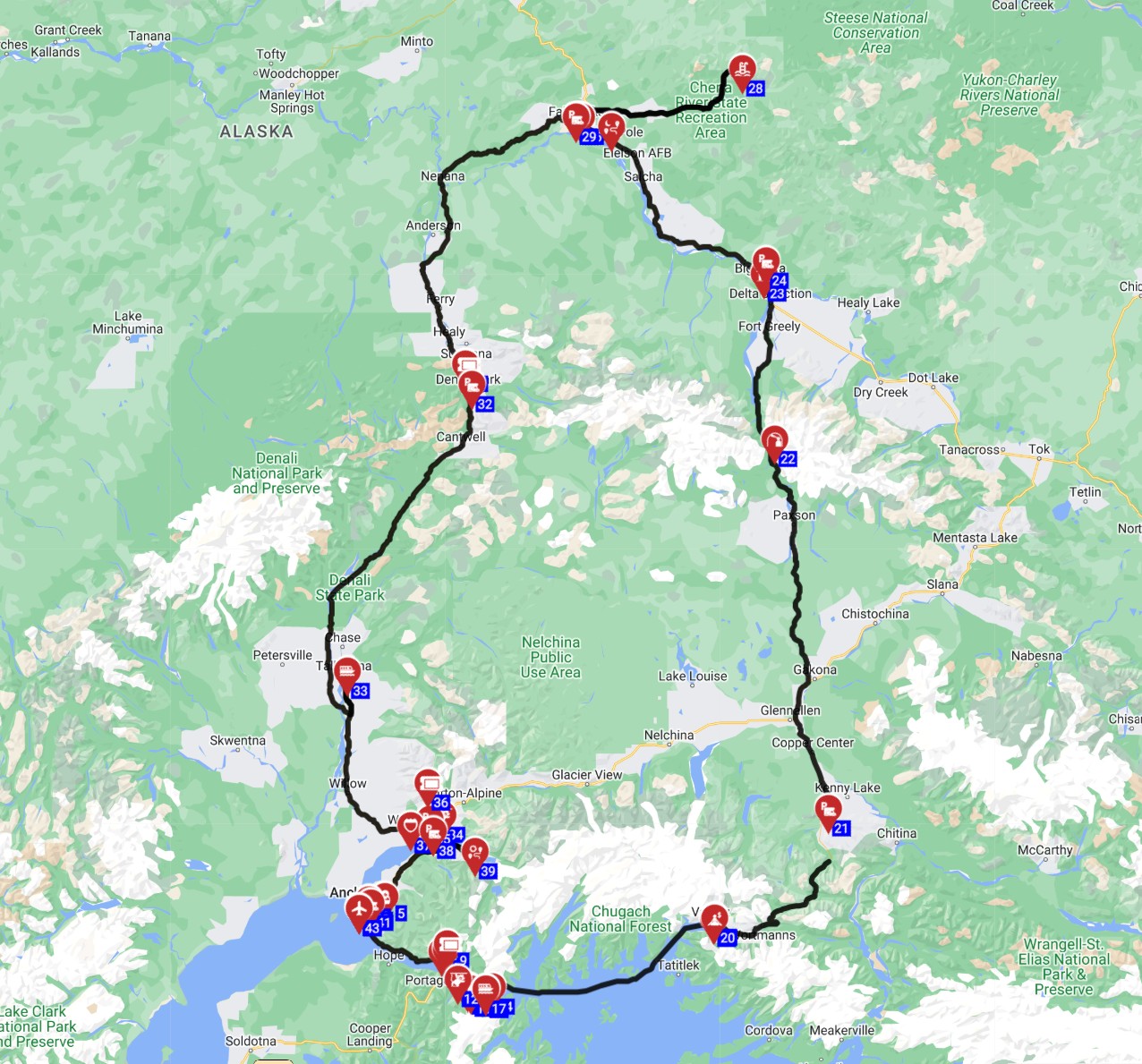
Denali National Park is a premier destination, offering limited RV access past Savage River, with popular campgrounds like Riley Creek and Savage River available within the first 15 miles. For a family of four in a rented Class C motorhome, these sites provide essential amenities and stunning views of North America's highest peak. Further south, the Kenai Peninsula features numerous state parks and private campgrounds near towns like Seward, Homer, and Cooper Landing, providing easy access to coastal and mountain scenery, ideal for extended stays and diverse activities like glacier cruises or fishing charters. Interior Alaska provides access to state recreation areas and vast Bureau of Land Management (BLM) lands for more remote experiences, often found along major routes like the Parks Highway, offering ample opportunities for a truly immersive week-long camping adventure.Campground Types in Alaska (National, Private, Wild)
Alaska offers diverse campground types to suit every RV traveler's style, including National & State Parks, Private RV Parks, and vast areas for Wild Camping. National and State Park sites often have basic amenities like vault toilets and central potable water, are scenically located, and typically operate on a reservation or first-come, first-served (FCFS) basis with specific stay limits, such as the 14-day limit in many federal campgrounds. Private RV Parks, common near Alaskan towns and tourist attractions, provide full hookups (electric, water, sewer), showers, laundry, and Wi-Fi, offering convenience for those who prefer more amenities for their rented Class A or Class C motorhome. Wild camping, also known as boondocking or dispersed camping, is legal on millions of acres of Bureau of Land Management (BLM) and National Forest Service (NFS) lands, requiring strict adherence to Leave No Trace principles and local regulations for responsible overnight stays. Always research local ordinances, as rules vary by specific management area.Featured RV Park or Campground in Alaska
Choosing an Alaskan RV park requires prioritizing strategic locations, such as those near Seward for Kenai Fjords National Park or just outside Denali National Park, offering easy access to major attractions. When planning for a week-long RV trip, look for essential services such as dump stations, potable water, and laundry facilities, which can be particularly sparse in Alaska's more remote regions. For example, the Seward KOA Journey offers full hookups, Wi-Fi, and easy access to Kenai Fjords boat tours. Many Alaskan RV parks provide unique amenities tailored to the region, including fish cleaning stations for your fresh catch, wildlife viewing platforms, or direct access to hiking trails, ensuring your rented campervan provides a comfortable base for your Alaskan adventures.Hookups & Amenities — What to Expect
When camping with a rented motorhome in Alaska, expect varying levels of hookups and amenities depending on your chosen campground type. Private RV parks primarily offer full hookups, including 30-amp or 50-amp electrical service, potable water, and sewer connections. In contrast, many state and federal campgrounds, while offering breathtaking natural settings, may have limited or no electrical sites, typically providing central potable water and dump stations. Alaska uses standard North American RV electrical connectors (NEMA TT-30 for 30-amp, NEMA 14-50 for 50-amp). Other amenities such as Wi-Fi, laundry facilities, and hot showers are generally found at private campgrounds and are typically scarce or absent in more remote public camping areas. This makes proper planning for water and waste management essential, especially for longer stays in a rented Class C or Class A motorhome.Booking Windows & Reservations in Alaska
For popular private RV parks and highly sought-after national/state park sites in Alaska, such as those within Denali National Park, securing reservations 6-12 months in advance is often recommended, especially when renting a family-friendly Class C or Class SI RV. However, many state, federal, and some private campgrounds reserve 25%-30% (or more) of their sites for first-come, first-served (FCFS) arrivals, providing flexibility for spontaneous travelers without rigid itineraries. While you may not always get your first choice, you will almost certainly find a place to park your rented RV; if not at the first campground, then the next one down the road, by being flexible. Always call ahead to inquire about FCFS availability or specific site openings before driving long distances, particularly in Alaska's more remote regions, to ensure a smooth arrival.Nearby Supermarkets & Resupply Points
Stocking up for your Alaskan RV trip is crucial, especially for longer stays, and you'll find major supermarket chains like Fred Meyer (Kroger), Carrs-Safeway, and Walmart in larger communities such as Anchorage, Fairbanks, Wasilla, and Kenai. When exploring smaller towns, expect local independent grocers which may have higher prices and a more limited selection, making advance planning for groceries in your rented motorhome essential for extended trips. Fuel stations are readily available along major highways but can be infrequent in very remote areas; always fill your tank when possible, especially with larger RVs like a Class A or a Class C, which typically consume 10-12 Liters/100 km (around 8-10 mpg). For tracking and managing your overall trip expenses, including fuel and groceries, consider utilizing RV PLANET routes, where you can itemize every cost along the way for easy budgeting. Preparing some simple meals in your rented RV's kitchen is a great way to save money and enjoy the scenery. Check out our RV-friendly recipes playlist for delicious ideas.Best RV Class for Camping in Alaska
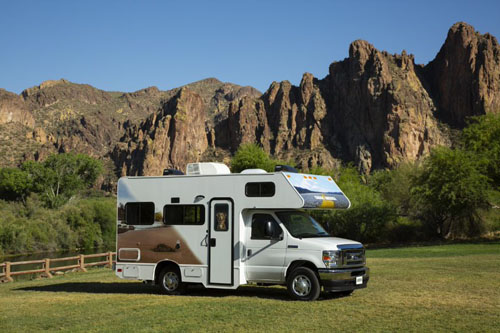
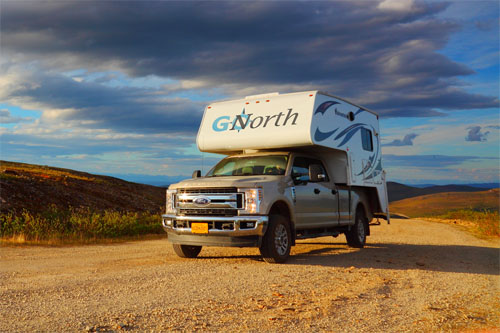
Selecting the best RV class for camping in Alaska depends on your group size and desired level of adventure. Class C Alcove motorhomes, averaging 7.5 meters (25 feet) in length with sleeping for 5-8 people, are ideal for families, offering ample storage and comfort for both full-service campgrounds and extended public land stays. Bandana's fleet typically shows a fuel consumption of 10-12 Liters/100 km for these models, like the popular cruise america rv rental example Explorer with its 82-liter fresh water tank. For more compact maneuverability, Class SI Semi-integrated RVs, at an average length of 6.9 meters (23 feet) and sleeping 3-4 people, are suitable for diverse Alaskan roads, including some gravel access, generally consuming 10-11 Liters/100 km. Camper vans (Class B), with an average length of 5.8 meters (19 feet), offer ultimate flexibility for boondocking and navigating rougher roads and tighter spots, though with less interior space and amenities for longer journeys. Regardless of class, choosing a rented RV with good ground clearance and reliable systems is essential for Alaska's unique road conditions and remote stretches.How to Save on Campgrounds in Alaska
Saving on campground fees in Alaska is achievable through several strategies, allowing you to extend your RV adventure without breaking the bank. Utilize campground discount cards, such as Good Sam or Passport America, which may offer significant reductions at participating private RV parks. Opting to visit during shoulder seasons (late May-early June or late August-early September) can result in lower nightly rates, fewer crowds, and often favorable weather conditions for your rented motorhome. Choosing state, federal (BLM, Forest Service), or municipal campgrounds is generally more affordable than private RV resorts, though they may offer fewer amenities like full hookups. Many private campgrounds offer weekly or monthly rates that provide substantial savings compared to daily rates, making longer stays in one area a cost-effective option. Finally, embracing free dispersed camping (boondocking) on public lands where permitted effectively eliminates accommodation costs for those nights, allowing greater exploration flexibility for your rented campervan. You can find more information on costs in our "RV Rental in Alaska - Prices and Best Deals 2026" guide.Can I park my RV anywhere in Alaska?
No, you cannot park your rented RV anywhere in Alaska; it is crucial to always park in designated areas to ensure safety and comply with local regulations. This includes established campgrounds, private RV parks, or legally permitted public lands such as Bureau of Land Management (BLM) and National Forest Service areas. Parking on private property without explicit consent, within urban city limits outside of specific RV-friendly spots, or on the side of major highways for extended periods is generally illegal and unsafe. While roadside parking may be acceptable for brief stops, extended overnight stays are typically prohibited and pose significant safety risks, especially in Alaska's wildlife-rich environments, where moose and bears are common. Drive slowly and carefully, and you can drive almost anywhere without issues. No need to stress - just use common sense and pay attention.What is the 3-3-3 rule for RVs and campers?
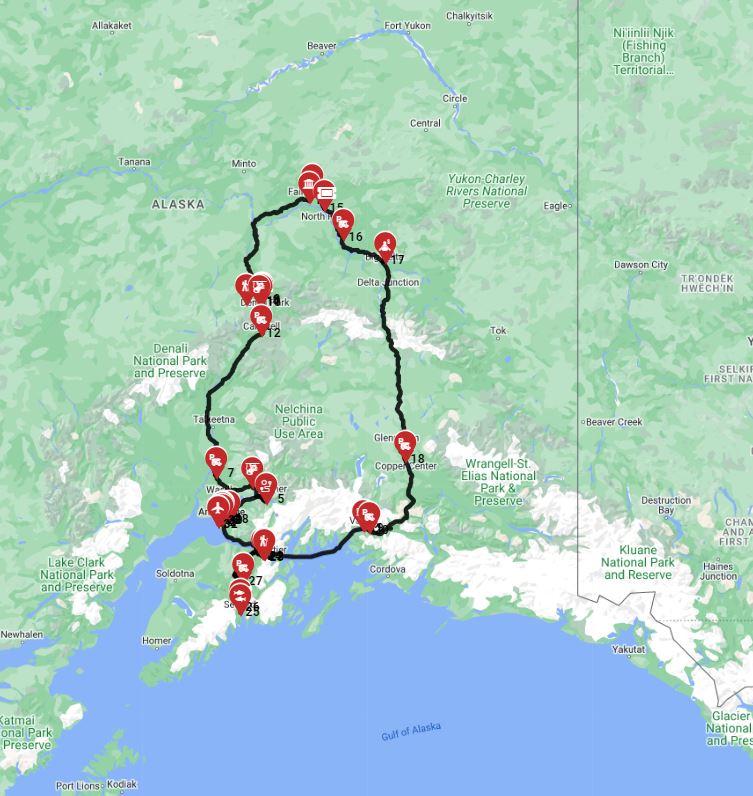
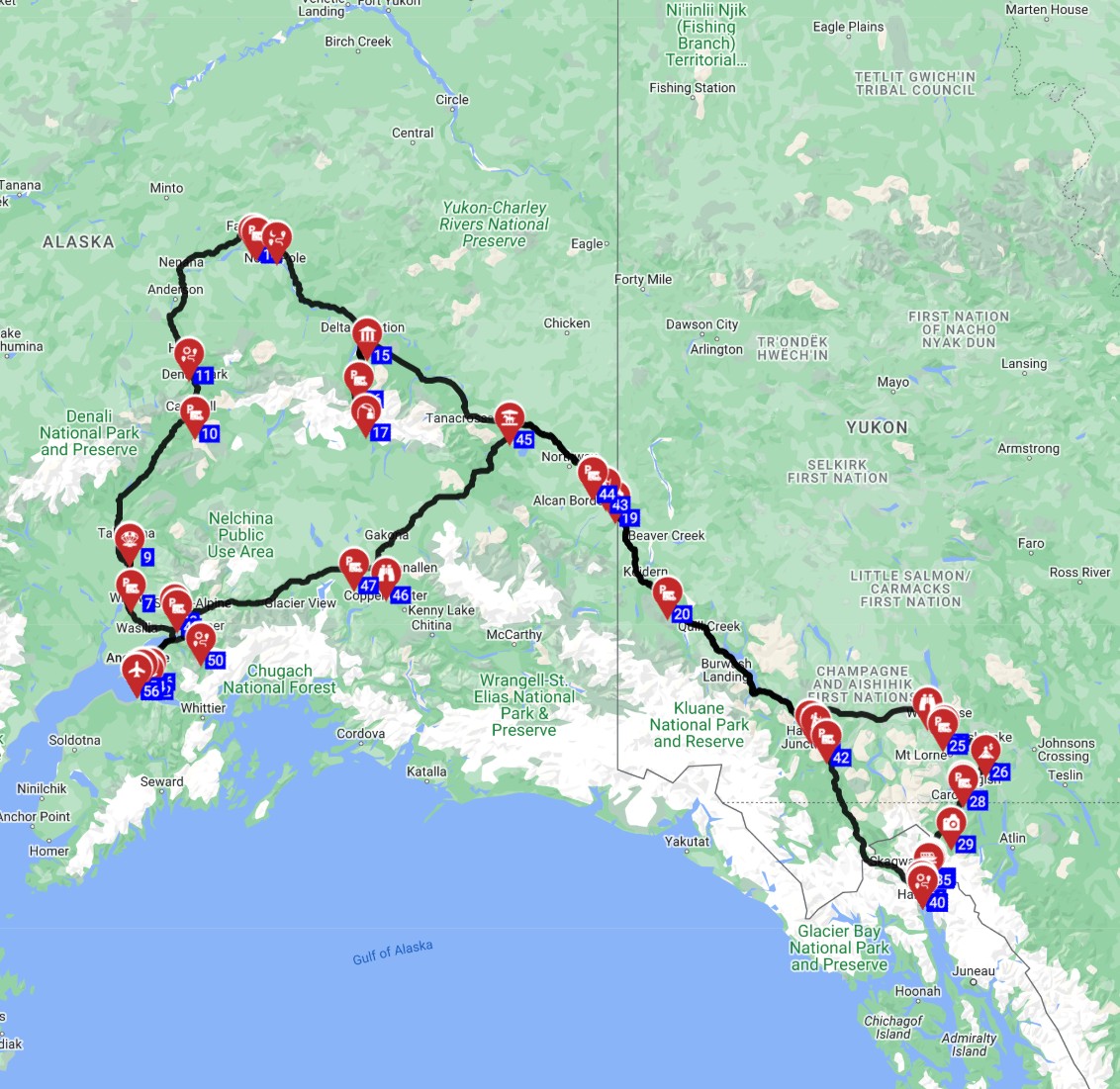
The 3-3-3 rule is a useful guideline for RV and camper travelers to promote a relaxed and safer journey, suggesting limits on daily driving, arrival times, and stay durations. This principle recommends limiting daily driving to approximately 300 miles (about 480 km) to prevent driver fatigue, which is particularly important on Alaska's often remote and challenging roads with infrequent services. Aiming to arrive at your campsite by 3 PM helps secure desirable spots, especially for first-come, first-served sites, and allows ample time to set up your rented motorhome and explore before dusk. The third '3' encourages a minimum of 3 nights stay at each location, allowing for deeper exploration of the local culture, food, and scenery, rather than constantly packing and unpacking. While a useful general principle, Alaska's vast distances and unique travel opportunities (e.g., specific ferry schedules or remote excursions) may sometimes necessitate adapting this rule for optimal enjoyment. For pre-planned routes that balance travel and exploration, check out the options on rvplan.net.Where is the best place to park an RV for free?
Extensive areas across interior and south-central Alaska managed by the Bureau of Land Management (BLM) offer numerous opportunities for free dispersed camping (boondocking), often accessible via well-maintained gravel roads. The Chugach and Tongass National Forests also feature many pull-offs and designated dispersed camping areas, particularly along their access roads, where free camping is permitted for your rented motorhome. While some Alaska State Parks and Recreation Areas may permit dispersed camping, regulations vary, so it is essential to check specific site rules locally. Utilize reliable resources and apps such as iOverlander, Campendium, or the indispensable 'The Milepost' to locate verified free camping spots and ensure compliance with all local regulations before settling down for the night with your rented RV.🎬 Video coming soon
Is boondocking legal in Alaska?
Yes, boondocking is legal on millions of acres of public land managed by the Bureau of Land Management (BLM) and the U.S. Forest Service in Alaska, generally allowing stays of up to 14 days in a 28-day period. While some Alaska State Parks and Recreation Areas also allow dispersed camping, specific rules and availability differ significantly by location; always confirm with the individual park or land management agency. Boondocking is typically not permitted in developed campgrounds, within city limits, on private property without permission, or in designated wildlife protection zones without special permits. When engaging in free camping with your rented RV, it is crucial to adhere strictly to Leave No Trace principles, which include packing out all waste, properly disposing of human waste, and maintaining a respectful distance from wildlife to preserve Alaska's pristine wilderness.Can you park an RV anywhere in Alaska?
No, you cannot simply park a rented RV anywhere in Alaska; overnight parking is restricted to designated areas for safety and environmental protection. It is important to reiterate that these designated areas include established campgrounds, private RV parks, and specific public lands like those managed by the Bureau of Land Management (BLM) and the U.S. Forest Service where dispersed camping is explicitly allowed. Emphasize the importance of parking in legal areas to avoid fines, ensure personal safety, and prevent environmental damage, particularly in Alaska's sensitive ecosystems and wildlife habitats. Always heed signs indicating 'No Overnight Parking' or 'Camping Prohibited' to ensure compliance with local regulations and enjoy a hassle-free trip in your rented campervan. Remember, drive slowly and carefully, and you can drive almost anywhere without issues. No need to stress - just use common sense and pay attention.What does FF mean in camping?
In camping terminology, "FF" typically means a "full hookup" site, indicating that your rented RV can connect directly to essential utilities. This means your motorhome site will provide access to electricity (typically 30 or 50 amp), a potable water supply, and a sewer drain for waste disposal. Full hookup sites offer maximum convenience, providing unlimited water use, continuous power for appliances, and eliminating the need for frequent trips to central dump stations, making them ideal for longer stays or larger units like a Class A motorhome. Due to the comprehensive amenities offered, full hookup sites are generally the most expensive camping option. In the Alaskan context, while common in private RV parks, full hookups are less frequently found in more remote state or federal campgrounds, where basic amenities are more common.What is the best time of year to RV to Alaska?
The peak season for an RV trip to Alaska, from mid-June to mid-August, offers the warmest temperatures, longest daylight hours (including the famous Midnight Sun in places like Fairbanks), and full availability of services and attractions. However, this period also sees the highest crowds, prices, and potential for mosquitoes, especially in interior and marshy areas. The shoulder seasons, late May-early June and late August-early September, are often considered the best time for a rented RV adventure. These periods are characterized by fewer crowds, lower prices on campgrounds and some excursions, and excellent wildlife viewing opportunities (e.g., spring calving or fall colors). Some services might be limited early or late in the season, and weather can be cooler, so preparing your rented motorhome for cooler nights is wise. Road conditions on major highways are typically clear and well-maintained during the summer, but shoulder seasons may present challenges like frost heaves or early snow in higher elevation passes.How much are campsites in Alaska?
Campsite costs in Alaska vary significantly based on the type of campground and the amenities offered, ranging from free to over $100 per night for a rented RV. Dispersed camping on Bureau of Land Management (BLM) or National Forest lands offers free overnight stays, appealing to budget-conscious travelers or those seeking true wilderness. State and federal campgrounds typically range from $15-$35 per night for basic sites, which often lack hookups and provide vault toilets or central water. Private RV parks generally price from $40-$80+ per night for sites with partial or full hookups, Wi-Fi, and other amenities, with premium locations near major attractions sometimes exceeding $90-$100, especially for larger Class A or Class C motorhomes. Be aware of potential extra fees for amenities like showers, dump station usage, or additional vehicles, which can add to your total trip cost in Alaska. Consider our "Weekly RV Rental in Alaska - Pricing 2026" guide for more detailed cost breakdowns.What is the 3-3-3 rule for camping?
The 3-3-3 rule, as applied to camping with a rented RV, emphasizes a more relaxed and immersive travel style, encouraging travelers to fully experience their surroundings rather than constantly being on the move. This approach, which suggests driving no more than 300 miles per day, arriving by 3 PM, and staying a minimum of 3 nights in each spot, reduces the stress associated with frequent travel, provides ample time for campsite setup, and encourages deeper exploration of the immediate natural environment. For example, spending three nights in Denali allows for a full day of bus tours and hiking. While a valuable framework for a relaxed trip, the unique demands of Alaskan adventures, such as meeting specific ferry schedules or accessing remote locations like the Nabesna Road, may sometimes require adapting this rule for optimal enjoyment with your rented motorhome. Travel slowly, max 100-150 km per day on average. Take time to feel the place, connect to the culture, the food, and the scenery.What is the 200 rule for camping?
The "200 rule" for camping, while not an official regulation, is a highly recommended best practice for RV travelers, especially in vast and remote regions like Alaska, stressing self-sufficiency. This guideline implies carrying enough resources-food, water, fuel, and medical supplies-to be self-sufficient for a substantial period, often interpreted as being prepared for up to 200 miles (320 km) or approximately 8 days (200 hours) between services. The 200 rule is especially pertinent in Alaska, where vast distances between services, unpredictable road conditions (like gravel roads or frost heaves), and remote locations can lead to extended self-sufficiency requirements. Essential provisions for your rented RV include sufficient fuel (crucial for Class C RVs averaging 10-12 Liters/100 km), fresh water, non-perishable food, a comprehensive first-aid kit, extra propane for heating and cooking, and reliable communication devices (like a satellite messenger) for emergency situations. Adhering to this practice ensures preparedness for unforeseen circumstances and enhances safety during your Alaskan motorhome adventure.What You Shouldn't Miss
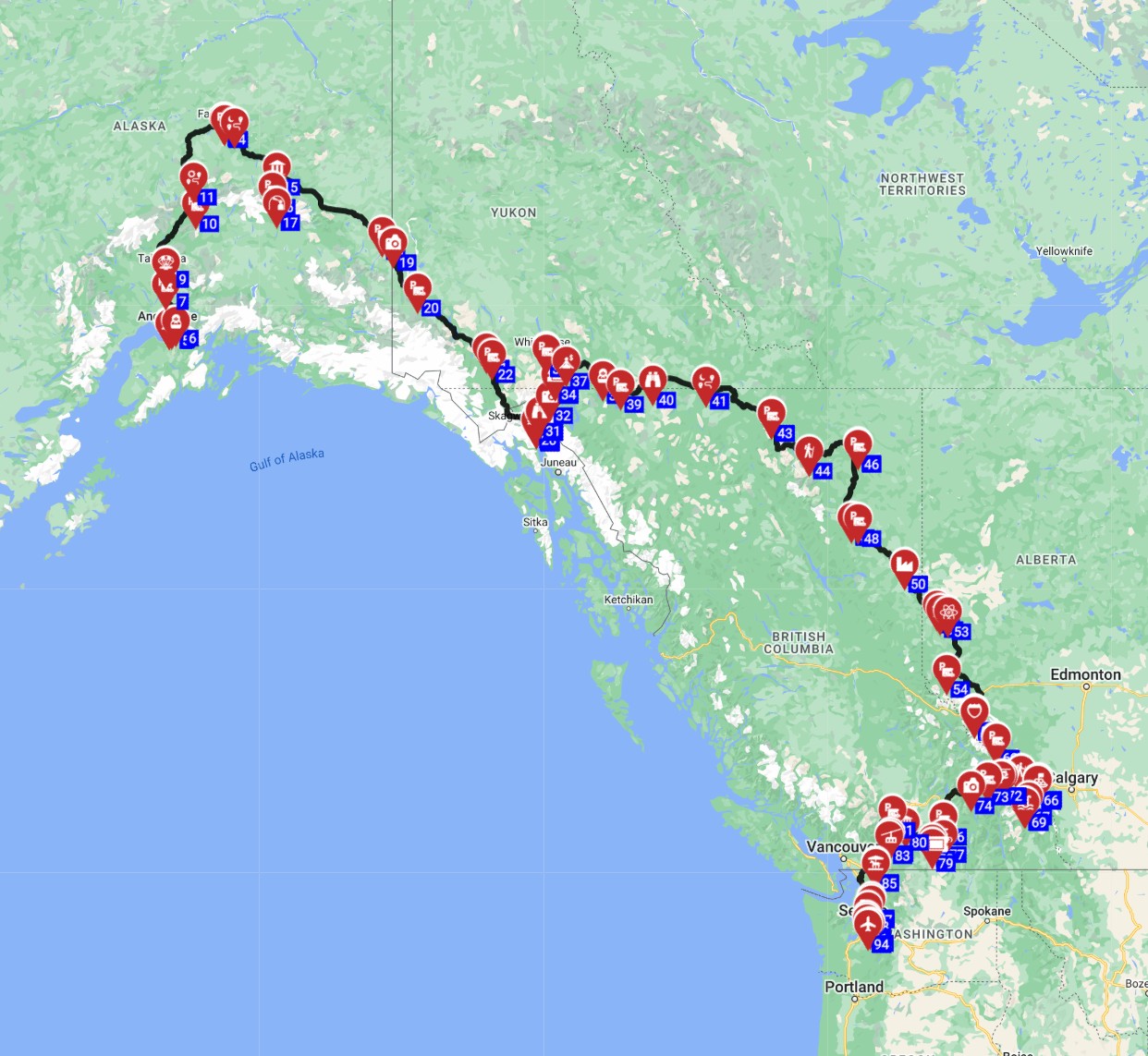
- **Drive the Alaska Highway (from Dawson Creek, BC):** This epic journey is the quintessential RV experience for Alaska, winding through the Yukon and offering stunning scenery and wildlife viewing opportunities.
- **Explore Denali National Park:** Take a bus tour into the park's interior for incredible wildlife sightings (bears, moose, caribou, Dall sheep) and awe-inspiring views of Denali. Reserve your RV-accessible Riley Creek or Savage River campground spots far in advance!
- **Cruise Kenai Fjords National Park from Seward:** Witness towering tidewater glaciers, marine wildlife like orcas and sea otters, and dramatic coastal landscapes from a boat tour. It's an unforgettable day trip from your rented campervan.
- **Visit Homer, the "Halibut Fishing Capital of the World":** Cast a line from the Homer Spit, enjoy the vibrant arts scene, and savor fresh seafood. It's a charming town perfect for a multi-day stay with your motorhome.
- **Experience the Midnight Sun in Fairbanks:** During summer, enjoy nearly 24 hours of daylight, perfect for late-night hikes, exploring local museums, or simply marveling at the endless light from your RV.
- **Drive the Glenn Highway Scenic Byway:** This route between Anchorage and Glennallen offers breathtaking views of the Chugach Mountains, Matanuska Glacier, and abundant photo opportunities.
Final Thoughts
An RV rental in Alaska promises an incredible journey filled with stunning landscapes, abundant wildlife, and memories to last a lifetime. Whether you're planning a week-long excursion or an extended road trip, the freedom of a rented motorhome allows you to immerse yourself fully in the natural beauty of the Last Frontier. By understanding the different campground types, knowing how to book strategically, and being prepared for the unique conditions of Alaskan travel, you'll ensure a smooth and enjoyable adventure. Remember to travel slowly, allowing yourself ample time to truly connect with the culture, the incredible food, and the breathtaking scenery that Alaska offers. From majestic Denali to the rugged coastlines of the Kenai Peninsula, your rented RV will be your mobile home, bringing comfort and flexibility to your exploration. Get inspired for your next trip and discover top destinations, planning tips, all in one place with Bandana Caravan. Compare Motorhome Prices for Alaska and let your Alaskan dream adventure begin!On the routes offered through RV PLANET routes, you can itemize and track every expense along the way for easy budgeting.