In This Guide
- Top 5 Tips for weekend rv rental RV Rental in West Canada
- Before You Book - Class, Dates, Insurance
- Pre-Trip Prep - Packing Checklist for West Canada
- On the Road - Driving, Fueling, Navigation
- At the Campground - Setup, Hookups & Etiquette
- weekend rv rental-Specific Tips for West Canada
- Common Mistakes to Avoid in West Canada
Embarking on a rented motorhome adventure in West Canada is an experience like no other, offering unparalleled freedom to explore majestic mountains, pristine lakes, and vibrant cities. Whether you're planning a quick getaway or an extended road trip, understanding the nuances of RV travel here can transform your journey into an unforgettable one. For live availability and current prices, start with our RV Rental West Canada - Complete Guide 2026 guide.
Top 5 Tips for weekend rv rental RV Rental in West Canada
To maximize your RV rental experience in West Canada, especially for shorter trips, strategic planning and informed choices are crucial. Firstly, book your rented RV and campsites well in advance, particularly for peak seasons like summer (June-August) and fall foliage viewing, to secure preferred dates and popular locations such as Banff or Jasper National Parks. Many sought-after provincial and national park sites in West Canada allow reservations 3 to 6 months out, with some opening 12 months in advance.
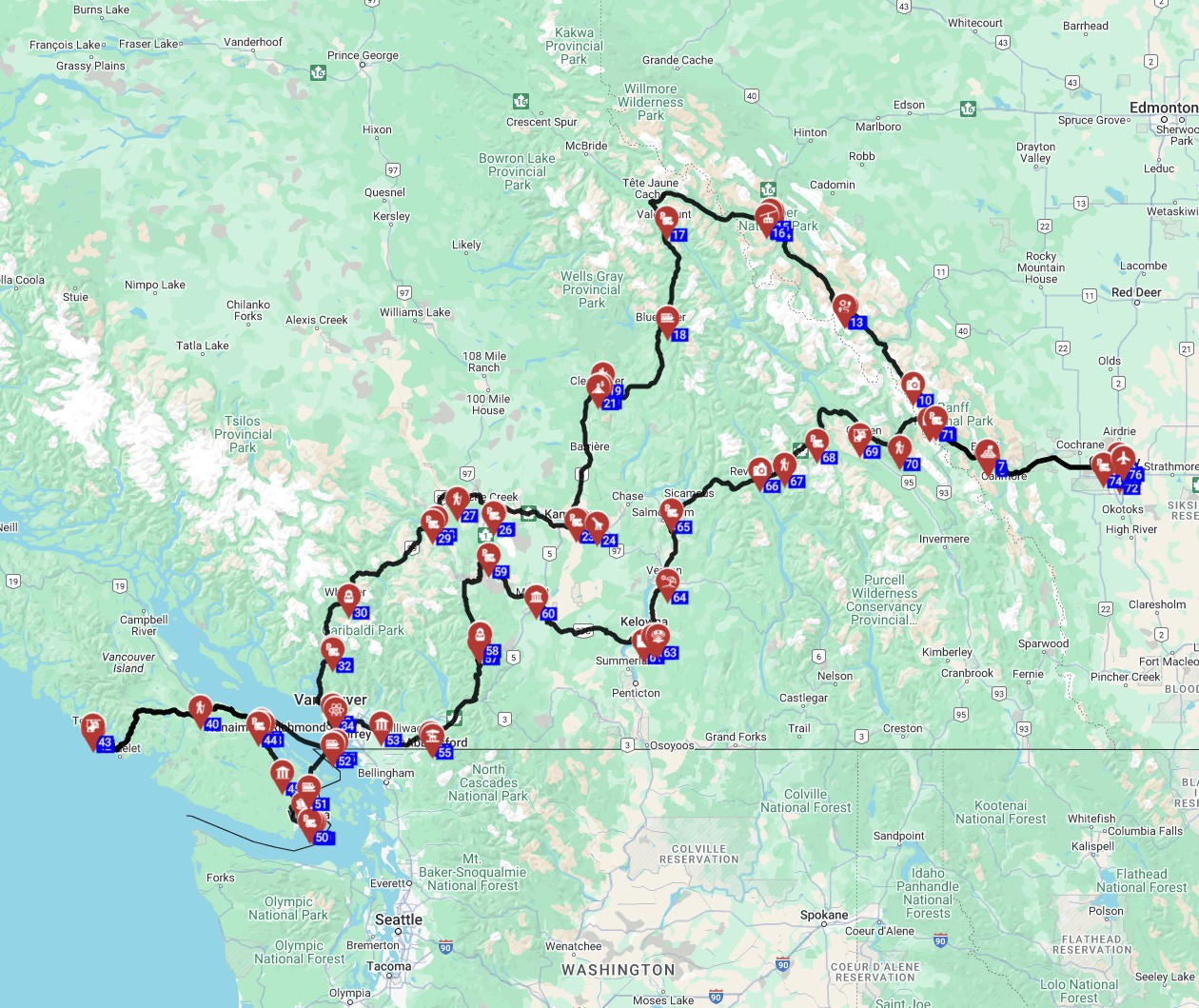
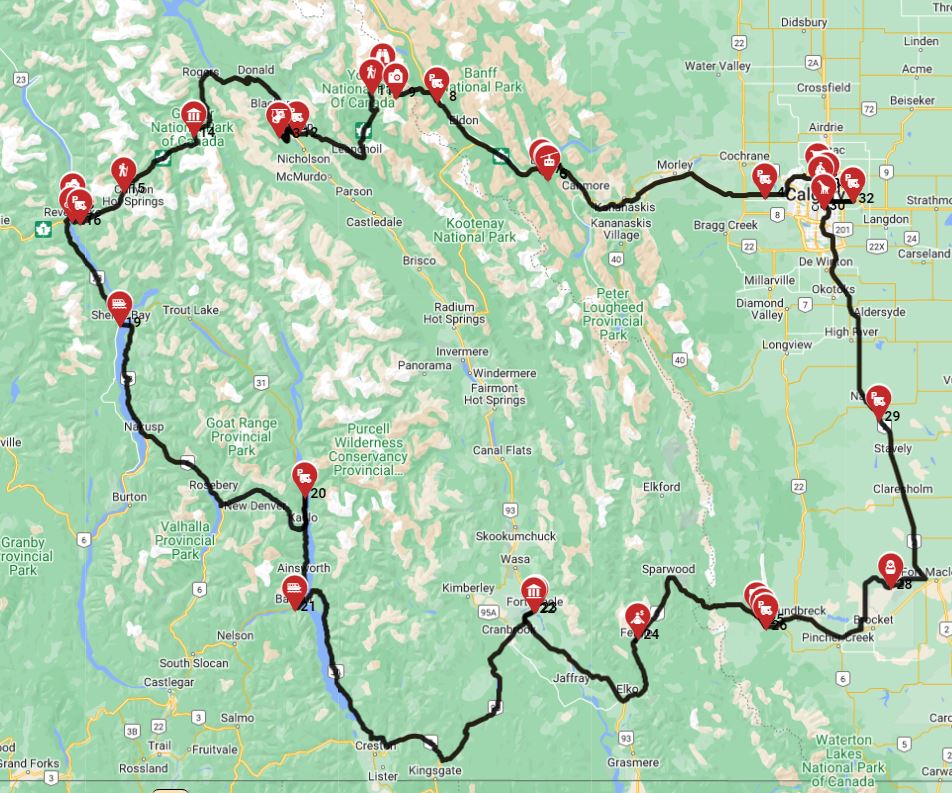
Secondly, select an RV size that comfortably matches your driving experience and your travel party's needs, while also considering West Canada's diverse terrain. A nimble campervan, ideal for a couple, offers easy maneuverability on mountain passes, while a Class C motorhome like the 'MH-A' or a 'Family Sleeper (FS)' with sleeping places for 6 provides more space and amenities for families. Thirdly, plan a realistic itinerary, focusing on a specific region or a few key destinations to maximize your short trip. Aim to travel slowly, max 100-150 km per day on average. Take time to feel the place, connect to the culture, the food, and the scenery. For example, a two-day itinerary might focus exclusively on the Canadian Rockies or Vancouver Island, rather than attempting to traverse the entire western expanse.
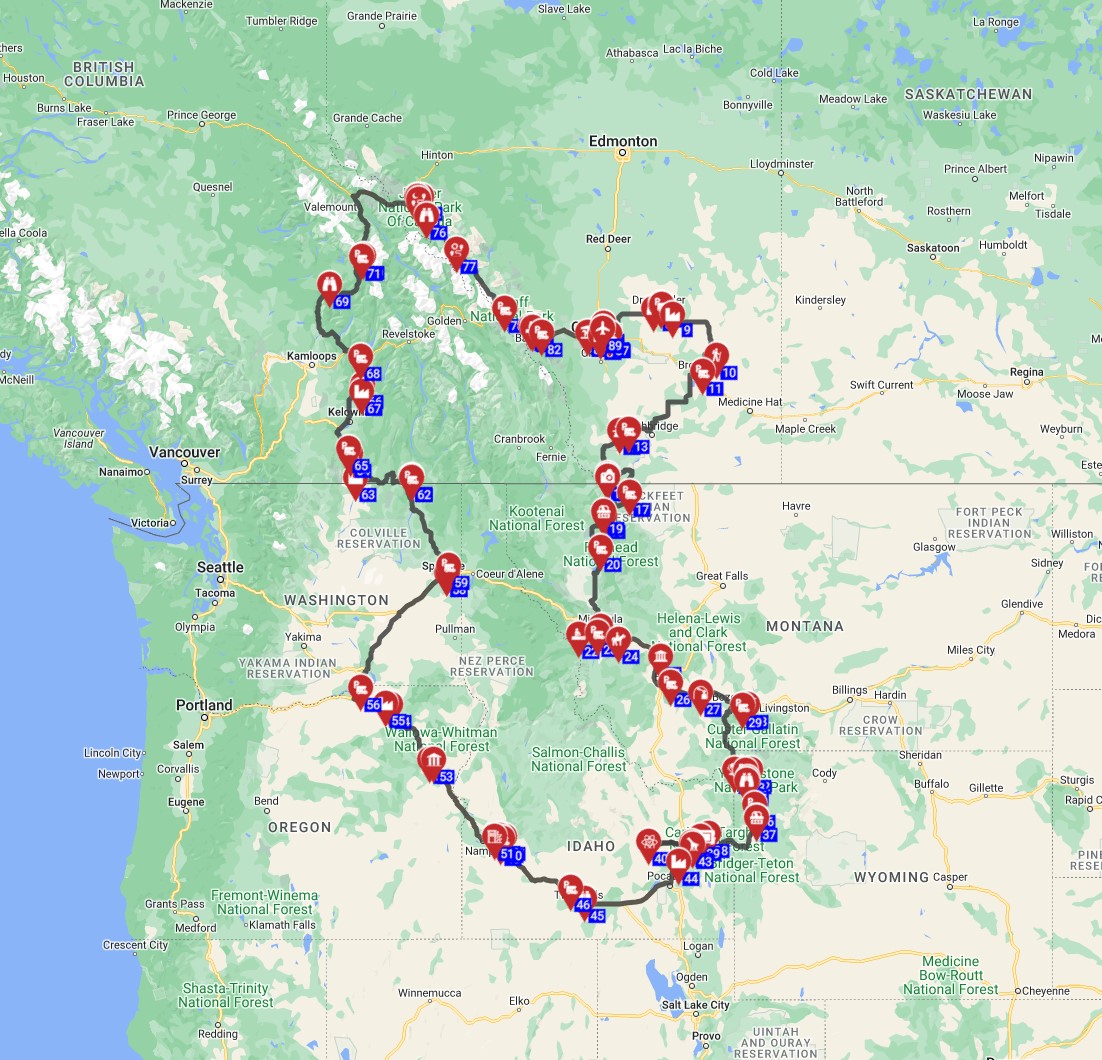
Fourthly, familiarize yourself with basic RV operations and local regulations before hitting the road. This includes understanding waste disposal procedures (dump stations are commonly found at campgrounds and some rest stops) and wildlife safety, particularly concerning bears in park areas. Lastly, pack strategically, prioritizing layered clothing and rain gear for variable West Canadian weather, to ensure a comfortable and efficient trip regardless of sudden changes in elevation or climate. On the routes offered through RV PLANET routes, you can itemize and track every expense along the way for easy budgeting.
Before You Book - Class, Dates, Insurance
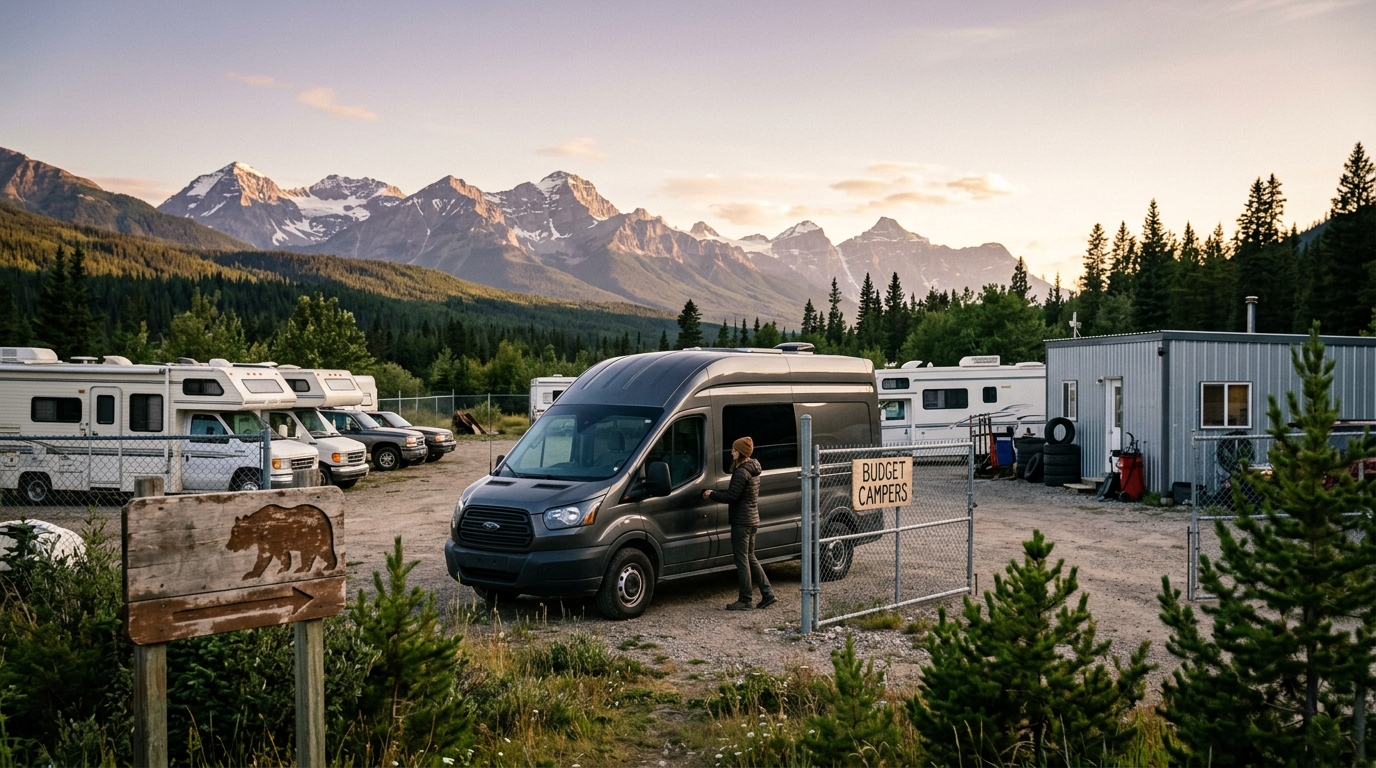
Before finalizing your motorhome rental in West Canada, matching the RV class to your driving comfort and trip requirements, securing your rental dates and campsite reservations early, and understanding insurance options are essential. For instance, a compact campervan such as a 'Category Van' or 'Active Bunk Auto' offers agility and easier parking for urban exploration or winding mountain roads, often ideal for 2-4 travelers. A larger Class C motorhome, like a 'C-30' or 'Denali Searcher 30' accommodating 7-9 people, provides more living space and amenities but requires a more deliberate driving approach.
Locking in your rental dates and campsite reservations as early as possible, ideally 3-6 months out for popular periods like summer and early fall, is highly recommended. While some popular national and provincial parks reserve only 25-30% of their spots in advance, the remaining 70-75% are available on a first-come, first-served basis, especially at lesser-known sites. Don't stress too much about finding a spot: you'll find a spot. If not at the first campground, then the next one. Call ahead before driving to confirm availability, particularly for longer trips in high season.
Understanding the insurance options available is another key step; basic coverage is typically included with your rental, but enhanced options are available for comprehensive protection. For ultimate peace of mind on your rented RV adventure, you can upgrade to a top-level deductible for extra protection against unforeseen incidents. We offer full transparency on pricing, ensuring no hidden fees or surprises when you pick up your vehicle. This commitment to honesty means what you see is what you pay.
Pre-Trip Prep - Packing Checklist for West Canada
Preparing for your West Canada RV trip with a comprehensive packing list can significantly enhance your experience and ensure you're ready for any adventure in the diverse landscapes. Layered clothing, rain gear, and sturdy footwear are essential for varying West Canadian weather, which can change rapidly from warm valleys to cool mountain peaks within a single day. Basic kitchen essentials, reusable containers, and shelf-stable foods help streamline meal preparation on the go, allowing you more time to explore and less time worrying about groceries. For fresh meal ideas while traveling, explore our RV-friendly recipes playlist.
Safety items such as bear spray (and knowing how to use it safely), a comprehensive first-aid kit, and roadside assistance information are crucial for remote travel. While a standard driver's license is sufficient for all motorhome classes, an International Driving Permit (IDP) is recommended for international visitors from non-English speaking countries. Important documents, including your RV rental agreement, driver's licenses, and any pre-purchased National or Provincial Park passes (such as a Parks Canada Discovery Pass for national parks), should be readily accessible. Additionally, bring essential RV-specific gear like leveling blocks to ensure your motorhome is stable on uneven terrain, and a water filter for refilling your 100-liter fresh water tank from various sources. Always have offline maps downloaded, as cell service is intermittent or nonexistent in many scenic and wilderness regions of West Canada, including vast stretches of the Icefields Parkway.
On the Road - Driving, Fueling, Navigation
Driving a rented motorhome through West Canada requires an adaptable driving style due to its diverse terrain, including mountain passes and winding roads, maintaining slower speeds for safety and comfort. Drivers should anticipate varied road conditions, from flat highways to steep grades and narrow sections, especially when traversing national parks like Banff and Jasper. For example, a 7.1-meter Class C motorhome like the 'Explorer' with an automatic transmission will handle differently on mountain roads than a compact campervan.
Planning your fuel stops carefully is crucial, particularly in more remote areas of the Rockies or northern British Columbia, where gas stations can be scarce or have limited operating hours. Fuel consumption varies significantly; a compact campervan might achieve 10-12 L/100km, whereas a larger Class C motorhome with a 208-liter fuel tank could consume 20-25 L/100km. Always utilize both GPS and downloaded offline maps to navigate reliably, as cell service can be intermittent in certain scenic or wilderness regions, as highlighted by the lack of service on the Icefields Parkway.
When driving in cities, remember that you can drive almost anywhere without issues. No need to stress - just use common sense and pay attention, taking it slowly and carefully. Border crossing procedures for RVs are generally straightforward for travelers entering from the USA, but be aware of restrictions on bringing certain items such as fresh produce, firewood, or firearms, which must be declared or left behind to avoid issues. Always check official government websites for the latest regulations before your trip. For finding campsites and campgrounds during your trip, we recommend using RV PLANET (rvplan.net) - a great resource for locating available spots along your route.
At the Campground - Setup, Hookups & Etiquette
Upon arriving at a campground in West Canada with your rented RV, the first step is to park and level your vehicle, utilizing blocks or an automatic leveling system before extending slides or connecting utilities. This ensures comfort and proper functioning of onboard systems such as the refrigerator, which may be a 90-liter unit in a smaller campervan or a 170-liter with freezer in a larger Class C motorhome like the 'Sunrise Escape'. Once level, connect your hookups in the recommended order: the sewer hose first, then the fresh water hose, and finally, your electrical power cord.
Adhering strictly to campground quiet hours (often 10 PM to 7 AM) and other rules, such as pet leash laws and proper waste disposal, is essential for ensuring a pleasant experience for everyone. Many national and provincial parks in West Canada enforce strict leash laws for pets to protect local wildlife and ensure visitor safety. Knowing the locations of dump stations and fresh water refills, either upon arrival or departure, is key for managing your tanks; plan their frequency based on your water usage and tank capacities, with many RVs featuring 80-150 liter fresh water tanks. For example, a 'C-Small' motorhome typically has a 115-liter fresh water tank and a 75-liter waste water tank, requiring attention to refills and dumps during an extended road trip.
For finding more detailed information on campsites and managing trip costs, remember that RV PLANET routes allow travelers to itemize and track every expense along the way for easy budgeting, including campground fees, fuel, and propane. This feature is invaluable for maintaining transparency and control over your total trip cost, preventing hidden fees and surprises during your West Canada adventure.
weekend rv rental-Specific Tips for West Canada
Maximizing a shorter RV rental in West Canada involves strategic planning to make the most of your limited time, often a week or longer, as Bandana focuses on extended trips. For increased agility and access to diverse sites, consider a compact or easy-to-drive RV such as a campervan (like a 'Juliette 2-3' model with front air condition) or a smaller Class B motorhome. These vehicles are ideal for navigating tighter mountain roads and parking in popular town centers like those in Banff or Jasper.
Focusing your itinerary on a single region or a few close attractions minimizes driving time and maximizes exploration. Instead of attempting to cover vast distances, immerse yourself in one area, such as the Okanagan Valley's wineries and lakes, or the dramatic scenery of the Kootenay Rockies. Pre-book all campsites and any desired activities well in advance, especially since weekend spots fill quickly in popular destinations. Many national parks, for instance, only reserve 25-30% of their sites online, with the rest available on a first-come, first-served basis.
Packing efficiently and planning simple meals to reduce setup and breakdown time allows for more leisure and spontaneous exploration. Having a ready supply of non-perishable food and simple cooking tools in your rented RV's kitchen (e.g., a 'Van - Economy' campervan with a 2-burner gas stove) will save time on grocery runs. While Bandana doesn't help find campsites during your rental, tools like RV PLANET (rvplan.net) are excellent for locating available spots along your route, making your planning even more efficient. For additional expert advice, look at the "RV Travel Guide to West Canada - Tips and Top Spots 2026" which provides more local insights.
Common Mistakes to Avoid in West Canada
To ensure a smooth and enjoyable RV rental in West Canada, it's helpful to be aware of common pitfalls and how to avoid them. A frequent mistake travelers make is underestimating the vast distances and travel times between destinations in West Canada's expansive landscapes. Always use reliable mapping tools to accurately gauge driving durations, such as a 232 km drive on the Icefields Parkway often taking 3-4 hours without stops, and build in buffer time for unexpected delays and scenic detours. Remember, traveling slowly, max 100-150 km per day on average, allows for a much more fulfilling trip.
Another common oversight is failing to book campsites in advance, especially during peak season (June-September) or for popular weekend RV spots, which can lead to limited or no availability. While 25-30% of national and provincial park sites are reservable, the remaining sites are typically first-come, first-served, so arriving early or having backup plans is advisable. Ignoring wildlife safety protocols is also a critical error; always secure food properly to prevent attracting animals, maintain safe distances from all wildlife, and know what to do in a bear encounter, especially when camping in remote areas.
Lastly, not preparing for variable weather conditions can catch visitors off guard, as West Canada's mountainous regions experience rapid changes. Pack layered clothing, waterproof gear, and check local forecasts daily, even in summer, to be ready for anything from sunshine to sudden rain or cooler temperatures. Remember that with Bandana, you have 24/7 support for pre-booking inquiries, booking assistance, and post-booking coordination, ensuring you're never alone in your planning process.
What You Shouldn't Miss
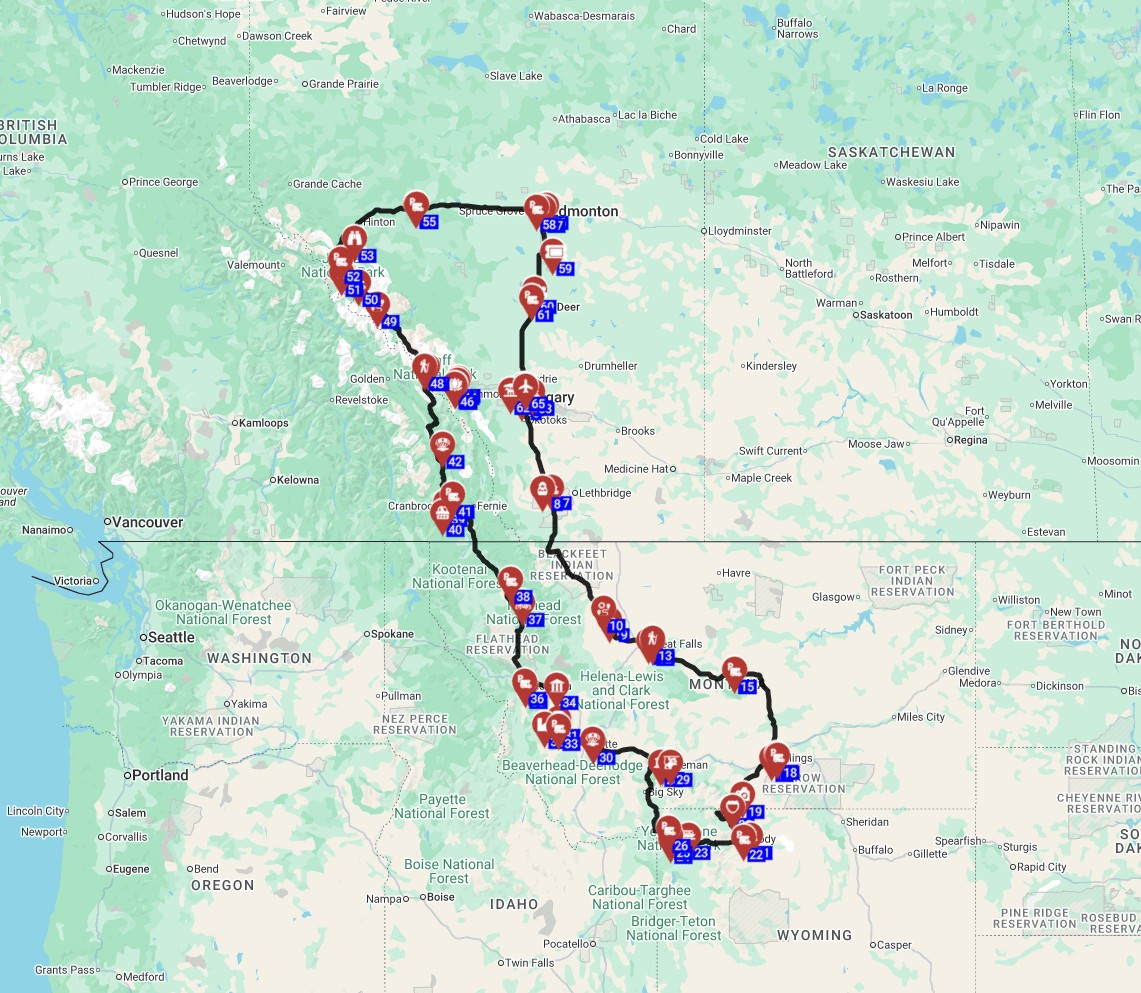
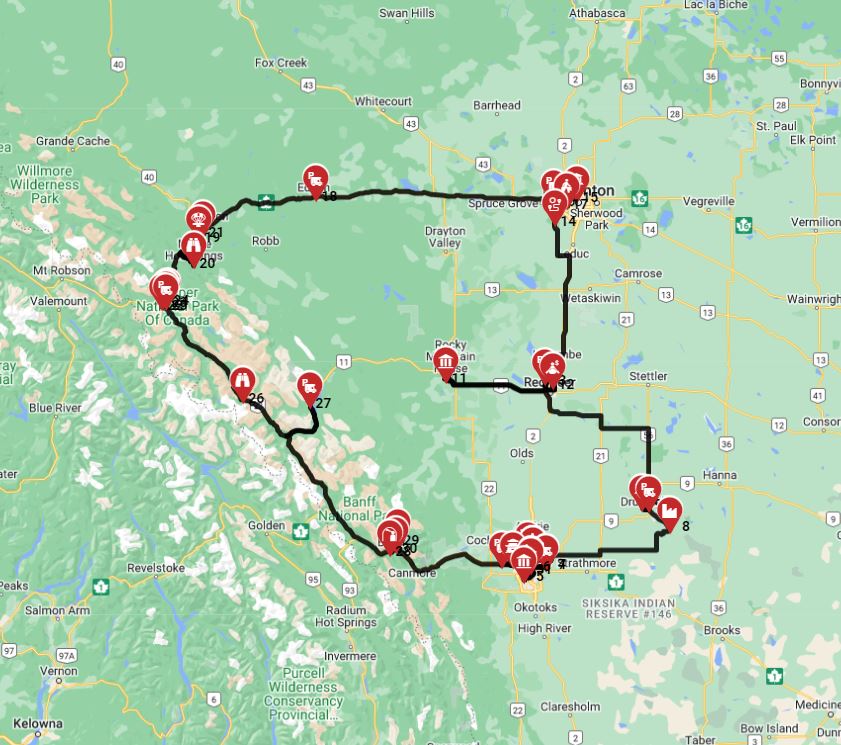
- Drive the Icefields Parkway: This 232 km (144 mi) scenic highway between Lake Louise and Jasper is a UNESCO World Heritage Site, renowned for glaciers, turquoise lakes, and abundant wildlife. Stop at iconic spots like Peyto Lake and Athabasca Glacier.
- Explore Banff National Park: Canada's first national park offers breathtaking views of the Canadian Rockies. Hike to Lake Agnes Tea House, canoe on Lake Louise, or soak in the Banff Upper Hot Springs.
- Visit Tofino on Vancouver Island: Experience the rugged Pacific coastline, temperate rainforests, and world-class surfing. This charming town is also perfect for whale watching and storm watching in winter.
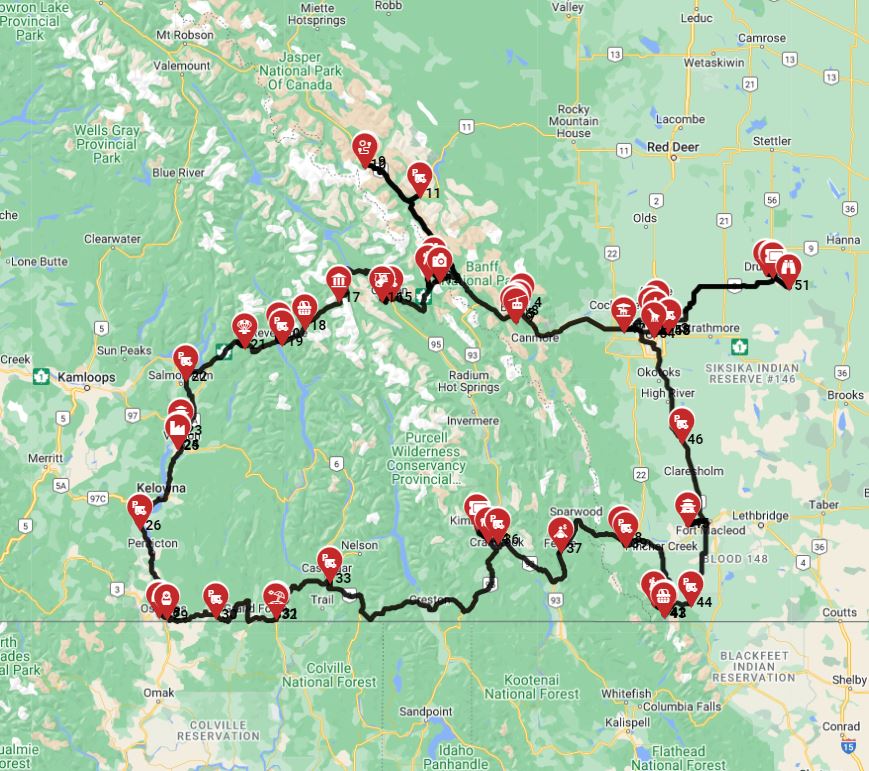
- Discover the Okanagan Valley: Indulge in wine tasting at dozens of vineyards, enjoy fresh produce from U-pick farms, and relax by the warm waters of Okanagan Lake, particularly in Osoyoos, Canada's only desert region.
- Hike in Yoho National Park: Witness the powerful Takakkaw Falls, visit Emerald Lake, and marvel at the Burgess Shale fossil beds, one of the most important fossil finds in history.
- Explore the Drumheller Badlands: Venture beyond the mountains to Alberta's unique badlands, home to Dinosaur Provincial Park. This UNESCO site offers a stark, arid landscape where you can literally walk among ancient dinosaur bone beds and discover hidden hoodoos.
Looking for expert insights from Avi Bandana? Top 5 Adventures - recommendations from Avi Bandana
🎬 Video coming soon
Final Thoughts
A rented RV trip through West Canada, even for a short adventure, offers an incredible opportunity to connect with nature and create lasting memories. By keeping these essential tips in mind, from smart booking practices to understanding local regulations and preparing for varied conditions, you're setting yourself up for a truly seamless and joyful experience. Imagine waking up to mountain views, cooking breakfast in your campervan, and hitting the trail all before most tourists even finish their first coffee – that's the magic of RV travel!
Remember, Bandana RV is here to support you every step of the way, from comparing the perfect motorhome for your family or friends to ensuring you have a transparent booking experience. So, pack your bags, prepare for awe-inspiring landscapes, and get ready for an adventure where every turn brings a new discovery. The open roads of West Canada are calling!
Ready to discover the perfect motorhome for your West Canada escape?