In This Guide
- Top 5 Tips for RV Rental in Paris
- Before You Book - Class, Dates, Insurance
- Pre-Trip Prep - Packing Checklist for Paris
- On the Road - Driving, Fueling, Navigation
- At the Campground - Setup, Hookups & Etiquette
- RV Rental-Specific Tips for Paris
- Common Mistakes to Avoid in Paris
- What are the new rules for motorhomes in France?
- Is France motorhome friendly?
- Do I need speed stickers on my motorhome in France?
- What is the 3-3-3 rule when RVing?
- What is the 4-4-4 rule for RVing?
- How much does it cost to rent an RV in France?
- What You Shouldn't Miss
- Why Book with Bandana Caravan
- Final Thoughts
- Frequently Asked Questions
Embarking on a motorhome adventure in Paris offers a unique way to experience the City of Light and its stunning surroundings. Imagine waking up with fresh croissants, brewing coffee in your rented campervan, and then taking a short train ride into the city for a day of exploration. With a rented RV, you gain unparalleled flexibility, allowing you to immerse yourself in both Parisian charm and the serene French countryside at your own pace. For live availability and current prices, start with our RV Rental Paris - Complete Guide 2026 guide.
Top 5 Tips for RV Rental in Paris
Navigating an RV rental in Paris is an exciting endeavor that requires a bit of foresight. First, understand Crit'Air Zones, as Paris has low-emission zones requiring specific vehicle stickers, which can cost around €4.76 and are categorized based on your vehicle's emissions. Second, booking your motorhome and campsites ahead is crucial, especially for the popular summer season (June-August), when prices can be 20-30% higher and availability scarce. Third, consider the size of your rented motorhome; a compact campervan like the "rv rental denver example Category Van" or "Active Bunk Auto" is generally more agile for navigating narrower French roads and urban parking situations compared to larger Class C models like the "campervan hire new zealand example Hercules" which might offer 3 double beds.
Fourth, learning basic French phrases for directions or campsite check-ins can significantly enhance your experience, as many locals appreciate the effort even if your French isn't perfect. Finally, planning your route meticulously is essential, utilizing apps like RV PLANET (rvplan.net) that account for RV dimensions (height, weight) to avoid unsuitable roads and low bridges, especially in older towns or near historical sites like Notre Dame. These small preparations ensure a smooth and stress-free adventure.
Before You Book - Class, Dates, Insurance
Before finalizing your RV rental in Paris, carefully consider the vehicle class that best suits your travel needs, your optimal booking dates for the best value, and the insurance options available for peace of mind. For couples or solo travelers, a nimble campervan like a "hire campervan example Paradise S/T" (which is ideal for a couple and offers an automatic transmission) is excellent for agility around urban areas and smaller villages, while families with 4-6 people might prefer a more spacious Class C motorhome such as the "rv rentals example Comfort Class" with its 3 double beds.
Optimal booking dates for Paris RV rentals typically involve planning at least 3-6 months in advance for peak travel periods like summer or major holidays, which can secure better availability and pricing, often saving 10-15%. Basic liability insurance is always included with RV rentals in France, but for comprehensive protection, you can upgrade to a top-level deductible for extra peace of mind directly through our platform. Bandana RV specializes in RV travel, offering full transparency with no hidden fees and supporting you before and during your booking process.
Pre-Trip Prep - Packing Checklist for Paris
Effective packing for your Paris motorhome adventure ensures comfort and compliance with local regulations. Essential clothing should include layers for varying temperatures, comfortable walking shoes for city exploration, a rain jacket or umbrella, and a smart casual outfit for dining out in Paris's charming eateries. For cooking on board, pack reusable shopping bags for market visits, a portable coffee maker if not provided, and basic cooking spices to enhance your meals; don't forget to check our RV-friendly recipes playlist for inspiration. Safety and navigation gear should always include a first-aid kit, reflective vests and a warning triangle (which are mandatory in France), a GPS with RV-specific routing to navigate around Parisian low bridges, and your pre-purchased Crit'Air sticker.
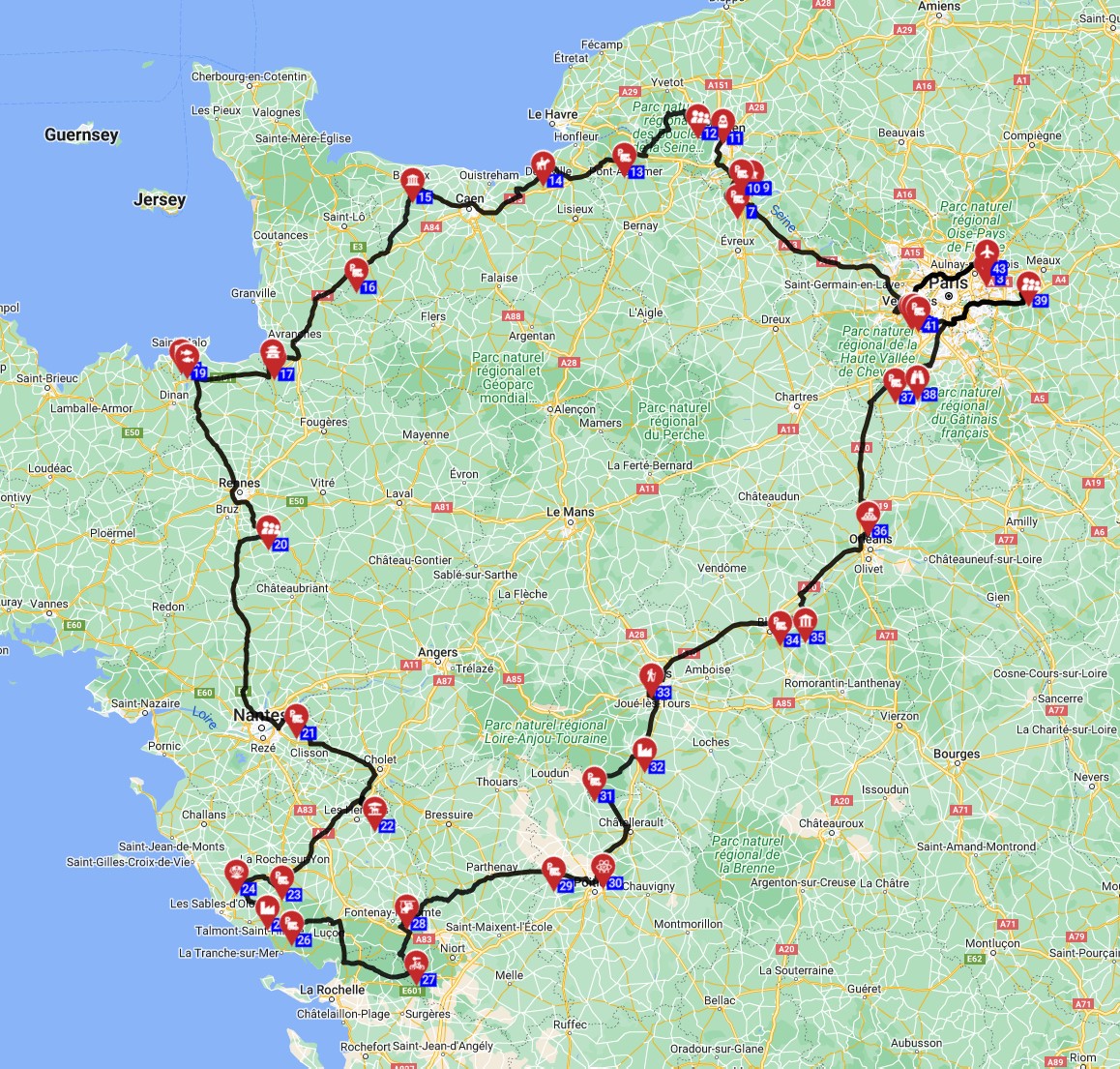
Crucial documents to have on hand include your valid driving license (an International Driving Permit is recommended for non-EU drivers but not mandatory), your passport or ID, your RV rental agreement and insurance details, and your Crit'Air certificate. Being prepared with these items ensures a smooth journey from pickup near Paris airport to any destination on your itinerary. For planning your route and itemizing every expense along the way, RV PLANET routes are an excellent resource for easy budgeting. On the routes offered through RV PLANET routes, you can itemize and track every expense along the way for easy budgeting.
🎬 Video coming soon
On the Road - Driving, Fueling, Navigation
Driving a rented motorhome in France is generally a pleasant experience on well-maintained roads, but be prepared for narrower lanes in rural areas and older towns, requiring careful attention. Driving directly into central Paris with an RV is generally discouraged due to congestion, narrow streets like Rue de Rivoli, and stringent parking rules; instead, utilize peripheral RV-friendly campsites like Camping Paris-Est or Camping Huttopia Versailles, which offer excellent public transport links (RER, Metro) to access the city center. Drive slowly and carefully, and you can drive almost anywhere without issues. No need to stress - just use common sense and pay attention.
Fueling your campervan is straightforward: Diesel (Gazole) is common and usually cheaper than petrol (Essence), and many larger fuel stations are truck-friendly, easily found along autoroutes. For navigation, always use a GPS system designed for RVs or large vehicles to avoid low bridges, weight-restricted roads, and narrow passages that could pose problems for a Class C motorhome like the Cruise America Explorer (which measures 7.1 meters in length). France has extensive toll roads (autoroutes) where costs can add up, so consider purchasing a 'Liber-t' tag for easier passage or prepare cash/card. Remember to travel slowly, averaging a maximum of 100-150 km per day, to truly connect with the culture, food, and scenery.
At the Campground - Setup, Hookups & Etiquette
Upon arrival at your campsite or 'aire de service' near Paris, park your rented motorhome carefully, ensuring sufficient space for awnings and slide-outs, if your vehicle such as the Class C motorhome 'MH-A' has them. The correct hookup order is crucial for safety: connect your electrical cable first (ensuring power is off), then the freshwater hose, and finally, prepare your grey and black water hoses for drainage at designated disposal points.
Proper waste management is paramount; always use designated dump stations for grey and black water, found at most official campgrounds or 'aires de service', and rinse the black water tank thoroughly. Most French campsites observe quiet hours, typically from 10 PM to 7 AM, so be mindful of neighbors when using generators or engaging in outdoor activities. Beyond traditional campgrounds, look for 'France Passion' sites, which offer free overnight stays at farms and wineries for self-sufficient RVs, providing a unique cultural experience. Municipal 'aires de service' like those found near Villeneuve-la-Garenne often provide basic services at a lower cost and may have good public transport links to Paris, making them ideal bases.
RV Rental-Specific Tips for Paris
Tailoring your RV rental in Paris to your specific travel group can greatly enhance your experience. For families with 4-6 members, choosing a Class C motorhome with adequate sleeping berths and a separate dining area, like a "Group G" model which offers 7 sleeping places, is essential. Plan shorter driving days, max 100-150 km, with frequent stops at playgrounds or picnic areas, and look for campsites near Paris with family-friendly amenities, such as Camping Paris-Est's swimming pool. Senior travelers should opt for a Class B campervan like the "V2L" with automatic transmission for easy access and a comfortable ride. Prioritize campsites with good accessibility and nearby public transport, minimizing long walks to attractions in Paris. For example, a 2-berth campervan like the "EcoLine 2" offers a 135/200cm double bed and is manageable for two travelers. You can upgrade to a top-level deductible for extra peace of mind, an optional enhancement available through Bandana.
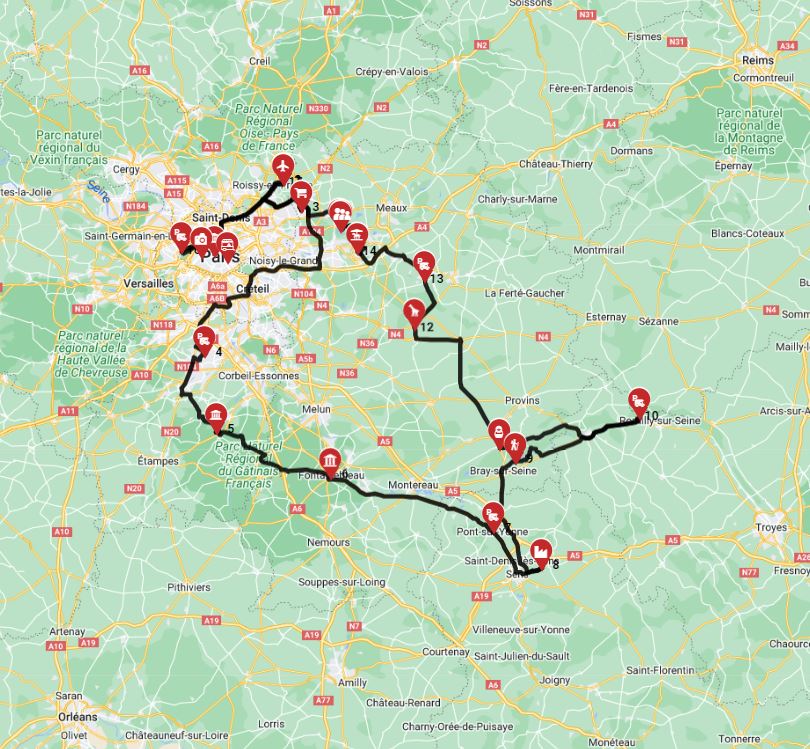
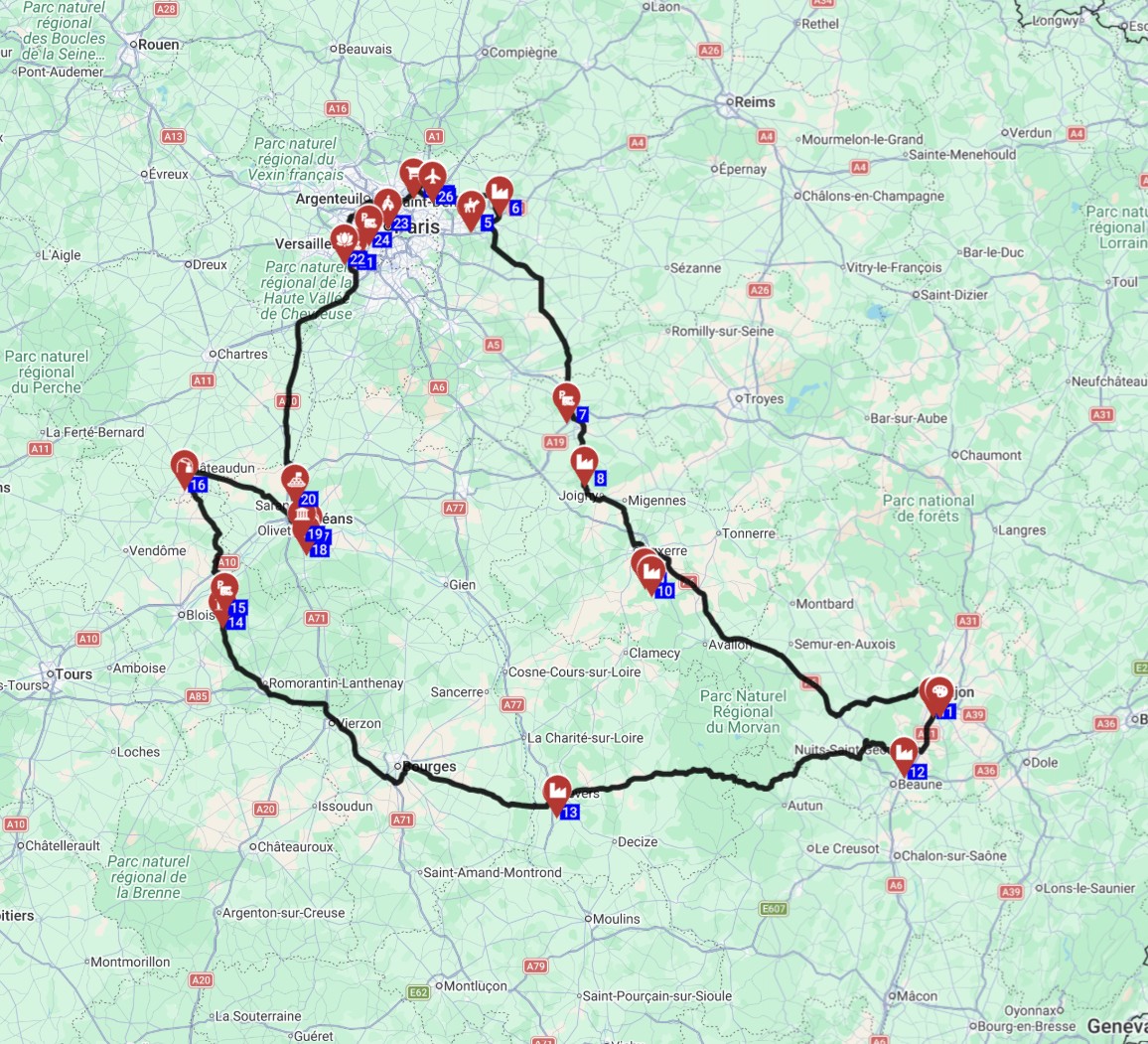
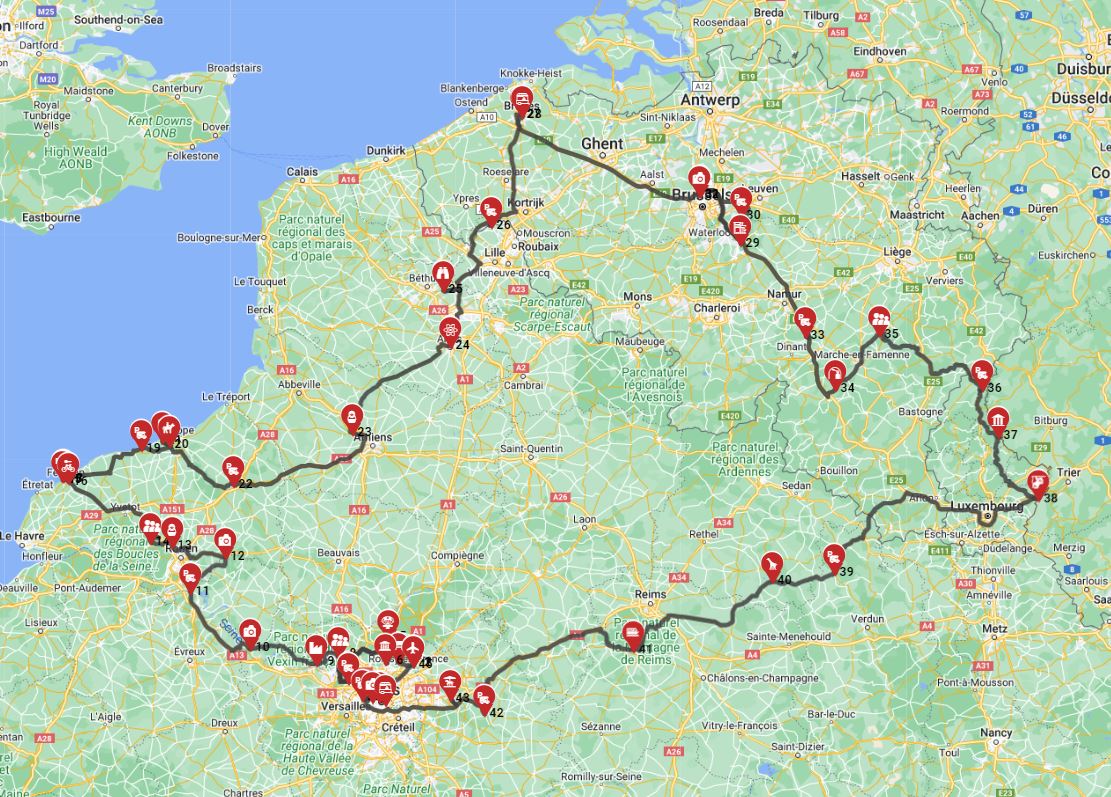
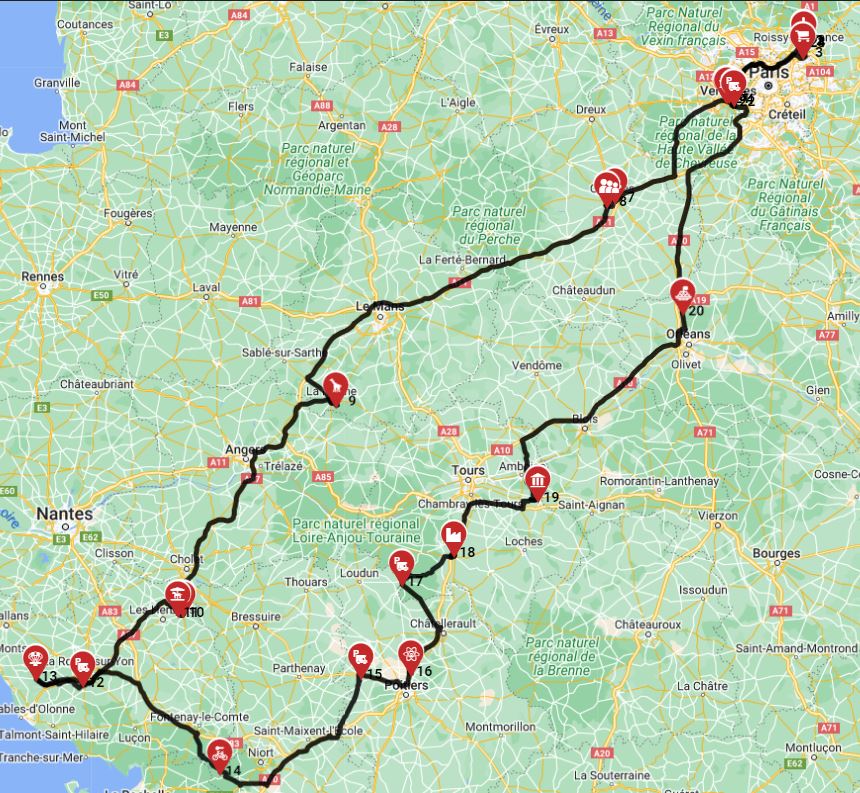
Budget travelers will find off-peak travel (November-March or April-May) offers significantly lower rental rates and campground fees, often 20-40% less. Utilizing free 'aires de service' or France Passion locations, and cooking meals in your RV to save on dining out, are smart strategies. Luxury travelers seeking premium RV rentals in Paris should explore models with enhanced amenities like larger bathrooms, integrated entertainment systems, or a full kitchen, such as a high-end Class A motorhome like the "Class A - Thor ACE 30". Inquire about concierge services for booking tours or exclusive experiences around Paris, ensuring a pampered journey. Bandana RV offers over 1,300 pre-planned routes across 5 continents via RV PLANET (rvplan.net), our sister company, to help you plan your ultimate itinerary.
Common Mistakes to Avoid in Paris
One top mistake first-time RV renters make in Paris is attempting to drive directly into central Paris with their rented RV; instead, park your motorhome at a peripheral campsite or 'aire de service' with reliable public transport connections, like the RER train from Maisons-Laffitte. Another common oversight is not having a Crit'Air sticker; you must purchase and display the correct Crit'Air vignette if you plan to enter any Low Emission Zones (ZFE) in Paris or other French cities, as fines can be up to €135. Underestimating French road rules and signage is also a frequent mistake; familiarize yourself with common French road signs, speed limits (e.g., 130 km/h on autoroutes), and mandatory equipment like reflective vests and warning triangles before your trip. This proactive approach helps avoid issues on routes like the A6 autoroute.
Overpacking your RV can lead to discomfort and increased fuel consumption; instead, pack efficiently, focusing on essentials and layers, as storage space can be limited. A compact Class B campervan like a "Combi Van" might have a 60-liter freshwater tank and a 30-liter waste water tank, requiring mindful usage. Finally, neglecting to check your RV's dimensions for navigation is a critical error; always input your motorhome's height, width, and weight into your GPS to avoid unsuitable roads, low bridges, or tunnels, particularly around older Parisian suburbs. Bandana RV, founded in 2001, has over 20 years of experience helping tens of thousands of travelers explore the world by RV, providing transparent comparison of final prices across 50+ leading RV suppliers worldwide.
What are the new rules for motorhomes in France?
As of 2026, new rules for motorhomes in France primarily focus on environmental regulations, particularly the expansion of Low Emission Zones (ZFE) in cities like Paris, requiring a Crit'Air sticker, and specific local parking regulations for larger vehicles. The Crit'Air Vignette is mandatory for driving in most major French cities' ZFEs, including Paris, which has increasingly strict restrictions phasing in over time; older, more polluting RVs (typically older than Euro 3 for diesel) may be restricted or banned from these zones. For example, Paris's ZFE restricts vehicles without a Crit'Air vignette or those with higher emission classes (e.g., Crit'Air 5) from its central area during weekdays from 8 AM to 8 PM.
Parking regulations for motorhomes, while generally tolerated for overnight stays in non-prohibited areas, can be locally restricted by municipal bylaws, especially in urban areas like Le Marais or tourist hotspots; always look for signage indicating "interdit aux camping-cars" (no RVs). Additionally, some historical city centers or narrow village streets may have physical barriers or signage prohibiting large vehicles, so always check your route plan or use an RV-specific GPS when traveling outside designated campgrounds. These rules ensure a harmonious experience for all travelers in France, a country we cover in 50+ locations, offering local expertise and support.
Is France motorhome friendly?
France is highly motorhome friendly, offering an extensive network of designated 'aires de service' (service areas), well-equipped campgrounds, and generally good road infrastructure, though navigating urban centers like Paris requires specific planning. The country boasts thousands of 'aires de service', with many offering water, waste disposal, and sometimes electricity for a small fee (often €5-€15) or even for free, making extended trips convenient. A wide range of privately owned and municipal campgrounds ("campings") are available throughout France, from basic sites like Camping Municipal Le Pré des Moines near Chantilly to luxurious resorts with pools and restaurants, typically costing €15-€50 per night during peak season.
The French road network, including excellent but often tolled motorways (autoroutes) and scenic, toll-free national and departmental roads, is suitable for all RV sizes, including larger Class C motorhomes. However, driving large RVs into central Paris is challenging due to traffic and restricted zones; it's strongly recommended to utilize peripheral RV parks with easy public transport access, such as the popular Camping Huttopia Versailles (with bus access to RER C), for visiting the city's iconic landmarks like the Eiffel Tower and Louvre Museum. Our 24/7 support ensures you have real people behind you before, during, and after your booking, making your RV adventure in France as smooth as possible.
Do I need speed stickers on my motorhome in France?
Yes, if your motorhome's gross vehicle weight (GVW) exceeds 3.5 tonnes, you are legally required to display specific speed limit stickers on the rear of your vehicle, indicating the maximum speeds allowed for that weight class on different types of roads in France. For motorhomes over 3.5 tonnes, stickers must clearly show 80 km/h (for national roads outside urban areas) and 100 km/h (for expressways and toll roads/autoroutes). A 110 km/h sticker might also be required for certain motorways, depending on the vehicle's specific classification, though this is less common for standard rental motorhomes.
These stickers, often circular with black numbers on a white background, must be clearly visible on the rear of the vehicle, typically on the left side, and are distinct from the Crit'Air vignette. Before your trip, confirm with your RV rental provider, such as El Monte or Apollo, if their vehicles over 3.5 tonnes already have these stickers, or if you need to acquire them, as non-compliance can result in fines ranging from €68 to €135. This regulation ensures road safety for larger vehicles on French roads, which are designed for diverse vehicle types. Bandana RV offers bookings in 30+ currencies with full price transparency, so you'll never face hidden fees or conversion commissions.
What is the 3-3-3 rule when RVing?
The "3-3-3 rule" in RVing is a widely recommended guideline for safe and enjoyable travel, advising drivers to aim for driving no more than 300 miles (approximately 480 km) a day, arriving at their destination by 3 PM, and staying for at least 3 nights, although this can be flexibly adapted for European travel. Limiting daily driving to 300 miles or about 480 km helps prevent driver fatigue, allowing for more leisurely travel and sightseeing breaks, which is particularly beneficial on often narrower and busier European roads around Paris. For a more relaxed European pace, many travelers adapt this to 150-200 km per day.
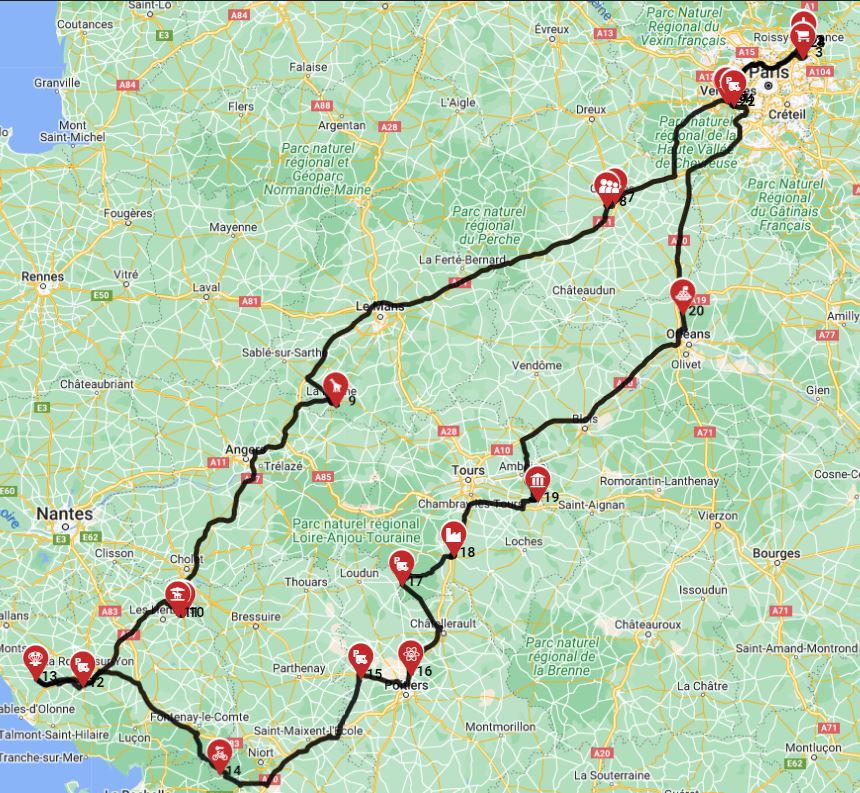
An arrival by 3 PM ensures ample daylight time to set up camp, explore the immediate area, and relax before dark, which can be critical for securing good spots in popular French 'aires de service' or campgrounds, especially during peak seasons. Staying for at least 3 nights encourages deeper exploration of a location like the Loire Valley (which is 2-3 hours from Paris), reduces the frequency of packing and unpacking your rented campervan, and provides a more restful pace, fostering a greater appreciation for French culture and landscapes. For instance, the "
What is the 4-4-4 rule for RVing?
The "4-4-4 rule" for RVing is another popular guideline, suggesting that RVers should drive for no more than 4 hours a day, aim to cover approximately 400 kilometers (around 250 miles), and ideally stop at a campsite or 'aire de service' by 4 PM. This rule primarily minimizes driver fatigue, which is crucial for safety, particularly when navigating a larger rented motorhome on unfamiliar French roads with varying speed limits. Limiting driving to 4 hours per day allows for sustained focus and energy for exploring destinations like the Palace of Versailles (just outside Paris) rather than being exhausted from long drives.
A daily distance of about 400 km or 250 miles is a manageable distance for a motorhome, allowing for comfort breaks, scenic detours, and unexpected discoveries in regions like Normandy, without feeling rushed. An arrival by 4 PM provides sufficient daylight hours to set up your RV, settle into your chosen location near Paris, and address any immediate needs without stress, ensuring a relaxed evening. While originally conceived for North American distances, this rule translates well to European travel, emphasizing a relaxed pace over rapid transit, which ensures a more enjoyable and safer journey and supports our recommendation to travel slowly. Bandana RV offers top-level deductible reimbursement options, ensuring you travel with peace of mind.
How much does it cost to rent an RV in France?
The cost to rent an RV in France varies significantly based on vehicle class, rental duration, season, and additional features, typically ranging from €70-€150 per day for smaller campervans in low season (November-March) to €150-€300+ for larger, luxury motorhomes during peak season (June-August). For example, a compact 2-berth campervan might cost around €80/day in spring, while a 6-berth Class C motorhome like the "F4" could be €200+/day in July. Longer rental periods, such as a two-week adventure, often result in a lower daily rate, incentivizing extended trips.
Beyond rental costs, factor in essential ancillary expenses like fuel (diesel is common and typically cheaper at €1.70-€2.00 per liter), tolls (which can be significant on French autoroutes, e.g., Paris to Nice can be over €80 in tolls), campground fees (€15-€50/night), Crit'Air stickers (€4.76 for France), and potential parking fees, especially near major attractions or for accessing peripheral Paris sites. On RV PLANET (rvplan.net) routes, you can itemize and track every expense along the way for easy budgeting, ensuring full transparency in your total trip cost. Prices are dynamic like flight tickets, changing daily based on availability, seasonality, and supplier marketing decisions, so the final price is set at actual booking time.
What You Shouldn't Miss
- **The Palace of Versailles:** Just a short RV-friendly drive or RER train ride from Paris, this opulent palace and its magnificent gardens are a must-see. Book your tickets in advance to save time.
- **A Loire Valley Châteaux Tour:** Rent a motorhome from Paris and head south-west for a week-long exploration of iconic castles like Chenonceau and Chambord, a perfect route for slow travel. Many châteaux offer RV parking.
- **Giverny and Monet's Gardens:** Experience the tranquility and beauty that inspired Impressionist master Claude Monet. This picturesque village is easily accessible by RV from Paris, with dedicated parking available.
- **The Champagne Region:** A two-hour drive east of Paris, this region offers charming villages and world-renowned vineyards. Find RV-friendly stops and consider a vineyard tour with tasting.
- **A Seine River Cruise in Paris:** After parking your RV at a peripheral campsite, take public transport into the city and enjoy a relaxing boat tour on the Seine, offering unparalleled views of Parisian landmarks.
- Looking for expert insights from Avi Bandana? Top 5 Adventures - recommendations from Avi Bandana
Final Thoughts
Exploring Paris and its enchanting surroundings in a rented motorhome or campervan offers an incredible sense of freedom and discovery. From navigating the specific Crit'Air zones to finding the perfect peripheral campsite with easy RER access to the city, a little planning goes a long way to ensure a smooth and memorable trip. Remember to embrace the spirit of slow travel, allowing yourself to truly soak in the rich culture, exquisite food, and breathtaking scenery that France, and particularly the region around Paris, has to offer.
Whether you're a first-timer or a seasoned RV enthusiast, our comprehensive tips, transparent pricing, and dedicated support are designed to make your journey effortless. So, pack your bags, choose your ideal rented RV, and get ready for an unforgettable adventure. Life truly is now, and a Paris RV rental is the perfect way to live it!
Find Motorhome Rentals in Paris