In This Guide
- Top 5 Tips for weekend rv rental RV Rental in Namibia
- Before You Book - Class, Dates, Insurance
- Pre-Trip Prep - Packing Checklist for Namibia
- On the Road - Driving, Fueling, Navigation
- At the Campground - Setup, Hookups & Etiquette
- weekend rv rental-Specific Tips for Namibia
- Common Mistakes to Avoid in Namibia
- What specific visa, insurance, and vaccination requirements are needed for RV travel in Namibia?
- Do I need a 4x4 RV for a weekend trip in Namibia and what features are essential?
- How can I practice responsible tourism and respect local culture while RVing in Namibia?
- What is cellular coverage like and how should I prepare for emergencies while RVing in remote Namibia?
- How can I RV sustainably and minimize my environmental impact in Namibia?
- How do I plan advanced RV routes for off-the-beaten-path destinations in Namibia?
- What are the border crossing requirements for RVs entering Namibia from neighboring countries?
- Where is wild camping permitted and what are the ethics for remote camping in Namibia?
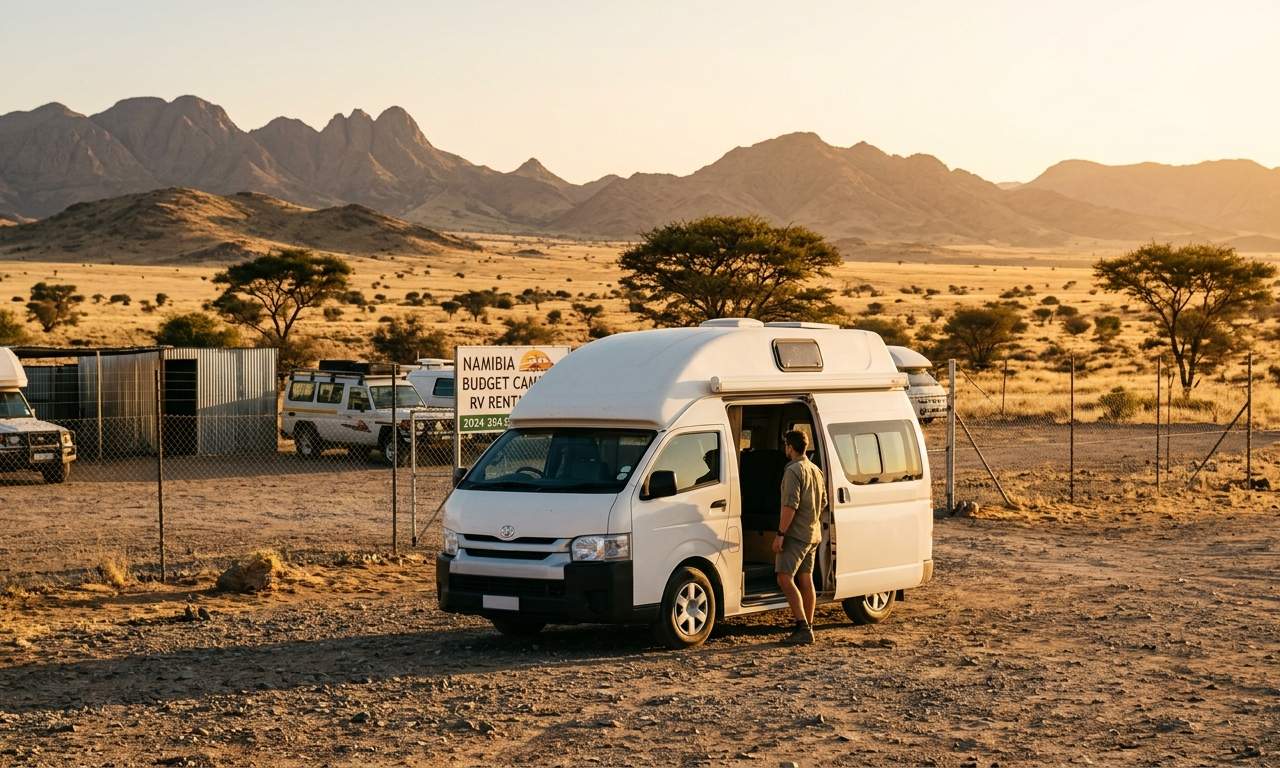
Namibia offers an extraordinary backdrop for an RV adventure, from its ancient deserts to its rich wildlife. Planning a weekend RV trip in this vast country requires a blend of preparation and flexibility to truly embrace its unique character. Whether you dream of stargazing in the NamibRand Nature Reserve or exploring the iconic dunes of Sossusvlei, a rented motorhome or campervan is your key to unlocking these experiences. For live availability and current prices, start with our RV Rental Namibia - Complete Guide 2026 guide, where you'll find comprehensive information to kickstart your journey.
Top 5 Tips for weekend rv rental RV Rental in Namibia
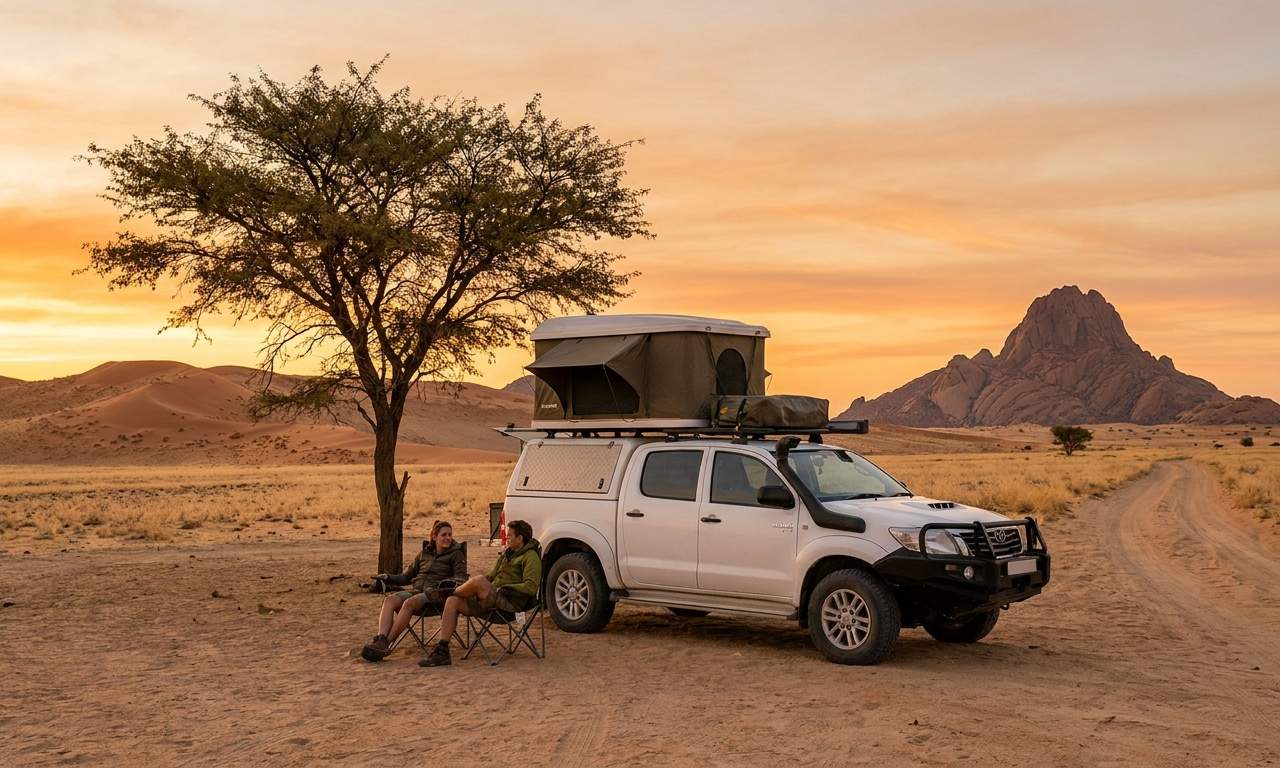
Navigating Namibia in a rented RV is an unforgettable experience, but a few key tips can make your weekend trip smoother and more enjoyable.
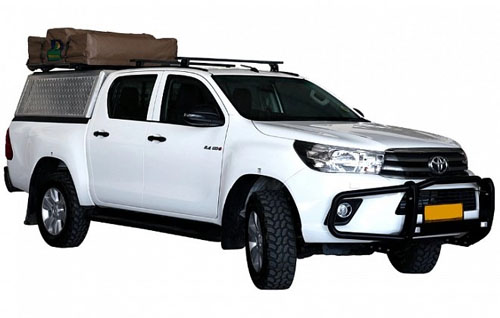
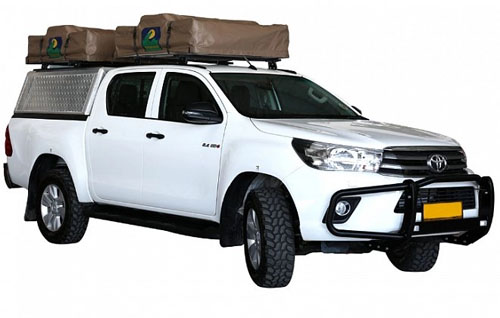
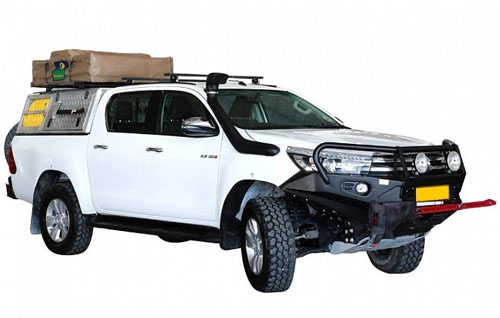
- **Choose a 4x4 RV suitable for Namibia's diverse terrain.** Many of Namibia's most breathtaking destinations, like parts of Etosha National Park or the Canyons, require off-road capability. A compact 4x4 campervan like the "Patagonia Camper 4x4 double cab" with robust suspension and sufficient ground clearance is highly recommended to handle gravel and sandy roads, ensuring you reach your desired spots without issues.
- **Plan a realistic weekend itinerary, considering driving distances and gravel roads.** Namibia is immense, and distances can be deceptive. Aim to travel slowly, max 100-150 km per day on average, especially on gravel roads where speeds are reduced to 80 km/h. For a weekend trip, focus on one key region like Sossusvlei or a section of the Skeleton Coast to maximize exploration and minimize time spent driving between distant locations.
- **Pack essential emergency gear, including extra water and a first-aid kit.** Remote travel in Namibia means being self-sufficient. Always carry at least 20 liters of extra water per person, non-perishable food, a comprehensive first-aid kit, and basic vehicle recovery tools such as a spade and tow rope.
- **Practice diligent water conservation due to scarce desert resources.** Water is precious in Namibia's arid environment. Take shorter showers, reuse greywater for flushing toilets if possible, and monitor your fresh water tank closely. A Class C motorhome like the "cruise america rv rental example Explorer" often comes with an 82-liter fresh water tank, which needs careful management on a weekend trip.
- **Learn basic local customs for respectful community interactions.** Namibia is a land of diverse cultures. A simple "hello" or "thank you" in a local language goes a long way. Always ask for permission before taking photographs of people, particularly in traditional villages. This shows respect and enhances your travel experience.
Before You Book - Class, Dates, Insurance
Before you finalize your RV rental in Namibia, selecting the right vehicle class, securing favorable dates, and ensuring proper insurance coverage are paramount for a stress-free journey.
Firstly, select your RV class based on your itinerary and comfort preferences. For most of Namibia's national parks and remote areas, a 4x4 capable campervan or motorhome is ideal. Smaller Class B campervans, often with features like front air conditioning and a shower, provide flexibility for couples exploring diverse terrains, while larger Class C motorhomes with sleeping capacity for 4-6 people, like the "rv rentals utah example Sunrise Escape" (which offers 167 liters of fresh water), are well-suited for families seeking more amenities. You can find a range of options suitable for a "Weekly RV Rental in Namibia - Pricing 2026" by exploring different suppliers.
Secondly, consider booking your trip 3-6 months in advance, especially if you plan to travel during peak season (June to October). While spontaneous travel is possible, pre-planners often secure better availability and can save up to 25% on rental rates. Many popular national parks reserve only 25-30% of their campsites for advance bookings, leaving the rest for first-come-first-serve, so calling ahead is always a good idea. Compare Motorhome Prices for Namibia to find deals that fit your schedule.
Lastly, basic insurance is typically included with your rental, but comprehensive coverage is highly recommended for RV travel in Namibia. This often includes options like top-level deductible reimbursement, which provides peace of mind against unexpected incidents on remote roads. We at Bandana are true RV specialists, not just a travel agency side department, and we ensure full transparency: no hidden fees and no surprises when it comes to insurance options. Our platform allows you to access comprehensive insurance options and compare final prices across 50+ leading suppliers worldwide, what you see is what you pay.
Pre-Trip Prep - Packing Checklist for Namibia
A well-prepared packing list is crucial for a comfortable and safe RV trip in Namibia, especially for a short weekend adventure.
Pack versatile clothing suitable for Namibia's varying desert temperatures; days can be scorching, reaching over 35°C (95°F), while nights can drop to below 10°C (50°F). Include light, breathable fabrics for daytime and warm layers for evenings, along with a wide-brimmed hat, sunglasses, and sturdy walking shoes. Don't forget swimwear for any lodge pools or coastal stops.
For self-catering, include essential kitchen items beyond what the rental motorhome (like a Class C with a 3-burner gas stove and 90-liter refrigerator) typically provides. Consider bringing a French press for coffee, reusable water bottles, and a cooler for extra drinks. Remember to stock up on groceries in major towns like Windhoek or Swakopmund, as provisions are scarce in remote regions. Explore our RV-friendly recipes playlist for meal ideas you can prepare on the go. On the routes offered through RV PLANET routes, you can itemize and track every expense along the way for easy budgeting.
Prioritize safety gear, including a comprehensive first-aid kit, any personal medications, emergency communication devices (like a satellite phone, discussed further in a later section), and vehicle recovery tools such as a sturdy tow rope, high-lift jack, and tire repair kit. This self-sufficiency is vital when exploring remote areas. Lastly, carry all necessary documents: your passport, an International Driving Permit (IDP) alongside your national driver's license, your RV rental agreement, and all insurance details. Having physical copies and digital backups is always a smart move for an RV adventure in Namibia.
On the Road - Driving, Fueling, Navigation
Driving a rented RV in Namibia is an adventure in itself, requiring careful attention to road conditions, fuel stops, and reliable navigation.
Drive cautiously on Namibia's extensive network of gravel roads, which make up over 80% of the country's routes. While speed limits on tarred roads can be up to 120 km/h, the maximum recommended speed on gravel is 80 km/h, but often 60 km/h is more comfortable and safer, especially with a larger Class C motorhome. Always drive slowly and carefully, and you can drive almost anywhere without issues. No need to stress - just use common sense and pay attention. Namibia drives on the left side of the road, so be mindful if you're accustomed to right-hand drive. For detailed insights, check out our "RV Driving Deals in Namibia - Routes and Savings 2026" guide.
Refuel at every opportunity, as fuel stations are sparse in remote areas. It's not uncommon to drive for hundreds of kilometers between towns like Walvis Bay and Windhoek without encountering a petrol station. Ensure your rented motorhome has a full tank before embarking on longer stretches. For larger Class C motorhomes, fuel consumption can be around 11-13 liters per 100 km, so planning is essential. Many 4x4 campervans, like the "Patagonia Camper 4x4 double cab", are equipped with dual fuel tanks, offering extended range for deep desert exploration. Keep track of your fuel expenses and other costs with RV PLANET routes, which allow you to itemize every expense.
Utilize both offline maps (e.g., Maps.Me, OsmAnd) and physical maps for reliable navigation, as cellular coverage is limited outside major towns. A good GPS device or app with downloaded maps is invaluable, but a traditional paper map serves as an excellent backup. Remain vigilant for wildlife, especially during dawn and dusk. Animals like kudu, springbok, and even elephants can cross roads unexpectedly, so reduce speed and be prepared to stop. Remember that the vast open roads with minimal traffic are part of Namibia's charm, allowing for a deeply meditative road trip experience.
🎬 Video coming soon
At the Campground - Setup, Hookups & Etiquette
Setting up your rented motorhome at a Namibian campground is straightforward, but understanding local practices and etiquette will enhance your experience.
Upon arrival at your campsite, park and level your RV securely. Many campgrounds, including popular ones like Sesriem, offer spacious pitches, some with shade. Leveling blocks are often useful, especially on uneven terrain, to ensure comfort inside your motorhome (e.g., proper functioning of the refrigerator and sleeping). After leveling, extend your awning if your vehicle, such as a "cruise america example Explorer", is equipped with one, to create a comfortable outdoor living space.
Connect electrical hookups (if available and needed), then your fresh water hose, and finally, secure your waste disposal hose to the designated dump station. While many Namibian campsites offer basic amenities, not all will have full hookups. Be prepared for dry camping (boondocking) by conserving water and managing your waste tanks. A Class C motorhome like the "MHC24" (with a 150-liter fresh water tank and 147-liter waste water tank) provides ample capacity for several days of self-sufficiency. Always dispose of greywater and blackwater only at designated points to protect the fragile desert environment.
Adhere strictly to campsite quiet hours, typically after 9 PM, to ensure a peaceful atmosphere for all travelers. Respecting fellow campers and the natural surroundings is a key part of RV etiquette. Never feed wildlife; store all food securely to prevent animal encounters, as even small creatures can be surprisingly resourceful. Keep your campsite tidy, pack out everything you pack in, and leave no trace of your stay. This ensures that the natural beauty of Namibia remains unspoiled for future adventurers. If you are looking for specific camping spots, we recommend using RV PLANET (rvplan.net) - a great resource for locating available spots along your route.
weekend rv rental-Specific Tips for Namibia
Optimizing a weekend RV rental in Namibia requires focused planning to make the most of your limited time in this magnificent country.
First, focus on one key region for a weekend to maximize your experience and minimize driving time across Namibia's vast distances. Instead of trying to cover the entire country, select a destination like the coastal town of Swakopmund, the wildlife-rich Etosha National Park (north), or the iconic dunes of Sossusvlei (south). This allows for deeper exploration of local culture, food, and scenery, aligning with our philosophy to travel slowly and connect with the place.
Next, choose an RV with comfortable bedding and adequate storage for a short trip. For couples or small families, a compact campervan like the "hire campervan example Paradise S/T" offers automatic transmission and front air conditioning, providing a cozy base without being overly large for maneuvering. Ensure it has enough storage for your weekend essentials, including versatile layers of clothing for fluctuating desert temperatures. Pre-book all campsites and activities well in advance to save precious time during your limited weekend. Given that many national and state parks reserve only 25-30% of spots for bookings, securing your accommodation beforehand, especially in popular areas, is a smart strategy. This also applies to activities like hot air balloon rides over Sossusvlei or guided desert tours.
Finally, plan for stargazing, a quintessential Namibian experience, by heading away from any light pollution. The NamibRand Nature Reserve, for instance, is Africa's first International Dark Sky Reserve, offering unparalleled views of the Milky Way. Even a remote campsite offers a spectacular celestial display. A Class B campervan, with its smaller footprint, makes it easier to find secluded spots for such unique moments. For those considering an extended road trip, perhaps a two-week adventure, options for a "Cheap RV Rental in Namibia - Budget Guide 2026" are available.
Common Mistakes to Avoid in Namibia
Even seasoned RV travelers can make common mistakes when exploring Namibia; awareness is key to a smooth journey.
A primary mistake is underestimating Namibia's vast distances and challenging road conditions. While major routes are generally good, many secondary roads are gravel, demanding slower speeds, often around 80 km/h, and requiring constant vigilance. Always budget extra driving time for these conditions. For instance, the drive from Windhoek to Swakopmund, though a major route, has sections that will require a patient approach. Another common error is neglecting thorough pre-trip vehicle checks, especially for tires and recovery gear. Before leaving major cities like Windhoek, inspect tire pressure, tread, and ensure your spare tire is in good condition. Confirm your rental motorhome includes basic recovery tools, which are essential for self-sufficiency in remote areas.
Never ignore wildlife safety; observe animals from a distance and drive cautiously, particularly at dawn and dusk. Wildlife can be unpredictable and may dart onto roads unexpectedly. This is particularly true near game parks like Etosha or in areas like the Caprivi Strip. Always plan for sufficient water and fuel, as services can be hundreds of kilometers apart. For example, a "cruise america example Explorer" with an 82-liter fresh water tank will need refilling strategically, so always top up whenever possible. This forethought is especially crucial for longer trips beyond just a weekend, which can be explored through a "One-Way RV Rental in Namibia - Price Guide 2026" if you plan to cover more ground.
Lastly, research and respect local customs to avoid cultural misunderstandings. A simple gesture of respect goes a long way. Additionally, carrying a satellite phone for emergency communication is vital, as cellular coverage is limited in remote regions, often only available near major towns or along primary routes. Being prepared for limited connectivity will ensure you can handle any unforeseen circumstances effectively.
What specific visa, insurance, and vaccination requirements are needed for RV travel in Namibia?
For RV travel in Namibia, travelers must verify visa requirements based on their nationality well before their trip, as regulations can vary significantly.
Most visitors will need a visa, and it's best to confirm the latest requirements with the Namibian embassy in your home country or an official travel advisory website. Once your visa is secured, you'll need comprehensive travel insurance that explicitly covers remote RVing, medical emergencies, and vehicle breakdowns, given Namibia's vast, sometimes challenging terrain. While your rented motorhome will come with basic insurance, upgrading to a top-level deductible for extra peace of mind is a smart choice, covering potential damages on gravel roads or in remote locations. This transparency with insurance options is a hallmark of Bandana Caravan, ensuring no hidden fees or surprises.
Regarding health, consult a travel health clinic for recommended vaccinations at least 6-8 weeks before departure. Common recommendations may include Hepatitis A and B, Tetanus, Typhoid, and Yellow Fever (if traveling from or transiting through a yellow fever risk country). Malaria prophylaxis might also be recommended for certain northern regions, especially during the rainy season (November-April). Always carry proof of vaccinations with you.
For driving, an International Driving Permit (IDP) is highly recommended and legally required alongside your national driver's license in Namibia. While a standard driver's license is sufficient for all motorhome classes (Class A, Class B, and Class C), the IDP provides a translation, which is invaluable for local authorities. The minimum rental age for RVs in Namibia is 21, and there are no young driver surcharges or vehicle class restrictions based on age, making RV adventures accessible to a wide range of travelers. Planning these details meticulously will set the stage for a great trip, whether it's an extended road trip or a focused weekend adventure.
Do I need a 4x4 RV for a weekend trip in Namibia and what features are essential?
For a weekend RV trip in Namibia, a 4x4 RV is highly recommended to access diverse Namibian destinations beyond the main tarred roads, which often lead to the most spectacular natural sights.
While you can stick to main routes in a 2WD motorhome or campervan for destinations like Windhoek, Swakopmund, or Walvis Bay, many popular attractions such as certain camps in Etosha National Park, parts of Damaraland, or even closer access to the dunes in Sossusvlei will require a 4x4 vehicle. A smaller, agile 4x4 campervan like the "Patagonia Camper 4x4 double cab" is often preferred by couples, featuring 4-wheel drive and front air conditioning, making it easier to navigate rougher tracks. Essential 4x4 features include robust suspension and high ground clearance, which are crucial for handling the corrugated gravel roads and occasional sandy patches that are characteristic of Namibia's remote areas. Without these, you might find yourself limited in where you can go or risking damage to a standard 2WD vehicle.
Dual fuel tanks are another crucial feature, offering extended range between remote filling stations, which are few and far between in the vast Namibian landscape. Some Class B campervans are equipped with such capabilities, allowing you to venture further without range anxiety. Furthermore, sand tires (or all-terrain tires) significantly improve traction in sandy areas, such as those found around Sossusvlei, reducing the risk of getting stuck. Carrying recovery gear like a spade, tow rope, and an air compressor for tires ensures self-sufficiency, enabling you to handle minor predicaments without needing immediate assistance. Bandana RV specializes in connecting travelers with the right RV for their adventure, ensuring you get a vehicle that's truly suitable for Namibia's unique driving challenges, not just a generic rental. This commitment makes us true RV specialists, with over 20 years of experience helping tens of thousands of travelers.
How can I practice responsible tourism and respect local culture while RVing in Namibia?
Practicing responsible tourism and respecting local culture while RVing in Namibia involves a conscious effort to minimize your impact and engage positively with local communities.
Engage with local communities through ethical tours that directly benefit them, such as guided village visits or craft markets. In regions like Damaraland or Kaokoland, where indigenous groups such as the Himba and San reside, remember to learn basic greetings and always ask permission before photographing people, demonstrating respect for their privacy and customs. Purchasing authentic crafts and local produce directly from community members also supports their livelihoods, providing a direct economic benefit and a more meaningful cultural exchange than mass-produced souvenirs.
Seek out unique local food experiences for deeper cultural immersion. Namibia's culinary scene is a blend of German, South African, and indigenous influences. Try dishes like kapana (grilled meat), vetkoek (fried dough bread), or traditional potjiekos, which can even inspire your own RV-friendly recipes playlist experiments in your rented motorhome. By choosing locally-owned establishments, you contribute directly to the local economy. Always minimize your environmental footprint by adhering strictly to sustainable practices, which is particularly important in Namibia's fragile desert ecosystems. This includes conserving water, managing waste responsibly, and respecting wildlife, which will be further detailed in the sustainability section. Remember that a rented RV gives you the flexibility to slow travel, max 100-150 km per day, allowing more time to feel the place, connect to the culture, the food, and the scenery.
What is cellular coverage like and how should I prepare for emergencies while RVing in remote Namibia?
Cellular coverage in Namibia is generally limited to major towns and along primary tarred roads; expect little to no signal in remote regions and national parks, requiring proactive emergency preparation for your RV trip.
A satellite phone is highly recommended for emergency communication when RVing in remote areas of Namibia, especially if you plan to venture off main routes. Relying solely on cellular networks can leave you stranded without communication for hundreds of kilometers. Ensure you have detailed emergency contacts stored both digitally and physically, including your RV rental company (like a Bandana partner supplier such as Apollo or Britz), local police, and medical services in nearby towns such as Swakopmund or Walvis Bay.
Beyond communication, have a well-stocked first-aid kit, enough water (at least 20 liters per person extra), non-perishable food, and any personal medications. Familiarize yourself with your RV's roadside assistance procedures provided by your rental company. Knowing exactly what to do in case of a breakdown or medical incident, and how to communicate your GPS coordinates immediately, is crucial for prompt assistance. Travel with peace of mind by understanding that you can upgrade to a top-level deductible for extra coverage, which minimizes your financial risk in unexpected situations. Bandana ensures you're supported before, during, and after your booking, providing comprehensive information so you're never caught off guard. For any trip, especially an extended road trip across "RV Rental Africa - Complete Guide 2026" locations, thorough preparation is paramount.
How can I RV sustainably and minimize my environmental impact in Namibia?
RVing sustainably in Namibia requires a mindful approach to conserve resources and protect its delicate desert ecosystems.
Practice extreme water conservation during your RV trip, especially when using your rented motorhome's shower or kitchen facilities. With a typical 82-liter fresh water tank in a Class C motorhome like the "cruise america rv rental example Explorer", every drop counts. Use minimal water for washing dishes (perhaps even pre-wiping plates before a quick rinse) and take very short showers. Conserving water not only helps the environment but also extends your self-sufficiency in remote areas. Manage all waste responsibly by strictly adhering to a "pack it in, pack it out" philosophy. This means ensuring all trash, including food scraps and packaging, is stored securely within your RV until it can be properly disposed of at designated waste facilities in towns or established campsites.
Dispose of greywater (from sinks and showers) and blackwater (from toilets) only at designated dump points found at most official campgrounds or service stations. Never release these wastes into the natural environment, as they can severely harm fragile desert flora and fauna. Use biodegradable soaps and detergents to further protect these ecosystems. Stay strictly on marked roads and tracks, especially when exploring national parks or scenic routes. Driving off-road can damage sensitive vegetation, disrupt wildlife habitats, and leave lasting scars on the landscape. Maintain a respectful distance from all wildlife and avoid disturbing protected areas. By following these guidelines, RV travelers ensure their adventure contributes to the preservation of Namibia's unique natural heritage, aligning with our commitment to honest and transparent travel practices. Detailed routes, including information on appropriate stopping points and regulations, can be found on RV PLANET routes, helping you plan a truly eco-conscious trip.
How do I plan advanced RV routes for off-the-beaten-path destinations in Namibia?
Planning advanced RV routes for off-the-beaten-path destinations in Namibia requires meticulous research and preparation to ensure a safe and enjoyable journey.
Begin by researching road conditions using detailed maps, recent traveler reports, and local tourist information. Many remote tracks might not appear on standard GPS devices, necessitating a combination of satellite maps (like those on advanced GPS units or apps with downloaded offline maps) and up-to-date physical maps. Consulting with your RV rental supplier is also invaluable, as they possess firsthand knowledge of current road conditions. Our pre-planned routes at RV PLANET, for instance, are crafted by professionals, offering proven itineraries for both popular and lesser-known spots. For those seeking "RV Driving Deals in Namibia - Routes and Savings 2026", exploring these curated options can be a significant advantage.
Plan meticulously for long stretches without services by carrying extra supplies. This includes sufficient fuel (some 4x4 campervans offer dual fuel tanks for extended range), at least 20 liters of water per person, and non-perishable food. Consider specialized itineraries such as geological sites, like the Brandberg Mountain, or dark sky stargazing routes in areas like the NamibRand Nature Reserve, Africa's first International Dark Sky Reserve. These routes often lead to breathtaking natural wonders that are less frequented by conventional tourists. For families planning an extended RV trip, perhaps a "Weekly RV Rental in Namibia - Pricing 2026" would allow more time for such in-depth exploration.
Always inform someone reliable of your planned route and expected return time. This can be your rental company, a local contact, or even a trusted friend or family member back home. Providing a detailed itinerary and checking in regularly is a crucial safety measure when venturing into Namibia's vast and isolated landscapes. For optimal planning, our Rent&Plan service allows you to create customized itineraries with minimal effort and maximum enjoyment, integrating remote camping considerations and ensuring you're prepared for every leg of your journey.
What are the border crossing requirements for RVs entering Namibia from neighboring countries?
For RVs entering Namibia from neighboring countries like South Africa or Botswana, strict adherence to specific border crossing requirements is essential to ensure a smooth entry.
Firstly, ensure all occupants of your rented motorhome or campervan have valid passports with at least six months' validity remaining and sufficient blank pages for stamps. Verify any necessary visa requirements based on your nationality well in advance of your travel date. In addition to personal identification, you must carry original vehicle registration documents, your RV rental agreement, and crucially, a Letter of Authority from the rental company. This letter grants permission for you to take the vehicle across international borders, clearly stating that you are authorized to drive the RV and outlining the allowed countries of travel. Without this, you will likely be denied entry.
At the border post, be prepared to receive a Temporary Import Permit (TIP) for the RV. This document is typically issued at no charge but is mandatory and must be kept with your vehicle documents. Customs inspections are common, and officials may conduct thorough searches. Be transparent about any dutiable goods and declare items as required to avoid penalties. It's advisable to check for import restrictions on items like fresh produce, meat, and dairy products, as many countries in Southern Africa have strict agricultural import regulations to prevent disease. Expect varying waiting times at border crossings, especially during peak travel seasons; patience is key.
It's also important to have ZAR (South African Rand) or NAD (Namibian Dollar) for potential road usage fees or unexpected charges at the border. While Bandana offers bookings in 30+ currencies with full price transparency and no conversion commissions, local cash is always good to have. Companies like Apollo and Britz, among our 50+ leading RV suppliers, are familiar with cross-border rentals and can provide specific advice for their vehicles. This meticulous preparation ensures that your cross-border RV adventure, whether for a week-long trip or an extended road trip, begins without a hitch.
Where is wild camping permitted and what are the ethics for remote camping in Namibia?
Wild camping in Namibia is generally restricted to designated concessions or private land with explicit permission, rather than being permitted freely across the vast open spaces, due to land ownership and conservation efforts.
Unlike some other countries, Namibia has strict laws regarding camping on undesignated land. National parks and reserves typically only allow camping in official campsites, which must be pre-booked, especially during peak season. However, some private reserves and conservancies may offer exclusive, remote camping spots with prior arrangement and permission. Always practice strict "leave-no-trace" principles: pack out all trash, including organic waste, and leave your campsite exactly as you found it, or better. This is crucial for preserving Namibia's pristine environment, especially in areas like the Namib Desert, the world's oldest desert. Consider a rented campervan with a refrigerator like the "hire campervan example Paradise S/T" to keep your food fresh and organized, minimizing waste.
Dispose of human waste properly by burying it deeply and far away from water sources, trails, and campsites. If your RV is equipped with a toilet, ensure you use designated dump stations. Avoid open fires unless in designated safe areas, as wildfires can be devastating in arid landscapes. Respect private property and local communities by not encroaching on their land and always seeking permission if you wish to camp outside an official site. If unsure, always opt for established campgrounds; many offer stunning views and essential facilities for your comfort, ensuring peace of mind, which is part of what makes RV PLANET so valuable for route planning. These resources are designed to help you plan a trip with minimal effort and maximum enjoyment, even for a short weekend RV trip.
Do not disturb wildlife or their habitats. This includes keeping a respectful distance, not feeding animals, and avoiding loud noises. The sheer vastness of Namibia means you can experience truly remote camping and unparalleled stargazing, especially in Africa's first International Dark Sky Reserve, the NamibRand Nature Reserve. By adhering to these ethics, you contribute to the sustainability of Namibia's natural beauty and cultural integrity. For comprehensive planning, our 1,300+ pre-planned routes across 5 continents, including specific itineraries for Namibia, are excellent for finding suitable and ethical camping locations.
What You Shouldn't Miss
Namibia is a land of incredible contrasts and unforgettable experiences, even on a quick RV trip. Here are a few must-do adventures:
- Sossusvlei and Deadvlei: Witness the towering red dunes and the ancient, petrified trees of Deadvlei, a truly iconic and surreal landscape. Catching a sunrise over the dunes from your rented motorhome is pure magic.
- Etosha National Park: Embark on an incredible self-drive safari in your RV, exploring waterholes and spotting Africa's diverse wildlife, including elephants, lions, and rhinos, in their natural habitat.
- Skeleton Coast: Drive along this hauntingly beautiful coastline, dotted with shipwrecks and dramatic desert scenery. While access to some areas is restricted, sections are RV-friendly and offer unique photographic opportunities.
- Swakopmund: Explore this charming coastal town, a blend of German colonial architecture and desert adventure hub. Enjoy quad biking, sandboarding, or a relaxing stroll along the beachfront.
- Stargazing in the NamibRand Nature Reserve: Experience some of the darkest night skies on Earth in Africa's first International Dark Sky Reserve, a truly awe-inspiring spectacle that an RV trip makes easily accessible.
Looking for expert insights from Avi Bandana? Top 5 Adventures - recommendations from Avi Bandana.
Final Thoughts
A weekend RV rental in Namibia is an unparalleled opportunity to experience one of Africa's most breathtaking and untamed landscapes. With careful planning, the right motorhome or campervan, and a spirit of adventure, you can immerse yourself in ancient deserts, witness incredible wildlife, and marvel at pristine night skies. Remember to embrace slow travel, allowing yourself the time to truly connect with the culture, the cuisine, and the sheer natural beauty that Namibia offers.
At Bandana Caravan, we are dedicated to making your RV journey seamless and transparent. From comparing final prices across a wide array of suppliers like El Monte, Cruise America, Apollo, and Britz, to offering expert-designed route plans, we are with you every step of the way. We believe in honesty, with no hidden fees or surprises, ensuring you get the best value and peace of mind for your adventure.
So, get inspired, plan a trip itinerary in advance with minimal effort, and embark on an unforgettable RV experience in Namibia. Whether it's a week-long trip or a comprehensive month-long exploration, Namibia awaits your discovery. Check Namibia RV Rental Prices Now to begin your journey!