In This Guide
- Top 5 Tips for Weekend RV Rental in London
- Before You Book - Class, Dates, Insurance
- Pre-Trip Prep - Packing Checklist for London
- On the Road - Driving, Fueling, Navigation
- At the Campground - Setup, Hookups & Etiquette
- Weekend RV Rental-Specific Tips for London
- Common Mistakes to Avoid in London
- How much does it cost to rent a campervan for a week in the UK?
- What is the 3-3-3 rule for RV travel?
- What is the 444 rule for RVs?
- Do and don'ts London?
- What is the 2-2-2 rule for RV travel?
- What questions to ask when renting an RV?
Top 5 Tips for Weekend RV Rental in London
Planning a memorable RV trip around London requires strategic thinking, given the city's unique driving conditions. For live availability and current prices, start with our RV Rental London - Complete Guide 2026 guide. First and foremost, you should plan your route carefully, acknowledging London's unique driving challenges like narrow roads, the Ultra Low Emission Zone (ULEZ), and the Congestion Charge zones. These urban restrictions can add unexpected costs, so checking your rented motorhome's compliance beforehand is crucial. Secondly, opt for an RV park outside central London and utilize public transport or Park & Ride schemes for city access. This approach minimizes driving stress within the dense city and helps avoid hefty fees, providing a seamless way to explore iconic landmarks like the Tower of London and Buckingham Palace. Consider staying at campsites near Tube stations, such as the Abbey Wood Caravan & Motorhome Club Campsite which offers direct train links to central London via the Elizabeth Line. Third, choosing a compact RV or campervan is often the most suitable option for UK roads, which are frequently narrower than those in other countries. Smaller campervans, like a "Paradise S/T" model designed for couples or small families, are easier to maneuver and park, especially if you plan to venture into smaller towns outside the capital. Fourth, booking your RV rental and campsites well in advance, especially during peak season, is essential to secure availability and better rates. Flexibility with your travel dates can also significantly impact pricing. If you’re curious about typical costs, our "RV Rental in London - Prices and Best Deals 2026" article offers a helpful overview. Finally, familiarize yourself with UK-specific driving rules, including navigating roundabouts, adhering to speed limits for larger vehicles, and understanding lane discipline. Driving slowly and carefully, you can drive almost anywhere without issues, without needing to stress, just use common sense and pay attention to road signs.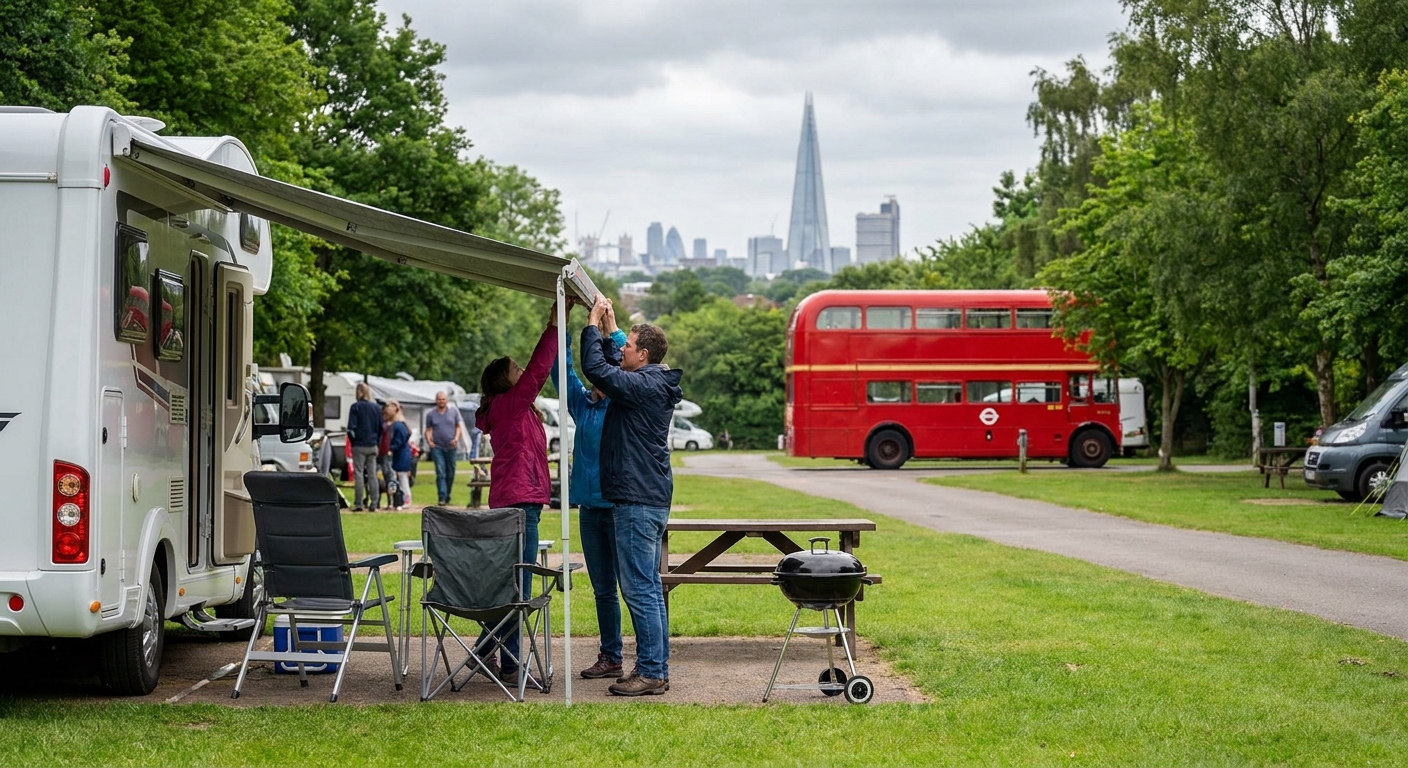
Before You Book - Class, Dates, Insurance
Before committing to your London RV adventure, selecting an RV class appropriate for UK travel is vital. For easier navigation on narrower roads and parking, favoring smaller campervans or compact motorhomes is highly recommended, considering the specific logistical challenges of RVing in London. A compact Class C motorhome like the 'cruise america rv rental example Explorer' (7.1m length, 2.78m width) offers a balance of comfort and maneuverability. Larger Class A motorhomes might offer more space, but their size can be a significant hindrance in the UK's urban and many rural settings. Locking in your rental dates as early as possible, particularly for weekend RV rental in London during peak seasons (summer, bank holidays), helps secure availability and potentially lower prices. Last-minute bookings are sometimes possible, but prices are dynamic, much like flight tickets, and tend to increase closer to the travel date. For specific offers, check out "RV Rental Deals in London - Latest Offers 2026". Understanding insurance options is also paramount, as basic insurance is always included, but additional coverage can provide greater peace of mind. To see prices including the most comprehensive coverage, select that option during your search; then all relevant insurance options will be shown, allowing you to clarify excess amounts and consider additional breakdown cover or excess reduction policies. Remember, opting for a top-level deductible reimbursement is an optional upgrade for extra peace of mind, not a default inclusion. It’s essential to verify that your rental covers London, UK, specifically, and not London, ON, to avoid search intent confusion, ensuring the vehicle is compliant with local UK regulations like the ULEZ. Inquire about mileage limits, fuel policies, and any age restrictions or special license requirements specific to driving an RV in the UK. A standard car driver's license is sufficient for all motorhome classes in the UK, with a minimum rental age of 21 and no young driver surcharges or vehicle class restrictions based on age.Pre-Trip Prep - Packing Checklist for London
A well-prepared packing checklist ensures a smooth RV trip in London. Pack versatile clothing suitable for unpredictable UK weather, including waterproofs and layers, as London's weather can change quickly even within a day. Don't forget comfortable walking shoes for exploring the city's extensive pedestrian areas. Ensure all necessary documents are easily accessible, especially for international travelers and UK driving. This includes your valid driver's license (a standard car license is sufficient for all motorhome classes), an International Driving Permit (IDP) if your license is not from an English-speaking country (though not mandatory in most cases, it is recommended), passport, and rental agreement details. Stock your kitchen with essential non-perishables, as well as specific items for British tea culture, like tea bags and biscuits, for cozy mornings in your rented camper. Imagine brewing a fresh cup of tea in your RV kitchen before heading out to explore. For more culinary inspiration, explore our RV-friendly recipes playlist. Include safety items relevant for UK road conditions and potential roadside emergencies, such as a first-aid kit, reflective vests, and a warning triangle. While Bandana provides 24/7 support for pre-booking and post-booking coordination, being prepared for minor eventualities on the road is always wise.On the Road - Driving, Fueling, Navigation
Driving a rented motorhome in the UK requires a keen awareness of local rules and road conditions. Be aware of UK-specific driving rules, including driving on the left, skillfully navigating roundabouts, and understanding box junctions, all crucial for safe and efficient travel. London's roads can be busy, but driving slowly and carefully, you can navigate almost anywhere without issues. For more detailed driving advice, our "One-Way RV Driving in London - Route Planner 2026" article is a great resource. For fueling, larger RVs typically use diesel; always confirm your vehicle's fuel type and plan stops in advance. While fuel stations are common on motorways, they can be less frequent in rural areas, so keep an eye on your tank. Remember that fuel costs are an ancillary expense; on RV PLANET routes, travelers can itemize and track every expense along the way for easy budgeting. Utilize GPS or navigation apps, ideally those that can be set for RV dimensions (if available), to avoid narrow roads, low bridges, and areas like London's Ultra Low Emission Zone (ULEZ) and Congestion Charge zones, which incur significant fees for non-compliant vehicles. Always check for height and width restrictions before entering urban areas or smaller roads, acknowledging specific logistical challenges of RVing in London. Keep left, expect tight corners, and ensure you have clear visibility when making turns, especially in built-up areas and on rural single-track roads.At the Campground - Setup, Hookups & Etiquette
Arriving at your chosen campsite with your rented campervan is the reward after a day of driving, and proper setup ensures a comfortable stay. Upon arrival, park your RV level, typically starting with leveling blocks if needed, before connecting any services. This provides stability and ensures proper drainage and function of your RV's internal systems. Connect electrical hookups first to the RV, then to the power pedestal, ensuring correct polarity. This is generally a standard 16-amp connection in the UK. Next, connect the freshwater hose to the RV and then to the campsite's potable water source, using a pressure regulator if available, and ensure you are filling your freshwater tank and not just relying on direct feed. Fresh water tanks like the "cruise america rv rental example Explorer" with its 82-liter tank mean less frequent refills. Finally, connect the grey water (from sinks and showers) and black water (from the toilet) hoses from your RV's waste tanks to the campsite's sewer connection, ensuring the valve is closed until ready to dump. This prevents odors and messy spills. Always observe quiet hours, usually from late evening to early morning (typically 10 PM to 7 AM), respecting fellow campers by minimizing noise and light pollution. Adhere to specific site rules regarding waste disposal and pet policies. For finding campsites and campgrounds during your trip, we recommend using RVPLANET (rvplan.net), a great resource for locating available spots along your route.Weekend RV Rental-Specific Tips for London
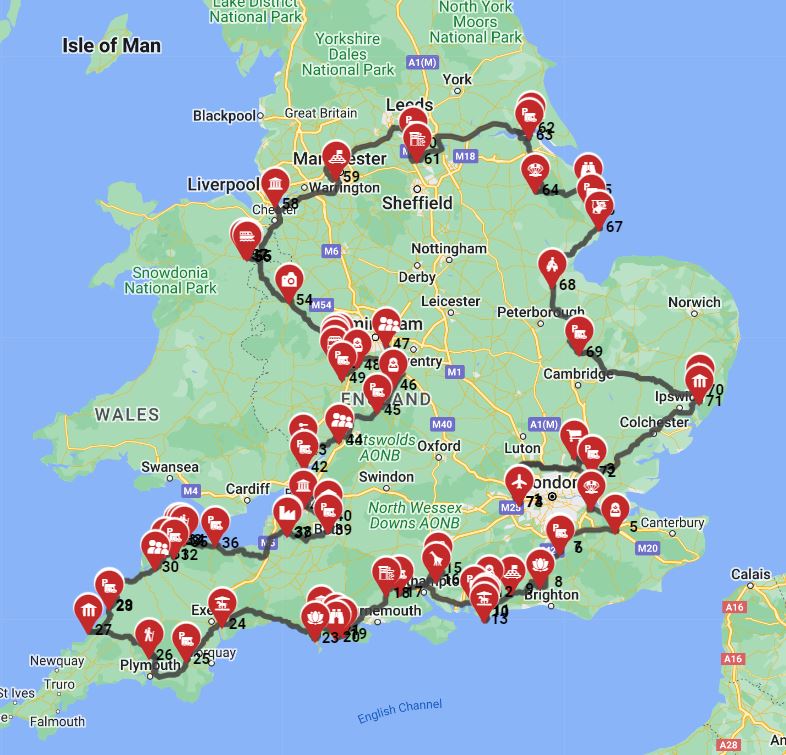
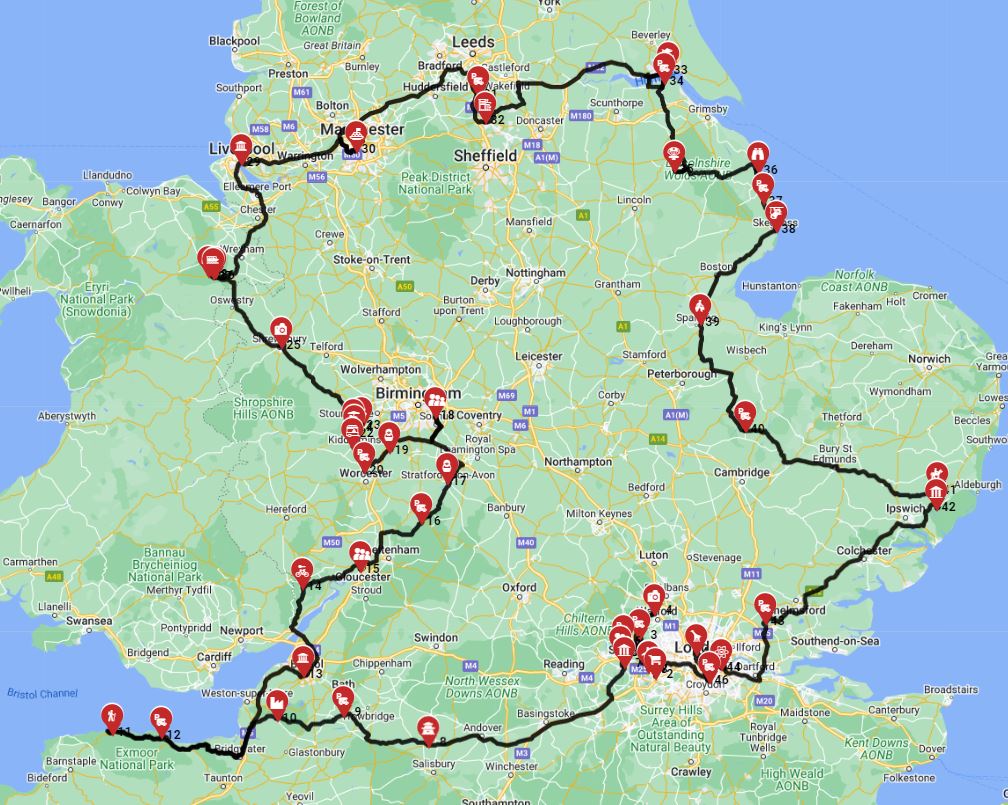
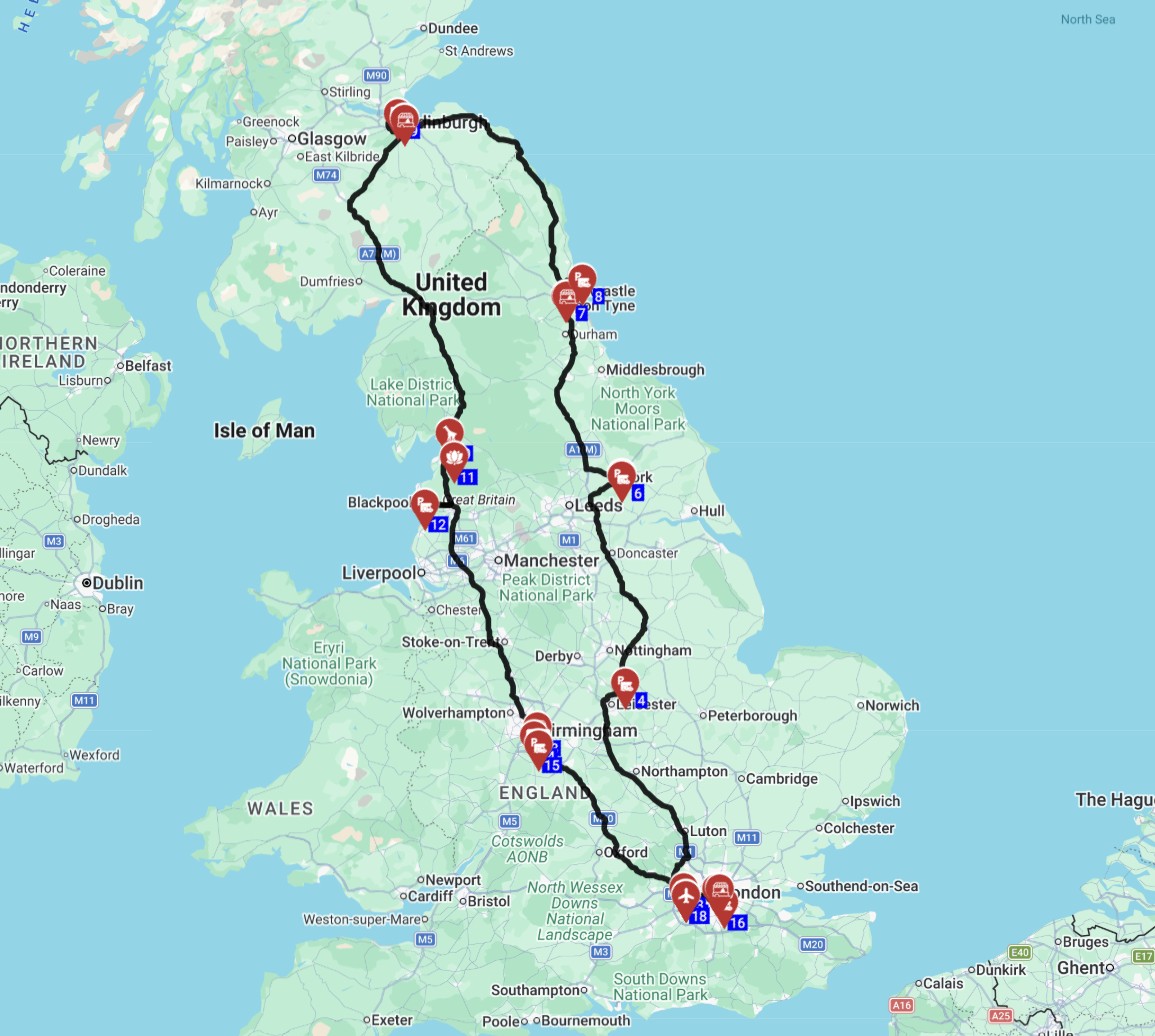
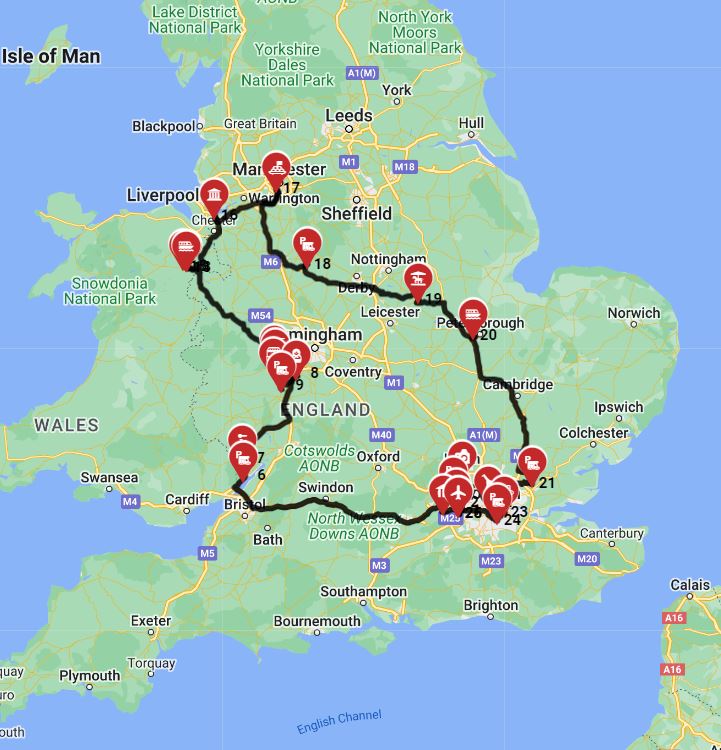
London offers a unique RV experience that benefits from thoughtful planning tailored to different traveler types. For families, choosing RV parks outside London with easy public transport links into the city is paramount, making day trips with kids manageable and allowing for nap-friendly drives back to the quiet of the campground. For example, Lee Valley Campsite near Sewardstone offers direct bus services and an overground train station nearby for reaching central London. A mid-sized motorhome like the "rent rv example D1" with bunk beds and enough space for a family of 2+2 is ideal. Seniors should consider ergonomic RV classes that offer easier access and comfortable living spaces, ensuring a relaxed experience when exploring London's attractions from a distance. Class B campervans, often with automatic transmission and a flexible layout, provide ease of driving and living. Budget travelers can save significantly by researching free overnight spots outside London, though official campsites are recommended for safety and amenities. Utilizing Oyster cards or contactless payments on London's public transport system, such as the Underground and buses, also cuts down on daily expenses compared to purchasing single paper tickets. For even more ways to save, check our "Cheap RV Rental in London - Budget Guide 2026". Luxury renters might opt for premium RV add-ons like enhanced satellite navigation, gourmet kitchen packs (to make full use of amenities like the "cruise america rv rental example Explorer"'s 4-burner gas stove and 90-liter refrigerator), and pre-booked private transfers from the campsite to central London attractions. Consider exploring "Luxury RV Rental in London - Premium Prices 2026" for high-end options. It is beneficial to utilize comprehensive information on how to access London's attractions from an RV park located outside the city, including specific 'park and ride' locations like those at Epping (Central Line) or Stanmore (Jubilee Line) and public transport options. Also, consider curated itineraries for UK road trips that strategically avoid or efficiently navigate around London, highlighting nearby attractions or routes leading from London into other UK regions, as found on RVPLANET.Common Mistakes to Avoid in London
Navigating London with a rented motorhome or campervan can be smooth if you're aware of common pitfalls. The most significant mistake is trying to drive a large RV into central London; instead, always park at a peripheral campsite and use public transport to access city attractions. Central London's streets are narrow and parking is extremely limited and expensive. Another common error is unfamiliarity with UK road signs and rules, particularly roundabouts and narrow streets. Study these before your trip and take your time on the road; panicking in a roundabout is easily avoidable with a little preparation. Crucially, do not ignore the London Ultra Low Emission Zone (ULEZ) and Congestion Charge zones. These apply to most of central London and extend across Greater London for ULEZ. Check if your RV is compliant or plan routes to avoid them, paying charges in advance if necessary (a daily £12.50 for ULEZ, £15 for Congestion Charge). Fines for non-compliance are substantial. Avoid underestimating travel times into London from campsites; instead, factor in commute times using public transport, which can vary significantly depending on the time of day and line. A 30-minute train ride can easily become an hour during peak hours. Finally, always clarify whether your rental is for London, UK, to avoid confusion with London, ON, especially when booking online. Bandana RV specializes in RV Rental England - Complete Guide 2026 and ensures all listings are clear about their geographic location.How much does it cost to rent a campervan for a week in the UK?
Renting a campervan or motorhome in the UK for a week typically ranges from £500-£1,200, depending on the season, vehicle size, age, and included amenities. For instance, a compact 2-berth campervan might start around £80/day off-peak, while a larger 6-berth motorhome could be £250/day during summer. Expect higher prices during peak summer months (July-August), school holidays, and bank holiday weekends, with off-peak rates offering better value and more availability. Booking 3-6 months in advance generally secures more competitive rates and a wider selection of vehicles. Additional costs often include insurance excess reduction (an optional upgrade, not included by default), fuel, campsite fees (usually £25-£50 per night for a pitch with electrical hookup), tolls (like the M6 Toll or Dartford Crossing), gas bottles, toilet chemicals, and potential charges like London's ULEZ or Congestion Charge if entering those zones. These ancillary costs can significantly impact your total trip budget. Remember, Bandana ensures full transparency with no hidden fees in your booking.What is the 3-3-3 rule for RV travel?
The 3-3-3 rule for RV travel suggests driving no more than 300 miles (approximately 480 km) a day, arriving at your campsite by 3 PM, and staying at least 3 nights in one location to ensure a relaxed and enjoyable journey. While the mileage might be ambitious for UK roads with average speeds lower than in some countries, the essence of slow travel remains key. This rule is designed to prevent driver fatigue, allow ample time for campsite setup and relaxation, and provide sufficient opportunity to explore each destination thoroughly around London. Adhering to the 3-3-3 rule helps minimize stress, especially for first-time RVers or those navigating unfamiliar UK roads and reduces the rush that can detract from a vacation. We always recommend slow travel, averaging 100-150 km per day, to truly connect with the culture and scenery.What is the 444 rule for RVs?
The 444 rule for RVs is a similar guideline to the 3-3-3 rule, advocating for driving no more than 400 miles (approximately 640 km) a day, stopping every 4 hours for a break, and arriving at your destination 4 hours before dark. This rule emphasizes safety by ensuring regular breaks and avoiding driving in low light conditions, which can be challenging in a larger vehicle on UK roads, particularly during winter months with shorter daylight hours. It provides a framework for efficient yet safe travel, allowing for longer distances than the 3-3-3 rule while still prioritizing rest and visibility. For a trip around London, where attractions are often close by, focusing on the "stopping every 4 hours for a break" and "arriving before dark" aspects is most beneficial, rather than pushing for high daily mileage.Do and don'ts London?
When RVing near London, do utilize park-and-ride options and public transport, such as the Underground (Tube) or buses, to access central attractions from your campsite located outside the city. For instance, the Morden Tube station (Northern Line) has a large car park and provides direct access to central London. Do research campsites that offer good transport links into London, such as those near tube stations or major bus routes, to make your city excursions seamless. Don't attempt to drive or park a large RV within the central London Congestion Charge or ULEZ zones without prior planning and understanding the significant fees involved for non-compliant vehicles, which can be hundreds of pounds if not paid correctly. Don't underestimate the narrowness of some UK roads and potential low bridges; always check your route for height and width restrictions when driving your RV, as navigating specific logistical challenges of RVing in London can be tricky, especially on local streets. Do carry an Oyster card or use contactless payment for public transport, and avoid buying single paper tickets which are more expensive.What is the 2-2-2 rule for RV travel?
The 2-2-2 rule for RV travel is a pacing guideline advising to drive no more than 200 miles (approximately 320 km) a day, arrive by 2 PM, and stay for at least 2 nights at each stop, promoting a slower, more immersive travel experience. This approach aligns perfectly with Bandana's recommendation for slow travel, allowing you to truly feel the place, connect to the culture, the food, and the scenery, whether exploring London's outskirts or broader England. This rule is particularly beneficial for those seeking a more relaxed pace, allowing ample time for exploration, relaxation, and avoiding the rush of setting up and packing down frequently. It's an excellent approach for first-time RVers or those wanting to truly immerse themselves in local areas around London and the wider UK, providing flexibility to spontaneously visit charming villages or historical sites.What questions to ask when renting an RV?
When renting an RV, particularly in the UK, essential questions to ask include details about insurance coverage (excess, breakdown), mileage limits, pet policies, age restrictions, specific vehicle dimensions for UK roads, and what's included in the rental price. Bandana prides itself on full transparency, ensuring no hidden fees or surprises at pickup. Clarify the insurance policy's excess amount and options for reducing it, along with what roadside assistance or breakdown cover is included, especially for travel in the UK. You can upgrade to a top-level deductible for extra peace of mind. Inquire about any mileage limits or additional charges for exceeding them, as some rentals have daily or weekly caps. Confirm if the RV is compliant with London's ULEZ and Congestion Charge, or if the rental company provides guidance on navigating these zones or associated costs. Ask about the vehicle's exact dimensions (height, width, length) to help plan routes and avoid low bridges or narrow streets common in the UK. Understand the deposit amount and refund policy, as well as procedures for collecting and returning the vehicle, including any out-of-hours options at a facility near Heathrow or Gatwick airport.What You Shouldn't Miss
- Windsor Castle: Just a short drive west of London, this historic residence of the British Royal Family offers spectacular tours and royal pomp. Parking for RVs can be found at nearby public car parks outside the immediate castle grounds.
- Richmond Park & Hampton Court Palace: Explore one of London's largest Royal Parks, famous for its wild deer, before heading to the magnificent Hampton Court Palace, Henry VIII's former residence. Several campsites like Walton on Thames are conveniently located nearby.
- Canterbury Cathedral: Drive southeast from London for an enriching cultural experience at this UNESCO World Heritage Site, a significant pilgrimage site for centuries. It's a manageable day trip from RV parks on London's eastern or southern fringes.
- Oxford & The Cotswolds: A quintessential English experience, wander through the historic university city of Oxford, then take your rented camper through the charming villages of the Cotswolds. It's an ideal route for a multi-day RV trip from London, offering scenic routes and beautiful countryside.
- Brighton & Seven Sisters Cliffs: Head south to the vibrant seaside city of Brighton, known for its eclectic atmosphere and famous pier, then continue east to marvel at the dramatic white chalk cliffs of the Seven Sisters. There are several coastal campgrounds perfect for your motorhome.
🎬 Video coming soon
Looking for expert insights from Avi Bandana? Top 5 Adventures - recommendations from Avi Bandana
Avi Bandana, our founder, has personally traversed countless routes globally, bringing a wealth of firsthand knowledge to your RV travel plans. His top recommendations for London focus on a blend of iconic sights and serene escapes, emphasizing thoughtful planning to maximize enjoyment while navigating the city's unique charm.
Final Thoughts
An RV adventure around London offers a unique blend of urban exploration and countryside escapes, all from the comfort of your mobile home. While navigating a city like London requires a bit more planning, the freedom and flexibility a rented motorhome provides are truly invaluable. Imagine waking up to serene nature and then hopping on a train for a day of West End shows or museum visits. At Bandana Caravan, we are dedicated to making your RV rental experience as seamless and enjoyable as possible. From transparent pricing to expert advice and comprehensive support, we're with you every step of the way. Whether you're looking for a "Cheap RV Rental in London - Budget Guide 2026" or a luxurious escape, we help you find the perfect camper for your needs. So, embrace the adventure, plan your route with confidence, and get ready to discover England's capital and beyond. Find Motorhome Rentals in LondonIn This Guide
- Top 5 Tips for Weekend RV Rental in London
- Before You Book - Class, Dates, Insurance
- Pre-Trip Prep - Packing Checklist for London
- On the Road - Driving, Fueling, Navigation
- At the Campground - Setup, Hookups & Etiquette
- Weekend RV Rental-Specific Tips for London
- Common Mistakes to Avoid in London
- How much does it cost to rent a campervan for a week in the UK?
- What is the 3-3-3 rule for RV travel?
- What is the 444 rule for RVs?
- Do and don'ts London?
- What is the 2-2-2 rule for RV travel?
- What questions to ask when renting an RV?
Top 5 Tips for Weekend RV Rental in London
Planning a memorable RV trip around London requires strategic thinking, given the city's unique driving conditions. For live availability and current prices, start with our RV Rental London - Complete Guide 2026 guide. First and foremost, you should plan your route carefully, acknowledging London's unique driving challenges like narrow roads, the Ultra Low Emission Zone (ULEZ), and the Congestion Charge zones. These urban restrictions can add unexpected costs, so checking your rented motorhome's compliance beforehand is crucial. Secondly, opt for an RV park outside central London and utilize public transport or Park & Ride schemes for city access. This approach minimizes driving stress within the dense city and helps avoid hefty fees, providing a seamless way to explore iconic landmarks like the Tower of London and Buckingham Palace. Consider staying at campsites near Tube stations, such as the Abbey Wood Caravan & Motorhome Club Campsite which offers direct train links to central London via the Elizabeth Line. Third, choosing a compact RV or campervan is often the most suitable option for UK roads, which are frequently narrower than those in other countries. Smaller campervans, like a "Paradise S/T" model designed for couples or small families, are easier to maneuver and park, especially if you plan to venture into smaller towns outside the capital. Fourth, booking your RV rental and campsites well in advance, especially during peak season, is essential to secure availability and better rates. Flexibility with your travel dates can also significantly impact pricing. If you’re curious about typical costs, our "RV Rental in London - Prices and Best Deals 2026" article offers a helpful overview. Finally, familiarize yourself with UK-specific driving rules, including navigating roundabouts, adhering to speed limits for larger vehicles, and understanding lane discipline. Driving slowly and carefully, you can drive almost anywhere without issues, without needing to stress, just use common sense and pay attention to road signs.
Before You Book - Class, Dates, Insurance
Before committing to your London RV adventure, selecting an RV class appropriate for UK travel is vital. For easier navigation on narrower roads and parking, favoring smaller campervans or compact motorhomes is highly recommended, considering the specific logistical challenges of RVing in London. A compact Class C motorhome like the 'cruise america rv rental example Explorer' (7.1m length, 2.78m width) offers a balance of comfort and maneuverability. Larger Class A motorhomes might offer more space, but their size can be a significant hindrance in the UK's urban and many rural settings. Locking in your rental dates as early as possible, particularly for weekend RV rental in London during peak seasons (summer, bank holidays), helps secure availability and potentially lower prices. Last-minute bookings are sometimes possible, but prices are dynamic, much like flight tickets, and tend to increase closer to the travel date. For specific offers, check out "RV Rental Deals in London - Latest Offers 2026". Understanding insurance options is also paramount, as basic insurance is always included, but additional coverage can provide greater peace of mind. To see prices including the most comprehensive coverage, select that option during your search; then all relevant insurance options will be shown, allowing you to clarify excess amounts and consider additional breakdown cover or excess reduction policies. Remember, opting for a top-level deductible reimbursement is an optional upgrade for extra peace of mind, not a default inclusion. It’s essential to verify that your rental covers London, UK, specifically, and not London, ON, to avoid search intent confusion, ensuring the vehicle is compliant with local UK regulations like the ULEZ. Inquire about mileage limits, fuel policies, and any age restrictions or special license requirements specific to driving an RV in the UK. A standard car driver's license is sufficient for all motorhome classes in the UK, with a minimum rental age of 21 and no young driver surcharges or vehicle class restrictions based on age.Pre-Trip Prep - Packing Checklist for London
A well-prepared packing checklist ensures a smooth RV trip in London. Pack versatile clothing suitable for unpredictable UK weather, including waterproofs and layers, as London's weather can change quickly even within a day. Don't forget comfortable walking shoes for exploring the city's extensive pedestrian areas. Ensure all necessary documents are easily accessible, especially for international travelers and UK driving. This includes your valid driver's license (a standard car license is sufficient for all motorhome classes), an International Driving Permit (IDP) if your license is not from an English-speaking country (though not mandatory in most cases, it is recommended), passport, and rental agreement details. Stock your kitchen with essential non-perishables, as well as specific items for British tea culture, like tea bags and biscuits, for cozy mornings in your rented camper. Imagine brewing a fresh cup of tea in your RV kitchen before heading out to explore. For more culinary inspiration, explore our RV-friendly recipes playlist. Include safety items relevant for UK road conditions and potential roadside emergencies, such as a first-aid kit, reflective vests, and a warning triangle. While Bandana provides 24/7 support for pre-booking and post-booking coordination, being prepared for minor eventualities on the road is always wise.On the Road - Driving, Fueling, Navigation
Driving a rented motorhome in the UK requires a keen awareness of local rules and road conditions. Be aware of UK-specific driving rules, including driving on the left, skillfully navigating roundabouts, and understanding box junctions, all crucial for safe and efficient travel. London's roads can be busy, but driving slowly and carefully, you can drive almost anywhere without issues. For more detailed driving advice, our "One-Way RV Driving in London - Route Planner 2026" article is a great resource. For fueling, larger RVs typically use diesel; always confirm your vehicle's fuel type and plan stops in advance. While fuel stations are common on motorways, they can be less frequent in rural areas, so keep an eye on your tank. Remember that fuel costs are an ancillary expense; on RV PLANET routes, travelers can itemize and track every expense along the way for easy budgeting. Utilize GPS or navigation apps, ideally those that can be set for RV dimensions (if available), to avoid narrow roads, low bridges, and areas like London's Ultra Low Emission Zone (ULEZ) and Congestion Charge zones, which incur significant fees for non-compliant vehicles. Always check for height and width restrictions before entering urban areas or smaller roads, acknowledging specific logistical challenges of RVing in London. Keep left, expect tight corners, and ensure you have clear visibility when making turns, especially in built-up areas and on rural single-track roads.At the Campground - Setup, Hookups & Etiquette
Arriving at your chosen campsite with your rented campervan is the reward after a day of driving, and proper setup ensures a comfortable stay. Upon arrival, park your RV level, typically starting with leveling blocks if needed, before connecting any services. This provides stability and ensures proper drainage and function of your RV's internal systems. Connect electrical hookups first to the RV, then to the power pedestal, ensuring correct polarity. This is generally a standard 16-amp connection in the UK. Next, connect the freshwater hose to the RV and then to the campsite's potable water source, using a pressure regulator if available, and ensure you are filling your freshwater tank and not just relying on direct feed. Fresh water tanks like the "cruise america rv rental example Explorer" with its 82-liter tank mean less frequent refills. Finally, connect the grey water (from sinks and showers) and black water (from the toilet) hoses from your RV's waste tanks to the campsite's sewer connection, ensuring the valve is closed until ready to dump. This prevents odors and messy spills. Always observe quiet hours, usually from late evening to early morning (typically 10 PM to 7 AM), respecting fellow campers by minimizing noise and light pollution. Adhere to specific site rules regarding waste disposal and pet policies. For finding campsites and campgrounds during your trip, we recommend using RVPLANET (rvplan.net), a great resource for locating available spots along your route.Weekend RV Rental-Specific Tips for London
London offers a unique RV experience that benefits from thoughtful planning tailored to different traveler types. For families, choosing RV parks outside London with easy public transport links into the city is paramount, making day trips with kids manageable and allowing for nap-friendly drives back to the quiet of the campground. For example, Lee Valley Campsite near Sewardstone offers direct bus services and an overground train station nearby for reaching central London. A mid-sized motorhome like the "rent rv example D1" with bunk beds and enough space for a family of 2+2 is ideal. Seniors should consider ergonomic RV classes that offer easier access and comfortable living spaces, ensuring a relaxed experience when exploring London's attractions from a distance. Class B campervans, often with automatic transmission and a flexible layout, provide ease of driving and living. Budget travelers can save significantly by researching free overnight spots outside London, though official campsites are recommended for safety and amenities. Utilizing Oyster cards or contactless payments on London's public transport system, such as the Underground and buses, also cuts down on daily expenses compared to purchasing single paper tickets. For even more ways to save, check our "Cheap RV Rental in London - Budget Guide 2026". Luxury renters might opt for premium RV add-ons like enhanced satellite navigation, gourmet kitchen packs (to make full use of amenities like the "cruise america rv rental example Explorer"'s 4-burner gas stove and 90-liter refrigerator), and pre-booked private transfers from the campsite to central London attractions. Consider exploring "Luxury RV Rental in London - Premium Prices 2026" for high-end options. It is beneficial to utilize comprehensive information on how to access London's attractions from an RV park located outside the city, including specific 'park and ride' locations like those at Epping (Central Line) or Stanmore (Jubilee Line) and public transport options. Also, consider curated itineraries for UK road trips that strategically avoid or efficiently navigate around London, highlighting nearby attractions or routes leading from London into other UK regions, as found on RVPLANET.Common Mistakes to Avoid in London
Navigating London with a rented motorhome or campervan can be smooth if you're aware of common pitfalls. The most significant mistake is trying to drive a large RV into central London; instead, always park at a peripheral campsite and use public transport to access city attractions. Central London's streets are narrow and parking is extremely limited and expensive. Another common error is unfamiliarity with UK road signs and rules, particularly roundabouts and narrow streets. Study these before your trip and take your time on the road; panicking in a roundabout is easily avoidable with a little preparation. Crucially, do not ignore the London Ultra Low Emission Zone (ULEZ) and Congestion Charge zones. These apply to most of central London and extend across Greater London for ULEZ. Check if your rented RV is ULEZ compliant (generally newer petrol vehicles from 2006, diesel from 2015) and pay any necessary charges online in advance. Fines for non-compliance are substantial. Avoid underestimating travel times into London from campsites; instead, factor in commute times using public transport, which can vary significantly depending on the time of day and line. A 30-minute train ride can easily become an hour during peak hours. Finally, always clarify whether your rental is for London, UK, to avoid confusion with London, ON, especially when booking online. Bandana RV specializes in RV Rental England - Complete Guide 2026 and ensures all listings are clear about their geographic location.How much does it cost to rent a campervan for a week in the UK?
Renting a campervan or motorhome in the UK for a week typically ranges from £500-£1,200, depending on the season, vehicle size, age, and included amenities. For instance, a compact 2-berth campervan might start around £80/day off-peak, while a larger 6-berth motorhome could be £250/day during summer. Expect higher prices during peak summer months (July-August), school holidays, and bank holiday weekends, with off-peak rates offering better value and more availability. Booking 3-6 months in advance generally secures more competitive rates and a wider selection of vehicles. Additional costs often include insurance excess reduction (an optional upgrade, not included by default), fuel, campsite fees (usually £25-£50 per night for a pitch with electrical hookup), tolls (like the M6 Toll or Dartford Crossing), gas bottles, toilet chemicals, and potential charges like London's ULEZ or Congestion Charge if entering those zones. These ancillary costs can significantly impact your total trip budget. Remember, Bandana ensures full transparency with no hidden fees in your booking.What is the 3-3-3 rule for RV travel?
The 3-3-3 rule for RV travel suggests driving no more than 300 miles (approximately 480 km) a day, arriving at your campsite by 3 PM, and staying at least 3 nights in one location to ensure a relaxed and enjoyable journey. While the mileage might be ambitious for UK roads with average speeds lower than in some countries, the essence of slow travel remains key. This rule is designed to prevent driver fatigue, allow ample time for campsite setup and relaxation, and provide sufficient opportunity to explore each destination thoroughly around London. Adhering to the 3-3-3 rule helps minimize stress, especially for first-time RVers or those navigating unfamiliar UK roads and reduces the rush that can detract from a vacation. We always recommend slow travel, averaging 100-150 km per day, to truly connect with the culture and scenery.What is the 444 rule for RVs?
The 444 rule for RVs is a similar guideline to the 3-3-3 rule, advocating for driving no more than 400 miles (approximately 640 km) a day, stopping every 4 hours for a break, and arriving at your destination 4 hours before dark. This rule emphasizes safety by ensuring regular breaks and avoiding driving in low light conditions, which can be challenging in a larger vehicle on UK roads, particularly during winter months with shorter daylight hours. It provides a framework for efficient yet safe travel, allowing for longer distances than the 3-3-3 rule while still prioritizing rest and visibility. For a trip around London, where attractions are often close by, focusing on the "stopping every 4 hours for a break" and "arriving before dark" aspects is most beneficial, rather than pushing for high daily mileage.Do and don'ts London?
When RVing near London, do utilize park-and-ride options and public transport, such as the Underground (Tube) or buses, to access central attractions from your campsite located outside the city. For instance, the Morden Tube station (Northern Line) has a large car park and provides direct access to central London. Do research campsites that offer good transport links into London, such as those near tube stations or major bus routes, to make your city excursions seamless. Don't attempt to drive or park a large RV within the central London Congestion Charge or ULEZ zones without prior planning and understanding the significant fees involved for non-compliant vehicles, which can be hundreds of pounds if not paid correctly. Don't underestimate the narrowness of some UK roads and potential low bridges; always check your route for height and width restrictions when driving your RV, as navigating specific logistical challenges of RVing in London can be tricky, especially on local streets. Do carry an Oyster card or use contactless payment for public transport, and avoid buying single paper tickets which are more expensive.What is the 2-2-2 rule for RV travel?
The 2-2-2 rule for RV travel is a pacing guideline advising to drive no more than 200 miles (approximately 320 km) a day, arrive by 2 PM, and stay for at least 2 nights at each stop, promoting a slower, more immersive travel experience. This approach aligns perfectly with Bandana's recommendation for slow travel, allowing you to truly feel the place, connect to the culture, the food, and the scenery, whether exploring London's outskirts or broader England. This rule is particularly beneficial for those seeking a more relaxed pace, allowing ample time for exploration, relaxation, and avoiding the rush of setting up and packing down frequently. It's an excellent approach for first-time RVers or those wanting to truly immerse themselves in local areas around London and the wider UK.What questions to ask when renting an RV?
When renting an RV, particularly in the UK, essential questions to ask include details about insurance coverage (excess, breakdown), mileage limits, pet policies, age restrictions, specific vehicle dimensions for UK roads, and what's included in the rental price. Bandana prides itself on full transparency, ensuring no hidden fees or surprises at pickup. Clarify the insurance policy's excess amount and options for reducing it, along with what roadside assistance or breakdown cover is included, especially for travel in the UK. You can upgrade to a top-level deductible for extra peace of mind. Inquire about any mileage limits or additional charges for exceeding them, as some rentals have daily or weekly caps. Confirm if the rented RV is compliant with London's ULEZ and Congestion Charge, or if the rental company provides guidance on navigating these zones or associated costs. Ask about the vehicle's exact dimensions (height, width, length) to help plan routes and avoid low bridges or narrow streets common in the UK. Understand the deposit amount and refund policy, as well as procedures for collecting and returning the vehicle, including any out-of-hours options at a facility near Heathrow or Gatwick airport.What You Shouldn't Miss
- Windsor Castle: Just a short drive west of London, this historic residence of the British Royal Family offers spectacular tours and royal pomp. Parking for RVs can be found at nearby public car parks outside the immediate castle grounds.
- Richmond Park & Hampton Court Palace: Explore one of London's largest Royal Parks, famous for its wild deer, before heading to the magnificent Hampton Court Palace, Henry VIII's former residence. Several campsites like Walton on Thames are conveniently located nearby.
- Canterbury Cathedral: Drive southeast from London for an enriching cultural experience at this UNESCO World Heritage Site, a significant pilgrimage site for centuries. It's a manageable day trip from RV parks on London's eastern or southern fringes.
- Oxford & The Cotswolds: A quintessential English experience, wander through the historic university city of Oxford, then take your rented camper through the charming villages of the Cotswolds. It's an ideal route for a multi-day RV trip from London, offering scenic routes and beautiful countryside.
- Brighton & Seven Sisters Cliffs: Head south to the vibrant seaside city of Brighton, known for its eclectic atmosphere and famous pier, then continue east to marvel at the dramatic white chalk cliffs of the Seven Sisters. There are several coastal campgrounds perfect for your motorhome.
🎬 Video coming soon
Looking for expert insights from Avi Bandana? Top 5 Adventures - recommendations from Avi Bandana
Avi Bandana, our founder, has personally traversed countless routes globally, bringing a wealth of firsthand knowledge to your RV travel plans. His top recommendations for London focus on a blend of iconic sights and serene escapes, emphasizing thoughtful planning to maximize enjoyment while navigating the city's unique charm.
Final Thoughts
An RV adventure around London offers a unique blend of urban exploration and countryside escapes, all from the comfort of your mobile home. While navigating a city like London requires a bit more planning, the freedom and flexibility a rented motorhome provides are truly invaluable. Imagine waking up to serene nature and then hopping on a train for a day of West End shows or museum visits. At Bandana Caravan, we are dedicated to making your RV rental experience as seamless and enjoyable as possible. From transparent pricing to expert advice and comprehensive support, we're with you every step of the way. Whether you're looking for a "Cheap RV Rental in London - Budget Guide 2026" or a luxurious escape, we help you find the perfect camper for your needs. So, embrace the adventure, plan your route with confidence, and get ready to discover England's capital and beyond. Find Motorhome Rentals in LondonOn the routes offered through RV PLANET routes, you can itemize and track every expense along the way for easy budgeting.