In This Guide
- Top 5 Tips for Weekend RV Rental in Copenhagen
- Before You Book - Class, Dates, Insurance
- Pre-Trip Prep - Packing Checklist for Copenhagen
- On the Road - Driving, Fueling, Navigation in Copenhagen
- At the Campground - Setup, Hookups and Etiquette
- Weekend RV Rental-Specific Tips for Copenhagen
- Common Mistakes to Avoid in Copenhagen
- Is Denmark Campervan Friendly?
- Can an American Rent a Car in Copenhagen?
- What is the Average Cost to Rent an RV for One Week?
- Is Norway RV friendly?
- How much does it cost to rent a camper van in Norway?
- Can you park a campervan anywhere in Norway?
- What is the 3-3-3 rule for RV travel?
- What is the 444 rule for RVs?
- What is the 2-2-2 rule for RV travel?
Top 5 Tips for Weekend RV Rental in Copenhagen
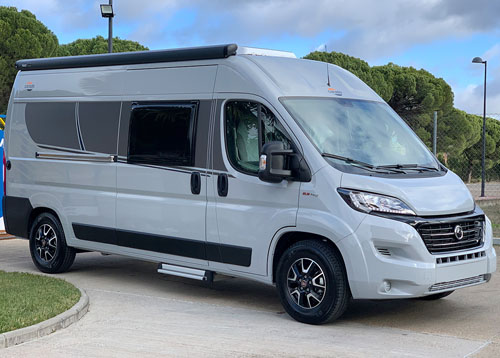
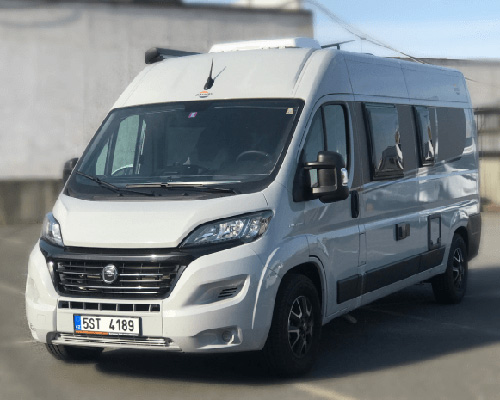
Embarking on a weekend RV adventure in Copenhagen offers an exciting way to experience Denmark's capital and its beautiful surroundings. For live availability and current prices, start with our RV Rental Copenhagen - Complete Guide 2026 guide. Planning is key to making the most of your shorter trip, ensuring a smooth and enjoyable journey without any hiccups. Remember to travel slowly, averaging a maximum of 100-150 km per day, to truly soak in the culture, food, and scenery around Copenhagen.- **Book well in advance, especially for summer weekends.** Securing your preferred campervan or motorhome, particularly a Class B such as the "Combi Van" (5m length, 4-person capacity) or a compact Class C model, becomes critical for weekend RV rental in Copenhagen during peak season (June-August) or Danish public holidays. Availability can be limited, so booking 90+ days ahead often yields 15-25% savings and ensures you get the vehicle that fits your needs.
- **Opt for a compact RV or campervan for easier city navigation and parking.** A smaller motorhome, like a Class B campervan (e.g., a "VW California Ocean" with its 80L fuel tank and 80L fresh water tank, typically under 5m in length) or a compact Class C, significantly simplifies driving on Copenhagen's narrower streets and finding parking. This flexibility allows you to explore city-edge attractions more easily.
- **Factor in bridge tolls (like Øresund and Storebælt) when budgeting for your Copenhagen RV adventure.** Major bridges connecting Denmark's islands and linking to Sweden involve significant tolls. The Øresund Bridge, for example, costs approximately €55 one-way for an RV, and the Storebælt Bridge costs around €40 one-way. These costs are essential to consider when planning your overall trip expenses, which can be itemized and tracked using RV PLANET routes.
- **Pre-plan your campground stays, as wild camping is generally not permitted in Denmark.** Denmark has strict regulations against wild camping on private land, beaches, or public forests. Utilize the extensive network of official campgrounds or designated 'autocamper' spots near Copenhagen and its surrounding areas. We recommend using RV PLANET (rvplan.net) for finding campsites and campgrounds during your trip, as it's a great resource for locating available spots along your route.
- **Familiarize yourself with Danish road signs and parking regulations specific to larger vehicles.** Danish road signs are generally intuitive, but specific rules for larger vehicles, such as those exceeding 3.5 tonnes, may apply to speed limits or restricted zones. Pay close attention to parking signs around Copenhagen, as RV parking in city centers is very limited; designated park-and-ride facilities are your best bet. Drive slowly and carefully, and you can drive almost anywhere without issues. No need to stress - just use common sense and pay attention.
Before You Book - Class, Dates, Insurance
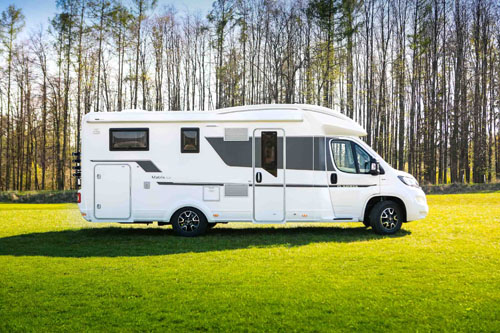
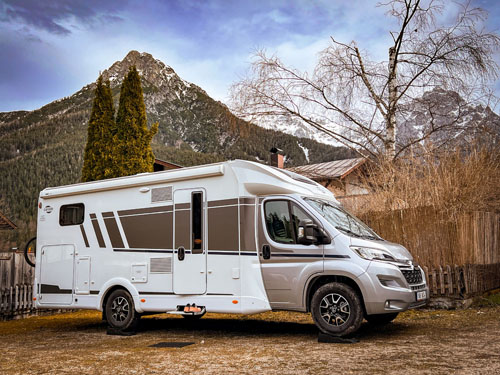
Choosing the right RV class and understanding rental specifics like insurance and age requirements are crucial steps for a successful weekend RV rental in Copenhagen. A standard car driver's license is sufficient for operating all motorhome classes (Class A, B, and C) in Denmark, with no special license or permits required. The minimum rental age for motorhomes and campervans in Copenhagen is 21 years old, and there are no young driver surcharges or vehicle class restrictions based on age. For navigating Copenhagen’s urban areas, opting for a compact campervan or a smaller motorhome (Class B or Class C) is often the smartest choice. Vehicles such as a "Combi Van" (5m length, 60L fresh water tank) or a "V3" (6.36m length, 100L fresh water tank, ideal for 2 people) offer the maneuverability needed for city streets and easier parking. Larger Class A motorhomes might be more suited for longer trips exploring the broader Danish countryside, but they are also manageable in cities with common sense and careful driving. Booking your rental dates as early as possible, especially if you plan for peak season (June-August) or during Danish public holidays, is advisable to secure the best availability and potentially better rates. However, many national and state parks reserve only 25-30% of their spots, leaving the rest for first-come-first-serve arrivals, which offers flexibility for spontaneous travelers. You'll find a spot. If not at the first campground, then the next one. Call ahead before driving. All our motorhome and campervan rentals in Copenhagen include basic insurance as part of our commitment to full transparency, ensuring no hidden fees or surprises at pickup. For extra peace of mind, you can upgrade to a top-level deductible for more comprehensive coverage. We partner with over 50 leading RV suppliers worldwide, including trusted names like El Monte and Apollo, providing a wide range of options and ensuring you travel with confidence. Our true RV specialists are here to help you compare final prices across suppliers, so what you see is what you pay.Pre-Trip Prep - Packing Checklist for Copenhagen
Preparing a focused packing list enhances your weekend RV experience in Copenhagen, ensuring you have essentials without overpacking. Imagine preparing delightful meals in your rented motorhome’s kitchen; for inspiration, check out our RV-friendly recipes playlist on YouTube. Here is an essential packing checklist:- Layers of clothing: Copenhagen weather can change quickly, so versatile layers are practical.
- Waterproof jacket and comfortable walking shoes: Essential for exploring the city, cycling, and enjoying outdoor activities like a stroll along Nyhavn.
- Reusable shopping bags: Denmark discourages single-use plastic, aligning with local environmental efforts.
- Basic cooking utensils and a compact set of dishes/cutlery: Most rental RVs come equipped, but check with your supplier.
- Coffee/tea supplies and a small cooler: Perfect for brewing your morning coffee with a view or keeping drinks cool on the go.
- Dish soap and sponges: Keep your mobile home tidy and ready for your next stop.
- First-aid kit: Always a necessity for any trip, ensuring minor scrapes or ailments are easily managed.
- Reflective vest and warning triangle: These are required in many European countries, including Denmark, for safety in case of roadside stops.
- Headlamp or flashlight: Handy for campground navigation after dark.
- Valid driver's license and International Driving Permit (if applicable): For American drivers, an IDP is highly recommended, though a valid U.S. license is generally accepted for short stays.
- Passport/ID: Always carry essential identification.
- Rental agreement and insurance documents: Keep these easily accessible, digitally and physically.
- Copies of all important documents: Store digital and physical copies separately from the originals.
On the Road - Driving, Fueling, Navigation in Copenhagen
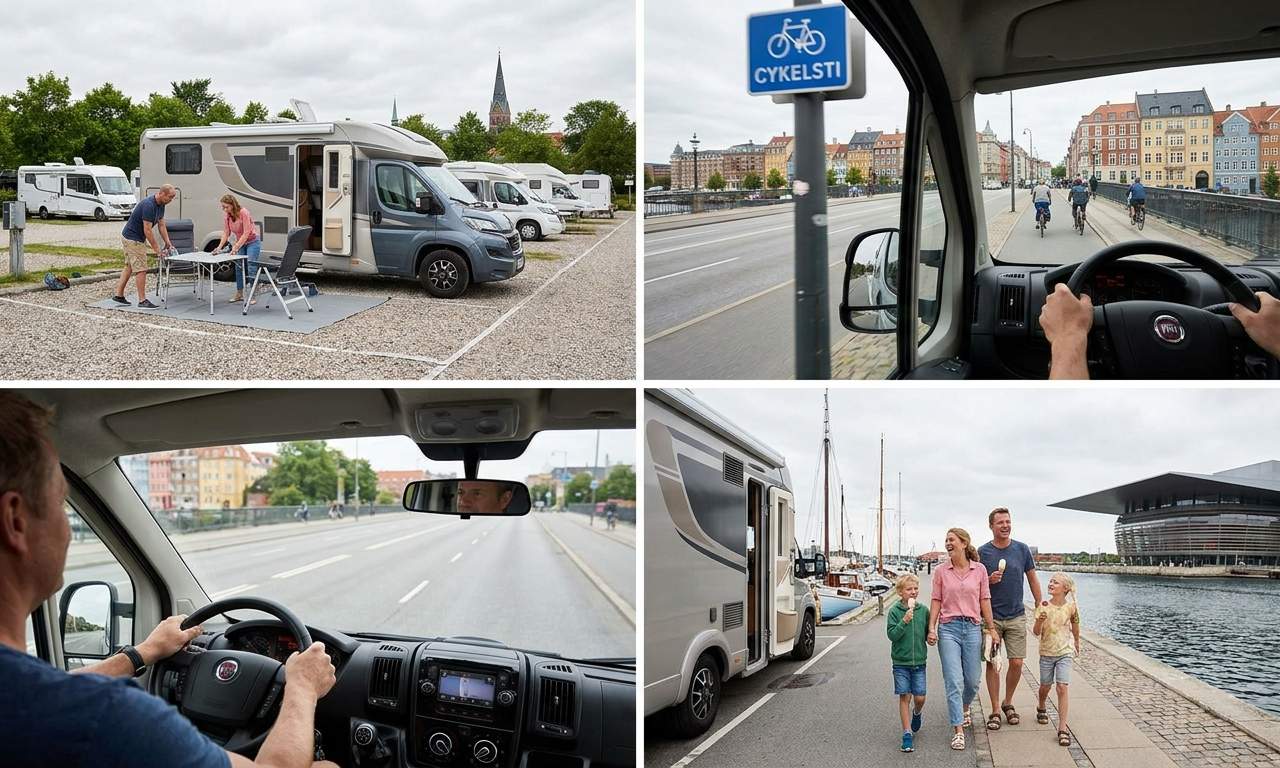
Navigating Denmark's roads with a rented RV requires attention to local traffic laws, especially regarding speed limits, tolls, and urban parking in Copenhagen. Danish speed limits are typically 50 km/h in urban areas, 80 km/h on rural roads, and 110-130 km/h on motorways, with some variations for vehicles over 3.5 tonnes, so pay attention to local signage. Fueling your RV in Denmark primarily involves diesel (often labeled 'diesel' or 'autodiesel'), so ensure you select the correct fuel type, and note that fuel stations may be less frequent in very rural regions. Major bridges like the Øresund Bridge (connecting Copenhagen to Malmö, Sweden) and the Storebælt Bridge require tolls, which can be paid manually at toll booths, online in advance, or via an 'EasyGo' transponder for frequent travelers. When planning your route and anticipating expenses, consider exploring RV PLANET routes, where you can itemize and track every ancillary expense along the way for easy budgeting. For navigation in and around Copenhagen, using a GPS system with RV-specific settings is highly recommended to help avoid low bridges, excessively narrow streets, or weight-restricted roads that might pose challenges for a larger vehicle. Driving slowly and carefully, you can drive almost anywhere without issues. No need to stress - just use common sense and pay attention to your surroundings. RV parking in central Copenhagen is very limited; instead, utilize park-and-ride facilities on the city outskirts, such as those near Nordhavn or Valby, and rely on Copenhagen's efficient public transportation for sightseeing. For broader guidance, consider checking out the RV Travel Guide to Copenhagen - Tips and Top Spots 2026 resource.At the Campground - Setup, Hookups and Etiquette
Efficient campground setup ensures a smooth and enjoyable RV experience in Copenhagen, while respecting local etiquette contributes to a harmonious stay. Upon arrival at a campground near Copenhagen, your first step is always to check in at the reception, collect your assigned pitch number, and gather any access cards or information regarding facilities like Wi-Fi, laundromats, or waste disposal points. Position your rented motorhome or campervan carefully on your designated pitch, ensuring sufficient space from your neighbors and easy access to utility hookups; use leveling blocks if the ground isn't perfectly flat. When connecting utilities, follow the standard order: first, connect the electric hookup (ensuring you have the correct European adapter), then the freshwater hose, and finally, for sewer hookups, connect the grey water hose before the black water hose, opening valves in that order (black first, then grey for rinsing). Danish campgrounds greatly value peace and quiet, particularly during designated quiet hours, which typically run from 10 PM to 7 AM. Adhere strictly to these times and keep noise levels down at all hours to show consideration for other campers. Proper waste disposal is paramount; always empty grey and black water tanks only at designated disposal points, and utilize recycling facilities for waste where provided to support local environmental efforts. Remember, while on your trip, if you have questions about your booking or vehicle, our expert team provides support before, during, and after your booking, because we truly are your RV specialists.Weekend RV Rental-Specific Tips for Copenhagen
Optimizing your weekend RV rental in Copenhagen means tailoring your plans to the shorter timeframe and local opportunities for maximum enjoyment. For a concise trip, choosing a compact RV or campervan, like a "Paradise Family 5" (5.6m length, 70L fuel tank, sleeps 5), is ideal for easier maneuverability and parking, especially if you plan to visit city-edge attractions such as Amager Strandpark or the Louisiana Museum of Modern Art along the coast. Consider planning a focused itinerary, such as a "Danish Riviera" route heading north of Copenhagen to picturesque coastal towns like Helsingør (home to Kronborg Castle) or a "Vikings & Castles" route to Roskilde, which boasts the UNESCO-listed Roskilde Cathedral and a Viking Ship Museum. This allows for shorter, more enjoyable drives and ample time to immerse yourself at each stop, perfectly aligning with our philosophy to travel slowly. Families will find many campgrounds around Copenhagen offering playgrounds or other kid-friendly amenities. Pack specific entertainment for the RV, like board games or books, for cozy evenings. Budget-conscious travelers can often find lower rates at campgrounds slightly outside the city center, then utilize Copenhagen's excellent public transport system to access city attractions. For luxury-seekers, several Class A or larger Class C RV rentals available through Bandana, such as an "Euro Deluxe" (7.4m length, 190L refrigerator, sleeps 6) from a trusted supplier like Apollo, can provide premium amenities and a more opulent experience, paired with campgrounds offering private bathrooms or restaurant services. Looking for expert insights from Avi Bandana? Top 5 Adventures - recommendations from Avi Bandana.Common Mistakes to Avoid in Copenhagen
Avoiding common pitfalls can significantly enhance your weekend RV rental experience in Copenhagen, ensuring your trip is smooth and enjoyable. A frequent mistake is attempting to wild camp in Denmark; instead, travelers should pre-book their stays at official campgrounds or utilize designated 'autocamper' spots, as wild camping is generally illegal on private lands, beaches, and in public forests. Another common error is underestimating urban parking challenges in Copenhagen. To avoid stress and potential fines, it is best to park your rented RV at a designated campground or a convenient park-and-ride facility on the city's outskirts, such as those accessible from the E20 motorway, and then use Copenhagen's efficient public transportation network to explore the city center. Many travelers fail to account for bridge tolls in their budget. Major bridges like the Øresund Bridge, connecting Copenhagen to Malmö, Sweden, and the Storebælt Bridge, linking Funen and Zealand, require substantial tolls that must be factored into your overall trip cost. Being prepared for these ancillary expenses helps maintain full transparency in your travel budget. Overpacking your RV is also a common misstep; for a weekend RV trip to Copenhagen, pack lightly and efficiently, as Danish supermarkets like Netto or Føtex are well-stocked for any essentials you might forget. When it comes to finding campsites, don't stress: you'll find a spot. If not at the first campground, then the next one. Call ahead before driving. Ignoring local cultural etiquette, such as excessive noise at campgrounds during quiet hours (typically 10 PM to 7 AM), is another mistake to avoid. Always be mindful of noise levels and dispose of waste responsibly at designated facilities to contribute positively to the Danish 'hygge' environment.Is Denmark Campervan Friendly?
Denmark is generally campervan friendly, offering good infrastructure and numerous well-equipped campsites, though stricter rules apply compared to some other Nordic countries, particularly regarding wild camping. The country boasts modern roads, clear signage, and a network of service stations that are well-equipped to cater to all types of vehicles, including larger RVs and campervans. Across Denmark, there are over 500 official campgrounds, many strategically located near popular attractions or scenic areas. These sites typically offer essential facilities like electricity, fresh water, waste disposal points for grey and black water, and often additional amenities such as laundromats, kitchens, and communal spaces designed for 'hygge'. Unlike Norway or Sweden where the 'allemannsretten' (right to roam) offers more freedom, wild camping in Denmark is largely prohibited on private land, beaches, or in public forests unless specifically designated. However, Denmark does offer designated 'autocamper' or 'stellplatz' spots, providing low-cost or free short-stay parking areas for self-contained RVs, often found at marinas, farms, or municipalities, providing convenient and legal overnight stops. While city centers like Copenhagen have limited RV parking, many towns provide dedicated parking for larger vehicles, and park-and-ride options are available on city outskirts to facilitate sightseeing. RV travel is a popular holiday choice for Danes, meaning campervans and motorhomes are well-integrated into the tourism landscape, making it a welcoming destination for your next motorhome rental.Can an American Rent a Car in Copenhagen?
Yes, an American can rent a car, including an RV or campervan, in Copenhagen, typically requiring a valid U.S. driver's license, often an International Driving Permit (IDP), and a credit card. While a valid U.S. driver's license is usually accepted for stays of up to 90 days in Denmark, an International Driving Permit (IDP) is highly recommended and often required by rental companies and local authorities to easily interpret your license information. Most rental companies in Copenhagen require drivers to be at least 21 years old, which aligns with Bandana's minimum age policy across our extensive network of 50+ suppliers. Importantly, there are no young driver surcharges or vehicle class restrictions based on age when booking through Bandana, offering full transparency in pricing. Basic liability insurance is typically included with RV rentals in Denmark, but American renters should review their personal auto insurance or credit card benefits for additional coverage or consider purchasing supplementary rental insurance, such as an optional top-level deductible for extra peace of mind. A major credit card in the primary driver's name is essential for the security deposit and final payment. American travelers should be prepared for generally smaller vehicle sizes and narrower roads compared to the U.S., which might influence comfort with driving a larger Class A motorhome like the "MHLUX" (10.7m length, 320L fuel tank, 7-person capacity) in urban areas. However, driving slowly and carefully, you can navigate almost anywhere without issues.What is the Average Cost to Rent an RV for One Week?
The average cost to rent an RV for one week in Copenhagen can range from approximately €700 to €2000 (about $750 to $2150 USD) or more, depending significantly on the RV class, rental season, booking lead time, and included amenities. Smaller campervans, such as a Class B "V2L" (5.99m length, 100L fresh water tank, sleeps 2) or a "Combi Van" (5m length, 4-person capacity), are typically on the lower end of this price spectrum. Larger, more luxurious motorhomes like a Class A "Class A - Thor ACE 30" (9.37m length, 302L fuel tank, sleeps 6) will command significantly higher prices. Rental prices are dynamic, much like flight tickets, and are highest during peak summer months (June-August) and around major holidays in Denmark, often dropping in shoulder seasons (April-May, September-October) and off-peak periods. Booking several months in advance often secures better rates than last-minute rentals. Beyond the base rental fee, it is crucial to budget for additional expenses including fuel (Diesel prices in Denmark vary but expect around €1.50-€2.00 per liter), tolls (e.g., Øresund Bridge ~$55 one-way for an RV, Storebælt Bridge ~$40 one-way for an RV), campground fees (€25-€50+ per night), and groceries. Bandana offers full price transparency, showing you what you pay with no surprise fees. For detailed financial planning, remember that RV PLANET routes allow you to itemize and track every expense. For even more detailed pricing information, explore our "RV Rental in Copenhagen - Prices and Best Deals 2026" guide or "Cheap RV Rental in Copenhagen - Budget Guide 2026".Is Norway RV friendly?
Norway is exceptionally RV friendly, renowned for its breathtaking scenery, well-maintained roads, and the 'allemannsretten' (right to roam) which permits greater freedom for wild camping, making it a prime destination for RV travel. The country's roads are generally in excellent condition, including many designated scenic routes designed for tourist travel, offering stunning fjord, mountain, and coastal views that are perfect for a motorhome adventure. The 'allemannsretten' allows for free camping on uncultivated land for up to two nights, provided you maintain a respectful distance (at least 150 meters) from inhabited houses or cabins and adhere to a strict leave-no-trace policy. This offers considerably more flexibility for overnight stays compared to Denmark's stricter rules. Despite the extensive wild camping options, Norway also provides numerous well-equipped campsites, particularly in popular tourist areas, which offer necessary facilities like fresh water, electricity, and waste disposal. Fuel stations are readily available throughout the country, and while some narrow mountain roads can be challenging for very large RVs, most popular routes are easily accessible with careful driving. If you're considering expanding your trip, you might find useful insights in our "RV Rental Denmark - Complete Guide 2026" or "Motorhome Rental in Norway - Costs, Routes & Fjord Adventures 2026".How much does it cost to rent a camper van in Norway?
Renting a campervan or motorhome in Norway for one week can cost between €800 to €2500 (about $860 to $2700 USD) or more, with pricing varying based on the vehicle's size, rental season, and specific rental company. Similar to Denmark, prices are highest during the peak summer months (July-August) and for newer, larger models, with more budget-friendly options available in the shoulder seasons. For example, a compact campervan like the "EcoLine 2" (7.4m length, 122L fresh water tank, sleeps 2) might be on the lower end, while a larger "MH-A" (8.8m length, 208L fuel tank, sleeps 6) offers more space but at a higher price. Most rentals generally include basic insurance, but it is always wise to inquire about additional coverage options or an optional top-level deductible for enhanced protection. Ancillary costs to consider in Norway include fuel, which can be more expensive than in Denmark, as well as ferry crossings that are common when exploring the fjords. Road tolls are also prevalent, with many being automated systems that require a transponder like AutoPASS, so budget for these. Lastly, while wild camping is largely permitted, if you opt for official campgrounds, their fees will also add to your total trip cost, similar to the considerations for a "Weekly RV Rental in Copenhagen - Pricing 2026".Can you park a campervan anywhere in Norway?
In Norway, you can park a campervan or motorhome in many places due to the 'allemannsretten' (right to roam), which grants public access to uncultivated land for recreation, but specific rules and etiquette must always be followed. This right permits overnight parking and camping on uncultivated land for up to two nights, provided you are at least 150 meters (about 490 feet) from inhabited houses or cabins and rigorously adhere to a leave-no-trace policy. However, certain restrictions do apply. Parking is not allowed on private cultivated land (such as active farmland), within urban areas (unless specifically designated with signs), or in particular protected natural areas where signs explicitly prohibit it. While informal roadside parking is common in Norway's many scenic spots, always ensure your vehicle is not obstructing traffic, is on safe and stable ground, and that you are not violating any local signage or regulations. Proper waste disposal is crucial for protecting Norway's pristine environment; always use designated facilities at official campgrounds for emptying grey and black water, even if you are primarily wild camping. Adhering to these guidelines helps ensure a respectful and enjoyable RV travel experience, whether you're in Norway or planning a trip like a "One-Way RV Rental in Copenhagen - Price Guide 2026".What is the 3-3-3 rule for RV travel?
The 3-3-3 rule for RV travel is a guideline suggesting you drive no more than 300 miles (approximately 480 km), arrive at your destination by 3 PM, and stay for at least 3 nights, primarily aimed at promoting a relaxed pace and deeper exploration. The first part, "drive no more than 300 miles," encourages shorter travel days, which reduces driver fatigue and allows more time to enjoy the journey itself rather than constantly being on the road. The second part, "arrive by 3 PM," provides ample time to set up your camp, explore the immediate area around your campground, and settle in comfortably before nightfall, maximizing your evening enjoyment. Lastly, "stay for at least 3 nights" promotes a slower travel style, enabling you to fully experience each location without the constant rush of packing up and moving, which is particularly beneficial for longer trips. For a weekend RV rental in Copenhagen, this rule might need adaptation due to Denmark's smaller geographical size and interconnected attractions. The "300 miles" aspect could be better adapted to "3 hours of driving" to suit shorter distances and a quick getaway. For instance, a trip from Copenhagen to the Danish Riviera might only involve a 1-2 hour drive, allowing you to maximize your exploration time at a single destination.What is the 444 rule for RVs?
The 444 rule for RVs is a variation of similar travel guidelines, advocating for driving no more than 400 miles (approximately 640 km), arriving by 4 PM, and staying at least 4 nights at each location, offering a slightly more extended version of the relaxed travel philosophy. "Drive no more than 400 miles" per day aims to maintain manageable driving distances, minimizing stress and maximizing the enjoyment of your scenic routes. This is particularly relevant for those taking a longer week-long RV trip across Denmark, perhaps even touching upon the "RV Rental Denmark - Complete Guide 2026". "Arrive by 4 PM" ensures sufficient daylight hours to comfortably settle into your campsite, familiarize yourself with the surroundings, and unwind before evening activities begin. "Stay at least 4 nights" encourages an even slower travel pace than the 3-3-3 rule, allowing for a more in-depth exploration of an area and reducing the frequency of packing and unpacking your mobile home. For a typical weekend RV rental in Copenhagen, these guidelines might need significant adjustment. Driving 400 miles within Denmark on a short weekend trip would be substantial, and a 4-night stay would extend beyond a conventional weekend. These rules are better suited for extended road trips, like a two-week adventure, where the goal is to immerse yourself fully in fewer locations rather than rushing through many.What is the 2-2-2 rule for RV travel?
The 2-2-2 rule for RV travel recommends driving no more than 200 miles (approximately 320 km) per day, arriving at your campground by 2 PM, and staying for at least 2 nights, making it a highly suitable guideline for weekend trips or first-time RVers in destinations like Copenhagen. "Drive no more than 200 miles" ensures very manageable travel days, significantly reducing fatigue and allowing the journey itself to be a relaxing part of the experience, which is ideal for shorter weekend excursions from Copenhagen. "Arrive by 2 PM" provides plenty of time for leisurely campsite setup, exploring local attractions near your chosen campground, or simply relaxing and enjoying the amenities before evening activities begin. This early arrival is especially valuable when time is limited on a weekend RV trip. "Stay for at least 2 nights" encourages travelers to fully immerse themselves in a location without the rush of daily moves. This guideline fits perfectly with the concept of a weekend getaway from Copenhagen, promoting a relaxed pace that allows for exploration of nearby areas like the Danish coast, a charming town, or a short trip to Roskilde, maximizing enjoyment without excessive driving. This rule is especially relevant for those looking for "Weekend RV Tips for Copenhagen - Quick Travel Advice 2026".What You Shouldn't Miss
- **Nyhavn and The Little Mermaid in Copenhagen:** Experience the iconic colorful harbor of Nyhavn with its vibrant cafes and historic ships. Afterwards, take a stroll or bike ride to visit the famous Little Mermaid statue, a symbol of Copenhagen, perched on a rock at Langelinie promenade.
- **Tivoli Gardens:** Immerse yourself in the enchanting world of Tivoli Gardens, one of the world's oldest amusement parks. Enjoy thrilling rides, beautiful gardens, live entertainment, and exquisite dining options, especially magical in the evenings with thousands of lights.
- **Kronborg Castle (Hamlet's Castle):** Drive your rented motorhome approximately 45 minutes north of Copenhagen along the scenic Danish Riviera to Helsingør. Explore the majestic Kronborg Castle, a UNESCO World Heritage site and the inspiration for Shakespeare's Hamlet, offering stunning views of the Øresund Strait.
- **Roskilde Cathedral and Viking Ship Museum:** Head west from Copenhagen (about a 30-minute drive) to Roskilde. Visit the impressive Roskilde Cathedral, a UNESCO site and the traditional burial place for Danish monarchs. Then, delve into Viking history at the Viking Ship Museum, featuring well-preserved longships excavated from the fjord.
- **Møns Klint (Cliffs of Møn):** For a spectacular natural escape, take a roughly 1.5-hour drive south-east of Copenhagen to the island of Møn. Witness the breathtaking white chalk cliffs of Møns Klint, Denmark's highest cliffs, offering dramatic coastal views and forest trails, perfect for hiking and connecting with nature.
- **Looking for expert insights from Avi Bandana? Top 5 Adventures - recommendations from Avi Bandana**
Final Thoughts
A weekend RV rental in Copenhagen offers a unique blend of urban charm and Danish natural beauty, providing an unforgettable escape. Whether you're a family seeking adventure, a couple looking for a romantic getaway, or friends exploring new cultures, a rented motorhome or campervan provides the flexibility to create your perfect trip. By understanding the local driving nuances, embracing slow travel, and leveraging resources like RV PLANET for route planning, you're set for an incredible journey. Remember, planning is part of the fun, but leaving room for spontaneity is where the true magic of RV travel happens. With Bandana Caravan, you’re not just booking an RV; you’re gaining a partner committed to making your Copenhagen experience as seamless and joyful as possible. We pride ourselves on full transparency, expert advice, and ensuring you feel supported every step of the way. So pack your bags, choose your ideal motorhome, and get ready to discover the Danish capital and its stunning surroundings at your own pace. Find Motorhome Rentals in CopenhagenOn the routes offered through RV PLANET routes, you can itemize and track every expense along the way for easy budgeting.