In This Guide
- Top 5 Tips for a short RV Rental in Chile
- Before You Book - Class, Dates, Insurance for your Chile RV
- Pre-Trip Prep - Packing Checklist for Chile RV Adventures
- On the Road - Driving, Fueling, Navigation in Chile
- At the Campground - Setup, Hookups & Etiquette in Chile
- Short RV Trip-Specific Tips for Chile
- Common Mistakes to Avoid in Chile during your RV Trip
- What type of RV is best for different terrains in Chile?
- Where are the best places to take an RV in Chile beyond Patagonia?
- What are essential safety tips for RV travel in Chile?
- How do I manage fuel and water in remote areas of Chile?
- How can I stay connected and navigate in remote Chilean RV destinations?
- What are the rules for wild camping versus organized campsites in Chile?
- How can I experience local culture during an RV trip in Chile?
- Can I take my RV rental from Chile to Argentina or other neighboring countries?
Top 5 Tips for a short RV Rental in Chile
Planning a short RV adventure in Chile requires strategic decisions to maximize your experience. To ensure availability and better rates, book your RV rental in advance, especially for high season (December-February) or popular routes. Selecting an RV class suitable for your itinerary is also crucial; a compact 2WD campervan might be ideal for paved roads in the Central Valley, while a robust 4x4 motorhome like a Patagonia Camper 4x4 double cab is better for the unpaved routes of Patagonia. Understanding your insurance options is key, as basic coverage is usually included, but comprehensive policies offer added peace of mind for Chile's diverse road conditions. Before you set off, plan your route and research campsites or potential wild camping spots, particularly in remote areas or national parks where spots can fill quickly. Finally, pack versatile clothing layers, because Chile's elongated geography means you could experience diverse temperatures and climates even within a single brief trip. For live availability and current prices, start with our RV Rental Chile - Complete Guide 2026 guide.Before You Book - Class, Dates, Insurance for your Chile RV
Choosing the right RV class for your Chile adventure means considering your destination and the roads you'll encounter. For instance, a nimble campervan is perfect for couples exploring the easy-to-navigate wine regions, while a larger, more robust Class C motorhome like an rv rentals example Comfort Class might be better for families planning an extended journey through varied terrain. Locking in your rental dates several months in advance is highly recommended, especially for peak seasons (December-February) or during long holiday periods, to secure your preferred vehicle and potentially better rates. While basic insurance is always included with rented RVs in Chile, reviewing additional comprehensive options is a prudent step to ensure adequate coverage for unforeseen events such as gravel road damage or minor incidents. You can upgrade to a top-level deductible for extra peace of mind, an optional enhancement available during the booking process. Remember that prices are dynamic like flight tickets- they change daily based on availability, seasonality, and supplier marketing decisions, with the final price set at the actual booking time.Pre-Trip Prep - Packing Checklist for Chile RV Adventures
Preparing a tailored packing list for your RV adventure in Chile ensures you have everything needed for comfort and safety across diverse environments. Focus on essentials for varied climates, necessary kitchen supplies for self-sufficiency, safety gear for road conditions, and all required documents. Pack clothing in layers, such as fleeces and waterproof jackets, along with comfortable walking shoes, as Chile offers everything from coastal strolls to mountain hikes. For cooking on board, remember basic spices, oil, and non-perishable food items like pasta; don't forget reusable water bottles. We have an RV-friendly recipes playlist to inspire your meals! Safety gear should include a first-aid kit, a headlamp, and a portable power bank for your devices, crucial for unexpected stops. Most importantly, carry your driver's license (an International Driving Permit is recommended for non-English speakers but not mandatory), passport, RV rental agreement, and insurance documents. Local currency (Chilean Pesos) and credit cards are also essential. For detailed route plans and budgeting for ancillary costs like fuel or campground fees, you can utilize RV PLANET routes to itemize and track every expense.On the Road - Driving, Fueling, Navigation in Chile
Navigating Chile's diverse landscape in a rented RV requires an understanding of local driving conditions, strategic fueling practices, and reliable navigation tools. Chilean roads vary significantly, from well-maintained highways to gravel or unpaved sections, especially in rural areas or mountainous regions like the Andes. Drive slowly and carefully, and you can drive almost anywhere without issues. No need to stress - just use common sense and pay attention. Fueling stations can be sparse in remote regions, making it crucial to plan your stops and, if advised, carry extra fuel in approved containers for long stretches. Reliable navigation is essential; download offline maps like Maps.me or use a GPS device, as cell service can be intermittent outside major population centers. Always carry your driver's license, vehicle registration (rental agreement), and insurance documents when driving. When passing other vehicles, do so on the left. The speed limits vary but are generally 50 km/h in urban areas, 100 km/h on rural roads, and 120 km/h on highways. Toll roads are common around larger cities, especially Santiago, and may require electronic payment systems or cash.At the Campground - Setup, Hookups & Etiquette in Chile
Setting up your rented RV at a Chilean campground involves a systematic approach to ensure comfort and proper utility connections. Upon arrival, the typical setup sequence is to first level your RV using blocks, then connect to shore power if available, followed by water hookups. Finally, manage waste connections by attaching your sewer hose to the campground's dump station if you're at a full-hookup site. Observing campground etiquette is vital for a pleasant experience for everyone; this includes respecting quiet hours, generally from 10 PM to 8 AM, and keeping your site tidy. Most campgrounds offer basic amenities, and many in popular tourist areas include hot showers, restrooms, and sometimes even laundry facilities. Always call ahead, especially for national parks, as many only reserve 25-30% of their spots, leaving the rest for first-come-first-serve arrivals. If not at the first campground, you'll find a spot at the next one. For finding campsites and campgrounds during your trip, we recommend using RV PLANET (rvplan.net) - a great resource for locating available spots along your route.Short RV Trip-Specific Tips for Chile
For a short RV rental in Chile, selecting a compact and easy-to-drive RV or campervan, such as an rv rental denver example Category Van, will maximize your exploration time and minimize setup. Focusing your itinerary on a single region or a short, well-defined route, like a mini adventure to the Lake District, is ideal to avoid rushing and fully immerse yourself in the local experience. Pre-booking your campsites is particularly important for popular destinations or national parks, as spots can fill up quickly, especially on weekends. Plan for shorter driving days, ideally 100-150 km per day, allowing ample time for sightseeing, hiking, or simply relaxing at your chosen destination rather than spending too much time behind the wheel. Remember, traveling slowly helps you truly connect to the culture, the food, and the scenery of Chile.Common Mistakes to Avoid in Chile during your RV Trip
One common mistake RV travelers make in Chile is underestimating driving times, particularly on unpaved roads which can significantly slow down your progress; instead, always allocate generous travel durations for your planned route. Another frequent error is not pre-booking campsites, especially during Chile's peak seasons or holidays; securing your accommodations in advance through resources like RV PLANET can prevent last-minute stress. Failing to carry enough local currency (Chilean Pesos) for small vendors, tolls, or remote fuel stops is a common oversight; always ensure you have cash on hand, as card payments aren't universally accepted. Overlooking the necessity of comprehensive insurance for varying Chilean road conditions, which can include gravel stretches or winding mountain passes, can be problematic; opting for a top-level deductible reimbursement offers enhanced protection and peace of mind. Finally, don't over-plan your daily mileage; remember to travel slowly, max 100-150 km per day on average, to fully savor the country's diverse offerings.What type of RV is best for different terrains in Chile?
The best RV type for Chilean terrain depends entirely on your planned route, with 2WD campervans ideal for paved roads and city access, while 4x4 RVs are highly recommended for rugged landscapes like Patagonia. For predominantly paved routes, such as exploring the Central Valley's wine regions or coastal cities, the nimble nature and fuel efficiency of a 2WD campervan or a smaller Class C motorhome like an rent rv example A1 offers easy maneuverability. If your adventure includes rough gravel roads ('ripio'), mountain passes, or national parks with unpaved access-common in Patagonia or parts of the Atacama Desert-a 4x4 RV or a Class B Camper Van with higher clearance is essential for safety and accessibility. Consider vehicle size in relation to your itinerary; while smaller campervans (e.g., an hire campervan example Paradise S/T) are easier to park and navigate on narrow roads, larger rigs offer more comfort for extended stays but may face restrictions on some more challenging routes.Where are the best places to take an RV in Chile beyond Patagonia?
Beyond Patagonia, Chile offers diverse RV destinations including the celestial landscapes of the Atacama Desert in the north, the verdant wine country of the Central Valley, and the volcanic beauty of the Lake District. The Atacama Desert in Northern Chile provides a unique RV experience with its stark desert landscapes, geysers, salt flats, and unparalleled stargazing opportunities near San Pedro de Atacama, though meticulous planning for fuel and water is crucial. The Central Valley, particularly around Santiago, is perfect for RVers interested in exploring Chile's renowned wine regions, offering picturesque drives through vineyards, opportunities for wine tastings, and access to charming rural towns. Chile's Lake District, stretching from Temuco to Puerto Montt, is ideal for outdoor enthusiasts, featuring numerous national parks, majestic volcanoes like Osorno, hot springs, and pristine lakes perfect for hiking, kayaking, and scenic drives. Other great RV rental locations in Chile include Arica, Calama - Airport, and Punta Arenas.What are essential safety tips for RV travel in Chile?
Ensuring a safe RV journey in Chile involves being prepared for diverse road conditions, understanding local driving customs, and carrying emergency equipment. Drivers should always exercise caution on gravel roads (known as 'ripio'), which are common in many regions, by reducing speed to 60-80 km/h and maintaining a safe distance from other vehicles to prevent stone chips. When navigating Chile's numerous mountain passes, be aware of sudden weather changes, potential icy conditions in winter, and always check road status before departure, especially for the high Andean routes. It is crucial to carry an emergency kit including a first-aid kit, a spare tire, basic tools, reflective triangles, and a fire extinguisher, particularly when venturing into remote areas. Familiarize yourself with local traffic laws, including speed limits which are often lower on secondary roads, and be mindful of local drivers' habits, remembering that Chile drives on the right side of the road. Emergency services can be reached by dialing 131 for an ambulance, 132 for firefighters, and 133 for police.How do I manage fuel and water in remote areas of Chile?
Managing fuel and water in remote Chilean regions requires meticulous planning to ensure continuous supply and proper waste disposal, critical for regions like Patagonia and the Atacama Desert. Always plan your fuel stops in advance using up-to-date maps or apps like iOverlander, as gas stations can be hundreds of kilometers apart in sparsely populated areas; consider carrying extra fuel in approved containers for long stretches in areas where fuel stations are scarce. For water, carry sufficient potable water (at least 20 liters per person per day is a good guideline for drinking and cooking), or have a reliable water purification system, as access to clean water sources can be limited in remote camping spots. Practice responsible waste management by utilizing designated dumping stations for grey and black water found at organized campgrounds or specific service points, and always pack out all trash, leaving no trace behind.How can I stay connected and navigate in remote Chilean RV destinations?
Maintaining connectivity and reliable navigation in remote Chilean RV destinations is achievable by combining local SIM cards, comprehensive offline mapping applications, and considering satellite communication. Purchasing a local Chilean SIM card from providers like Entel, Movistar, or Claro upon arrival provides the best chance for cell service in urban and semi-remote areas, though coverage will drop off in truly isolated regions. Before your trip, download comprehensive offline maps (e.g., Maps.me, iOverlander, or Google Maps offline areas) to ensure you have navigation capabilities even without internet access. For expeditions into extremely remote areas lacking any cell service, a satellite messenger or phone offers vital emergency communication capabilities, ensuring safety and peace of mind for an extended road trip.What are the rules for wild camping versus organized campsites in Chile?
In Chile, the choice between wild camping and organized campsites involves understanding varying legality, amenities, and best practices to ensure a responsible and enjoyable RV experience. Wild camping, also known as boondocking or dry camping, is generally tolerated on public land outside of national parks, private properties, and clearly marked restricted areas, but always seek local permission or verify legality where possible to avoid issues. Organized campsites, including those within national parks, provide amenities like fresh water, electricity hookups, waste disposal facilities, and often restrooms and showers, enhancing comfort and convenience. National parks strictly enforce camping regulations; most require reservations for designated campgrounds, and wild camping within park boundaries is typically prohibited to protect natural environments. Always check with local authorities or campground management if unsure about camping regulations.How can I experience local culture during an RV trip in Chile?
To authentically experience local Chilean culture during a rented RV trip, engage with communities through markets and festivals, embrace local cuisine, and practice basic Spanish phrases for richer interactions. Visit local *ferias* (farmers' markets) or artisan markets in towns along your route, such as those in Valparaíso or the Lake District, to purchase fresh produce, regional crafts, and interact directly with vendors. Research regional festivals or cultural events that might coincide with your travel dates, offering unique insights into Chilean traditions, music, and dance. Savor traditional Chilean dishes like empanadas, *pastel de choclo*, or *curanto* (a seafood stew in the south) at local 'picadas' or small, family-run restaurants, venturing beyond tourist-focused eateries. Learning a few basic Spanish phrases can significantly enhance interactions with locals, fostering a warmer reception and deeper cultural immersion, whether you're ordering food or asking for directions. Traveling slowly, max 100-150 km per day, allows you to truly feel the place and connect to the culture, the food, and the scenery.Can I take my RV rental from Chile to Argentina or other neighboring countries?
Cross-border RV travel from Chile to neighboring countries like Argentina is possible but requires specific prior arrangements with your rental company and adherence to international regulations. You must inform your RV rental company well in advance of your intention to cross borders, as they need to prepare specific legal documentation and vehicle permits (known as 'permiso de salida') for international travel, which can take time and incur additional fees. It is essential to ensure your vehicle insurance coverage explicitly extends to the countries you plan to visit, as standard Chilean policies may not cover international incidents. Be prepared for potential border crossing delays, thorough vehicle inspections, and varying fees or taxes when entering or exiting different countries. This type of travel is often easier with larger, established suppliers like El Monte or Apollo, who have experience with international permits. For more information, check out our One-Way RV Rental in Chile - Price Guide 2026.What You Shouldn't Miss
- **Stargazing in Elqui Valley:** Drive your rented campervan through Chile's Elqui Valley, a designated International Dark Sky Sanctuary, for unparalleled astronomical observations. Many observatories offer tours, and the clear desert air ensures a breathtaking night sky.
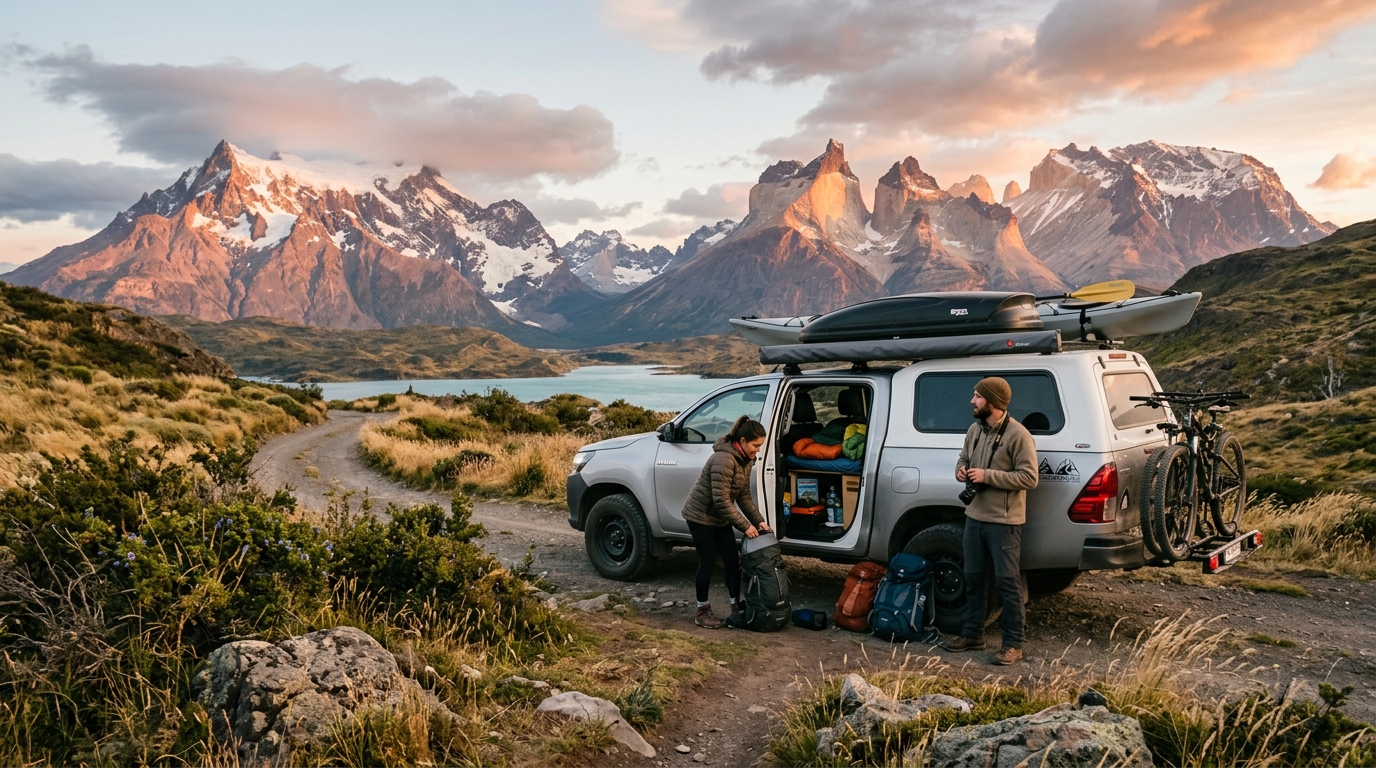
- **Exploring Torres del Paine National Park:** Embark on an unforgettable journey through Patagonia's iconic national park in a sturdy 4x4 motorhome. Hike amongst granite peaks, turquoise lakes, and glaciers, keeping an eye out for guanacos and condors.
- **Wine Tasting in the Central Valley:** Cruise through Chile's Central Valley, visiting vineyards near Santiago and Santa Cruz. Enjoy private tours and tastings, then return to your RV rental for a relaxing evening amidst the grapevines.
- **Driving the Carretera Austral:** Experience one of the world's most epic road trips in a rented RV, navigating gravel roads and pristine landscapes through remote Patagonia. This 1,240-kilometer route offers incredible natural beauty and adventure.
- **Visiting San Pedro de Atacama and its Surrounds:** Take your camper or motorhome north to explore the otherworldly landscapes of the Atacama Desert, including Moon Valley, El Tatio geysers, and vibrant salt flats.
🎬 Video coming soon
Looking for expert insights from Avi Bandana? Top 5 Adventures - recommendations from Avi Bandana
Final Thoughts
Embarking on a short RV trip in Chile offers an unparalleled sense of freedom, allowing you to explore its incredibly diverse landscapes at your own pace. From the arid Atacama Desert to the majestic peaks of Patagonia, a rented motorhome or campervan is your mobile home base for discovery. While the planning might seem extensive, remember that every detail you prepare contributes to a more relaxed and enjoyable journey. We at Bandana Caravan are here to support your adventure, making the booking process transparent and straightforward. By utilizing our expertise and the detailed route plans available through RVPLANET, you can focus less on logistics and more on creating unforgettable memories. Imagine waking up to a stunning Andean sunrise or preparing a meal with a view of the Pacific Ocean – these are the moments that make RV travel so rewarding. So, go ahead and compare Motorhome Prices for Chile. Whether it's for a week-long exploration or a longer extended road trip, Chile is waiting to be discovered. Plan a trip itinerary in advance with minimal effort and maximum enjoyment, and let the beauty of this extraordinary country captivate your spirit.On the routes offered through RV PLANET routes, you can itemize and track every expense along the way for easy budgeting.