In This Guide
- Top 5 Tips for weekend rv rental RV Rental in Center Europe
- Before You Book - Class, Dates, Insurance
- Pre-Trip Prep - Packing Checklist for Center Europe
- On the Road - Driving, Fueling, Navigation
- At the Campground - Setup, Hookups & Etiquette
- weekend rv rental-Specific Tips for Center Europe
- Common Mistakes to Avoid in Center Europe
- What is the 3-3-3 rule for RV travel?
- How much does it cost to rent an RV in Europe?
- What is the 4-4-4 rule for RV travel?
- How to avoid one-way rental fees in Europe?
- What is the 2 2 2 rule for RV travel?
- What You Shouldn't Miss
- Why Book with Bandana Caravan
- Final Thoughts
- Frequently Asked Questions
Embarking on a rented motorhome adventure through Center Europe offers an unparalleled sense of freedom, allowing you to discover charming villages, majestic mountains, and vibrant cities at your own pace. Whether you're planning a week-long trip through the Alps or a leisurely journey along the Danube, a rented RV provides a cozy home base on wheels. To ensure your trip is smooth and enjoyable, it's essential to understand some key tips tailored to the unique aspects of Center Europe RV travel. For live availability and current prices, start with our RV Rental Center Europe - Complete Guide 2026 guide.
Top 5 Tips for weekend rv rental RV Rental in Center Europe
Successful RV rental in Center Europe hinges on proactive planning and adaptability to local customs. First, securing your desired motorhome model well in advance, particularly for popular travel times like summer (June-August) or holidays, ensures the best selection and often more favorable pricing, potentially saving up to 20-30% on daily rates. Second, selecting a compact campervan or a smaller Class C motorhome, like the "Active Bunk Auto" (a Class B Camper Van with automatic transmission), will greatly enhance your ability to navigate Center Europe's often narrower roads, cobblestone streets in historic towns, and tighter city parking spots with greater ease. Drive slowly and carefully, and you can drive almost anywhere without issues. No need to stress - just use common sense and pay attention.
Third, thoroughly research and budget for all potential costs beyond the initial rental fee. This includes essential expenses such as fuel, highway tolls, mandatory vignettes (e.g., in Austria, Switzerland, Czech Republic, Slovenia), and any required environmental zone stickers for city access. Fourth, familiarize yourself with specific local driving regulations, unique road signs (which can differ slightly by country), and mandatory vehicle equipment like reflective vests, which are legally required to be carried in your vehicle in several Central European nations. Finally, cultivate a flexible itinerary that embraces slow travel, allowing for spontaneous stops and avoiding over-scheduling. This approach, often meaning traveling no more than 100-150 km per day on average, enables you to truly feel the place, connect to the culture, savor the food, and immerse yourself in the scenery. On the routes offered through RV PLANET routes, you can itemize and track every expense along the way for easy budgeting.
Before You Book - Class, Dates, Insurance
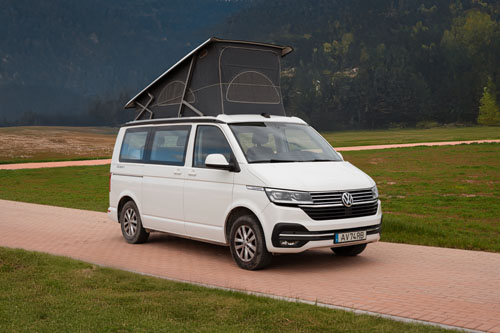
Choosing the right RV class for your Center Europe adventure is crucial for comfort and navigability. For any trip in Center Europe, a campervan (such as a VW California Ocean with a 120/200cm bed over the cab and a 114/200cm double bed) or a compact integrated/semi-integrated motorhome is generally recommended due to their agility on smaller roads and suitability for urban environments, unlike larger American-style RVs. Bandana offers a wide selection, allowing you to compare final prices across numerous suppliers like El Monte, Cruise America, Apollo, and Britz to find the perfect fit for your needs.
Securing your travel dates as early as possible is highly advisable, especially for peak summer weekends or major public holidays when demand is high and availability can be limited. While many rental companies open bookings up to a year in advance, don't despair if you're a spontaneous traveler; many national and state parks reserve 25-30% of their spots for first-come-first-serve visitors. You'll find a spot. If not at the first campground, then the next one. Call ahead before driving. The minimum rental age for all motorhome classes (Class A, Class B, Class C) is 21 years, with no young driver surcharges or vehicle class restrictions based on age, making RV travel accessible to a broader range of adventurers. Basic insurance is always included with your rental. For enhanced peace of mind, you can upgrade to a top-level deductible reimbursement, an optional extra that protects you against higher deductibles in case of an incident.
Pre-Trip Prep - Packing Checklist for Center Europe
A well-prepared packing list will make your Center Europe RV trip much more comfortable and stress-free. Most rented motorhomes, like a Class C Motorhome (e.g., an Explorer with a 90 liter refrigerator and 4 burner gas stove), typically include basic kitchenware, linens, and cleaning supplies, but it's always wise to confirm with your supplier. Your personal packing essentials should cover various aspects of your journey:
- Clothing: Pack layers suitable for varied Central European weather, a reliable waterproof jacket, comfortable walking shoes for exploring cities and trails, swimwear if you plan to visit lakes or thermal spas, and cozy sleepwear.
- Kitchen: Bring reusable water bottles to refill on the go, your favorite coffee or tea, basic spices to enhance meals, and compact cooking utensils if specific items aren't included. A small cooler bag is handy for day trips. Don't forget to check our RV-friendly recipes playlist for meal inspiration!
- Safety & Comfort: A comprehensive first-aid kit is essential. Carry reflective vests and a warning triangle, as these are mandatory in the vehicle in several countries (e.g., Austria, Germany). Also pack a European plug adapter, a portable power bank for electronics, headlamps, basic toiletries, and a travel pillow for passenger comfort during drives.
- Documents: Always have your passport or ID, your standard car driver's license (an International Driving Permit is recommended for non-EU visitors, but not mandatory everywhere), your RV rental agreement, insurance details, and travel insurance. Keep copies of all important documents and an emergency contact list readily accessible. Physical maps are a reliable backup in areas with spotty signal.
- Connectivity: A local SIM card or an eSIM data plan offers the best value for mobile data across multiple countries. Alternatively, a portable Wi-Fi hotspot can provide connectivity for several devices.
On the Road - Driving, Fueling, Navigation
Navigating Center Europe by rented motorhome is an exciting experience, but it requires awareness of local driving conditions and regulations. Be prepared for narrower roads, picturesque cobblestone streets in charming historic towns, and winding mountain passes, particularly in Alpine regions. Always pay close attention to height and weight restrictions, especially when entering tunnels, city centers, or older bridges, as these can vary significantly. Speed limits are also country-specific, so diligently observe local signage. Drive slowly and carefully, and you can drive almost anywhere without issues. No need to stress - just use common sense and pay attention.
When fueling, remember that diesel is the predominant fuel type for RVs in Europe. Double-check that you select the correct pump to avoid costly mistakes. Fuel prices are dynamic and can fluctuate between countries and even within regions. Most service stations operate on a self-service basis. For navigation, a GPS system specifically designed for RVs or a mapping application that allows you to input your vehicle's dimensions (like a 7.1-meter long Class C motorhome) is invaluable for avoiding unsuitable routes. Always carry physical maps as a reliable backup, particularly when traveling through remote areas where digital signals might be weak. Many Central European countries, such as Austria, Switzerland, Slovenia, and the Czech Republic, require you to purchase a "vignette" (a pre-paid sticker or digital pass) for highway use. These are often sold at border crossings or petrol stations, and failing to display one can result in heavy fines. For pre-planned routes and detailed information, including toll estimates, consider using RV PLANET (rvplan.net), which offers expert-curated itineraries and can help itemize every expense along the way.
At the Campground - Setup, Hookups & Etiquette
Setting up your rented motorhome at a campground in Center Europe is generally straightforward, but a few key steps ensure a smooth experience. Once you've chosen your pitch, use leveling blocks to ensure your RV is stable and even, which improves comfort and allows appliances like the refrigerator (often around 90-150 liters in rented motorhomes) to function correctly. Next, connect your shore power cable, followed by the fresh water hose if direct hookups are available at your site. Disposal of grey water and black water typically occurs at designated "service points" as you prepare to leave the campground. For finding campsites and campgrounds during your trip, we recommend using RV PLANET (rvplan.net) - a great resource for locating available spots along your route.
Most Central European campgrounds provide 230V electricity hookups, and many offer convenient fresh water access directly at your pitch. You’ll find centralized grey and black water disposal points, often clearly marked. Observing campground etiquette is important to ensure a pleasant stay for everyone. Respect designated quiet hours, which typically run from late evening until morning, and be mindful of your neighbors' privacy. Always dispose of waste responsibly in designated bins. Be aware that wild camping (or "freestanding") regulations vary strictly by country within Center Europe; while some areas may permit it for a night, many countries have strict prohibitions and heavy fines. Always research local laws carefully for each region you visit to avoid unexpected issues.
weekend rv rental-Specific Tips for Center Europe
Tailoring your rented RV trip to your group and preferences makes for a more rewarding adventure in Center Europe. For families with children, opt for itineraries with shorter driving distances between attractions, ideally around 100-150 km per day, allowing more time for stops at playgrounds, interactive museums, or outdoor activities. Many Central European cities offer excellent public transport, letting you explore urban centers without needing to move your motorhome. Seniors traveling can benefit from choosing an RV with an automatic transmission and power steering, enhancing ease of driving on varied terrain. Prioritize campgrounds with amenities like accessible showers, on-site restaurants, or easy access to local services, and plan for frequent, shorter travel days to maximize relaxation. A popular choice for couples is a Class B Camper Van like the "Active Pop Top" with a double bed and compact amenities.
Budget-conscious travelers will find "Stellplätze" in Germany and Austria (and similar designated motorhome parking areas in other countries) to be excellent alternatives to full-service campgrounds, often providing basic amenities at a low cost or for free. Stocking up on groceries from local supermarkets and preparing meals in your RV's kitchen can significantly reduce food expenses. For those seeking luxury, consider premium RV models, such as a "Comfort Luxury" Class A motorhome, which may include advanced entertainment systems, larger living spaces, and more comfortable sleeping arrangements, offering an elevated travel experience. When budgeting for your journey, consider that RV PLANET routes allow travelers to itemize and track every expense along the way for easy budgeting.
Common Mistakes to Avoid in Center Europe
Avoiding common pitfalls can significantly enhance your rented RV experience in Center Europe. A frequent mistake is not researching or purchasing local tolls and vignettes for countries like Austria, Slovenia, or the Czech Republic. These must often be acquired *before* entering major highways, and failing to do so can lead to hefty fines, typically starting from €120. Another error is underestimating driving times, as Central European roads, while scenic, can be slower due to winding routes, mountain passes, or unexpected city traffic. Instead, add extra buffer time to your travel plans, aiming for average daily distances of 100-150 km.
Ignoring your rented RV's dimensions is another common oversight. Always be acutely aware of your motorhome's height (e.g., a large Class C might be over 3 meters), width, and weight to avoid low bridges, narrow historic streets, or restricted urban zones, which are common in many Central European city centers. Disregarding wild camping rules can also lead to legal trouble, as overnight parking outside designated campgrounds is often illegal and strictly enforced in many countries. Always verify local regulations or use official campsites and "Stellplätze" for overnight stays. Finally, a lack of local currency or awareness of payment methods can cause inconvenience. While credit cards are widely accepted in larger establishments, carrying some local currency (Euros, Swiss Francs, Czech Koruna, etc.) is essential for smaller purchases, parking meters, or remote campsites.
What is the 3-3-3 rule for RV travel?
The 3-3-3 rule for RV travel suggests driving no more than 300 miles (approximately 480 km), stopping by 3 PM, and staying for a minimum of 3 nights, providing a relaxed pace ideal for exploring Center Europe. Limiting daily mileage prevents driver fatigue and allows more time for spontaneous stops at picturesque villages or local attractions. Arriving by 3 PM ensures ample time to find a suitable campsite (whether a full-service Campingplatz or a basic Stellplatz), set up your rented RV before dark, and relax. Staying at least three nights minimizes the constant packing and unpacking, allowing for deeper exploration of a region, like a specific national park or charming town, making the trip more enjoyable and less rushed.
How much does it cost to rent an RV in Europe?
The cost to rent an RV in Center Europe typically ranges from €70 to €200 per night for a standard campervan or motorhome, but this varies significantly based on factors like seasonality, RV size, booking duration, and crucially, additional expenses. For example, a compact campervan like the "Koru Star 2 Freedom" might start at €70-€100/night off-peak, while a larger "Euro Deluxe" Class C motorhome with 3 double beds could be €150-€200+/night during high season. Bandana Caravan, founded in 2001, has over two decades of experience helping tens of thousands of travelers and directly partners with 50+ leading RV suppliers worldwide, ensuring full price transparency with no hidden fees or conversion commissions.
Fuel is a major variable expense; diesel prices average around €1.60-€2.00 per liter across Center Europe in 2026, varying by country. A typical rented RV's fuel efficiency is approximately 8-12 liters per 100 km. Tolls and vignettes are also significant, with mandatory highway vignettes in countries like Austria and Slovenia ranging from €10 for a short-term pass. Campsite fees usually range from €20-€50 per night for a powered pitch, while designated motorhome parking ("Stellplätze") can be free or cost €5-€20 per night for fewer amenities. Additionally, some cities have low emission zones requiring environmental stickers (e.g., "Umweltplakette" in Germany, costing around €5-€15), and certain regions may impose local tourist taxes. Always consider insurance deductibles, propane for cooking/heating, and any optional equipment rentals in your total budget. For easy budgeting and detailed route planning that itemizes every expense, explore the pre-planned routes available through RV PLANET routes.
What is the 4-4-4 rule for RV travel?
The 4-4-4 rule for RV travel is similar to the 3-3-3 rule, but it suggests slightly longer travel days, advising driving no more than 400 miles (approximately 640 km), stopping by 4 PM, and staying a minimum of 4 nights. This rule can be suitable for experienced RVers or those aiming to cover more ground between major destinations in Center Europe, perhaps linking several capital cities or exploring an entire region like the Bavarian forests. Arriving by 4 PM still provides ample time to settle into a campground, especially if you anticipate busier sites during peak season or a more complex setup for a larger motorhome. Staying at least four nights encourages even deeper immersion in a location, providing generous time for day trips or thorough exploration before moving on, aligning with our recommendation to travel slowly and truly connect with the destination.
How to avoid one-way rental fees in Europe?
To avoid one-way rental fees in Europe, the most straightforward approach is to plan a round trip, returning your rented RV to its original pick-up location. This is often the most cost-effective solution for many travelers, particularly for week-long or two-week trips. For example, if you begin your journey with a "Category Van AT" campervan in Munich, planning to return it to the same depot will eliminate one-way fees, which can range from €150 to over €800 for international drop-offs. If a one-way trip is essential for your itinerary, treat the potential fee as part of your overall budget and factor it into your comparison of different suppliers and routes. Our platform helps you easily compare prices, including any one-way fees, to ensure full transparency.
Keep an eye out for special "relocation deals" or "ferry deals" offered by rental companies. These are less common for short trips, but when available, companies need to move vehicles from one depot to another and might offer significantly reduced rates or even free rentals for a set number of days. Another strategy for shorter trips in Center Europe could be to choose pick-up and drop-off depots that are conveniently accessible via public transport or a short flight, even if it means slightly adjusting your starting point. Checking specific rental company policies is key, as some larger international operators might offer more flexible or less expensive one-way options between their major depots compared to smaller local businesses. For detailed pricing on specific routes, including one-way options, check our One-Way RV Rental in Center Europe - Price Guide 2026.
What is the 2-2-2 rule for RV travel?
The 2-2-2 rule for RV travel is a relaxed guideline suggesting driving no more than 200 miles (approximately 320 km) per day, arriving at your destination by 2 PM, and staying for at least 2 nights, making it ideal for a leisurely short RV trip in Center Europe. This low daily mileage is perfect for exploring Central Europe's scenic routes, allowing frequent stops at picturesque villages, viewpoints, or local markets without feeling rushed. It's especially suited for beginners, families with young children, or those who prefer a highly relaxed pace, ensuring ample time for sightseeing off the road. Getting to your campsite by 2 PM ensures you have your pick of pitches, plenty of time to set up your rented motorhome (even a larger "Glamys 40" Class C with bunk beds and a 150-liter fridge), enjoy the campground amenities, and perhaps even explore a nearby town before dinner. Staying at least two nights at each stop provides a comfortable rhythm for trips, allowing for a full day of activity or relaxation at a single location before moving on, balancing travel with immersive experiences.
🎬 Video coming soon
What You Shouldn't Miss
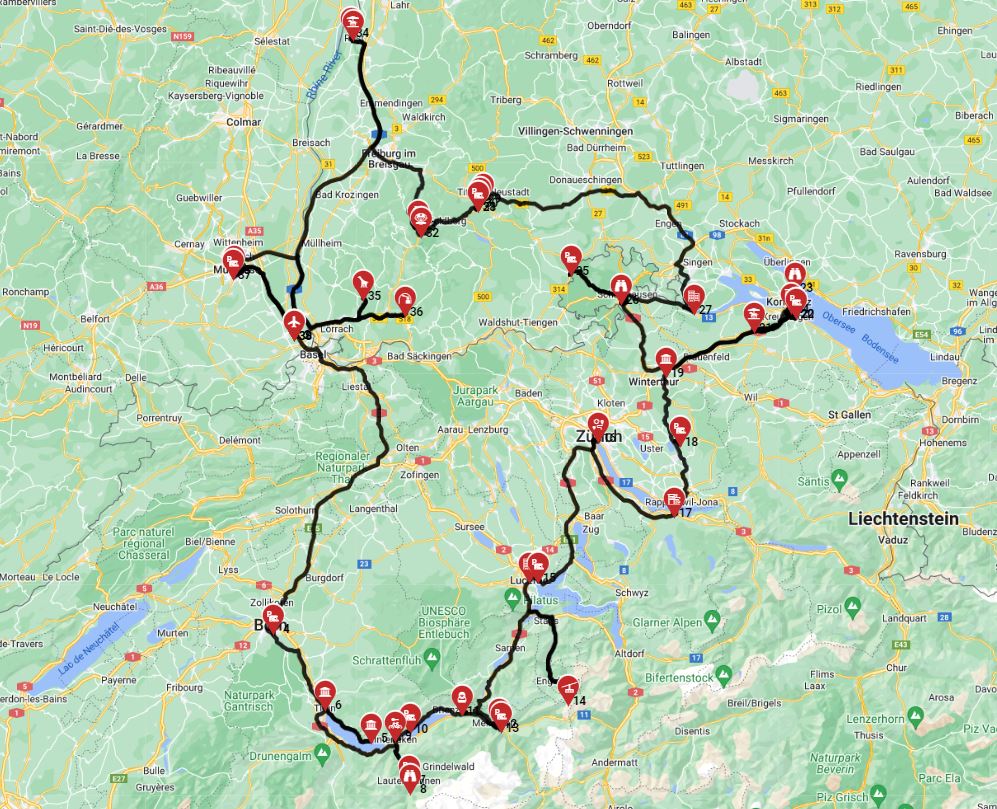
- Explore the Romantic Road, Germany: Drive a rented campervan along Germany's famous Romantic Road (Romantische Straße), a 400 km route from Würzburg to Füssen, stopping at medieval towns like Rothenburg ob der Tauber and Neuschwanstein Castle.
- Swiss Alps Panorama: Navigate the breathtaking passes of the Swiss Alps, such as the Furka Pass, with a rented motorhome, experiencing dramatic mountain scenery and quaint villages. Remember that Switzerland requires a vignette for highway use, costing 40 CHF for the year.
- Danube River Cycling & Castles, Austria: Combine RV travel with cycling along sections of the Danube Cycle Path in Austria, stopping to admire iconic sites like Melk Abbey and exploring Vienna, one of Europe's most cultured cities.
- Czech Republic's Bohemian Paradise: Discover the unique sandstone rock formations, ancient castles, and dense forests of the Bohemian Paradise (Český ráj) geopark in a rented motorhome, offering fantastic hiking and photography opportunities.
- Slovenian Lakes & Mountains: Journey through Slovenia to the stunning glacial lakes of Bled and Bohinj, and venture into the Julian Alps. With a compact campervan, you can easily access smaller roads leading to hidden gems.
- Looking for expert insights from Avi Bandana? Top 5 Adventures - recommendations from Avi Bandana - Avi, our founder, has personally explored countless routes across 5 continents, bringing unmatched personal experience to your travel planning.
Final Thoughts
A rented RV adventure through Center Europe is more than just a trip; it's an opportunity to create lasting memories, explore diverse cultures, and connect with stunning natural landscapes. By keeping these essential tips in mind, from understanding local driving rules and budgeting for ancillary costs to choosing the right motorhome size, you're well on your way to a seamless journey. Remember, the key is to embrace the freedom of the open road, travel slowly, and allow for those delightful spontaneous discoveries that make RVing so special.
We're here to support you every step of the way, from comparing the best deals on your rented campervan to helping with pre-booking questions. So, take the leap, imagine yourself waking up to a new view every morning, and start planning your incredible Center Europe RV experience. Discover top destinations, planning tips, all in one place!
Check Center Europe RV Rental Prices Now and begin your unforgettable journey with Bandana Caravan!