In This Guide
- What are the top 5 tips for RV rental in California?
- What should you consider before booking an RV in California?
- What is the essential packing checklist for a California RV trip?
- How do you manage driving, fueling, and navigation for a rented RV in California?
- What are the best practices for RV setup, hookups, and etiquette at California campgrounds?
- What are RV rental-specific tips for various traveler types in California?
- What common mistakes should you avoid during your California RV rental?
- When is the best time to RV in California and what seasonal challenges should I expect?
- How much does an RV rental trip to California cost and how can I save money on camping?
- What are the RV-specific regulations and laws for California roads and parking?
- What are some hidden gem RV destinations in California beyond National Parks?
- Where can I find pet-friendly RV campgrounds and trails in California?
- How do I manage RV logistics like dump stations and water refills while traveling in California?
- How can I ensure connectivity and cell service in remote California RV destinations?
- What are the Leave No Trace principles for RVers in California?
California, with its stunning coastlines, majestic mountains, and vast deserts, offers an unparalleled adventure for anyone seeking to explore by a rented RV. Imagine the freedom of waking up to ocean views, parking your home-on-wheels at the base of a redwood forest, or stargazing from a secluded desert campground. An RV trip in California is more than just a vacation; it's an opportunity to connect with nature and create unforgettable memories, all at your own pace. With Bandana Caravan, your journey is transparent, supported, and tailor-made for discovery. For live availability and current prices, start with our RV Rental California - Complete Guide 2026 guide.
What are the top 5 tips for RV rental in California?
To ensure a smooth RV rental experience in California, prioritize booking early, selecting the right RV class, thoroughly planning your route, budgeting meticulously, and understanding basic RV operations before departure. Firstly, securing your preferred motorhome 3-6 months in advance, especially for popular travel periods like summer or national holidays, can help you find better rates and availability from our 50+ trusted suppliers. Secondly, choosing an RV class that comfortably accommodates your group and skill level, such as a compact campervan like the "Paradise S/T" for couples or a spacious Class C like the "Explorer" for families, is crucial for an enjoyable trip. Our true RV specialists can help guide you through the options. Thirdly, utilize professional route planning services like RV PLANET (rvplan.net) to map out your journey, accounting for RV-specific road restrictions and reserving campsites in advance for popular areas; remember, many national parks reserve only 25-30% of spots, with the rest being first-come, first-served. Fourth, create a detailed budget that includes not just rental fees and fuel, but also campground fees (averaging $30-$70/night), propane, dump station costs, and tolls. Finally, familiarize yourself with your rented RV's hookups and essential functions, like water and electrical systems, to prevent common issues on the road. Bandana Caravan ensures full transparency with no hidden fees, making your planning straightforward. On the routes offered through RV PLANET routes, you can itemize and track every expense along the way for easy budgeting.
What should you consider before booking an RV in California?
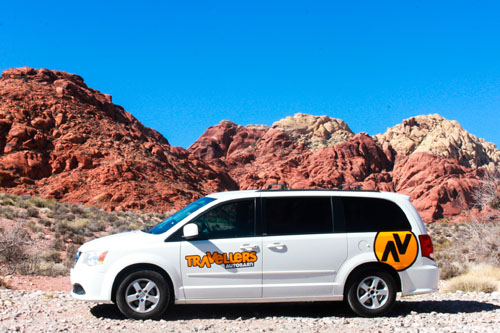
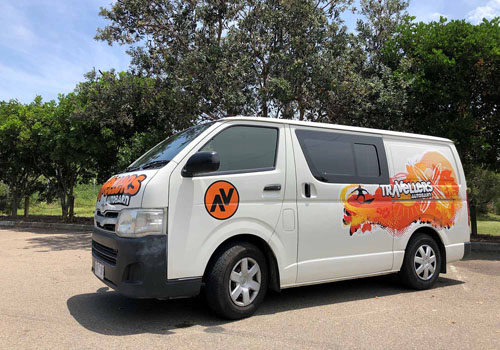
Before booking an RV in California, selecting the right class of motorhome is crucial for your comfort and maneuverability, alongside planning your dates and understanding insurance options. Class B campervans, like the `rv rental denver example Category Van` are ideal for couples due to their compact size and ease of driving in various terrains, offering features like a shower and toilet. For families of 2+2, a Class C motorhome such as the `24 Class C Motorhome` with its spacious sleeping areas and amenities is often preferred. Booking dates significantly in advance, ideally 3 to 6 months before your trip, especially for peak seasons (June through August), helps ensure availability and potentially lower rates. While basic insurance is always included, upgrading to a top-level deductible is an optional enhancement that can provide extra peace of mind, protecting you from unexpected out-of-pocket expenses. Bandana Caravan ensures that all relevant insurance options are clearly presented during the booking process, reflecting our commitment to full transparency and no hidden fees.
🎬 Video coming soon
What is the essential packing checklist for a California RV trip?
A comprehensive packing checklist is essential for a successful RV adventure across California's diverse climates and terrains. Beyond personal clothing, consider layering options for variable temperatures from coastal cool to desert heat, ensuring you have items like light jackets, sun hats, and swimwear. For cooking on board, essential kitchen items typically include pots, pans, utensils, plates, and cups, though some RV rentals may offer kitchen kits as an add-on. Don't forget basics like paper towels, dish soap, and trash bags for easy clean-up. For a convenient RV dining experience, explore our RV-friendly recipes playlist. Safety gear should include a first-aid kit, flashlight, roadside emergency kit, and possibly a multi-tool for minor repairs. Important documents such as your driver's license (a standard car license is sufficient for all motorhome classes in California), RV rental agreement, and any campground reservations are paramount. Also, bring chargers for all electronic devices, and consider a portable power bank for off-grid moments. Remember that many suppliers, like El Monte and Cruise America, offer packages that can include bedding and kitchenware, so check your rental specifics to avoid overpacking. For budgeting all these items, RV PLANET routes allow you to itemize and track every expense.
How do you manage driving, fueling, and navigation for a rented RV in California?
Navigating California's diverse landscapes in a rented RV requires specific strategies for driving, fueling, and navigation to ensure a safe and enjoyable journey. Drive slowly and carefully, and you can drive almost anywhere without issues. No need to stress-just use common sense and pay attention. RVs, whether a Class B campervan like the "Active Pop Top Select" with automatic transmission or a larger Class C, require more stopping distance and wider turns, so always anticipate road conditions. Be mindful of RV height and length limitations, particularly for specific scenic routes; for instance, some sections of Highway 1 in Big Sur have length restrictions, and Yosemite's Tioga Pass (Highway 120) closes seasonally due to snow. Planning your fuel stops in advance is crucial, especially in remote desert or mountain areas where gas stations can be sparse. Utilizing RV-specific GPS or navigation apps can help avoid restricted routes and low clearances, ensuring you stay on appropriate roads for your vehicle size. An automatic transmission, common in many rental motorhomes from suppliers like Apollo, makes driving easier, especially in hilly terrain. Always check your mirrors frequently, especially before changing lanes or turning, as RVs have larger blind spots than cars.
What are the best practices for RV setup, hookups, and etiquette at California campgrounds?
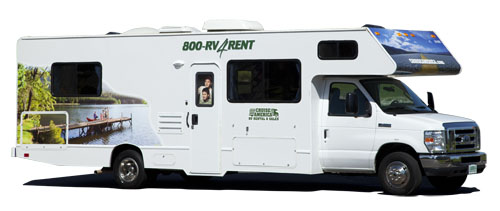
Proper RV setup at a campground ensures a comfortable stay in California and adherence to park guidelines, making for a pleasant experience for everyone. Upon arrival, always scout your site first to identify the best position for your motorhome, noting any obstacles or slope. When parking, back in slowly and always use a spotter to guide you, ensuring adequate space from neighbors and utilities. Connecting hookups in the correct order-starting with sewer, then water, then electricity-prevents damage and ensures functionality. For example, a "24' Class C Motorhome" typically features a 166-liter fresh water tank, a 147-liter waste water tank, and a 208-liter fuel tank, requiring proper management. Observing campground etiquette is vital; keep noise levels down, especially during quiet hours (usually 10 PM to 7 AM), respect other campers' privacy, and always clean up your site before leaving. Keep your pets leashed and clean up after them promptly. Many campgrounds in California, including state parks and private resorts, offer various hookup options, so be sure to confirm what your site provides when booking. For finding campsites and campgrounds during your trip, we recommend using RV PLANET (rvplan.net) - a great resource for locating available spots along your route.
What are RV rental-specific tips for various traveler types in California?
Tailoring your RV rental experience to specific needs enhances any trip to California, whether you're traveling with family, as seniors, on a budget, or seeking luxury. Families often prioritize larger Class C motorhomes, such as the `MHC24`, which offer separate sleeping areas, dining space for up to 4-6 people, and amenities like a microwave and a 283-liter refrigerator, making meal prep and entertainment easier. Seniors may prefer easier-to-drive Class B campervans or smaller Class C RVs, which provide ample comfort without the larger footprint, often equipped with automatic transmissions. For budget-conscious travelers, considering older models or planning trips during off-peak seasons (e.g., November-February, excluding holidays) can significantly reduce daily rental costs, potentially offering savings of up to 25%. On the other hand, luxury seekers might opt for premium Class A motorhomes, like the `Class A - Thor ACE 30` which can feature slide-outs, larger interiors, and more upscale amenities for a truly indulgent experience. Bandana Caravan, as true RV specialists since 2001, partners with 50+ leading RV suppliers worldwide, offering a diverse fleet to match every traveler's preferences and budget, ensuring full transparency with no hidden fees.
What common mistakes should you avoid during your California RV rental?
Avoiding common pitfalls can significantly improve your California RV rental experience, transforming potential headaches into smooth sailing. Instead of underestimating travel times, allow extra hours for scenic routes, unexpected stops, and traffic in urban areas like Los Angeles or San Francisco; remember, slower travel (max 100-150 km per day) allows for deeper immersion. Rather than overpacking, create a minimalist list tailored to your trip duration and California's diverse climate, recognizing that storage space is finite even in larger motorhomes like the `Jayco Excursion`. Instead of neglecting pre-trip inspections, thoroughly check the RV's systems-water, electric, propane, and tire pressure-before departing the rental station. For instance, a Class C motorhome like the "Explorer" has an 82-liter fresh water tank, 82-liter waste water tank, and 75-liter fuel tank, all requiring inspection. Rather than ignoring local regulations, research road restrictions, parking rules for your itinerary, and ensure you understand rules for overnight parking in cities versus dispersed camping on BLM lands. Always familiarize yourself with your chosen RV, perhaps by watching an orientation video or consulting the owner's manual before driving off. Bandana's transparent booking process and 24/7 support (pre-booking, booking, and post-booking coordination) are designed to help you avoid these common mistakes.
When is the best time to RV in California and what seasonal challenges should I expect?
The best time to RV in California largely depends on your desired region, with optimal periods ranging from winter for deserts to summer for mountains. For coastal regions and cities like San Francisco and San Diego, spring (April-May) and fall (September-October) offer milder temperatures, fewer crowds, and lower RV rental prices. California experiences distinct seasonal challenges; summer (June-August) brings high temperatures (often exceeding 38°C/100°F) in inland and desert areas, alongside potential fire seasons in many forested regions, requiring vigilance and adherence to fire safety regulations. During winter (November-March), higher elevations in the Sierra Nevada and other mountain ranges experience snow closures, impacting access to routes like Tioga Pass or campgrounds at elevations above 1,500 meters. However, winter provides excellent opportunities for desert exploration in areas like Anza-Borrego or Joshua Tree National Parks, where temperatures are pleasant, usually ranging from 15-25°C. For example, a week-long rental of a Class C `MH19 Small - Economy` might be 20% cheaper in January compared to July. Always check road and weather conditions before heading out, especially during shoulder seasons.
How much does an RV rental trip to California cost and how can I save money on camping?
The cost of an RV rental trip to California varies widely, typically from $150-$300 per day for a Class C motorhome, based on RV class, rental duration, season, and travel style, with potential savings available through strategic camping choices. A week-long trip for a family of four in a `CA-25` motorhome could range from $1,000 to $2,500 for the rental alone, excluding other expenses. Budgeting should comprehensively include rental fees, fuel (which can vary significantly, with a 208-liter tank on a `C-30` lasting approximately 800-1000 km), campground fees (average $30-$70/night), food, activities, and often overlooked costs like dump station fees ($5-$25), water fill-ups ($5-$10), and propane. To save money on camping, exploring options for dispersed camping on Bureau of Land Management (BLM) land or in National Forests offers extensive opportunities for free overnight stays; these sites, however, usually lack hookups. Membership programs like Passport America can provide 50% discounts at participating private campgrounds nationwide. Booking campsites outside national and state parks, such as at county or private RV parks, can sometimes offer more competitive rates. For detailed itineraries and an itemized expense tracker to manage your budget, refer to RV PLANET routes, which helps plan every financial aspect of your trip with full transparency.
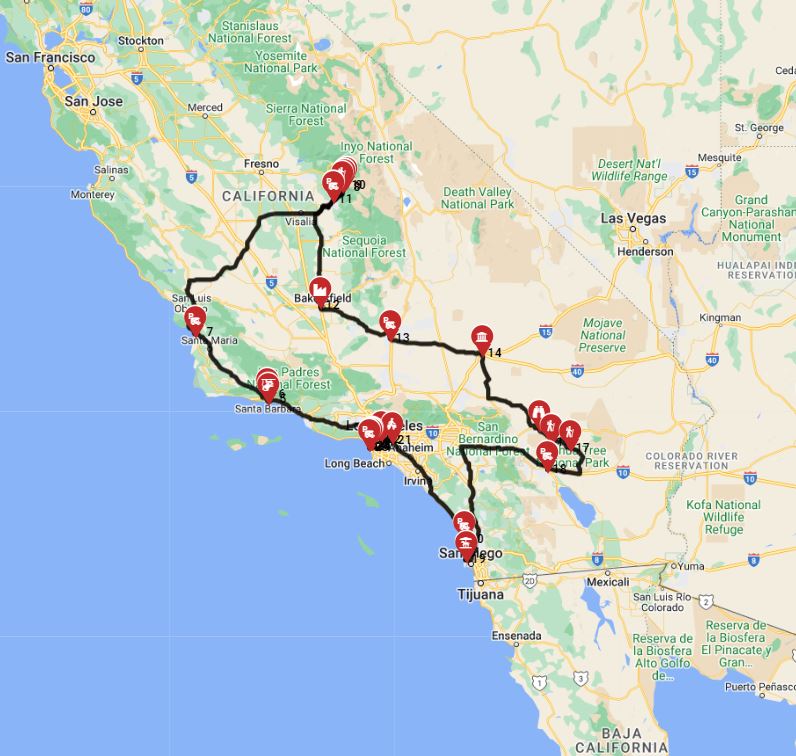
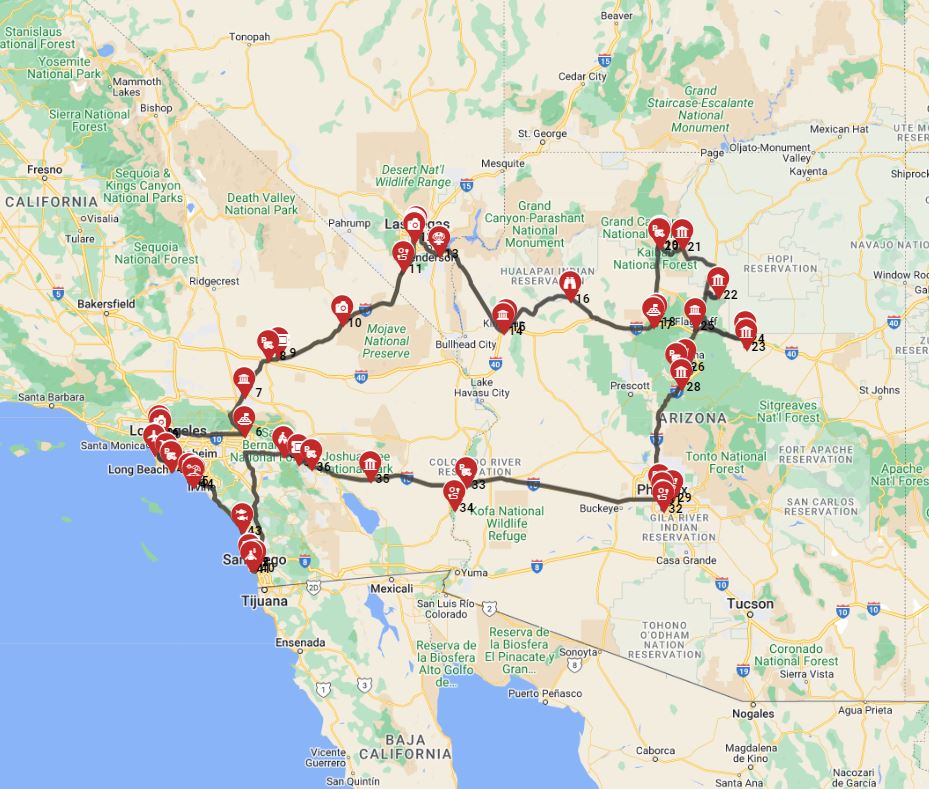
Plan a trip itinerary in advance with minimal effort and maximum enjoyment. Imagine spending 25 days exploring 4,463.4 km from San Francisco and back, experiencing 8 hiking areas and 4 scenic routes.
What are the RV-specific regulations and laws for California roads and parking?
RV-specific regulations in California include length restrictions on certain scenic roads and highways, distinct parking rules in urban areas, and varied legality of overnight parking. For instance, while a standard car driver's license is sufficient for driving all motorhome classes, some state highways, particularly sections of Highway 1 through Big Sur, impose length limits (often 22-30 feet or 6.7-9.1 meters) for motorhomes like the "Adventure Camper" or "Safari Landcruiser 4WD." Yosemite National Park's Tioga Pass also has seasonal closures for larger RVs. In urban areas and cities like Los Angeles and San Diego, overnight parking for RVs is generally restricted on public streets, with specific ordinances varying by municipality; always check local signage. Dispersed camping (boondocking) is legally permitted on vast tracts of Bureau of Land Management (BLM) land and in many National Forests, offering free overnight stays for up to 14 days in a 28-day period, such as in areas of the Eastern Sierra. For parking during the day, look for large commercial parking lots or designated RV parking areas. Always drive slowly and carefully, and you can drive almost anywhere without issues. No need to stress-just use common sense and pay attention to signage.
What are some hidden gem RV destinations in California beyond National Parks?
California offers numerous lesser-known and off-the-beaten-path RV destinations beyond popular National Parks and major cities, revealing unique landscapes and local favorites. The Eastern Sierra, with its stunning mountain scenery, boasts numerous lakes and natural hot springs perfect for a tranquil motorhome getaway; consider exploring sites around Mammoth Lakes or Bishop. For those seeking rugged coastal beauty and seclusion, the Lost Coast in Northern California provides an unspoiled wilderness experience, ideal for experienced RVers driving campervans like the `Active Compact Select`. Anza-Borrego Desert State Park, especially outside the busy wildflower season, offers vast desert landscapes, slot canyons, and exceptionally dark skies for stargazing, with plenty of dispersed camping options. For a more unique experience, the Alabama Hills near Lone Pine present surreal rock formations against the backdrop of Mount Whitney, offering fantastic boondocking spots and hiking, often with fewer crowds than Yosemite or Death Valley. Exploring these less-traveled spots allows for a deeper connection to California's diverse ecosystems, providing a rewarding experience for those traveling slowly, averaging 100-150 km per day.
Where can I find pet-friendly RV campgrounds and trails in California?
Finding pet-friendly RV campgrounds and trails in California is possible across various state parks, private campgrounds, and national forests, though specific regulations for traveling with animals apply. Many private RV resorts and campgrounds throughout California, especially those found via RV PLANET (rvplan.net), are explicitly pet-friendly, often offering amenities like dog parks, such as the `24' Class C Motorhome` which is pet friendly. California State Parks generally allow leashed pets in campgrounds, picnic areas, and paved roads, but they often restrict pets from natural trails, beaches, and park buildings to protect wildlife. National Forests and Bureau of Land Management (BLM) lands are typically more accommodating for pets, allowing them on most trails and in dispersed camping areas when kept on a leash, offering extensive opportunities for you and your furry friend to explore. Always check specific park rules before your visit, as regulations can vary. For example, a small campervan like the `Acer` or `Active Pop Top Select` can be a comfortable option for couples traveling with a pet, providing essential amenities while remaining agile on smaller roads.
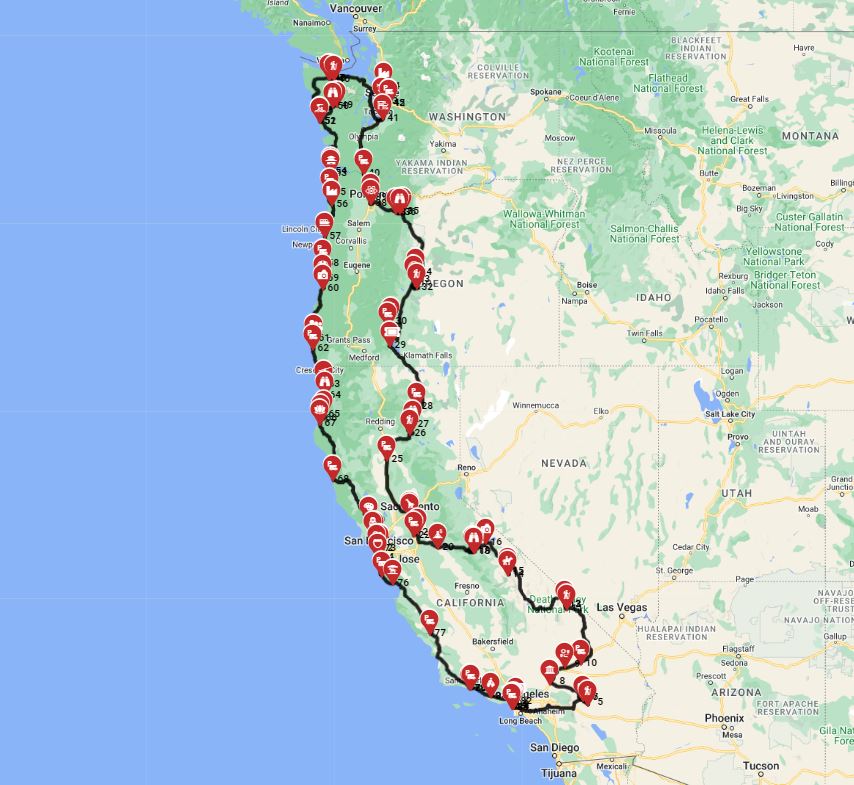
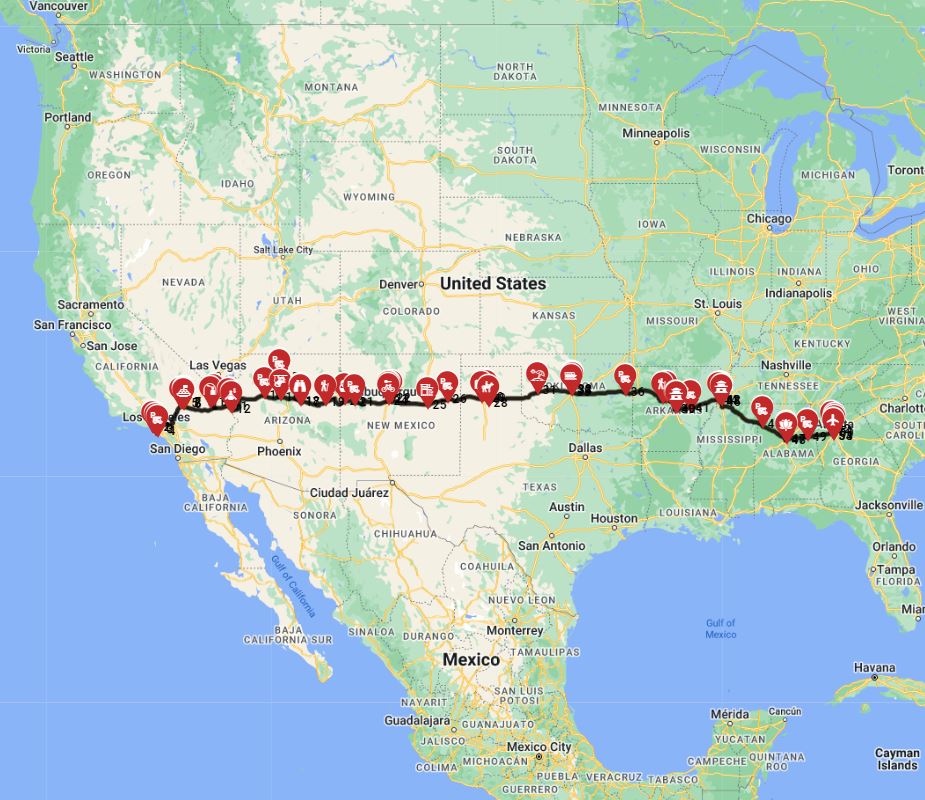
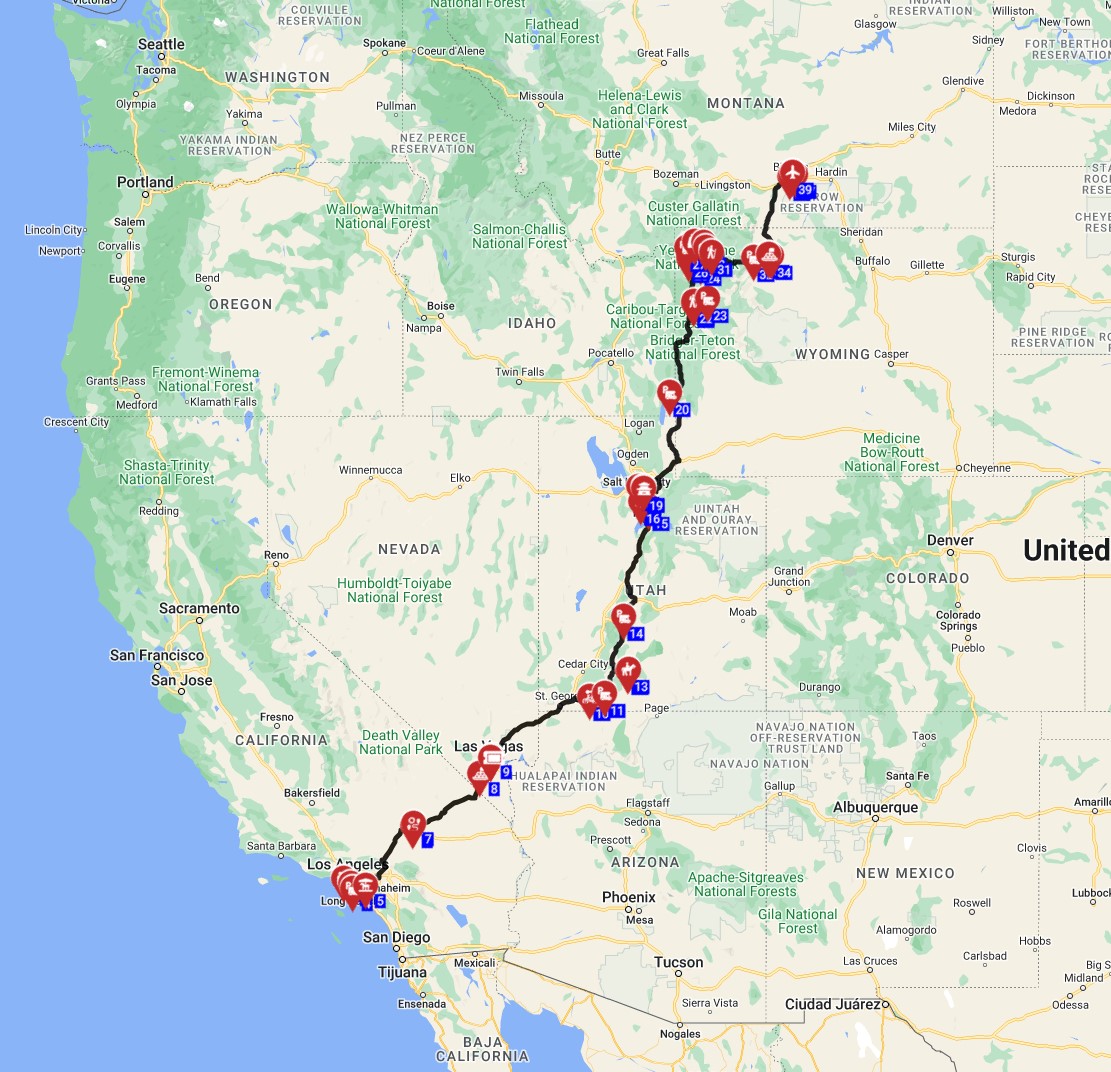
Discover top destinations, planning tips, all in one place! Imagine embarking on an 18-day, 3,370.8 km journey from San Diego to Seattle, including 6 hiking areas, 2 museums, and numerous natural features.
How do I manage RV logistics like dump stations and water refills while traveling in California?
Managing RV logistics such as finding dump stations, water refills, and propane while traveling in California requires planning, especially in rural or remote areas. Dump stations are commonly found at RV parks, some larger gas stations, and municipal wastewater treatment facilities, often requiring a small fee ranging from $5 to $25 for emptying your black and gray water tanks. Water refills can typically be obtained at most campgrounds, some truck stops (like Pilot or Flying J), and through portable water containers at grocery stores, ensuring your 100-liter fresh water tank (common in models like the `Category Family 5 AT`) remains topped up. Propane refill stations are widely available at many gas stations, hardware stores (e.g., U-Haul locations), and RV dealerships across the state. Utilizing apps like Campendium or iOverlander on your smartphone can help locate these essential services along your route, ensuring you don't run low on crucial resources. Always ensure your RV is ready for the road with sufficient water and propane before venturing into less populated areas. For help planning and budgeting all these ancillary costs, RV PLANET routes offer detailed expense tracking.
How can I ensure connectivity and cell service in remote California RV destinations?
Ensuring connectivity and reliable cell service in remote California RV destinations is crucial for modern travelers and can be achieved through various technologies and strategies. Cell service can be spotty in many remote areas, such as national forests or wilderness regions, with major carriers (Verizon, AT&T, T-Mobile) having different coverage maps, so checking these in advance for your planned route is highly recommended. Consider using a mobile hotspot device (e.g., from a major carrier) or a dedicated RV cellular booster to amplify weak signals, which can significantly improve your connection strength even in fringe areas. For truly off-grid travel or deep wilderness exploration, satellite internet options or satellite communication devices provide connectivity where cellular service is non-existent, albeit at a higher cost. Many private RV parks offer Wi-Fi, but its reliability and speed can vary greatly. Remember, part of the joy of RVing is disconnecting, but for safety and planning, having a backup communication method is always wise. Bandana Caravan, your true RV specialists, recommends proactive planning for connectivity, especially on extended road trips through the Golden State.
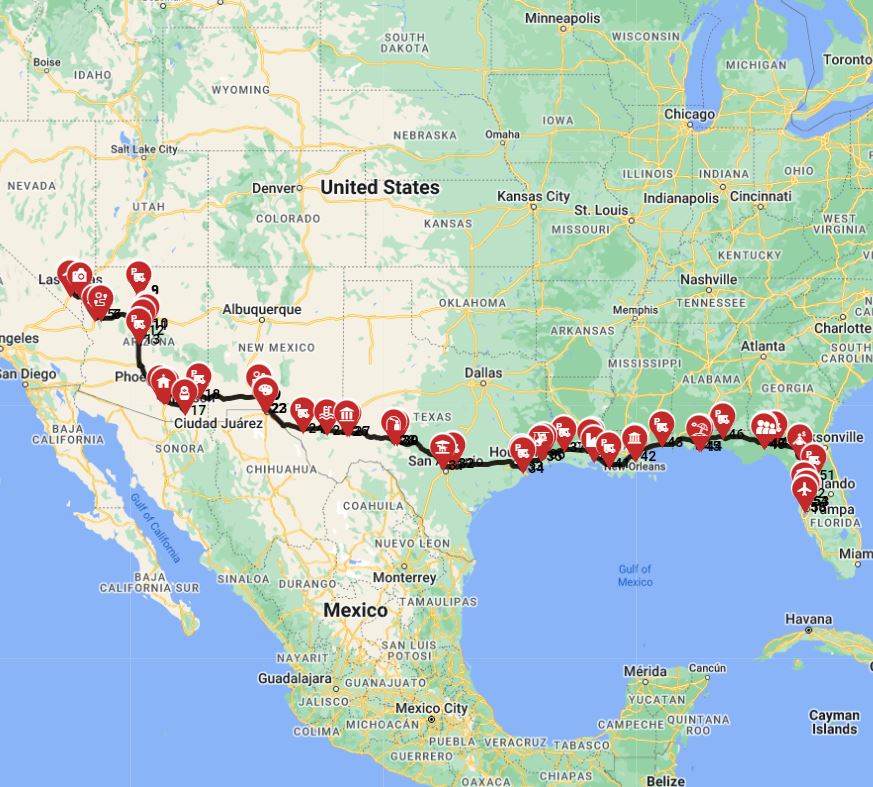
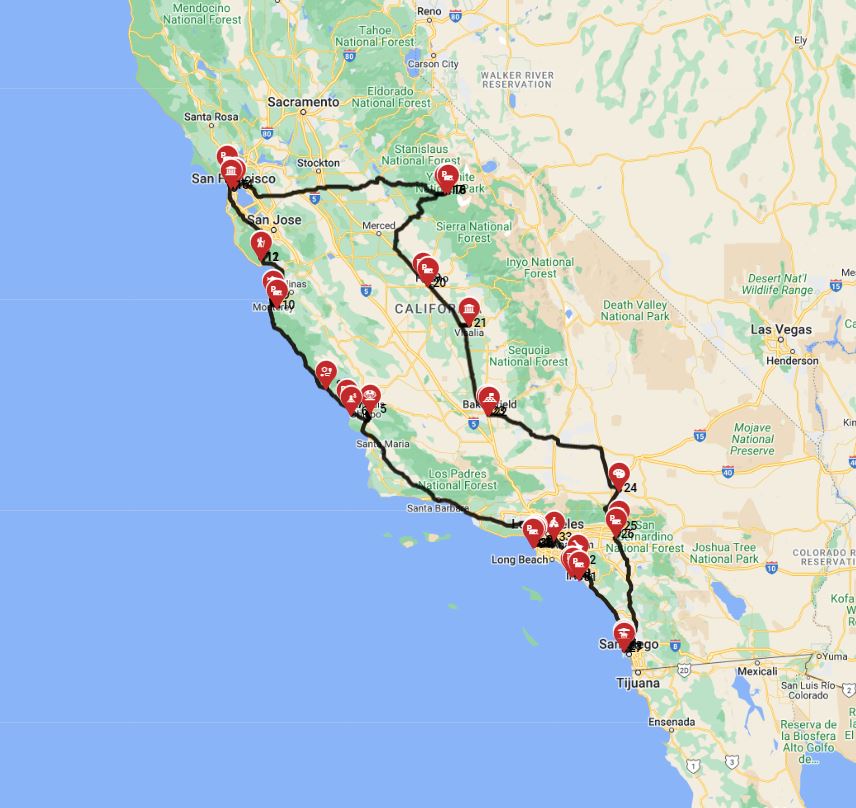
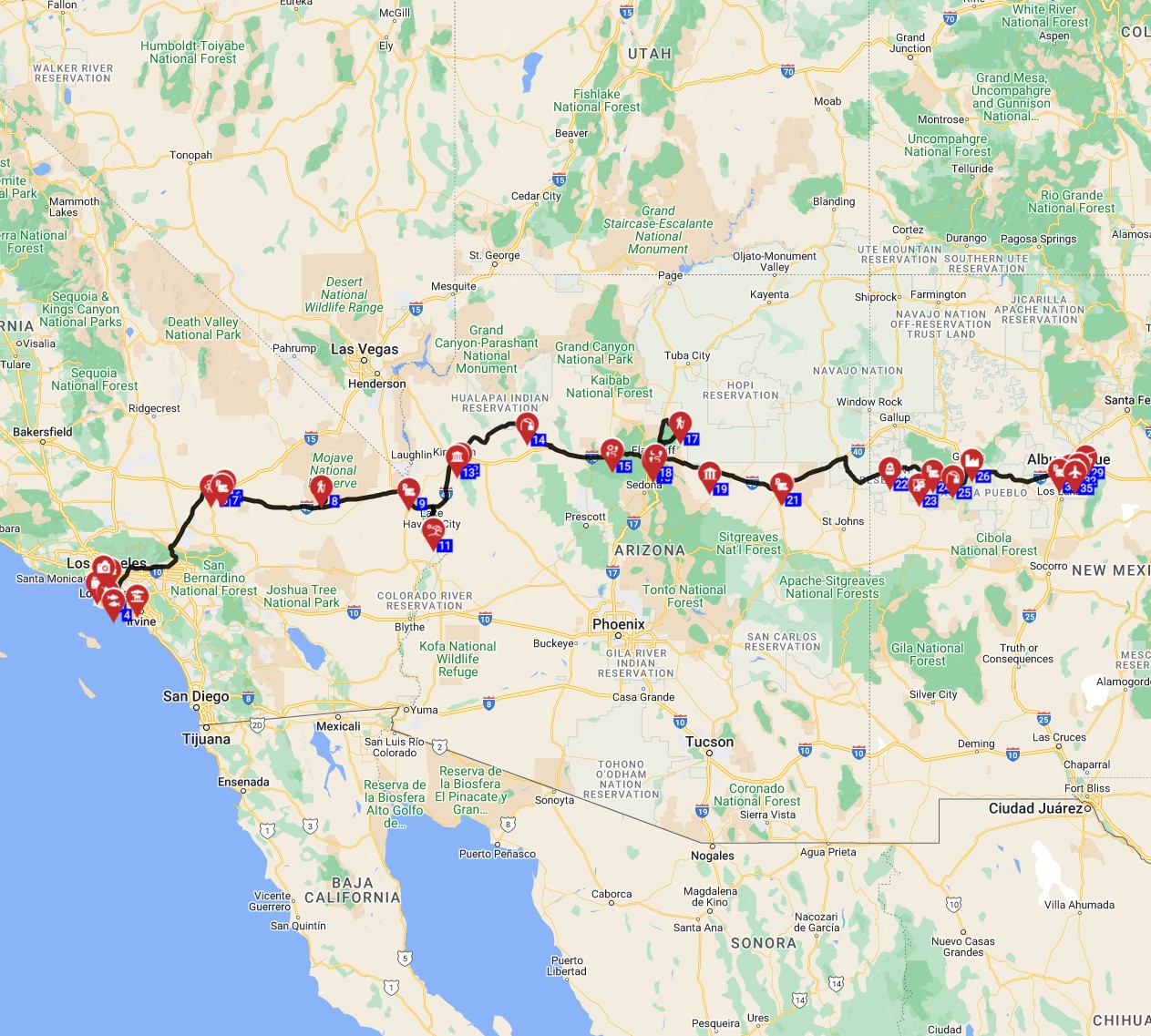
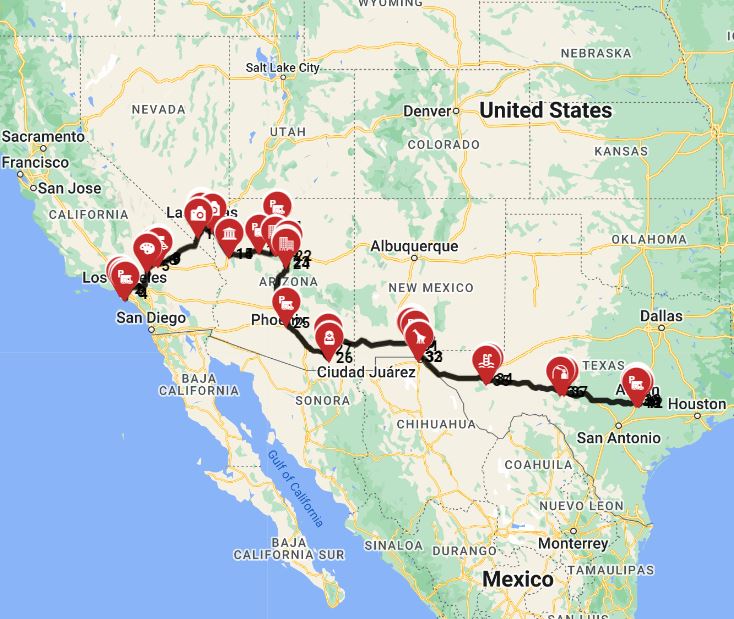
Get inspired for your next trip! This route is an excellent example of the comprehensive itineraries offered by RV PLANET (rvplan.net), complete with 1 amusement park, 1 aquarium, and 2 botanical gardens to visit along the way.
What are the Leave No Trace principles for RVers in California?
Adhering to Leave No Trace principles is essential for RVers in California to promote sustainable travel and protect the state's diverse and often fragile ecosystems. Firstly, plan ahead and prepare by knowing regulations specific to the areas you visit, understanding weather conditions, and packing appropriately to minimize waste. Secondly, travel and camp on durable surfaces, always using established campsites and existing roads to prevent environmental damage; avoid driving or parking your motorhome on sensitive vegetation. Thirdly, dispose of waste properly, including packing out all trash, and utilizing designated dump stations for all gray water and black water from your RV's holding tanks, rather than releasing it into nature. Fourthly, leave what you find, minimizing alterations to the environment by not disturbing natural objects or cultural artifacts. Fifthly, minimize campfire impacts by using existing fire rings, keeping fires small, and ensuring they are completely extinguished. Finally, respect wildlife by observing them from a distance, never feeding them, and securing food and trash to prevent attracting animals. Practicing these principles ensures California's natural beauty remains pristine for future generations of RV travelers.
What You Shouldn't Miss
- **Drive Highway 1 through Big Sur:** Experience one of the most iconic coastal drives in the world, with breathtaking cliffs and ocean views. Remember to check for road closures and RV length restrictions before you go.
- **Explore Yosemite National Park:** Marvel at towering granite cliffs, giant sequoias, and powerful waterfalls. Book your campsites well in advance, especially for popular spots like Yosemite Valley.
- **Discover the deserts of Joshua Tree National Park:** Witness unique Joshua trees, stunning rock formations, and incredible stargazing opportunities, particularly pleasant during the cooler winter months.
- **Wander through California's Redwood Forests:** Drive your RV through ancient redwood trees or hike among giants in places like Redwood National and State Parks.
- **Enjoy Southern California Beaches:** Park your RV near a scenic beach in Orange County or San Diego for sun, surf, and classic California vibes.
- **Visit Lake Tahoe:** Enjoy pristine alpine lakes, hiking, and water sports in summer, or winter sports during colder months. Ensure your RV is winter-ready if traveling off-season.
Looking for expert insights from Avi Bandana? Top 5 Adventures - recommendations from Avi Bandana
Final Thoughts
Renting an RV in California offers an incredible opportunity to explore one of the most diverse and beautiful states in the USA at your own pace. By keeping these essential tips in mind-from choosing the right motorhome to understanding local regulations and embracing slow travel-you're well on your way to a memorable adventure. Remember, Bandana Caravan is here to support you every step of the way, providing expert advice and transparent booking options.
Whether you dream of cruising down Highway 1 in a comfortable Class C like the `Explorer`, exploring national parks, or finding secluded spots on BLM land in a nimble campervan, California truly has it all. Don't just plan a trip; plan an experience that will stay with you long after you've returned home. "Life is now!" so start your California RV journey today.
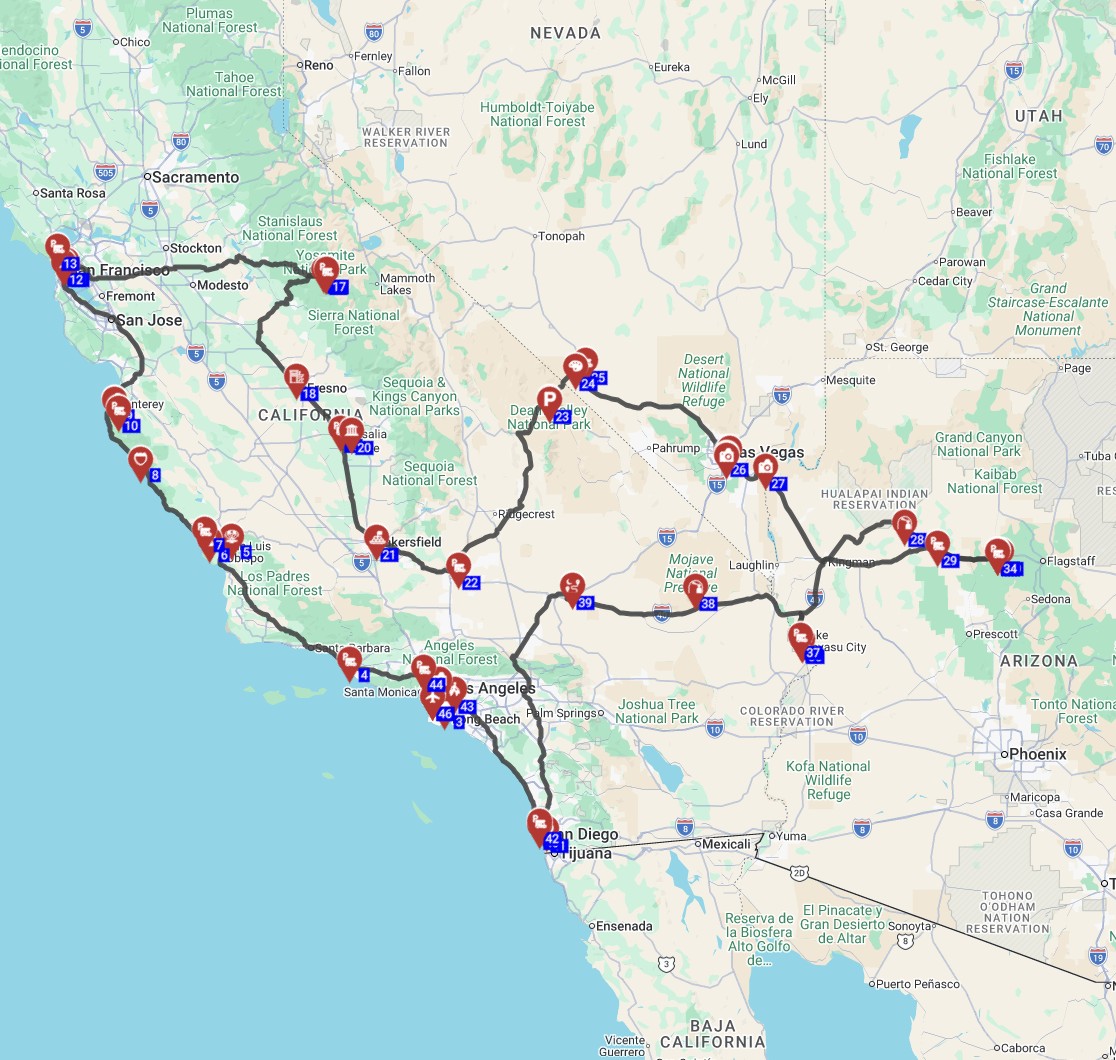
Get inspired for your next trip! Discover top destinations and planning tips all in one place with Bandana Caravan.