For live availability and current prices, start with our RV Rental Alaska - Complete Guide 2026 guide.
In This Guide
- Top 5 Tips for RV Rental in Alaska
- Before You Book - Class, Dates, Insurance
- Pre-Trip Prep - Packing Checklist for Alaska
- On the Road - Driving, Fueling, Navigation
- At the Campground - Setup, Hookups & Etiquette
- RV Rental-Specific Tips for Alaska
- Common Mistakes to Avoid in Alaska
- What is the 3-3-3 rule for RVs?
- What is the 4-4-4 rule for RV travel?
- Should I rent an RV in Alaska?
- What do I need to know before renting an RV?
- How much rent RV in Alaska average cost?
- Is it cheaper to rent an RV or stay in a hotel?
- What is the best time of year to RV to Alaska?
- What not to forget on an RV trip?
- Top Cities for RV Rental in Alaska
- Country-Wide Practical Information for RV Travelers in Alaska
- What You Shouldn't Miss in Alaska
- Why Book with Bandana Caravan
- Final Thoughts
- Frequently Asked Questions
Exploring the vast, untamed beauty of Alaska in a rented RV is an unparalleled adventure, offering freedom to chase the midnight sun and discover remote wilderness. While our title mentions "Weekend RV Tips for Alaska - Quick Travel Advice 2024", it's important to set expectations: Alaska's immense scale means that truly experiencing its grandeur often requires an extended road trip of a week or more. These tips, however, are concise and designed to equip you with essential knowledge for planning an unforgettable journey, regardless of its length. For live availability and current prices, start with our RV Rental Alaska - Complete Guide 2024 guide, your ultimate resource for planning your Alaskan motorhome adventure.
Top 5 Tips for RV Rental in Alaska
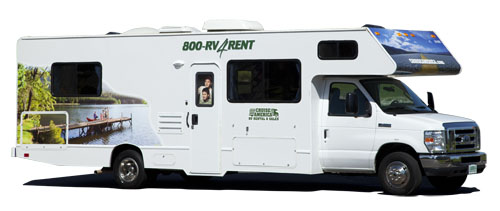
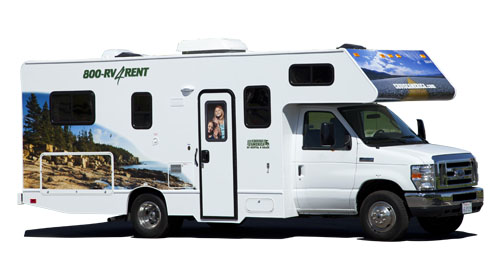
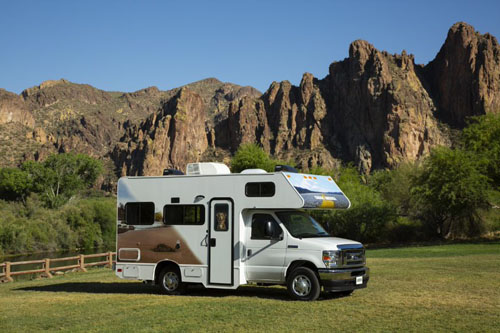
Planning an RV adventure in Alaska demands careful consideration to ensure a smooth and memorable journey. Firstly, secure your RV rental and popular campsites well in advance, especially for the peak summer season from June to August, when demand is high and availability limited. Secondly, select an RV class that comfortably accommodates your group size and suits your driving comfort level; Class C motorhomes, like the Cruise America Explorer (7.1m length, 4-berth), are popular for families, while a nimble Class B campervan such as the Alaska RV Rental Example Juliette Family 5 is ideal for couples. Thirdly, factor in Alaska's vast distances, varying road conditions, and often limited services when meticulously planning your itinerary; aim to travel slowly, averaging a maximum of 100-150 km per day, to truly immerse yourself in the culture, food, and scenery.
Fourth, budget comprehensively for all expenses, including fuel (which can be significantly more expensive and scarce in remote areas), campground fees, and potential mileage overage charges. Utilizing RV PLANET routes allows you to itemize and track every expense for easy budgeting, ensuring full transparency with no hidden fees or surprises. Finally, prepare thoroughly for wildlife encounters and remote travel by packing essential safety gear, reliable communication devices (as cell service is spotty), and plenty of versatile layers for Alaska's famously fluctuating weather conditions. On the routes offered through RV PLANET routes, you can itemize and track every expense along the way for easy budgeting.
Before You Book - Class, Dates, Insurance
Choosing the right rented RV and understanding your booking options are crucial steps for an enjoyable Alaskan road trip. When selecting your RV class, consider your group size, luggage, desired amenities, and comfort with driving a larger vehicle; Class B campervans are highly maneuverable and perfect for 2-3 travelers seeking agility, while Class C motorhomes, such as a 5-berth 24' Class C Motorhome with a 166-liter fresh water tank, offer a balance of space and ease of handling for families. Larger Class A motorhomes, like the 6-berth Class A - Thor ACE 30 (9.37m length), provide ultimate comfort for bigger groups, resembling a luxurious mobile home experience. A standard car driver's license is sufficient for driving any motorhome class in Alaska, and the minimum rental age is 21 years old, with no young driver surcharges or class restrictions based on age.
To secure your preferred RV and avoid peak season sell-outs, aim to book 6-12 months in advance for summer trips (June-August). Traveling during the shoulder seasons (May or September) can offer lower rental rates and fewer crowds. Remember, many national and state parks reserve only 25-30% of spots for advance bookings, with the remaining 70-75% available on a first-come, first-served basis, so flexibility and calling ahead are key. Bandana RV offers full transparency in pricing, ensuring no hidden fees or surprises, just like our founder, Avi Bandana, always intended.
Regarding insurance options, basic coverage is always included with your rental. For enhanced peace of mind, you can upgrade to a top-level deductible reimbursement plan. We always recommend carefully reviewing coverage details, including deductibles and what specific perils are covered, especially for gravel road travel, as this ensures you're fully protected on your adventure. Bandana RV are true RV specialists, not just a travel agency side department, ensuring we handle the details from day one until your booking is confirmed.
Pre-Trip Prep - Packing Checklist for Alaska
Preparing for an Alaskan RV trip means packing smart and being ready for anything Mother Nature throws your way. Your clothing arsenal should include layered attire, combining moisture-wicking base layers, insulating mid-layers like fleece, and a waterproof/windproof outer shell to adapt to rapidly changing temperatures. Don't forget a warm hat, gloves, sturdy hiking boots, and comfortable shoes for driving and exploring.
For your rented motorhome's kitchen, bring basic cooking utensils, non-perishable food items, a selection of spices, reusable water bottles, and coffee/tea supplies. A cooler can also be handy for extra food storage, especially on longer stretches between towns. Cooking in your RV not only saves money but also enhances the feeling of independence on the road. For culinary inspiration, check out our RV-friendly recipes playlist.
Safety and navigation are paramount in Alaska. A comprehensive first-aid kit is non-negotiable, along with any personal medications. Bear spray is essential (but learn proper usage first!), as is insect repellent. Carry headlamps, physical maps (a detailed road atlas of Alaska and the Yukon), and downloaded offline navigation apps, as cell service is extremely limited outside major population centers. An emergency communication device, such as a satellite messenger, is highly recommended for remote regions. Finally, ensure you have your driver's license, RV rental agreement, insurance documents, and any National Park passes or reservations readily accessible. Binoculars for wildlife viewing and a camera for capturing those stunning moments will also enhance your experience.
On the Road - Driving, Fueling, Navigation
Driving a rented RV in Alaska is an incredible experience, but it requires awareness of unique local conditions. Be prepared for long stretches between towns, potential gravel roads (especially on scenic routes like the Denali Highway), and significant frost heaves which can create unexpected bumps and damage vehicles. Drive slowly and carefully, and you can drive almost anywhere without issues. No need to stress - just use common sense and pay attention. Always drive defensively, maintain a safe speed, and be extremely vigilant for wildlife on the roadways, particularly moose, caribou, and bears.
Fueling requires meticulous planning in Alaska due to scarce gas stations in remote areas and fluctuating prices. It is advisable to keep your fuel tank at least half full at all times and consider carrying an extra approved fuel container for extended journeys away from services. For longer trips, remember our advice: travel slowly, max 100-150 km per day on average, which also helps conserve fuel. For a more detailed breakdown of potential costs on your trip, including fuel, explore the planning tools available through RV PLANET routes.
For navigation, never rely solely on cell phone service, as coverage is often limited or nonexistent outside major towns and along many scenic routes. Utilize physical maps, a dedicated GPS device, and downloaded offline maps for reliable navigation. Inform someone of your itinerary, especially when venturing into remote regions, and consider the detailed route plans available in our "RV Travel Guide to Alaska - Tips and Top Spots 2024".
At the Campground - Setup, Hookups & Etiquette
Setting up your rented RV at an Alaskan campground is straightforward with a few key steps. Upon arrival, choose a level site or use leveling blocks to ensure your motorhome is stable and comfortable. Extend slide-outs (if your vehicle, like the Alaska RV Rental Example Category C, has them) and deploy stabilizers for added security. Connect your RV to utility hookups in a specific order: shore power first, then the potable fresh water hose, and finally the sewer hose to designated dump points.
When using hookups, ensure your electrical connection matches the campground's amperage (typically 30 or 50 amp in the USA) and use a surge protector for your RV's electronics. Use a dedicated fresh water hose for drinking water and a separate, non-potable hose for sewer connections. Always dump your black tank (wastewater from toilets) before your gray tank (wastewater from sinks and showers) to help flush the sewer hose clean. Emptying tanks and refueling before returning your rented camper are standard practices, so always check your rental agreement for specifics.
Campground etiquette is crucial for a harmonious experience in Alaska's natural settings. Respect quiet hours, typically from 10 PM to 7 AM, to allow fellow campers and wildlife their rest. Keep your campsite tidy, manage waste properly using bear-proof containers where available, and minimize generator use, especially during quiet hours. Be mindful of your neighbors and the abundant wildlife by not leaving food unattended, which can attract animals. For finding campsites and campgrounds during your trip, we recommend using rvplan.net - a great resource for locating available spots along your route.
RV Rental-Specific Tips for Alaska
Alaska's diverse landscape and travel styles mean specific considerations for different types of RVers. For families, selecting a motorhome with adequate sleeping capacity and distinct living/dining areas, like an Alaska RV Rental Example Category B (4-berth, medium size), is key. Pack activities and entertainment for long drives, and consider campgrounds with playgrounds or family-friendly amenities. Senior RVers might opt for easier-to-drive RV classes like Class C motorhomes or smaller Class B campervans. Planning shorter driving days with ample time for rest and exploration is advisable, ensuring your chosen RV offers comfortable ergonomics.
Budget-conscious RVers will find that cooking meals in their rented RV significantly reduces food expenses, and traveling during shoulder seasons (May, September) can yield lower rental rates, as outlined in "RV Rental in Alaska - Prices and Best Deals 2024." Seek out free dispersed camping opportunities on public lands (e.g., BLM, National Forests), always adhering to local regulations. Luxury RVers can explore premium Class A motorhomes, such as a large Motorhome Hire USA Example AF-34 Premier W, with enhanced amenities like slide-outs for extra space. Consider adding on services such as premium kitchen packages or outdoor gear rentals for an elevated Alaskan experience.
For Alaskan adaptations, if traveling in the shoulder seasons, confirm your rented RV is appropriately equipped for colder temperatures, including antifreeze and adequate heating. Inquire about tire types suitable for potentially unpaved or varied road conditions, as this is common on many Alaskan backroads. Bandana RV, as true RV specialists, partners with suppliers like El Monte and Cruise America, who offer a range of vehicles suitable for Alaska's unique demands.
Common Mistakes to Avoid in Alaska
Avoiding common pitfalls can significantly improve your RV trip experience in Alaska. Many first-time renters underestimate the sheer distances and travel times in Alaska; instead, plan realistic driving days with buffer time for scenic stops, unexpected wildlife viewing opportunities, and potential road delays. Remember, Alaska's scale is vast, making slow travel, averaging 100-150 km per day, the most rewarding approach.
Another frequent mistake is not booking in advance. For popular destinations and preferred RV models, secure your rental motorhome and critical campground reservations 6-12 months ahead, especially for peak summer travel, as availability is limited. For those who enjoy last-minute adventures, many national and state parks offer a significant portion of their campsites on a first-come, first-served basis, providing flexibility for spontaneous travelers.
Relying solely on cell service is a critical error in Alaska, where coverage is sparse outside major population centers. Instead, always carry physical maps, a dedicated GPS device, and downloaded offline navigation apps. Ignoring wildlife safety protocols can also lead to dangerous situations; educate yourself on bear safety, store food securely in your rented camper, and maintain a respectful distance from all wildlife; never feed animals. Lastly, packing inappropriately for weather can lead to discomfort; pack versatile clothing layers suitable for Alaska's quickly changing weather, including waterproof and insulating items. Overpacking the RV is another common mistake; pack efficiently, focusing on essentials and multi-use items to avoid unnecessary clutter and ensure a comfortable living space in your rented motorhome.
What is the 3-3-3 rule for RVs?
The 3-3-3 rule for RVs is a popular guideline designed to promote relaxed and enjoyable travel by limiting daily driving. It suggests that you drive no more than 300 miles (approximately 480 km) per day to prevent driver fatigue. Additionally, the rule recommends arriving at your chosen campground by 3 PM to allow ample time for setting up your rented motorhome. Finally, it advises staying at least 3 nights at each location to truly experience the area, fostering deeper exploration rather than constant transit.
What is the 4-4-4 rule for RV travel?
The 4-4-4 rule for RV travel is a variation of the 3-3-3 rule, offering a slightly different pace, particularly useful for larger destinations like Alaska. This guideline suggests driving no more than 4 hours per day to manage fatigue effectively and travel no more than 400 miles (approximately 640 km) between significant stops or fuel points. Crucially, it also recommends always having at least 4 days' worth of supplies, including food, water, and fuel, on hand, which is vital for self-sufficiency in regions with infrequent services, such as parts of Alaska. This rule prioritizes safety and preparedness while allowing for a slightly more extended daily travel pace.
Should I rent an RV in Alaska?
Renting an RV in Alaska offers unparalleled flexibility and freedom, allowing you to explore its vast landscapes and remote areas at your own pace. It provides a mobile base camp, combining transportation and accommodation into a single, often cost-effective expense, especially for families or longer trips compared to booking multiple hotels and meals. A rented motorhome grants immersive access to national parks, prime wildlife viewing spots, and numerous outdoor activities, significantly enhancing the authentic Alaskan wilderness experience.
However, RV travel in Alaska requires comfort with driving larger vehicles, meticulous planning for services in remote regions, and preparedness for varying road conditions, including gravel and frost heaves. Despite these considerations, for travelers seeking an independent, adventurous journey and a deeper connection with nature, renting a motorhome is an ideal choice. Bandana RV offers a wide selection of motorhomes and campervans, from compact Class B models to spacious Class A units, ensuring you find the perfect rented RV for your Alaskan adventure.
What do I need to know before renting an RV?
Before renting an RV for your Alaskan journey, it's crucial to understand the different motorhome classes available, such as Class A (large, bus-like), Class B (campervan style), and Class C (the most popular option, often with an alcove over the cab). Choose a vehicle appropriate for your group size, driving comfort, and travel plans. A standard car driver's license is sufficient for all motorhome classes in Alaska, and the minimum rental age is 21 years old.
Carefully review the rental agreement, paying close attention to insurance coverage, included mileage limits (and associated fees for exceeding them), generator usage charges, and any required deposits. Familiarize yourself with the rented RV's onboard systems during pickup, including fresh water, gray and black water tanks, electrical hookups, and propane, and request a thorough walkthrough from the supplier. Always inquire about roadside assistance plans and emergency contact information, and clarify any specific rules regarding travel on unpaved roads or pet policies. Confirm pickup and drop-off procedures, including expected return conditions like fuel level and tank dumping, to ensure a smooth end to your trip.
How much rent RV in Alaska average cost?
The average cost to rent an RV in Alaska typically ranges from $150 to $400+ per night, influenced significantly by the RV class, rental duration, time of year, and included amenities. Smaller campervans or Class B RVs generally fall at the lower end of the spectrum, with compact models often available for $150-$250 per night. Mid-sized Class C motorhomes, like a Sunrise Escape (5-berth, 7.6m length) start from around $200-$350 per night, while larger Class A motorhomes can exceed $400 per night.
Peak season (June-August) commands the highest rental rates due to high demand and optimal weather conditions, making early booking, possibly 6-12 months in advance, essential for securing the best deals. Shoulder seasons (May, September) often offer more budget-friendly options, with potential savings of up to 25%. Factors such as mileage fees, generator usage charges, insurance upgrades (like a top-level deductible reimbursement), fuel, campground fees, and provisions must be factored into your budget to calculate the total trip cost. Prices are dynamic and change daily based on availability, seasonality, and supplier decisions, with the final price set at the actual booking time. For more specific pricing and the best deals, refer to "RV Rental in Alaska - Prices and Best Deals 2024".
Is it cheaper to rent an RV or stay in a hotel?
For families or extended road trips of a week or more, renting an RV can often be more cost-effective than staying in hotels, as it bundles accommodation and transportation into a single expense. With a rented motorhome, travelers can prepare their own meals in the fully equipped kitchen, significantly reducing dining-out expenses, which can be a major cost saver, especially in Alaska where restaurant prices can be high. This is where exploring our RV-friendly recipes playlist can come in handy!
While the upfront RV rental cost, fuel expenses (a significant factor in Alaska with its vast distances), and campground fees need to be considered, these combined costs can often be less than securing multiple hotel rooms and frequent restaurant meals for a group over a week-long or longer trip. For short, solo trips, particularly with access to budget hotel options, a hotel stay might prove more economical. Ultimately, the decision hinges on the duration of your trip, group size, and preferred travel style, with rented RVs generally offering better value for extended, group-oriented exploration and immersive experiences in Alaska's wilderness.
What is the best time of year to RV to Alaska?
The best time of year to explore Alaska in a rented RV is generally during the summer months, from June through August, when weather is mildest, daylight hours are longest (offering up to 24 hours of sun in northern regions), and virtually all services, attractions, and roads are fully operational. This peak season provides optimal conditions for outdoor activities like hiking, fishing, and wildlife viewing, with minimal risk of road closures due to snow, making it ideal for a memorable motorhome adventure.
Shoulder seasons, particularly late May and early September, can also be excellent, offering fewer crowds and potentially lower rental prices, as detailed in "RV Rental Deals in Alaska - Latest Offers 2024". However, be prepared for cooler temperatures, shorter daylight hours, and the possibility that some services or attractions may be operating on reduced schedules. For specific interests, such as prime wildlife viewing (e.g., salmon runs, bear viewing), consulting a seasonal calendar can help pinpoint the ideal travel dates. Travel outside of these months, particularly in early spring or late fall, may encounter challenging weather conditions, snow-covered roads, and very limited service availability for RVers.
What not to forget on an RV trip?
For an RV trip to Alaska, crucial items not to forget include a comprehensive first-aid kit, along with all personal medications and any necessary prescriptions. For navigation and safety in Alaska's vast and often remote regions, always carry physical maps, downloaded offline navigation apps, and an emergency communication device, such as a satellite messenger, due to unreliable cell service. These are essential for navigating the Alaska Highway (1,387 miles) or any extended route.
Essential gear specifically for Alaska's unique environment includes layered clothing, high-quality rain gear, a warm hat, gloves, insect repellent, and bear spray (with proper training on its use). Ensure you have adequate water and non-perishable food supplies, as well as a basic toolkit for minor RV repairs and a tire repair kit. Always keep your driver's license, RV rental agreement, insurance information, and any required park permits or campground reservations readily accessible, as these are frequently checked. Remember, we handle the details, you live the journey - personal service from day one until your booking is confirmed, but being prepared on the road is key.
Top Cities for RV Rental in Alaska
Alaska offers several excellent starting points for your motorhome adventure, each providing access to unique regions and experiences. These cities typically host major RV rental suppliers like El Monte and Cruise America, ensuring a wide selection of vehicles for your trip.
- Anchorage: As Alaska's largest city, Anchorage is the primary gateway for most RV travelers. It offers the widest selection of rented motorhomes and campervans and serves as a convenient hub for exploring the Kenai Peninsula, Denali National Park, and interior Alaska.
- Fairbanks: Located further north, Fairbanks is an ideal starting point for those keen on experiencing the Arctic Circle, the Dalton Highway, and incredible northern lights viewing during shoulder seasons. You'll find a good selection of RVs here, though fewer than Anchorage.
- Seward: Situated on the Kenai Peninsula, Seward is perfect for marine adventures, including glacier cruises and fishing charters. Renting a campervan here allows immediate access to coastal beauty and the Harding Icefield Trail.
- Palmer/Wasilla: These Mat-Su Valley communities near Anchorage offer a more relaxed pickup experience and direct access to stunning landscapes, including Hatcher Pass and Independence Mine State Historical Park, often with competitive rental deals.
- Ketchikan: Though generally less common for RV pickups due to its remote island location, Ketchikan provides a unique starting point for exploring the Inside Passage by RV-ferry, offering a different flavor of Alaskan adventure for very specific "One-Way RV Rental in Alaska - Price Guide 2024" itineraries.
Whether you begin in a bustling city or a smaller community, remember that Alaska's beauty lies beyond the paved roads, so plan to travel slowly and savor each moment.
Country-Wide Practical Information for RV Travelers in Alaska
Navigating Alaska in a rented motorhome requires understanding some local specifics to ensure a safe and enjoyable journey. In Alaska, you drive on the right side of the road, just like the rest of the USA. Speed limits vary but are generally 55-65 mph (88-105 km/h) on highways, and slower in towns and on unpaved roads. Always adhere to posted limits and be extra cautious on gravel sections and near wildlife crossings. Remember, drive slowly and carefully, and you can drive almost anywhere without issues. No need to stress - just use common sense and pay attention.
There are no toll roads in Alaska, simplifying route planning and budgeting. For emergencies, dial 911 for police, fire, or medical assistance. Cell phone connectivity is very limited in many remote areas, so a satellite communication device is highly recommended for safety. When it comes to fuel, most RVs in Alaska run on unleaded gasoline, with diesel being less common for typical rental models like the Cruise America Explorer. Prices are generally higher than in the lower 48 states, and stations can be sparse on long stretches, particularly along the Alaska Highway or the Denali Highway. Keep your tank topped up.
Camping laws in Alaska are quite permissive, with many opportunities for dispersed camping (boondocking) on public lands like Bureau of Land Management (BLM) and National Forest Service areas. Always check local regulations and adhere to Leave No Trace principles. National Park permits are generally for entry, with specific campgrounds requiring reservations (e.g., Denali National Park's Riley Creek Campground) or being first-come, first-served. For broader travel insights in the region, consult our "RV Rental USA - Complete Guide 2024" for general North American guidelines.
What You Shouldn't Miss
Alaska is a land of unparalleled beauty, and an RV allows you to truly immerse yourself in its wonders. Here are a few recommendations to inspire your journey:
- Drive the Seward Highway: This 200-kilometer (125-mile) scenic byway from Anchorage to Seward offers stunning views of Turnagain Arm, glacier-carved valleys, and abundant wildlife. Keep an eye out for beluga whales, Dall sheep, and bald eagles.
- Explore Denali National Park: While private vehicle access beyond Savage River is limited, a rented RV provides the perfect base for shuttles deep into the park. Witness North America's highest peak, Denali, and search for grizzly bears, caribou, moose, and wolves. Remember to book your shuttle tickets and campground spots (like Riley Creek Campground) well in advance!
- Visit the Kenai Fjords National Park: Take a boat cruise from Seward to witness towering tidewater glaciers, marine wildlife like orcas and puffins, and the dramatic coastal landscape. Some cruises even allow you to drop off or pick up kayaking gear for an extended adventure.
- Discover the Ice Age at Matanuska Glacier: Just a two-hour drive northeast of Anchorage, this is Alaska's largest road-accessible glacier. You can even take guided tours to walk on the ice, a truly unforgettable experience.
- Go Fishing in the Kenai River: Renowned for its salmon runs, the Kenai River offers world-class fishing opportunities. Many RV campgrounds along the river cater specifically to anglers, making it easy to set up your gear and chase that trophy fish.
Looking for expert insights from Avi Bandana? Top 5 Adventures - recommendations from Avi Bandana:
🎬 Video coming soon
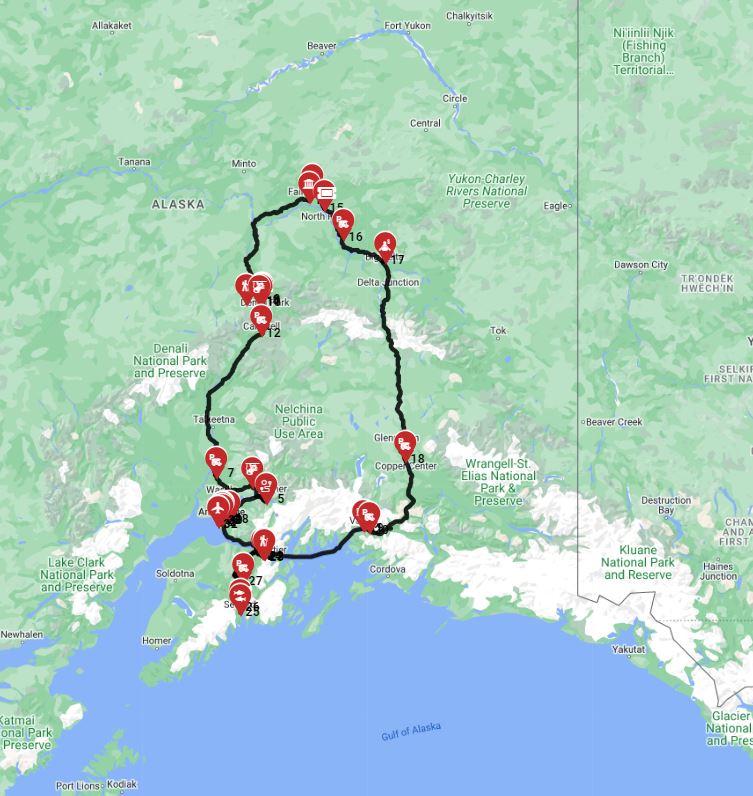
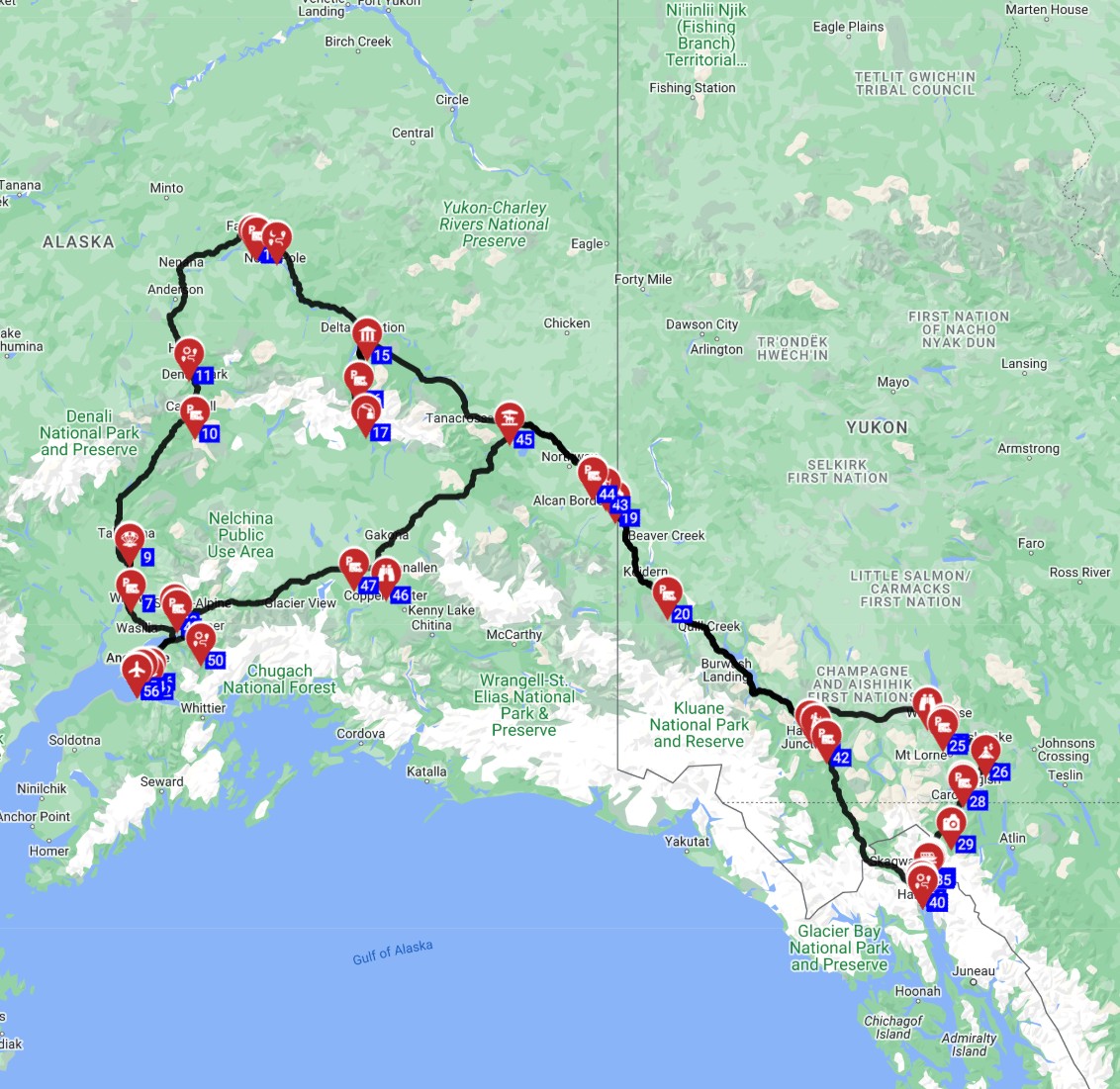
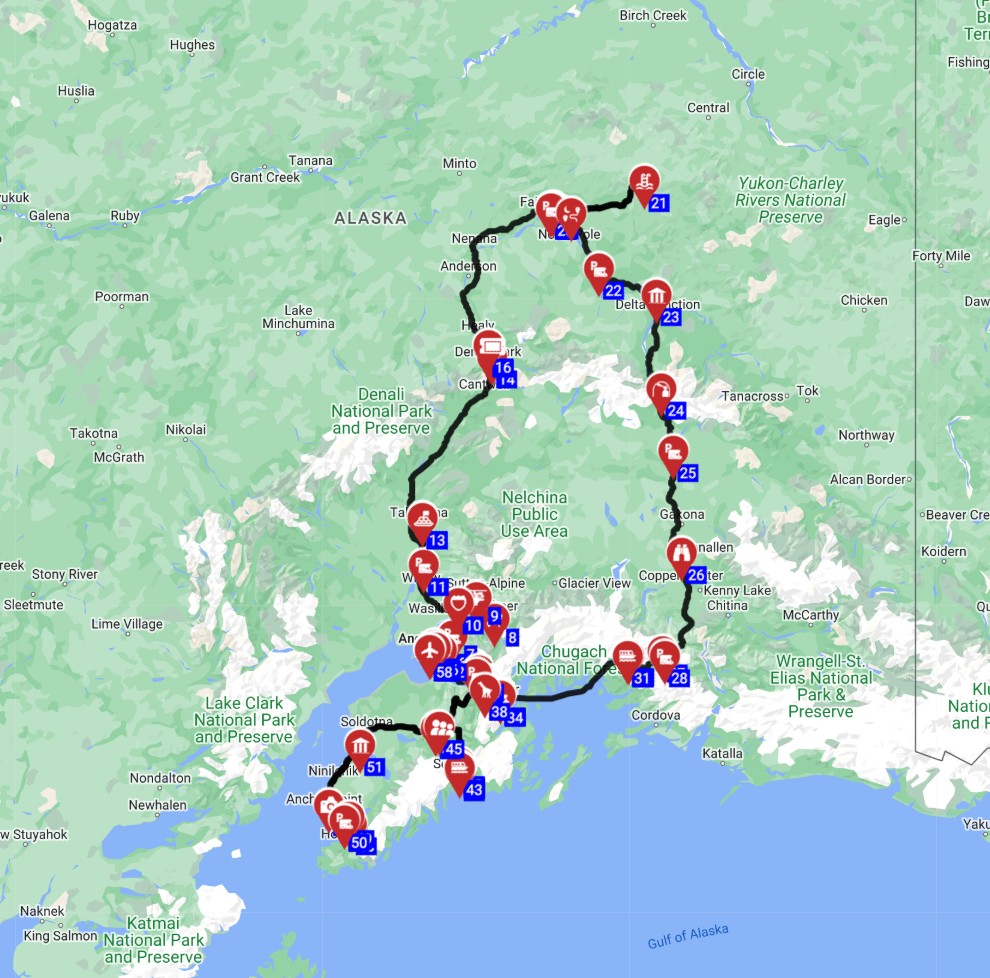
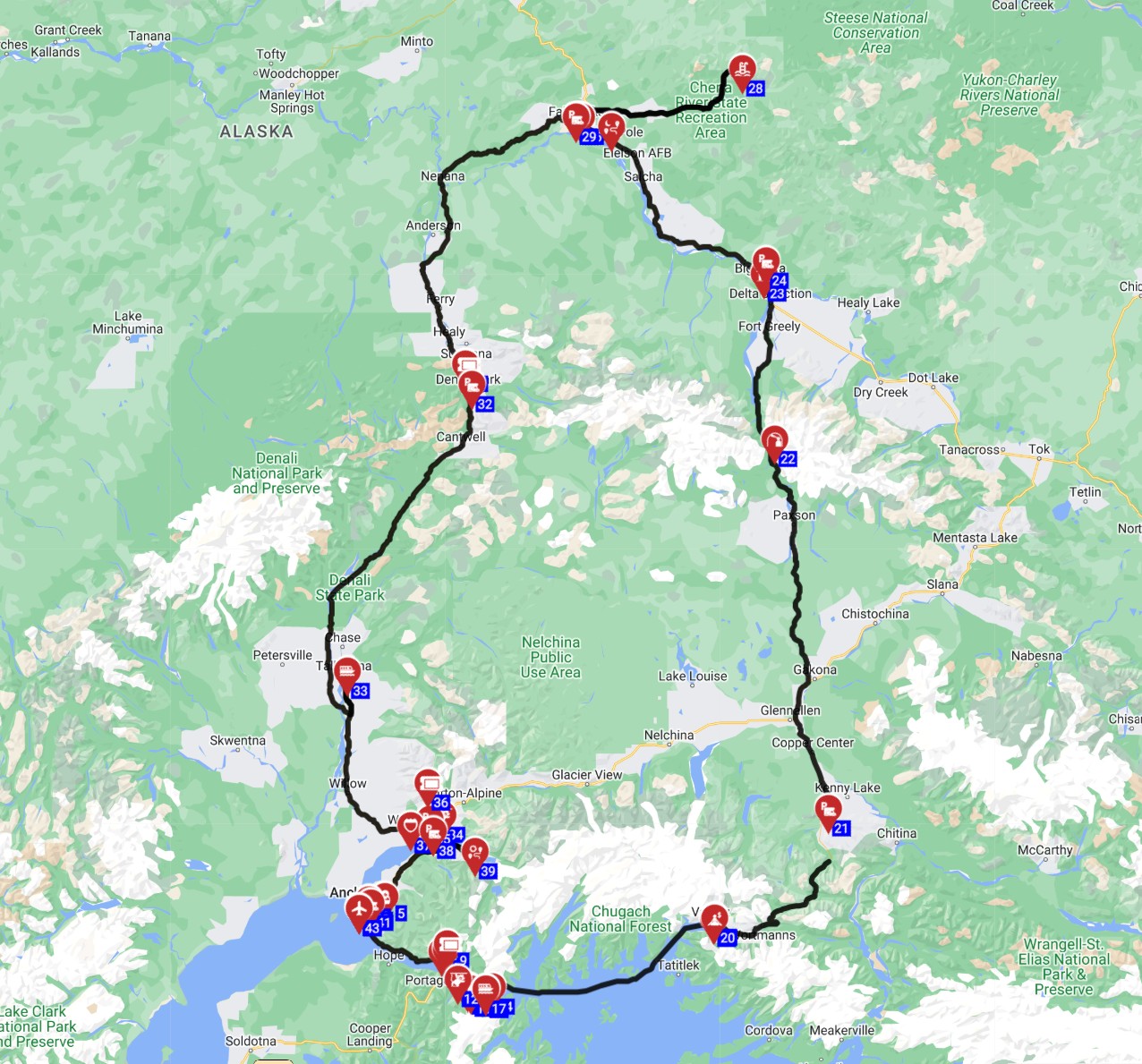
For those looking for detailed, professional route plans, RV PLANET offers meticulously designed itineraries to help you make the most of your Alaskan RV rental:
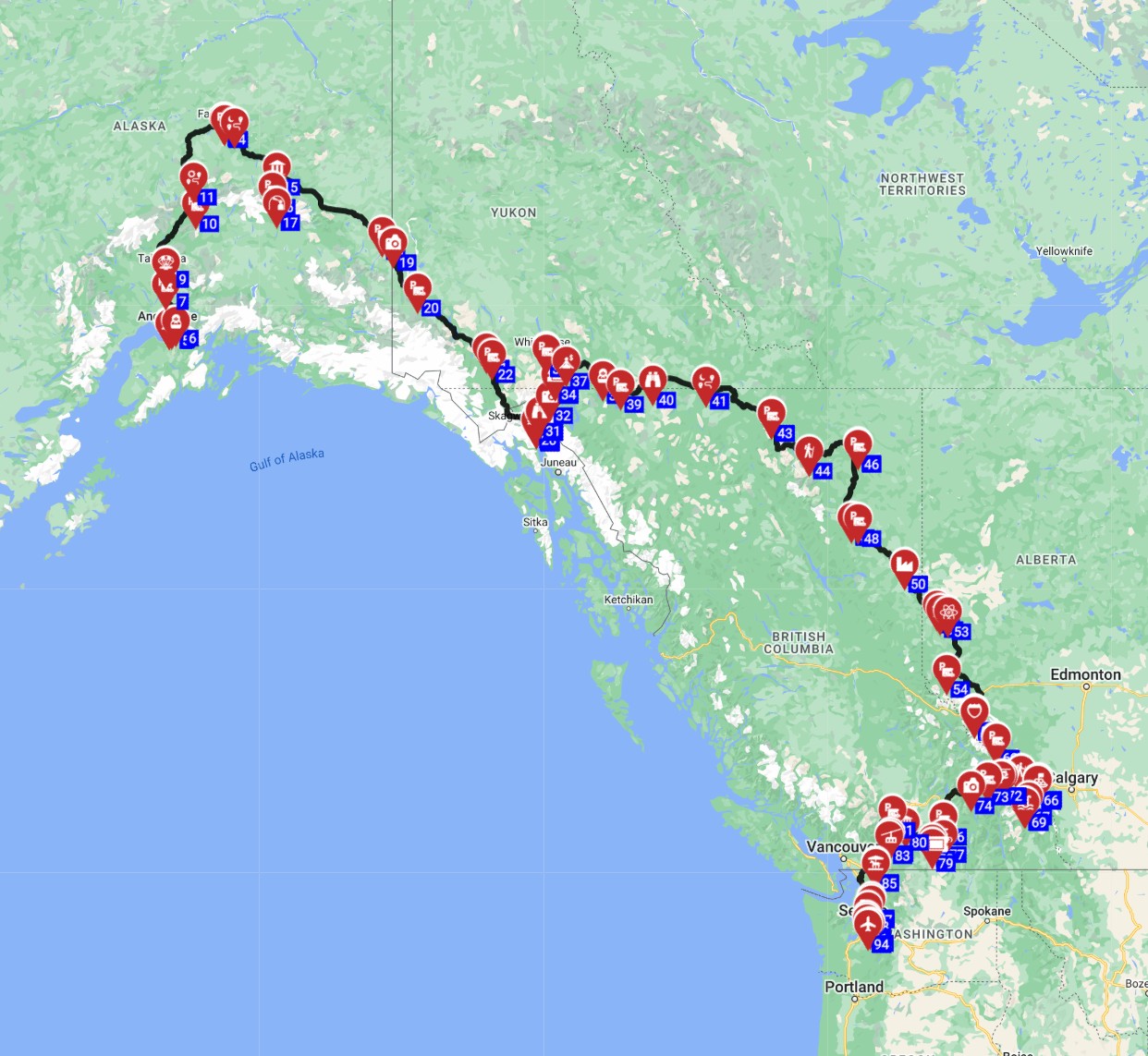
This RV PLANET route, spanning 23 days and 3539.2 km (2,199 miles) from Anchorage and back, includes visits to an amusement park, a botanical garden, 3 cruise terminals, 3 day tours, 3 hiking areas, 3 museums, and 1 traditional restaurant, covering diverse attractions.
An 11-day, 1928.5 km (1,198 miles) journey from Anchorage, this route plan features 2 animal shows/wildlife watches, 2 cruise terminal/sailing activities, 3 day tours, 2 hiking areas, 1 local industry visit, and 3 tourist attractions for an immersive Alaskan experience.
This 15-day, 1929.9 km (1,199 miles) Anchorage roundtrip explores the Great Alaskan Wilderness, including 2 wildlife watch opportunities, 3 cruise terminal activities, 2 hiking areas, 2 museums, 1 scenic route, and 4 tourist attractions, ensuring a comprehensive wilderness road trip.
Remember, travel slowly – max 100-150 km per day on average. Take time to feel the place, connect to the culture, the food, and the scenery. This approach will allow you to truly appreciate the grandeur of Alaska.
Final Thoughts
Embarking on an RV adventure in Alaska is an experience that promises breathtaking landscapes, unforgettable wildlife encounters, and the freedom of the open road. While the scale of Alaska often calls for more than just a quick trip, the essential tips shared here provide a solid foundation for any length of journey, ensuring you're well-prepared for the wonders that await. From understanding rental specifics to navigating remote roads and respecting local etiquette, every piece of advice is designed to enhance your confidence and enjoyment.
Remember that planning is your best friend when exploring a destination as grand as Alaska. Take advantage of resources like RV PLANET for route plans and budgeting, and lean on the expertise of true RV specialists like Bandana RV. We're here to make your booking process transparent and straightforward, offering support every step of the way so you can focus on the adventure itself.
So, whether you're dreaming of chasing the midnight sun, spotting grizzlies in Denali, or simply savoring a quiet evening by a pristine lake, an RV rental in Alaska is your ticket to an authentic, immersive journey. Get inspired for your next trip and discover the unparalleled beauty of the Last Frontier!