For live availability and current prices, start with our RV Rental North Canada - Complete Guide 2026 guide.
In This Guide
- What weekend rv rental RV Rental Costs in North Canada (2024)
- Seasonal Pricing - Peak vs. Shoulder vs. Off-Season in North Canada
- What's Included vs. What's an Add-On in North Canada RV Rentals
- Hidden Costs to Budget For in North Canada
- How to Save on weekend rv rental RV Rental in North Canada
- How much to rent an RV for a long weekend in North Canada?
- Can you sleep anywhere in a campervan in North Canada?
- Is RV rental cheaper than hotels in North Canada?
- What is the 3-3-3 rule for RV travel in North Canada?
- How much do RVs cost in Canada (Buying vs. Renting)?
- What is the cheapest way to rent an RV for North Canada?
- Top Cities for RV Rental in North Canada
- Driving an RV in North Canada: Practical Information
Exploring the vast, untamed wilderness and breathtaking landscapes of North Canada by rented RV is an unparalleled adventure, offering freedom and flexibility unlike any other travel method. Imagine the majestic mountains of the Yukon, the vibrant borealis dancing over the Northwest Territories, or the unique cultural tapestry of Nunavut, all accessible from your mobile home. At Bandana RV, we’re passionate about helping you discover these incredible journeys. For live availability and current prices, start with our RV Rental North Canada - Complete Guide 2024 guide. We are true RV specialists, dedicated exclusively to motorhome and campervan rentals, ensuring you get expert advice and seamless service.
What weekend rv rental RV Rental Costs in North Canada (2024)
RV rental prices in North Canada are dynamic and fluctuate daily, much like airline tickets, based on factors such as demand, seasonality, vehicle availability, and specific supplier marketing decisions. For a 1-week adventure in a Class C motorhome, such as the `rv rentals utah example Sunrise Escape` which sleeps 5 and has a 167-liter fresh water tank, you might expect to pay an average of $150-$300 CAD per day during the shoulder season. Extending your journey to a 2-week trip often reduces the daily rate, potentially dropping to $120-$250 CAD, making longer durations more cost-effective. A full month-long exploration can see daily rates fall even further, ranging from $90-$200 CAD, providing excellent value for an immersive travel experience in regions like the Yukon or Northwest Territories.
The total cost for a family of four could range from $1,050-$2,100 CAD for a week in a mid-size Class C motorhome, while a couple in a smaller Class B campervan like the `rv rental denver example Category Van` might spend $800-$1,500 CAD for the same period. Larger Class A motorhomes, exemplified by the `MHLUX` which sleeps 7 and has a 260-liter fresh water tank, generally command higher rates, starting from $300-$500+ CAD per day due to their luxury features and ample space. We ensure full transparency in pricing, so what you see on our comparison platform is what you pay, with no hidden fees or surprises at pickup. On the routes offered through RV PLANET routes, you can itemize and track every expense along the way for easy budgeting.
Seasonal Pricing - Peak vs. Shoulder vs. Off-Season in North Canada
RV rental prices in North Canada vary significantly by season, with peak rates in July-August and the lowest rates typically found in April. The peak season, from July to August, corresponds with the warmest weather and longest daylight hours, leading to high demand and daily rates that can climb 20-50% above shoulder season prices. During this time, a Class C motorhome might average $250-$400+ CAD per day, and popular campervans, like the compact `cruise america example EX-Group A` model, can still reach $180-$300 CAD per day. Early booking is essential to secure desired vehicles and potentially save up to 25% on peak-season motorhome rates by booking 90+ days ahead.
Shoulder seasons, which include May-June and September-October, offer a fantastic balance of moderate weather, fewer crowds, and more favorable pricing, with daily rates for Class C motorhomes often falling between $150-$300 CAD. Off-season travel, from November to April (excluding major winter holidays), generally presents the lowest daily rates and best availability, potentially dropping to $80-$180 CAD per day for a Class C. Although some roads may be closed or winter conditions present challenges, a winter-ready RV offers unique opportunities for aurora viewing. Our comparison tools allow you to check live prices across all seasons to find the best deals for your North Canada RV adventure, supporting both pre-planners and spontaneous travelers.
What's Included vs. What's an Add-On in North Canada RV Rentals
Standard RV rental packages in North Canada typically include basic third-party liability insurance, which is a legal requirement, but many other essential items like mileage and kitchen kits are often add-ons. While basic coverage is always provided, you can upgrade to a top-level deductible for extra peace of mind, an optional enhancement for your trip through the vast northern landscapes. Common add-ons for rented motorhomes and campervans include additional mileage packages (as unlimited mileage often comes at a premium), generator usage fees, kitchen utensils, bedding kits, and comprehensive insurance tiers that offer greater protection against unforeseen circumstances.
The exact inclusions and add-ons vary by specific RV model and rental supplier, requiring careful verification during the booking process on our platform. For example, a `24' Class C Motorhome` (sleeping 5) from one supplier might include 150 km per day, while another might offer an optional 500 km bundle. To view prices including the most comprehensive coverage or specific amenities, simply select those options during your initial search. Our platform allows you to toggle pricing with or without amenities such as kitchenware and bedding, providing full transparency in your choices. We believe in providing honest and transparent pricing, so you'll always know the full cost upfront.
Hidden Costs to Budget For in North Canada
Beyond the initial rental rate, travelers to North Canada should meticulously budget for several additional costs, including significant fuel expenses, varying campsite fees, specific northern park passes, and potential satellite communication device rentals. Fuel costs can be substantial for covering long distances in remote Northern Canada, where stations are sparse and prices may be higher, necessitating careful planning for refueling stops. Campsite fees vary widely, from free dispersed camping (boondocking) on some Crown land to paid sites in national or territorial parks, which can range from $20-$60 CAD per night for a basic spot with hookups.
Specific permits or passes are often required for entry into national parks, such as a Parks Canada Discovery Pass (an annual pass costing $75.25 for an adult in 2024), or for certain backcountry access in the Yukon or Northwest Territories. Due to extremely limited cell service in many remote areas, budgeting for emergency supplies like bear spray (around $40-$60 CAD), extra water, and a satellite communication device rental (typically $30-$50 CAD per day) is highly recommended for safety. On RV PLANET routes, you can itemize and track every expense along the way for easy budgeting, ensuring no surprises on your northern adventure.
How to Save on weekend rv rental RV Rental in North Canada
To significantly save on your RV rental in North Canada, consider booking during shoulder seasons, opting for a smaller vehicle class, and utilizing platforms like Bandana to compare deals and flexible options. Traveling during April, May, September, or October can reduce daily rental rates by 20-40% compared to the peak summer months. Choosing a more compact RV, such as a Class B campervan like the `DVC` (sleeping 2) that averages 11-15 L/100km fuel consumption, rather than a large Class A, will result in lower rental costs and better fuel efficiency, a major consideration given the long distances in the North.
Opting for longer rental durations generally decreases the average daily rate; for instance, a two-week adventure typically offers better value per day than a shorter trip. Keep an eye out for special deals, early bird discounts, or last-minute offers that many suppliers provide, especially outside of peak periods. Being flexible with your travel dates and pick-up/drop-off locations can also unlock significant savings. Our platform, Bandana RV, helps you compare final prices across 50+ suppliers, ensuring you find the easiest, safest, and most affordable way to rent an RV, and we're true RV specialists, dedicated to making your planning process seamless.
How much to rent an RV for a long weekend in North Canada?
Renting a motorhome for a long weekend in North Canada typically incurs higher daily rates compared to week-long or month-long rentals, as many rental companies have a minimum rental period, often 3-4 nights. While the overall cost for a short trip will be less than an extended one, the average daily rate might be 10-25% higher due to shorter-term pricing structures and preparation costs. For example, a Class C motorhome that rents for $150/day on a week-long trip might cost $200/day for a 3-night rental.
Booking a long weekend RV rental outside of peak summer (July-August) or major Canadian holidays can yield better rates and improved availability, which is crucial as the most popular vehicles, like a mid-size Class C or a `C-Small` motorhome, get booked quickly. To maximize your experience, consider picking up your rented caravan on a Thursday afternoon and returning it on a Monday morning, but be mindful that weekend rates can be factored into shorter bookings. We always recommend slow travel, averaging max 100-150 km per day, allowing you to truly immerse yourself in the unique Northern Canadian culture and scenery, even on a shorter trip.
Can you sleep anywhere in a campervan in North Canada?
While "random camping" is permitted on some Crown land in Canada, sleeping anywhere in a rented campervan, particularly in remote Northern Canada, is restricted by local regulations, park rules, and critical concerns for safety and wildlife. It is generally illegal to park overnight and sleep in undesignated areas within municipal boundaries, on private property without express permission, or within national and provincial parks outside of their designated campgrounds. Always look for established campgrounds or designated overnight parking areas, especially in populated towns or cities.
Vast stretches of Crown land in Northern Canada may permit "random camping" or boondocking, but you must always verify specific local regulations, especially regarding fire bans, environmental impact, and proximity to settlements or Indigenous lands. Safety is paramount in the remote North; choosing designated campgrounds or established pull-offs minimizes risks from wildlife encounters with animals like bears, moose, or caribou, and ensures access to potential emergency services. Be prepared for a "digital detox" as cell service is extremely limited; a rented motorhome offers you a comfortable base, but consider a satellite communication device for peace of mind when exploring isolated spots. Always practice Leave No Trace principles, packing out all garbage and respecting the pristine northern ecosystems.
Is RV rental cheaper than hotels in North Canada?
RV rental can indeed be more economical than hotels in North Canada, especially for families or longer trips, when you factor in the combined accommodation and transportation costs, but only if all additional expenses like fuel, campsites, and add-ons are carefully considered. For groups or families, a rented motorhome offers shared accommodation and the significant advantage of a self-contained kitchen, allowing you to prepare your own meals and save considerably on dining out, which can be expensive in the North. Remember to check our RV-friendly recipes playlist for inspiration!
An RV or campervan rental also combines lodging and transportation into one cost, eliminating the need for separate car rentals and multiple hotel bookings. However, the overall cost comparison hinges heavily on your trip's duration, the class of RV rented (a larger Class A motorhome like `MHLUX` will cost more than a compact campervan), the number of people traveling, and your itinerary's specific campsite and fuel demands. In remote parts of Northern Canada, such as those along the Dempster Highway or in Kluane National Park, RVs often provide the only practical or even available accommodation option, making the cost comparison secondary to accessibility and the unique travel experience.
What is the 3-3-3 rule for RV travel in North Canada?
The "3-3-3 rule" for RV travel suggests driving no more than 300 miles (approximately 500 km) per day, stopping by 3 PM, and staying for a minimum of 3 nights, a guideline especially pertinent for navigating the vast distances and limited services in North Canada. Adhering to the "no more than 300 miles" guideline is crucial in the North, preventing driver fatigue on long, sometimes challenging, roads and allowing ample time to appreciate the stunning scenery and unique northern stops without rushing. Our philosophy at Bandana RV is always to encourage slow travel, averaging no more than 100-150 km per day, which perfectly aligns with savoring the journey in North Canada.
Stopping by 3 PM ensures you arrive at your chosen campsite with plenty of daylight to set up your rented camper or motorhome, secure your spot, and relax, which is particularly valuable in regions where daylight hours can vary dramatically by season and where facilities might be minimal. The recommendation to stay for a minimum of 3 nights reduces the stress of constant packing and unpacking, enabling deeper exploration of local attractions, wildlife viewing opportunities, or Indigenous cultural experiences. This rule is vital in Northern Canada due to extended stretches between fuel and service stations, the potential for unpredictable weather, and the need for preparedness, all of which are covered in our Driving an RV in North Canada - Complete Guide 2024 route plans.
How much do RVs cost in Canada (Buying vs. Renting)?
While Bandana Caravan specializes exclusively in RV rentals for vacation travelers, purchasing an RV in Canada typically ranges from $20,000 CAD for a used Class B campervan to over $200,000 CAD for a new Class A motorhome. This represents a significant upfront investment, vastly different from the flexibility and lower initial cost associated with renting. Renting a motorhome offers the freedom to try various models, such as a compact `C-Small` or a more spacious `rv rentals utah example Sunrise Escape`, without the long-term financial commitment.
Buying an RV also entails ongoing expenses like insurance, storage fees, maintenance, and depreciation, which can add thousands of dollars annually to the ownership cost. For a one-time vacation or infrequent trips to North Canada, renting an RV is almost always more cost-effective, eliminating the burden of ownership entirely. As true RV specialists, we recommend renting as the ideal way to experience the RV lifestyle for your vacation, allowing you to focus purely on the adventure.
What is the cheapest way to rent an RV for North Canada?
The cheapest way to rent a motorhome for North Canada involves strategic booking during the shoulder season (April or May), opting for a smaller vehicle class, and considering longer rental durations to significantly reduce the daily rate. Booking well in advance, typically 2-3 months before your trip, can secure early bird discounts, especially if your travel dates fall within or near peak season. Always compare prices across different rental platforms and specific RV models, as daily rates can vary considerably even for similar Class B campervans or Class C motorhomes.
Choosing a pick-up and drop-off location that avoids one-way fees can save hundreds of dollars, although sometimes a one-way trip, like following a segment of the Alaska Highway, aligns better with Northern Canada itineraries (check our One-Way RV Driving in North Canada - Route Planner 2024 for ideas). Carefully evaluate add-ons and only pay for what you truly need; bringing your own bedding or kitchen items if allowed can cut costs. Monitoring flex-rate drops, particularly outside the high season, is also effective, as prices can fluctuate based on inventory and demand. Using a service like Bandana RV allows you to quickly compare options and secure the best deals for your North Canada adventure.
🎬 Video coming soon
Top Cities for RV Rental in North Canada
North Canada offers several strategic starting points for your RV adventure, each providing access to unique northern wonders. Renting a motorhome or campervan from one of these cities sets the stage for an unforgettable journey.
- Whitehorse, Yukon: As the capital of the Yukon, Whitehorse is a major hub and often the primary gateway for RV travel in the territory. It offers a good selection of rental suppliers and is an excellent starting point for exploring Kluane National Park and Reserve or heading north on the Alaska Highway.
- Yellowknife, Northwest Territories: Known as the "Aurora Capital of North America," Yellowknife is an ideal base for those hoping to witness the spectacular Northern Lights, especially with a rented campervan during the shoulder seasons. While RV options might be fewer than Whitehorse, it provides direct access to the NWT's unique landscapes and Indigenous cultures.
- Dawson City, Yukon: Rich in Klondike Gold Rush history, Dawson City is a popular spot for RVers and the starting point for the legendary Dempster Highway. Renting here allows for immediate immersion in a historic atmosphere before venturing into more remote areas.
- Watson Lake, Yukon: Famous for its Signpost Forest, Watson Lake serves as a convenient stop and potential pick-up location along the Alaska Highway, especially for those continuing into the Yukon from British Columbia.
- Fort Nelson, British Columbia: While technically in northeastern British Columbia, Fort Nelson is considered a gateway to North Canada and the Alaska Highway. It's a key service stop and can be a good starting point for your rented mobile home if coming from further south.
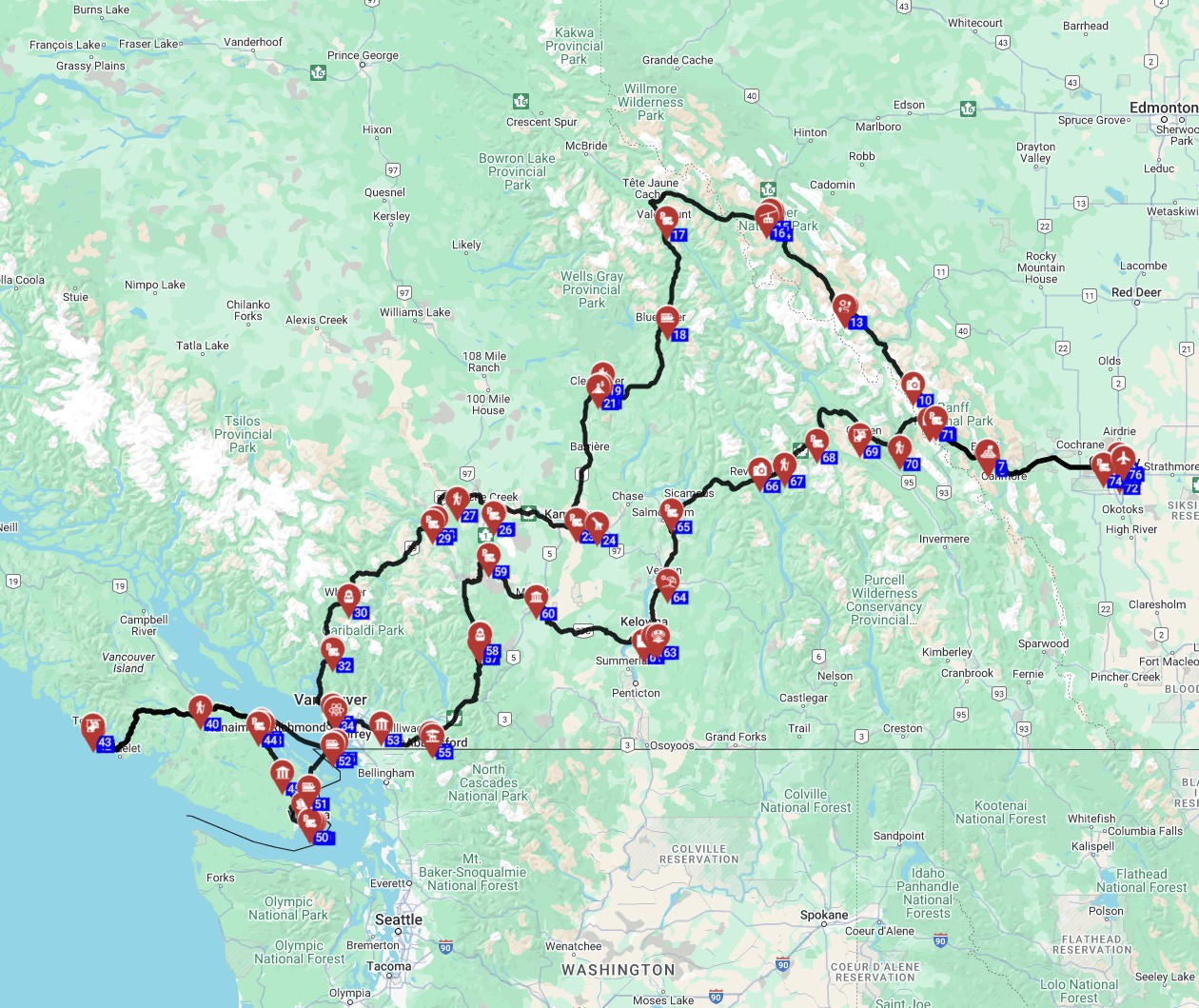
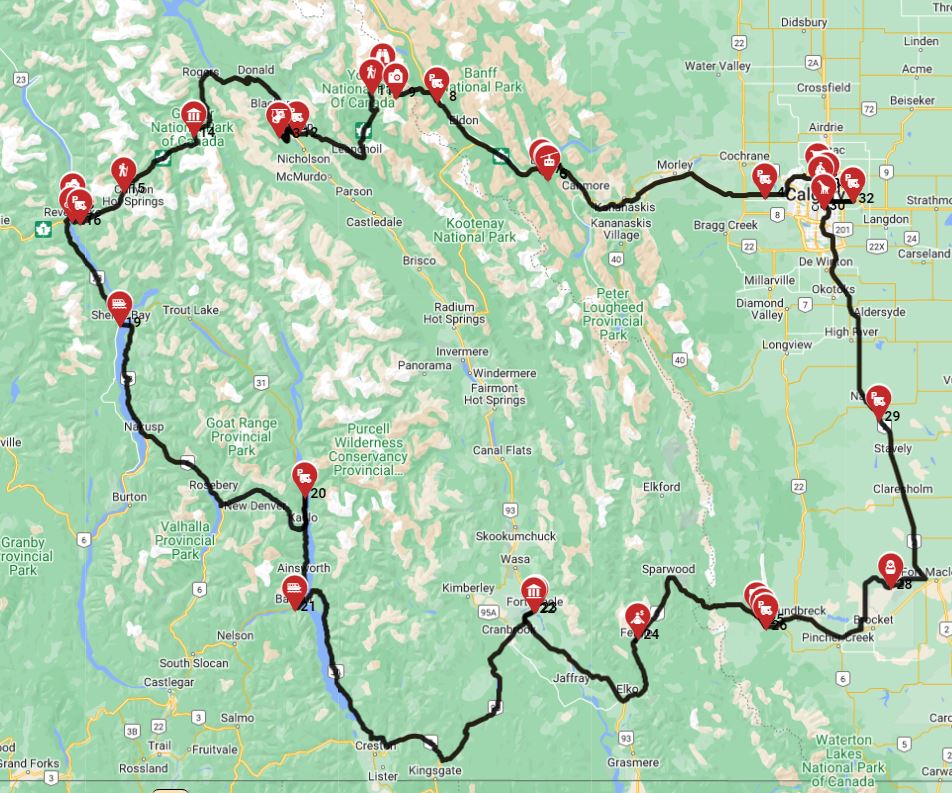
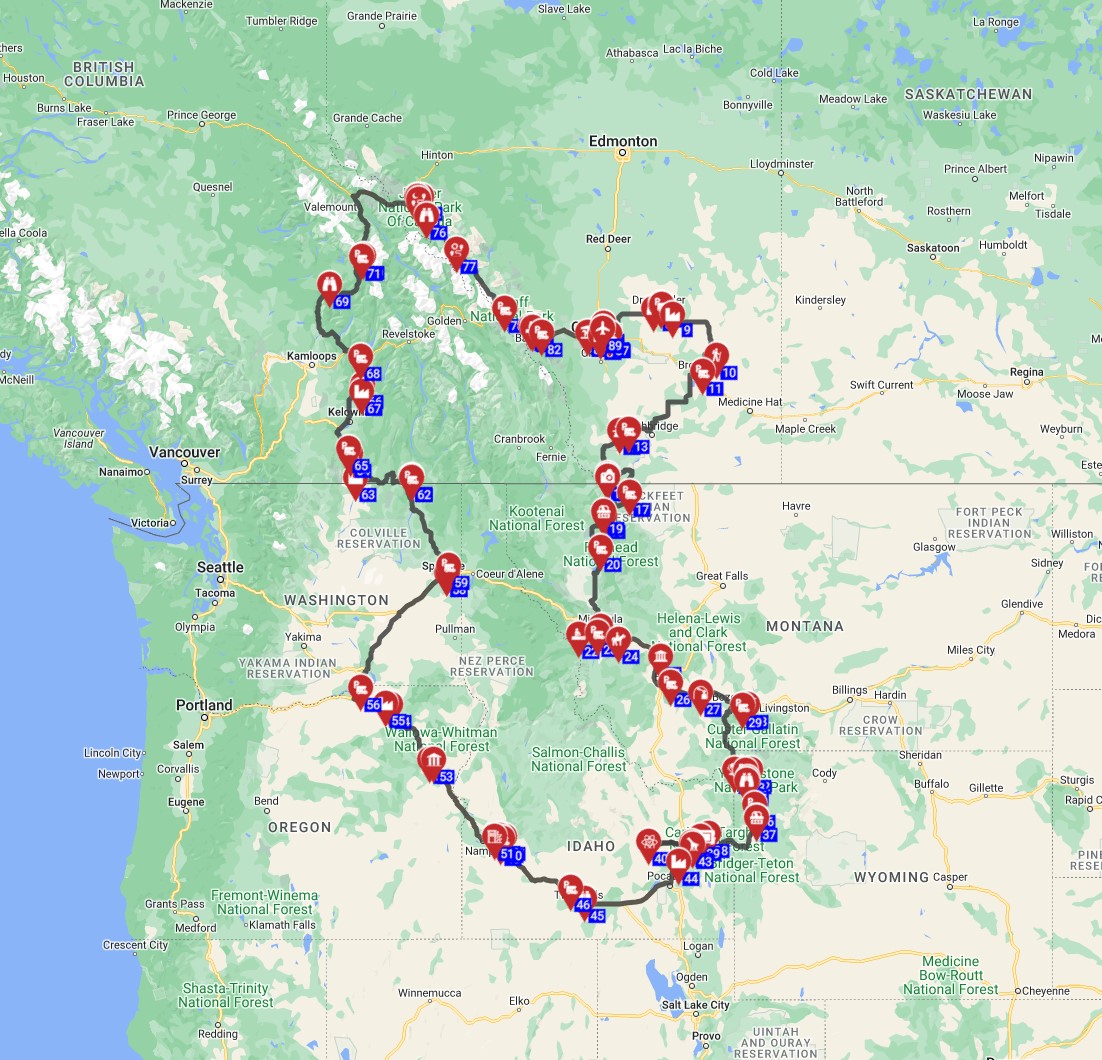
No matter where you begin your RV rental in North Canada, planning your route, perhaps with a Rent&Plan itinerary from RV PLANET (rvplan.net), ensures you make the most of this incredible region. Consider reviewing our RV Travel Guide to North Canada - Tips and Top Spots 2024 for detailed itineraries.
Driving an RV in North Canada: Practical Information
Driving a rented RV in North Canada presents unique considerations, but with common sense and preparation, it's a deeply rewarding experience. Canada drives on the right side of the road, and standard speed limits on highways typically range from 80-100 km/h (50-60 mph), though these can be lower on gravel roads or in construction zones. Drive slowly and carefully, and you can drive almost anywhere without issues. No need to stress - just use common sense and pay attention, especially when encountering wildlife like moose or bears on the highway.
Fuel stations can be spread far apart, sometimes over 200 km, particularly on routes like the Alaska Highway or Dempster Highway. Always fill up your rented caravan whenever possible and consider carrying extra fuel in approved containers. Cell service is often non-existent outside of major towns; consider a satellite phone or device for emergencies. The national emergency number for Canada is 911. For connectivity, consider purchasing a Canadian SIM card from a major provider like Bell, Telus, or Rogers in larger cities before heading north, but manage your expectations for remote coverage. For more detailed driving advice, including navigating challenging terrains and preparing for unexpected situations, refer to our "Driving an RV in North Canada - Complete Guide 2024" which offers invaluable route plans and local tips.
What You Shouldn't Miss
- Drive the Dempster Highway: Experience the thrill of crossing the Arctic Circle by road in your rented motorhome, a 737 km (458 mi) gravel highway journey from Dawson City to Inuvik.
- Witness the Aurora Borealis in Yellowknife: Plan your trip during the darker months (September-April) for the best chance to see the spectacular Northern Lights in one of the world's best viewing locations.
- Explore Kluane National Park and Reserve, Yukon: Hike among Canada's highest peaks and glacial landscapes, with easy access to trails and campgrounds directly from the Alaska Highway.
- Visit the Signpost Forest in Watson Lake, Yukon: Add your own sign to this iconic collection of over 100,000 signs left by travelers from around the globe.
- Canoe the Yukon River: Discover the historic routes of the Gold Rush adventurers, perhaps by paddling a section of the river from Whitehorse and linking up with your rented RV.
Looking for expert insights from Avi Bandana? Top 5 Adventures - recommendations from Avi Bandana
Final Thoughts
A motorhome or campervan trip through North Canada is an adventure of a lifetime, offering breathtaking vistas, unique cultural encounters, and unparalleled freedom. While budgeting is key, the value and memories you'll create far outweigh the costs. Remember, traveling slowly, perhaps just 100-150 km per day, allows you to truly immerse yourself in the natural beauty and the distinct character of the North.
We're here to support you every step of the way, from comparing prices across suppliers like El Monte and Cruise America to helping you prepare for the practicalities of northern travel. Discover top destinations, planning tips, all in one place with Bandana RV. Your North Canada RV rental is more than just a trip; it's an opportunity to connect with an extraordinary part of the world on your terms. We are your true RV specialists, dedicated to ensuring your planning is seamless and your journey is filled with joy.
Ready to experience the magic of the North? Get inspired for your next trip and plan a trip itinerary in advance with minimal effort and maximum enjoyment!