In This Guide
- What RV Rental Costs in Japan (2026)
- Seasonal Pricing - Peak vs. Shoulder vs. Off-Season in Japan
- What's Included vs. What's an Add-On
- Hidden Costs to Budget For in Japan
- How to Save on RV Rental in Japan
- What Cultural Etiquette Should RVers Know in Japan?
- How Do Michi-no-Eki Enhance RV Travel in Japan?
- What Challenges Might You Face RVing in Japan and How to Overcome Them?
- How Can Technology Improve Your RV Trip in Japan?
- How Does Season Impact RV Preparation and Route Planning in Japan?
- What are Kei Campers and Are They Ideal for Japan RV Trips?
- Is RV Travel in Japan Accessible for All Traveler Types and Needs?
- Top Cities for RV Rental in Japan
- Country-Wide Practical Information for RV Travel in Japan
- What You Shouldn't Miss
What RV Rental Costs in Japan (2026)
RV rental costs in Japan are dynamic, fluctuating daily based on factors like vehicle class, rental duration, seasonality, and specific supplier promotions, similar to how flight prices operate. A week-long motorhome trip for a couple in a compact campervan like a Class B can cost approximately $800-$1200 USD during the shoulder season, while a larger Class C motorhome for a family of four might range from $1500-$2500 USD for the same duration. These prices are estimates for the current year, and the final cost is always set at the actual booking time. For live availability and current prices, start with our RV Rental Japan - Complete Guide 2026 guide.
For longer adventures, a two-week RV rental in Japan can typically cost between $1500-$2500 USD for a smaller campervan, or $2800-$4500 USD for a family-sized Class C motorhome. An extended road trip lasting a month could see prices ranging from $3000-$5000 USD for a compact option and $5500-$8000+ USD for a larger vehicle, depending heavily on the season. These estimates do not include ancillary costs like fuel, campground fees, or tolls, which can add significantly to the overall budget. Renting a motorhome provides the freedom to explore Japan at your own pace, offering a mobile base from which to discover the country's diverse landscapes and rich culture. On the routes offered through RV PLANET routes, you can itemize and track every expense along the way for easy budgeting.
Seasonal Pricing - Peak vs. Shoulder vs. Off-Season in Japan
Seasonal demand significantly impacts RV rental prices in Japan, with peak seasons seeing the highest rates and off-seasons offering the most budget-friendly options. Peak season, typically from July to August and during popular holidays like Golden Week (late April-early May) and New Year's, experiences the highest prices due to a surge in demand. During these times, a Class C motorhome that might rent for $150 USD/day in the shoulder season could easily go for $200-250+ USD/day, so booking well in advance is key to securing a good rate and availability.
Shoulder seasons, generally May to June and September to October, strike a balance between pleasant weather and more moderate pricing for your rented motorhome or campervan. You can expect daily rates to be 15-25% lower than peak season, with a wider selection of vehicles. Off-season, from November to March (excluding any major holiday periods), typically provides the lowest rental rates, often 30-40% less than peak prices. While some northern regions may have winter conditions requiring snow tires or chains, other parts of Japan, especially the southern islands, remain mild and beautiful for an extended road trip during these months. Remember that prices are dynamic, so comparing options regularly is always a smart move.
What's Included vs. What's an Add-On
Basic insurance coverage is universally included with RV rentals in Japan, offering fundamental protection for your rented motorhome or campervan. This usually covers third-party liability and a basic level of collision damage waiver with a high deductible, often ranging from $1500 to $3000 USD. Understanding the base inclusions is crucial for transparent planning, ensuring no hidden fees surprise you later. For comprehensive details on what's covered, always review your specific rental agreement carefully.
Add-ons, which typically incur extra charges, allow you to customize your Japan RV adventure. These can include upgrading to a top-level deductible reimbursement for extra peace of mind, unlimited mileage packages (as many standard rentals have mileage caps, for example, 150-200 km/day), generator use, kitchen kits (pots, pans, cutlery), and bedding sets. Some suppliers might also offer extras like camping chairs, tables, child safety seats, or portable Wi-Fi devices. Always verify specific inclusions and available add-ons with your chosen supplier during the booking process to ensure your trip is perfectly equipped. Our full transparency commitment means we highlight these options clearly, so you're always in control of your budget.
🎬 Video coming soon
How to Save on RV Rental in Japan
Booking your RV rental for Japan during the shoulder or off-season, such as April or late October, can significantly reduce rental costs by 15-30% compared to peak demand periods. Prices for renting a motorhome are dynamic, so flexibility with your travel dates and opting for mid-week pickups and drop-offs can also lead to better deals. Using a platform like Bandana RV allows you to easily compare prices from various suppliers to find the most competitive rates for your desired vehicle class and travel dates.
Opting for a smaller campervan or a compact Class B motorhome like a Kei Camper often leads to better fuel efficiency and lower rental rates, which is particularly advantageous on Japan's roads. To manage expressway tolls, research options for pre-purchasing toll-road usage or consider driving scenic local routes more frequently. Longer rental durations, such as a two-week adventure or an extended road trip of a month, can also result in a lower daily rental rate. Additionally, look for early bird discounts, monitoring flex-rate drops, and booking as early as possible to secure the best deals, especially if your travel dates align with popular cherry blossom or fall foliage seasons. Utilizing discount cards for campgrounds (if available) or taking advantage of free overnight stays at many Michi-no-Eki (Roadside Stations) can further save on accommodation expenses.
What Cultural Etiquette Should RVers Know in Japan?
Respecting local customs, especially regarding noise and waste, is paramount when RVing in Japan to ensure a harmonious trip. Visitors should maintain quiet hours, particularly when staying overnight at Michi-no-Eki or designated parking areas, as these are often near residential zones. Avoiding loud conversations, generator use late at night, and excessive vehicle noise demonstrates consideration for local communities and other travelers.
Adhere strictly to designated parking areas and avoid overnighting in residential neighborhoods, non-sanctioned spots, or public parks, as "wild camping" is generally not permitted or appreciated in Japan. Proper waste disposal is critical: familiarize yourself with specific gray and black water dump stations, which are less common than in some Western countries, and strictly follow Japan's meticulous general recycling rules for trash. Being a thoughtful and respectful guest will greatly enhance your experience and contribute positively to Japan's welcoming RV culture. Always remember, Bandana RV encourages slow travel, urging you to take your time, connect to the culture, the food, and the scenery, which includes being mindful of local traditions.
How Do Michi-no-Eki Enhance RV Travel in Japan?
Michi-no-Eki (Roadside Stations) serve as unique, multi-functional hubs that significantly enhance RV travel in Japan, offering much more than typical rest stops. There are over 1,200 government-designated Michi-no-Eki across the country, providing convenient and often free overnight parking alternatives to traditional campgrounds for your rented motorhome, though they typically do not provide utility hookups. These stations are essential for any week-long trip or extended road trip, acting as vital waypoints.
Beyond parking, Michi-no-Eki are cultural gateways, featuring local produce markets, regional delicacies (perfect for preparing meals in your RV kitchen- RV-friendly recipes playlist), craft shops, and comprehensive tourist information centers. Many stations also include impeccably clean restrooms, some offer showers, and uniquely, several even host onsen (hot spring baths) or foot baths, allowing RVers to easily refresh and unwind. They provide invaluable opportunities to connect with local culture, sample regional foods, and gain insights into the surrounding area, making them indispensable stops on any Japan RV itinerary.
What Challenges Might You Face RVing in Japan and How to Overcome Them?
Navigating Japan's often narrow urban and rural roads can be challenging, particularly for larger Class C motorhomes; opting for a more compact campervan or Class B is often advisable. Drive slowly and carefully, and you can drive almost anywhere without issues. No need to stress - just use common sense and pay attention to road signs and markings. Understanding Japan's complex toll systems, which include ETC cards and variable pricing based on distance and vehicle type, requires prior research or pre-purchasing passes for your rented RV. Many roads are toll-based, especially expressways, so planning your route using online tools that factor in tolls is recommended.
Language barriers can be mitigated effectively by utilizing translation apps, learning a few basic Japanese phrases for directions or common transactions, and ensuring your GPS system has English language options. Locating specific waste disposal points for gray and black water can also be difficult, as dedicated RV dump stations are not as widespread as in other countries. Careful planning and seeking out official facilities or Michi-no-Eki known to offer such services is essential. Despite these challenges, Bandana RV's 24/7 support (for pre-booking, booking, and post-booking coordination) and comprehensive RV Rental Asia - Complete Guide 2026 helps prepare you for a smooth and enjoyable journey. Our direct partnerships with over 50 leading RV suppliers worldwide, including trusted names like Apollo and Britz, ensure you have access to well-maintained vehicles and clear rental terms.
How Can Technology Improve Your RV Trip in Japan?
Leveraging Japan's advanced GPS and mapping applications, often pre-installed in rental RVs, is essential for efficient navigation across the country. Reliable GPS systems with English language options can significantly ease the stress of driving on unfamiliar roads and through city centers. For Class C motorhomes and campervans, a good navigation system ensures you find designated parking areas and Michi-no-Eki without issue. Remember, drive slowly and carefully, and you can drive almost anywhere without issues.
Portable Wi-Fi devices or eSIMs provide crucial mobile connectivity for planning, communication, and accessing emergency services while on the road, given that public Wi-Fi can be inconsistent in rural areas. Keeping portable power banks and USB chargers readily available is vital for powering your RV electronics, as onboard charging options may be limited, particularly in smaller campervans or when not hooked up to shore power. Utilizing smart payment systems and IC cards like Suica or Pasmo simplifies transactions for tolls, parking, vending machines, and purchases at convenience stores, making your day-to-day life much smoother. Bandana RV, with over 20 years helping tens of thousands of travelers, understands the importance of these details for a seamless journey.
How Does Season Impact RV Preparation and Route Planning in Japan?
Seasonal changes in Japan profoundly impact RV preparation and route planning, requiring different considerations for a comfortable and safe trip. Winter RV travel in Japan, from December to March, necessitates specific preparation such as securing a rental motorhome equipped with snow tires and carrying tire chains, especially when planning routes through mountainous regions or Hokkaido, which experience heavy snowfall. Conversely, typhoon season, typically from late summer to early autumn (August-October), demands vigilant weather monitoring and highly flexible route planning to avoid severe storms and ensure safety. Being prepared for varying weather conditions is part of what makes us true RV specialists, ready to offer guidance.
Iconic seasons like cherry blossom (spring, late March to early May) and fall foliage (autumn, late September to early December) demand early booking for your rented motorhome due to extremely high demand and require planning routes to popular viewing spots, often leading to crowded areas. Road conditions can vary significantly, from clear coastal drives to snow-covered mountain passes, influencing vehicle choice and necessary equipment. Seasonal considerations also affect the availability of campsites and services, with many national parks reserving only 25-30% of spots online; the rest are first-come-first-serve. You'll find a spot. If not at the first campground, then the next one. Call ahead before driving to ensure you don't miss out on prime locations during these popular periods. Traveling slowly, aiming for a maximum of 100-150 km per day on average, allows you to fully appreciate the seasonal beauty and local culture without rushing.
What are Kei Campers and Are They Ideal for Japan RV Trips?
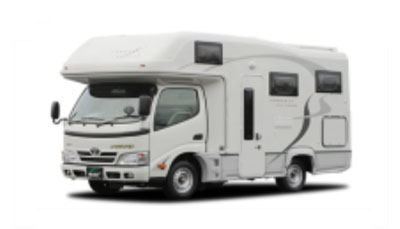
Kei Campers are miniature RVs built on Japan's unique 'kei' (light automobile) car platform, offering ultra-compact dimensions that are ideally suited for navigating Japan's infrastructure. These small campervans, often with a wheelbase around 2.5 meters, provide a sleeping area, a small kitchenette, and modest storage, making them perfect for solo travelers or couples. Their size makes them nimble and easy to handle on Japan's narrower city streets and winding rural roads, and they fit into standard parking spaces with ease, avoiding potential parking challenges faced by larger Class C motorhomes.
The primary advantages of Kei Campers for a Japan RV trip include exceptional fuel efficiency (often achieving over 15 km/liter), lower rental costs, and reduced expressway tolls. While they offer limited interior space compared to a standard Class C or Class B motorhome, their ingenious design maximizes functionality within a small footprint. For travelers seeking a budget-friendly and agile option to explore Japan's remote areas and urban centers without the stress of driving a larger vehicle, Kei Campers are an excellent choice. This niche vehicle type highlights why Bandana RV prides itself on being true RV specialists, understanding the nuances of different markets and vehicle suitability.
Is RV Travel in Japan Accessible for All Traveler Types and Needs?
RV travel in Japan can be adapted for various traveler types, from solo adventurers to families with kids and seniors, with careful planning. Families benefit immensely from the flexibility of having their own space for 4-6 people, with a dedicated kitchen area to prepare meals, and a mobile headquarters to venture out to national parks or theme parks. For couples, a smaller campervan offers intimacy and ease of navigation.
For seniors or those with specific mobility needs, selecting an RV with easier access, such as a Class B campervan with a lower entry step or wider interior, is advisable. Travelers with specific dietary requirements, like gluten-free diets, will find having an RV kitchen invaluable for preparing their own meals, as specialized dining options can be limited in some rural areas. Our range of motorhomes, from compact models ideal for a couple to larger Class C options perfect for a big family, ensures there's a vehicle to suit almost every need. Bandana RV handles the details, so you can live the journey, knowing that we’re with you before, during, and after your booking to provide support and ensure a smooth experience.
Top Cities for RV Rental in Japan
Japan offers several excellent starting points for your rented RV adventure, with many cities providing convenient access to rental depots and fantastic touring routes. These hubs offer a wide selection of campervans and motorhomes, perfect for embarking on an extended road trip. You can find options for Hiratuska Kanagawa, Izumisano, Kai Yamanashi, Kyoto, Nagano, Nagoya, Nagoyaminami, Osaka, Takamatsu-Kagawa, and Tokyo.
- Tokyo: As the bustling capital, Tokyo offers the widest selection of rental motorhomes and campervans, serving as an ideal gateway for exploring central Japan and beyond.
- Osaka: A vibrant city known for its food and culture, Osaka provides excellent access to Western Japan, including Kyoto, Nara, and the scenic Kii Peninsula.
- Sapporo: Located on the northern island of Hokkaido, Sapporo is the perfect starting point for nature lovers eager to explore Hokkaido's vast national parks and stunning landscapes by RV.
- Nagoya: Situated in central Japan, Nagoya offers convenient access to the Japanese Alps, historical towns like Takayama, and the beautiful Pacific coast.
- Fukuoka: On the southern island of Kyushu, Fukuoka is a great base for exploring the region's volcanic landscapes, hot springs, and serene coastal drives with your camper.
- Kyoto: While a major cultural center, RV rentals from Kyoto allow you to immerse yourself in ancient traditions before heading out to scenic rural areas.
- Nagano: Known for its majestic mountains and winter sports, Nagano is an excellent starting point for exploring the Japanese Alps and discovering serene natural beauty.
- Takamatsu-Kagawa: Situated on Shikoku island, this city provides a unique gateway to explore the island's famous 88 Temple Pilgrimage and picturesque coastal routes by motorhome.
Each city offers distinct advantages for beginning your journey, allowing you to tailor your RV itinerary to your interests. For a broader overview of RV travel in the region, check out our "RV Rental Asia - Complete Guide 2026" guide.
Country-Wide Practical Information for RV Travel in Japan
Driving in Japan requires adherence to several country-specific rules to ensure a safe and enjoyable RV trip. Importantly, traffic drives on the left side of the road, and the steering wheel is on the right, which may require adjustment for international visitors. Speed limits are generally 40-60 km/h in urban areas, 80 km/h on national roads, and up to 100 km/h on expressways. Always observe posted signs, as limits can change frequently, especially in rural or mountainous regions. While a standard car driver's license is sufficient for all motorhome classes (Class A, Class B, and Class C), an International Driving Permit (IDP) is highly recommended for visitors from non-English-speaking countries and is essential for some rental suppliers.
Emergency services are efficient: dial 110 for police and 119 for fire or ambulance. Roadside assistance numbers will be provided by your specific RV rental supplier. For connectivity, consider renting a portable Wi-Fi device or purchasing a local eSIM upon arrival, as this offers reliable internet access for navigation, communication, and planning your daily itinerary. Fuel stations are readily available, though some in remote areas may have limited hours; most rental RVs in Japan run on gasoline (レギュラー ガソリン or レギュラー), so ensure you select the correct fuel type. Drive slowly and carefully, and you can drive almost anywhere without issues. No need to stress - just use common sense and pay attention to signs and road markings.
What You Shouldn't Miss
- Explore the Historic Temples of Kyoto: Immerse yourself in Japan's ancient capital, visiting iconic sites like Fushimi Inari-taisha and Kinkaku-ji, with your motorhome providing a comfortable base just outside the city.
- Relax in an Onsen Hot Spring: Incorporate daily visits to one of Japan's thousands of therapeutic hot springs, often found near Michi-no-Eki or in scenic mountain towns like Hakone.
- Drive the Tateyama Kurobe Alpine Route: Experience breathtaking mountain scenery, especially during the spring "Snow Wall" season or autumn foliage, along this unique route accessible in sections by rented RV.
- Discover Hokkaido's Wilderness: Embark on an extended road trip through Japan's northern island, visiting national parks like Daisetsuzan, enjoying fresh seafood, and experiencing the distinct Ainu culture.
- Visit a Michi-no-Eki: Don't just stop for a break- engage with local culture, sample regional produce, and perhaps even spend a free overnight stay at one of these unique roadside stations.
- Looking for expert insights from Avi Bandana? Top 5 Adventures - recommendations from Avi Bandana
Final Thoughts
Renting an RV in Japan offers an unparalleled way to experience this incredible country, combining the freedom of the open road with the unique charm of Japanese culture and hospitality. From the bustling energy of Tokyo to the serene beauty of Hokkaido's national parks, a motorhome provides your very own mobile sanctuary. Remember to plan your itinerary at a relaxed pace, perhaps 100-150 km per day on average, to truly immerse yourself in the local food, scenery, and traditions. We’re here to help handle the details, so you can focus on living the journey.
Whether you dream of a week-long trip to see the cherry blossoms, a two-week adventure exploring ancient temples and modern cities, or an extended road trip through diverse landscapes, Japan by RV is an experience like no other. With our commitment to full transparency and supportive service from the moment you consider booking, we make sure your journey is as smooth and enjoyable as possible. Get inspired for your next trip! Discover top destinations, planning tips, all in one place!
Don't wait to start dreaming about your ultimate Japanese road trip. Check Japan RV Rental Prices Now and begin planning an itinerary that promises unforgettable memories. Your adventure awaits!