In This Guide
- The 5 RV Families Compared for Paris
- Class A (Integrated) - Best For
- Price Comparison by RV Class in Paris
- Class SI (Semi-Integrated) - Best For
- Class C (Alcove) - Best For
- Class B (Campervan) - Best For
- Class TC (Truck Camper) - Best For
- Side-by-Side Comparison Table
- Our Recommendation for RV Rental Travelers in Paris
- Is France motorhome friendly?
- What are the new rules for motorhomes in France?
- What is the best company to rent an RV from?
- How much does it cost to rent an RV in France?
- Is it cheaper to rent an RV or stay in a hotel?
- Can you drive an RV around Europe?
- What is the 3-3-3 rule for RVs?
- What is the best quality RV for the money?
- What is the 4-4-4 rule for RVing?
- What You Shouldn't Miss
- Why Book with Bandana Caravan
- Final Thoughts
- Frequently Asked Questions
Embarking on a motorhome adventure in Paris offers a unique way to experience the City of Light and the breathtaking French countryside. For live availability and current prices, start with our RV Rental Paris - Complete Guide 2026 guide. Choosing the right size and type of rented RV is crucial for a stress-free trip, especially when navigating Parisian streets and exploring the wider Île-de-France region. Whether you're planning a week-long trip with your family or a spontaneous escape with a partner, understanding the differences between RV classes will help you find the perfect mobile home for your journey.
The 5 RV Families Compared for Paris
Navigating French streets and country roads often favors smaller, more agile RVs, making vehicle selection a key part of your planning for a Paris motorhome rental. When deciding which of the five RV families to choose from for your trip, consider your group size, desired amenities, and overall budget. Each RV class offers distinct advantages for maneuvering through French urban environments and scenic routes, ensuring you find a comfortable and efficient option.
Bandana Caravan partners with over 50 leading RV suppliers worldwide, including trusted names like El Monte, Cruise America, Apollo, and Britz, to offer a diverse fleet in Paris. This extensive network means you have unparalleled access to a wide range of motorhome options, each suited to different travel styles and preferences. We compare final prices across all these suppliers, ensuring full transparency with no hidden fees or surprises.
Class A (Integrated) - Best For
Class A motorhomes, often around 7-10 meters in length, offer ample living space and premium amenities, making them ideal for extended stays or luxurious travel for 4 or more adults. These large, integrated vehicles typically consume 11-12 Liters/100 km of fuel, which should be factored into your budget. While offering maximum comfort with features like spacious living areas and full kitchens, their substantial size presents trade-offs for navigating narrow Parisian streets, finding parking, and accessing smaller, more intimate campgrounds in France.
For a Class A rented motorhome, the best use involves parking on the outskirts of Paris, such as at a dedicated RV park like Camping de Paris in Bois de Boulogne, and utilizing public transport to explore the city. They truly shine when touring the wider French countryside, renowned vineyards, and coastal areas, where larger vehicles are less restricted. If you're planning a tour of regions like the Loire Valley with its grand châteaux or the sun-drenched Côte d'Azur, a Class A motorhome provides a comfortable and comprehensive mobile base. An example of this class is the "Luxury AT" with features for families.
Price Comparison by RV Class in Paris
RV rental prices in Paris are dynamic, much like flight tickets, changing daily based on availability, seasonality, and supplier marketing decisions. Longer rental periods, such as a two-week adventure compared to a short trip, often result in a lower daily rate, providing better value for extended road trips. Booking in advance, especially for peak seasons like summer (June-August) and major holidays, is crucial for securing better rates and ensuring availability of your preferred RV class.
For example, a smaller Class B campervan might range from €80-€150 per day in the shoulder season, while a large Class A motorhome could start from €180-€300 per day during peak summer. Prices can vary significantly between suppliers, which is why Bandana Caravan compares options from 50+ leading RV suppliers worldwide, ensuring full price transparency with no hidden fees or surprises for your Paris RV rental. The final price is always set at the actual booking time, so it's wise to monitor options as your travel dates approach.
Class SI (Semi-Integrated) - Best For
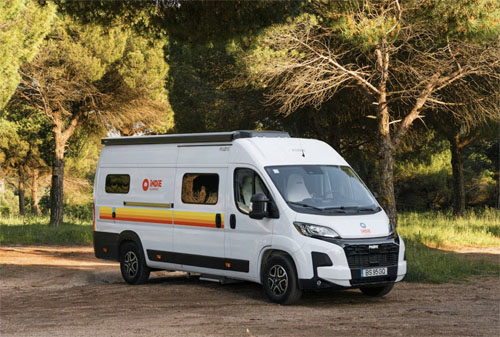
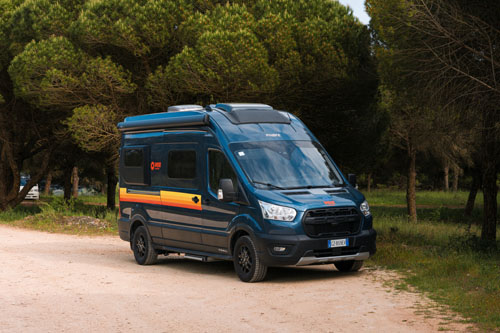
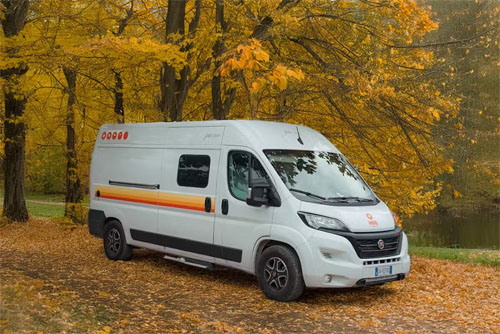
Class SI (Semi-Integrated) motorhomes, usually 6-7 meters long, offer a balanced size that makes them easier to drive and park than Class A, yet they provide significant living space for travelers in Paris. These RVs comfortably accommodate 3-4 people, making them suitable for small families or groups, and typically consume 10-11 Liters/100 km. Their versatility makes them ideal for those who want to venture out from Paris into regional parks or smaller towns without sacrificing essential amenities.
For Parisian suitability, Class SI vehicles are more manageable for accessing park-and-ride facilities outside central Paris compared to larger models. They strike a great balance between comfort and maneuverability, allowing you to explore the city's outskirts, such as the Château de Versailles or the charming streets of Chantilly, with relative ease. The "Auto-Trail F60" or "Active Standard Select" are examples of popular semi-integrated campervans that offer a comfortable and flexible travel experience, featuring a shower and toilet, and often a well-equipped kitchenette perfect for preparing simple meals on the go. You can find more RV-friendly recipes playlist to inspire your onboard cooking.
Class C (Alcove) - Best For
Class C (Alcove) motorhomes, recognizable by their distinctive over-cab sleeping area, are perfect for families with children, often accommodating up to 4 adults comfortably. These vehicles are typically 6-8 meters in length and often more affordable to rent than Class A, while still offering ample space and facilities like a kitchen, shower, and toilet, making them a great value for money. Fuel consumption for a Class C rental motorhome is generally 10-12 Liters/100 km, similar to semi-integrated models.
While the height of Class C RVs can be a consideration for certain bridges or tunnels in Europe, and their length poses urban navigation challenges similar to Class A in central Paris, they are an excellent choice for families planning to stay at campgrounds outside the city. From these suburban bases, like Camping Le Parc de la Bergère in Croissy-Beaubourg, you can easily commute into Paris via public transport, enjoying the comfort of your rented mobile home after a day of sightseeing. Popular examples include the "24' Class C Motorhome" and the "F3" model, offering features such as a 166-liter fresh water tank and up to 6 sleeping places, perfect for a family adventure.
Class B (Campervan) - Best For
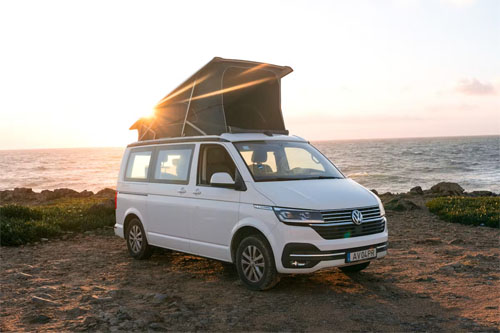
Class B campervans, generally 5-6 meters long, are renowned for their agility, making them the easiest RV type to navigate narrow European roads and fit into standard parking spaces, including some closer to urban centers in Paris. These compact vehicles are very fuel-efficient, typically consuming around 10 Liters/100 km, which translates to significant savings on fuel costs for longer drives. Class B campervans are best suited for solo travelers, couples, or small groups of 2-3 adults who prioritize mobility and flexibility over expansive interior space. On the routes offered through RV PLANET routes, you can itemize and track every expense along the way for easy budgeting.
For exploring Paris, a rented Class B campervan is the most suitable option, allowing for easier park-and-ride strategies around the city, and providing the flexibility for discreet wild camping or finding smaller, more intimate campsites in rural France. While they offer limited living space and amenities compared to larger classes, their compact design, often equipped with a small kitchenette, shower, and toilet, makes them perfect for a dynamic and immersive travel experience. The "V2L" and "M2" models are excellent examples, often featuring a 100-liter fresh water tank and sleeping up to 4 people comfortably while maintaining a compact footprint.
Class TC (Truck Camper) - Best For
Class TC (Truck Camper) vehicles offer unique flexibility due to their detachable living unit, which allows the truck to be used independently for day trips or navigating challenging terrain. Their minimal overall length makes them surprisingly agile for rural French roads and potentially easier to park than larger motorhomes, though their height can still be a consideration. Often equipped for self-sufficiency with features like a refrigerator and gas stove, they are suitable for more rugged or less conventional camping spots, appealing to adventurous couples or small groups of 2-3. Fuel consumption typically ranges from 12-17 Liters/100 km, which is higher than other compact options due to the truck base.
The "4x4 Camper B - TYR" and "rv rental usa example T17 Truck Camper" are examples of available truck campers. This type of rented RV is perfect for intrepid travelers wanting to combine city visits around Paris (by parking the camper and driving the truck) with exploring France's natural parks or remote areas like the French Alps. Although Bandana only rents motorhomes and campervans, understanding the versatility of these niche options helps illustrate the breadth of RV adventures available in other regions.
Side-by-Side Comparison Table
A quick comparison of RV classes for Paris highlights key differences in size, capacity, fuel efficiency, and suitability for various travel styles. Understanding factors like length and sleeping capacity is crucial for both comfort and navigation, particularly in urban areas and smaller French villages. Fuel consumption, listed as Liters/100 km, is a significant factor impacting overall trip costs in Europe.
The "Best Use Case" provides tailored recommendations, emphasizing that while larger RVs offer more amenities, smaller campervans are generally more practical for navigating the French road network. This table offers a transparent overview to help you choose the best motorhome for your adventure, reflecting Bandana Caravan's commitment to honest, transparent information.
| RV Class | Typical Length | Sleeping Capacity | Average Fuel Consumption (L/100km) | Pros for Paris/France | Cons for Paris/France | Best Use Case |
|---|---|---|---|---|---|---|
| Class A (Integrated) | 7-10 meters | 4+ adults | 11-12 | High comfort, luxury amenities, ample space | Difficult to maneuver in cities, costly tolls, high fuel, parking challenges | Long-distance touring of French countryside & vineyards (park outside cities) |
| Class SI (Semi-Integrated) | 6-7 meters | 3-4 people | 10-11 | Good balance of space & maneuverability, modern design | Still challenging for central Paris, higher tolls than cars | Exploring regions around Paris, smaller towns, and national parks |
| Class C (Alcove) | 6-8 meters | 4+ adults (families) | 10-12 | Extra sleeping space over cab, often budget-friendly | Tall height can be restrictive, similar urban challenges to Class A | Family trips focusing on campgrounds outside Paris, regional exploration |
| Class B (Campervan) | 5-6 meters | 2-3 people | ~10 | Most agile, easiest to park, best for urban access & narrow roads, fuel-efficient | Limited interior space and amenities | Exploring Paris (park-and-ride), short trips, couples, solo travelers |
Our Recommendation for RV Rental Travelers in Paris
For RV travelers visiting Paris, our primary recommendation is unequivocally a Class B (Campervan) due to its exceptional maneuverability and practicality in a bustling European urban environment. A campervan, typically around 5.8 meters in length with an efficient 10 L/100km fuel economy, is ideal for navigating the tighter French roads, utilizing park-and-ride facilities on the outskirts of Paris, and finding more discreet camping spots in the wider region. It's perfectly suited for couples or small groups of 2-3 who prioritize agility and ease of movement.
Our strong runner-up is a Class SI (Semi-Integrated) motorhome. At an average length of 6.9 meters, it offers a good compromise between interior comfort for up to 4 people and manageable driving. While still a sizable vehicle, it is more adaptable for suburban parking and exploring the Parisian region more broadly, providing ample living space without the full bulk of a Class A. These recommendations specifically prioritize the practicalities of RVing in and around a major European city, focusing on ease of use and accessibility to ensure a pleasant and stress-free adventure.
Is France motorhome friendly?
France is remarkably motorhome friendly, boasting a vast network of facilities and a culture that generally embraces RV travel. The country features thousands of public and private "aires de services," which are dedicated service points providing essential services like fresh water, waste disposal (gray and black water), and sometimes electricity, often for free or a small fee. Additionally, a wide range of campgrounds, from basic municipal options to luxurious resorts, cater to RVs across the country, particularly outside major cities like Paris.
However, it's important to be aware of certain regulations and urban challenges. For example, a Crit'Air Vignette is essential for driving into many French cities, including Paris, requiring an emissions sticker to avoid fines. While rural France is a dream for RVers, large RVs face difficulties with narrow streets, low bridges (especially in historic areas), and limited parking in city centers. Therefore, planning to park on the outskirts of cities and utilizing public transport, as suggested in RV Travel Guide to Paris - Tips and Top Spots 2026, is advisable for a smooth Parisian experience. This blend of freedom and structured services makes France an outstanding destination for a rented RV adventure.
What are the new rules for motorhomes in France?
Several important rules for motorhomes in France have been implemented or reinforced, with the Crit'Air Vignette being a primary consideration for urban access. This emissions sticker is now required for all vehicles, including foreign-registered RVs, to enter Low Emission Zones (ZFE-m) in major cities like Paris, Lyon, and Marseille. It's crucial to order this sticker well in advance online via the official government website to avoid fines.
Speed limits also have specific regulations for RVs. Standard French speed limits apply to most vehicles, but RVs over 3.5 tonnes may have lower limits, typically 110 km/h (instead of 130 km/h) on motorways, and 80 km/h (instead of 90 km/h) on dual carriageways and main roads. Wild camping, while generally tolerated in many respectful rural areas if not explicitly forbidden, is strictly prohibited in protected areas, on private land without permission, and in most urban zones. While parking a motorhome is generally treated like any other vehicle, local authorities increasingly implement restrictions on size, duration, and specific areas, especially near tourist attractions or residential zones in cities like Paris, so always look for appropriate signs. Understanding these rules is part of Bandana Caravan's commitment to ensuring you travel with peace of mind, with full transparency about potential challenges.
What is the best company to rent an RV from?
The "best" company to rent an RV from largely depends on your specific needs, but Bandana Caravan excels by offering a comprehensive comparison platform rather than being a single rental company. We provide a variety of options by aggregating rentals from over 50 leading suppliers worldwide, giving you a broader choice of RV classes and price points for your Paris RV rental. This approach ensures you find the perfect match for your trip, whether you're looking for a Cheap RV Rental in Paris - Budget Guide 2026 or a Luxury RV Rental in Paris - Premium Prices 2026.
When selecting a supplier through our platform, prioritize companies offering robust customer support, which is especially important for international travelers. Ensure that comprehensive insurance coverage and 24/7 roadside assistance are included or easily added, as you can upgrade to a top-level deductible reimbursement for extra peace of mind. Always check recent customer reviews specific to the pick-up location in France or Paris to gauge reliability and service quality. Bandana is a true RV specialist, not a travel agency side department, providing unmatched personal experience and attention to the smallest details throughout your booking process.
How much does it cost to rent an RV in France?
The cost of renting an RV in France involves several components beyond the base rental rate, which, as discussed in the "Price Comparison by RV Class in Paris" section, varies by RV size, season, and duration. For instance, a small campervan might start from €80 per day in the low season, while a large, modern Class C motorhome could be €180 or more daily during summer. Fuel is a significant ongoing cost, as diesel is the predominant fuel in France, currently around €1.80/L. If your RV consumes 10 L/100 km, that's €18 per 100 km.
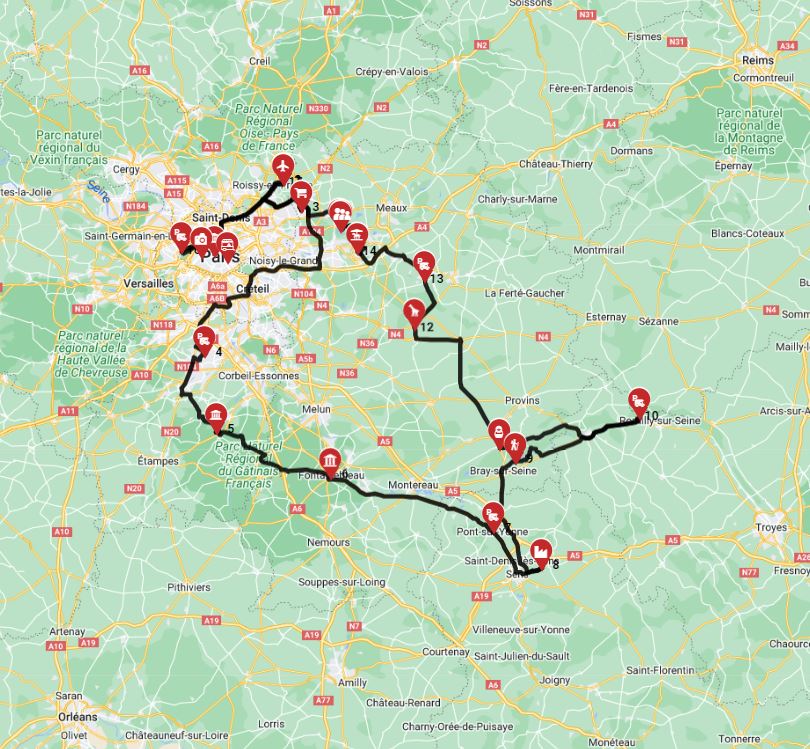
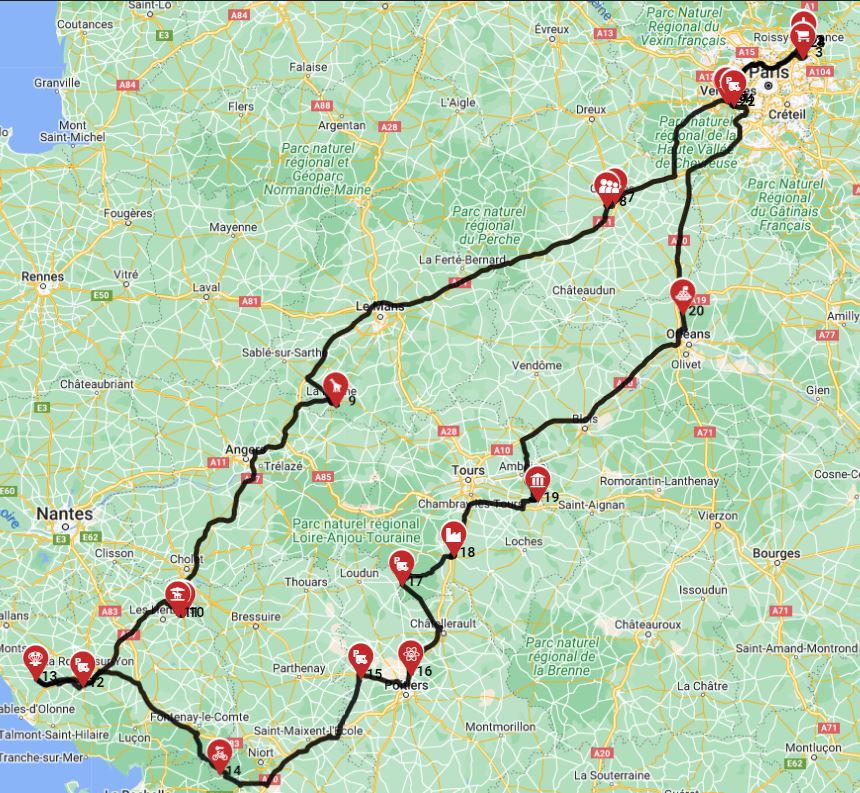
Tolls (péages) are also a major expense, with French motorways often tolled and larger RVs (Class 2 or 3 due to height/weight) incurring higher charges than standard cars. Budgeting for tolls is essential for longer journeys, like the 1235 km "
Is it cheaper to rent an RV or stay in a hotel?
Deciding whether it's cheaper to rent an RV or stay in a hotel in Paris depends heavily on your group size, trip duration, and travel style. RV costs encompass the rental fee, insurance, fuel, tolls, and campground fees (typically €15-€40 per night), plus groceries if you plan to cook. Hotel costs include room rates, car rental or public transport, and restaurant meals, which can be quite expensive in Paris city center.
For families or groups of 3+ people on a week-long trip or longer, an RV often becomes more cost-effective as the per-person accommodation cost decreases, and the ability to cook in your RV's kitchen saves significantly on dining out. For example, a family of four staying in a hotel near the Eiffel Tower would likely pay more for accommodation, transportation, and restaurant meals over seven days than the combined cost of a rented RV and groceries. An RV offers unparalleled flexibility and the freedom to explore extensively, while hotels provide fixed locations and services without the responsibilities of driving and maintenance. Remember that Bandana offers full price transparency, so you can compare options with confidence.
Can you drive an RV around Europe?
Yes, driving a rented RV around Europe is not only possible but a fantastic way to experience multiple countries, thanks to the seamless travel across the Schengen Area without internal border checks. Before you set off from Paris, ensure your rental RV's insurance policy, often referred to as a Green Card, covers all the countries you plan to visit. This typically means checking the terms with suppliers like Apollo or Britz.
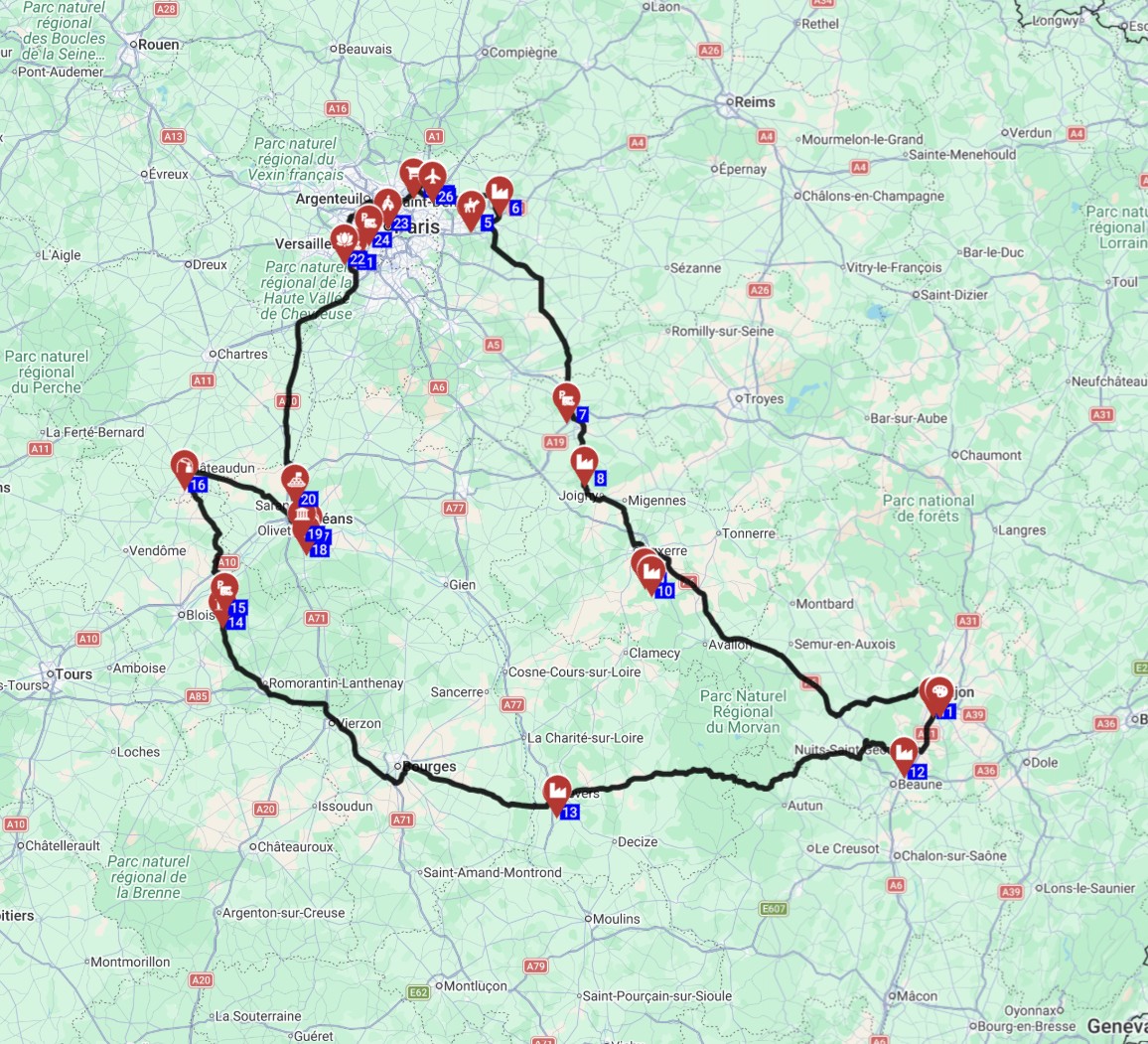
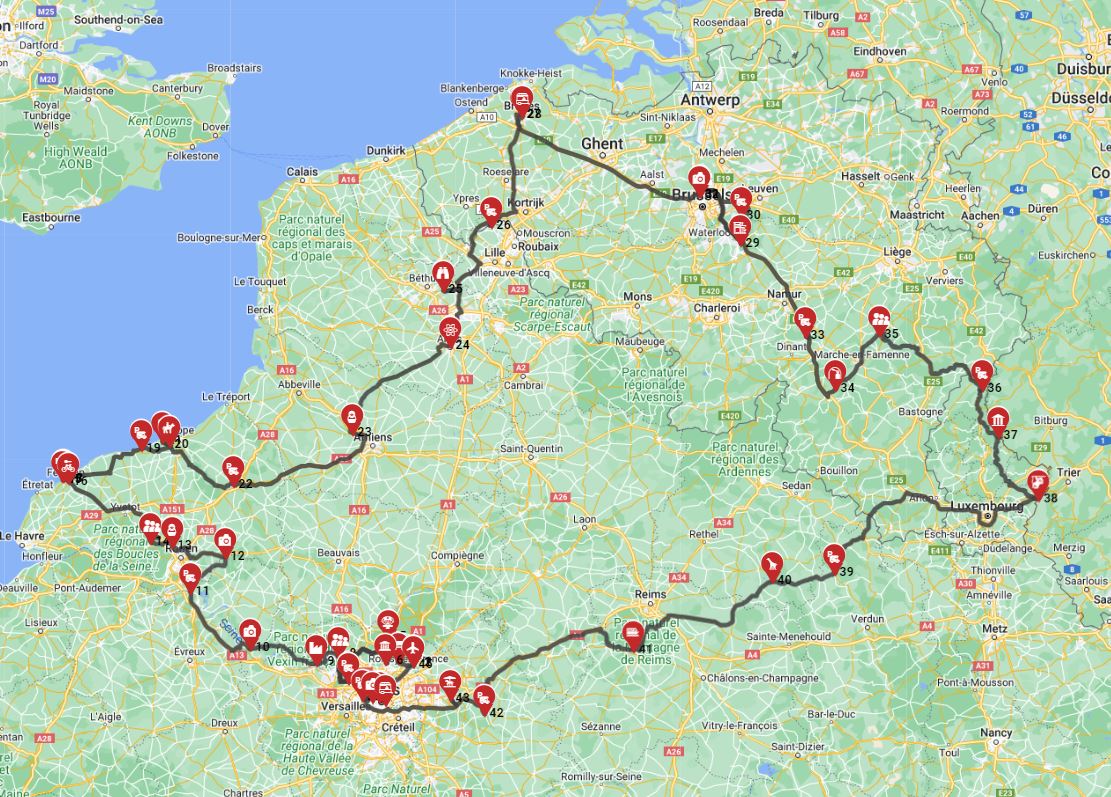
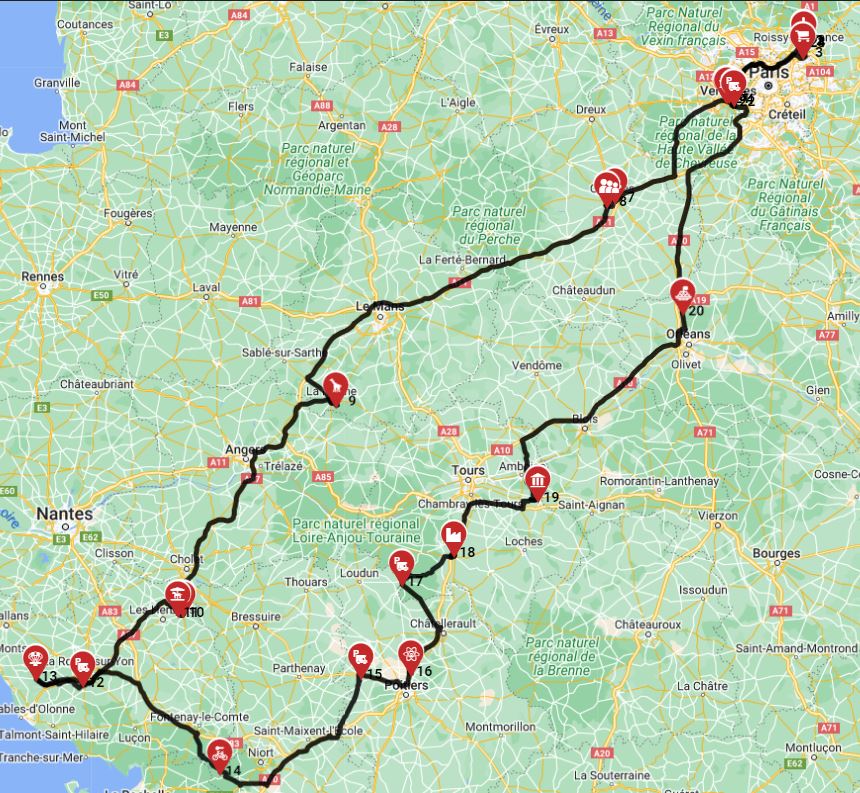
Be mindful of differing traffic laws across European nations, including varying speed limits, road signs, and specific driving rules, such as headlamps always on in certain countries. Many European cities have Low Emission Zones, requiring you to research the Crit'Air or similar requirements for each city or country you intend to visit. Road toll systems also vary widely, from vignettes (e.g., in Switzerland and Austria) to pay-as-you-go systems (like in France and Italy), so budget and plan your routes accordingly. RV PLANET (rvplan.net) offers more than 1,300 pre-planned routes across 5 continents, including many in Europe, which can help simplify your cross-country planning and budget tracking.
What is the 3-3-3 rule for RVs?
The 3-3-3 rule for RVs is a practical guideline to promote a relaxed and enjoyable travel pace: drive no more than 300 miles (or roughly 300-500 kilometers) per day, arrive at your campground by 3 PM, and stay for at least 3 nights. This rule helps prevent driver fatigue, especially important on unfamiliar European roads, and allows for more spontaneous stops and deeper enjoyment of the journey.
Arriving by 3 PM ensures you have ample time to set up camp, explore the immediate area, and relax before dark, making for a less rushed experience. Staying for at least 3 nights encourages a slower pace of travel, reducing the stress of constant packing and unpacking, and allowing for deeper engagement with a location's culture, food, and scenery. While not a legal requirement, this rule is highly beneficial for savoring the French countryside and minimizing driving stress. We always recommend slow travel, averaging a maximum of 100-150 km per day, to truly feel the place, connect to the local culture, the food, and the scenery, as this approach aligns perfectly with the spirit of RV travel in France.
What is the best quality RV for the money?
For RV rentals in France, the "best quality RV for the money" often comes down to a Class SI (Semi-Integrated) motorhome or a Class B (Campervan), depending on your specific travel priorities. Class SI vehicles, like the "Active Bunk Auto" or "Active Compact Select", typically offer good amenities and comfortable space for a reasonable price, combining modern design with manageable driving, ideal for small families or couples seeking a balance of comfort and agility. They often feature efficient kitchenettes, showers, and toilets.
Class B campervans, such as the "Active Classic" or "Juliette 2-3" with their compact 5-6 meter length, provide excellent value for solo travelers or couples, prioritizing maneuverability and fuel efficiency (around 10 L/100km) over extensive interior space. When evaluating quality for money, look for vehicles that are "Up to 3 years on the road" or "Recent Model" as these often mean fewer maintenance issues and more up-to-date features. A rental package that includes comprehensive insurance and 24/7 roadside assistance, which Bandana Caravan ensures through its direct partnerships with top suppliers, adds significant value and peace of mind to your trip.
What is the 4-4-4 rule for RVing?
The 4-4-4 rule for RVing is another popular guideline that focuses on sustainable and enjoyable travel: drive no more than 4 hours per day, stay at least 400 kilometers/miles from your previous stop, and arrive at your destination by 4 PM. This rule is highly applicable for touring France, encouraging a pace that allows for enjoying picturesque villages, leisurely lunches, and unhurried sightseeing, rather than rushing through the journey.
Limiting driving to 4 hours helps prevent fatigue and keeps the experience relaxing, especially when navigating unfamiliar roads or tolls. The "400 kilometers/miles" aspect provides a flexible distance guideline, acknowledging that travel speeds differ across terrains and road types, ensuring you cover ground without feeling rushed. The "4 PM stop" allows ample time for setting up camp, exploring the surroundings, and enjoying the evening before nightfall, similar to the 3-3-3 rule. These practical rules of thumb are designed to maximize the enjoyment of your rented motorhome experience, letting you truly immerse yourself in the journey.
What You Shouldn't Miss
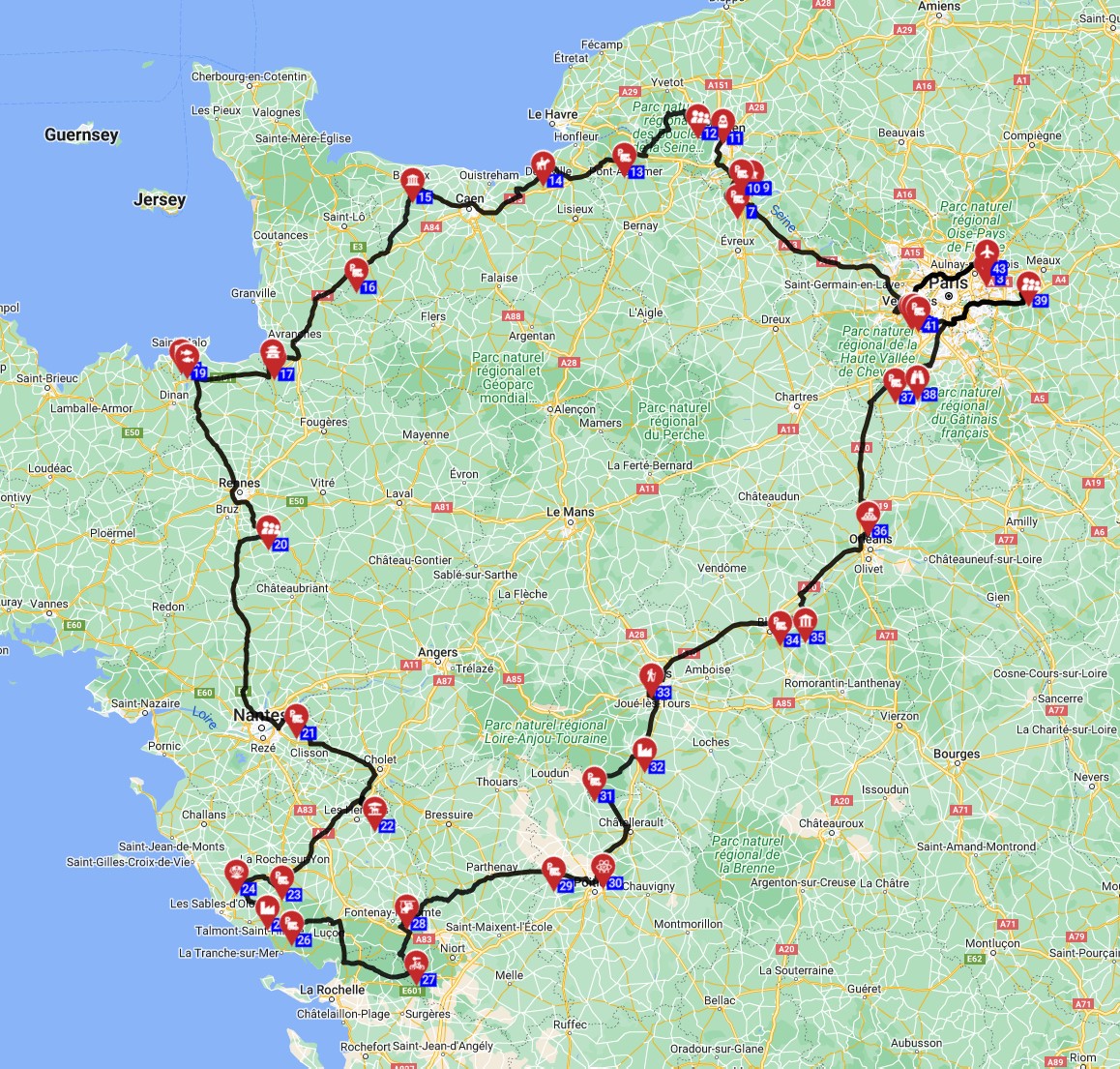
- **Explore the Loire Valley Châteaux:** Drive your rented motorhome west from Paris along the Loire River for 2-3 days, visiting iconic castles like Château de Chambord (with 440 rooms) and Château de Chenonceau, with scenic camping available in nearby towns.
- **Day Trip to Versailles Palace and Gardens:** Park your motorhome at the large, dedicated RV parking area near the Château de Versailles (Avenue de Paris, Versailles) and spend a full day exploring the opulent palace, its 2,300 rooms, and the expansive 800-hectare gardens.
- **Indulge in Parisian Markets from Camping de Paris:** From Camping de Paris in the Bois de Boulogne, take public transport to Marché des Enfants Rouges, Paris's oldest covered market (established 1615), or Marché Bastille for fresh produce and local delights, which you can then prepare in your RV's kitchen.
- **Discover Giverny and Monet's Gardens:** Head a leisurely 75 km northwest of Paris to Claude Monet's house and gardens in Giverny, spending 4-5 hours immersed in the famous water lilies and Japanese bridge that inspired his masterpieces.
- **Wander Through the Forest of Fontainebleau:** Drive your RV south of Paris to the vast Forêt de Fontainebleau, known for its 25,000 hectares of ancient forest, rock climbing, and hiking trails, offering a perfect nature escape from the city.
- **Looking for expert insights from Avi Bandana? Top 5 Adventures - recommendations from Avi Bandana**
Final Thoughts
A rented motorhome vacation in Paris and throughout France offers an unparalleled sense of freedom and adventure. From the bustling energy of the capital's periphery to the serene beauty of the Loire Valley, having your own mobile home allows you to explore at your own pace, connect with local culture, and create unforgettable memories. Remember that choosing the right RV size, being aware of local driving regulations like the Crit'Air vignette, and utilizing resources like RV PLANET for route planning will ensure a smooth and enjoyable experience.
At Bandana Caravan, we are dedicated to making your RV rental journey as straightforward and transparent as possible. With our extensive comparison platform and commitment to honest pricing, you can book with confidence, knowing you're getting the best deal without any hidden surprises. So, why wait? Start dreaming up your Parisian adventure and let the open road call to you. Get inspired for your next trip! Discover top destinations, planning tips, all in one place!
Find Motorhome Rentals in Paris