In This Guide
- The 5 RV Families Compared for Germany
- Class A (Integrated) - Best For
- Price Comparison by RV Class in Germany
- Class SI (Semi-Integrated) - Best For
- Class C (Alcove) - Best For
- Class B (Campervan) - Best For
- Class TC (Truck Camper) - Best For
- Side-by-Side Comparison Table
- Our Recommendation for quick RV rental Travelers in Germany
- How to budget for an RV trip in Germany beyond rental and fuel costs
- What are Stellplätze and how do they differ from traditional campgrounds in Germany
- How do I navigate Germany's environmental zones and autobahn rules with an RV
- What cultural etiquette should I know when RVing in Germany
- What essential gear do I need for RVing in Germany
- How can I overcome language barriers and engage with locals while RVing in Germany
- What lesser-known scenic routes and regions can I explore by RV in Germany
- What You Shouldn't Miss
Embarking on a quick RV rental adventure in Germany offers an unparalleled sense of freedom, allowing you to explore diverse landscapes, historical cities, and charming villages at your own pace. Whether you dream of tracing the Rhine River, discovering the fairytale castles of Bavaria, or cruising along the North Sea coast, a rented motorhome provides a mobile home base for unforgettable experiences. For live availability and current prices, start with our RV Rental Germany - Complete Guide 2026 guide, offering comprehensive insights into planning your journey.
The 5 RV Families Compared for Germany
RV family choice significantly impacts a short rental experience in Germany, affecting maneuverability on narrower roads, parking options, and overall comfort. Considerations like group size, desired travel style (urban exploration versus scenic routes), and budget are crucial for selecting the ideal RV class. Germany's diverse landscapes and city centers make certain RV types more suitable for specific quick trip goals. Choosing the right vehicle ensures that your exploration is smooth and enjoyable, whether you're a couple seeking agile travel or a family needing more space.
Class A (Integrated) - Best For
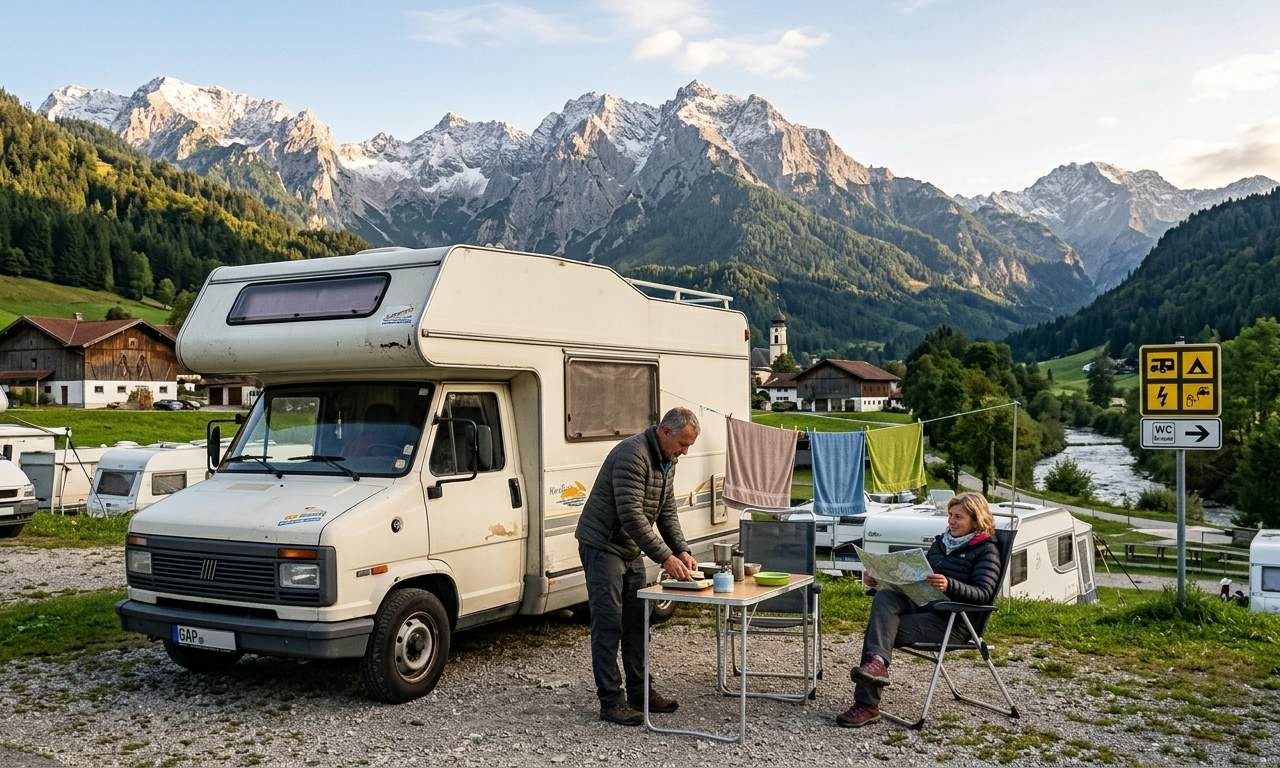
Class A integrated motorhomes, averaging 7.5 meters in length and comfortably sleeping 4-6 people (typically 4 adults), offer the most luxurious and spacious experience for your Germany RV rental. These larger RVs, typically consuming 11-12 liters per 100 km, are best suited for larger groups or families prioritizing comfort and extensive amenities for a quick rental, especially if planning longer stays at designated campgrounds. Their generous size, while offering ample living space and storage, can be a trade-off for navigating Germany's charming, often narrow, historic town streets or finding parking in urban areas, making them more suitable for destination-focused trips to larger campgrounds or less congested routes. With features often including separate bedrooms, full kitchens, and spacious living areas, they truly offer a home-away-from-home feel. One example is a luxury rv rental example A-3, designed for up to 4 people.
Price Comparison by RV Class in Germany
Pricing for RV rentals is dynamic and flex-rate, meaning the cost of your short-term motorhome rental in Germany can fluctuate daily based on factors such as demand, seasonality, booking lead time, and supplier marketing decisions. For instance, a weekly RV rental in Germany will naturally have a different daily rate than a month-long trip. Bandana Caravan transparently compares final prices across 50+ leading RV suppliers worldwide, ensuring no hidden fees or surprises. This commitment to full transparency means you see the real cost upfront. For the most accurate and up-to-date pricing for your specific quick rental dates in Germany, always check the live search box at the top of the page. Booking typically 3-6 months in advance can yield savings of 15-25%.
🎬 Video coming soon
Class SI (Semi-Integrated) - Best For
Class SI semi-integrated motorhomes, averaging 6.9 meters in length and sleeping 3-4 people (typically 3 adults), strike an excellent balance between spaciousness and maneuverability, making them highly versatile for quick RV rentals in Germany. Consuming around 10-11 liters per 100 km, they are ideal for couples or small families seeking comfortable living areas without the bulk of a Class A. These RVs excel on Germany's scenic routes and can navigate smaller towns more easily than larger models, offering a good compromise for those wanting amenities without sacrificing drivability on a shorter trip. An example model is the Knaus Van 600Ti ME, which includes features like a 108-liter refrigerator and a comfortable double bed.
Class C (Alcove) - Best For
Class C alcove motorhomes, with an average length of 7.5 meters and ample sleeping for 4-7 people (typically 4-5 adults), are specifically designed for families or larger groups enjoying a quick RV rental in Germany. Characterized by the distinctive sleeping area over the cab (the "alcove"), they offer superior sleeping capacity for their footprint, typically consuming 10-12 liters per 100 km. Their robust design handles diverse German road conditions well, and their cost-efficiency combined with extra sleeping space makes them a popular choice for family quick trips prioritizing accommodation for all members. For instance, a Class C model like the Adventurer is often winter-ready, making it suitable for trips even in cooler months.
Class B (Campervan) - Best For
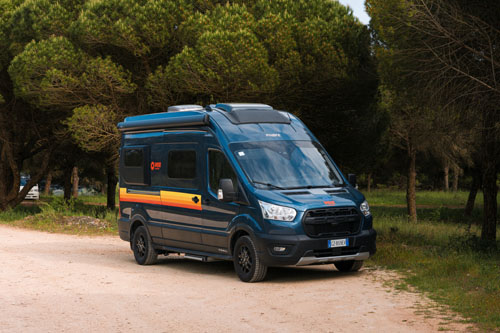
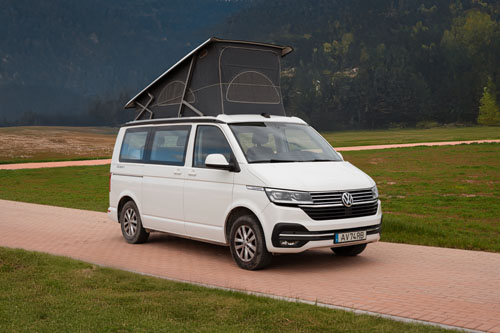
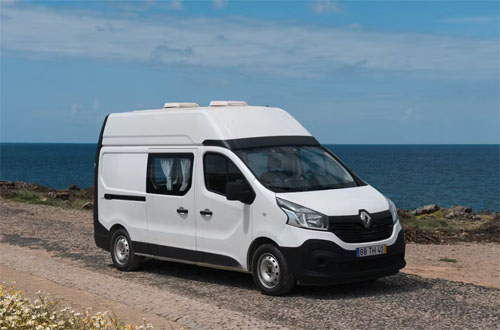
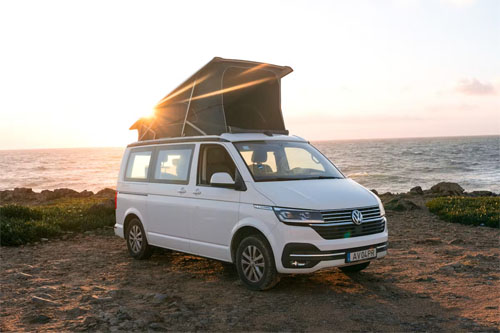
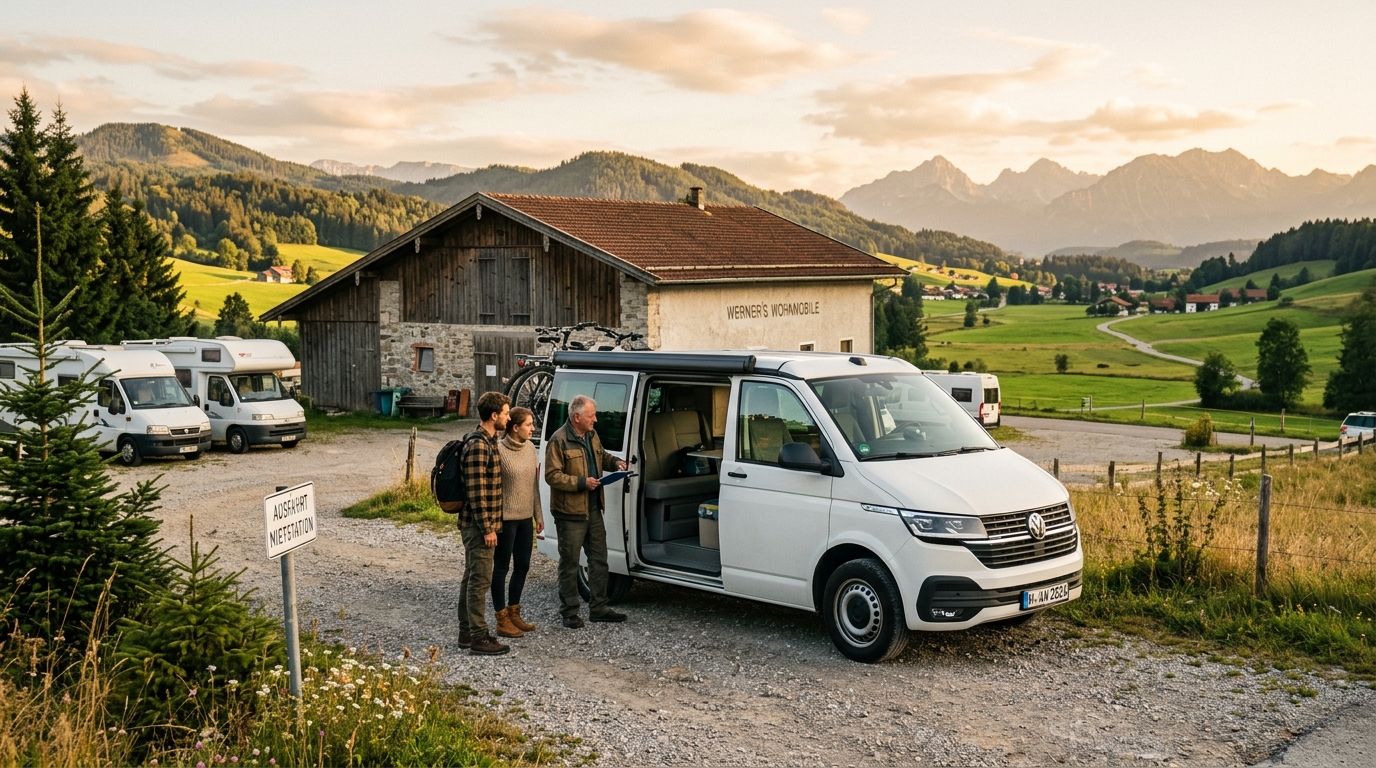
Class B campervans, averaging a compact 5.8 meters in length and sleeping 2-3 people (typically 2 adults), are the optimal choice for solo travelers, couples, or small groups prioritizing agility, fuel economy (around 8-10 liters per 100 km), and ease of parking for a quick RV rental in Germany. Their nimble size allows seamless navigation through Germany's cities, rural villages, and even some tighter Stellplätze or parking garages, offering a more spontaneous and flexible travel experience. Campervans are ideal for quick trips covering various destinations, including urban centers, or for those seeking a minimalist, adventure-focused trip without the need for extensive onboard facilities. Many models, such as the hire campervan example Paradise S/T, are recent and come with automatic transmission for ease of driving.
Class TC (Truck Camper) - Best For
Class TC truck campers, averaging 5.5 meters in length and sleeping 2-3 people (typically 2 adults), are best suited for adventurous couples or solo travelers looking for ultimate flexibility and off-grid capabilities on a quick RV trip in Germany. With a typical fuel consumption of 12-17 liters per 100 km, their detachable nature allows the truck to be used independently for day trips, making them versatile for exploring remote areas or engaging in outdoor activities. They are particularly good for accessing more rugged terrain or lesser-known natural parks in Germany, appealing to those who prioritize freedom and a unique, less conventional RV experience over luxury amenities. The Patagonia Camper 4x4 double cab is an example of a 4x4 truck camper perfect for remote exploration.
Side-by-Side Comparison Table
This table provides a quick overview of the key specifications for Bandana's typical RV families available for rental in Germany, helping you compare options at a glance for your quick trip. Remember, a standard car driver's license is all you need for any of these motorhome classes, and the minimum rental age is 21 with no young driver surcharges.
| Family | Avg Length (m) | Sleeps | Fuel Use (L/100km) | Best Use Case in Germany |
|---|---|---|---|---|
| Class A (Integrated) | 7.5 | 4.4 | 11-12 | Luxury, spacious family trips, destination camping |
| Class SI (Semi-integrated) | 6.9 | 3.8 | 10-11 | Balanced comfort and maneuverability for couples/small families |
| Class C (Alcove) | 7.5 | 5.8 | 10-12 | Family-focused, extra sleeping capacity, cost-effective |
| Class B (Campervan) | 5.8 | 3.2 | 8-10 | Agility, urban exploration, solo/couple adventure, fuel economy |
| Class TC (Truck Camper) | 5.5 | 2.4 | 12-17 | Off-grid adventure, remote exploration, ultimate flexibility |
Our Recommendation for quick RV rental Travelers in Germany
For a quick RV rental in Germany, the **Class B Campervan** is our primary recommendation due to its unparalleled maneuverability, making it perfect for navigating both charming small towns and city centers with ease, while offering excellent fuel economy of around 8-10 liters per 100 km. Its compact size (average 5.8m) simplifies parking and allows for spontaneous stops, which is ideal for shorter trips where flexibility is key. As a strong runner-up, the **Class SI Semi-integrated** RV (average 6.9m) offers a great balance of comfort and reasonable size, suitable for couples or small families seeking more living space without the challenges of a full-size motorhome on German roads, providing a comfortable base for exploring scenic regions. Ultimately, the best camper for rent depends on your group size and desired amenities.
How to budget for an RV trip in Germany beyond rental and fuel costs
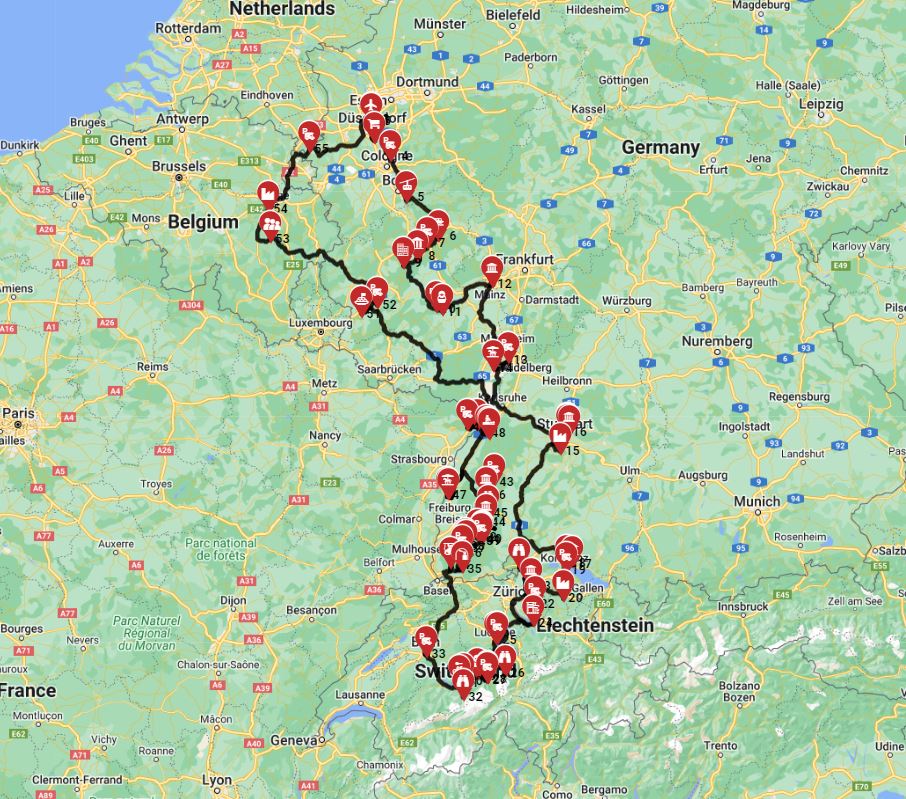
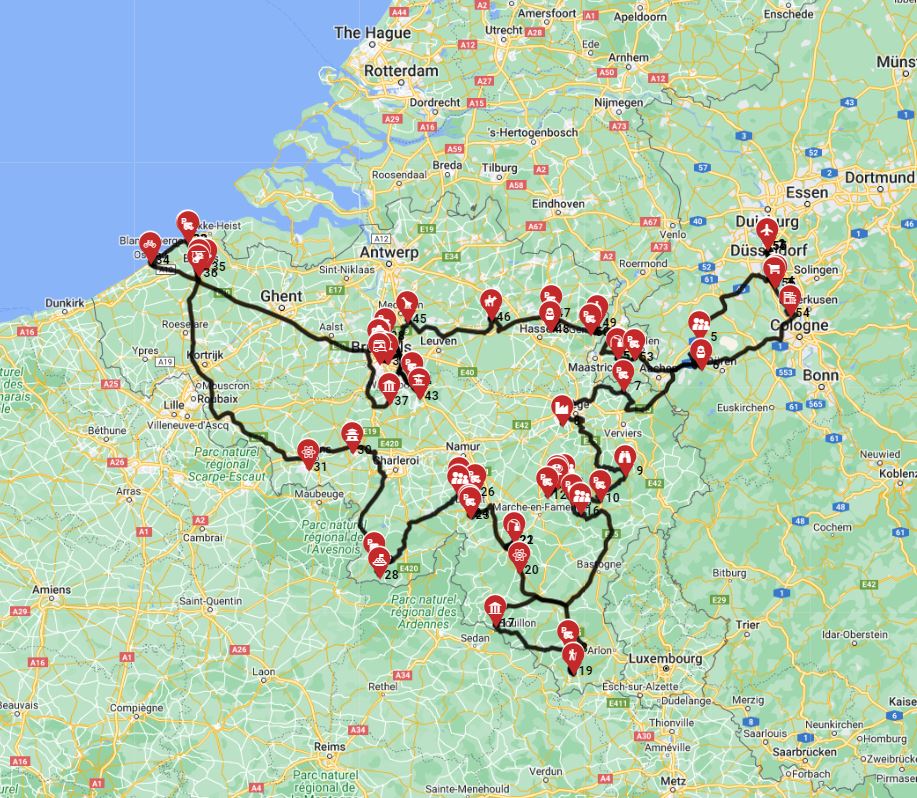
Budgeting for a quick RV trip in Germany requires considering costs beyond just the rental fee and fuel, including environmental zone permits, Stellplatz or campground fees, groceries, and potential fines for non-compliance with local rules. Factor in approximately €10-€30 per night for Stellplätze or €25-€50 for traditional campgrounds, plus a one-time environmental badge cost (around €15-€20) if visiting cities with Umweltzonen. To save on groceries, leverage local German supermarkets like Aldi, Lidl, and Rewe, and consider shopping at farmers' markets for fresh, seasonal produce. Always remember that on RV PLANET routes, travelers can itemize and track every expense along the way for easy budgeting. Allocate a contingency fund for unexpected expenses, potential traffic fines (e.g., parking violations), or attractions, as these can quickly add up and impact your overall trip cost. On the routes offered through RV PLANET routes, you can itemize and track every expense along the way for easy budgeting.
Imagine yourself preparing a delicious German breakfast right in your campervan kitchen; for inspiration, check out our RV-friendly recipes playlist.
What are Stellplätze and how do they differ from traditional campgrounds in Germany
Stellplätze are dedicated motorhome parking spaces unique to Germany and some neighboring countries, offering a more basic, often cheaper, alternative to traditional campgrounds. These spots typically provide minimal services such as fresh water and waste disposal, with electricity sometimes available, but generally lack amenities like showers, toilets, or shops found at full-service campgrounds. Stellplätze are ideal for overnight stays or short stops and are typically found in scenic locations, by lakes, or near town centers, making them convenient for exploring; payment often involves automated machines or honor systems, and etiquette dictates quiet hours and leaving no trace. Traditional campgrounds, conversely, offer a wider range of facilities, including full hook-ups, restrooms, laundry, recreational areas, and often longer stay options, catering to a broader camping experience beyond just motorhome parking. There are over 4,000 Stellplätze across Germany.
How do I navigate Germany's environmental zones and autobahn rules with an RV
Navigating Germany's environmental zones (Umweltzonen) with an RV requires obtaining a green 'Umweltplakette' (environmental badge) for your vehicle, which must be displayed to enter designated low-emission zones in over 50 German cities, including Berlin and Munich. The Autobahn, Germany's highway network, has specific etiquette for RVs, including strict adherence to speed limits (often lower for larger vehicles, typically 80-100 km/h for RVs over 3.5 tons), maintaining safe distances, and only using the left lane for overtaking. Be aware of the 'Rechtsfahrgebot' (keep right principle) and ensure your RV's weight classification aligns with permit requirements, as vehicles over 3.5 tons may have different regulations and tolls. Drive slowly and carefully, and you can drive almost anywhere without issues. No need to stress - just use common sense and pay attention when driving your rented RV through cities, being mindful of narrow streets and limited parking, and always checking for low-emission zone requirements for your planned urban destinations.
What cultural etiquette should I know when RVing in Germany
Understanding German cultural etiquette is key to a smooth RV trip, including respecting quiet hours at Stellplätze (typically 10 PM to 7 AM), maintaining cleanliness, and always greeting locals in shops or small villages. When interacting with locals, a polite 'Guten Tag' (Good day) or 'Hallo' (Hello) is appreciated, and remembering to say 'Bitte' (Please) and 'Danke' (Thank you) shows respect. Proper waste disposal is highly valued; always use designated bins for sorted trash and ensure grey and black water are emptied only at official stations, never into nature. Be punctual for appointments, drive respectfully, and remember that adherence to rules and order ('Ordnung') is a significant aspect of German culture, so following posted signs and regulations, even for a short-term mobile home rental, is crucial for RVers.
What essential gear do I need for RVing in Germany
Essential gear for RVing in Germany includes specific electrical adapters (Type F 'Schuko' plug, 2-pin) and potentially European water hose connectors to ensure compatibility at Stellplätze and campgrounds. Levelling blocks are highly recommended for uneven pitches, ensuring comfort and proper fridge operation, along with a reflective safety vest and warning triangle, which are legally required to be carried in your vehicle. Consider bringing a GPS with RV-specific routing to avoid narrow roads or low bridges, and a comprehensive European road map as a backup. Other useful items include a first-aid kit, spare fuses, a headlamp, and a multi-tool for minor repairs, enhancing preparedness for any situation on your quick rental. You can usually purchase additional kitchenware or bedding kits from your supplier.
How can I overcome language barriers and engage with locals while RVing in Germany
Overcoming language barriers and fostering local interactions while RVing in Germany can be achieved by learning a few basic German phrases, using translation apps, and engaging in local activities. Start with simple greetings ('Guten Tag', 'Bitte', 'Danke', 'Entschuldigung') and numbers; most younger Germans and those in tourist areas speak English, but attempting German shows respect. Utilize smartphone apps like Google Translate or DeepL for quick translations, especially when reading menus or signs, or asking for directions. To engage with locals, visit farmers' markets, attend local festivals, or patronize small, family-run establishments; a friendly smile and open demeanor can often bridge communication gaps, leading to more authentic cultural experiences during your rented RV journey.
What lesser-known scenic routes and regions can I explore by RV in Germany
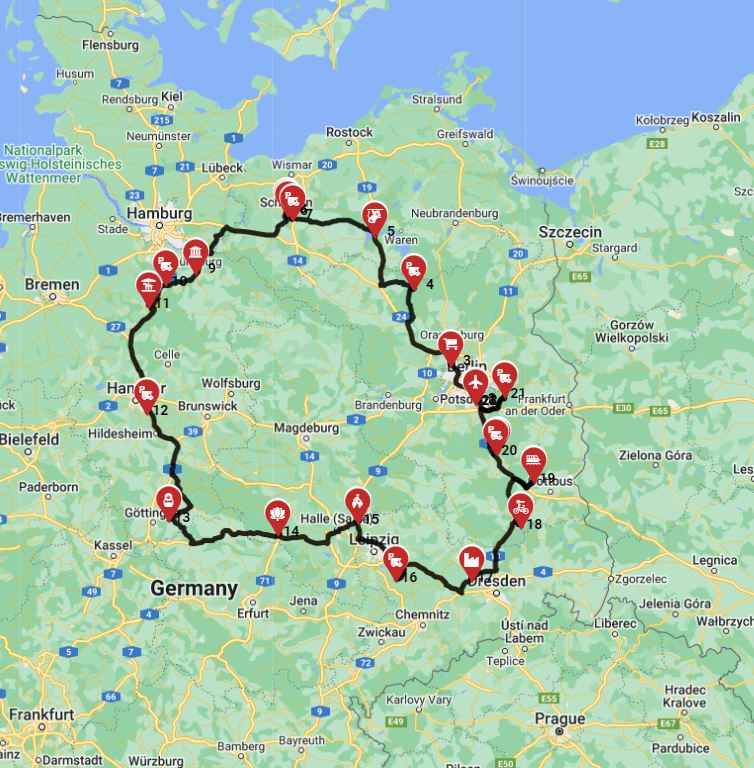
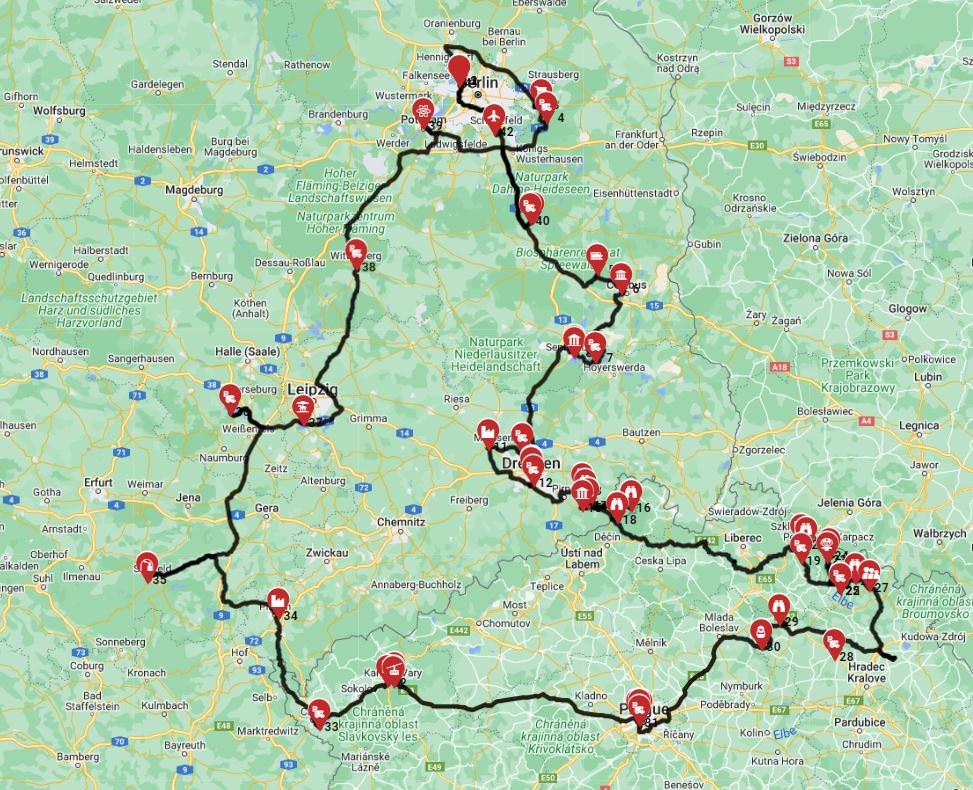
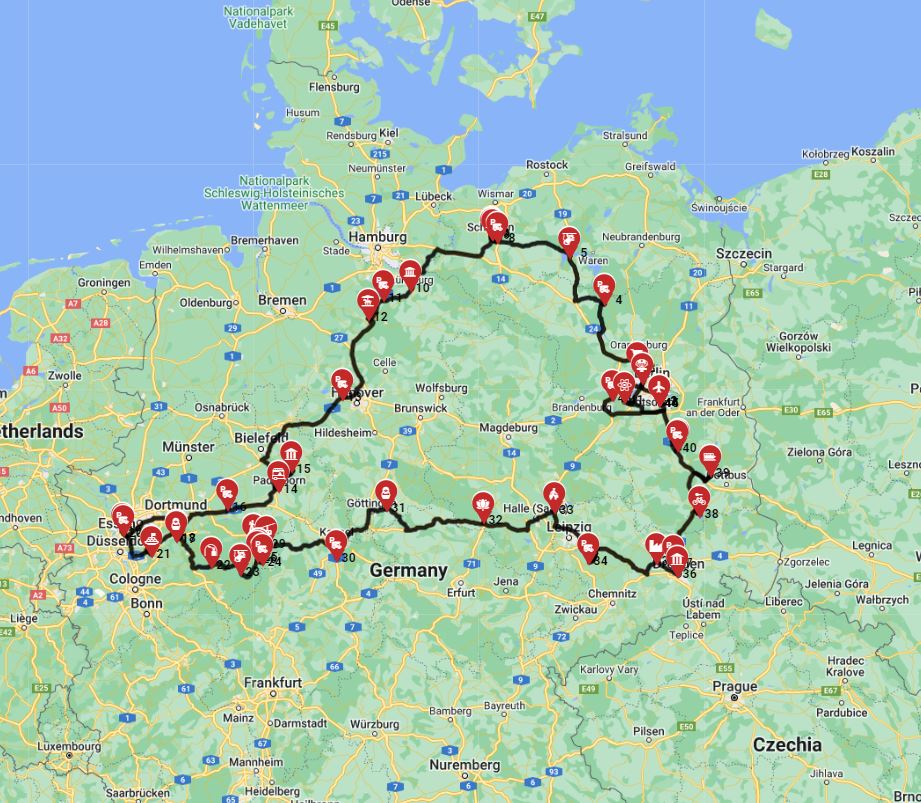
Beyond popular destinations like the Romantic Road, Germany offers numerous lesser-known scenic routes and regions perfect for RV exploration on a quick trip, including the German Fairy Tale Route, the Mosel Wine Route, and the German Alpine Road. Explore the **German Fairy Tale Route** (Deutsche Märchenstraße), which winds through charming villages and castles associated with the Brothers Grimm, offering a magical experience from Hanau to Bremen. The **Mosel Wine Route** (Moselweinstraße) follows the winding Mosel River, famous for its steep vineyards, picturesque villages, and wine tastings, providing stunning views and culinary delights accessible by RV. Consider the **German Alpine Road** (Deutsche Alpenstraße) for breathtaking mountain vistas, charming Bavarian towns, and access to outdoor activities in the foothills of the Alps, offering dramatic scenery distinct from the more frequented Black Forest. Remember, traveling slowly, averaging max 100-150 km per day, allows you to truly feel the place, connect to the culture, the food, and the scenery.
What You Shouldn't Miss
- **Discovering the Mosel Valley**: Drive along the Mosel Wine Route, exploring picturesque villages like Cochem with its Reichsburg Castle and enjoying local Riesling wine tastings.
- **Visiting Neuschwanstein Castle**: Park your motorhome at the designated P4 RV lot and take a leisurely walk up to Germany's most famous fairytale castle in Bavaria.
- **Exploring the Black Forest High Road**: Experience stunning panoramic views, dense forests, and charming towns like Triberg, home to the world's largest cuckoo clock.
- **Cruising the Romantic Road**: Immerse yourself in medieval history by visiting Rothenburg ob der Tauber, Dinkelsbühl, and other historic towns along this iconic route.
- **Relaxing at a Stellplatz**: Find a scenic Stellplatz by a lake or river, enjoy the peaceful surroundings, and prepare a meal in your campervan rental.
- Looking for expert insights from Avi Bandana? Top 5 Adventures - recommendations from Avi Bandana
Final Thoughts
Germany, with its incredible blend of historic charm, stunning natural beauty, and efficient infrastructure, is an ideal destination for a quick RV rental adventure. Whether you choose a nimble campervan or a spacious motorhome, the freedom of the open road allows you to craft a truly personalized experience. From exploring medieval castles and vibrant cities to relaxing by picturesque lakes, every turn offers a new discovery.
We believe that God is in the small details, and we take care of them, ensuring your journey is smooth and enjoyable. With Bandana Caravan, you're not just booking a vehicle; you're gaining a supportive partner dedicated to making your RV travel dreams a reality, with full transparency and dedicated support.
So, why wait? Discover top destinations, planning tips, all in one place, and start planning your unforgettable RV trip in Germany today. Get inspired for your next trip!