For live availability and current prices, start with our RV Rental West Canada - Complete Guide 2026 guide.
In This Guide
- Best West Canada RV Itinerary for weekend rv rental - Overview
- 7-Day Classic Route in West Canada
- 14-Day Extended Journey in West Canada
- Recommended RVPlan Trip for West Canada
- Must-See Stops Along the Way (Avi Bandana Picks)
- Daily Driving Distances & Drive Times in West Canada
- Best RV Class for This Itinerary - Couple & Family Picks
- What is a realistic budget for an RV trip in West Canada?
- How do you prepare for an RV trip in West Canada, including mountain driving and connectivity?
- What are the benefits and challenges of off-season RV travel in West Canada?
- Beyond Banff and Jasper, what are unique places to visit by RV in West Canada?
- How can diverse travelers, including families and pet owners, best enjoy RVing in West Canada?
- What essential gear and RV maintenance tips are needed for West Canada?
- How can I practice sustainable and responsible RV travel in West Canada?
- What You Shouldn't Miss
- Why Book with Bandana Caravan
- Final Thoughts
- Frequently Asked Questions
Best West Canada RV Itinerary for weekend rv rental - Overview
An ideal RV journey in West Canada, a vast and diverse region, typically requires a minimum of 7 days to truly experience its beauty, despite the concept of a "weekend rv rental." While a 2-3 day trip might offer a quick local escape, the immense distances from coastal British Columbia to the Canadian Rockies truly demand a longer adventure, with 14 days offering a more immersive experience across approximately 1,000-2,600 km of diverse landscapes. For live availability and current prices, start with our RV Rental West Canada - Complete Guide 2024. The optimal travel season for an RV trip is late spring to early fall (May to October) for the best weather and access to all attractions, though off-season travel offers unique benefits like fewer crowds and potentially lower prices for renting a motorhome. Our focus is on embracing slow travel, maximizing 100-150 km per day on average, to genuinely enjoy the scenic routes and destinations without feeling rushed. This approach ensures you have ample time to feel the place, connect to the culture, savor the local food, and immerse yourself in the stunning scenery. You can also discover more insights in our RV Travel Guide to West Canada - Tips and Top Spots 2024.7-Day Classic Route in West Canada
A classic 7-day RV itinerary in West Canada, starting and ending in Vancouver, allows travelers to explore coastal beauty and mountainous regions, covering approximately 600-700 km. This route is a popular choice for those looking to capture the essence of British Columbia.- **Day 1: Vancouver to Squamish/Whistler (~120 km).** Begin your adventure with a drive along the iconic Sea-to-Sky Highway, stopping to explore Shannon Falls. For the night, Alice Lake Provincial Park campground offers serene surroundings.
- **Day 2: Whistler to Pemberton/Lillooet (~100 km).** Spend the morning exploring Whistler village before driving north to Lillooet via a breathtaking scenic route. Settle in for the night at Seton Lake Campground.
- **Day 3: Lillooet to Lytton (~70 km).** Discover the historic Fraser Canyon, stopping at various viewpoints to admire the dramatic landscapes. Goldpan Provincial Park is an excellent spot for overnight camping.
- **Day 4: Lytton to Manning Provincial Park (~120 km).** Drive through more scenic landscapes of interior BC, enjoying the diverse park trails upon arrival. Lightning Lake Campground provides a peaceful retreat.
- **Day 5: Manning Provincial Park to Harrison Hot Springs (~80 km).** Relax at the famous hot springs and enjoy lake activities after a leisurely drive. Consider staying at Sasquatch Provincial Park for camping.
- **Day 6: Harrison Hot Springs to Vancouver (~130 km).** Head back towards the Vancouver area, perhaps with a stop at Fort Langley National Historic Site for a glimpse into the past. A private campground near Vancouver would be ideal for your final night.
- **Day 7: Depart Vancouver.** Return your rented RV and depart, filled with memories of your West Canada journey.
14-Day Extended Journey in West Canada
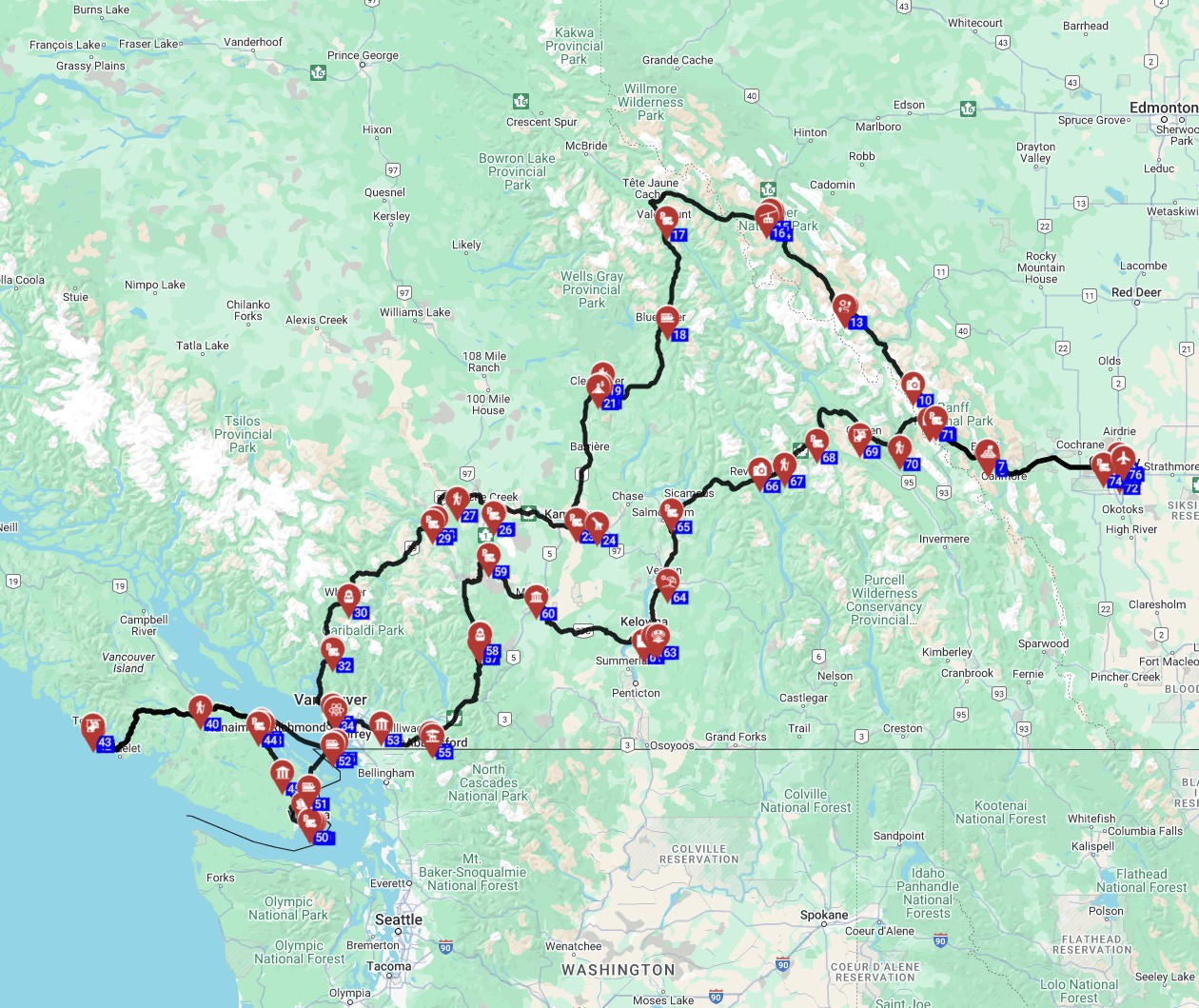
An extended 14-day RV adventure in West Canada allows for a comprehensive exploration of both British Columbia's coast and the majestic Canadian Rockies, covering approximately 2,000-2,500 km. This itinerary is perfect for families or couples seeking a deeper dive into the region's natural wonders.- **Days 1-2: Vancouver Exploration (RV pick up on Day 2).** Take time to discover Vancouver's urban charms like Stanley Park and Granville Island. Your RV pick-up will be on Day 2, followed by your first night at a Vancouver area RV park.
- **Day 3: Vancouver to Hope / Othello Tunnels (~150 km).** Experience the lush Fraser Valley and hike through the historic Othello Tunnels. Spend the night at Coquihalla Campground near Hope.
- **Day 4: Hope to Osoyoos (~180 km).** Drive into British Columbia's unique semi-arid desert region, sampling local wines. Nk'Mip Campground offers a distinct desert camping experience.
- **Day 5: Osoyoos to Kelowna (~120 km).** Enjoy Okanagan Lake's watersports and explore more wineries around Kelowna. A provincial park near Kelowna is a great option for overnight stay.
- **Day 6: Kelowna to Revelstoke (~180 km).** Witness the transition to glacial lakes and majestic mountains as you head towards Revelstoke. Stay at Mount Revelstoke National Park (if available) or a private campground.
- **Day 7: Revelstoke to Golden (~150 km).** Explore the stunning landscapes of Yoho National Park and marvel at Takakkaw Falls. Camp in the Golden area.
- **Day 8: Golden to Lake Louise / Banff (~150 km).** Visit the iconic turquoise waters of Lake Louise and Moraine Lake. Lake Louise Campground or a nearby option is perfect.
- **Day 9: Banff National Park.** Dedicate a full day to explore Banff town, ascend Sulphur Mountain for panoramic views, and relax at the hot springs. Tunnel Mountain Village II Campground is a popular choice.
- **Day 10: Banff to Saskatchewan River Crossing (Icefields Parkway, part 1) (~150 km).** Drive the breathtaking Icefields Parkway, stopping at Peyto Lake and Bow Lake. Waterfowl Lakes Campground offers incredible scenery.
- **Day 11: Saskatchewan River Crossing to Jasper (Icefields Parkway, part 2) (~120 km).** Continue your journey along the Icefields Parkway, experiencing the Columbia Icefield, Athabasca Falls, and Maligne Canyon. Whistlers Campground in Jasper is a large, well-equipped option.
- **Day 12: Jasper to Valemount (~120 km).** Explore the majestic Mount Robson Provincial Park, the highest peak in the Canadian Rockies. Find a campground in the Valemount area.
- **Day 13: Valemount to Kamloops (~180 km).** Drive through interior British Columbia's diverse scenery. Paul Lake Provincial Park offers a peaceful lakeside camping experience.
- **Day 14: Kamloops to Vancouver (~350 km).** This is a longer travel day, ensuring a swift journey back to your departure point for returning the RV.
Recommended RVPlan Trip for West Canada
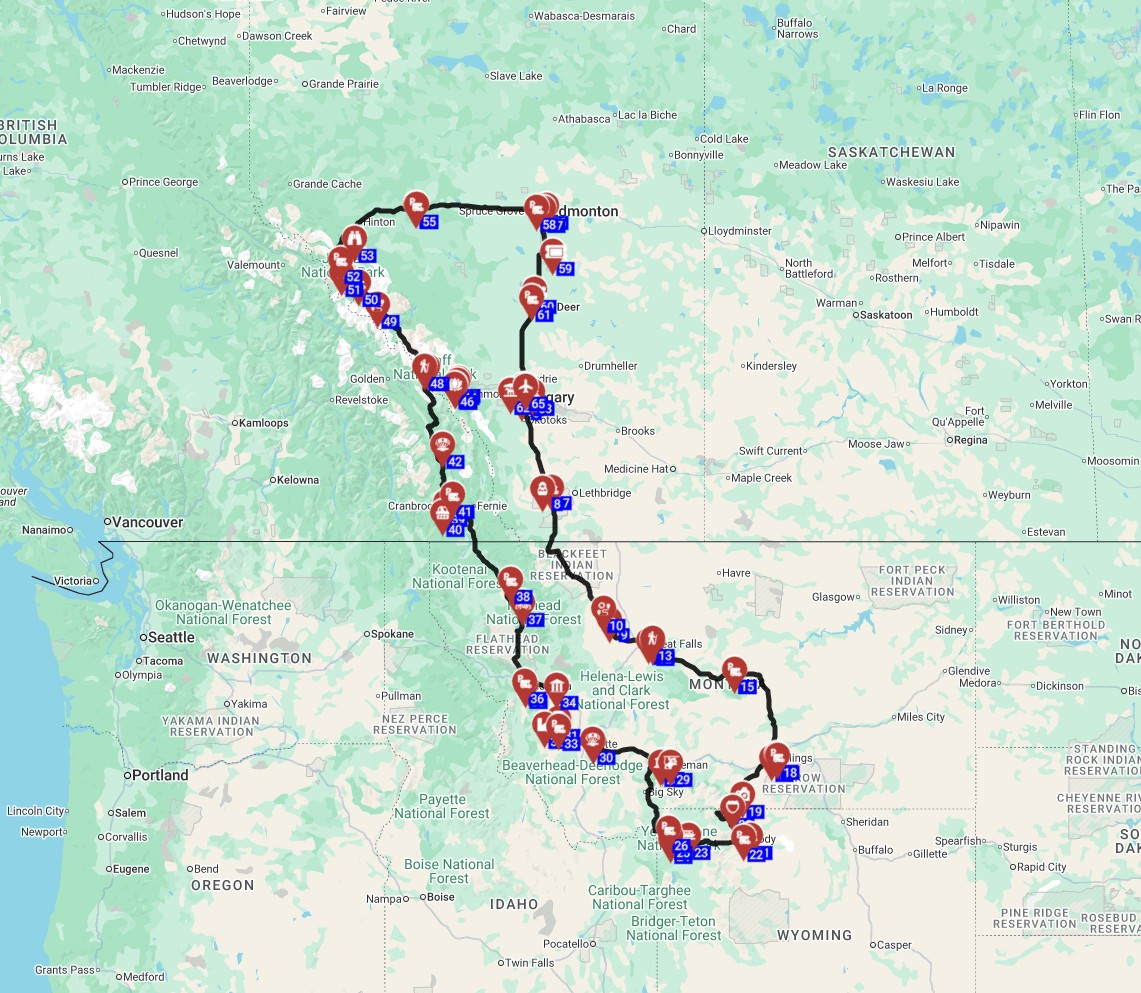
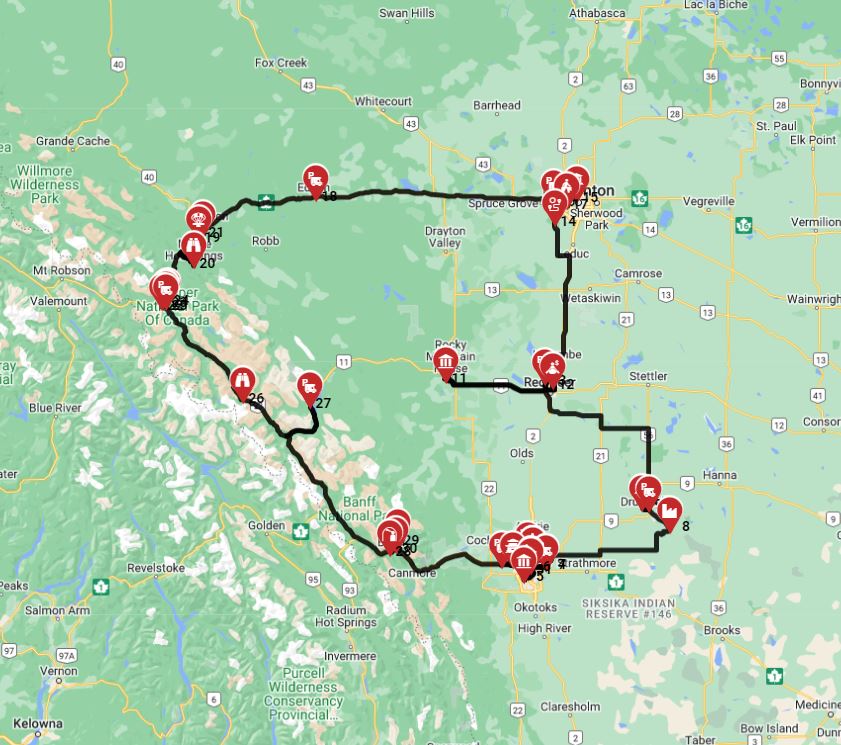
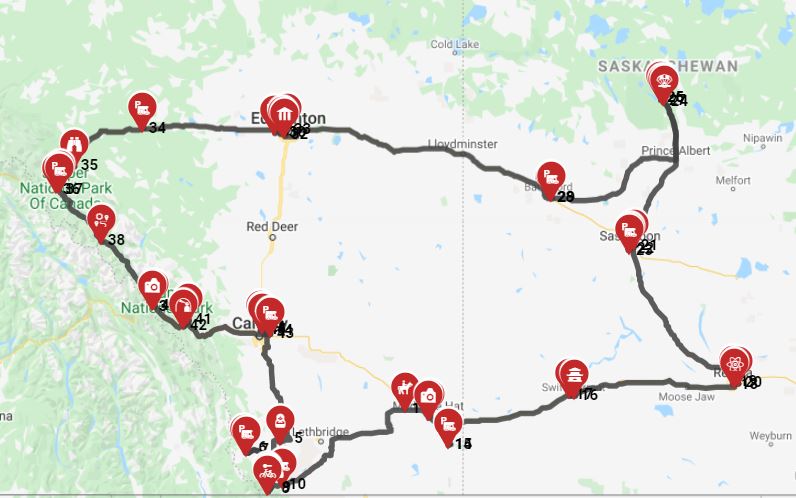
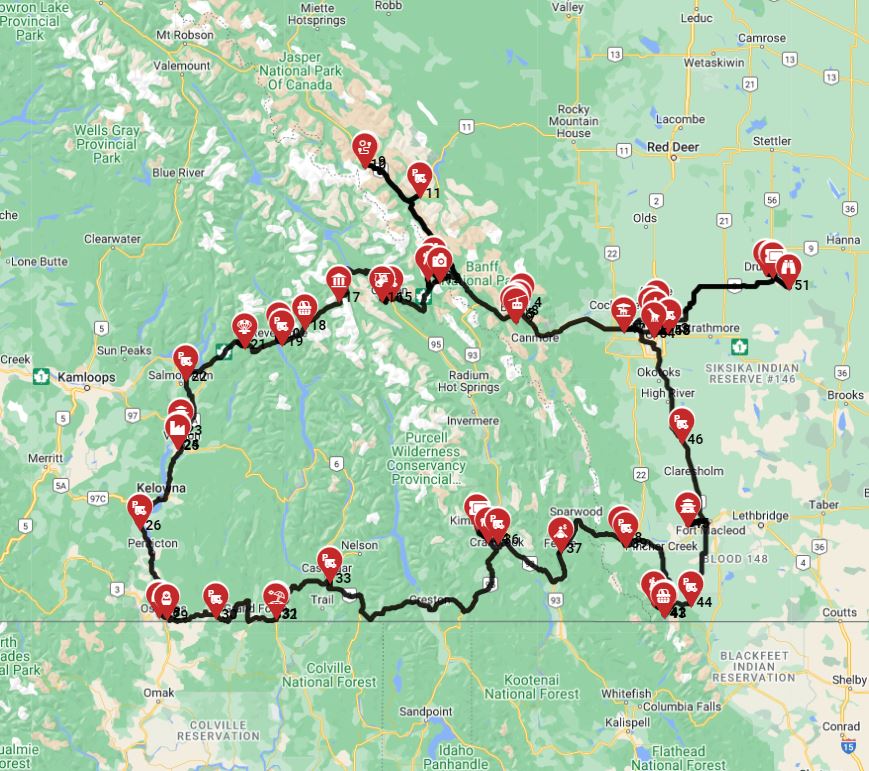
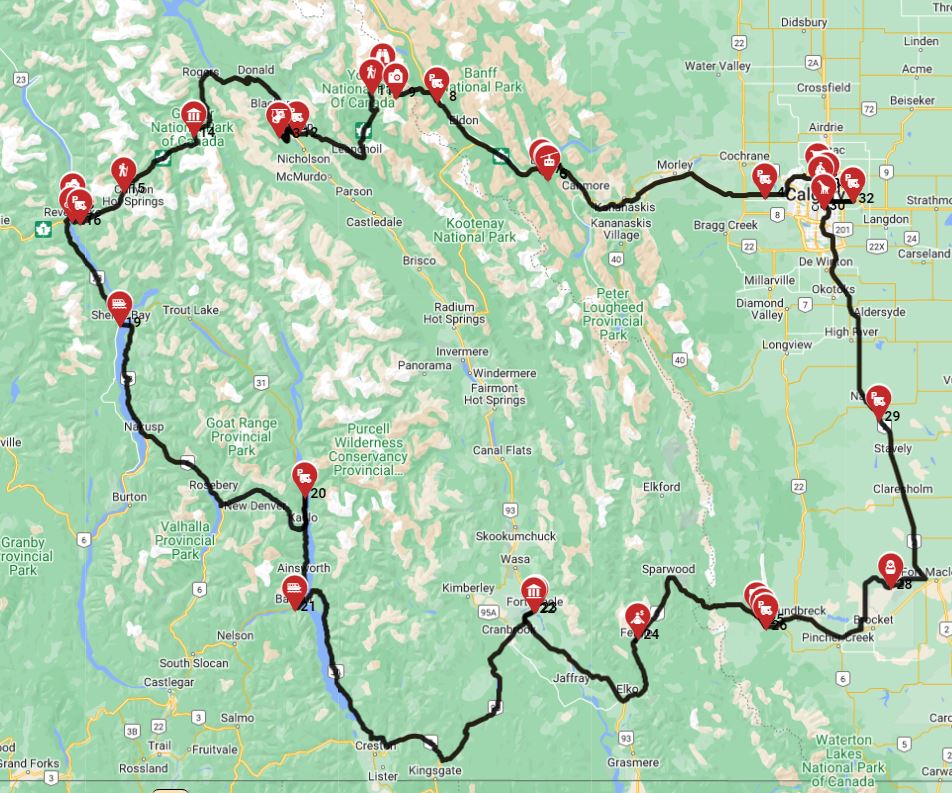
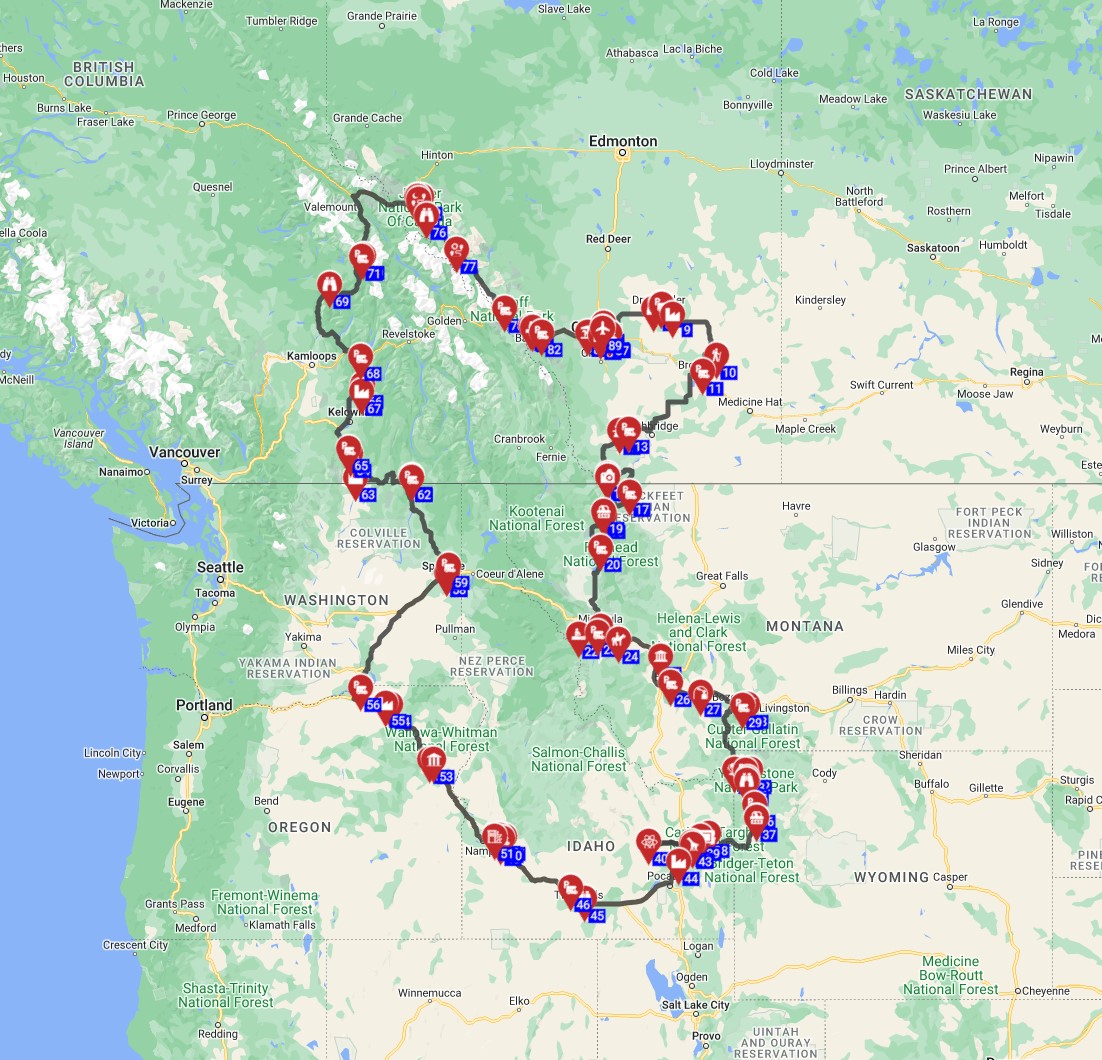
For those seeking a meticulously planned adventure through West Canada, the "
Vancouver Round Trip - West Canada Cycling Adventure
Must-See Stops Along the Way (Avi Bandana Picks)
Avi Bandana's personal picks for must-see stops in West Canada focus on authentic local experiences and natural wonders, encouraging travelers to delve deeper than typical tourist traps. Beyond the famous national parks, these suggestions connect you with the heart of West Canada's diverse culture and stunning landscapes.- A visit to a `Local Industry` can offer unique insights into regional craftsmanship or agriculture, connecting you with the local economy.
- Exploring a `Traditional Market` provides an excellent opportunity to sample local produce, artisan goods, and interact with community members.
- Indulging in a `Traditional Restaurant / Fine Dining` experience allows you to savor the region's culinary delights, often featuring fresh, locally sourced ingredients. For those who prefer preparing meals in their rented RV, remember that cooking on board is a fantastic way to enjoy local produce. Check out our RV-friendly recipes playlist for inspiration.
- Don't miss a `Traditional Visit` to a heritage site or a significant cultural landmark, offering a glimpse into the rich history and traditions of the area.
- Experience a `Scenic Route` like the Sea-to-Sky Highway for breathtaking views, or immerse yourself in history at a `Historical Site` such as Fort Langley National Historic Site.
- Additionally, consider less crowded provincial parks and charming small towns like Nelson, BC, or Revelstoke for unique local charm.
Daily Driving Distances & Drive Times in West Canada
Avi Bandana, drawing from over 25 years of hands-on experience, consistently recommends a maximum of 100 miles or 150 km per day on average when driving a rented motorhome to ensure a truly relaxed pace in West Canada. This guideline allows ample time to enjoy the journey, engage with local communities, and explore attractions along the way, preventing travel fatigue that can detract from the experience. Sticking to this pace encourages spontaneous stops at hidden gems, which often become the most memorable highlights of an RV adventure. For instance, the drive from Vancouver to Whistler (approximately 120 km) typically takes 1.5-2 hours, Banff to Lake Louise (around 60 km) is about 45 minutes to 1 hour, and Revelstoke to Golden (roughly 150 km) takes 2-2.5 hours, illustrating how manageable these distances are when adhering to the slow travel philosophy. Remember, the journey itself is often as rewarding as the destination, especially when you have the freedom of a campervan rental.Best RV Class for This Itinerary - Couple & Family Picks
Choosing the right RV class significantly enhances your West Canada adventure, with Bandana's fleet offering diverse options perfect for various group sizes and preferences. For couples seeking agility and ease of parking, a Class B Camper Van like the "Active Pop Top" is often ideal, averaging 5.99 meters in length with sleeping places for up to 4 people and seating for 4, and offering fuel consumption typically ranging from 8-11 Liters/100 km. This smaller size allows for easier navigation through cities, driving slowly and carefully as recommended, and finding parking without issue. For families or larger groups up to 6 people, a Class C Alcove motorhome provides ample space and comfort; a model such as the "24 Class C Motorhome" averages 7.46 meters in length, sleeps 5 with 6 seat belts, and typically consumes 20-25 Liters/100 km, ensuring everyone has room to relax. These larger models, like the "MHC24" (7.3m length, sleeps 6) or "MHA30" (9.15m length, sleeps 6), offer comprehensive amenities including a full kitchen, shower, and toilet, making extended trips comfortable. Whether you opt for a compact campervan or a spacious motorhome, a standard car driver's license is sufficient for all rental motorhome classes in Canada.What is a realistic budget for an RV trip in West Canada?
A realistic budget for an RV trip in West Canada varies significantly based on trip duration, RV class, travel style (budget vs. luxury), and season, typically ranging from CAD $150-$400 per day covering rental, fuel, campgrounds, and basic provisions. This estimate is for a small to medium-sized motorhome or campervan. Fuel costs can be substantial for an RV, with larger Class C models like the "MHC30" consuming approximately 23 Liters/100 km, potentially adding CAD $50-$100+ per day depending on mileage. Campground fees in national and provincial parks can range from CAD $25-$70 per night for a powered site. Budget travelers might opt for smaller campervans, cook most meals in their rented RV, and choose more affordable provincial park campgrounds, potentially keeping daily costs closer to the lower end of the spectrum. Luxury trips could involve larger Class A motorhomes, dining out frequently at an average of CAD $50-$100 per person per meal, and staying at premium RV resorts costing CAD $80-$150+ per night. Consider seasonal variations, as peak summer (July-August) prices for rentals and campgrounds are generally 15-30% higher than shoulder seasons (May-June, September-October). For transparent cost tracking and detailed budgeting on your journey, exploring RV PLANET routes allows travelers to itemize and track every expense along the way.How do you prepare for an RV trip in West Canada, including mountain driving and connectivity?
Preparing for an RV trip in West Canada involves mastering mountain driving techniques, ensuring reliable cell service and Wi-Fi connectivity strategies, having essential emergency preparedness kits, and understanding border crossing regulations if applicable. For mountain driving, always practice downshifting to use engine braking, maintain safe following distances (especially downhill), and be keenly aware of rapidly changing weather conditions, even in summer. Drive slowly and carefully, and you can drive almost anywhere without issues. No need to stress - just use common sense and pay attention. Portable Wi-Fi hotspots, local SIM cards for your mobile device, or pre-downloaded maps and entertainment are crucial for managing connectivity in remote areas where cell service can be spotty, particularly within national parks. An emergency kit should include a first-aid kit, extra water (at least 20 liters), non-perishable food (3 days' worth), blankets, a flashlight, and a spare tire and repair kit, with knowledge of local emergency numbers (911). If crossing the US-Canada border with your rented RV, ensure all occupants have proper identification (passport), vehicle registration is current, and be aware of prohibited items, which notably include certain firearms, cannabis, and specific raw food products.What are the benefits and challenges of off-season RV travel in West Canada?
Off-season RV travel in West Canada, typically during fall (September-October), winter (November-April), and spring (May-June), offers significant benefits such as fewer crowds, lower prices for rentals and campgrounds, and unique landscapes with snow-capped peaks or vibrant autumn colors. During the shoulder seasons, a motorhome rental could be 15-30% cheaper than in peak summer. Benefits also include more serene experiences in popular national parks like Banff and Jasper, increased wildlife sightings, and often more flexible booking options for campsites that might be fully reserved months in advance during peak times; remember many parks reserve only 25-30% of spots, leaving the rest for first-come-first-serve. However, challenges involve colder temperatures requiring an RV with proper heating and insulation (like a "Winter Ready" model), potential road closures due to snow or ice (especially on high mountain passes), and reduced hours or closures for some attractions and services. Essential gear for off-season travel includes appropriate all-weather tires, potentially chains for mountain passes, extra insulation for windows, and warm clothing, along with careful route planning to avoid adverse weather conditions and check road status updates.Beyond Banff and Jasper, what are unique places to visit by RV in West Canada?
Beyond the perennially popular Banff and Jasper National Parks, West Canada offers numerous unique RV destinations including lesser-known provincial parks like Wells Gray Provincial Park in British Columbia or Peter Lougheed Provincial Park in Alberta, charming small towns such as Revelstoke or Nelson, and unique local experiences like visiting Okanagan wineries or Indigenous cultural sites. Wells Gray Provincial Park, often called "Waterfall Park," is famed for its numerous waterfalls, including Helmcken Falls (over 141 meters high), offering stunning natural beauty away from the biggest crowds. Peter Lougheed Provincial Park provides a rugged Kananaskis Country experience with excellent hiking and wildlife viewing in the Canadian Rockies foothills. The Okanagan Valley offers a distinct experience with its semi-arid climate, over 200 vineyards, and abundant lake activities. Small towns like Nelson, British Columbia, are known for their vibrant arts scene, heritage architecture, and access to outdoor adventures, while Revelstoke provides a gateway to majestic mountains, hot springs, and a burgeoning mountain biking scene. For those interested in "Family RV Rental in West Canada - Pricing Guide 2024," these diverse locations offer something for every age.How can diverse travelers, including families and pet owners, best enjoy RVing in West Canada?
Diverse travelers can best enjoy RVing in West Canada by planning for specific needs such as researching pet-friendly campgrounds and regulations, identifying family-friendly activities, ensuring accessibility accommodations, and implementing solo travel safety measures. For pet owners, it's crucial to check provincial and national park regulations, as many limit pets to designated areas or require them to be leashed; always ensure your pet has up-to-date vaccinations and carry proof. Families with young children should seek RVs with adequate sleeping arrangements (like an Alcove Class C motorhome such as the "C-MEDIUM" which sleeps up to 6), plan shorter driving days averaging 100-150 km, and incorporate stops at playgrounds, interactive museums, or splash parks. Travelers requiring accessibility features should inquire about accessible RV models and research campgrounds with accessible facilities and trails, though options might be limited. Solo travelers should prioritize reliable communication devices, share their itinerary with a trusted contact, and choose well-trafficked routes and campgrounds for added safety, especially when exploring remote areas. Remember that a standard car license is sufficient for all motorhome rentals, making RV travel accessible to many.What essential gear and RV maintenance tips are needed for West Canada?
Essential gear for an RV trip in West Canada extends beyond basic packing to include specific items like bear spray (especially in national parks), multi-season layered clothing, appropriate vehicle tools, and a comprehensive emergency kit, alongside knowing basic RV maintenance tips for mountain driving and varying climates. A basic RV tool kit, including a tire pressure gauge, adjustable wrench set, duct tape, and a multi-tool, is invaluable for addressing minor roadside issues. For varied West Canadian weather, pack layers, waterproof outer shells, sturdy hiking boots, and warm base layers, as temperatures can fluctuate dramatically even in summer. Consider bringing a portable air compressor for tire maintenance and a water filter for refilling tanks from approved sources. Familiarize yourself with your rented RV's fluid levels, tire pressure requirements (often listed on a sticker near the driver's door), and brake system before hitting the mountainous roads, ensuring optimal performance and safety. Always check the propane levels for heating and cooking, as many motorhomes, like the "MH-A" (with a 63-liter propane tank), rely on it.How can I practice sustainable and responsible RV travel in West Canada?
Practicing sustainable and responsible RV travel in West Canada involves adhering strictly to 'Leave No Trace' principles, conserving water and energy, properly disposing of waste, respecting local wildlife, and supporting local businesses to minimize environmental impact on delicate ecosystems. Always pack out everything you pack in, including organic waste and food scraps, and utilize designated dump stations for grey and black water tanks (often available at campgrounds and some rest stops); never dispose of wastewater into natural environments. Conserve water by taking shorter showers, turning off the tap while washing dishes in your motorhome, and minimizing energy consumption by unplugging unused appliances or opting for solar-equipped RVs when available. Maintain safe distances from wildlife, never feed animals (which can lead to habituation and danger), and store food securely to prevent attracting bears and other animals. Support local economies by purchasing goods from small businesses and dining at local restaurants, contributing directly to the communities you visit. By following these guidelines, you help preserve the stunning natural beauty of West Canada for future generations of RV travelers.What You Shouldn't Miss
Looking for expert insights from Avi Bandana? Top 5 Adventures - recommendations from Avi Bandana:- **Explore the Icefields Parkway:** This 232 km (144-mile) stretch of highway connecting Banff and Jasper National Parks offers unparalleled views of glaciers, turquoise lakes, and mountain peaks. Don't rush; allow at least two full days to experience it thoroughly.
- **Hike in Yoho National Park:** Often overshadowed by its famous neighbors, Yoho boasts stunning attractions like Takakkaw Falls, Emerald Lake, and the Natural Bridge. Over 400 km of hiking trails await.
- **Discover the Okanagan Valley's Wineries:** In British Columbia's semi-arid desert, this region offers beautiful lakes, warm weather, and over 200 wineries. It's a fantastic spot to relax and enjoy local flavors.
- **Visit the Indigenous Cultural Sites in Squamish:** Experience the rich history and traditions of the Squamish Nation. The Squamish Lil'wat Cultural Centre in Whistler offers insightful exhibits and tours.
- **Stargaze in Jasper National Park:** As the world's second-largest Dark Sky Preserve, Jasper provides incredible opportunities for celestial viewing, especially from remote campgrounds.
Final Thoughts
Embarking on an RV adventure in West Canada is more than just a trip; it's an opportunity to create lasting memories, discover breathtaking landscapes, and embrace the freedom of the open road. While a literal 2-3 day "weekend rv rental in West Canada" might only scratch the surface, our longer itineraries, spanning 7 to 19 days, are designed to help you truly experience the unparalleled beauty and diverse culture of this incredible region. Remember, driving slowly and carefully allows you to soak in every moment, connecting deeply with the nature and communities around you. At Bandana Caravan, we are true RV specialists, dedicated to making your planning and booking process as simple and transparent as possible. We’re here to handle the details, so you can focus on living the journey. Whether you're a seasoned RVer or a first-timer, West Canada by rented motorhome or campervan promises an adventure unlike any other. Don't wait to start dreaming and planning your ultimate West Canada escape. The mountains, lakes, and vibrant cities are calling!On the routes offered through RV PLANET routes, you can itemize and track every expense along the way for easy budgeting.