In This Guide
- Best Tokyo RV Itinerary for weekend rv rental - Overview
- 2-3 Day Weekend Route: Tokyo and Nearby Nature
- Planning Longer Trips: 7-Day & 14-Day Extended Journeys from Tokyo
- Recommended RVPLAN Trip for Tokyo
- Must-See Stops Along the Way (Avi Bandana Picks)
- Daily Driving Distances & Drive Times in Tokyo
- Best RV Class for This Itinerary - Couple & Family Picks
- What is the best time to rent an RV in Japan?
- How much does it cost to rent an RV in Japan?
- What are the rules for driving an RV in Japan?
- Where can I park an RV overnight in Japan?
- What is Michi-no-Eki in Japan?
- Can you sleep in an RV in Japan?
- What do I need to rent an RV in Japan?
- Is it worth RVing in Japan?
Embarking on a weekend RV rental in Tokyo offers a unique blend of urban excitement and serene natural escapes, allowing you to discover Japan's captivating contrasts at your own pace. While Tokyo itself is a bustling metropolis best explored by its efficient public transport, a rented motorhome provides the freedom to venture into the stunning surrounding regions, such as the iconic Fuji-Hakone-Izu area or the tranquil Kanto countryside. For live availability and current prices, start with our RV Rental Tokyo - Complete Guide 2026 guide. Choosing a campervan rental from Tokyo allows adventurers to design flexible itineraries, whether it’s a quick two-day getaway or an extended week-long exploration.
Best Tokyo RV Itinerary for weekend rv rental - Overview
A weekend RV rental in Tokyo provides a fantastic opportunity for a short, impactful escape, although a minimum duration of 7 days is generally recommended to fully immerse yourself in the region. For a focused 2-3 day trip, the aim is to get a taste of both urban and natural Japan. The best seasons for a Tokyo RV itinerary are Spring (March-May) for its breathtaking cherry blossoms and Autumn (September-November) for vibrant foliage and comfortably mild weather, enhancing the scenic beauty of your route. A typical trip distance for even a shorter weekend RV rental from Tokyo would involve approximately 110-170 km, focusing on a single key destination.
2-3 Day Weekend Route: Tokyo and Nearby Nature
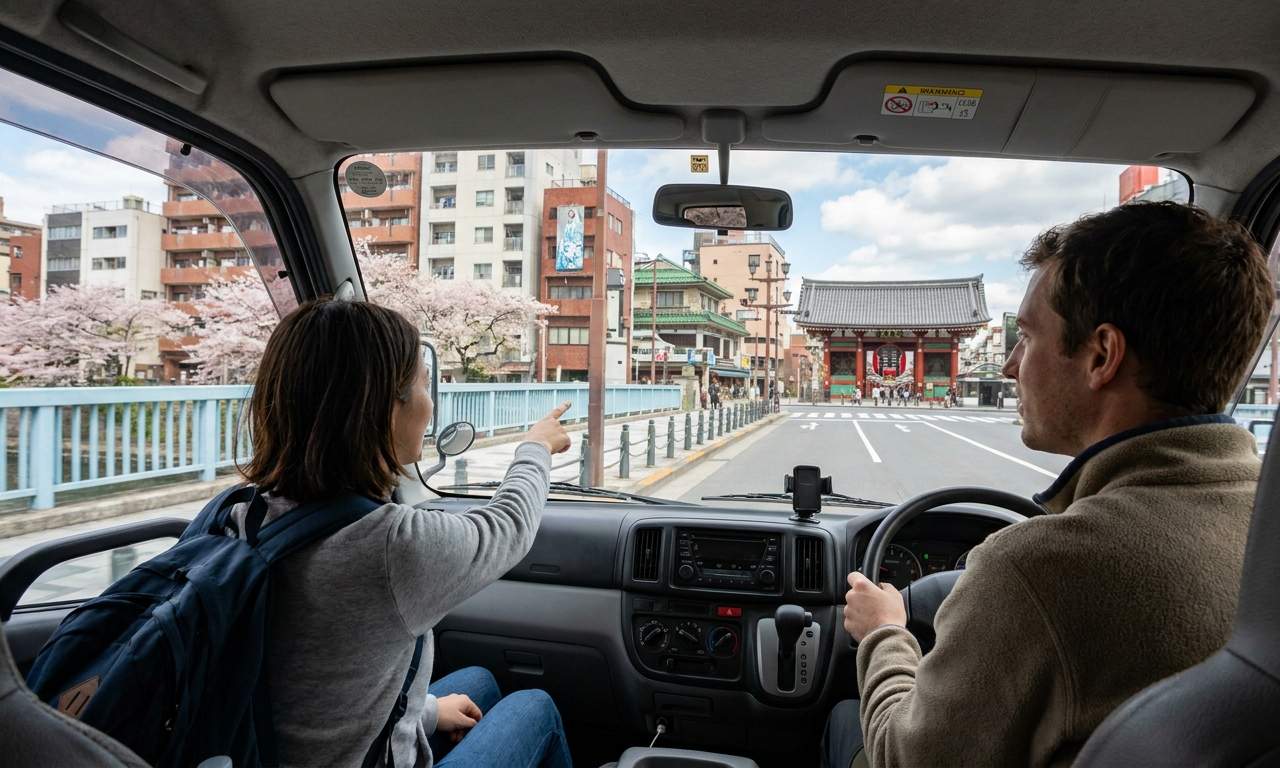
For a concentrated weekend RV trip from Tokyo, a compelling route involves picking up your motorhome near the city and heading directly to the majestic Lake Kawaguchiko area, offering breathtaking views of Mount Fuji. Drive slowly and carefully, and you can drive almost anywhere without issues. No need to stress - just use common sense and pay attention. This compact itinerary maximizes scenic beauty and minimizes driving time, fitting within a comfortable 2-3 day window.
- Day 1: Tokyo (RV pickup) → Lake Kawaguchiko. The drive covers approximately 110 km and typically takes 2-3 hours. Highlights include capturing iconic Mount Fuji views from various vantage points and visiting the picturesque Chureito Pagoda. For cooking on board, our RV-friendly recipes playlist offers great ideas. Overnight stay can be at Fujisan YMCA Global Eco Village or a local Michi-no-Eki near Kawaguchiko for convenient parking.
- Day 2: Lake Kawaguchiko → Hakone or return to Tokyo area. For a continued scenic route, a short drive of about 60 km brings you to Hakone, known for its Lake Ashi cruise and Hakone Open-Air Museum, before heading back. Alternatively, drive back towards the Tokyo area for drop-off. If returning to Tokyo, consider an RV park like Odaiba Seaside Park for one last night, or directly head to your drop-off location.
- Day 3 (Optional, before departure): Explore Tokyo or final nature spot. If your flight is later in the day, or you’ve opted for a 3-day rental, drop off your motorhome at the designated location near Tokyo, such as Narita Airport or Shinagawa, and explore central Tokyo districts like Shibuya or Shinjuku using the public transportation system. Alternatively, enjoy a final morning hike near your last campground before returning.
This streamlined approach for a weekend RV rental in Tokyo ensures a memorable trip without feeling rushed.
Planning Longer Trips: 7-Day & 14-Day Extended Journeys from Tokyo
While a weekend RV rental in Tokyo provides a fantastic taste of Japan, many travelers choose to extend their adventure. For those considering a more comprehensive journey, here are expanded itineraries that can follow or build upon a weekend experience in Tokyo, offering deeper exploration of the Fuji-Hakone-Izu and Kanto regions. Our RV Rental Japan - Complete Guide 2026 provides even more extensive options.
7-Day Classic Route in the Tokyo Vicinity:
- Day 1: Tokyo (Arrival & RV pickup) → Lake Kawaguchiko. Distance: ~110 km. Highlights: iconic Mt. Fuji views, Chureito Pagoda. Sleep: Fujisan YMCA Global Eco Village or a Michi-no-Eki near Kawaguchiko.
- Day 2: Lake Kawaguchiko → Hakone. Distance: ~60 km. Highlights: Hakone Open-Air Museum, Lake Ashi cruise, Hakone Shrine. Sleep: Hakone Camp & Grill or Michi-no-Eki Hakone-toge.
- Day 3: Hakone → Izu Peninsula (Atami/Itō). Distance: ~50 km. Highlights: Atami Castle, Jogasaki Coast. Sleep: Izu Kogen Camping Park or a Michi-no-Eki in Izu.
- Day 4: Izu Peninsula → Shizuoka City. Distance: ~100 km. Highlights: Nihondaira Plateau, Kunozan Toshogu Shrine, tea plantations. Sleep: S-Park Shizuoka Campground or Michi-no-Eki Shimizu.
- Day 5: Shizuoka City → Yokohama. Distance: ~140 km. Highlights: Yokohama Chinatown, Minato Mirai waterfront, CupNoodles Museum. Sleep: Local RV park or large designated parking in Yokohama.
- Day 6: Yokohama → Tokyo (RV drop-off). Distance: ~40 km. Highlights: Explore Tokyo's districts (Shibuya, Shinjuku) by public transport after dropping off the RV. Sleep: Hotel in Tokyo.
- Day 7: Tokyo (Departure). Highlights: Last-minute shopping or cultural visits before departure.
14-Day Extended Journey in Tokyo and Beyond:
This journey takes you further into Central Honshu Coast and the Kanto Region, showcasing the incredible diversity of Japan accessible with a rented motorhome. This longer trip gives you more time for spontaneous stops and cultural immersion, as suggested in our RV Travel Guide to Tokyo - Tips and Top Spots 2026.
- Region 1: Fuji-Hakone-Izu Exploration (Days 1-5)
- Day 1: Tokyo (Arrival & RV pickup) → Gotemba. Distance: ~90 km. Highlights: Gotemba Premium Outlets, views of Mt. Fuji. Sleep: Michi-no-Eki Gotemba.
- Day 2: Gotemba → Lake Yamanakako. Distance: ~30 km. Highlights: Panoramic views of Mt. Fuji, swan boats. Sleep: Yamanakako Camping Cottage.
- Day 3: Lake Yamanakako → Hakone. Distance: ~60 km. Highlights: Hakone Ropeway, Owakudani volcanic valley. Sleep: Hakone Camp & Grill.
- Day 4: Hakone → Izu Kogen. Distance: ~70 km. Highlights: Jogasaki Coast Suspension Bridge, Izu Shaboten Zoo. Sleep: Izu Kogen Camping Park.
- Day 5: Izu Kogen → Shimoda. Distance: ~60 km. Highlights: Perry Road, beautiful beaches. Sleep: Shimoda Auto Camping Ground.
- Region 2: Central Honshu Coast & Culture (Days 6-9)
- Day 6: Shimoda → Shizuoka City. Distance: ~120 km. Highlights: Green tea fields, Shizuoka Sengen Shrine. Sleep: Michi-no-Eki Shimizu.
- Day 7: Shizuoka City → Hamamatsu. Distance: ~90 km. Highlights: Hamamatsu Flower Park, Hamamatsu Castle. Sleep: Hamanako Garden Park (check for RV parking).
- Day 8: Hamamatsu → Nagoya. Distance: ~100 km. Highlights: Nagoya Castle, Atsuta Jingu Shrine, Osu Kannon shopping. Sleep: Designated parking near Nagoya.
- Day 9: Nagoya → Gifu (Shirakawa-go is possible but a longer drive). For closer option: Gifu City. Distance: ~40 km. Highlights: Gifu Castle, Ukai (cormorant fishing) in summer. Sleep: Michi-no-Eki Kakamigahara.
- Region 3: Kanto Region & Return (Days 10-14)
- Day 10: Gifu → Karuizawa. Distance: ~200 km (longer drive). Highlights: Upscale mountain resort, shopping, beautiful nature. Sleep: Karuizawa Camping Garden.
- Day 11: Karuizawa → Nikko. Distance: ~130 km. Highlights: Toshogu Shrine, Futarasan Jinja, Tamozawa Imperial Villa. Sleep: Nikko Camping Place.
- Day 12: Nikko → Chiba (Narita area). Distance: ~120 km. Highlights: Naritasan Shinshoji Temple, nearby airport for convenience. Sleep: Michi-no-Eki Tako Ajisaikan.
- Day 13: Chiba → Tokyo (RV drop-off). Distance: ~60 km. Highlights: Re-explore Tokyo, souvenir shopping. Sleep: Hotel in Tokyo.
- Day 14: Tokyo (Departure). Highlights: Enjoy a final Japanese breakfast before heading to the airport.
These detailed route plans are excellent for expanding your Tokyo adventure beyond just a weekend, offering a rich cultural and scenic journey.
Recommended RVPLAN Trip for Tokyo
RVPLAN.net simplifies trip organization by offering professionally crafted routes, making your RV rental in Tokyo adventure smooth and enjoyable. While a specific pre-matched RVPLAN trip for a short weekend might not be explicitly listed, Bandana’s platform, through our sister company RV PLANET (rvplan.net), allows users to explore a variety of expertly curated itineraries across Japan. These comprehensive plans simplify trip organization, providing detailed routes, recommended stops, and insights to enhance your motorhome adventure, whether you're planning a short trip or a longer one.
For finding campsites and campgrounds during your trip, we recommend using RV PLANET (rvplan.net) - a great resource for locating available spots along your route. Users are encouraged to visit rvplan.net to browse available RV trips and customize their perfect Japanese journey, and on RV PLANET routes, travelers can itemize and track every expense along the way for easy budgeting. On the routes offered through RV PLANET routes, you can itemize and track every expense along the way for easy budgeting.
Must-See Stops Along the Way (Avi Bandana Picks)
When planning your RV journey around Tokyo, Avi Bandana, our founder and CEO with over 23 years of experience, recommends seeking out stops that offer a genuine taste of local Japanese culture. Beyond the well-trodden paths, the true magic of Japan often lies in its unique, authentic experiences.
- Traditional Visits: Seek out historic temples, shrines, and castles such as Naritasan Shinshoji Temple near Narita Airport, or the serene Hakone Shrine by Lake Ashi. These sites offer deep cultural immersion and often feature stunning architecture and tranquil gardens.
- Local Flavors: Indulge in local delicacies at traditional restaurants or bustling markets. Sampling regional specialties like fresh seafood in the Izu Peninsula or world-renowned green tea in Shizuoka is a must. Remember, preparing meals in your rented motorhome is also a delightful option.
- Artisanal Markets: Explore traditional market areas to discover unique crafts, fresh produce, and delicious street food. These vibrant spots provide a sensory experience that connects you with the local community and economy.
- Scenic Overlooks: Don't miss natural viewpoints like the Nihondaira Plateau in Shizuoka, offering panoramic views of Mount Fuji and tea plantations. These spots are perfect for capturing memorable photographs and enjoying Japan's natural beauty.
- Onsen Towns: Integrate a visit to an onsen (hot spring) town, such as Hakone or Atami. Many campgrounds offer on-site hot springs or are located near public bathhouses, providing a relaxing end to a day of exploration.
Daily Driving Distances & Drive Times in Tokyo
Avi Bandana, a true RV specialist, consistently recommends a maximum of 100 miles or 150 km per day on average when RVing in Japan to ensure a relaxed pace and ample time for exploration. This approach allows travelers to fully immerse themselves in the local culture and landscapes without feeling rushed, preventing burnout and encouraging deeper connection with each stop.
For example, a drive from Tokyo to Hakone, approximately 80 km, typically takes 1.5 to 2 hours depending on traffic conditions and road types. A journey from Hakone to Lake Kawaguchiko, around 60 km, usually takes about 1.5 hours, providing stunning scenic views. From Lake Kawaguchiko to Shizuoka City, a distance of approximately 120 km, can take 2.5 to 3 hours, accounting for picturesque routes and potential stops. Even for urban driving, such as navigating Tokyo's peripheral areas for pickup/drop-off, it's best to drive slowly and carefully, and you can drive almost anywhere without issues.
Best RV Class for This Itinerary - Couple & Family Picks
Choosing the right motorhome size is crucial for enjoying your weekend RV rental in Tokyo, especially given Japan's unique road infrastructure. For couples exploring Japan by RV, a compact Class B campervan or a smaller Class C - Alcove is highly recommended for its ease of maneuverability on Japan's narrower roads and city streets, while still offering comfortable amenities for two. These models, like a "rental denver example Category Van", often feature a toilet and shower, ideal for self-contained travel.
Families, on the other hand, will find a Class C - Alcove motorhome equally ideal due to its impressive average sleeping capacity of 6 people, making it perfect for accommodating multiple family members comfortably. Models like the "24' Class C Motorhome" typically average around 7.46 meters in length, with a fresh water tank capacity of 166 liters and a fuel tank of 208 liters, ensuring ample resources for a weekend trip. These provide ample living space and sleeping arrangements without being overly large for Japanese infrastructure. Bandana's "Rent&Plan" service further enhances your trip by offering an RV rental bundled with a ready-made itinerary, designed by travel professionals with full access to trip-planning software, significantly reducing planning headaches.
What is the best time to rent an RV in Japan?
Spring (March-May) and Autumn (September-November) are generally the best times to rent an RV in Japan due to pleasant weather, vibrant natural scenery, and numerous cultural festivals. Spring offers cherry blossoms and mild temperatures, ideal for outdoor activities and comfortable driving, while autumn brings stunning fall foliage and crisp, clear weather, perfect for exploring both urban and natural landscapes. It is advisable to avoid major national holidays like Golden Week (late April-early May) and Obon (mid-August) if possible, as these periods see high domestic travel, leading to increased RV rental prices, crowded roads, and booked campgrounds.
How much does it cost to rent an RV in Japan?
RV rental costs in Japan typically range from ¥15,000 to ¥30,000 per day (approximately $100-$200 USD), with the total cost of an RV trip significantly influenced by additional expenses such as fuel, tolls, campgrounds, food, and activities. Rental fees vary by RV size, season (peak seasons like spring and autumn are more expensive), and rental duration, with weekend RV rental in Tokyo often at the higher end per day due to shorter rental periods. Fuel costs are comparable to Western countries, but Japanese toll roads (expressways) are notably expensive, with a typical 100km stretch potentially costing ¥2,000-¥3,000 ($13-$20 USD), so budgeting accordingly is crucial. Campground fees usually range from ¥3,000 to ¥6,000 per night, offering amenities like electricity, water, and showers. For comparison and deals, checking "RV Rental in Tokyo - Prices and Best Deals 2026" or "Cheap RV Rental in Tokyo - Budget Guide 2026" can provide excellent options.
What are the rules for driving an RV in Japan?
Driving an RV in Japan requires an International Driving Permit (IDP) obtained in your home country prior to travel, adherence to left-hand traffic, and awareness of Japan's specific traffic laws regarding narrow roads, city parking, and GPS navigation. Foreign drivers must carry their IDP along with their original valid driver's license at all times while driving, as this is a legal requirement. Roads can be very narrow, especially in rural areas and older city districts such as Shinjuku's Golden Gai alleys or Shibuya's backstreets, requiring careful navigation with larger vehicles; however, main roads and expressways are generally wide and well-maintained. Speed limits are typically 80-100 km/h on expressways and 40-60 km/h in urban areas, with strict enforcement. It is crucial to be mindful of traffic etiquette, which includes giving way to pedestrians, avoiding aggressive driving, and understanding Japanese road signs, many of which are bilingual but benefit from prior familiarity.
Where can I park an RV overnight in Japan?
Overnight RV parking in Japan is primarily permitted at designated campgrounds, Michi-no-Eki (roadside stations), and some larger parking lots that explicitly allow it, as 'wild camping' (boondocking) is generally discouraged and often prohibited. Official campgrounds around Tokyo, such as Fujisan YMCA Global Eco Village near Lake Kawaguchiko or specific RV parks in Chiba, offer a range of amenities including electricity, fresh water, and designated waste dump stations (though black water dumps are rarer than in other countries), providing a comfortable and secure overnight stay. Michi-no-Eki are government-designated roadside stations that often welcome RVs for free overnight stays, providing 24-hour restrooms and local shops, but generally do not offer hookups, and setting up outdoor camp facilities is usually not permitted. It is essential to respect local customs and regulations; avoid parking in residential areas or private lots without permission, and never set up outdoor camp facilities like awnings or tables at Michi-no-Eki to ensure a positive experience for all.
What is Michi-no-Eki in Japan?
Michi-no-Eki are government-designated roadside stations across Japan that serve as essential rest stops for travelers, offering public restrooms, local produce and souvenirs, restaurants, and often free overnight parking for RVs. These stations are strategically located to promote local tourism and commerce, providing a convenient and often charming glimpse into regional culture and economy, such as the Michi-no-Eki Gotemba with its Mount Fuji views and local specialty shops. While they provide basic amenities like 24/7 restrooms and often vending machines, they typically do not have electrical hookups, fresh water, or dump stations specifically designed for RVs, particularly for black water. Overnight stays at Michi-no-Eki are generally tolerated as a resting place for weary travelers, not for extended camping; setting up outdoor equipment is usually not permitted, emphasizing respect for the local community and other users to maintain good relations for RVers.
Can you sleep in an RV in Japan?
Yes, you can comfortably sleep in an RV in Japan, primarily at designated campgrounds or Michi-no-Eki, which provide safe and often amenity-rich environments for overnight stays, allowing for a unique and flexible travel experience. Official campgrounds, like the ones scattered around the Fuji Five Lakes region, are equipped with facilities such as power hookups, fresh water, and waste disposal, ensuring a full-service experience for RVers. Michi-no-Eki offer a convenient and free option for a single night's rest, ideal for breaking up long drives, though they provide fewer amenities. It is crucial to observe local etiquette: keep noise to a minimum, do not set up chairs or awnings outside the RV at Michi-no-Eki, and always leave the spot as clean as you found it to maintain the positive image of RV travelers.
What do I need to rent an RV in Japan?
To rent an RV in Japan, you typically need a valid International Driving Permit (IDP) alongside your original driver's license, a major credit card for payment and security deposit, and usually must be at least 21 years old. The IDP must be obtained in your home country before traveling to Japan, as local rental agencies cannot issue them, and it acts as an official translation of your license. Ensure your original driver's license is also valid and readily available for verification, as both documents are required. A major credit card (Visa, Mastercard, American Express) is indispensable for both the rental payment and often a security deposit, with full transparency on prices and no hidden fees at Bandana RV. Some rental companies may have additional requirements, such as specific insurance coverage or a slightly higher minimum age for larger Class A motorhomes, so it's always advisable to check with the rental agency beforehand, or consult our "One-Way RV Rental in Tokyo - Price Guide 2026" for specifics.
Is it worth RVing in Japan?
RVing in Japan offers unparalleled freedom and flexibility to explore diverse landscapes, from bustling cities like Tokyo to serene natural parks, providing a unique cultural immersion and adventure not easily achieved with traditional travel methods. It allows travelers to access remote and scenic areas that are difficult to reach by public transport, such as hidden onsen towns in the Izu Peninsula or lesser-known viewpoints of Mount Fuji. An RV provides the comfort and convenience of having your accommodation, kitchen, and personal space always available, making it ideal for families or those seeking a more independent journey. The experience offers a deeper connection to Japanese culture, allowing you to discover local markets, enjoy unique roadside stations (Michi-no-Eki), and appreciate the country's natural beauty at your own pace, making it a truly memorable way to travel and proving the value of a "Luxury RV Rental in Tokyo - Premium Prices 2026" for an enhanced experience.
What You Shouldn't Miss
- Kawaguchiko Lake for Fuji Views: Renting a campervan in Tokyo and driving the 110 km to Lake Kawaguchiko offers the most iconic, uninterrupted views of Mount Fuji, especially during sunrise or sunset. This area is easily accessible for even a quick weekend RV rental.
- Hakone Open-Air Museum: A 60 km drive from Kawaguchiko, this museum blends art with nature, offering a unique cultural experience amidst stunning landscapes near the active volcanic valley of Owakudani.
- Michi-no-Eki for Local Delights: Make sure to stop at various Michi-no-Eki along your route. Beyond basic amenities, many offer fresh local produce, unique souvenirs, and regional snacks, like green tea products in Shizuoka or seafood in Izu, transforming a simple rest stop into a culinary adventure.
- Onsen Experience: Integrate a visit to a traditional Japanese hot spring. Many campgrounds in the Fuji-Hakone-Izu region offer on-site onsen facilities, providing an authentic and relaxing end to your day.
- Yokohama's Vibrant Waterfront: For those extending their weekend trip, a 40 km drive from central Tokyo brings you to Yokohama, offering a different urban vibe with its historic Chinatown and modern Minato Mirai waterfront district.
Looking for expert insights from Avi Bandana? Top 5 Adventures - recommendations from Avi Bandana
🎬 Video coming soon
Final Thoughts
A weekend RV rental in Tokyo offers an exciting and flexible way to experience the vibrant pulse of Japan's capital and its serene natural surroundings. While a short 2-3 day trip focuses on key highlights like Mount Fuji, it can serve as a perfect introduction to the joys of motorhome travel in this unique country. Remember to travel slowly, allowing yourself to soak in the culture, savor the food, and admire the breathtaking scenery.
At Bandana Caravan, we are true RV Specialists who genuinely love helping people discover this incredible way to travel. We handle the details, so you can simply live the journey. From transparent pricing to expert guidance, we're with you before, during, and after your booking, ensuring your Tokyo RV adventure is nothing short of inspirational.
Ready to hit the road? Your unforgettable weekend RV adventure in Tokyo awaits!
Find Motorhome Rentals in Tokyo