In This Guide
- Best Spain RV Itinerary for weekend RV rental - Overview
- 7-Day Classic Route in Spain
- 14-Day Extended Journey in Spain
- Recommended RVPlan Trip for Spain
- Must-See Stops Along the Way (Avi Bandana Picks)
- Daily Driving Distances & Drive Times in Spain
- Best RV Class for This Itinerary - Couple & Family Picks
- What are the requirements to rent an RV in Spain
- How much does it cost to rent an RV in Spain for a weekend
- What is the best time of year to RV in Spain
- What are the rules for wild camping in Spain
- What are the best RV routes in Spain for beginners
- Do I need an international driving permit to drive an RV in Spain
- Can you drive an RV in Spain
- Are RV parks in Spain good
- Tips for RVing in Spain
Best Spain RV Itinerary for weekend RV rental - Overview
A true immersion into Spain's diverse landscapes and rich culture is best experienced over an extended trip, ideally a week or more, though shorter weekend RV trips are certainly possible for a delightful taste of regional highlights. While Bandana RV generally focuses on week-long or longer adventures, we understand the appeal of a quick escape. This article provides comprehensive itineraries, ranging from a quick 2-3 day getaway concept to detailed 7-day and 14-day adventures, often covering approximately 800-1500 km across diverse terrains. For live availability and current prices, start with our RV Rental Spain - Complete Guide 2026 guide, where you can compare options from top suppliers like El Monte, Cruise America, Apollo, and Britz. The ideal season for RV travel in Spain is spring (April-May) or autumn (September-October) to enjoy pleasant weather, comfortable driving conditions, and avoid the intense heat and larger crowds of peak summer. Prepare for scenic drives through historic cities, breathtaking coastal routes, and majestic mountainous regions, with recommendations for enjoyable overnight stays at official campsites or designated RV areas.7-Day Classic Route in Spain
This 7-day itinerary offers a vibrant exploration of Andalusia, providing an excellent blend of rich culture, profound history, and stunning landscapes, perfect for those seeking a more extensive RV adventure in Spain. * **Day 1: Málaga → Ronda** (Approx. 105 km / 65 miles) - Begin your journey in Málaga, then drive to Ronda to explore its dramatic Puente Nuevo bridge and historic bullring. Overnight at Camping El Sur, offering convenient access to the town center. * **Day 2: Ronda → Seville** (Approx. 135 km / 84 miles) - Head west to Seville, where you can discover the majestic Alcázar of Seville and the iconic Seville Cathedral. Park your rented motorhome at Área de Autocaravanas Sevilla for the night. * **Day 3: Seville → Córdoba** (Approx. 145 km / 90 miles) - Journey to Córdoba to visit the unparalleled Mezquita-Cathedral and stroll through the enchanting Jewish Quarter. Overnight at Parking de Córdoba para Autocaravanas. * **Day 4: Córdoba → Granada** (Approx. 200 km / 124 miles) - Drive towards the Sierra Nevada mountains to Granada, where you can marvel at the Alhambra palace and explore the historic Albayzín district. Camping Granada provides a great spot to rest. * **Day 5: Granada → Nerja** (Approx. 100 km / 62 miles) - Transition to the coast, enjoying the Balcón de Europa and the prehistoric Nerja Caves. Find a spot at Camping Nerja for a relaxing evening. * **Day 6: Nerja → Frigiliana / Mijas Pueblo** (Approx. 60 km / 37 miles) - Explore the charm of Andalusia's famous white villages. A local campsite near Mijas Pueblo offers an authentic experience. * **Day 7: Frigiliana / Mijas Pueblo → Málaga** (Approx. 40 km / 25 miles) - Conclude your journey back in Málaga, allowing time for final souvenirs before departure. This route ensures a fulfilling week of discovery.14-Day Extended Journey in Spain
For a more comprehensive exploration, this 14-day route combines the sun-drenched highlights of Andalusia with the historical richness of Central Spain, offering a deeply immersive experience. * **Days 1-4: Southern Andalusia** (Málaga, Ronda, Seville) - Follow the initial steps of the 7-day itinerary, but allocate more time for deeper exploration in each city, including opportunities to wander through local markets and experience a spirited flamenco show. * **Days 5-7: Northern Andalusia / Extremadura** (e.g., Seville → Mérida → Cáceres, approx. 150 km/day) - Discover magnificent Roman ruins in Mérida, which boasts Europe's most extensive Roman archaeological site, and explore the UNESCO-listed old town of Cáceres, engaging with local traditions. You might want to consider our "Pet-Friendly RV Rental in Spain - Pricing 2026" guide if you're traveling with furry companions through these regions. * **Days 8-10: Central Spain** (Cáceres → Toledo → Madrid, approx. 120-180 km/day) - Drive to Toledo, known as the 'City of Three Cultures' for its historic coexistence of Christian, Muslim, and Jewish communities, then immerse yourself in Madrid's world-class museums and vibrant plazas. When considering the budget for this extended trip, our "RV Rental in Spain - Prices and Best Deals 2026" itinerary provides helpful insights. * **Days 11-12: Historic Castles and Cities** (Madrid → Ávila → Segovia, approx. 80-100 km/day) - Visit Ávila's remarkably preserved medieval walls and Segovia's stunning Roman aqueduct and Alcázar, seeking out traditional Castilian cuisine. * **Days 13-14: Return to Major Hub** (Segovia → Madrid or Málaga for departure, approx. 100-200 km) - Enjoy a final Spanish breakfast or a leisurely morning before heading to your departure point, incorporating any missed local interactions. This allows for a smooth conclusion to your incredible journey across Spain. For those looking for more luxurious experiences, our "Luxury RV Rental in Spain - Premium Prices 2026" page offers suitable vehicle options.Recommended RVPlan Trip for Spain
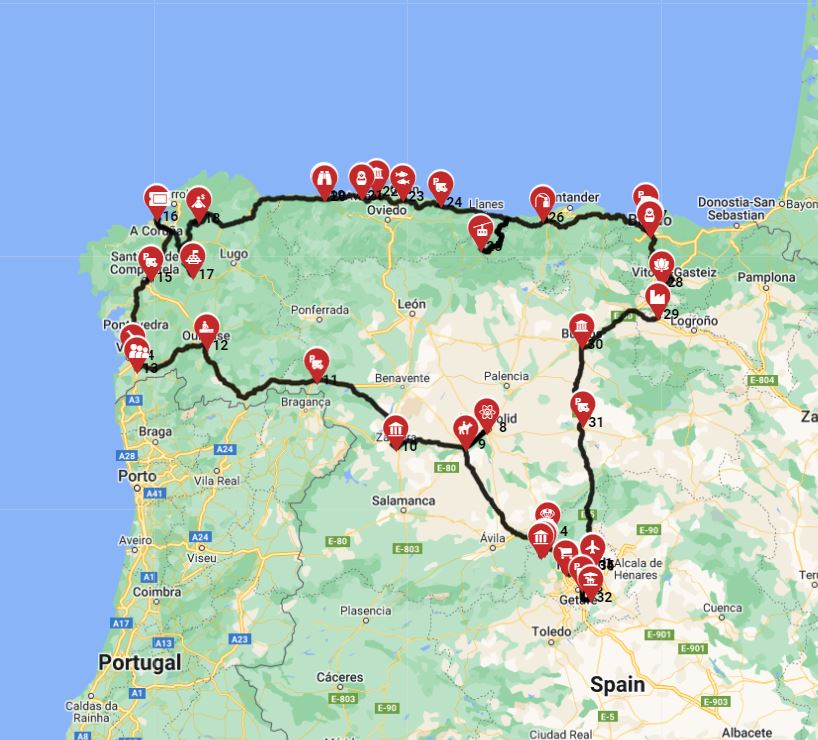
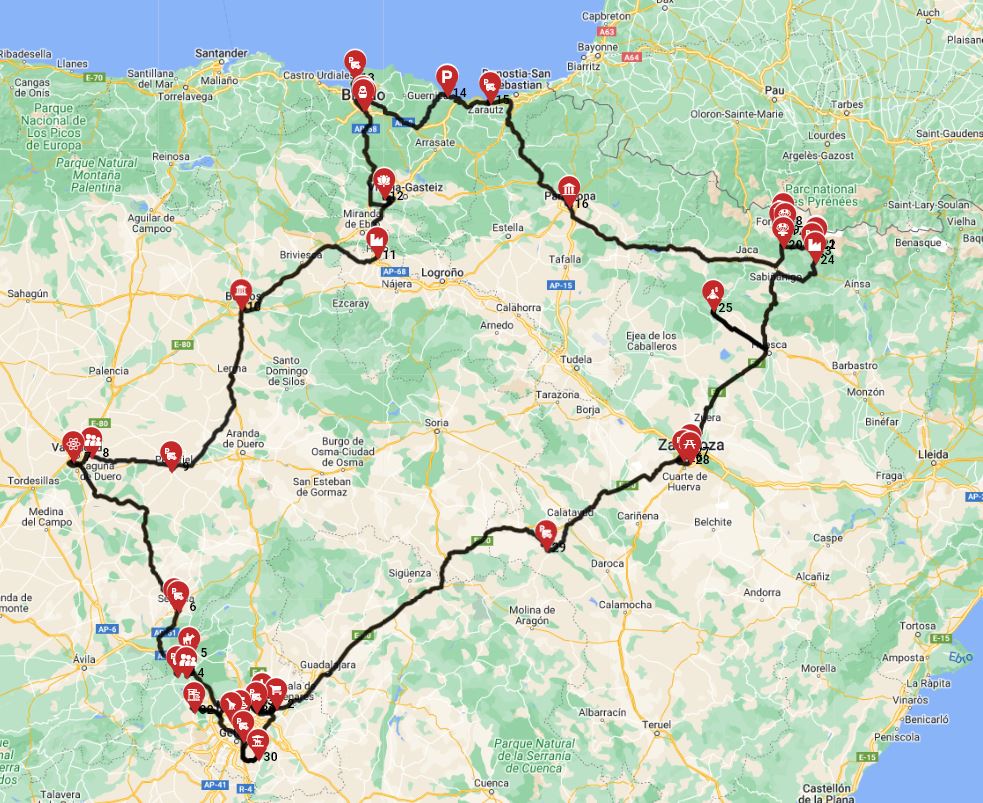
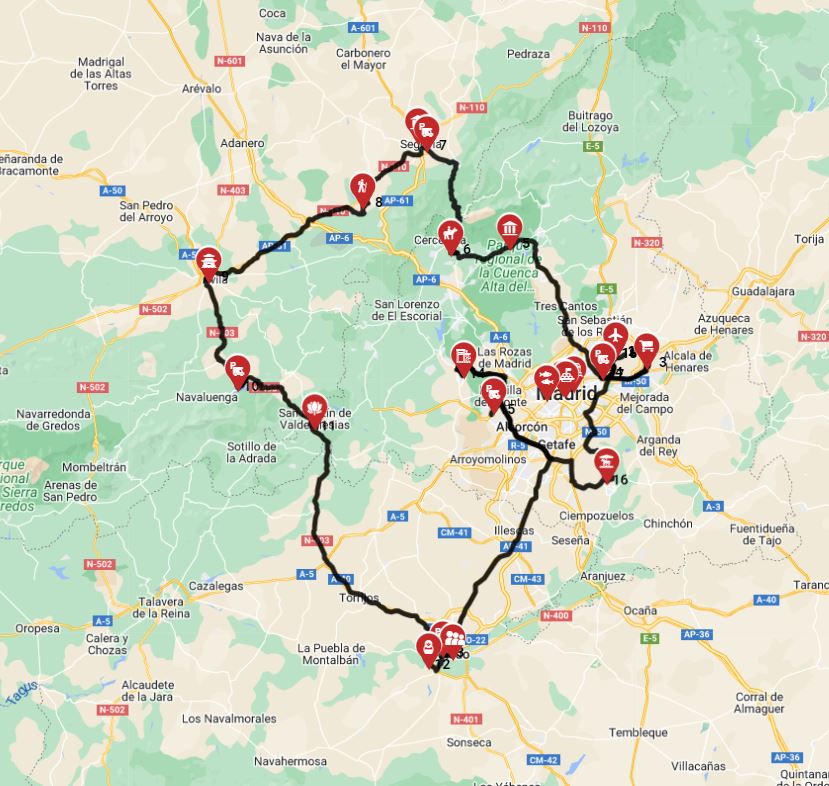
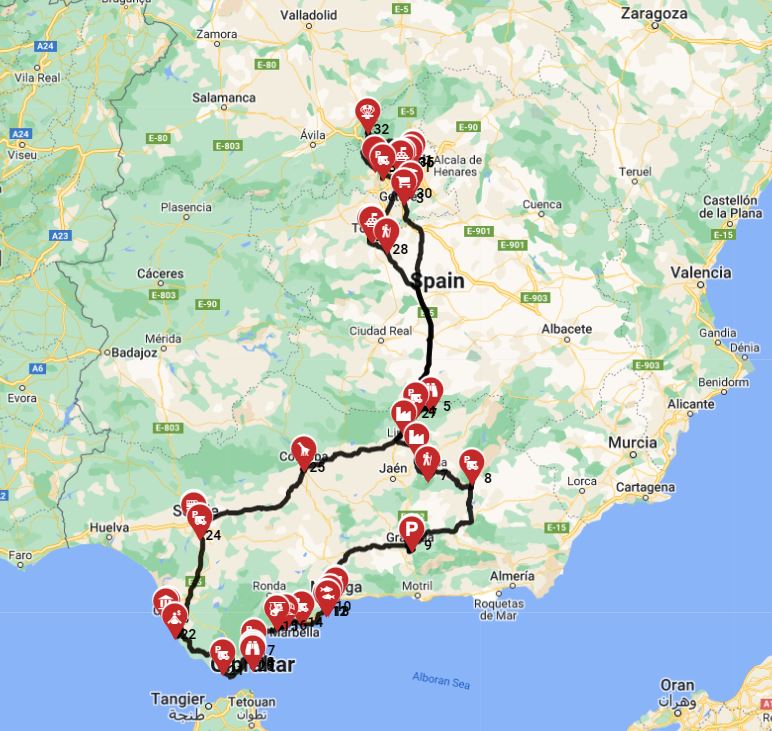
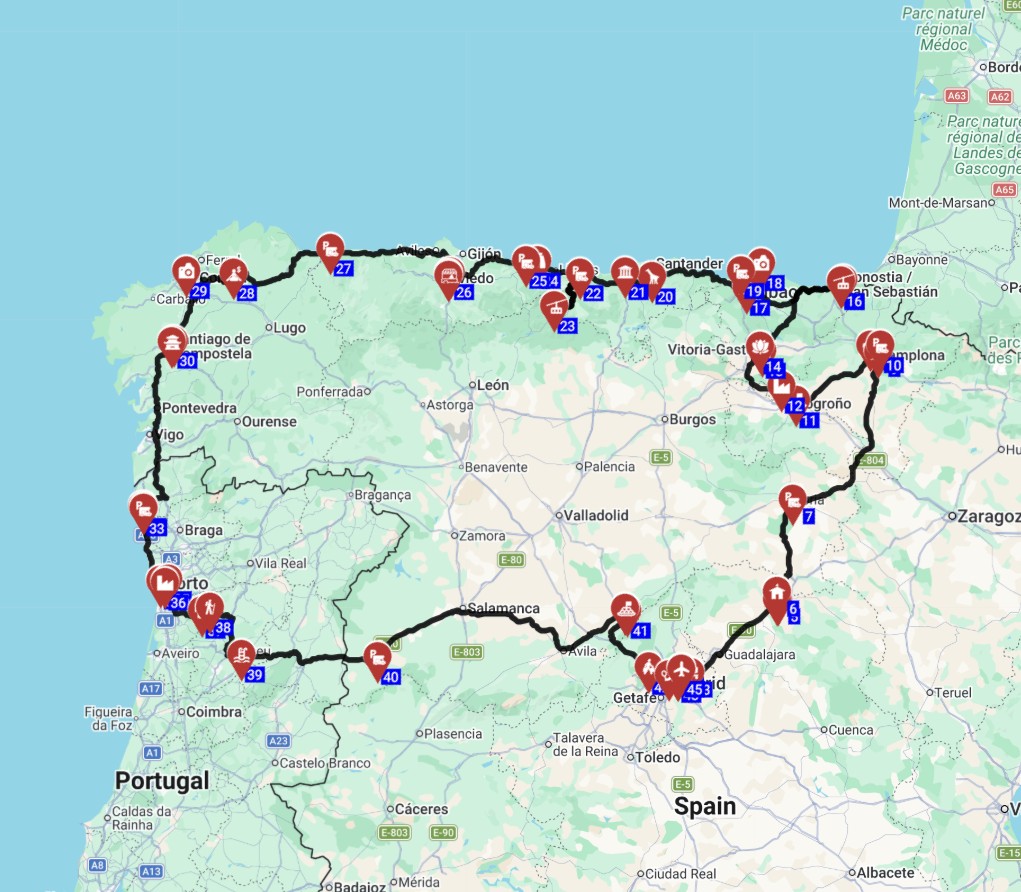
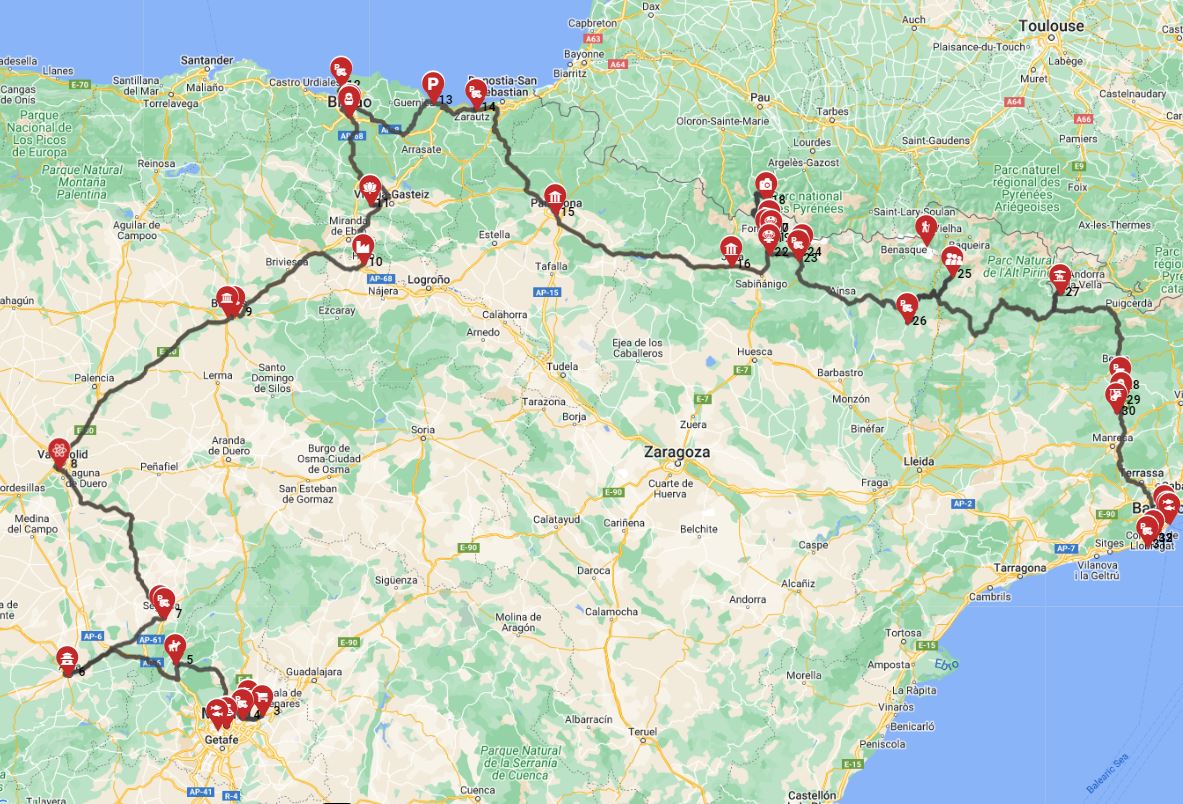
For a truly well-structured and expertly crafted adventure, consider an RV PLANET trip named 'Faro Roundtrip - South Portugal & South Spain - Including Algarve, Seville, Lisbon'. While it begins in Faro, Portugal, this particular itinerary extensively covers southern Spain, offering a fantastic 11-day journey with a total travel distance of approximately 1542 km. This carefully planned route takes the guesswork out of your trip, allowing you to focus purely on enjoyment. You can explore the full details and booking options for this trip at: RV route planner for a Motorhome road trip from Faro. An image of this scenic route can be viewed here: Faro Roundtrip Image. Remember, when you choose to utilize RV PLANET routes for your adventure, you'll receive a 25% planning discount, a fantastic reward for using our sister company's professional itineraries! This is just one example of the 1,300+ pre-planned routes across 5 continents available.Must-See Stops Along the Way (Avi Bandana Picks)
Avi Bandana, our founder and a seasoned RV travel expert, recommends focusing on authentic experiences that go beyond typical tourist attractions to truly immerse yourself in the local culture of Spain. These picks are designed to foster deeper engagement and create lasting memories. * **Traditional Visits:** Seek out opportunities for a 'Traditional Visit' in towns like Arcos de la Frontera in Andalusia, allowing for deeper engagement with local customs and heritage, perhaps witnessing artisan crafts or a local fiesta (3 occurrences on the RVPlan itinerary). * **Traditional Markets:** Don't miss a 'Traditional Market', such as the Mercado de Triana in Seville, to sample local produce, interact directly with vendors, and gain a genuine understanding of regional culinary traditions (1 occurrence). This is where you can truly connect with the local pulse and gather fresh ingredients for your RV-friendly recipes playlist. * **Traditional Restaurants / Fine Dining:** Indulge in a 'Traditional Restaurant / Fine Dining' experience (1 occurrence) to savor authentic Spanish cuisine, exploring flavors beyond generic tapas. Look for family-run establishments specializing in regional dishes like paella in Valencia or bacalao in the Basque Country. * **Local Industry Visits:** Seek out 'Local Industry' visits (2 occurrences) to understand regional crafts, agriculture, or production, offering a unique insight into the local economy and lifestyle. This could be an olive oil mill in Jaén or a ceramic workshop in Toledo. * **Coastal Gems:** Explore the lesser-known coastal villages along the northern route, such as Cudillero in Asturias or Combarro in Galicia, for unparalleled natural beauty and fewer crowds. These spots offer charming marinas, fresh seafood, and tranquil overnight parking. * **Mountain Retreats:** Venture into national parks like Sierra de Grazalema or the dramatic Picos de Europa for breathtaking hikes and stunning vistas, providing a refreshing contrast to the bustling cities.Daily Driving Distances & Drive Times in Spain
Avi Bandana, drawing from over 25 years of hands-on RV travel experience, consistently recommends a maximum of 100 miles or 150 km per day on average to ensure a truly relaxed pace, allowing ample time for exploration and local engagement throughout Spain. This philosophy is centered on the idea that traveling slowly maximizes your experience, enabling spontaneous stops, deeper cultural immersion, and truly enjoying the journey itself, rather than just rushing to the next destination. For example, a drive from Seville to Córdoba, approximately 145 km (90 miles), typically takes around 1 hour 45 minutes, leaving a full day for sightseeing and discovering the city's wonders. Similarly, the picturesque journey from Málaga to Ronda, about 105 km (65 miles), is roughly a 1 hour 30 minute drive, perfect for enjoying the scenic route through the mountains and arriving refreshed. A drive from Granada to Nerja, covering approximately 100 km (62 miles), takes roughly 1 hour 15 minutes, leaving much of the day free for coastal activities or exploring the famous Nerja Caves. This measured approach ensures you don't feel rushed and can genuinely connect with the places you visit. If you're planning a longer trip, consider our "Weekly RV Rental in Spain - Pricing 2026" options to fully embrace this slow travel philosophy.Best RV Class for This Itinerary - Couple & Family Picks
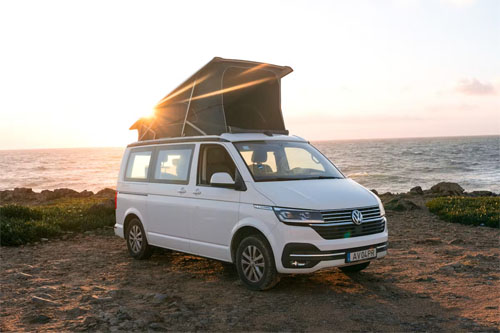
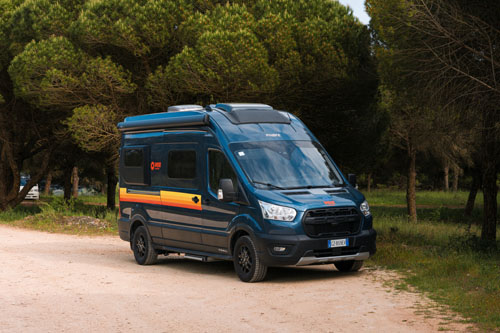
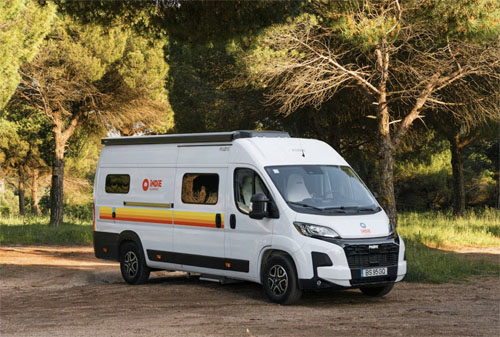
Choosing the right RV class significantly enhances your Spanish adventure, with Bandana offering excellent motorhome and campervan rental options tailored for both intimate couple getaways and spacious family trips. For couples, a Class B - Camper Van is an excellent choice due to its agility and ease of parking, especially in charming Spanish towns. These campervans in Bandana's fleet typically average 5.8 meters in length, making them easy to maneuver, and comfortably accommodate 2-3 adults, often with an average of 3 sleeping places. The "V3" is a popular choice, offering single beds (80/192cm and 80/187cm), a 100-liter fresh water tank, and a 2 L / 115 HP engine. Alternatively, a "Luxury Small" motorhome (6.75m length, 2.35m width) with a 100-liter fresh water tank and a 100-liter refrigerator is also ideal for couples seeking a bit more space. Families, particularly those with children, will find a Class C - Alcove motorhome ideal due to its generous space and dedicated sleeping areas, including the comfortable bed over the cab. These vehicles in Bandana's global fleet average 7.5 meters in length, providing ample room for 4-6 adults and up to 6 sleeping places. The "MHC24" is a great example, with a 152/203cm bed over the cab, 152/203cm rear double bed, a 150-liter fresh water tank, and a 283-liter refrigerator, perfect for longer family trips. The "MHC28" or "MHC30" are also excellent options for larger families or groups, offering even more sleeping capacity (up to 7 or 9 people respectively) and substantial fresh water tanks (160L). To simplify your planning, consider Bandana's Rent&Plan service, which combines your RV rental with a ready-made, expert-designed itinerary, including full access to trip-planning software, eliminating the headache of detailed route organization. This service is part of our commitment as true RV specialists, ensuring your journey is seamless from start to finish.What are the requirements to rent an RV in Spain
To rent an RV in Spain, travelers typically need to be at least 21 years old, although some specific rental companies or larger Class A motorhomes might have a minimum age requirement of 25. Renters must also hold a valid driving license for at least 1-3 years and possess a major credit card for the security deposit. A standard car driver's license (Category B in Europe) is sufficient for all motorhome classes (Class A, Class B, and Class C) with a Gross Vehicle Weight Rating (GVWR) up to 3,500 kg, which covers most rental RVs. There are no young driver surcharges or vehicle class restrictions based on age for our fleet. A valid driving license from your home country is usually sufficient if it is an EU license; otherwise, an International Driving Permit (IDP) is highly recommended or legally required for non-EU licenses to translate your credentials. Always confirm specific requirements directly with your chosen supplier to ensure a smooth pickup process.How much does it cost to rent an RV in Spain for a weekend
The cost to rent an RV in Spain for a weekend can vary significantly, generally ranging from €150 to €400 per night, with prices influenced by the RV class, season, rental duration, and included amenities, similar to dynamic flight ticket prices. A compact campervan (Class B) such as the "Active Standard" (RV size - Small) for a weekend in the off-season might be closer to the lower end, costing around €150-€200 per night. In contrast, a larger, more luxurious Class C motorhome like the "Euro Deluxe" (RV size - Large, suitable for 4-6 people) during peak season (summer or major holidays) will command higher prices, potentially €300-€400 per night. Additional costs to budget for beyond the rental fee include fuel (Bandana's fleet typically consumes 10-12 Liters/100 km for common classes like Semi-integrated and Alcove), campsite fees (€15-€40/night), insurance, and potential add-ons like kitchen kits or outdoor furniture. For detailed daily expense tracking and budgeting for your trip, consider using RV PLANET routes, where you can itemize and track every expense along the way. To keep costs down, consider booking in advance, traveling during the shoulder seasons (spring/autumn), and utilizing local markets for affordable groceries and regional delicacies rather than always dining out.What is the best time of year to RV in Spain
The best time of year to explore Spain by rented RV is generally during the shoulder seasons-spring (April to May) and autumn (September to October)-when the weather is delightfully pleasant, major tourist crowds are thinner, and rental prices are typically more favorable. Spring brings blooming landscapes and comfortable temperatures ideal for outdoor activities and cultural site visits across most regions, from the sunny southern coasts to the northern mountains, making it perfect for an extended road trip. Autumn offers consistently warm, sunny days, vibrant fall colors in some inland areas like the Pyrenees, and is excellent for culinary tours and wine region exploration, with fewer tourists than the bustling summer months. Summer (June to August) can be very hot, particularly in the south and central plains where temperatures can exceed 35°C, and is characterized by higher rental prices and crowded attractions and campsites. Winter (November to March) is milder in the south, offering pleasant temperatures around 15-20°C along the coast, but can be cold and wet in other areas, though it's ideal for those seeking quieter, less crowded experiences or specific winter sports in the mountains. For options available during different seasons, check out our "Cheap RV Rental in Spain - Budget Guide 2026".What are the rules for wild camping in Spain
Wild camping, defined as parking overnight and sleeping in a rented RV outside designated campsites, is largely prohibited or highly regulated in Spain, with specific rules varying significantly by region (Autonomous Community) and even by municipality. While 'parking' an RV is generally allowed wherever a car can park, provided you adhere to local parking regulations, 'camping' - which involves putting out awnings, chairs, tables outside, or deploying leveling ramps - is typically restricted to official campsites or specific designated RV areas. Breaking wild camping rules can result in substantial fines, especially in environmentally protected zones, coastal areas, or crowded tourist spots, where local authorities prioritize respecting fragile ecosystems and managing tourist impact. It is always advisable to use official campsites, municipal RV areas (áreas de autocaravanas), or private parking spots that explicitly permit overnight stays to avoid legal issues and ensure convenient access to essential facilities like fresh water and waste disposal. For finding campsites and campgrounds during your trip, we recommend using RV PLANET (rvplan.net) - a great resource for locating available spots along your route. Remember, a respectful and informed approach to overnight stays will ensure a smoother and more enjoyable journey in your rented motorhome.What are the best RV routes in Spain for beginners
For beginners, the best RV routes in Spain typically feature well-maintained roads, manageable daily driving distances, and ample access to RV-friendly amenities, with regions like Andalusia and the Mediterranean coast offering excellent starting points. The 'White Villages' route in Andalusia, for example, from Málaga to Ronda and Grazalema, provides picturesque drives with moderate distances of 80-150 km per day and numerous charming towns to explore, minimizing complex navigation. A coastal tour along the Costa Brava (Catalonia) or Costa del Sol (Andalusia) offers straightforward driving along scenic routes, with plenty of campsites and services catering to RVs, perfect for getting accustomed to RV travel. Drive slowly and carefully, and you can drive almost anywhere without issues. No need to stress - just use common sense and pay attention, even if you are new to driving a larger Class C motorhome like the "F2" (6.5m length, 2.32m width) or a more compact campervan. Focus on routes with good cellular coverage for reliable navigation, clear signage, and established campsites, and plan for shorter daily drives (Avi Bandana's recommended 100-150 km per day) to build confidence and truly enjoy the journey. Consider starting your adventure from a city like Alicante or Barcelona, which have convenient RV rental pickups.Do I need an international driving permit to drive an RV in Spain
Yes, if your primary driving license was issued outside the European Union or the European Economic Area, you will generally need an International Driving Permit (IDP) to legally drive a rented RV in Spain, alongside your valid national license. The IDP serves as an official translation of your national driving license into multiple languages and is recognized internationally, validating your driving credentials for foreign authorities. It is absolutely crucial to carry both your national driving license and the IDP at all times while driving in Spain, as failure to do so can result in fines during traffic stops. For citizens of EU/EEA countries, a national driving license is usually sufficient, but always ensure it is current and valid before your trip. For more specific details on vehicle requirements, refer to our "RV Rental Europe - Complete Guide 2026".Can you drive an RV in Spain
Yes, you can absolutely drive a rented RV in Spain, and it is a wonderfully popular and rewarding way to explore the country's incredibly diverse landscapes, from its historic cities to its stunning coastlines and majestic mountainous regions. Spain boasts a well-developed road network, including modern motorways (autopistas) that often have tolls and national roads (carreteras nacionales), making RV travel largely accessible. While some older town centers may have narrow streets or restricted access zones (Zonas de Bajas Emisiones - ZBEs) unsuitable for larger vehicles, careful planning allows you to bypass these areas, utilizing designated RV parking on the outskirts. Drive slowly and carefully, and you can drive almost anywhere without issues. No need to stress - just use common sense and pay attention to signage. The country offers a growing number of designated RV parking areas (áreas de autocaravanas) and official campsites, providing essential services like waste disposal, fresh water, and electricity hook-ups. Familiarize yourself with local traffic laws, especially regarding speed limits for RVs (which can differ slightly from cars) and parking regulations, to ensure a smooth and enjoyable trip. Consider picking up your motorhome in cities like A Coruña - Airport or Almeria - Airport for easy access to the road network.Are RV parks in Spain good
RV parks and campsites in Spain are generally considered to be good, offering a diverse range of facilities from basic pitches to full-service resorts, though quality and amenities can vary depending on the specific location and price point. Many Spanish campsites are well-equipped with essential amenities like electricity hook-ups, fresh water, and grey/black waste disposal points, as well as modern showers and toilets. Beyond the basics, many also include swimming pools, restaurants, laundry facilities, and even entertainment programs, particularly during peak season. Coastal regions and popular tourist areas like Alicante or Barcelona tend to have a higher concentration of modern, well-maintained parks, often with direct beach access or stunning views. More rural or off-the-beaten-path destinations, such as those near Alpedrete or Amezketa, might offer simpler, more rustic options that still provide fundamental services and a peaceful natural setting. For a truly immersive experience and to locate sites with specific amenities like specialized waste disposal or reliable internet, research specific parks using dedicated RV travel apps or websites. Always call ahead before driving, especially in peak season, to confirm availability and avoid disappointment.Tips for RVing in Spain
To truly maximize your RVing experience in Spain, prioritize slow travel, embrace local customs, and proactively prepare for practical logistics beyond basic planning, ensuring a rewarding and authentic journey. Travel slowly, a maximum of 100-150 km per day on average. Take time to feel the place, connect to the culture, the food, and the scenery. * **Cultural Immersion:** Beyond just sightseeing iconic landmarks, actively seek out regional festivals like La Tomatina or the Seville Fair, engage with local communities at bustling markets (like La Boqueria in Barcelona), and make an effort to understand local etiquette. For deep dives into regional cuisine, venture into tascas (small bars) outside typical tourist zones for authentic tapas and affordable daily menus, rather than sticking to mainstream restaurants. Our "Cheap RV Rental in Spain - Budget Guide 2026" can help you find affordable local experiences. * **Niche Travel:** Tailor your trip to your specific needs. If you're considering "Pet-Friendly RV Rental in Spain - Pricing 2026", be aware that many Spanish campsites welcome pets, but always confirm in advance. For family travel with kids, look for parks offering playgrounds and kid-friendly activities. Solo female travelers should prioritize well-lit, populated campsites and inform someone of their itinerary for added safety. * **Off-the-Beaten-Path:** While the classic routes are fantastic, explore lesser-known national parks like Sierra de Grazalema (Andalusia), unique coastal villages in Galicia (like Combarro with its traditional hórreos), or hidden mountain ranges such as the Picos de Europa for unparalleled natural beauty and fewer crowds. Consider a motorhome rental in Andorra for a unique mountain experience. * **Practical Logistics:** Learn about sourcing propane (known as 'butano' or 'propano'), which can be found at specific gas stations or hardware stores. Secure reliable internet connectivity by considering local SIM cards or portable Wi-Fi devices. Utilize apps to locate service points for waste disposal beyond official sites. Prepare for unexpected breakdowns by having travel insurance (you can upgrade to a top-level deductible for extra peace of mind) and knowing roadside assistance numbers. Drive slowly and carefully in cities; for example, in Barcelona (to participate in festivals), just use common sense and pay attention. * **Sustainable Travel:** Minimize your environmental impact by conserving water and electricity, properly disposing of waste at designated points, respecting fragile ecosystems in natural parks, and supporting local economies by purchasing goods and services from small businesses. * **Embrace the Journey:** RVing is about freedom and spontaneity. Allow for unexpected detours, deal with challenges with an open mind, and focus on creating personal, memorable journeys rather than just hitting landmarks.What You Shouldn't Miss
- **The Alhambra, Granada:** This majestic palace and fortress complex is a UNESCO World Heritage site and an absolute must-see, showcasing exquisite Moorish architecture and beautiful gardens.
- **Seville's Alcázar and Cathedral:** Explore the stunning royal palace, a masterpiece of Mudejar architecture, and the grand Gothic cathedral, home to Christopher Columbus's tomb.
- **Ronda's Puente Nuevo:** Marvel at the dramatic 18th-century bridge spanning the El Tajo gorge, offering breathtaking views and a unique architectural experience.
- **The Mezquita-Cathedral of Córdoba:** Witness the incredible blend of mosque and cathedral architecture, a powerful symbol of Spain's diverse history.
- **White Villages of Andalusia:** Drive through charming "Pueblos Blancos" like Frigiliana or Mijas Pueblo, perched on hillsides, offering picturesque streets and authentic local life.
- **Coastal drives along Costa del Sol:** Enjoy the scenic routes connecting vibrant coastal towns, perfect for pulling over and soaking in the Mediterranean views.
🎬 Video coming soon
Looking for expert insights from Avi Bandana? Top 5 Adventures - recommendations from Avi Bandana
Avi's passion for RV travel shines through in his handpicked recommendations. He always encourages travelers to go beyond the guidebooks and truly connect with the heart of a destination. Whether it's discovering a hidden tapas bar recommended by a local or finding the most scenic spot for a morning coffee, his advice centers on making each trip uniquely yours. Discover top destinations and planning tips, all in one place!
Final Thoughts
Embarking on a rented RV adventure in Spain offers unparalleled freedom to discover its rich tapestry of culture, history, and stunning natural beauty at your own pace. While a short weekend RV trip can give you a delightful taste of a region, we heartily recommend planning for a longer journey, at least a week or more, to truly immerse yourself in the Spanish spirit and enjoy the flexibility and comfort a motorhome provides. Imagine the joy of waking up to a new view every morning, from sun-drenched beaches to dramatic mountainscapes, with your kitchen always at hand for a fresh breakfast. With Bandana RV, you're choosing a partner dedicated to making your journey seamless and memorable. Our expert team is here to support you from pre-booking comparisons to post-booking coordination, ensuring every detail is handled with care. Remember, whether you're a pre-planner or a spontaneous traveler, Spain's diverse landscapes await your exploration. So, pack your bags, choose your ideal rented camper or motorhome, and get ready for an unforgettable Spanish road trip. Plan a trip itinerary in advance with minimal effort and maximum enjoyment. Discover top destinations, planning tips, all in one place! Compare Motorhome Prices for SpainOn the routes offered through RV PLANET routes, you can itemize and track every expense along the way for easy budgeting.