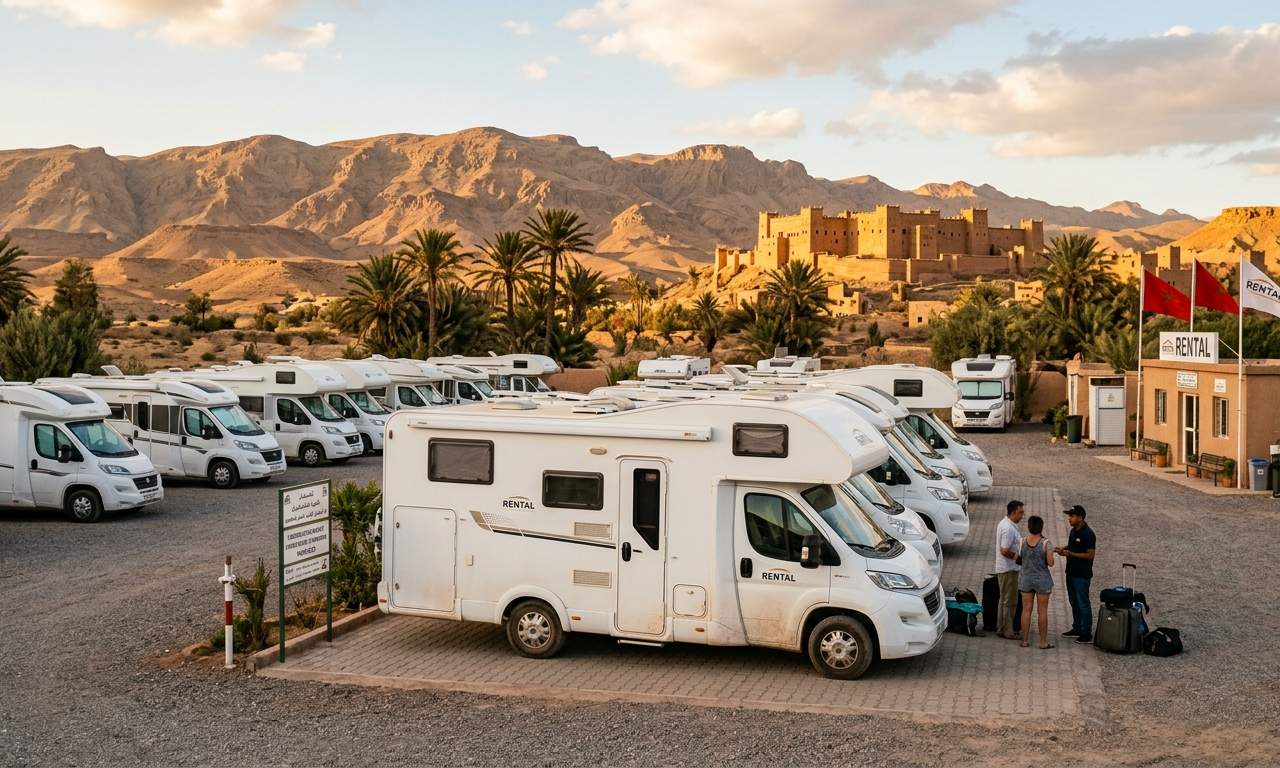
For live availability and current prices, start with our RV Rental Morocco - Complete Guide 2026 guide.
In This Guide
- Best Morocco RV Itinerary for weekend rv rental — Overview
- 7-Day Classic Route in Morocco
- 14-Day Extended Journey in Morocco
- Recommended RVPlan Trip for Morocco
- Must-See Stops Along the Way (Avi Bandana Picks)
- Daily Driving Distances & Drive Times in Morocco
- Best RV Class for This Itinerary — Couple & Family Picks
- What is the best time of year to RV in Morocco?
- Is it safe to wild camp in Morocco?
- Can you bring a dog to Morocco?
- Is Morocco RV friendly?
- How much does it cost to RV in Morocco?
- What are the road conditions like in Morocco?
- Do you need a 4x4 for Morocco?
- Do I need a special license to drive an RV in Morocco?
- How do I get a Moroccan SIM card?
Best Morocco RV Itinerary for weekend rv rental — Overview
While inquiries for "weekend RV rentals" in Morocco are common, to truly appreciate the depth and diversity of this fascinating country, a minimum of 7 days is highly recommended for a responsible RV experience. For a 7-day trip, expect to cover between 700-1050 km (435-650 miles), and for a more immersive 14-day journey, plan for 1400-2100 km (870-1300 miles). The ideal seasons for RV travel in Morocco are spring (March-May) and autumn (September-November), offering pleasant temperatures perfect for exploring both the vibrant cities and the majestic landscapes.
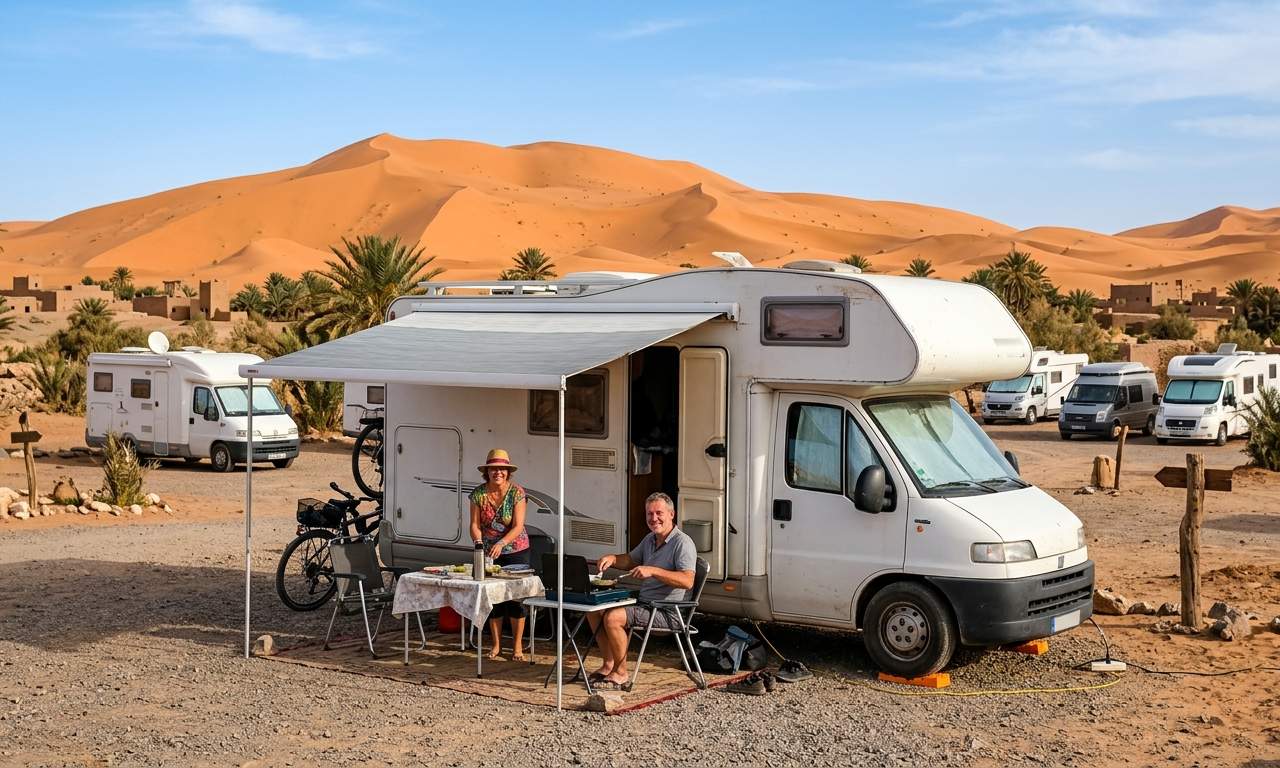
7-Day Classic Route in Morocco
This classic itinerary focuses on the vibrant energy of Marrakech, the breathtaking High Atlas Mountains, and iconic historic kasbahs, adhering to Avi Bandana's recommended maximum daily driving distance of 150 km (100 miles) to ensure a relaxed pace.
Day 1: Marrakech Arrival & Exploration (0km)
Upon arrival, pick up your rental RV, settle into a campsite on the outskirts of Marrakech, and begin your adventure by exploring the pulsating heart of the city, Djemaa el-Fna, with its storytellers, musicians, and food stalls.
Day 2: Marrakech → Ouirgane Valley / Imlil (60km)
Drive into the picturesque Atlas foothills, a scenic journey leading to charming Berber villages. Spend the night at a campsite nestled in the Ouirgane Valley.
Day 3: Ouirgane → Aït Benhaddou (approx 150km via Tizi n'Tichka Pass)
Embark on a spectacular drive over the High Atlas Mountains via the Tizi n'Tichka Pass, a route renowned for its dramatic landscapes and over 125 hairpin turns. Your destination is the iconic UNESCO Ksar of Aït Benhaddou, an ancient fortified village. Camp nearby to soak in the atmosphere.
Day 4: Aït Benhaddou → Ouarzazate & Skoura Oasis (approx 60km)
Visit Ouarzazate, known for its renowned film studios and the historic Taourirt Kasbah. Afterward, continue to the serene palm groves of Skoura Oasis. Find a peaceful campsite to relax amidst the tranquil surroundings.
Day 5: Skoura Oasis → Telouet → Marrakech (approx 150km via P1506)
Take the stunning P1506 route back towards Marrakech, a path less traveled offering incredible vistas. Along the way, make a stop at the historic Telouet Kasbah, a former palace of the Glaoui dynasty. Enjoy your final overnight stay near Marrakech.
Day 6: Marrakech Exploration / Relaxation (0km)
Dedicate a full day to further immerse yourself in Marrakech. Explore its vibrant souks for unique crafts and spices, wander through its beautiful gardens, and delve deeper into the city's rich cultural sites.
Day 7: Marrakech Departure
Return your RV at the designated location and prepare for your departure, filled with memories of your Moroccan adventure.
14-Day Extended Journey in Morocco
This extended itinerary offers a more profound exploration of Central Morocco and the High Atlas, ensuring a relaxed travel pace with daily driving distances consistently within the 150 km (100 miles) limit.
Region 1: Marrakech & Surrounds (Days 1-4)
Day 1: Marrakech Arrival & RV Pickup (0km)
Arrive in Marrakech, pick up your RV, settle into a campsite near the city, and prepare for your upcoming exploration.
Day 2: Marrakech Exploration (0km)
Discover the Djemaa el-Fna square, the opulent Bahia Palace, and the vibrant Jardin Majorelle, experiencing the diverse cultural tapestry of Marrakech.
Day 3: Marrakech → Ourika Valley (60km)
Enjoy a scenic drive into the lush Ourika Valley, encountering charming Berber villages and perhaps indulging in a hike. Camp in the serene Ourika area.
Day 4: Ourika Valley → Ouirgane Valley (70km)
Relax by the picturesque Lake Takerkoust or explore the tranquil Ouirgane Valley. Settle into a campsite for the night.
Region 2: High Atlas & Kasbah Trail (Days 5-10)
Day 5: Ouirgane → Amizmiz & Surroundings (50km)
Journey to Amizmiz, known for its local pottery traditions and bustling weekly market. Camp in the vicinity for an authentic village experience.
Day 6: Amizmiz → Tichka Plateau (80km)
Drive through less-traveled Atlas roads, enjoying a scenic route that offers potential for discreet, permitted wild camping in secure, remote areas.
Day 7: Tichka Plateau → Telouet (approx 70km)
Visit the impressive Glaoui Kasbah, a hidden architectural gem, and then find a campsite in the Telouet area.
Day 8: Telouet → Aït Benhaddou (approx 60km)
Travel to the world-famous UNESCO Ksar of Aït Benhaddou, taking ample time to explore its ancient, mud-brick architecture. Camp near this historic site.
Day 9: Aït Benhaddou → Ouarzazate (30km)
A short drive takes you to Ouarzazate. Visit its renowned film studios and the Taourirt Kasbah, then establish your campsite for the night.
Day 10: Ouarzazate → Fint Oasis (20km round trip)
Enjoy a peaceful day trip to the beautiful and tranquil Fint Oasis, a perfect contrast to the desert landscapes. Return to your campsite in Ouarzazate.
Region 3: Return to Marrakech & Departure (Days 11-14)
Day 11: Ouarzazate → Kelaat M'Gouna (approx 90km)
Drive through the scenic Valley of Roses, famous for its fragrant rose products and distillation processes. Camp in Kelaat M'Gouna.
Day 12: Kelaat M'Gouna → Demnate (approx 150km)
Venture towards Demnate to discover the impressive Ouzoud Falls, one of Morocco's most stunning natural waterfalls. Find a campsite nearby.
Day 13: Demnate → Marrakech (approx 100km)
Enjoy a final, scenic drive back to Marrakech. Set up camp for your last night in Morocco.
Day 14: Marrakech Departure
Return your RV, concluding your extensive Moroccan journey.
Recommended RVPlan Trip for Morocco
While a specific pre-planned RVPlan trip for Morocco isn't highlighted, Bandana's innovative "Rent & Plan" service offers expertly curated itineraries designed by seasoned travel specialists. These aren't just routes; they're comprehensive travel plans. Users gain access to advanced trip-planning software, which significantly simplifies the organization of complex logistics, saving you valuable time and stress. Exploring the dedicated trip planner on rvplan.net can provide invaluable inspiration and ready-made routes tailored to your preferences, ensuring a seamless and truly enjoyable Moroccan adventure.
Must-See Stops Along the Way (Avi Bandana Picks)
Avi Bandana, our founder and a seasoned RV traveler himself, recommends focusing on authentic cultural immersion and engaging with local Moroccan life beyond the typical tourist traps. His advice centers on truly *feeling* the place, not just seeing it.
- Traditional Markets (Souks): Beyond the famous souks of Marrakech and Fes, explore smaller towns like Amizmiz for authentic local crafts, aromatic spices, and genuinely unique experiences.
- Local Industry: Seek out argan oil cooperatives in the Souss-Massa region, discover traditional pottery workshops near Safi or in Amizmiz, and don't miss the artisanal leather tanneries in Fes for a sensory journey into Moroccan craftsmanship.
- Traditional Restaurants: Venture into local eateries, particularly those away from major tourist squares, to savor authentic Moroccan tagines, couscous, and mint tea for a more genuine taste of the country's renowned cuisine.
- Historical Sites (Kasbahs & Medinas): Prioritize visiting the UNESCO-listed Ksar Aït Benhaddou, the historically significant Glaoui Kasbah in Telouet, and the ancient medinas of Fes and Marrakech for a deep dive into Morocco's rich and layered history.
Daily Driving Distances & Drive Times in Morocco
To truly experience Morocco at a pace that allows for connection and discovery, Avi Bandana recommends a maximum of 100 miles or 150 km per day on average when RVing. This approach ensures you have ample time to savor the scenery, stop at charming small villages, and enjoy unexpected encounters with local life.
- The drive from Marrakech to Ouirgane is approximately 60 km, typically taking about 1 hour and 15 minutes, allowing for a relaxed start to your day's explorations.
- The journey from Aït Benhaddou to Ouarzazate covers a short 30 km, usually around 45 minutes, giving you plenty of time to explore both captivating destinations thoroughly.
- Traveling from Fes to Meknes covers approximately 60 km, with a drive time of about 1 hour, making it an easy and pleasant transition between these two historic imperial cities.
Best RV Class for This Itinerary — Couple & Family Picks
Choosing the right rental RV class significantly enhances your Moroccan adventure. Bandana Caravan offers a diverse global fleet to match every traveler's needs, ensuring comfort and suitability for the varied terrain and experiences Morocco offers.
- For Couples: Class B - Camper Van is an excellent choice. Bandana's fleet averages 5.8 meters in length, comfortably sleeping up to 3.2 people and accommodating 2.7 adults. These compact campervans offer agility for navigating narrower roads, especially on the outskirts of medinas, while providing essential amenities for an intimate and comfortable journey. They typically have a load capacity of around 37 kg, perfect for carrying your essentials.
- For Families: Class C - Alcove provides ample space and comfort. Bandana's fleet averages 7.5 meters in length, sleeping up to 5.8 people and accommodating approximately 4.4 adults. These spacious RVs offer dedicated sleeping areas and larger living spaces, making them ideal for families seeking comfort and convenience on longer trips. They boast an average load capacity of 42.4 kg, providing plenty of room for family gear.
Consider Bandana's "Rent & Plan" service, which seamlessly combines your RV rental with a ready-made itinerary crafted by travel experts. This service gives you full access to advanced trip-planning software, effectively removing the planning headache and letting you focus on the joy of discovery.
What is the best time of year to RV in Morocco?
The prime times for RV travel in Morocco are during the spring (March to May) and autumn (September to November). These periods offer mild temperatures that are ideal for exploring both the mountainous regions and the desert landscapes, making them crucial for planning your route effectively.
- Spring transforms Morocco with lush greenery and comfortable temperatures, making it perfect for hiking in the Atlas Mountains before the intense summer heat arrives.
- Autumn brings pleasant weather ideal for desert excursions, allowing you to avoid the extreme summer temperatures and ensuring better road conditions for any off-pavement adventures you might plan.
- Winter (December-February) can bring cold temperatures and snow in the High Atlas, potentially closing mountain passes. However, coastal areas typically remain milder, though wetter.
- Summer (June-August) experiences very high temperatures, particularly inland and in the desert. This heat can affect RV comfort and fuel efficiency, making coastal routes a more appealing option during these months.
Is it safe to wild camp in Morocco?
While wild camping is not strictly illegal in Morocco, it is generally not officially encouraged for foreign RVers due to safety and cultural considerations. Opting for designated campsites or secure parking areas are the preferred and safest options, ensuring peace of mind throughout your journey.
- Designated campsites offer essential facilities, enhanced security, and the camaraderie of fellow travelers, significantly reducing risks associated with isolated locations.
- Always prioritize secure, well-lit parking spots, especially when staying in urban areas. Consulting local authorities or the gendarmerie for advice on tolerated wild camping areas can also be beneficial.
- In the event of breakdowns or emergencies, having specific local contact numbers for roadside assistance or medical help prepared in advance is crucial, as isolated wild camping spots may lack reliable cell service.
- Understanding and respecting local customs, such as not disturbing agricultural land or private property, is paramount if you consider any non-official camping spot.
Can you bring a dog to Morocco?
Yes, you can bring a dog to Morocco, but it requires thorough preparation and strict adherence to specific pet import requirements. This includes ensuring your pet has up-to-date vaccinations, is microchipped for identification, and possesses all necessary official health certificates issued by a licensed veterinarian.
- Pets must have an ISO-compliant microchip for identification and be vaccinated against rabies at least 21 days prior to entry.
- A health certificate, issued by a government-approved veterinarian within 10 days of travel, confirming the animal is healthy and free from infectious diseases, is mandatory for entry.
- It is highly advisable to check the latest regulations with the Moroccan embassy or consulate in your country of origin well in advance of your trip, as rules and requirements can change.
- Be aware that not all establishments or public spaces in Morocco are pet-friendly, so it's important to plan accordingly for accommodation and activities to ensure a smooth experience for you and your canine companion.
Is Morocco RV friendly?
Morocco is increasingly RV friendly, particularly within tourist areas, offering a unique and rewarding way to explore its diverse landscapes and rich cultures. However, successful RV travel here requires specific planning for navigation, vehicle suitability, and a commitment to respectful cultural immersion.
- Designated campsites and secure parking spots are becoming more prevalent, especially along popular routes and in proximity to major attractions, offering convenient and safe options.
- Understanding basic Arabic or French phrases and being familiar with local customs can significantly enhance your interactions with locals and ensure a more respectful and enriching travel experience.
- Consider your RV's suitability for Moroccan terrain. While a 4x4 is not always essential, a robust RV with good ground clearance is advisable for navigating varying road conditions, especially when venturing beyond the main routes.
- Reliable navigation strategies are essential for seamless travel. This includes having offline maps readily available and considering a local SIM card for consistent connectivity, particularly in rural areas where signage might be limited.
How much does it cost to RV in Morocco?
The overall cost of RV travel in Morocco can vary significantly, but a comprehensive budget should meticulously account for fuel, campsite fees, food, activities, and potential unforeseen expenses. Average daily expenditures can range from €50-€150 (approximately $55-$165 USD), depending heavily on your travel style and personal preferences. On the routes offered through RV PLANET routes, you can itemize and track every expense along the way for easy budgeting.
- Fuel: Diesel is generally more affordable than in Europe, but prices can fluctuate. Factor in your RV's average consumption; for example, Bandana's Class SI motorhomes typically use around 10-11 liters per 100 km.
- Campsite Fees: Expect to pay between €5-€15 per night for a pitch with basic amenities. Prices will vary based on the campsite's location and the facilities it offers.
- Food: Enjoying local food from markets or small, authentic restaurants is remarkably affordable, typically costing €5-€10 per meal. Self-catering can further reduce your overall food expenses.
- Activities: Entry fees for attractions, hiring local guides, or participating in special experiences like desert excursions can range from a few euros to approximately €50.
- Hidden Costs: Always budget for potential tolls, unexpected minor repairs, and customary tips (baksheesh) for small services rendered along the way.
What are the road conditions like in Morocco?
Moroccan road conditions present a varied landscape, ranging from well-maintained major highways (autoroutes) to sometimes unpaved or challenging tracks in rural and mountainous areas, necessitating careful navigation and consideration of your RV's capabilities.
- Major arterial roads, designated as N-roads and some R-roads, are generally paved and in good condition, often comparable to European standards, providing smooth travel.
- Secondary and tertiary roads, particularly those winding through the Atlas Mountains or along desert fringes, can be narrower, more winding, and sometimes unpaved or poorly maintained, especially after heavy rains.
- Seasonal factors significantly influence road conditions. For instance, snow can close High Atlas passes during winter, while heavy desert rains can make wadis (riverbeds) impassable.
- While a 4x4 RV isn't always essential for standard routes, a vehicle with good ground clearance and robust tires is highly advisable for exploring beyond the main paved roads.
Do you need a 4x4 for Morocco?
A 4x4 RV is not strictly necessary for most standard tourist routes and main attractions in Morocco, which are typically accessible via well-paved roads. However, a 4x4 vehicle offers significant advantages if your itinerary includes deeper desert exploration, such as navigating sand dunes beyond accessible tracks, reaching very remote mountain villages, or crossing riverbeds.
- For itineraries focusing on imperial cities, coastal towns, and the main kasbah routes, a standard Class B Camper Van or a Class SI Semi-integrated RV is perfectly adequate and often easier to maneuver.
- A 4x4 capability becomes essential if your plans involve venturing into the Sahara's less accessible areas, traversing challenging mountain tracks, or undertaking river crossings.
- Regardless of 4x4 capability, ensure your vehicle is equipped with essential gear such as spare tires, a basic toolkit, and recovery equipment, which are highly recommended for any extensive RV travel in Morocco.
Do I need a special license to drive an RV in Morocco?
For most standard RVs weighing under 3.5 tons, a valid national driver's license from your home country, typically accompanied by an International Driving Permit (IDP), is generally sufficient for driving legally in Morocco.
- The IDP serves to translate your national license into multiple languages and acts as internationally recognized proof that you hold a valid driver's license.
- Ensure your national driving license is current and that your IDP is obtained *before* you travel, as it cannot be issued within Morocco.
- For larger RVs exceeding 3.5 tons Gross Vehicle Weight Rating (GVWR), you may require a specific license category (e.g., C1 or C) depending on your national regulations. It's wise to confirm your vehicle's GVWR and your license category beforehand.
- Always carry your original driver's license, IDP, vehicle registration documents, and proof of international third-party liability insurance (the "green card") with you at all times while driving.
How do I get a Moroccan SIM card?
Obtaining a Moroccan SIM card is a straightforward process. Major providers like Maroc Telecom, Orange, and Inwi offer prepaid SIMs readily available at airports, official stores, and numerous small shops nationwide, providing essential connectivity for navigation and communication throughout your trip.
- You will typically need your passport for registration when purchasing a SIM card, so have it readily accessible.
- SIM card activation is usually instantaneous, allowing you to immediately top up with data bundles (recharges) that are widely available in various denominations.
- Maroc Telecom generally offers the most extensive coverage, particularly beneficial in rural and mountainous areas, which is crucial for RVers relying on GPS and online information.
- For optimal navigation, while a local SIM provides access to online maps, it's highly recommended to download reliable offline maps (such as those available via Maps.Me or Google Maps' offline feature) as a backup for areas with intermittent or no coverage.
What You Shouldn't Miss
- Immerse yourself in the vibrant chaos of Marrakech's Djemaa el-Fna square, especially at sunset when it truly comes alive with food stalls, musicians, and performers.
- Drive the scenic Tizi n'Tichka Pass in the High Atlas Mountains, a thrilling route with over 125 hairpin turns and stunning panoramic views.
- Explore the iconic UNESCO World Heritage site of Ksar Aït Benhaddou, a magnificent example of a traditional pre-Saharan fortified village.
- Visit the Atlas Film Studios in Ouarzazate, often called the "Hollywood of Africa," and discover the history of Moroccan cinema.
- Wander through the tranquil palm groves of the Skoura Oasis, a peaceful haven offering a stark contrast to the rugged mountain landscapes.
- Discover the lesser-known but historically rich Telouet Kasbah, a testament to the grandeur of the Glaoui dynasty.
Final Thoughts
Embarking on an RV adventure in Morocco offers an unparalleled opportunity to explore a land of captivating contrasts, from the bustling imperial cities to the serene desert landscapes and majestic mountains. With thoughtful planning and the right companion vehicle, your journey promises to be both comfortable and enriching.
Remember, the key to a truly memorable Moroccan RV trip lies in embracing the culture, savoring the slow travel approach, and allowing yourself to be surprised by the unexpected beauty and hospitality this incredible country has to offer. Get inspired for your next trip and start planning your Moroccan odyssey today!
Discover top destinations, planning tips, and curated routes all in one place. Plan a trip itinerary in advance with minimal effort and maximum enjoyment. We handle the details, you live the journey!
For ideas you can prep on the road, watch our RV-friendly recipes playlist on YouTube.