For live availability and current prices, start with our RV Rental Japan - Complete Guide 2026 guide.
In This Guide
- Best Japan RV Itinerary for a short rental - Overview
- 7-Day Classic Route in Japan
- 14-Day Extended Journey in Japan
- Recommended RVPLAN Trip for Japan
- Must-See Stops Along the Way (Avi Bandana Picks)
- Daily Driving Distances & Drive Times in Japan
- Best RV Class for This Itinerary - Couple & Family Picks
- Is it worth renting an RV in Japan?
- How much does it cost to rent an RV in Japan?
- Is it easy to drive an RV in Japan?
- Can foreigners drive RV in Japan?
- How to rent an RV in Japan?
- What is a Michi-no-Eki in Japan?
- Is camping popular in Japan?
- When is the best time to visit Japan by RV?
Best Japan RV Itinerary for a short rental - Overview
A short RV journey in Japan is best enjoyed over a period of 7 to 14 days, providing ample time to explore diverse regions beyond major cities and truly immerse yourself in the local culture. While this article outlines itineraries that can be adapted for a 2-3 day exploration, understanding the optimal duration helps in maximizing your travel experience. A recommended journey for an extended trip might cover approximately 700-1400 km, allowing for the slow travel philosophy of maximizing 100-150 km per day and deep cultural immersion. For live availability and current prices, start with our RV Rental Japan - Complete Guide 2024 guide. The ideal seasons for RV travel in Japan are spring (late March to May) for magnificent cherry blossoms and autumn (September to November) for vibrant foliage, both offering pleasant driving conditions and fewer weather challenges. These longer durations allow you to really connect to the culture, the food, and the scenery.
7-Day Classic Route in Japan
A classic 7-day RV itinerary in Japan allows for a comprehensive loop around the Kanto and Chubu regions, showcasing a mix of natural beauty and cultural landmarks. On Day 1, pick up your rented RV in Tokyo and drive approximately 90 km (1.5-2 hours) to Hakone, exploring Lake Ashi and the Hakone Open-Air Museum before settling at a local campground or Michi-no-Eki for the night. Day 2 takes you to the Izu Peninsula, about 60-80 km (1.5 hours) away, for scenic coastal drives and onsen towns like Atami, with another overnight stop at a Michi-no-Eki overlooking the coast. Day 3 involves a 100 km (2-hour) drive to the Mount Fuji and Fuji Five Lakes area, offering iconic views and a visit to Chureito Pagoda, staying at a dedicated RV park near Lake Kawaguchiko.
Continuing your adventure, Day 4 involves an 80 km (1.5-hour) drive to the Shizuoka Tea Plantations to experience Japan's famous green tea region, sleeping among tea fields at a Michi-no-Eki. Day 5 covers approximately 120 km (2.5 hours) to Nagoya, where you can explore Nagoya Castle and Atsuta Jingu Shrine, staying at an RV park on the city's outskirts. On Day 6, venture into the Japanese Alps, driving about 150 km (3 hours) to Gifu, specifically the Shirakawa-go or Takayama area (note: Shirakawa-go is a longer drive, Takayama is a good alternative), and find a mountain campground or Michi-no-Eki. Finally, Day 7 is a longer drive of approximately 350-400 km (5-6 hours) back to Tokyo for your RV return, or extend with an extra night closer to Tokyo if time permits for a more relaxed pace. Remember, traveling slowly – max 100-150 km per day on average – truly enhances the experience.
14-Day Extended Journey in Japan
An extended 14-day RV journey in Japan offers an even deeper exploration of the country's diverse regions, starting with the Kanto Region. Days 1-3 involve picking up your RV in Tokyo, then exploring Hakone's natural beauty and the iconic Fuji Five Lakes region, including historical sites and scenic viewpoints, with an average daily drive of around 80 km. Moving into Central Honshu, Days 4-6 will have you travel through Shizuoka's renowned tea country, then heading to Nagoya for urban exploration of its majestic castle and modern attractions; the average daily driving here is about 100 km.
Days 7-9 take you into the breathtaking Japanese Alps, journeying into the stunning Hida region to visit the preserved Edo-era town of Takayama and the UNESCO World Heritage village of Shirakawa-go with its unique gassho-zukuri farmhouses. Expect average daily driving of about 120 km. For Days 10-12, head south to the Kansai Region, Japan's cultural heartland, to explore ancient temples, vibrant geisha districts in Kyoto, and the famous deer parks of Nara. RV parking in central Kyoto/Nara can be challenging, so consider parking on the outskirts and using public transport, maintaining an average daily driving of about 130 km. Days 13-14 involve returning to Kanto, perhaps with a brief stop in Osaka for its vibrant food scene, before heading back towards Tokyo for RV drop-off. This final leg includes a longer driving day on Day 13 or 14, averaging 200-300 km over two days.
Recommended RVPLAN Trip for Japan
While a specific RVPLAN route plan for Japan is not currently featured, Bandana RV provides access to a wide array of meticulously crafted itineraries designed by travel experts worldwide, allowing you to tailor your Japanese RV adventure to your exact preferences. RVPLAN, our sister company, has over 1,300 pre-planned routes across 5 continents. Users can explore various route plans, customize stopovers, and incorporate unique local experiences using our trip planning software, ensuring a personalized journey through Japan's diverse landscapes and cultural highlights. This is a fantastic resource for planning any length of RV trip. RV PLANET routes also allow travelers to itemize and track every expense along the way for easy budgeting, ensuring full transparency with your trip costs. On the routes offered through RV PLANET routes, you can itemize and track every expense along the way for easy budgeting.
Must-See Stops Along the Way (Avi Bandana Picks)
Looking for expert insights from Avi Bandana? Top 5 Adventures - recommendations from Avi Bandana:
- Avi Bandana recommends focusing on locations like ancient temples, historic castles such as Himeji or Matsumoto, and tranquil gardens that offer a true glimpse into Japanese aesthetics and heritage.
- Seek out authentic dining experiences at family-run establishments found in smaller towns to savor regional cuisine, like udon in Kagawa, ramen in Fukuoka, or fresh seafood along Japan's coastlines. Preparing meals in your rented RV's kitchen is also a great way to enjoy local ingredients; for inspiration, check out our RV-friendly recipes playlist.
- Explore traditional market settings, such as Kyoto's Nishiki Market or local morning markets in places like Takayama, which are excellent for discovering regional delicacies, unique crafts, and interacting with local vendors.
- Consider visiting local industry sites, including sake breweries, ceramic workshops, or even small-scale agricultural operations, where you can learn about traditional Japanese craftsmanship and production methods directly from artisans.
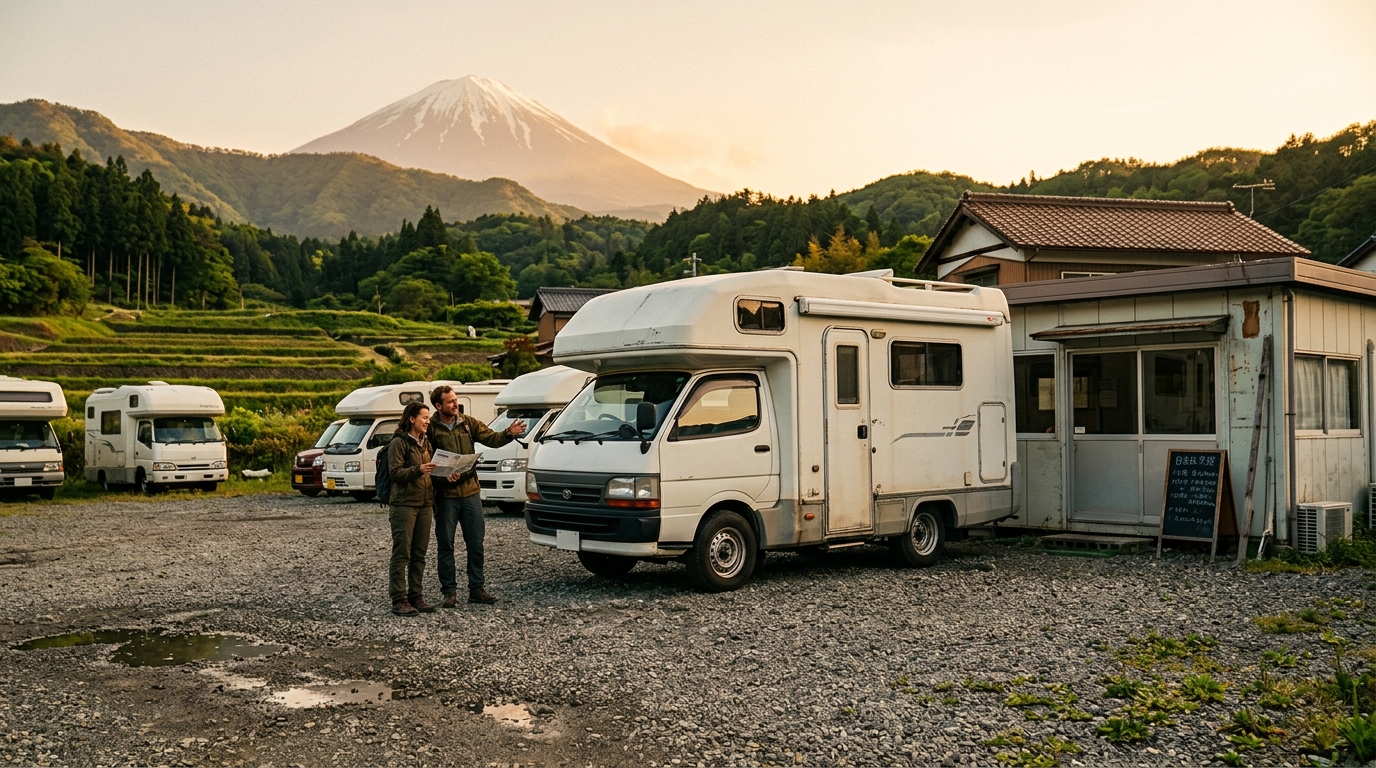
- Don't miss the serene beauty of the Fuji Five Lakes region with a rented motorhome. While a short trip may limit deep exploration, even a day spent admiring Mount Fuji from different vantage points is a truly unforgettable experience.
Daily Driving Distances & Drive Times in Japan
Avi Bandana recommends a maximum of 100 miles (approximately 150 km) per day on average when RVing in Japan, allowing travelers to truly embrace the slow travel philosophy and immerse themselves in each region. This recommended pace ensures ample time for sightseeing, enjoying Michi-no-Eki stops, and navigating Japan's diverse road network without feeling rushed. For example, driving from Tokyo to Hakone (approximately 90 km) typically takes around 1.5 to 2 hours, depending on traffic and road conditions. A shorter hop from Kyoto to Nara (approximately 45 km) is usually about a 1-hour drive. Remember, while driving in cities, you can drive slowly and carefully, and you can drive almost anywhere without issues. No need to stress - just use common sense and pay attention.
Best RV Class for This Itinerary - Couple & Family Picks
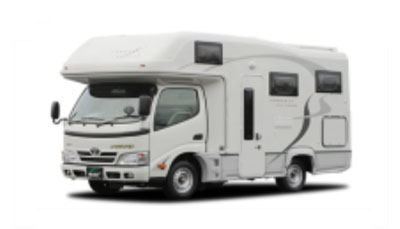
For couples planning a short RV itinerary in Japan, a Class B Camper Van is often the ideal choice due to its compact size, making it much easier to navigate narrow Japanese roads and find parking in cities or smaller towns. Bandana's global fleet averages indicate Class B Camper Vans are around 5.8 meters in length, offering comfortable sleeping for 3.2 people and an average of 2.7 adults, with a manageable average load capacity of 37 kg. These smaller rented motorhomes, like a "Category Van" or "2 Berth Hi Top," provide essential amenities without the bulk, ensuring an agile travel experience.
For families, a Class SI - Semi-integrated RV provides a comfortable balance of space and maneuverability, offering more living and sleeping areas than a campervan without the bulk of larger Class A or Class C motorhomes. This is crucial for family comfort on longer trips, allowing for more personal space. Globally, Bandana's Class SI RVs average 6.9 meters in length, comfortably sleep 3.8 people, accommodate 3.4 adults, and offer a generous average load capacity of 72.2 kg, making them well-suited for families with luggage. Examples like a "2 Berth Rover" or "Active Standard Auto" provide a great option. To streamline your trip, our Rent&Plan service combines your RV rental with a professionally designed itinerary by travel experts, giving you full access to trip-planning software and removing the headache of organizing every detail.
🎬 Video coming soon
Is it worth renting an RV in Japan?
Renting an RV in Japan is highly worthwhile for travelers seeking unparalleled freedom, flexibility, and a deeper immersion into the country's diverse landscapes and local cultures beyond conventional tourist routes. Unlike traditional travel modes, a rented RV allows you to access remote scenic routes and less-visited traditional towns, providing unique opportunities to explore areas like specific regional onsen, historical sites, and nature trails that are difficult to reach by public transport. For example, exploring destinations like Takayama and Shirakawa-go in the Japanese Alps becomes much more convenient with your own mobile home.
The ability to cook your own meals, make spontaneous changes to your itinerary, and the adventure of discovering new Michi-no-Eki (roadside stations) enhance the overall experience, often leading to more memorable and authentic interactions with Japanese life. This flexibility is a core benefit of RV travel, letting you truly live the journey rather than just follow a rigid schedule. Plus, Bandana Caravan offers full transparency with no hidden fees and 24/7 support during the pre-booking and booking process, ensuring peace of mind.
How much does it cost to rent an RV in Japan?
The cost to rent an RV in Japan typically ranges from ¥15,000 to ¥35,000 per day for a mid-size campervan, but a comprehensive budget breakdown must account for significant additional expenses such as tolls, fuel, camping fees, and food. For current pricing information, you can also check our RV Rental in Japan - Prices and Best Deals 2024 guide. Japan's expressways are expensive, with tolls easily accumulating to ¥5,000-¥10,000+ per day for extensive travel; an Electronic Toll Collection (ETC) card, often available with rentals, offers discounts and seamless passage. Fuel costs for RVs, which generally consume 10-12 liters per 100 km, are comparable to many Western countries, averaging around ¥160-¥180 per liter (2024 estimates).
Dedicated campgrounds usually cost ¥2,000-¥5,000 per night, while overnight stays at Michi-no-Eki are generally free but require adherence to etiquette. For food, budget for groceries if cooking in your RV, or dining at local restaurants or konbini (convenience stores), which can range from ¥1,000-¥3,000+ per meal per person. Be aware of potential charges for additional insurance coverage, specific amenities (e.g., linens, kitchen sets), and any cleaning fees or late return penalties. Remember, prices are dynamic, much like flight tickets, changing daily based on availability, seasonality, and supplier marketing decisions. The final price is set at the actual booking time. Our platform offers full transparency with no hidden fees, helping you compare final prices across 50+ suppliers so you don't have to worry about surprises.
Is it easy to drive an RV in Japan?
Driving an RV in Japan is manageable but requires careful attention to specific navigational challenges and unique road characteristics, including driving on the left side of the road. Japan has a highly developed but sometimes complex road system, with narrow roads, especially in rural areas and historic towns, and intricate interchanges in urban centers. Reliable GPS (often included with rentals) and awareness of road signs (bilingual on major routes) are essential for smooth navigation. Drive slowly and carefully, and you can drive almost anywhere without issues. No need to stress - just use common sense and pay attention.
The majority of expressways are tolled, making an ETC card essential for simplifying payments and potentially offering discounts. Finding suitable RV parking can be challenging in bustling city centers, making peripheral parking lots or dedicated Michi-no-Eki often the best choice. Seasonal challenges include winter driving, which requires caution due to snow and ice in mountainous regions (winter tires/chains may be mandatory), and typhoon season (June-October), which can bring heavy rains and road closures, necessitating flexible itinerary adjustments. Most rental RVs are based on Japanese domestic models, which tend to be smaller than their North American or European counterparts, such as the "Combi Van" or "Category Van" models, making them more suitable for Japan's infrastructure.
Can foreigners drive RV in Japan?
Foreigners can legally drive a rented RV in Japan provided they possess a valid International Driving Permit (IDP) obtained in their home country, issued under the 1949 Geneva Convention, along with their original national driver's license. It is crucial to ensure your IDP is valid for the entire duration of your rental period in Japan. Specific countries may have bilateral agreements that negate the need for an IDP (e.g., Switzerland, Germany, France, Belgium, Monaco, Taiwan require official Japanese translations of their licenses instead), so always verify your country's specific requirements.
Most RV rental companies in Japan require both the IDP and your original driver's license, alongside your passport, for verification; it is crucial to confirm these requirements directly with your chosen rental provider before booking. Understanding basic Japanese road signs and driving etiquette, such as driving on the left and yielding to pedestrians, will significantly enhance your safety and confidence on Japanese roads. Remember, a standard car driver's license is sufficient for all motorhome classes (Class A, Class B, and Class C) with no special license, CDL, or additional permits required.
How to rent an RV in Japan?
Renting an RV in Japan involves several key steps, beginning with researching available vehicle types, understanding rental inclusions and insurance, and booking in advance, particularly during peak seasons. Japan offers various RV types, from compact 'Kei-campers' (ideal for solo travelers or couples, typically less than 5 meters in length) to larger Class C or Semi-integrated models suitable for families (often between 6 to 7 meters); choose based on party size, comfort needs, and desired maneuverability for Japan's roads. Our true RV specialists can help you find the best fit.
Typically, rentals include basic amenities like bedding, cooking utensils, and often a GPS, but confirm specifics as offerings vary. Inquire about options for an ETC card (for tolls) and portable Wi-Fi devices for seamless connectivity. Standard rental insurance usually covers basic liabilities, but comprehensive coverage for damages to the vehicle or third parties is highly recommended; carefully review deductible amounts and consider an optional upgrade to a top-level deductible for extra peace of mind. Book several months in advance for spring (cherry blossom) and autumn (fall foliage) seasons, as demand is high. Compare prices and vehicle availability from multiple providers, and pay close attention to pickup/drop-off locations and hours. You can often find last-minute RV Rental in Japan - What to Expect 2024, but booking ahead offers more choice and potentially better rates. Familiarize yourself with the rental agreement's terms regarding mileage limits, fuel policies, and any restrictions on where you can drive or park the RV. We're with you before, during, and after your booking, ensuring a smooth process.
What is a Michi-no-Eki in Japan?
A Michi-no-Eki, or 'roadside station,' in Japan is a unique, government-designated facility offering travelers a blend of rest stops, local cultural experiences, and essential services, serving as a cornerstone for RV travel. These stations typically feature clean restrooms, convenience stores or local produce markets selling regional specialties (e.g., unique snacks, crafts, fresh produce), restaurants, tourist information, and often free Wi-Fi, making them invaluable stops on any RV itinerary. Some even include onsen (hot springs) or foot baths, providing a relaxing break. For finding campsites and campgrounds during your trip, we recommend using RV PLANET (rvplan.net) - a great resource for locating available spots along your route, including Michi-no-Eki.
While overnight parking is generally permitted at most Michi-no-Eki, it is crucial to remember they are not designated campgrounds. Campers should practice 'good manners camping' – keeping noise levels down, not extending awnings, using self-contained facilities, and leaving no trace. Always adhere to local signage regarding parking and waste disposal, as rules can vary between stations, and respectful behavior is paramount to maintaining good relations with local communities. This car-camping culture, or 'shachuhaku', is a culturally accepted alternative to traditional campgrounds.
Is camping popular in Japan?
Camping is a popular recreational activity in Japan, especially among families and outdoor enthusiasts, offering a wide array of well-maintained campgrounds and unique 'Michi-no-Eki' roadside stations for overnight stays. Japan boasts a developed camping infrastructure, including private campgrounds with amenities like showers, laundry, and power hookups, as well as more rustic options in national parks. Many national and state parks reserve only 25-30% of spots for advance booking – the rest are first-come-first-serve, so you'll find a spot. If not at the first campground, then the next one. Call ahead before driving.
Many RVers opt to utilize the extensive network of Michi-no-Eki for free overnight parking, which offers convenience and access to local amenities, though it requires adhering to specific etiquette (e.g., self-contained camping, minimal footprint, quiet hours). When camping or parking, it is vital to be mindful of local cultural norms: properly dispose of all waste, maintain low noise levels, and respect public spaces; for public bathing (onsen), understand the specific rules and etiquette for communal use. Interacting respectfully with locals, particularly in rural areas, by acknowledging customs and making an effort to use basic Japanese phrases, will greatly enhance your experience and foster positive relations. If you're looking for cheap RV Rental in Japan - Budget Guide 2024, utilizing Michi-no-Eki can significantly cut down on accommodation costs.
When is the best time to visit Japan by RV?
The best time to visit Japan by rented RV largely depends on your travel preferences, with spring (March-May) and autumn (September-November) generally considered ideal for pleasant weather and stunning natural beauty. Spring is perfect for cherry blossom viewing (sakura), offering mild temperatures and vibrant landscapes; however, it's also peak tourist season, so expect higher demand for RV rentals and popular campsites. Planning your trip well in advance, perhaps consulting RV Rental Deals in Japan - Latest Offers 2024, can help secure your preferred motorhome.
Autumn offers spectacular autumn foliage (koyo), comfortable temperatures, and fewer crowds than spring, making it excellent for scenic drives and outdoor activities. Summer (June-August) is characterized by hot and humid weather, often with a rainy season (tsuyu) in June; while it's good for beach activities and northern Hokkaido, typhoons can occur from late summer into early autumn, potentially disrupting travel plans. Winter (December-February) is ideal for skiing and snowboarding in regions like Hokkaido or the Japanese Alps, but RVing requires preparation for cold weather, snow, and potential road closures; specialized gear and winter tires are often necessary. Consider regional variations; for instance, Hokkaido has a shorter, milder summer and longer, snowier winter, while Okinawa enjoys a subtropical climate year-round. Our RV Rental Asia - Complete Guide 2024 also provides broader seasonal insights.
What You Shouldn't Miss
- **Mount Fuji & Fuji Five Lakes:** Witness the iconic silhouette of Mount Fuji from various viewpoints around Lake Kawaguchiko, visiting the Chureito Pagoda for that classic photo opportunity. Many RV parks are available in the area for a convenient overnight stay.
- **Hakone's Natural Beauty:** Explore the volcanic hot springs, scenic Lake Ashi with its Hakone Shrine Gate, and the Hakone Open-Air Museum, all easily accessible with your rented motorhome.
- **Historic Kyoto's Temples:** Immerse yourself in Japan's ancient capital, visiting iconic temples like Kinkaku-ji (Golden Pavilion) and Fushimi Inari-taisha with its thousands of red torii gates. Remember to park your RV on the city's outskirts and use public transport for central exploration.
- **Shirakawa-go and Gokayama Villages:** Drive into the heart of the Japanese Alps to discover these UNESCO World Heritage sites, famous for their unique gassho-zukuri farmhouses. This offers a truly traditional and breathtaking experience that RV travel makes accessible.
- **Onsen Towns:** Experience Japan's rich hot spring culture by visiting onsen towns like Atami on the Izu Peninsula, or hidden gems found near Michi-no-Eki in rural areas. There's nothing quite like a soak after a day of driving.
- **Regional Food Markets:** Discover local flavors by stopping at markets in towns like Takayama or Kyoto's Nishiki Market. Sample street food, pick up fresh produce, and truly connect with Japan's culinary heritage.
Final Thoughts
Embarking on a short RV itinerary in Japan, even for just 2-3 days, offers a unique way to experience this incredible country at your own pace. Imagine waking up to the majestic sight of Mount Fuji from your comfortable rented motorhome, or savoring local delicacies purchased from a Michi-no-Eki market in a quaint rural town. The freedom of having your accommodation and transport combined opens up opportunities to discover hidden gems and immerse yourself in Japan's rich culture and stunning landscapes.
Whether you opt for a compact campervan for agile city navigation or a slightly larger mobile home for family comfort, Japan's RV-friendly infrastructure and welcoming roadside stations make for an unforgettable journey. Remember to embrace slow travel, allowing yourself time to truly connect with each destination. With Bandana Caravan's transparent pricing, expert support, and comprehensive planning tools, your dream RV adventure in Japan is closer than you think. Get inspired for your next trip and plan a trip itinerary in advance with minimal effort and maximum enjoyment!
Ready to discover the perfect motorhome for your Japanese adventure? Compare Weekend rv rental prices for Japan now and start planning your unforgettable journey!