In This Guide
- Best Canada RV Itinerary for weekend rv rental — Overview
- 7-Day Classic Route in Canada
- 14-Day Extended Journey in Canada
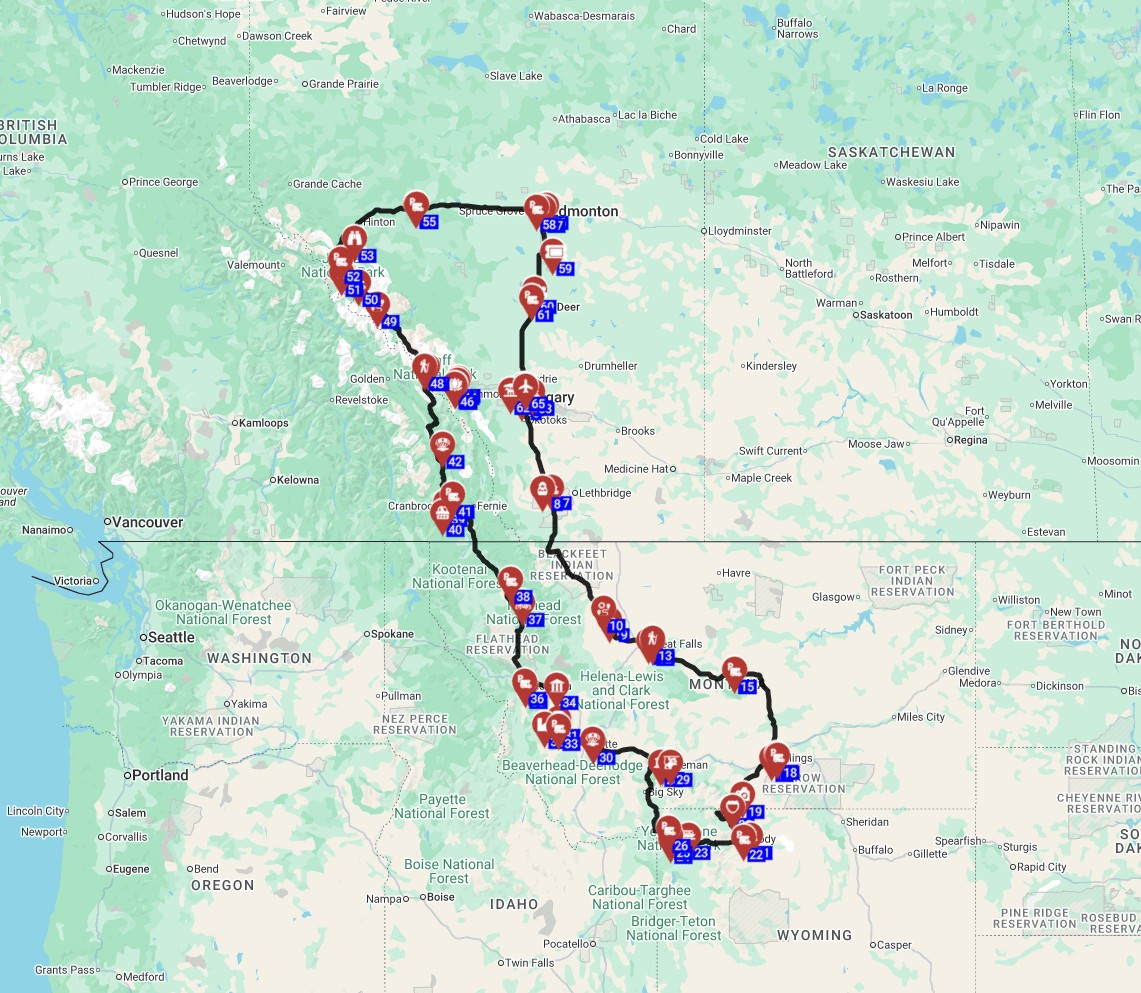
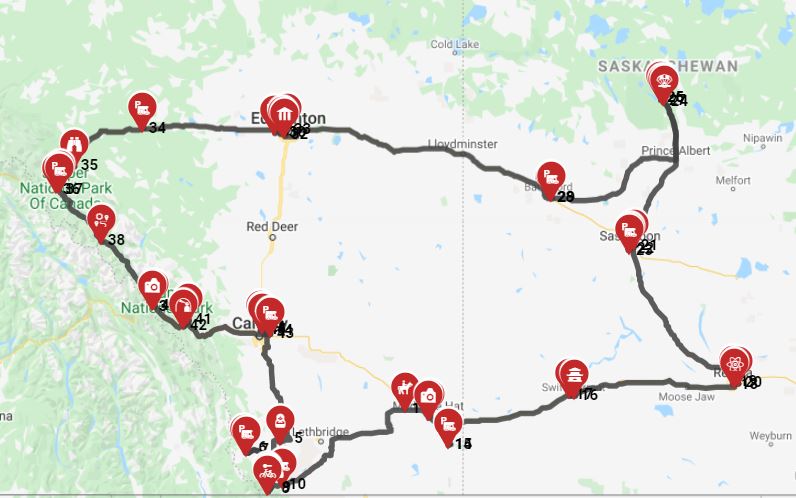
- Recommended RVPlan Trip for Canada
- Must-See Stops Along the Way (Avi Bandana Picks)
- Daily Driving Distances & Drive Times in Canada
- Best RV Class for This Itinerary — Couple & Family Picks
- How much does a weekend RV rental in Canada cost?
- What are the best places for boondocking or wild camping in Canada?
- What unique RV vehicle requirements apply in Canada?
- How is cell service and Wi-Fi connectivity for RV travel in Canada?
- Can I travel with my pet in an RV in Canada, and what are the rules?
- What travel insurance do I need for an RV trip in Canada?
Best Canada RV Itinerary for weekend rv rental — Overview
Focused regional weekend RV trips in Canada are highly feasible for local exploration, allowing you to discover the diverse beauty of this vast country at your own pace. While a comprehensive Canada RV itinerary typically spans at least 7-14 days for a meaningful experience across its diverse landscapes, even a shorter weekend getaway can offer a fantastic taste of RV travel.
The ideal travel season in Canada for RVing is generally from late spring to early fall (May-October), ensuring the best weather conditions and accessibility to most attractions and campgrounds. For those planning longer trips, consider that a 7-day regional tour might cover 700-1050 km (435-650 miles), depending on your chosen route. When planning, it's crucial to consider your travel style, prioritizing either scenic drives, specific attractions, or cost-saving strategies like extended stays in one area. For live availability and current prices, start with our RV Rental Canada - Complete Guide 2026 guide.
7-Day Classic Route in Canada
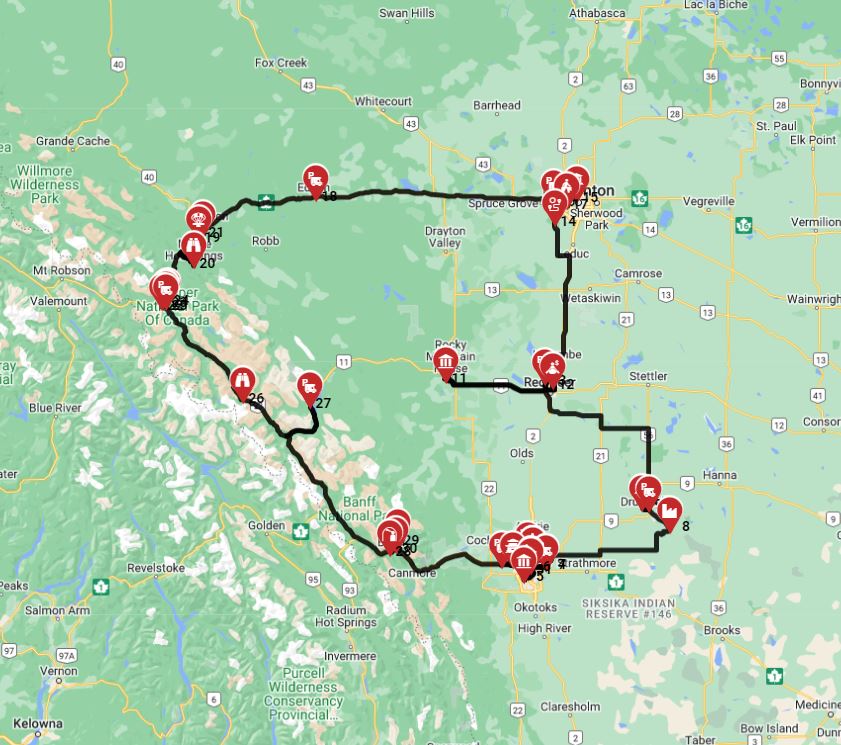
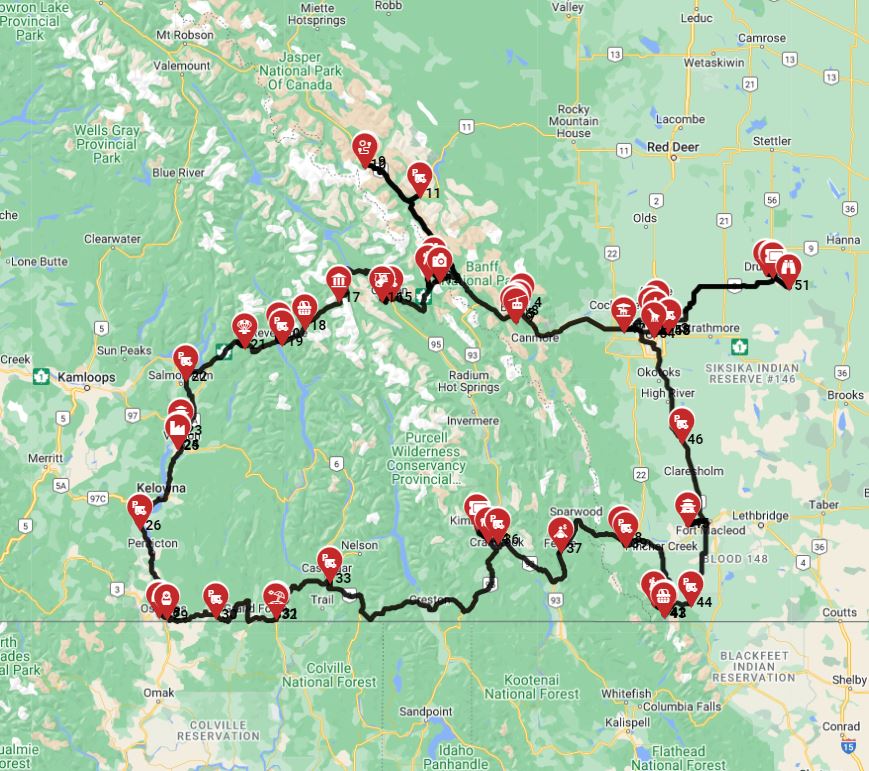
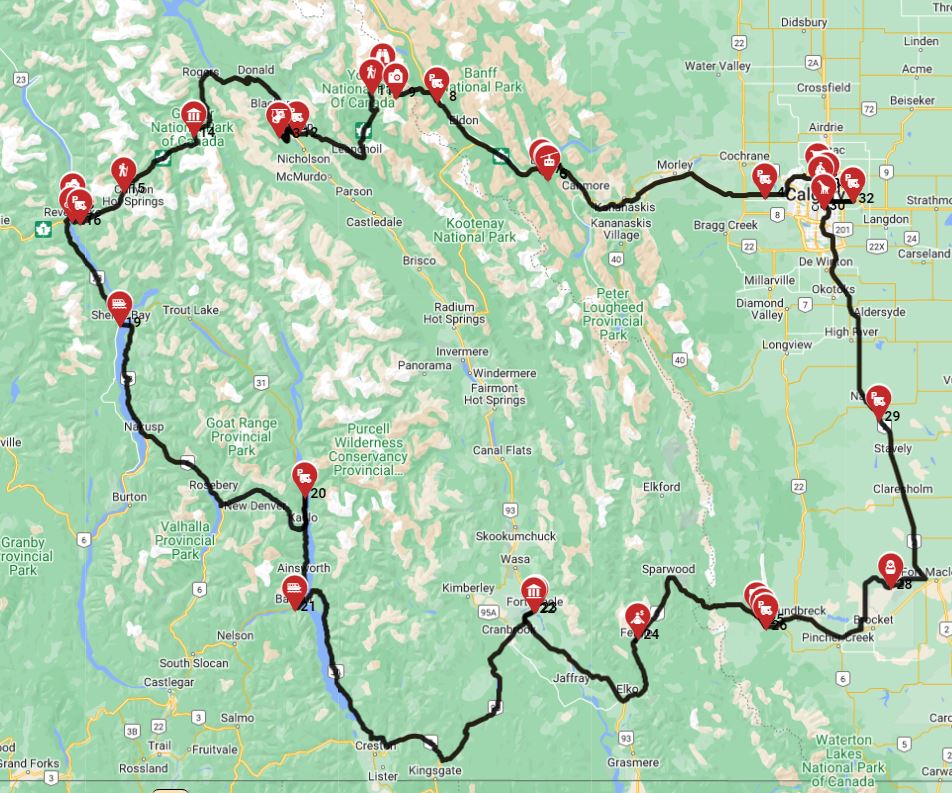
A classic 7-day RV route in Canada could explore a specific region like the Canadian Rockies in Alberta, offering a balanced mix of scenic drives, outdoor activities, and cultural stops while respecting daily mileage recommendations. This itinerary allows for in-depth exploration without feeling rushed.
Day 1: Calgary, AB to Banff, AB (approx. 120 km / 75 miles). Highlights include exploring Banff Avenue and taking the Sulphur Mountain Gondola. Overnight at Tunnel Mountain Village Campground.
Day 2: Explore Banff & Lake Louise (minimal driving). Must-sees include the iconic Lake Louise, Moraine Lake (seasonal access), and Johnston Canyon. Overnight at Lake Louise Campground.
Day 3: Lake Louise to Golden, BC (approx. 80 km / 50 miles). Discover the wonders of Yoho National Park, including Emerald Lake and the Natural Bridge. Overnight at Kicking Horse Campground, Yoho NP.
Day 4: Golden to Radium Hot Springs/Invermere, BC (approx. 100 km / 62 miles). Enjoy a relaxing soak at Radium Hot Springs and explore Kootenay National Park. Overnight at Dry Gulch Provincial Park, Invermere.
Day 5: Invermere to Cranbrook/Kimberley, BC (approx. 100 km / 62 miles). Visit the St. Eugene Golf Resort & Casino or explore Kimberley's charming Bavarian village. Overnight at Wasa Lake Provincial Park.
Day 6: Cranbrook to Waterton Lakes National Park, AB (approx. 170 km / 105 miles). Experience the International Peace Park and abundant wildlife viewing opportunities. Overnight at Waterton Townsite Campground. Note: this day slightly exceeds the daily average mileage for a more rewarding experience.
Day 7: Waterton Lakes to Calgary, AB (approx. 260 km / 160 miles). A scenic drive back to Calgary for RV return, advisable to start early for this longer travel day to complete the loop.
14-Day Extended Journey in Canada
A 14-day RV journey allows for a more immersive exploration of a larger Canadian region, such as a loop through the Atlantic provinces, offering diverse landscapes, rich history, and unique cultural experiences at a relaxed pace. This longer timeframe provides ample opportunity to truly connect with each destination.
Days 1-2: Moncton & Fundy National Park, NB. Start in Moncton and drive to Fundy (approx. 100 km / 62 miles) to explore Hopewell Rocks and hiking trails. Overnight at Fundy National Park.
Days 3-4: Prince Edward Island (PEI). Travel to PEI (approx. 150 km / 93 miles from Fundy via Confederation Bridge) to visit Cavendish, Anne of Green Gables sites, and Charlottetown. Overnight at a Provincial Park, PEI.
Days 5-6: Northumberland Shore, NS. Drive (approx. 100 km / 62 miles from PEI) to enjoy Canada's warmest salt water beaches and charming towns. Overnight at Rushtons Beach Provincial Park.
Days 7-8: Halifax & Peggy's Cove, NS. Travel (approx. 150 km / 93 miles) to explore the historic Halifax Waterfront and the iconic Peggy's Cove lighthouse. Overnight at Halifax West KOA.
Days 9-10: Lunenburg & South Shore, NS. Journey (approx. 100 km / 62 miles) to discover UNESCO Old Town Lunenburg and Mahone Bay. Overnight at The Ovens Natural Park.
Days 11-12: Annapolis Royal & Valley, NS. Explore Fort Anne and the scenic Annapolis Valley wineries. Overnight at Upper Clements Provincial Park.
Days 13-14: Return to Moncton, NB. Drive back to Moncton (approx. 250 km / 155 miles), concluding your trip with beautiful landscapes. Note: This is a connector day, but achievable.
Consider integrating boondocking in designated provincial areas or Crown land (where legal) as a cost-saving measure, ensuring adherence to Leave No Trace principles.
Recommended RVPlan Trip for Canada
For those seeking an extensive Canadian adventure, RVPlan offers comprehensive, expert-designed itineraries. For example, the "Halifax to Whitehorse - Exploring Canada’s Heartland in a Motorhome" trip spans an impressive 9199.1 km over 37 days, showcasing the incredible diversity of Canada.
This epic journey, starting in Halifax and concluding in Whitehorse, offers a unique opportunity to experience multiple provinces and territories, providing deep immersion into local cultures and the rugged wilderness of the Yukon. RVPlan's meticulously crafted routes take the guesswork out of planning, allowing you to focus on the experience.
Must-See Stops Along the Way (Avi Bandana Picks)
Drawing from Rent-Motorhome's curated RVPlan trips, Avi Bandana's top picks for authentic Canadian experiences include engaging with local culture at traditional markets and historical sites, exploring local industries, and enjoying traditional restaurants that offer a true taste of the region.
Traditional Markets: Discover local produce, unique crafts, and connect with communities at vibrant Traditional Markets, such as the Fort Nelson Farmers Market mentioned in longer RVPlan trip descriptions, offering insights into regional life. Use RV PLANET routes to discover specific market stops.
Traditional Restaurants / Fine Dining: Indulge in local culinary delights at Traditional Restaurants, sampling regional specialties from fresh seafood in the Maritimes to hearty comfort food in the Prairies, often found in historic town centers.
Local Industry Visits: Gain insight into Canada's economic and cultural fabric by visiting Local Industry sites, such as breweries or artisan workshops, offering unique perspectives on local craftsmanship and production.
Traditional Visits / Historical Sites: Immerse yourself in Canada's rich heritage with Traditional Visits to significant Historical Sites, Indigenous cultural centers, or living history museums for an enriching experience. For detailed itineraries and specific attraction counts, explore the RV PLANET routes.
Daily Driving Distances & Drive Times in Canada
To truly savor the Canadian RV experience, a relaxed pace is key. Avi Bandana recommends a maximum of 100 miles or 150 km per day on average, encouraging slow travel to allow for spontaneous stops, exploration, and appreciation of the diverse landscapes.
Adhering to this 100 miles / 150 km daily average ensures a leisurely pace, providing ample time for scenic overlooks, short hikes, and exploring charming small towns rather than rushing between destinations. For example, the drive from Calgary to Banff, AB, is approximately 120 km (75 miles) and takes about 1.5 to 2 hours, making it an ideal daily segment for relaxed travel. Another example, Montreal to Quebec City, QC, at roughly 250 km (155 miles) taking 2.5 to 3 hours, would typically be considered a longer day and might be split over two half-days if strictly adhering to the maximum daily mileage for true slow travel. Remember to budget for varying fuel costs across provinces, as prices can differ significantly. On the routes offered through RV PLANET routes, you can itemize and track every expense along the way for easy budgeting.
Always factor in additional time for fuel stops, meal breaks, and unexpected scenic detours to maintain a stress-free travel schedule.
Best RV Class for This Itinerary — Couple & Family Picks
Selecting the optimal RV class for your Canadian adventure depends on your group size and desired comfort. Bandana's global fleet typically shows Class B Camper Vans as ideal for couples seeking maneuverability and fuel efficiency, while Class C motorhomes offer spaciousness and dedicated sleeping areas perfect for families.
For Couples: The Class B - Camper Van is an excellent choice. These units, averaging 5.8 meters (about 19 ft) in length, comfortably accommodate around 2.7 adults and are agile for smaller roads and easier to park, often with good fuel efficiency.
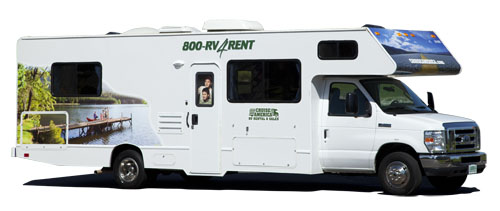
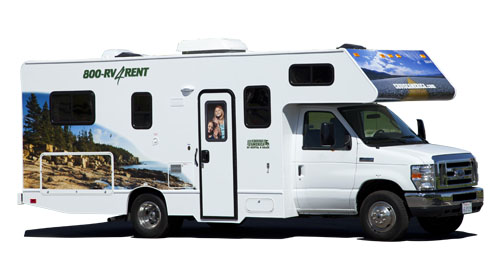
For Families: The Class C - Alcove is highly recommended. Averaging 7.5 meters (about 24.6 ft) in length, these RVs easily accommodate 4.4 adults, providing ample living space, a dedicated sleeping area over the cab, and sufficient storage for longer family trips. For instance, the 29' Class C Motorhome offers up to 7 sleeping places, making it suitable for larger families or groups.
To simplify your journey, consider Bandana's "Rent & Plan" service. This provides not only your chosen RV rental but also a ready-made itinerary crafted by travel experts, complete with access to trip-planning software, removing the headache of meticulous preparation.
When preparing for your RV trip in Canada, remember unique Canadian specifics like metric speedometers, understanding propane tank regulations for refills, and being aware of potential winter tire laws if traveling outside of the summer months in certain regions.
How much does a weekend RV rental in Canada cost?
A weekend RV rental in Canada typically ranges from CAD $200-$500 per night. The total cost will depend on the RV class, rental season, duration, insurance, and additional expenses like fuel, campground fees, and groceries. Rental rates are generally higher during peak season (July-August) and for larger, newer RVs, while off-season or shoulder season travel (May-June, September-October) can offer more favorable deals.
Ensure you clarify what's included (e.g., mileage, basic insurance) and what's extra (e.g., kitchen kits, linen, extra mileage, generator use) in your rental agreement. Detailed budget breakdowns should account for fuel (factor in 10-15 L/100km consumption at average CAD $1.50-$2.00/L), campground fees (CAD $30-$70 per night for serviced sites), groceries (CAD $50-$100 per day for a small family), and potential attraction fees (e.g., National Park passes). For example, if you're looking for a cheap RV rental in Canada, consider traveling in the shoulder season. For ideas you can prep on the road, watch our RV-friendly recipes playlist on YouTube.
Cost-saving strategies include booking in advance, traveling during shoulder seasons, cooking most of your meals in the RV, utilizing free boondocking spots where legal and safe, and opting for smaller, more fuel-efficient RVs like a Class B Camper Van.
What are the best places for boondocking or wild camping in Canada?
Boondocking, or wild camping, in Canada is often legal on designated Crown Land, particularly in provinces like British Columbia, Alberta, and Ontario. However, it requires careful adherence to local regulations, safety practices, and Leave No Trace principles. Legality varies by province; always research provincial government websites (e.g., BC's Recreation Sites and Trails, Alberta's Public Land Use Zones) for specific Crown Land areas and regulations.
National Parks, Provincial Parks (outside designated campgrounds), and private land generally prohibit boondocking. Always practice Leave No Trace principles: pack out everything you pack in, dispose of waste properly, minimize campfire impacts, respect wildlife, and be considerate of other visitors. Prioritize safety by informing someone of your itinerary, carrying emergency supplies (first aid, satellite messenger for remote areas), being bear-aware (store food properly), and ensuring your RV is self-sufficient with water, power, and waste management.
Utilize resources like iOverlander, Campendium, or specific provincial government recreation maps for finding legal and suitable boondocking spots. Be aware that many prime boondocking locations are in remote areas with limited or no cell service, requiring offline navigation and communication planning.
What unique RV vehicle requirements apply in Canada?
RV travelers in Canada must be aware of unique requirements such as metric speedometers, specific propane tank regulations, and potential winter tire laws in certain provinces or seasons, ensuring their vehicle is adequately prepared for Canadian conditions. Canada uses the metric system, meaning all speed limits are in km/h and distances are in kilometers; confirm your RV's speedometer displays km/h or utilize a GPS with metric readings.
Canadian regulations for propane tanks are stringent, so ensure your RV's tanks meet Canadian standards, especially if renting from outside Canada. Refilling stations may require specific fittings. In British Columbia, winter tires (M+S or snowflake symbol) or chains are mandatory on many highways from October 1 to April 30, and other provinces may have similar recommendations or requirements for mountain passes during colder months.
Carry essential safety gear, including a first-aid kit, emergency triangles/flares, a working fire extinguisher, and potentially bear spray if venturing into wilderness areas. Always adhere to your RV's load capacity to prevent overloading.
How is cell service and Wi-Fi connectivity for RV travel in Canada?
Cell service in Canada can be reliable in major cities and along main highways but becomes significantly sparser in remote and wilderness areas, necessitating careful planning for connectivity and alternative communication methods. Expect considerable "dead zones" outside of populated corridors, particularly within National Parks, mountainous regions (e.g., the Rockies, interior BC), and northern territories.
Major Canadian providers include Bell, Telus, and Rogers, which offer the broadest coverage; consult their coverage maps when planning your route to anticipate service availability. While many private campgrounds offer Wi-Fi (often for a fee), quality can vary, especially during peak times. Provincial/National Parks less commonly provide Wi-Fi beyond visitor centers, although free public Wi-Fi is available in towns.
For practical advice, consider acquiring a Canadian SIM card for cost-effective data, download offline maps for navigation in areas without service, and for truly remote travel, a satellite messenger or satellite phone is highly recommended for emergency communication.
Can I travel with my pet in an RV in Canada, and what are the rules?
Traveling with pets in an RV across Canada is generally pet-friendly but requires adherence to border crossing regulations, awareness of pet-friendly accommodations and attractions, and knowing where veterinary services are available. For border crossings (e.g., from the US), mandatory proof of rabies vaccination is required for cats and dogs. While not always required, a vet-issued health certificate is highly recommended, alongside clear pet identification (collar tag, microchip).
Most private RV parks and provincial campgrounds welcome pets, usually with a leash rule. National Parks have specific regulations, generally allowing leashed pets in developed areas and some trails while prohibiting them in backcountry or sensitive wildlife zones. Many outdoor attractions, hiking trails (outside specific wildlife areas), and some restaurant patios are pet-friendly, but always confirm policies in advance, especially for indoor venues.
Research veterinary clinics along your planned route, particularly in larger towns, to be prepared for any pet emergencies. Always carry a pet first-aid kit, never leave pets unattended in the RV during extreme temperatures, and adhere to leash laws and waste disposal rules.
What travel insurance do I need for an RV trip in Canada?
For an RV trip in Canada, comprehensive travel insurance is essential, extending beyond basic health coverage to include RV-specific roadside assistance, medical evacuation, and coverage for mechanical breakdown, especially when traveling in remote areas. Ensure your personal health insurance provides adequate coverage in Canada, as many international plans may not cover all costs, making supplemental travel medical insurance a wise investment.
For RV rentals, a Collision Damage Waiver (CDW) is crucial for covering damage to the RV itself. Check if your personal auto insurance or credit card benefits extend to RVs, as they often do not. Ensure you have sufficient liability insurance to cover damage to third parties or their property. Invest in specialized RV-specific roadside assistance, as standard auto coverage may not encompass RV-specific issues like tire blowouts or engine trouble in remote Canadian areas; options include services like AAA/CAA RV coverage or Good Sam.
Crucially for remote Canadian travel, ensure your medical insurance includes coverage for air or ground medical evacuation in case of serious injury or illness far from medical facilities. Consider trip interruption/cancellation insurance for unforeseen events like illness or natural disasters.
What You Shouldn't Miss
- Drive the Icefields Parkway (Alberta): This legendary scenic route connects Banff and Jasper National Parks, offering unparalleled views of glaciers, turquoise lakes, and vast wilderness. Stop at viewpoints like Peyto Lake and Athabasca Glacier.
- Explore the Canadian Rockies: Dedicate at least a few days to Banff and Jasper National Parks. Hike to Lake Agnes Tea House, kayak on Lake Louise, or take a gondola ride for breathtaking panoramic views.
- Visit Peggy's Cove (Nova Scotia): Experience the iconic lighthouse perched on wave-swept rocks, a quintessential East Coast Canadian image.
- Walk the Hopewell Rocks (New Brunswick): Witness the dramatic tide changes in the Bay of Fundy, where you can walk on the ocean floor during low tide and see the rocks carved by water.
- Discover Old Town Lunenburg (Nova Scotia): Wander through this UNESCO World Heritage site, a beautifully preserved colonial fishing town with colorful wooden architecture.
- Experience Vancouver's Natural Beauty: Explore Stanley Park, visit Granville Island Market, or take a ferry to explore the surrounding islands and coastal beauty.
Final Thoughts
Renting an RV in Canada for a weekend or a longer adventure opens up a world of possibilities, allowing you to connect with nature and create lasting memories. From the majestic Rockies to the charming Maritimes, Canada offers incredibly diverse landscapes perfect for exploring by motorhome.
With Bandana Caravan, planning your RV journey is straightforward and transparent. We provide the tools and expertise to help you find the perfect vehicle and suggest inspiring routes, so you can focus on the adventure ahead. Remember to travel slowly, embrace the journey, and discover the true freedom of the open road.
Get inspired for your next trip! Discover top destinations, planning tips, and more, all in one place. Plan a trip itinerary in advance with minimal effort and maximum enjoyment by exploring the resources available through Bandana Caravan and RV PLANET.