In This Guide
- Can You Drive an RV in West Europe? License & Age Rules
- Road Conditions & Terrain in West Europe
- RV Size Limits, Bridges & Restricted Zones
- Fuel: Diesel vs. Petrol & Cost per 100 km
- Tolls, Vignettes & Border Rules
- Driving Tips for weekend rv rental Travelers
- Recommended RV Class for West Europe Roads
- Should I Choose a Compact Van Instead of a Large RV in West Europe?
- Can I Park Anywhere? Free & Wild Camping Rules in West Europe
- Can I Drive an RV Into the City Center? Heights, Tunnels & Local Signage
- How much does it cost to rent an RV for a weekend in Europe?
- Is it worth renting an RV in Europe?
- Is it hard to drive an RV in Europe?
- Can I rent an RV in one European country and drop it off in another?
- Is it difficult to find campsites in Europe?
- What is the best RV for European travel?
Exploring West Europe with a rented RV offers an unmatched sense of freedom, allowing you to craft unforgettable adventures at your own pace. Imagine waking up to a stunning mountain vista in the Alps, spending your afternoon exploring a charming French village, and ending your day with a delicious meal cooked in your mobile kitchen. For live availability and current prices, start with our RV Rental West Europe - Complete Guide 2026 guide.
Can You Drive an RV in West Europe? License & Age Rules
In West Europe, most standard B license holders can drive rented RVs with a maximum authorized mass (MAM) up to 3,500 kg without needing any special permits. For larger motorhomes exceeding 3,500 kg MAM, a C1 (up to 7,500 kg) or C (over 7,500 kg) license category is typically required, though often a standard license will cover many Class C rentals. The minimum driver age for RV rentals through Bandana Caravan is 21 years old, and importantly, there are no young driver surcharges or vehicle class restrictions based on age, making RV travel accessible for a wider range of adventurers. Non-EU citizens are recommended to carry an International Driving Permit (IDP) alongside their valid national driving license for smooth travel, although it's not strictly mandatory in all cases. This flexibility ensures that getting behind the wheel of your rented campervan or motorhome in West Europe is straightforward.Road Conditions & Terrain in West Europe
West Europe boasts excellent road infrastructure, including high-speed motorways and meticulously maintained scenic routes that are perfect for rented RV adventures. The terrain varies significantly across the region, from the flat coastal plains of countries like the Netherlands and Belgium to the dramatic, winding mountain passes of the Alps in Switzerland, Austria, and France. While urban centers, particularly historic towns with narrow cobblestone streets, require careful navigation with a rented RV, rest assured that you can drive almost anywhere without issues. No need to stress-just use common sense and pay attention to local signage. The region is truly ideal for slow, scenic driving, allowing travelers to fully immerse themselves in the diverse landscapes and local cultures, whether on a week-long trip or an extended road trip.RV Size Limits, Bridges & Restricted Zones
RV travelers in West Europe must be vigilant for height restrictions, which are common on low bridges, tunnels, and parking garages, especially in older towns. Many European cities have established environmental zones (often called Low Emission Zones or LEZ/ZFE) that restrict access for older or larger vehicles without specific permits, designed to improve air quality. When planning your route and considering a rental motorhome, always pay close attention to local road signage for specific vehicle dimensions and prohibited zones to avoid fines or potential damage. For international journeys, ferry operators, particularly for popular crossings like the English Channel, have strict length and weight limits that impact booking and pricing, making advance planning crucial for your rented caravan.Fuel: Diesel vs. Petrol & Cost per 100 km
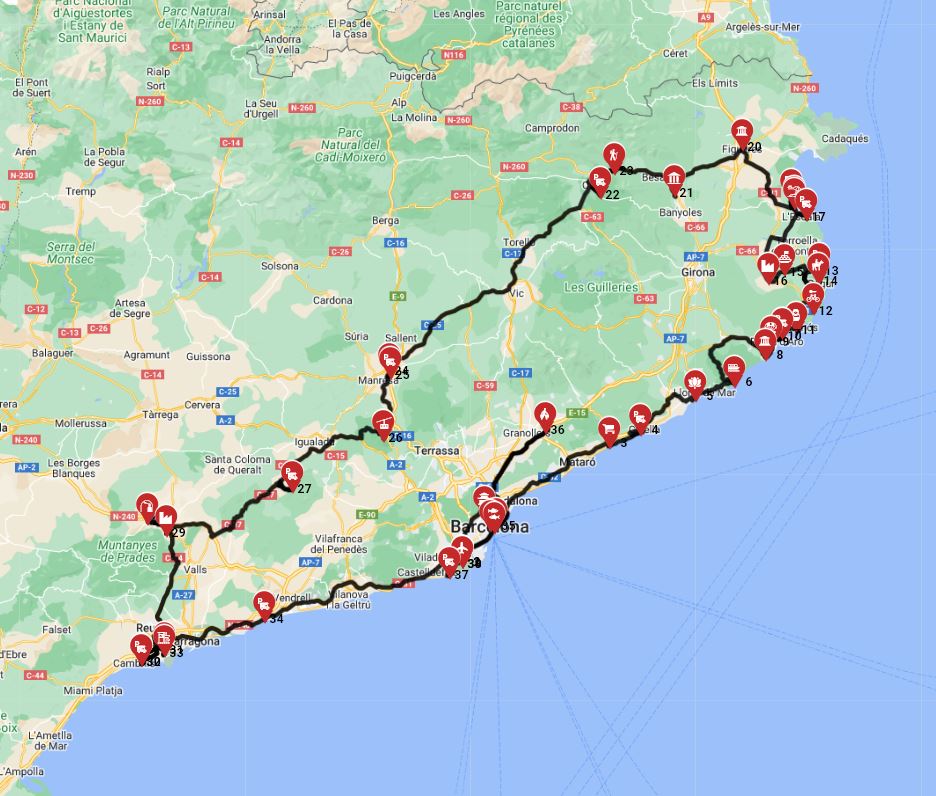
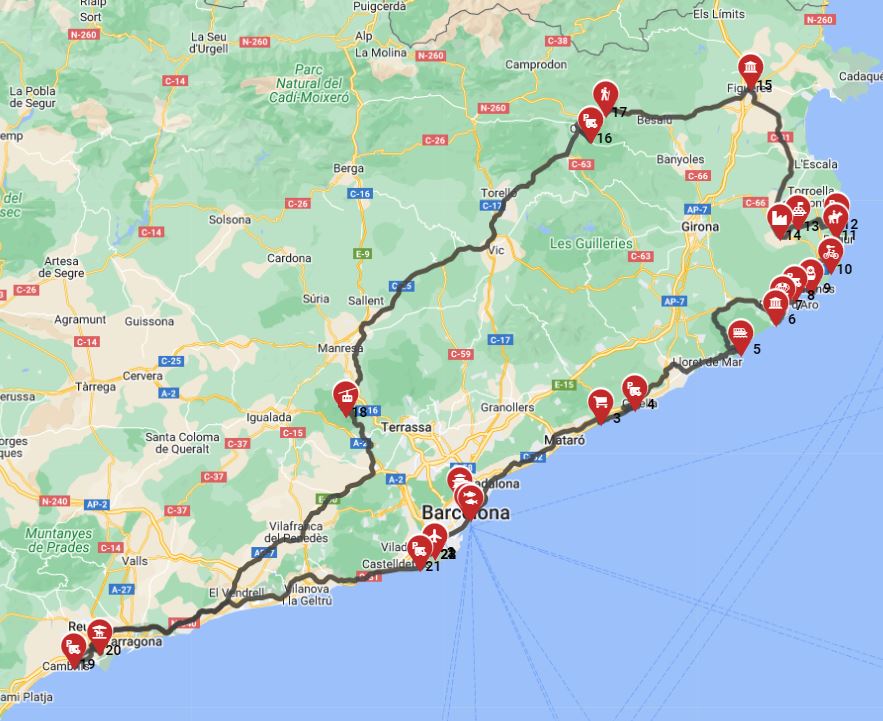
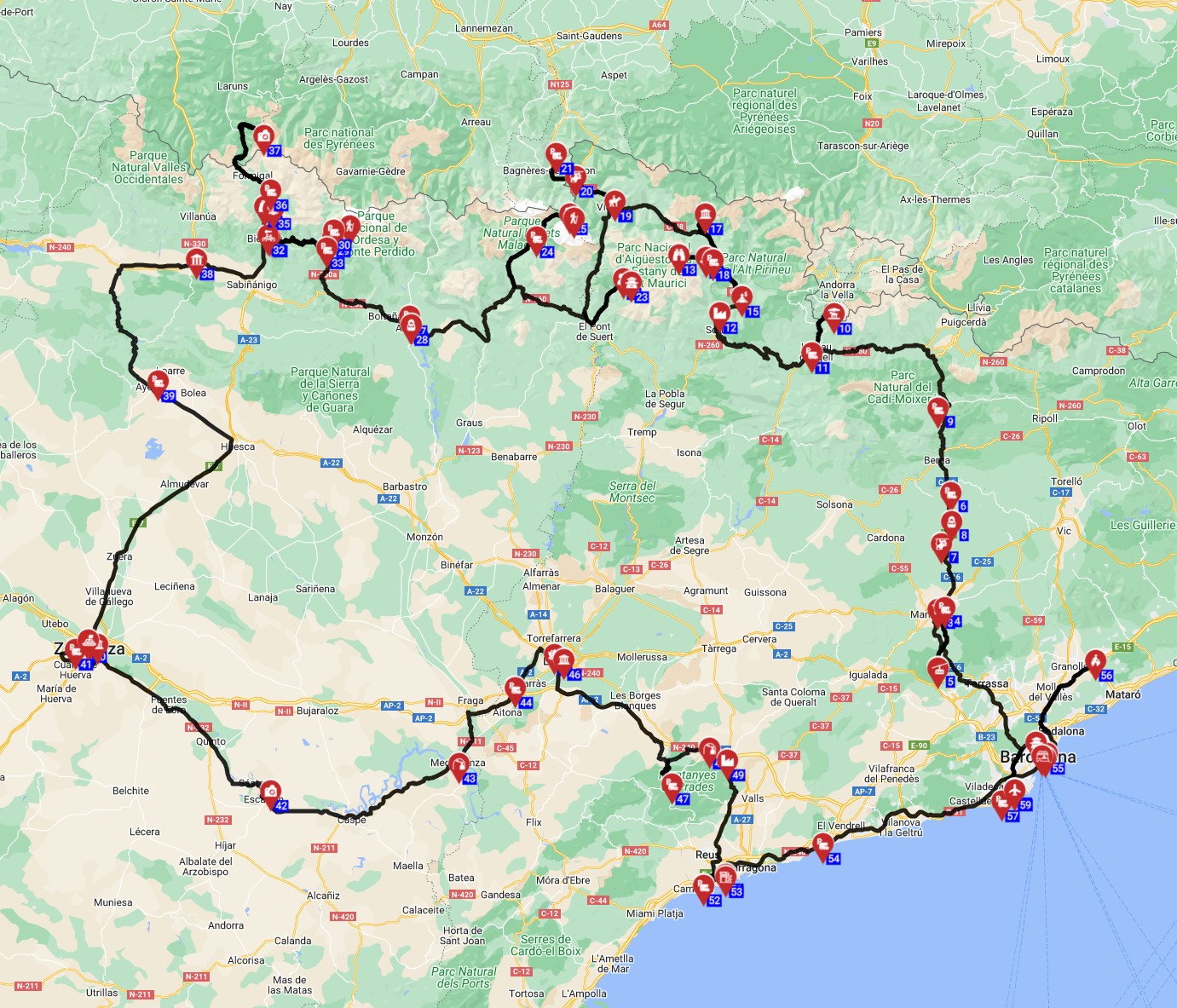
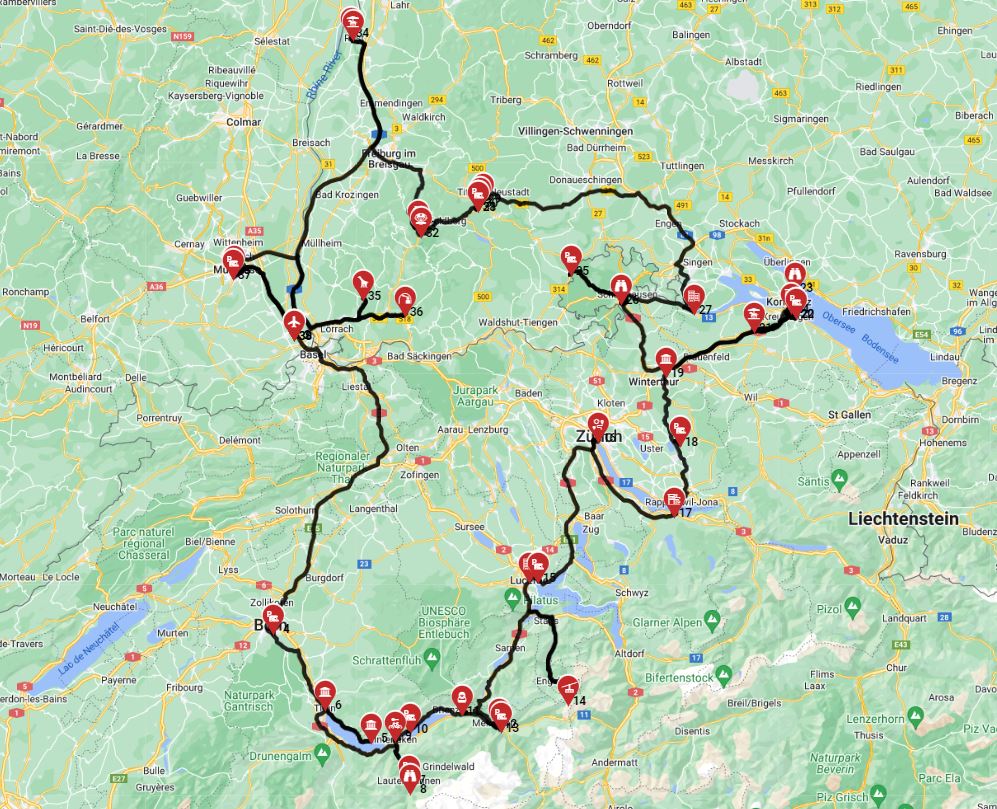
The vast majority of rented RVs in West Europe run on Diesel, which is readily available at fuel stations across the region, making refueling your rented motorhome straightforward. Bandana's fleet typically sees common fuel consumption for smaller Class B Camper Vans at 8-10 Liters/100 km, while larger Class SI and Class C RVs average 10–12 Liters/100 km. As of 2026, budgeting €1.70-€2.00 per liter for diesel is a realistic estimate, which is generally higher than in many other parts of the world. While some rent-motorhome providers may offer fuel discount cards, managing your fuel budget is key; on RV PLANET routes, you can easily itemize and track every expense, including fuel, for comprehensive budgeting.Tolls, Vignettes & Border Rules
West European countries utilize a mix of toll systems, requiring advance awareness for a smooth rented RV trip. These include direct payment at toll booths (common in France and Italy), electronic transponders (like in Portugal), and mandatory vignettes (pre-paid stickers for specific countries such as Switzerland and Austria). Driving between countries within the Schengen Area is generally seamless, with minimal border checks, though non-EU citizens should always carry their passports and RV rental documents. To avoid fines and streamline your journey, research specific country requirements for your rented campervan in advance; some rental providers allow pre-purchasing toll passes. For ferry travel, especially to islands or the UK, advance booking is essential, ensuring you provide accurate dimensions for your rented motorhome. You can find more detailed information on tolls and routes in our One-Way RV Rental in West Europe - Price Guide 2026.Driving Tips for weekend rv rental Travelers
For an enjoyable experience with your rented RV in West Europe, utilizing RV-specific navigation apps is highly recommended to plan routes that effectively avoid unsuitable roads, low bridges, or environmental zones. Slow travel is key to fully appreciating the diverse landscapes and rich culture; aim for a maximum of 100-150 km per day on average, allowing ample time to feel the place, connect to the culture, the food, and the scenery. For family trips, incorporating frequent stops at playgrounds or scenic viewpoints will keep everyone comfortable and engaged during your rented mobile home adventure. Consider renting an RV with an automatic transmission for easier driving on varied European terrain and potentially congested urban areas. Familiarize yourself with European road signs, especially those indicating speed limits, parking restrictions, and vehicle dimensions, which can differ from your home country, ensuring a stress-free journey.Recommended RV Class for West Europe Roads
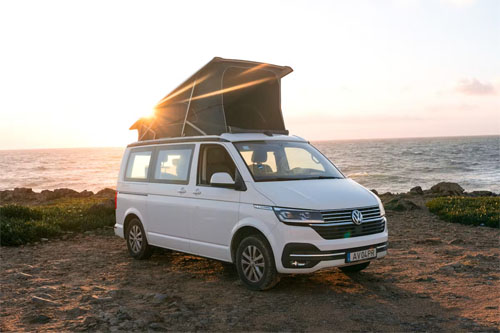
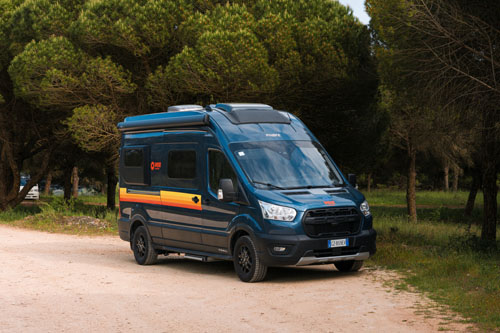
For optimal maneuverability and comfort on West European roads, a Class B - Camper Van or Class SI - Semi-integrated RV is highly recommended when choosing your rented RV. Class B Camper Vans, with an average length of 5.8m, are particularly ideal for navigating tight village streets and offer significantly easier parking, making them perfect for couples or small families. Class SI Semi-integrated RVs, averaging 6.9m in length, strike an excellent balance between ample living space (typically sleeping 3.8 people) and manageable dimensions for most European routes. While larger Class C (7.5m avg.) or Class A (7.5m avg.) motorhomes are available and offer more extensive amenities, they can present more challenges in historic city centers or on very narrow mountain roads.Should I Choose a Compact Van Instead of a Large RV in West Europe?
While West Europe's infrastructure generally accommodates a range of RV sizes, choosing a compact van (like a Class B Camper Van) can indeed offer superior maneuverability. A compact van is genuinely advantageous when you specifically plan to explore very tight historic city centers, navigate extremely narrow mountain passes, or prioritize finding easy street parking. However, for a trip where you might spend more than just a quick weekend getaway, the enhanced comfort, indoor space, and amenities of a larger rented RV (such as a Class SI Semi-integrated model, often sleeping 3-4 people) often make it a better trade-off for overall enjoyment and convenience. You can drive slowly and carefully, and you can drive almost anywhere without issues, regardless of size. The decision ultimately balances the priority of ease of navigation and parking against the desire for more spacious living and sleeping arrangements in your rented motorhome.Can I Park Anywhere? Free & Wild Camping Rules in West Europe
Free camping or wild camping rules vary significantly across West European countries and often by local municipality, so always check local regulations for your rented RV. Designated 'aires de services' in France or 'Stellplätze' in Germany often allow overnight parking, sometimes for free, specifically for RVs and offer basic services like water and waste disposal. Countries like the UK, Netherlands, Belgium, and much of Germany generally prohibit wild camping outside of official campsites or private land with explicit permission. Understanding these local laws and finding approved spots through resources like RV PLANET (rvplan.net) is crucial to avoid fines or issues during your rented campervan adventure.Can I Drive an RV Into the City Center? Heights, Tunnels & Local Signage
Yes, you can almost always drive a rented RV into city centers in West Europe, but it requires critical awareness of local restrictions and signage. You must pay meticulous attention to local signage for height limits on tunnels, parking garages, and historic archways, which are often lower than what you might expect for a motorhome. Many city centers feature environmental zones (LEZ/ZFE) or residents-only streets, from which RVs might be restricted or require special permits. To navigate safely and confidently, always use an RV-specific GPS that accounts for your vehicle dimensions (height, weight, length). Drive slowly and carefully, and you can drive almost anywhere without issues. No need to stress-just use common sense and pay attention.How much does it cost to rent an RV for a weekend in Europe?
Renting an RV for a shorter duration trip in West Europe, which could encompass a quick weekend getaway, typically ranges from €200 to €500, with prices fluctuating based on RV class, seasonality, and the specific rental provider. It is important to budget for additional expenses beyond the rental cost, including fuel (common RVs like Class SI or C consume 10-12 Liters/100 km), road tolls or vignettes, and campsite fees (averaging €20-€50 per night). Initial costs also typically include mandatory insurance, potential cleaning fees, and a security deposit; comparing all-inclusive packages offered by various suppliers can be a smart budgeting hack. Opting for off-season or shoulder season travel (e.g., April-May or September-October) can significantly reduce rental prices and overall trip costs due to lower demand. For more details, explore our "RV Rental in West Europe - Prices and Best Deals 2026" or "Weekly RV Rental in West Europe - Pricing 2026" guides, and benefit from our full transparency with no hidden fees or surprises.Is it worth renting an RV in Europe?
Renting an RV in West Europe is highly worthwhile for travelers seeking unparalleled freedom, flexibility, and a unique way to experience diverse cultures and landscapes. It allows for spontaneous itinerary changes, visits to remote or picturesque locations often inaccessible via public transport, and the ability to travel across multiple countries seamlessly. The cost-effectiveness of preparing your own meals and avoiding multiple hotel bookings can offer significant savings, especially for families or longer trips. Consider exploring our RV-friendly recipes playlist for delicious and easy meal ideas on the road. Beyond practicalities, RVing provides a distinct cultural immersion, allowing interaction with locals at campgrounds and a deeper connection with the places visited, including experiencing local customs and etiquette.Is it hard to drive an RV in Europe?
Driving a rented RV in West Europe is generally not difficult, particularly with smaller, more common classes like Class B Camper Vans (average 5.8m length) or Class SI Semi-integrated RVs (average 6.9m length). The primary challenge often lies in navigating narrower historic city streets, low-clearance areas, and occasionally tight parking spaces, which differ from broader American infrastructure. European road signs are clear and standardized, but driving rules can vary between countries, necessitating a quick review of local regulations. With a bit of caution, an RV-specific GPS, and familiarity with your vehicle's dimensions, the experience is largely manageable and enjoyable, allowing you to discover top destinations with ease.Can I rent an RV in one European country and drop it off in another?
Yes, one-way RV rentals between European countries are often possible, offering significant logistical flexibility for multi-country trips with your rented motorhome. These rentals typically incur an additional 'one-way fee,' which varies widely based on the distance between pick-up and drop-off locations and the specific rental company's policies. It is crucial to arrange cross-country drop-offs well in advance and confirm all associated costs and logistical requirements with your rental provider. This option is particularly beneficial for travelers planning extensive inter-country itineraries, allowing them to cover more ground without needing to return to their starting point. For specific pricing on this, consult our "One-Way RV Rental in West Europe - Price Guide 2026".Is it difficult to find campsites in Europe?
Finding campsites for your rented RV in West Europe is generally not difficult, as the region boasts a comprehensive network of well-maintained and diverse campgrounds. During peak summer months (July-August) in popular tourist destinations, campsite availability can be tight, making advance booking highly advisable. Many national and state parks, however, reserve 25-30% of their spots for first-come, first-serve arrivals, so you'll often find a spot. If not at the first campground, then the next one; just call ahead before driving. Numerous dedicated RV apps like Park4Night, Campercontact, and Stellplatz-Radar provide real-time information on campsites, 'aires', and service points, including user reviews and amenities. Ensuring good mobile data connectivity is key for utilizing these apps effectively, making technology and connectivity a crucial planning point for your West Europe RV trip.What is the best RV for European travel?
The best RV for European travel primarily depends on your group size, comfort preferences, and desired level of maneuverability, with Class B Camper Vans and Class SI Semi-integrated models being top choices for your rental. Class B Camper Vans (average length 5.8m, typically sleeping 3.2 people), such as the "Active Classic" or "HiTop" models, are ideal for couples or small families prioritizing agility, ease of parking, and access to narrower roads. Class SI Semi-integrated RVs (average length 6.9m, typically sleeping 3.8 people), like the "2 Berth Rover" or "Active Extra", offer a great balance of comfortable living space and manageable dimensions for most European routes. For larger families requiring more beds and living area, Class C Alcove RVs (average length 7.5m, sleeping 5.8 people), such as the "Glamys 265", provide ample space, but their increased height and length can be more challenging in very tight urban or mountain areas. We always recommend choosing a vehicle that suits your travel style and group size from our wide selection of rented motorhomes.🎬 Video coming soon
What You Shouldn't Miss
- Explore the Romantic Road, Germany: Drive a rented campervan through Bavaria's enchanting Romantic Road, a 460-kilometer route connecting charming medieval towns like Rothenburg ob der Tauber and Fussen, ending at the fairytale Neuschwanstein Castle.
- Swiss Alps Panorama: Traverse breathtaking mountain passes in the Swiss Alps, such as the Furka Pass or Grimsel Pass, offering unparalleled views and access to picturesque villages for your rented mobile home.
- Loire Valley Châteaux, France: Discover the magnificent châteaux of the Loire Valley with your rented RV, stopping at stunning historical sites like Château de Chambord and Château de Chenonceau, and enjoying local wines.
- Belgian Beer & Bruges Canals: Experience the historic charm of Bruges, Belgium, parking your rented motorhome nearby to explore its canals, medieval architecture, and sampling world-renowned Belgian beers.
- Dutch Windmills & Coastline: Drive your rented RV along the scenic Dutch coastline and through areas like Kinderdijk, home to 19 historic windmills, immersing yourself in the iconic Dutch landscape.
Final Thoughts
Embarking on a rented RV adventure through West Europe is an experience that promises both exhilarating discovery and comfortable convenience. With careful planning around local driving regulations, understanding vehicle sizes, and utilizing the extensive network of campsites, you’re set for an unforgettable journey. Whether you dream of tracing scenic coastal routes, exploring historic city centers, or immersing yourself in charming rural landscapes, a rented motorhome provides the flexibility to craft your perfect itinerary. At Bandana Caravan, we are true RV specialists, dedicated to making your travel dreams a reality. We're with you every step of the way, offering unparalleled expertise and support from the moment you start comparing options to the final confirmation of your booking. Ready to hit the open road and create lasting memories? Discover top destinations, planning tips, all in one place!Compare Motorhome Prices for West Europe
On the routes offered through RV PLANET routes, you can itemize and track every expense along the way for easy budgeting.