In This Guide
- Can You Drive an RV in West Canada? License & Age Rules
- Road Conditions & Terrain in West Canada
- RV Size Limits, Bridges & Restricted Zones
- Fuel: Diesel vs. Petrol & Cost per 100 km
- Tolls, Vignettes & Border Rules
- Driving Tips for weekend rv rental Travelers
- Recommended RV Class for West Canada Roads
- Should I Choose a Compact Van Instead of a Large RV in West Canada?
- Can I Park Anywhere? Free & Wild Camping Rules in West Canada
- Can I Drive an RV Into the City Center? Heights, Tunnels & Local Signage
- How much does it cost to rent an RV for a weekend in Canada?
- What are the best places to RV in Western Canada?
- What do you need for RV camping in West Canada?
- Can I rent an RV in West Canada and drop it off in the US?
Imagine yourself cruising through the majestic Canadian Rockies or along the stunning Pacific coastline, the freedom of a rented RV as your guide. West Canada offers an unparalleled adventure for motorhome travelers, blending breathtaking natural beauty with vibrant cities and welcoming communities. Whether you're planning an extended road trip or considering a weekend RV rental in West Canada, getting to know the local driving rules, terrain, and camping options will set you up for an unforgettable journey. For live availability and current prices, start with our RV Rental West Canada - Complete Guide 2026 guide.
Can You Drive an RV in West Canada? License & Age Rules
Yes, you absolutely can drive an RV in West Canada, and it's generally straightforward with a standard driver's license. A standard Class 5 (or equivalent) Canadian driver's license is typically all you need for most recreational motorhomes, including popular Class B campervans and Class C alcove models. These vehicles usually fall well under the 11,000 kg (24,250 lbs) weight threshold that would require a special license category.
For international visitors, a valid driver's license from your home country is sufficient, but an International Driving Permit (IDP) is highly recommended, especially if your license is not in English or French. This extra document simplifies communication and can be very helpful if you encounter any official checkpoints. The minimum age to rent an RV in Canada through Bandana is 21 years old, and we're proud to offer full access to our fleet without young driver surcharges or vehicle class restrictions based on age, ensuring everyone can experience the joy of RV travel.
We've been helping tens of thousands of travelers explore the world by RV since 2001, so we genuinely know what it takes to get you on the road smoothly. Our direct partnerships with over 50 leading RV suppliers worldwide, including trusted names like El Monte, Cruise America, Apollo, and Britz, mean you have a vast selection of rental motorhomes and campervans at your fingertips, all accessible with your regular driving license.
Road Conditions & Terrain in West Canada
West Canada's road conditions are generally excellent on major routes, but the terrain varies significantly, encompassing stunning mountainous regions, picturesque coastal highways, and some gravel or unpaved sections, particularly when venturing into provincial parks or more remote areas. Roads like the Trans-Canada Highway are well-maintained, offering smooth travel between key cities.
Expect steep grades and winding roads in iconic areas such as the Canadian Rockies, including Banff and Jasper National Parks, and along coastal routes like portions of Highway 99 (the Sea-to-Sky Highway) in British Columbia. These sections require careful driving and reduced speeds in a rented RV, but they also offer some of the most spectacular scenic views you'll ever encounter. While urban areas like Vancouver, Calgary, and Edmonton have well-maintained city roads, accessing smaller towns or national/provincial park campgrounds might involve narrower, sometimes unpaved, roads. Embrace slow travel, averaging a maximum of 100-150 km per day, to truly appreciate the stunning landscapes and safely navigate varying conditions, including potential wildlife encounters. You'll want to take your time anyway to connect to the culture, the food, and the scenery.
RV Size Limits, Bridges & Restricted Zones
Most common rental motorhomes and campervans, including those in Bandana's diverse fleet, are perfectly suitable for West Canada's roads, but it's crucial to always be aware of your specific vehicle's dimensions. Before setting off, familiarize yourself with your rented RV's height, length, and width to navigate confidently.
Always observe posted height and weight restrictions for bridges, tunnels, and overpasses, especially in older infrastructure or on certain scenic routes where limits might be lower than main highways. While environmental zones are rare in West Canada, some national park campgrounds may have length restrictions for specific sites. For instance, some sites in Banff National Park might be more suitable for a compact 5.8m Class B Camper Van rather than a larger 7m Class C motorhome. If your travel plans include ferry crossings, such as with BC Ferries, remember that booking requires specifying the RV's total length, which can also impact the cost. We always recommend researching specific routes and national park regulations in advance to avoid unexpected restrictions or fees and ensure your adventure is seamless.
Fuel: Diesel vs. Petrol & Cost per 100 km
Both diesel and petrol (gasoline) are widely available across West Canada, ensuring you can refuel reliably along your route, though petrol stations may be more frequent in very remote areas. Most modern rental RVs, like those in Bandana's fleet, often run on diesel, which can offer better fuel economy for longer trips. For example, our Class SI Semi-integrated RVs typically consume 10-11 Liters/100 km, while Class B Camper Vans average 8-10 Liters/100 km.
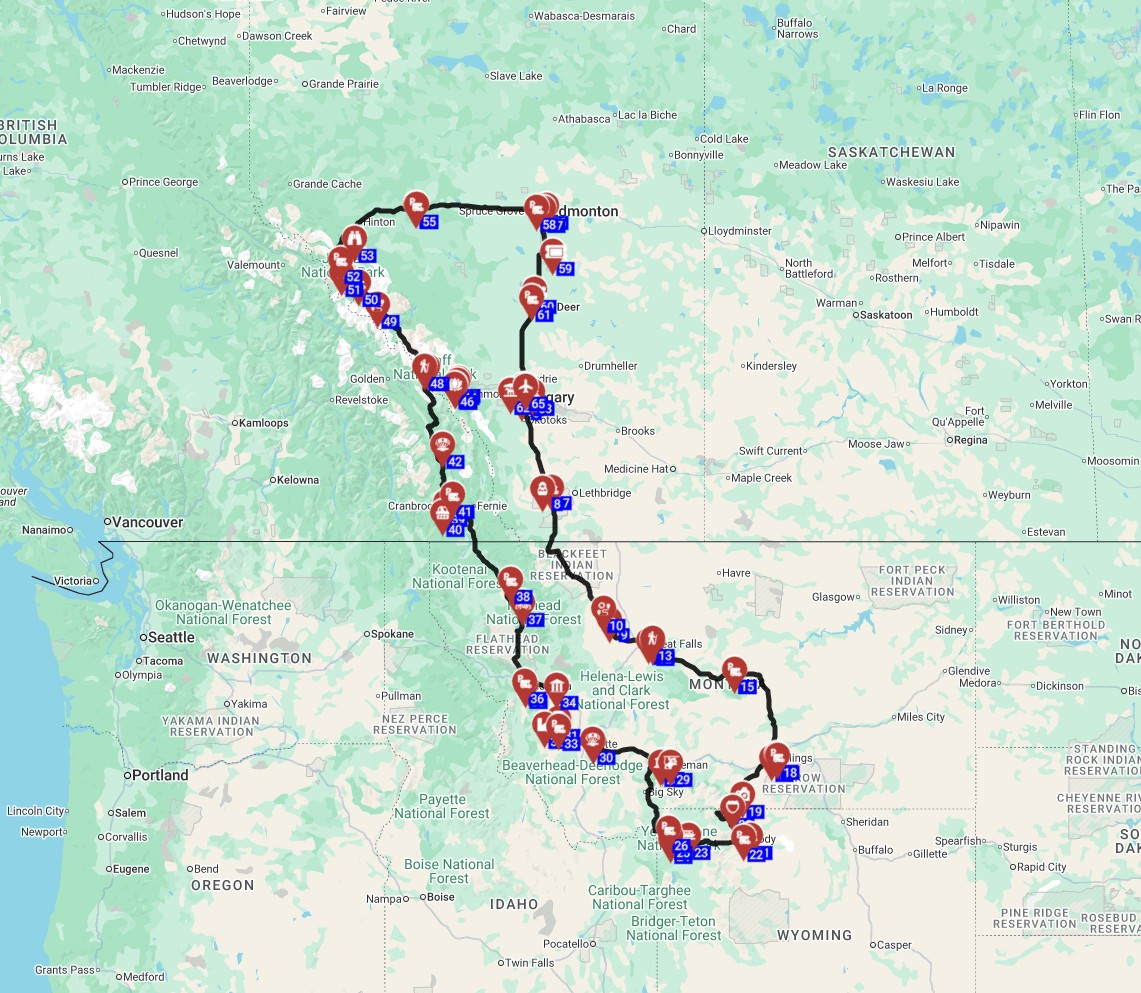
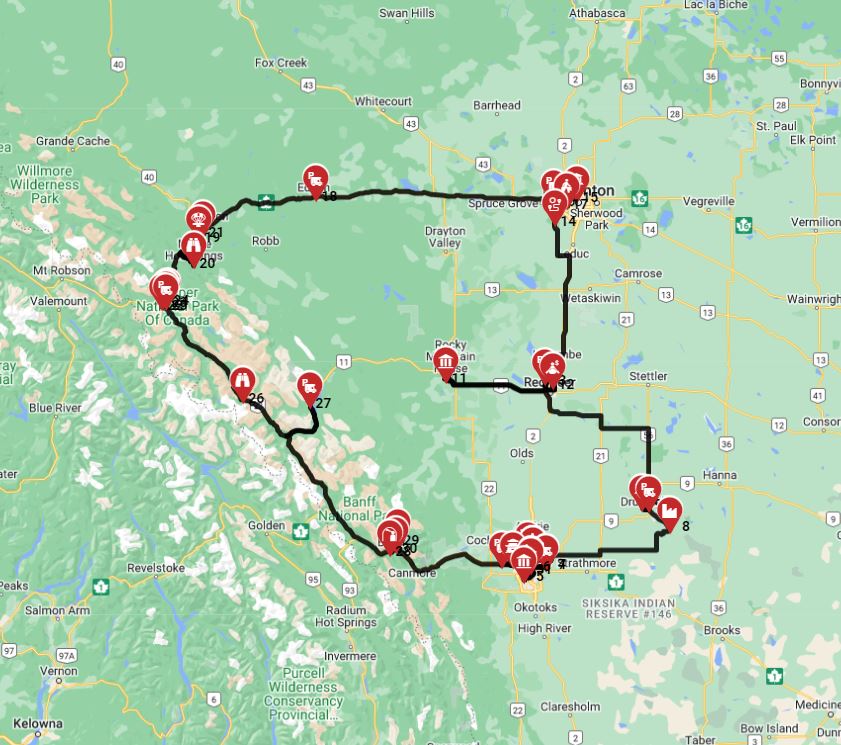
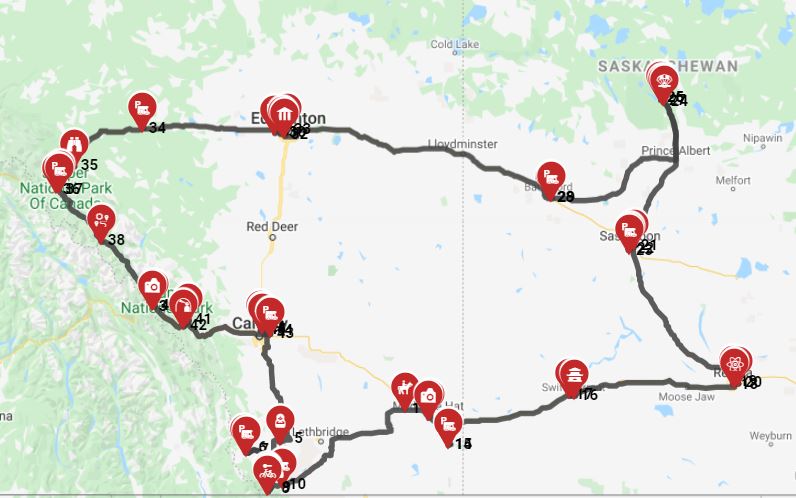
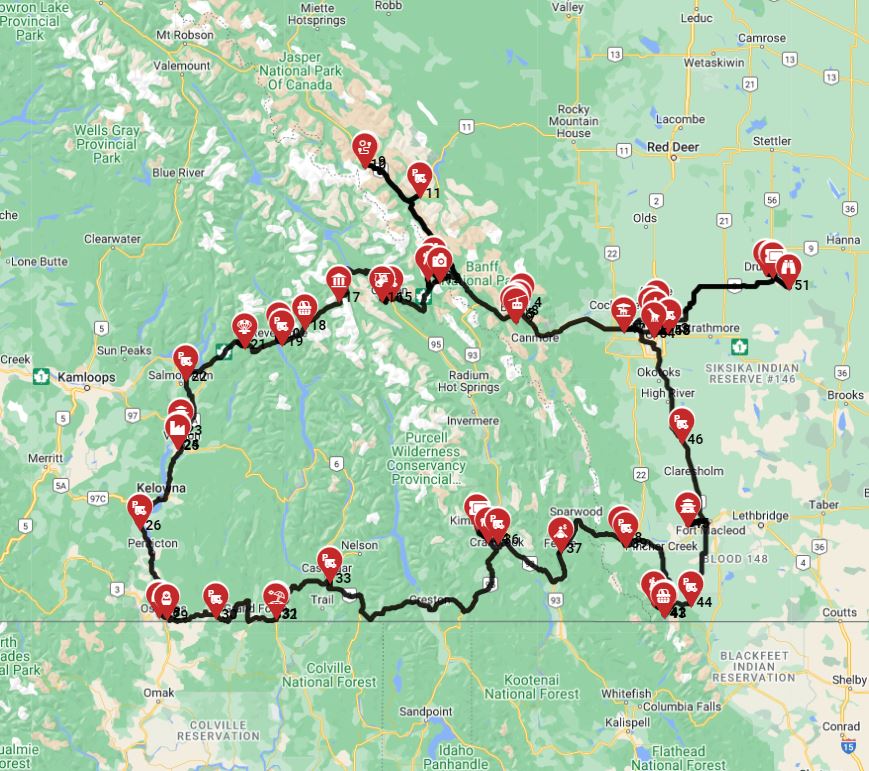
Larger Class C Alcove models generally use 10-12 Liters/100 km, and spacious Class A Integrated RVs consume around 8-12 Liters/100 km, depending on factors like terrain and driving style. Budgeting for fuel costs, which fluctuate but are generally around $1.50-$2.00 CAD per liter for 2026, is crucial for planning your trip expenses. Remember, on RV PLANET routes, travelers can itemize and track every expense along the way for easy budgeting, giving you full transparency on your total trip cost. On the routes offered through RV PLANET routes, you can itemize and track every expense along the way for easy budgeting.
🎬 Video coming soon
Tolls, Vignettes & Border Rules
West Canada generally has very few toll roads or vignettes; most travel on highways is free, which is great for budget-conscious RVers. There are rare exceptions, such as electronic tolls on some specific bridges in British Columbia, so it's always wise to check your planned route for any minor toll segments.
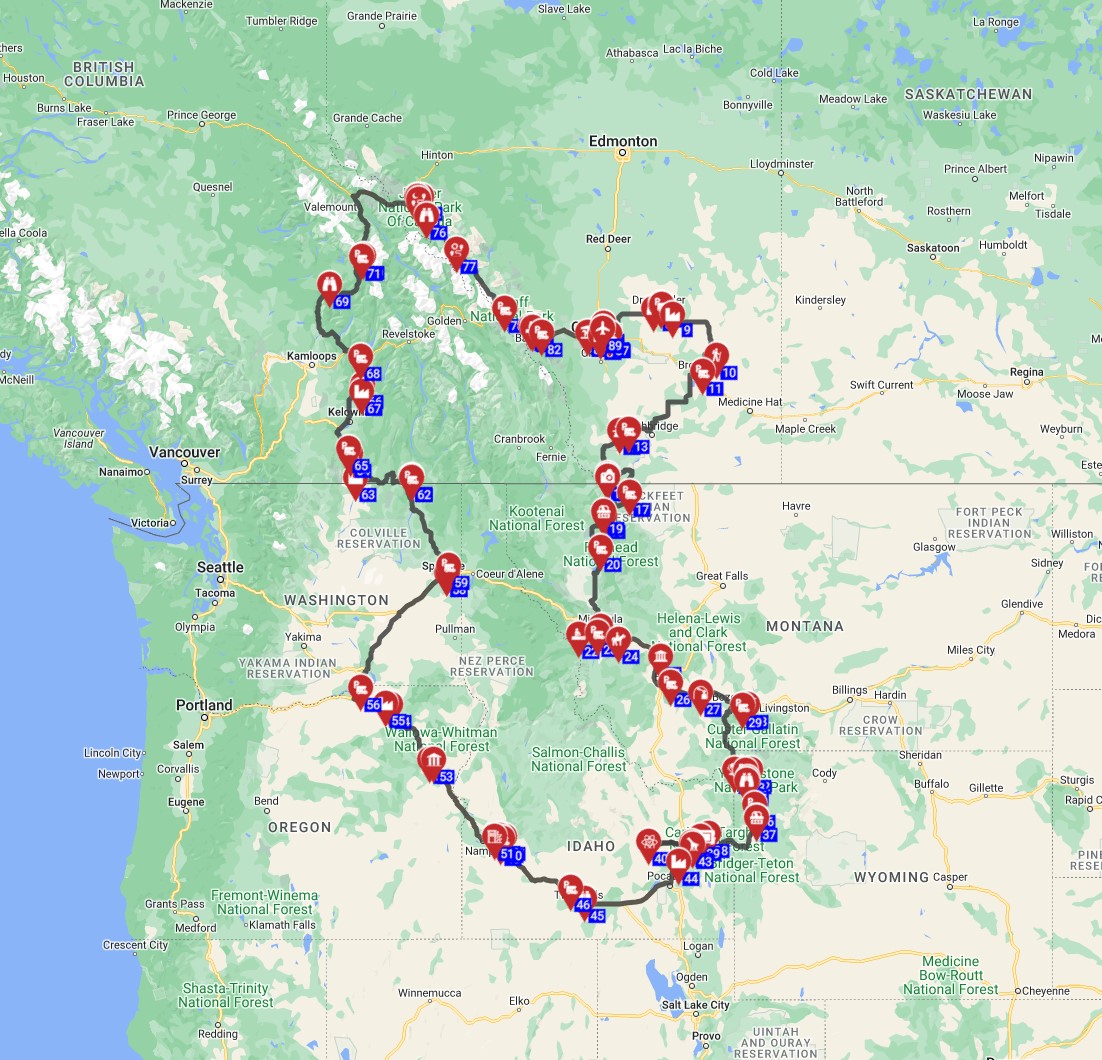
For US travelers embarking on an RV adventure into Canada, crossing the border requires a valid passport for all occupants, along with your vehicle registration and proof of insurance. It's also essential to be aware of declarations for permitted items (e.g., no firearms, restrictions on certain food items) and proper pet documentation, if applicable. Always confirm with your RV rental provider if their vehicles are equipped for electronic tolls, or if they offer options to pre-purchase passes to avoid potential fines for specific toll routes. Be prepared for potential delays and inspections at border crossings, ensuring all documentation is easily accessible and organized. Our "RV Rental USA - Complete Guide 2026" provides more details on border crossings in North America.
Driving Tips for weekend rv rental Travelers
Planning a short RV adventure in West Canada is all about smart preparation and embracing the journey. First, pace your journey carefully; for a weekend RV rental, focus on fewer destinations to allow ample time for scenic stops, relaxation, and avoiding rushed driving. This approach lets you truly feel the place, connect to the culture, the food, and the scenery, making your trip more enjoyable.
Next, book ahead, especially if you're traveling during peak season (June to September) or heading to popular national park campgrounds like those in Banff and Jasper. While many parks reserve only 25-30% of spots, the rest are first-come-first-serve, so calling ahead before driving is always a good idea. Prepare for varied conditions by packing layers, rain gear, and emergency supplies, as West Canada's weather can change rapidly and cell service can be spotty in remote locations. Before departing, familiarize yourself with your rental RV's height, length, and width, and practice basic maneuvers in a safe area. Finally, stay connected where possible or at least inform someone of your itinerary, and download offline maps as mobile connectivity can be unreliable in vast stretches of West Canada’s wilderness. Our RV PLANET routes, like the "

Recommended RV Class for West Canada Roads
For a short RV rental trip in West Canada, a Class B Camper Van or a Class SI Semi-integrated RV offers an ideal balance of comfort, amenities, and maneuverability for diverse road conditions. These nimble vehicles make navigating both scenic mountain routes and bustling city streets much easier, providing a stress-free travel experience.
Bandana’s Class B Camper Vans, often averaging 5.8m in length and comfortably accommodating 2-3 adults (like the "rv rental denver example Category Van" with shower and toilet), are exceptionally easy to drive and park. They are perfect for accessing smaller campgrounds or more secluded spots. Class SI Semi-integrated RVs, typically around 6.9m long and suitable for 3-4 adults (such as the "2 Berth Rover" or "2 Berth Tamar"), provide more spacious interiors and amenities while remaining agile enough for most West Canadian highways and national park access roads. These classes generally offer sufficient ground clearance and manageable lengths for the region's varying terrain, from mountain passes to well-maintained unpaved access roads, ensuring you don't miss out on any incredible vistas. For longer adventures, a Class C Alcove motorhome (like a "24' Class C Motorhome" with a 166 Liter fresh water tank and generator, sleeping up to 5) can provide ample space for families of 2+2.
Should I Choose a Compact Van Instead of a Large RV in West Canada?
In West Canada, larger RVs are generally manageable on main roads, so the choice between a compact van and a larger motorhome often hinges on your desired interior comfort versus extreme maneuverability in specific tight spots. A compact van (like a Class B Camper Van) is advantageous for navigating tight city streets in Vancouver or Victoria, challenging narrow mountain passes, or accessing smaller campgrounds with limited space, offering easier parking solutions. Many travelers find their compact size liberating for spontaneous stops.
However, a larger RV (such as a Class SI or Class C) provides significantly more living space, a full kitchen for preparing RV-friendly recipes playlist, and often a more comfortable bathroom. This extra space can be a preferred trade-off for a relaxing and amenity-rich trip, especially for families or longer journeys. The ease of driving larger rental motorhomes is often underestimated; modern models are designed for driver comfort, and with common sense and attention, you can drive almost anywhere without issues. For more options, check out "RV Rental in West Canada - Prices and Best Deals 2026" which covers various sizes and price points.
Can I Park Anywhere? Free & Wild Camping Rules in West Canada
Free or 'wild' camping (also known as boondocking) in West Canada is generally restricted to designated areas or public lands where explicitly permitted, and is not allowed just 'anywhere.' You'll find that national and provincial parks strictly enforce camping within official campgrounds, which often require reservations and fees, especially during peak season. Roadside pull-offs and rest areas are typically for short breaks, not overnight stays.
However, Crown land in British Columbia and Alberta may allow primitive camping, but often requires permits, strict adherence to specific regulations (such as campfire bans during dry seasons), and always following Leave No Trace principles. Rules vary significantly by region and specific land designation, so always check local bylaws, park regulations, and signage before parking overnight. Reassurance is key: you'll find a spot. If not at the first campground, then the next one. Always call ahead before driving to confirm availability. For finding campsites and campgrounds during your trip, we recommend using RV PLANET (rvplan.net) - a great resource for locating available spots along your route.
Can I Drive an RV Into the City Center? Heights, Tunnels & Local Signage
Yes, you can drive almost any size of rented RV into city centers across West Canada, including major hubs like Vancouver, Calgary, and Edmonton, without major issues. The key is to drive slowly and carefully, and pay vigilant attention to local signage.
Always be mindful of posted height restrictions for parkades, tunnels, and low bridges, as well as weight limits, which are more common in older urban infrastructure. While environmental zones are rare in West Canadian cities, always watch for signs indicating residents-only parking or restricted vehicle types in certain areas. Finding suitable parking can be the biggest challenge in city centers; look for dedicated RV-friendly lots, larger shopping mall parking, or consider parking on the periphery and utilizing public transport. No need to stress - just use common sense and pay attention. You'll be surprised how accessible city exploration can be with your mobile home.
How much does it cost to rent an RV for a weekend in Canada?
The cost to rent an RV for a weekend in West Canada typically ranges from $250 to $700 CAD, depending significantly on the RV class, season, and included amenities. Prices are dynamic, much like flight tickets, changing daily based on availability, seasonality, and supplier marketing decisions. For a 1-week RV trip, you might expect costs starting from $1,000-$1,800 CAD for a compact campervan like an "rv rental denver example Category Van," or $1,500-$3,000+ CAD for a mid-sized Class C motorhome like the "24' Class C Motorhome," excluding fuel and campground fees.
For couples, a cozy Class B campervan offers a more budget-friendly option, while families with kids often opt for a spacious Class C or Class A motorhome (such as the "MHC30" with sleeping for 9, starting around $198 CAD/day) which provides ample room and amenities, though at a higher daily rate. Last-minute booking deals can sometimes be found, especially during the shoulder seasons (spring and fall), but availability may be limited for specific vehicle types. If you're flexible with your dates and pick-up locations, you can often find cheaper RV rental deals in West Canada, by using our comparison tools to explore options across 50+ suppliers. For more pricing insights, explore "Weekly RV Rental in West Canada - Pricing 2026" and "Family RV Rental in West Canada - Pricing Guide 2026".
What are the best places to RV in Western Canada?
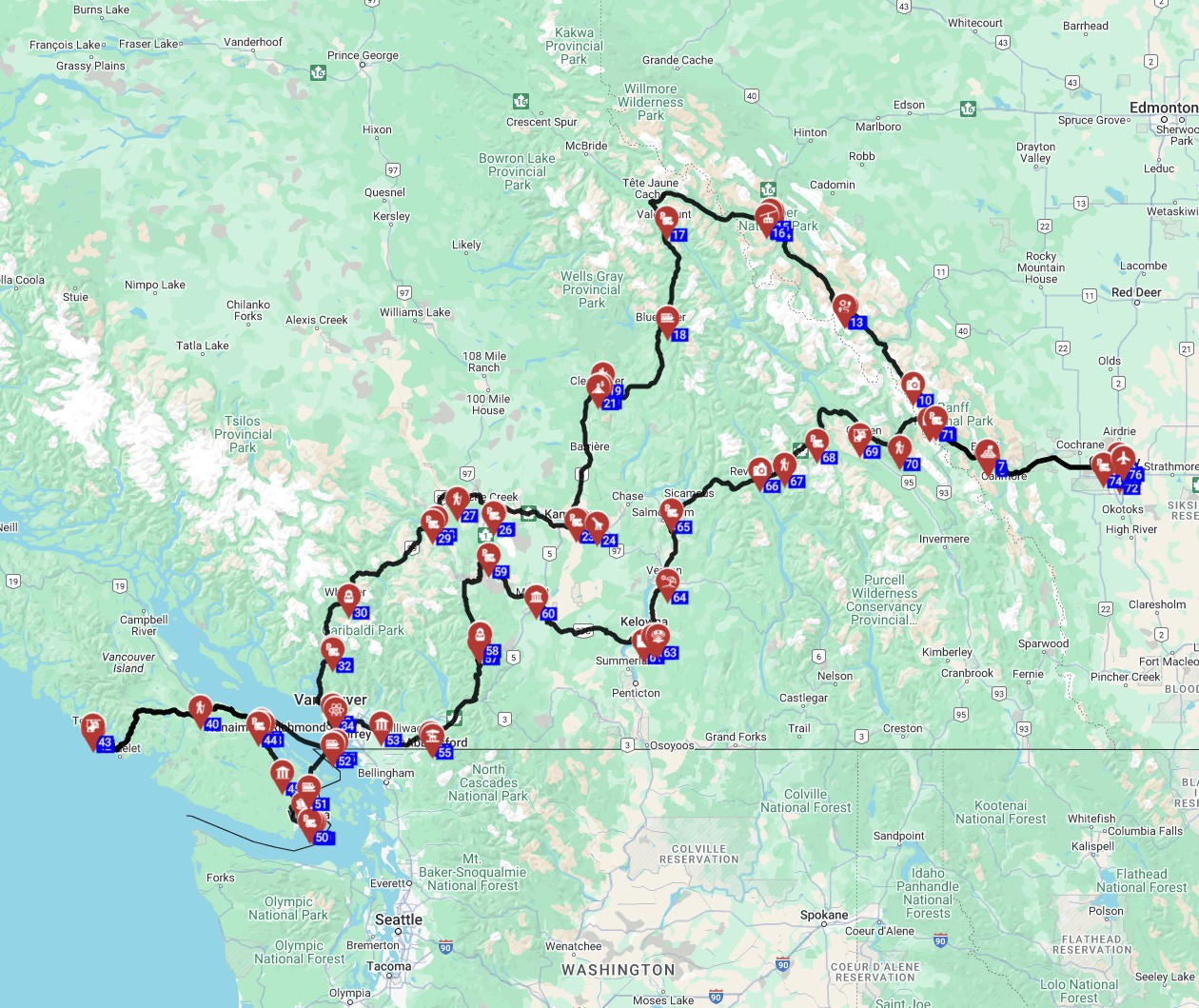
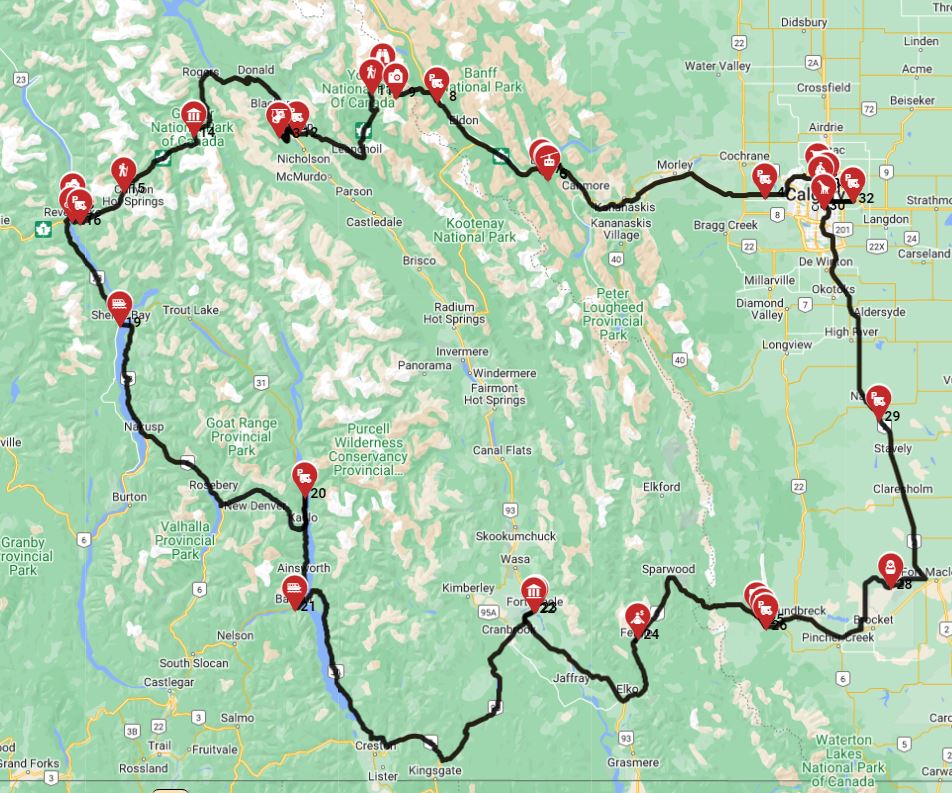
West Canada is brimming with iconic destinations perfect for RVing, offering diverse landscapes and experiences. Banff and Jasper National Parks in Alberta are world-renowned for their stunning mountain landscapes, turquoise lakes, and abundant wildlife, making them a must-see for any RV traveler, though campground reservations often require early booking due to popularity.
British Columbia's Okanagan Valley offers beautiful lakeside camping amidst vineyards, with over 180 wineries to explore, presenting a unique blend of nature and culinary delights. Further west, the Pacific Rim National Park Reserve on Vancouver Island provides unique coastal rainforest experiences and breathtaking ocean views, ideal for those seeking a more rugged, wild escape. For a more unique, hyper-local experience, consider lesser-known provincial parks such as Wells Gray Provincial Park (BC) with its impressive waterfalls (like Helmcken Falls, 141m high) or Peter Lougheed Provincial Park (Alberta) for serene mountain retreats. Exploring during the shoulder seasons (spring/fall) can offer advantages like fewer crowds and vibrant natural beauty, alongside opportunities to support local economies and discover unique culinary finds. For a broader perspective on North American RV adventures, consult our "RV Rental USA - Complete Guide 2026" which offers continental insights.
Top Cities for RV Rental in West Canada
- Vancouver, British Columbia: A vibrant coastal city with easy access to mountains, islands, and numerous campgrounds. It's a fantastic starting point for coastal or Rockies adventures.
- Calgary, Alberta: The gateway to the Canadian Rockies, offering quick access to Banff and Jasper National Parks. Ideal for mountain-focused itineraries.
- Edmonton, Alberta: Alberta's capital, provides good access to northern Alberta's wilderness and is a convenient pick-up point for those flying into the region.
- Kelowna, British Columbia: Nestled in the Okanagan Valley, it's perfect for wine touring, lake activities, and exploring Canada's only true desert environment.
- Victoria, British Columbia: Located on Vancouver Island, it offers a blend of historic charm and coastal beauty, with easy ferry access from the mainland for your motorhome.
What do you need for RV camping in West Canada?
Essential items for RV camping in West Canada include a well-stocked kitchen with cookware, utensils, and basic pantry items (don't forget Canadian staples like maple syrup!). You'll also need bedding, towels, and a comprehensive first-aid kit for any minor mishaps on your adventures. Given West Canada's diverse climate, pack layers of clothing, waterproof gear, sturdy hiking shoes, and bear spray (and know how to use it) if venturing into bear country, along with insect repellent, especially in summer. For cooking inspiration on the road, check out our RV-friendly recipes playlist.
Before your trip, confirm that your rental RV includes necessary hookup essentials like electrical adapters, water hoses, and sewer hoses, and plan for periods of off-grid camping where these services are unavailable. For emergency preparedness, carry a physical map (digital backups are great, but cell service is not guaranteed in remote areas), a fully charged cell phone, and consider a roadside assistance membership for peace of mind. Remember, you can upgrade to a top-level deductible reimbursement for extra peace of mind, a key differentiator offered through Bandana.
Can I rent an RV in West Canada and drop it off in the US?
Yes, one-way RV rentals from West Canada to the US are possible with some rental companies, but they typically incur significant additional fees and are subject to availability and specific cross-border policies. These "relocation fees" can range from a few hundred to over a thousand dollars, depending on the route and timing, as the rental company needs to return the vehicle to its original depot.
It is crucial to confirm this option directly with your RV rental provider well in advance, as not all companies permit international one-way rentals due to logistical and legal complexities. Ensure all necessary documentation for border crossing is in order, including valid passports for all travelers, vehicle registration, and potentially a letter of authorization from the rental company for cross-border travel. Expect a substantial relocation fee due to the costs associated with moving the vehicle back across the border and different regional tax/import regulations. We recommend planning such trips well in advance and comparing options carefully. Our team, true RV specialists and not just a travel agency side department, can help you compare final prices across suppliers, so what you see is what you pay, with no surprise fees at pickup.
What You Shouldn't Miss
Looking for expert insights from Avi Bandana? Top 5 Adventures - recommendations from Avi Bandana:
- Drive the Icefields Parkway: This 232 km stretch between Banff and Jasper National Parks offers unparalleled views of glaciers, lakes, and mountains. Take your time, stop at viewpoints, and keep an eye out for wildlife.
- Explore Vancouver Island: Take a ferry from mainland BC with your RV and discover the rugged Pacific Rim National Park Reserve near Tofino or the charming capital city of Victoria.
- Hike in Banff National Park: From easy strolls around Lake Louise and Moraine Lake to challenging alpine treks, Banff offers trails for every fitness level, all accessible from well-equipped RV campgrounds.
- Visit the Okanagan Valley Wineries: Cruise through British Columbia's wine country, stopping at vineyards in Kelowna and Penticton, often with RV-friendly parking and stunning lake views.
- Experience the Northern Lights: If traveling in the shoulder seasons (fall or spring) or early winter, head to less light-polluted areas in northern Alberta or BC for a chance to witness the spectacular aurora borealis from your cozy motorhome.
Final Thoughts
Embarking on an RV adventure in West Canada offers an unparalleled sense of freedom, allowing you to discover stunning landscapes and vibrant cities at your own pace. From the towering peaks of the Rockies to the serene Pacific coast, a rented motorhome or campervan is your ticket to exploring this incredible region. Remember to plan your route, understand the local rules, and choose the RV that best suits your travel style, whether that's a compact campervan for nimble city navigation or a spacious Class C for family comfort.
At Bandana Caravan, we're dedicated to making your RV rental experience as smooth and enjoyable as possible. With our transparent pricing, extensive selection of vehicles from trusted suppliers, and expert advice, you'll feel confident and supported every step of the way. So, pack your bags, prepare for adventure, and get ready to create lasting memories on the open roads of West Canada.
Discover top destinations, planning tips, all in one place! Plan a trip itinerary in advance with minimal effort and maximum enjoyment. Get inspired for your next trip!