In This Guide
- Can You Drive an RV in Tokyo - Airport? License & Age Rules
- Road Conditions & Terrain in Tokyo - Airport
- RV Size Limits, Bridges & Restricted Zones
- Fuel: Diesel vs. Petrol & Cost per 100 km
- Tolls, Vignettes & Border Rules
- Driving Tips for weekend rv rental Travelers
- Recommended RV Class for Tokyo - Airport Roads
- Should I Choose a Compact Van Instead of a Large RV in Tokyo - Airport?
- Can I Park Anywhere? Free & Wild Camping Rules in Tokyo - Airport
- Can I Drive an RV Into the City Center? Heights, Tunnels & Local Signage
- Can you stay overnight at Narita Airport?
Embarking on an RV adventure in Tokyo - Airport offers a unique way to experience Japan, blending the convenience of a mobile home with the excitement of exploring this vibrant region. While Tokyo is renowned for its efficient public transport and dense urban landscape, a rented motorhome from Narita Airport (NRT) provides unparalleled flexibility for quick routes and extended road trips alike. At Bandana RV, we're true RV specialists, dedicated to helping you navigate the ins and outs of Japanese RV travel with full transparency and no hidden fees.
For live availability and current prices, start with our RV Rental Tokyo - Airport - Complete Guide 2026 guide. Whether you're planning a week-long journey or a spontaneous escape, understanding local driving conditions and RV specifics is key to a smooth adventure.
Can You Drive an RV in Tokyo - Airport? License & Age Rules
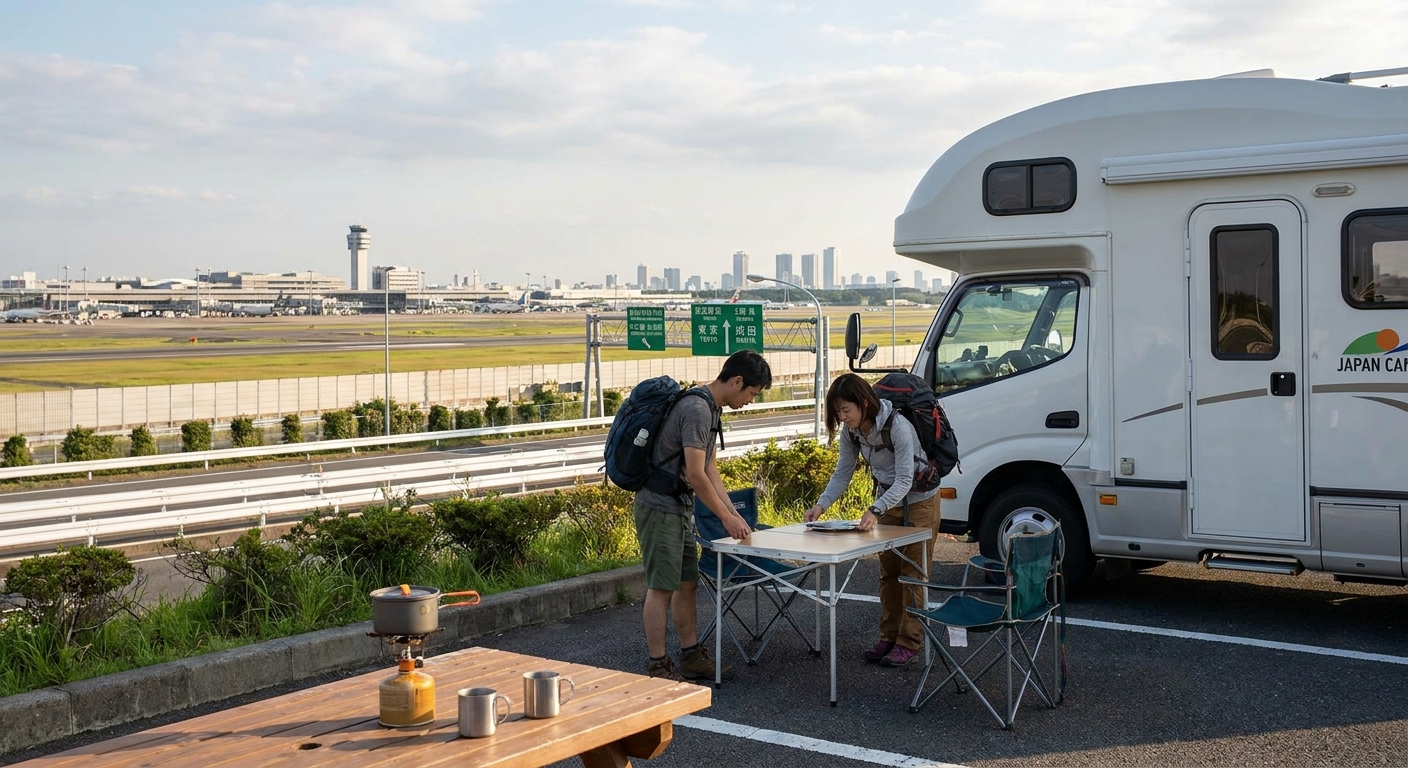
Yes, you can absolutely drive a rented RV in Tokyo - Airport and throughout Japan with the proper documentation. Foreign visitors need an International Driving Permit (IDP) issued under the 1949 Geneva Convention, along with their original driver's license and passport. This combination is essential for legal driving on Japanese roads. The minimum driver age for most RV rentals in Japan is 21 years, consistent across many Bandana partner suppliers, ensuring that young adventurers can also experience the open road without age-related vehicle class restrictions or surcharges.
A standard B-class car driver's license is sufficient for all motorhome classes, including Class A, Class B, and Class C motorhomes, as most rental RVs fall within the 3,500 kg (7,700 lbs) gross vehicle weight limit, avoiding the need for a higher license category. This means your regular car license is generally all you need. We're with you before, during, and after your booking, providing clear guidance on all licensing requirements to ensure your trip starts without any surprises.
Road Conditions & Terrain in Tokyo - Airport
Roads around Narita Airport (NRT) and leading into Tokyo are generally well-maintained expressways with clear signage, making for a smooth start to your RV journey. The terrain between Narita and central Tokyo is largely flat, which is ideal for RV driving, gradually transitioning into a highly urbanized environment. While the highways are excellent and well-lit, you should anticipate significant traffic congestion, especially during peak hours and on weekends.
Driving slowly and carefully is the key to navigating urban areas. The major routes like the Higashi-Kanto Expressway are broad, but as you approach the city center, streets can become narrower. No need to stress about city driving, just use common sense and pay attention to signs and traffic flow. For longer routes beyond Tokyo, like exploring the stunning Fuji-Hakone-Izu National Park or heading north towards Nikko National Park, the road conditions remain high quality, offering picturesque drives. When planning your route, consider checking RV PLANET (rvplan.net) for pre-planned routes by professionals, which can help you account for local road specifics.
RV Size Limits, Bridges & Restricted Zones
Japan has strict height and width restrictions, particularly in older city centers, tunnels, and parking garages, requiring careful attention for larger RVs. For instance, common rental models like Bandana's Class B Camper Vans average around 5.8m in length, while Class SI Semi-integrated RVs are about 6.9m long. These sizes are generally manageable, but drivers should always check overhead signage for height clearance (typically ranging from 2.5m to 3.5m) and width limits before proceeding. It's a small detail that makes a big difference, ensuring a hassle-free journey.
While environmental zones are less common in Japan compared to some European cities, always be aware of local signage for vehicle type restrictions or specific access times in densely populated urban areas, especially around central Tokyo. Many toll roads or specific urban routes might have restrictions on larger vehicles or require specific passes. Always consult your RV's dimensions and factor them into your route planning to avoid unexpected detours or complications, particularly around historic districts or narrow alleyways near landmarks like Senso-ji Temple. On the routes offered through RV PLANET routes, you can itemize and track every expense along the way for easy budgeting.
Fuel: Diesel vs. Petrol & Cost per 100 km
Most rented RVs in Japan, particularly those from Bandana's fleet, are petrol (gasoline) vehicles, though some larger models may run on diesel. Always confirm the fuel type of your specific rental motorhome before hitting the road. Bandana's global fleet averages for common RV classes typically consume between 8-17 liters per 100 km, with Class B Camper Vans like the "rv rental denver example Category Van" averaging around 8-10 L/100km, and Class C Alcove models like the "24' Class C Motorhome" around 10-12 L/100km.
Fuel costs in Japan can fluctuate but are generally comparable to many Western countries. As of 2026, drivers should factor in approximately ¥170-¥190 per liter for petrol. This means a 100 km journey could cost roughly ¥1,500 - ¥3,200, depending on your RV class and fuel efficiency. For easy budgeting and tracking every expense along the way, RV PLANET routes offer itemized cost breakdowns, providing full transparency with no hidden fees.
Tolls, Vignettes & Border Rules
Japan's extensive expressway network is primarily toll-based, with charges varying by distance and vehicle class; there are no "vignettes" (time-based road tax stickers) like in some European countries. For a week-long RV rental from Narita to Tokyo, expect several thousand yen in tolls each way, which should be carefully budgeted into your overall travel cost. Many tolls are calculated electronically or by distance.
Using an Electronic Toll Collection (ETC) card, often available for rent with your RV or purchased at major service areas, is highly recommended for convenience. It allows for seamless passage through toll gates and may even offer slight discounts, avoiding cash lanes that can be cumbersome, especially for foreign visitors. There are no international border rules when driving within Japan, but if you're exploring the broader region, our RV Rental Japan - Complete Guide 2026 offers further insights.
Driving Tips for weekend rv rental Travelers
When driving your rented RV in Tokyo - Airport and beyond, remember that traffic flows on the left side of the road in Japan, and strict adherence to speed limits and traffic laws is heavily enforced. Plan your route from Narita to Tokyo carefully, accounting for potential heavy traffic on expressways like the Shuto Expressway, especially during peak weekend hours. Utilize an English-speaking GPS or navigation app like Google Maps, as Japanese road signs, while often including English translations on major highways, can still be complex in local areas. It's also a great idea to explore pre-planned routes and itineraries available through RV PLANET to streamline your journey.
Familiarize yourself with your RV's dimensions before driving, particularly its height and width, to confidently navigate urban streets, parking facilities, and potential low bridges or tunnels. Many multi-story parking structures near popular Tokyo landmarks like Shibuya Crossing or Tokyo Skytree will have clear height restrictions. Consider using Michi-no-Eki (roadside stations) for breaks and rest. These stations offer clean restrooms, local food, and ample parking space, making them excellent stopping points. Remember to travel slowly, aiming for a maximum of 100-150 km per day on average, allowing you to truly feel the place, connect to the culture, the food, and the scenery.
🎬 Video coming soon
Recommended RV Class for Tokyo - Airport Roads
For navigating the bustling roads around Tokyo - Airport and surrounding areas, Class B Camper Vans are highly recommended due to their compact size and exceptional maneuverability. For example, Bandana's fleet includes "Combi Van" models averaging about 5 meters in length and "2 Berth Hi Top" campervans, which are around 5.8m. These smaller vehicles offer a practical balance, making them ideal for urban driving, easier parking in tighter spots, and navigating potentially narrower routes off the main highways.
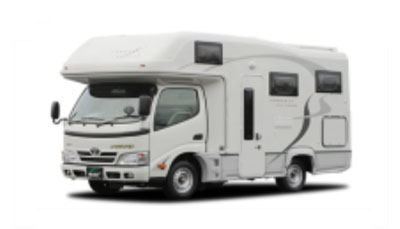
Alternatively, Class SI Semi-integrated RVs, averaging around 6.9m in length, provide more interior comfort and amenities without being excessively large. Models like the "2 Berth Rover" offer enhanced living space, including showers and toilets, while still being relatively agile for Japanese roads compared to larger Class C Alcove models. If you’re looking for a comfortable experience for a couple or small family on a Tokyo - Airport adventure, these options strike the perfect balance between interior space and ease of driving.
Should I Choose a Compact Van Instead of a Large RV in Tokyo - Airport?
While almost any RV size can be driven in Tokyo - Airport with careful planning, choosing a compact van (Class B Camper Van) over a larger RV can significantly ease navigation and parking challenges in densely populated urban areas. A compact van, such as Bandana's Class B Camper Vans (averaging 5.8m in length), offers superior maneuverability for tighter city streets and smaller parking spots, making it ideal for a week-long trip focused on urban exploration. These vehicles are easy to handle, even for first-time RV renters, and fit more easily into standard parking spaces or Michi-no-Eki slots.
However, a larger RV like a Class SI Semi-integrated (averaging 6.9m, for example, the "2 Berth Tamar") or a Class C Alcove model provides more indoor space, better amenities, and enhanced comfort, which can be a preferred trade-off for those prioritizing living convenience over maximum agility, especially if planning stays at designated RV parks or Michi-no-Eki outside the immediate city center. When comparing options, our tool also shows options like a "Luxury RV Rental in Tokyo - Airport - Premium Prices 2026" if comfort is a top priority, or "Cheap RV Rental in Tokyo - Airport - Budget Guide 2026" for more economical options.
Can I Park Anywhere? Free & Wild Camping Rules in Tokyo - Airport
Wild camping, or free overnight parking outside designated areas, is generally not permitted and discouraged in Japan, with strict rules against it in most public and private spaces, especially around Tokyo - Airport. Instead, Michi-no-Eki (roadside stations) offer safe and legal overnight parking for RVs and are a popular option for travelers, providing restrooms, local shops, and often dining facilities. These are fantastic for a quick, convenient overnight stop.
Official campgrounds and dedicated RV parks, such as those found around Chiba Prefecture near Narita or further afield towards Mount Fuji, are the most secure and recommended options for overnight stays. They offer amenities like power hookups and waste disposal facilities. Rules vary by region, so always check local regulations and follow local laws before parking overnight. Remember, Bandana does not help find campsites during rental, but we recommend searching for campsites via RV PLANET (rvplan.net) - a great resource for locating available spots along your route.
Can I Drive an RV Into the City Center? Heights, Tunnels & Local Signage
Yes, you can drive a rented RV into most Tokyo city centers, but extreme caution is strongly advised due to dense traffic, narrow streets, and limited parking. While major thoroughfares like the Metropolitan Expressway can accommodate RVs, navigating smaller alleys or attempting to park a larger vehicle directly in a busy commercial district can be very challenging. For instance, areas around Ginza or Shinjuku are particularly congested.
Drivers must pay close attention to local signage for height limits on tunnels, underpasses, and multi-story parking garages, as well as weight restrictions and specific environmental zones or residents-only streets. A typical height restriction in urban parking garages is around 2.1-2.5 meters (7-8 feet). Consider using park-and-ride options or public transport (like the train from a suburban station) for deeper city exploration after parking your RV in a more accessible spot. Many travelers find that exploring Tokyo's core is best done on foot or by public transport after finding a suitable RV parking spot on the outskirts, allowing for a stress-free experience.
Can you stay overnight at Narita Airport?
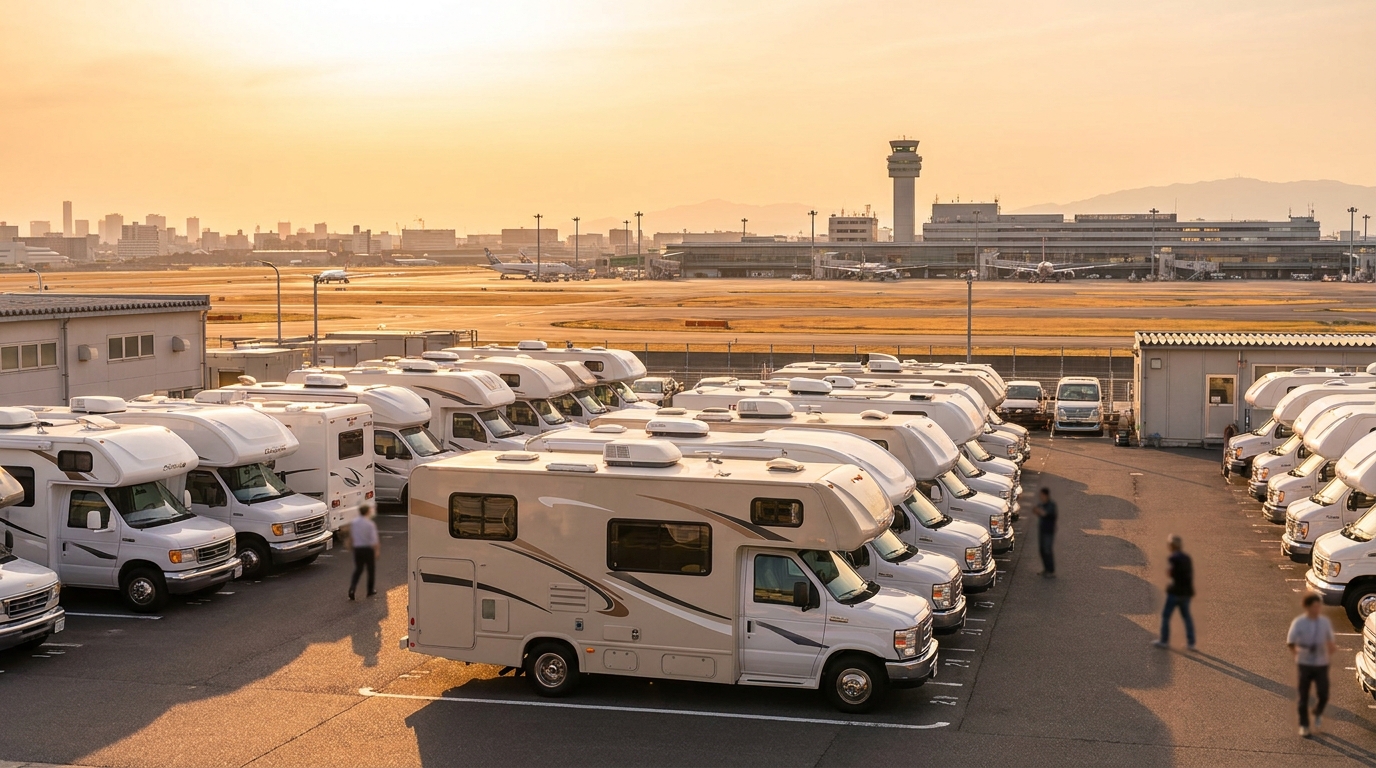
While direct overnight RV parking at Narita Airport (NRT) itself for sleeping purposes is generally not explicitly permitted in regular parking lots, there are nearby alternatives for RV travelers. Designated commercial parking lots close to Narita Airport may offer extended parking options, but RVers seeking an overnight stay should look to official campgrounds or Michi-no-Eki (roadside stations) in the surrounding Chiba Prefecture. These roadside stations are often designed for travelers to rest safely.
Several Michi-no-Eki, such as Michi-no-Eki Tako Ajisai-kan or Michi-no-Eki Shisui, are located within a reasonable driving distance (typically 30-60 minutes) from Narita Airport and provide safe, legal, and amenity-equipped spots for an overnight RV stay before heading into Tokyo. These locations often have clean restrooms and local shops, making them a convenient choice. For planning your entire trip, including finding suitable overnight stops, consider using our Rent&Plan service or browsing the various itineraries in our RV Travel Guide to Tokyo - Airport - Tips and Top Spots 2026.
What You Shouldn't Miss
- Mount Fuji Views from Lake Kawaguchiko: Drive your rented motorhome to one of Japan's most iconic natural landmarks. Stay at an RV-friendly spot near Lake Kawaguchiko for breathtaking views of Mount Fuji, especially during sunrise or sunset.
- Explore the Chiba Coastline: Before diving into Tokyo's urban sprawl, take a scenic drive along the Chiba Prefecture coastline, starting from Narita. Visit places like Kujukuri Beach (99-mile beach) for a relaxing escape and fresh seafood.
- Nikko National Park's Shrines & Nature: Head north from Tokyo for a stunning journey to Nikko, home to UNESCO World Heritage shrines and temples, nestled amidst beautiful autumn foliage or lush greenery, perfect for a longer stay in your RV.
- Hakone Open-Air Museum & Hot Springs: A short drive from Tokyo, Hakone offers a blend of art and nature with its unique outdoor sculpture museum and rejuvenating hot springs. Find an RV park nearby to truly unwind.
- Yokohama's Coastal Charm: Just south of Tokyo, Yokohama provides a vibrant urban experience with its Minato Mirai waterfront, Chinatown, and ramen museum. It's generally more RV-friendly than central Tokyo for day trips.
Looking for expert insights from Avi Bandana? Top 5 Adventures - recommendations from Avi Bandana.
Final Thoughts
Exploring Tokyo - Airport and its surrounding regions in a rented RV offers an unmatched sense of freedom and adventure. Imagine waking up to the serene Japanese countryside, enjoying breakfast in your mobile home, and then setting off to discover ancient temples or bustling cityscapes at your own pace. With Bandana RV, you’re not just renting a vehicle; you’re unlocking a world of possibilities, supported by transparent pricing and expert advice every step of the way. For ideas you can prep on the road, watch our RV-friendly recipes playlist on YouTube.
Don't let the thought of city driving deter you; with a bit of common sense and attention, you'll find Japan's roads and its network of Michi-no-Eki are surprisingly welcoming for RV travelers. Embrace the slow travel philosophy, allowing you to truly immerse yourself in the culture and beauty of Japan. Your unforgettable Tokyo - Airport RV journey awaits!
Find Motorhome Rentals in Tokyo - Airport