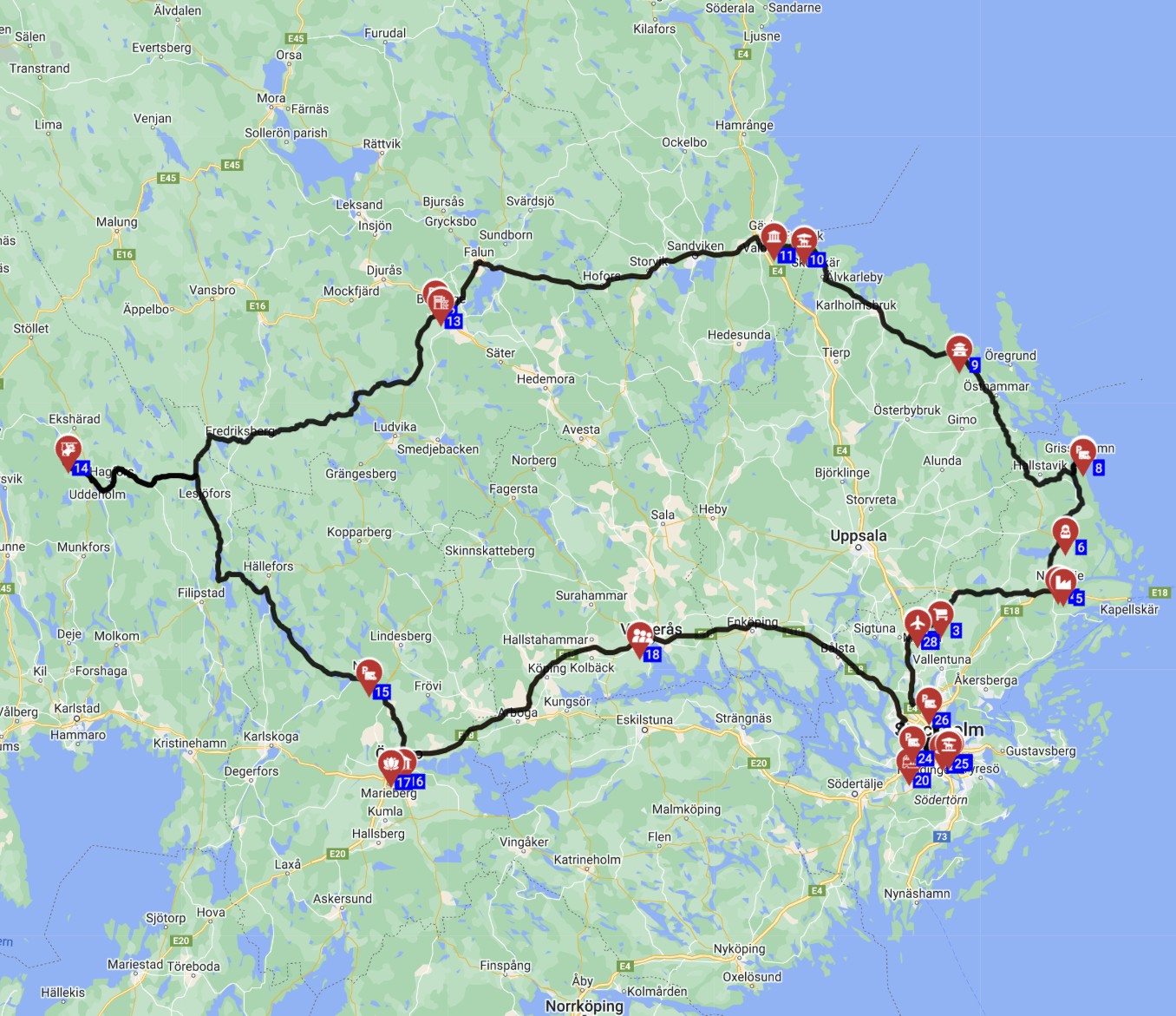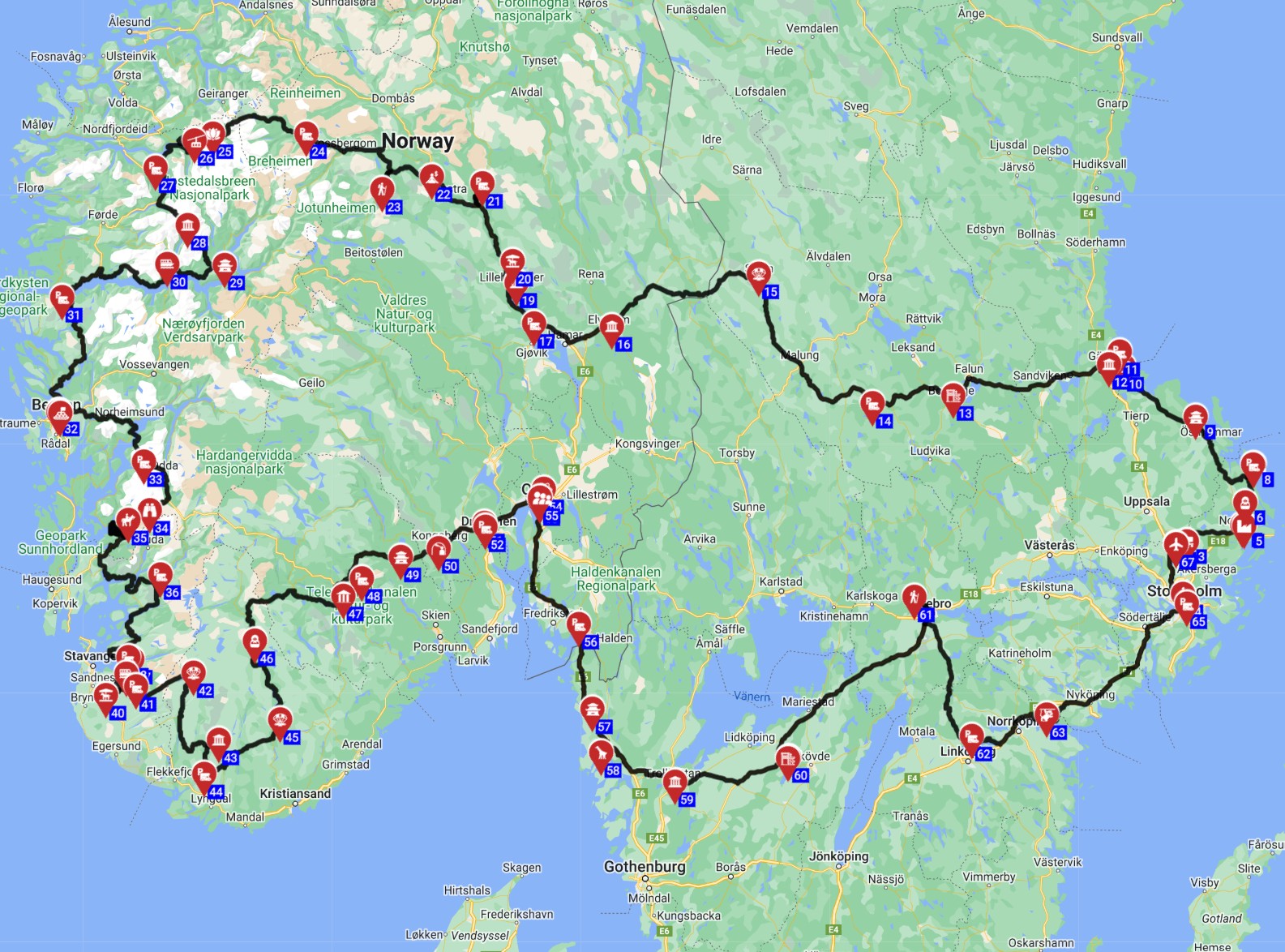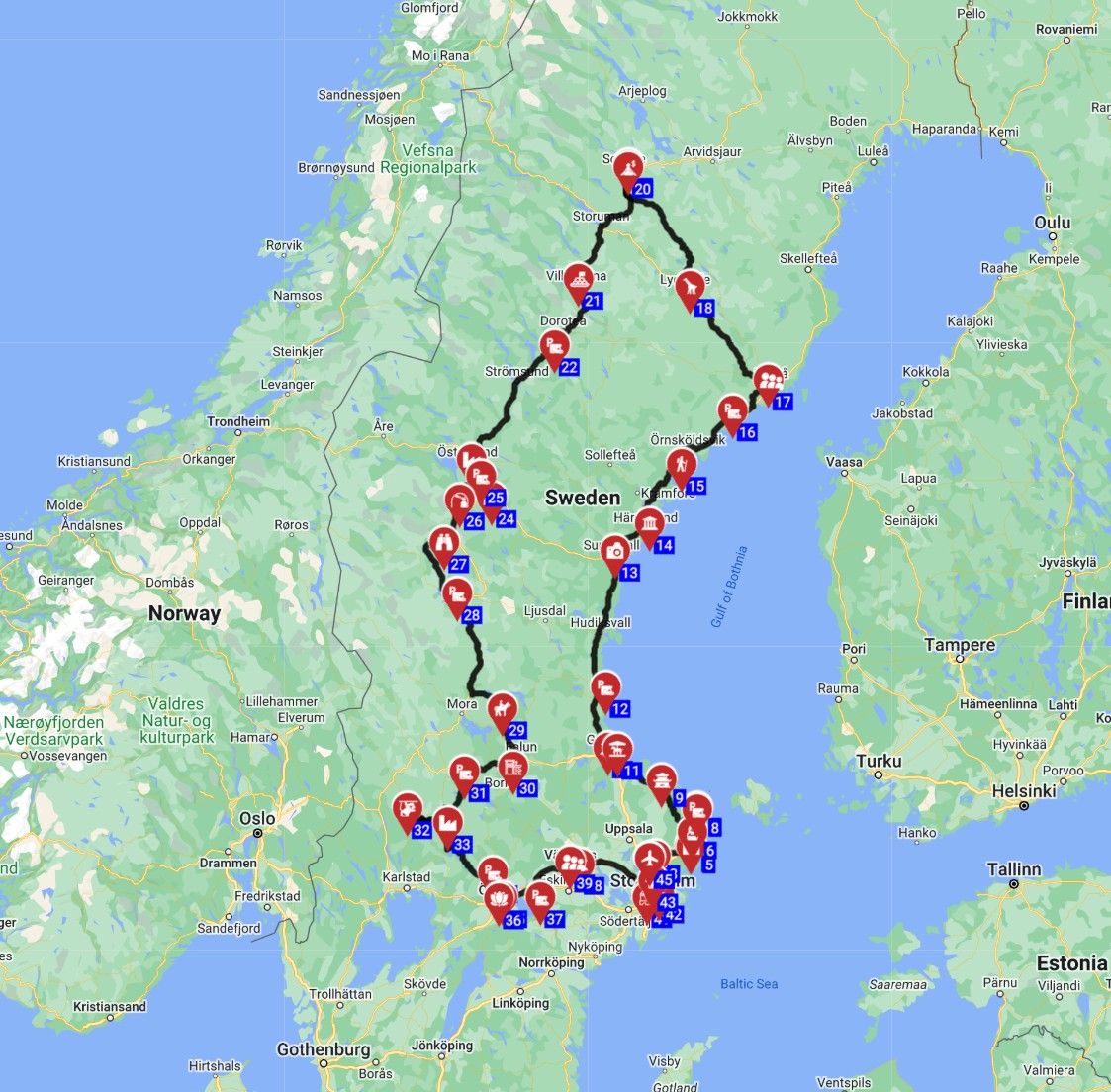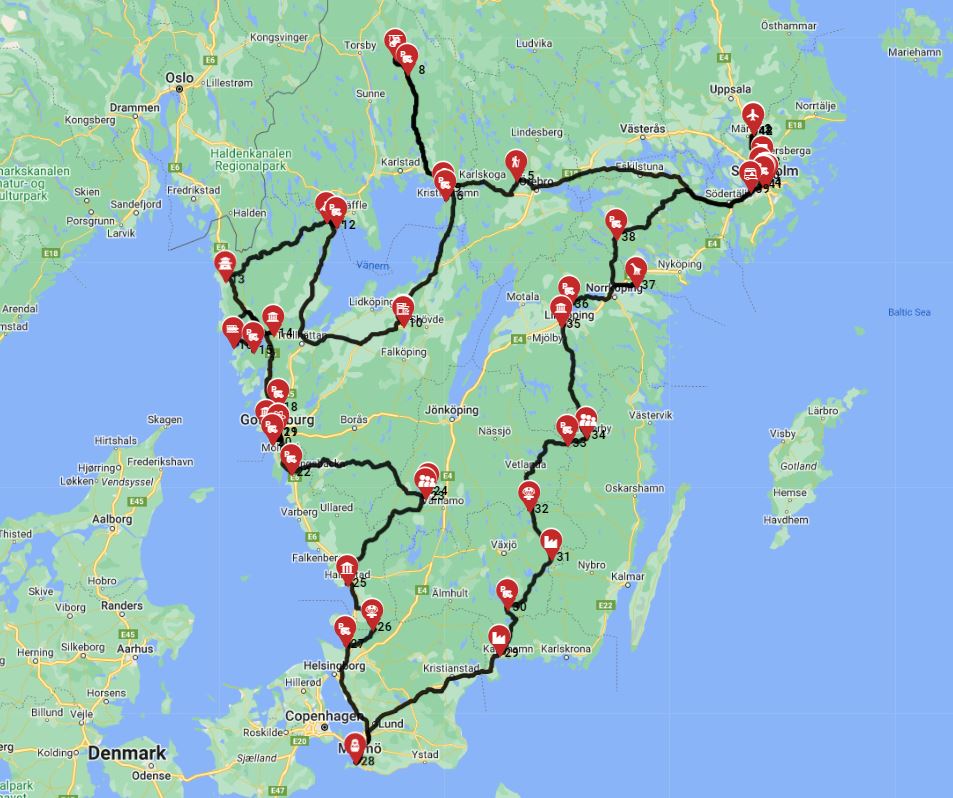
In This Guide
- Can You Drive an RV in Sweden? License & Age Rules
- Road Conditions & Terrain in Sweden
- RV Size Limits, Bridges & Restricted Zones
- Fuel: Diesel vs. Petrol & Cost per 100 km
- Tolls, Vignettes & Border Rules
- Driving Tips for Weekend RV Rental Travelers
- Recommended RV Class for Sweden Roads
- Should I Choose a Compact Van Instead of a Large RV in Sweden?
- Can I Park Anywhere? Free & Wild Camping Rules in Sweden
- Can I Drive an RV Into the City Center? Heights, Tunnels & Local Signage
- How much does a weekend RV rental cost in Sweden?
- What are the best places for a weekend RV trip in Sweden?
- What do I need to pack for an RV trip in Sweden?
- Is it safe to wild camp in Sweden with an RV?
- How do I find RV campgrounds and parking spots in Sweden?
- Connectivity on the Road: SIM Cards and Wi-Fi in Sweden
- Food & Drink Sourcing: Local Produce and Systembolaget in Sweden
- RV Accessibility: Parking, Roads & Ferry Considerations in Sweden
- Traveling with Pets: Guidelines for RVers in Sweden
- Emergency Procedures & Roadside Assistance for RVers in Sweden
- Responsible RVing: Protecting Sweden's Pristine Nature
Can You Drive an RV in Sweden? License & Age Rules
Drivers with a standard B license can operate RVs up to 3,500 kg in Sweden; a C1 or C license is required for heavier vehicles.
A standard Class B driving license, which is what most people hold for regular cars, is sufficient for operating motorhomes with a maximum authorized mass (MAM) of up to 3,500 kg. If you're planning to rent an RV in Sweden, it's important to know that for vehicles exceeding 3,500 kg but not over 7,500 kg, a Class C1 license is necessary. Anything above 7,500 kg requires a full Class C license. Foreign drivers from EU/EEA countries can typically use their national licenses without issue. However, drivers from outside these regions may need an International Driving Permit (IDP) in conjunction with their national license, though this is not always mandatory, always check with your specific rental provider. The minimum driving age for an RV in Sweden is generally 18, but many rental companies impose a higher minimum age, often 21 or 23, and may also require a minimum number of years of driving experience.
Road Conditions & Terrain in Sweden
Sweden boasts well-maintained roads, ideal for RV travel, though conditions can vary from smooth motorways to narrower country roads and gravel tracks in more remote areas.
The main motorways and national roads throughout Sweden are typically in excellent condition, offering a comfortable driving experience for all sizes of rented RVs. You'll find these routes well-signposted and easy to navigate. However, as you venture into more rural areas, particularly in the northern regions or within vast forest areas, roads may become narrower, more winding, or even unpaved (gravel). In these instances, it's important to reduce your speed and drive with extra caution. While Sweden doesn't have the extensive mountainous terrain found in neighboring Norway, some routes, especially those leading towards the Norwegian border or traversing national parks, can involve noticeable inclines and descents. Embrace a slow, scenic driving pace to fully appreciate Sweden's diverse landscapes, from the stunning coastal archipelagos to the tranquil deep forests and expansive lake regions. You'll find that the journey is as rewarding as the destination when exploring Sweden by RV.
RV Size Limits, Bridges & Restricted Zones
While most RVs can navigate Sweden's roads without issue, drivers should be aware of potential restrictions such as environmental zones in major cities and weight/height limits on some smaller roads or ferries.
Sweden's major cities, including Stockholm and Gothenburg, implement congestion charges (trängselskatt) for vehicles entering and exiting certain zones during peak hours. These charges apply to all vehicles, including RVs, and are typically billed to the rental company, who will then pass the cost onto you. It’s wise to research these charges for any urban areas you plan to visit. Environmental zones (miljözoner) are also in place in some city centers, primarily targeting older diesel vehicles; ensure your rental RV meets the emissions standards for any areas you intend to drive through to avoid fines. Specific height restrictions are generally well-marked on signage, particularly for tunnels, underpasses, and multi-story parking garages, so always pay attention to these warnings. Ferry crossings, especially those to popular islands like Öland or Gotland, usually charge based on vehicle length and can have specific weight or height limitations. For larger RVs, pre-booking your ferry passage and checking all requirements beforehand is highly advisable to ensure a smooth journey.
Fuel: Diesel vs. Petrol & Cost per 100 km
The majority of RVs available for rent in Sweden, like Bandana's fleet, are diesel, which is widely available at service stations across the country.
Bandana's global fleet averages for diesel fuel consumption indicate a range of 8–17 liters per 100 km, depending on the RV class. Specifically, Class SI models typically consume 10–11 L/100 km, Class C models around 10–12 L/100 km, Class B models 8–10 L/100 km, Class A models 8–12 L/100 km, and Class TC (Truck Campers) 12–17 L/100 km. Petrol (bensin) is also available but is less common for RVs, as most rental RVs are diesel-powered for better fuel efficiency. Fuel costs in Sweden can fluctuate, but as of 2026, you can budget approximately SEK 20-25 per liter for diesel. Some RV rental agreements or specific vehicles might include fuel discount cards or offer options for pre-purchased fuel packages, which can help manage your overall travel expenses. On the routes offered through RV PLANET routes, you can itemize and track every expense along the way for easy budgeting.
Tolls, Vignettes & Border Rules
Sweden primarily uses congestion charges (trängselskatt) in Stockholm and Gothenburg, and infrastructure tolls on specific bridges like the Øresund Bridge, rather than a traditional vignette system.
Congestion charges in Stockholm and Gothenburg apply automatically via Automatic Number Plate Recognition (ANPR) systems and are typically billed to the vehicle owner, who then passes the cost to the renter. The Øresund Bridge, a major connector between Malmö in Sweden and Copenhagen in Denmark, requires a separate toll payment. This can be paid manually, via a 'Brobizz' transponder if you have one, or online. Other toll bridges in Sweden include the Motala Bridge and the Sundsvall Bridge, which also operate with automatic ANPR systems. It’s important to note that there are no general vignettes or road use stickers required for driving on Swedish roads, which simplifies cross-border travel from countries like Norway or Finland, although their specific toll and vignette rules may differ.
Driving Tips for Weekend RV Rental Travelers
For a weekend RV rental in Sweden, prioritize a relaxed pace to soak in the scenery rather than rushing between distant points.
When planning your weekend RV rental in Sweden, it’s best to embrace a relaxed pace. Instead of trying to cover vast distances, focus on enjoying the journey and the stunning landscapes. Plan your routes to include frequent stops, especially if you’re traveling with family, to take advantage of Sweden’s numerous rest areas, scenic viewpoints, and well-equipped playgrounds. Budget carefully for potential urban congestion charges in cities like Stockholm and Gothenburg, and always factor in current fuel prices for your estimated mileage. Be aware of seasonal variations: summer offers incredibly long daylight hours, including the midnight sun in the northern regions, while winter travel requires mandatory winter tires (often studded) and preparedness for colder conditions. Familiarize yourself with Swedish road signs, which are generally intuitive, and always adhere to speed limits, particularly in wildlife-rich areas where moose and deer crossings are common.
Recommended RV Class for Sweden Roads
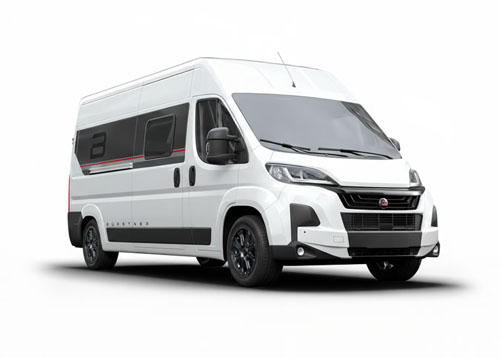
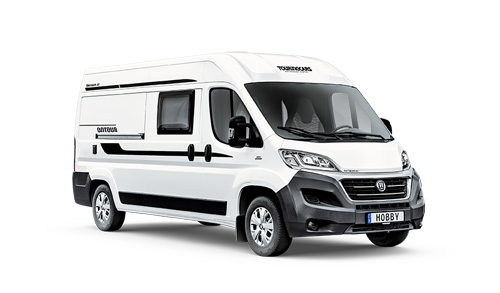
For a weekend RV rental in Sweden, Class B Camper Vans and Class SI Semi-integrated RVs are highly recommended for their balance of maneuverability and comfort on Swedish roads.
Bandana's Class B Camper Vans, averaging 5.8 meters in length and offering around 3.2 sleeping places, provide excellent maneuverability, making them ideal for navigating Sweden's smaller roads and finding parking more easily. If you opt for a slightly larger, yet still manageable, option, Class SI Semi-integrated RVs from Bandana, with an average length of 6.9 meters and about 3.8 sleeping places, offer a good compromise. These provide more interior space and amenities without being overly cumbersome for Sweden's road network. Both these classes are generally comfortable on main roads and allow access to most campsites and designated parking spots (ställplatser) without significant issues. While larger Class C Alcove (averaging 7.5m) and Class A Integrated RVs (also averaging 7.5m) offer more living and sleeping capacity for larger groups, their increased length can make urban navigation and parking slightly more challenging for a short, weekend trip.
Should I Choose a Compact Van Instead of a Large RV in Sweden?
While larger RVs generally pose no major driving issues on Sweden's main roads, a compact van can offer advantages for specific weekend trips, particularly if planning to navigate narrow village streets or frequently park in urban areas.
A compact van, such as Bandana's Class B Camper Van (averaging 5.8 meters in length), provides greater agility, easier parking in standard car spaces, and better fuel efficiency, making it a suitable choice for quick, flexible weekend explorations. However, for most of Sweden's scenic routes and designated campgrounds, the extra comfort, spaciousness, and amenities of a larger RV (like a Class SI Semi-integrated, averaging 6.9 meters, or a Class C Alcove, averaging 7.5 meters) often outweigh the marginal maneuverability benefits of a compact van. If your weekend itinerary involves more time spent relaxing at campsites, cooking indoors, or traveling with more than two people, the increased living and sleeping space of a larger RV will likely provide a more comfortable and enjoyable experience. Ultimately, consider your specific travel plans: if navigating tight historic centers is a key focus, a compact van is beneficial; if nature, open roads, and campsite relaxation are the priorities, a larger RV offers superior comfort and amenities. For ideas you can prep on the road, watch our RV-friendly recipes playlist on YouTube.
Can I Park Anywhere? Free & Wild Camping Rules in Sweden
Sweden's "Allemansrätten" (Right of Public Access) generally allows for respectful wild camping with tents, but its application to motorhomes and campervans is more restricted, often only permitting short overnight parking at designated spots or rest areas if not obstructing or damaging the environment.
Overnight parking in an RV is generally tolerated for one night on public land where no specific prohibition signs are posted, provided you leave no trace, do not disturb residents, and are not in a national park or protected area. It is explicitly forbidden to drive off-road with an RV or to park on cultivated land, within sight of private homes, or in nature reserves and national parks. For peace of mind and access to essential facilities like waste disposal and water refills, utilizing designated RV parking areas (ställplatser) or official campsites (campingplatser) is always the safest and most responsible option. Remember that rules can vary by region, so it's always best to check local regulations and follow local law before parking overnight.
Can I Drive an RV Into the City Center? Heights, Tunnels & Local Signage
Yes, you can generally drive an RV into Swedish city centers, but it requires careful attention to local signage regarding environmental zones, congestion charges, height restrictions for tunnels and parking garages, and 'residents only' streets.
Major cities like Stockholm and Gothenburg have congestion charges that apply to all vehicles, including RVs, entering and exiting during specific hours. These are typically camera-enforced and billed automatically, so ensure you are aware of the zones and payment procedures. Always look for signs indicating height limits before entering tunnels or parking structures, as some older city infrastructure may not accommodate larger RVs. Environmental zones (miljözoner) are in place in certain urban areas, primarily affecting older diesel vehicles; confirm if your rental RV complies with these standards to avoid fines. City parking can be challenging for larger vehicles, so utilizing designated RV parking areas (ställplatser) on the outskirts or well-marked municipal parking that can accommodate longer vehicles is recommended.
How much does a weekend RV rental cost in Sweden?
A weekend RV rental in Sweden typically ranges from SEK 4,000 to SEK 8,000, depending on the RV class, season, and rental duration, though the total trip cost extends beyond just the rental fee.
The base rental cost for an RV in Sweden varies significantly. A compact Class B Camper Van might be on the lower end of this range, while a larger Class C Alcove or Class A Integrated RV will be more expensive. Beyond the rental fee, you’ll need to budget for fuel. RVs in Sweden typically average 10-12 liters per 100 km, and with current diesel prices around SEK 20-25 per liter, a 300km weekend trip could cost between SEK 600-900. Don't forget potential tolls and congestion charges; in cities like Stockholm or Gothenburg, these can range from SEK 11-45 per passage, and bridge tolls, such as the Øresund Bridge, can add approximately SEK 500-600 for an RV. Camping fees also add to the budget, with powered pitches at official campsites usually costing SEK 200-500 per night; free overnight parking is sometimes available but is restricted. Finally, allocate a generous amount for groceries and activities, likely SEK 500-1,000 or more, depending on your dining preferences and planned excursions.
What are the best places for a weekend RV trip in Sweden?
For a memorable weekend RV trip in Sweden, destinations like the West Coast archipelago, the Göta Canal, or parts of Småland offer a blend of scenic beauty, cultural experiences, and accessible routes.
The West Coast, specifically the Bohuslän region, is perfect for exploring picturesque fishing villages, dramatic granite cliffs, and enjoying fresh seafood – ideal for scenic drives and coastal campsites. Småland, known for its deep forests, traditional red cottages, and numerous lakes, is also home to the renowned Kingdom of Crystal and offers family-friendly attractions like Astrid Lindgren's World. For a unique experience, consider the islands of Öland or Gotland, which boast distinctive landscapes and ancient sites, though they require a ferry crossing – booking in advance is recommended for larger RVs. The Dalarna region is ideal for immersing yourself in traditional Swedish culture, visiting Dala Horse factories, and enjoying beautiful lakes and forests, making it a great choice for nature lovers. Beyond these popular spots, seek out off-the-beaten-path experiences by exploring local farm shops (gårdsbutiker) for seasonal produce, discovering lesser-known nature reserves, or visiting small-town museums for unique insights into local life.
What do I need to pack for an RV trip in Sweden?
Beyond personal essentials, an RV trip in Sweden requires packing for variable weather and specific RV needs, with seasonal considerations being key to a comfortable journey.
For any RV trip in Sweden, year-round essentials include layers of clothing, a waterproof jacket and trousers, sturdy walking shoes, a basic first-aid kit, and a universal power adapter for European sockets. During the summer months (May-August), it's crucial to pack blackout blinds or eye masks due to the extended daylight hours, especially in the northern regions experiencing the midnight sun. Insect repellent is also highly recommended during this period. For autumn and spring trips, bring warmer layers, extra blankets, a thermos flask for hot beverages, and waterproof footwear. If you're planning a winter RV adventure (December-March), ensure your rental RV is equipped with mandatory winter tires (often studded), confirm the heating system is fully functional, and pack very warm sleeping bags and clothing. It’s also wise to have a comprehensive road map, chargers for all your electronic devices, a portable power bank, and basic cooking ingredients for meals on board, along with travel games or books for downtime.
Is it safe to wild camp in Sweden with an RV?
While Sweden's "Allemansrätten" permits responsible wild camping in tents, its application for RVs is generally limited to short, respectful overnight parking at suitable spots rather than traditional wild camping, and safety is paramount.
For RVs, "Allemansrätten" primarily allows for parking for a single night at a suitable, non-private spot, provided you cause no disturbance, leave no trace, and are not in a prohibited area such as a national park, nature reserve, cultivated land, or too close to private dwellings. Prioritizing safety means choosing well-lit or visible areas if possible, or opting for designated RV parking areas (ställplatser) which often have other overnight users or security. Always inform someone of your route and location, ensure your RV doors and windows are securely locked, and avoid extremely isolated areas if you feel uncomfortable. Having a reliable cell signal is beneficial for emergencies, and remember that official campsites offer the highest level of safety and convenient access to necessary facilities.
How do I find RV campgrounds and parking spots in Sweden?
Finding RV campgrounds (campingplatser) and designated parking spots (ställplatser) in Sweden is straightforward using a combination of digital resources and local signage.
Utilize popular apps like Park4Night and Campercontact, which offer extensive databases of both official campsites and free or paid ställplatser, complete with user reviews and amenity details. Official camping guides, such as Camping.se, also allow you to search, filter, and often book pitches in advance. Local tourist information centers in towns and cities are excellent resources for local maps and lists of nearby RV facilities. Keep an eye out for the blue signs with a white 'P' (for parking), often accompanied by a caravan or motorhome symbol, indicating designated overnight parking areas. Especially during the peak summer season (July-August) and in popular tourist destinations, booking your campsites in advance is highly recommended to secure a spot, particularly for weekend trips.
Connectivity on the Road: SIM Cards and Wi-Fi in Sweden
Staying connected during your RV trip in Sweden is generally easy, with strong mobile data coverage across most populated areas and readily available local SIM cards.
Sweden boasts excellent 4G/5G network coverage, which extends extensively even into many rural areas, though deep forests or extremely remote locations might have patchy signal. Consider purchasing a prepaid local SIM card from major providers like Telia, Telenor, Halebop, or Comviq upon arrival for cost-effective mobile data access. Many official campsites offer Wi-Fi, which is often included in the pitch fee; however, its reliability, speed, and signal strength can vary greatly depending on the location and size of the campground. Using your smartphone as a mobile hotspot or investing in a dedicated portable Wi-Fi device can provide a reliable internet connection if campground Wi-Fi is insufficient or unavailable. Always ensure your phone is charged and has signal for emergencies, as detailed in your rental agreement's emergency procedures.
Food & Drink Sourcing: Local Produce and Systembolaget in Sweden
Sourcing food and drink for your RV trip in Sweden is convenient, with major supermarkets widely available for staples and opportunities to discover local produce, alongside navigating the state alcohol monopoly.
Major supermarket chains such as ICA, Coop, Hemköp, and Lidl are ubiquitous throughout Sweden and are easily found in most towns, offering a wide selection of groceries. Smaller local stores, like 'Nära Dej' or 'Tempo', provide convenience in more rural areas. When exploring, keep an eye out for charming farm shops (gårdsbutiker) and roadside stalls, particularly during summer, which often sell delicious seasonal berries, vegetables, eggs, and local artisanal products. For alcoholic beverages stronger than 3.5% ABV, you'll need to visit Systembolaget, the exclusive state-owned retail chain. Be sure to plan your visits around their opening hours, as they are typically closed on Sundays and public holidays. Don't miss the opportunity to embrace unique Swedish culinary experiences by trying local specialties such as classic meatballs (köttbullar), various types of herring (sill), or indulging in freshly baked cinnamon buns (kanelbullar) from local bakeries. Many campsites also feature restaurants, and you'll find charming roadside cafés (fika) for coffee and pastries, offering delightful ways to sample local flavors.
RV Accessibility: Parking, Roads & Ferry Considerations in Sweden
Navigating Sweden by RV is generally straightforward, but different RV sizes come with specific accessibility considerations for parking, narrow roads, and ferry travel.
Larger RVs, such as Bandana's Class C Alcoves (averaging 7.5 meters in length) or Class A Integrated RVs (also averaging 7.5 meters), will find designated RV parking spots (ställplatser) or official campsites most suitable, as standard car parks are often too small. Smaller Class B Camper Vans (averaging 5.8 meters) offer more flexibility for standard car parks, though careful planning is still needed in congested urban centers. While main roads in Sweden are excellent, some rural, coastal, or island routes can be narrower, especially in older villages or within national parks. Larger RVs should proceed with caution on these routes, whereas compact vans offer easier passage. Ferries to islands like Öland or Gotland, or even smaller local crossings, charge based on vehicle length and can have weight/height restrictions. Always check and book these ferry services in advance, especially for longer RVs, to avoid any issues. When selecting your rental RV, consider the overall length and turning radius—for instance, Bandana's Class SI Semi-integrated RVs average 6.9 meters—when planning routes that involve tight turns or reversing into pitches.
Traveling with Pets: Guidelines for RVers in Sweden
Traveling with pets in an RV to Sweden is very feasible, but requires specific preparation regarding vaccinations, paperwork, and awareness of pet-friendly locations.
Pets (dogs, cats, and ferrets) entering Sweden from another EU country or a listed non-EU country must have an EU Pet Passport, microchip identification, and a valid rabies vaccination. Dogs may also require deworming against Echinococcus multilocularis (tapeworm), administered by a vet 1-5 days before entry if coming from designated countries; always check the Swedish Board of Agriculture (Jordbruksverket) for the most current regulations. Many Swedish campsites are pet-friendly, often providing designated areas for dogs and sometimes even dog showers; it's essential to confirm pet policies when booking your pitch. While pets are generally allowed in natural areas (on a leash), they may be restricted from indoor attractions, most restaurants (unless they are service animals), and some public beaches. Specific rules also apply to public transport. Practice responsible pet ownership by always cleaning up meticulously after your pet, keeping them on a leash where required, and never leaving them unattended in a hot RV, especially during summer.
Emergency Procedures & Roadside Assistance for RVers in Sweden
Knowing emergency procedures and roadside assistance options is crucial for a worry-free RV trip in Sweden, ensuring you're prepared for any unforeseen circumstances.
The universal emergency number in Sweden is 112 for all emergencies, including police, ambulance, and fire department. Operators are fluent in both Swedish and English. Most reputable RV rental companies include roadside assistance in their rental packages or offer it as an optional add-on; ensure you have your rental company's direct assistance number readily available. In the event of a breakdown, move the RV to a safe location if possible, put on your high-visibility vest (which is often mandatory to carry), place a warning triangle behind the vehicle, and contact your rental company's assistance line immediately. It's also helpful to keep a list of important contacts, including your rental provider, your embassy or consulate, and the contact details for any pre-booked campsites. Upon collecting your rental RV, familiarize yourself with its basic toolkit, tire repair kit, and first-aid supplies, as well as the location of the spare tire and other safety equipment.
Responsible RVing: Protecting Sweden's Pristine Nature
Adopting responsible RVing practices is essential to preserve Sweden's beautiful and pristine natural environment, aligning with the spirit of "Allemansrätten" and ensuring sustainability for future travelers.
Always practice the "Leave No Trace" principle by packing out everything you pack in, including all rubbish, and disposing of waste properly in designated bins at campsites or public recycling stations. Crucially, use official disposal points (tömplatser) at campsites or designated service stations for emptying grey water and chemical toilets; never dispose of these materials directly into nature or waterways. Be mindful of your water usage, especially when camping off-grid, as fresh water refills may not be readily available in all areas. Exercise extreme caution with open fires, particularly during dry periods or high winds, always adhering to local fire bans and using designated fire pits where permitted. Remember to respect wildlife and vegetation by not disturbing animals, picking protected plants, or damaging trees, and by staying on marked paths and roads to minimize your impact on delicate ecosystems.
Final Thoughts
Embarking on a weekend RV adventure in Sweden offers a unique and intimate way to experience the country's stunning natural beauty and vibrant culture. By choosing the right RV, understanding the local driving nuances, and planning your route thoughtfully, you can create an unforgettable short break.
Remember that flexibility is key when traveling by RV, especially for shorter trips. Embrace the slow travel ethos, allowing yourself time to savor the moments and connect with the landscapes. With Bandana Caravan, planning your Swedish RV getaway is straightforward, ensuring you have all the support you need for a seamless and enjoyable experience.