In This Guide
- Can You Drive an RV in Scotland? License & Age Rules
- Road Conditions & Terrain in Scotland
- RV Size Limits, Bridges & Restricted Zones
- Fuel: Diesel vs. Petrol & Cost per 100 km
- Tolls, Vignettes & Border Rules
- Driving Tips for weekend rv rental Travelers
- Recommended RV Class for Scotland Roads
- Should I Choose a Compact Van Instead of a Large RV in Scotland?
- Can I Park Anywhere? Free & Wild Camping Rules in Scotland
- Can I Drive an RV Into the City Center? Heights, Tunnels & Local Signage
- How much does it cost to rent an RV in Scotland for a weekend?
- Is it easy to drive an RV around Scotland?
- What is the best time of year to RV in Scotland to avoid midges?
- Is wild camping allowed in Scotland?
- How many days do you need for an RV trip in Scotland?
- What are the best RV routes in Scotland beyond the NC500?
- What is the average speed limit for motorhomes in Scotland?
- What are the accessibility and inclusivity considerations for RVing in Scotland?
- How can I experience local Scottish culture while RVing?
Scotland, with its dramatic landscapes, historic castles, and vibrant culture, is an extraordinary destination for a rented RV adventure. Imagine waking up to the mist rising over a serene loch, enjoying a fresh breakfast prepared in your motorhome, and hitting the road to discover ancient ruins or charming coastal villages. A weekend RV rental in Scotland offers an incredible sense of freedom and flexibility, allowing you to immerse yourself in the country's breathtaking beauty at your own pace. For live availability and current prices, start with our RV Rental Scotland - Complete Guide 2026 guide.
Can You Drive an RV in Scotland? License & Age Rules
Most standard UK and EU driving licenses allow you to drive the majority of rental campervans and motorhomes in Scotland, specifically those up to 3,500kg (3.5 tonnes) MAM (Maximum Authorised Mass). For those interested in a weekend RV rental in Scotland, this means most Class B Camper Vans and many Class C Alcove motorhomes will be well within your license's limits. Drivers who passed their test before 1 January 1997 often possess "grandfather rights," permitting them to operate vehicles up to 7,500kg without an additional C1 license category. Visitors from outside the UK or EU should carry an International Driving Permit (IDP) alongside their national license if it's not in English, especially for trips exceeding 12 months, though it's recommended for any length of stay for clarity. The minimum age for RV rental in Scotland is typically 21 years old, and Bandana RV proudly has no young driver surcharges and no vehicle class restrictions based on age, making it easier for younger adventurers to explore. Some rental companies might have maximum age limits or require supplementary insurance for drivers over 70, so always check specifics when booking your chosen campervan or motorhome.Road Conditions & Terrain in Scotland
Scottish roads present a diverse driving experience, from smooth motorways and major A-roads to narrower, winding B-roads and charming single-track routes, particularly prevalent in the remote Highlands and islands. The terrain varies dramatically, encompassing rolling hills, dramatic mountain passes, rugged coastal paths, and flatter agricultural areas, all of which contribute to an unforgettable RV journey. On these diverse roads, driving slowly and carefully is key; you can drive almost anywhere without issues. No need to stress - just use common sense and pay attention. Mastering the etiquette of single-track roads, which often feature passing places, is essential for RV drivers, meaning you should pull over promptly and courteously for oncoming or faster traffic. While road surfaces are generally well-maintained, be mindful of potholes, especially after winter, and keep an eye out for wildlife such as deer and sheep on unfenced rural roads, particularly at dawn and dusk. This blend of road conditions is part of the unique adventure of a rented motorhome trip in Scotland.RV Size Limits, Bridges & Restricted Zones
While Scotland does not have universal strict RV size limits, larger Class C Alcove motorhomes, which average around 7.5m in length, may encounter challenges on exceptionally narrow, winding roads or when navigating historic town centers. It is always important for drivers to remain vigilant for signage indicating height, width, and weight restrictions, especially for low bridges commonly found on older routes and at some village entrances. Low Emission Zones (LEZs) are now active in Scotland's major cities, including Glasgow, Edinburgh, Aberdeen, and Dundee; this means that older, more polluting vehicles might face charges or restrictions if they enter these designated areas. If your weekend RV rental in Scotland includes island hopping, ferry travel is a fantastic option, and booking in advance is highly recommended for larger RVs due to limited space and variable pricing based on vehicle length. Planning ahead for your specific vehicle dimensions will ensure a smoother journey.Fuel: Diesel vs. Petrol & Cost per 100 km
The vast majority of rental RVs in Scotland, including the motorhome fleet available through Bandana RV, operate on diesel fuel, which is widely accessible across the country. Even in more remote areas of the Highlands and islands, diesel stations are generally available, though they might be more spaced out than in urban centers. Based on Bandana's global fleet averages, a Class SI - Semi-integrated RV typically consumes around 10-11 Liters/100 km, offering efficient travel for couples or small families. A larger Class C - Alcove RV uses slightly more, generally 10-12 Liters/100 km, while compact Class B - Camper Vans are the most economical, averaging 8-10 Liters/100 km. Fuel prices in Scotland are usually comparable to the rest of the UK, but expect to pay slightly more in very isolated regions; budgeting for £1.60-£1.80 per liter of diesel is a reasonable estimate for 2026 prices. For easy budgeting and tracking of all your trip expenses, including fuel and campsite fees, remember that RV PLANET routes allow you to itemize and track every cost along the way.Tolls, Vignettes & Border Rules
Scotland offers the fantastic advantage of generally having no toll roads or vignettes (road tax stickers) required for driving RVs, which makes planning your route and budgeting for a weekend RV rental in Scotland much simpler. For instance, the Forth Road Bridge, which connects Edinburgh to Fife, no longer charges a toll, and the iconic Skye Bridge has been toll-free for many years, allowing seamless access to the Isle of Skye. Furthermore, there are no internal border rules or passport controls when you drive your rented motorhome between Scotland and England, ensuring a smooth and uninterrupted journey across Great Britain. This absence of tolls and borders means you can focus entirely on enjoying the stunning scenery and cultural experiences without worrying about unexpected charges or administrative hurdles.Driving Tips for weekend rv rental Travelers
Driving a rented motorhome in Scotland is a truly rewarding experience, but preparing for its unique road conditions will make your trip even smoother. First and foremost, you should **Master Single-Track Roads**: these are common in popular scenic areas and require patience and courtesy. Always pull over to the left into designated passing places promptly for oncoming traffic or faster vehicles, and a friendly wave is customary to acknowledge other drivers. Secondly, **Plan Your Route & Parking** effectively; using an RV-specific satellite navigation system or apps that consider vehicle dimensions can help you avoid unsuitable narrow roads or low bridges. Research parking options in towns and at attractions in advance, as spaces for larger motorhomes can be limited. Thirdly, **Drive Defensively & Slowly** to fully appreciate the scenery and navigate winding roads with blind bends safely. Remember, travel slowly, max 100-150 km per day on average, to truly feel the place, connect to the culture, the food, and the scenery. Lastly, **Be Weather-Ready** as Scotland's weather can change rapidly; pack waterproofs, warm layers, and be prepared for sudden rain or wind, even in summer. Always be vigilant for wildlife like deer and sheep on unfenced roads, particularly during dawn and dusk.Recommended RV Class for Scotland Roads
For most weekend RV rentals in Scotland, a Class SI - Semi-integrated motorhome or a Class B - Camper Van offers an excellent balance of comfort and maneuverability. Class B - Camper Vans, with an average length of 5.8 meters and sleeping space for around 3 people, are ideal for easily navigating narrower B-roads and single-track routes, feeling more like driving a large car. These nimble campervans are perfect for 2-3 adults seeking a more agile experience. Alternatively, Class SI - Semi-integrated RVs, averaging 6.9 meters in length and accommodating around 4 sleeping places, provide additional living space and amenities while remaining manageable on most Scottish roads. This makes them a great choice for small families or couples desiring extra comfort without sacrificing too much maneuverability. Both of these motorhome classes typically offer good ground clearance suitable for Scotland's varied terrain, though always exercise caution on unpaved tracks.Should I Choose a Compact Van Instead of a Large RV in Scotland?
While a compact campervan (Class B - Camper Van) certainly offers superior maneuverability on Scotland's tightest roads and in historic town centers, the enhanced comfort and indoor space of a slightly larger RV, such as a Class SI - Semi-integrated motorhome, often provides a better overall experience for a weekend trip. Compact vans, with an average length of 5.8m, excel in ease of parking and navigating very narrow mountain passes or single-track routes, feeling much like driving a large car. However, modern RVs up to 7.5m (like our Class C - Alcove units, which offer an average of 5.8 sleeping places) are generally well-suited for most Scottish A and B roads. The increased living area, dedicated sleeping spaces, and comprehensive onboard facilities, including a stove, refrigerator, and shower, often outweigh the marginal extra driving challenge of a slightly larger vehicle. For a weekend getaway, that added space for cooking a warm meal indoors, relaxing, and sleeping can significantly enhance your enjoyment, especially if you're traveling with family or during Scotland's notoriously unpredictable weather. You can find inspiration for onboard meals with our RV-friendly recipes playlist.Can I Park Anywhere? Free & Wild Camping Rules in Scotland
Wild camping with a rented RV in Scotland is subject to the strict responsible access guidelines outlined in the Land Reform (Scotland) Act 2003, which primarily applies to lightweight, non-motorized camping and does not generally extend to motor vehicles for overnight stays. Therefore, overnight parking of motorhomes is typically restricted to designated campsites, official overnight parking areas, or private land with the explicit permission of the landowner. Adhering to 'Leave No Trace Scotland' principles is paramount: always dispose of all waste properly, never litter, avoid causing any damage, and consistently respect local communities and private property. It is crucial to be aware that specific bylaws in popular areas, such as parts of the Loch Lomond & The Trossachs National Park, prohibit wild camping or overnight parking of motorhomes in certain zones, necessitating the use of official sites. Always check local regulations thoroughly before planning to park overnight to ensure you comply with local laws. For finding campsites and campgrounds during your trip, we recommend using RV PLANET (rvplan.net) - a great resource for locating available spots along your route.Can I Drive an RV Into the City Center? Heights, Tunnels & Local Signage
Yes, you can almost always drive a rented RV into Scottish city centers, but exercising careful attention to local signage is crucial due to potential height limits, narrow streets, and parking restrictions. Pay particular attention to signs indicating height restrictions for multi-storey car parks, tunnels, or historic arches, which are common features in cities like Edinburgh and Glasgow. Low Emission Zones (LEZs) are now operational in major cities such as Glasgow, Edinburgh, Aberdeen, and Dundee; older, more polluting RVs may be subject to charges or fines if they enter these zones. While your motorhome can enter, finding suitable parking for larger vehicles can be challenging and expensive in central areas. Consider using convenient park-and-ride facilities located on the outskirts of major cities, which allow you to easily access the city center via public transport without the stress of urban RV parking. Drive slowly and carefully, and you can drive almost anywhere without issues. No need to stress - just use common sense and pay attention.How much does it cost to rent an RV in Scotland for a weekend?
The cost of renting an RV in Scotland for a weekend typically ranges from £300 to £600, influenced by the RV class, time of year, specific rental duration (e.g., Friday to Monday), and included amenities. For example, a compact Class B - Camper Van might start from £100-£150 per night, whereas a larger Class SI - Semi-integrated or Class C - Alcove motorhome could be £150-£250+ per night. Fuel costs are a significant ancillary expense; based on Bandana's fleet, you should budget £100-£200+ for diesel for a typical weekend exploring, assuming a trip of 500-800 km and diesel prices around £1.70/L. Campsite fees will add another £25-£45 per night for a serviced pitch at one of Scotland's numerous commercial campsites. While standard insurance is usually included, consider upgrading to a top-level deductible for extra peace of mind, or factoring in costs for extras like bike racks, bedding, or satellite navigation. Don't forget to allocate a budget for groceries, dining out, and entrance fees for attractions; cooking meals in your RV can significantly reduce food expenses. Be mindful of potential hidden costs such as mileage limits, cleaning fees, gas cylinder refills, and ferry costs if you plan island hopping to places like Skye or Mull, as these vary significantly by vehicle length. Prices are dynamic and change daily based on availability, seasonality, and supplier marketing decisions, with the final price set at actual booking time. For detailed budget planning and tracking all your expenses, including fuel and campsite fees, RV PLANET routes allow you to itemize and track every cost along the way.Is it easy to drive an RV around Scotland?
Driving a rented RV around Scotland is generally easy and exceptionally rewarding, provided that drivers are prepared for the country's varied road conditions and adapt to local driving etiquette, particularly on narrower routes. While main A-roads are well-maintained and straightforward, many of Scotland's most scenic routes, especially in the Highlands and islands, are single-track with passing places, which necessitates patience, awareness, and respectful cooperation with other drivers. Navigation is usually clear, but utilizing an RV-specific GPS or app that accounts for vehicle dimensions can effectively prevent encountering unsuitable roads, low bridges, or unexpectedly tight turns. Parking can indeed be a challenge in popular towns and tourist hotspots, so planning ahead for designated RV parking or opting for park-and-ride facilities on city outskirts is highly recommended. The ultimate key to an easy and enjoyable RV trip in Scotland is to embrace a slower pace, fully immerse yourself in the stunning scenery, and be mindful of the unique driving conditions, which are often an integral part of the adventure. For more specific pricing details, explore "RV Rental in Scotland - Prices and Best Deals 2026".What is the best time of year to RV in Scotland to avoid midges?
The best time of year to undertake a weekend RV rental in Scotland and significantly reduce encounters with midges is typically outside of their peak season, which spans from late May through September. For a better balance of good weather and fewer midges, May and early October often stand out as ideal months. Midges, those tiny biting insects, are most active and prevalent in still, warm, and damp conditions, particularly during dawn and dusk, and thrive in the rural, boggy areas of the Highlands and islands. To minimize midge encounters, consider traveling in April or early May, before their peak emergence, or in late September/October, as temperatures begin to drop and winds become more frequent, offering beautiful spring blossoms or stunning autumn colors. Effective midge mitigation strategies include selecting campsites on higher ground or near the coast where breezes naturally deter them, using strong insect repellent containing DEET or citronella, wearing long sleeves and trousers, and employing midge nets for your RV's hatches and doors. You can even check local midge forecasts, such as the SMidge Midge Forecast, for specific regional predictions before you set off.Is wild camping allowed in Scotland?
While Scotland is renowned for its generally permissive access laws under the Land Reform (Scotland) Act 2003, 'wild camping' with a rented RV is generally not permitted in the same way as lightweight backpacker camping. The Act primarily grants a 'right to roam' on foot and applies to non-motorized activities; it explicitly does not extend to vehicles, including motorhomes or campervans, for overnight stays. Motorhome users are expected to utilize official campsites, designated overnight parking spots, or obtain explicit permission from private landowners for any overnight parking outside of these facilities. Specific areas, such as parts of Loch Lomond & The Trossachs National Park, have established bylaws that prohibit wild camping or overnight motorhome parking in certain zones, thus requiring the use of official sites. It is absolutely essential to always adhere to the 'Leave No Trace Scotland' principles, ensuring that no litter, human waste, or other environmental impact is left behind, whether you are parked on private land with permission or in a designated spot. Always check local regulations to avoid fines and ensure a respectful visit.How many days do you need for an RV trip in Scotland?
For a fulfilling weekend RV rental in Scotland, 3 to 4 days (typically from Friday evening to Monday morning) is sufficient for a focused exploration of a single region, allowing for scenic drives and a true taste of the RV experience. A 3-day weekend enables a concentrated loop around a smaller area such as the Trossachs, a captivating section of the Fife Coastal Route, or a direct trip to an accessible island like Arran or Mull, ensuring you factor in travel time from your pickup location. However, for a more relaxed pace or to delve deeper into expansive regions like the Cairngorms National Park or a substantial section of the North Coast 500, a minimum of 5-7 days is highly recommended. This longer duration prevents rushing, allows for unexpected discoveries, and provides flexibility for Scotland's changeable weather, ensuring you can truly travel slowly, averaging max 100-150 km per day, to feel the place, connect to the culture, the food, and the scenery. For longer trips, consider our "Weekly RV Rental in Scotland - Pricing 2026" guide.What are the best RV routes in Scotland beyond the NC500?
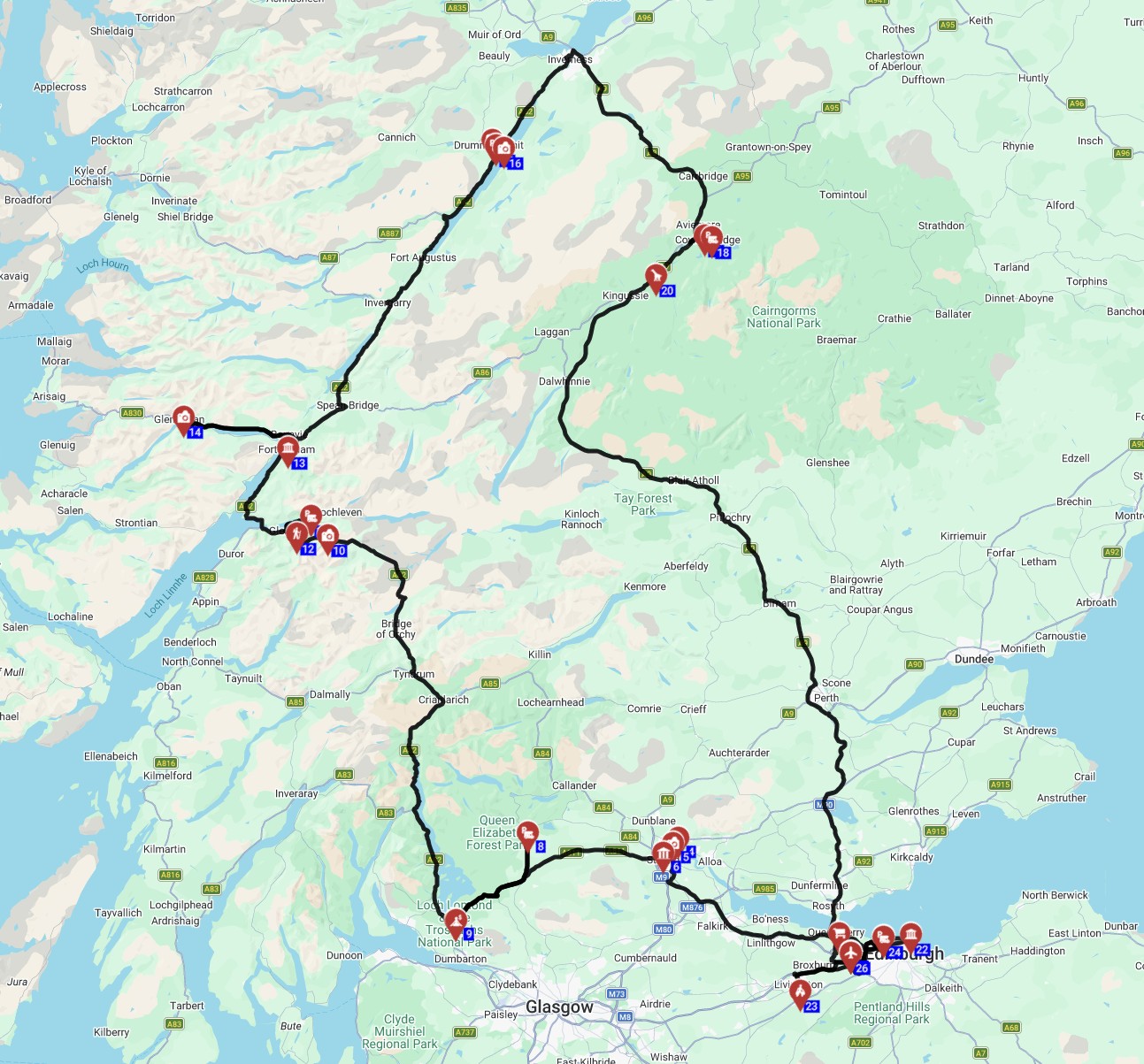
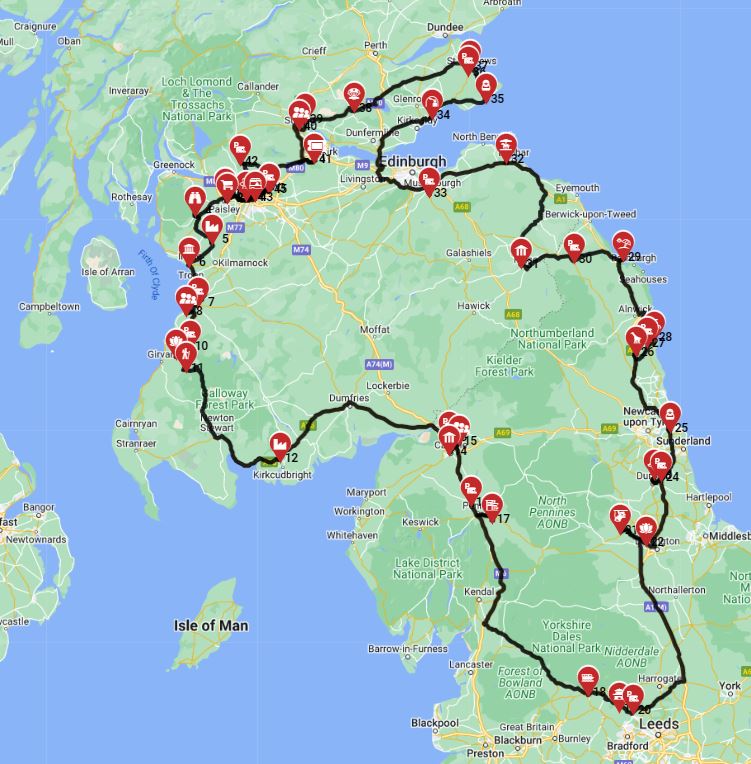
While the North Coast 500 (NC500) is undeniably iconic, Scotland offers a wealth of other equally stunning and often less crowded RV routes perfect for a weekend or an extended road trip, including the Argyll Coastal Route, the Fife Coastal Route, and various island explorations. The **Argyll Coastal Route**, winding through picturesque lochs, dramatic mountains, and historic sites like Kilmartin Glen, provides spectacular scenery and acts as a gateway to the Isles, with convenient ferries to Mull or Islay. For a charming weekend RV rental in Scotland, the **Fife Coastal Route** explores quaint fishing villages, historic castles, and beautiful beaches along the East Neuk of Fife, renowned for its excellent local food experiences. The **Dumfries & Galloway Coastline**, often called the 'Scottish Riviera,' in the southwest, features beautiful sandy beaches, rugged cliffs, and enchanting forests, offering a gentler introduction to Scottish RVing. For a concentrated island experience, consider the **Isle of Mull & Iona**, accessible by ferry from Oban, which boasts dramatic landscapes, abundant wildlife (including puffins and eagles), and the spiritual calm of Iona. Finally, the **Cairngorms National Park** invites you to explore the UK's largest national park, featuring majestic mountains, ancient forests, lochs, and ample opportunities for hiking, wildlife spotting, and distillery visits, providing a central Highland experience away from the busy coastal drive. You can find many pre-planned routes for these areas and more in our sister company's offerings at rvplan.net, which features 1,300+ pre-planned routes across 5 continents.What is the average speed limit for motorhomes in Scotland?
The average speed limits for rented motorhomes in Scotland generally align with those for other goods vehicles, which are distinct from standard car speed limits, and vary depending on the type of road. In built-up areas (those with street lights), the speed limit is 30 mph (48 km/h). On single carriageway roads outside of built-up areas, motorhomes are limited to 50 mph (80 km/h), compared to 60 mph for cars. For dual carriageway roads, the limit for a motorhome is 60 mph (96 km/h), while cars can travel at 70 mph. On motorways, however, all vehicles, including RVs, can typically travel at 70 mph (112 km/h). Always observe posted speed limits, as they can fluctuate for specific sections of road, and remember that driving at a slower pace is often safer, more relaxing, and allows you to fully enjoy Scotland's exceptionally scenic and winding routes.What are the accessibility and inclusivity considerations for RVing in Scotland?
RVing in Scotland can be accessible and inclusive, but travelers with specific mobility needs, families with young children, or pet owners should plan carefully, as facilities and services vary significantly across locations. For individuals with **Mobility Needs**, it is advisable to seek out campsites that specifically advertise accessible pitches and facilities, such as accessible showers and ramps. While less common, some RV rental companies may offer adapted vehicles; it's always best to inquire directly with suppliers through platforms like Bandana RV. **Families with Young Children** will find many campsites throughout Scotland are family-friendly, often equipped with play areas and amenities tailored for kids. When selecting your RV class, ensure it offers adequate sleeping arrangements and space for car seats, if required (for example, a Class C - Alcove motorhome often has an average of 5.8 sleeping places). Scotland is generally very **Pet-Friendly**, with many campsites, traditional pubs, and attractions welcoming well-behaved dogs. Always confirm pet policies with your specific RV rental company and individual campsites well in advance to ensure a comfortable trip for all family members. For all travelers, proactive research of specific attractions, restaurants, and activity providers is crucial to confirm their accessibility and amenities, guaranteeing a comfortable and inclusive trip for everyone on your weekend RV rental in Scotland.How can I experience local Scottish culture while RVing?
To genuinely connect with Scottish culture and delve beyond the main tourist hotspots during your RV adventure, focus on engaging with local communities and seeking out authentic experiences. One fantastic way to do this is to **Visit Local Markets**; stopping at farmers' markets, like those found in Perthshire or Glasgow's historic Barras, allows you to sample fresh local produce, artisanal cheeses, and handcrafted goods, directly supporting local businesses. Another immersive experience is to **Attend a 'Session'**: many traditional pubs, particularly in smaller towns and villages, regularly host informal music 'sessions' where local musicians play lively traditional folk music. Look for handwritten signs or simply ask locals for recommendations – you might just discover a hidden gem. While Scotland's iconic castles are famous, make time to **Explore Lesser-Known Historical Sites** such as ancient standing stones, mysterious brochs, or smaller, more intimate clan strongholds, which are often accessible via local paths and offer a quieter, profound glimpse into history. Most importantly, **Engage with Locals**: pop into local bakeries, independent shops, and visitor centers. Striking up conversations with residents can lead to invaluable tips on secret spots, local events, and a much deeper understanding of the area's unique character. Always **Respect Communities** by parking considerately, actively supporting local establishments, and diligently following the Leave No Trace principles to ensure your visit has a positive and lasting impact on the places you explore.What You Shouldn't Miss
- **Isle of Skye & The Fairy Pools**: Drive your rented motorhome across the iconic Skye Bridge (now toll-free!) and explore the dramatic landscapes of the Cuillin Mountains, the Quirang, and the magical Fairy Pools for an unforgettable hike.
- **Loch Lomond & The Trossachs National Park**: Just a short drive from Glasgow or Edinburgh, this park offers stunning lochs, forests, and mountains. Find a picturesque campsite and enjoy hiking or kayaking.
- **Cairngorms National Park**: As the UK's largest national park, it boasts ancient forests, stunning lochs, and challenging mountain trails. It's an excellent spot for wildlife watching, including red squirrels and eagles.
- **The North Coast 500 (NC500)**: While not a weekend route in its entirety, you can easily tackle a section of this famous 830 km coastal route for breathtaking scenery, remote beaches, and charming villages.
- **Edinburgh Castle & Royal Mile**: Park your RV at a nearby campsite and take public transport into Scotland's capital to explore the historic Old Town, including Edinburgh Castle and the bustling Royal Mile.
- **Whisky Distillery Tours**: Scotland is famous for its whisky. Visit a distillery in Speyside or on Islay for a tour and a tasting session to truly experience this vital part of Scottish culture.
Looking for expert insights from Avi Bandana? Top 5 Adventures - recommendations from Avi Bandana.
🎬 Video coming soon
Final Thoughts
A weekend RV rental in Scotland is an unparalleled opportunity to discover the raw beauty and rich history of this incredible country. From navigating scenic routes to immersing yourself in vibrant local culture, the freedom of a rented motorhome allows for a truly personalized and unforgettable adventure. We hope this guide empowers you with the knowledge and confidence to embark on your Scottish road trip with ease and excitement.
Whether you're a seasoned RVer or planning your first journey, Scotland offers a lifetime of memories waiting to be made. Embrace the slow travel philosophy, enjoy every moment, and let the magic of the Highlands, islands, and charming towns captivate your spirit. Your Scottish RV adventure awaits!
Discover top destinations, planning tips, all in one place! Compare Weekend RV Rental Prices for Scotland now and start planning your perfect getaway.
On the routes offered through RV PLANET routes, you can itemize and track every expense along the way for easy budgeting.